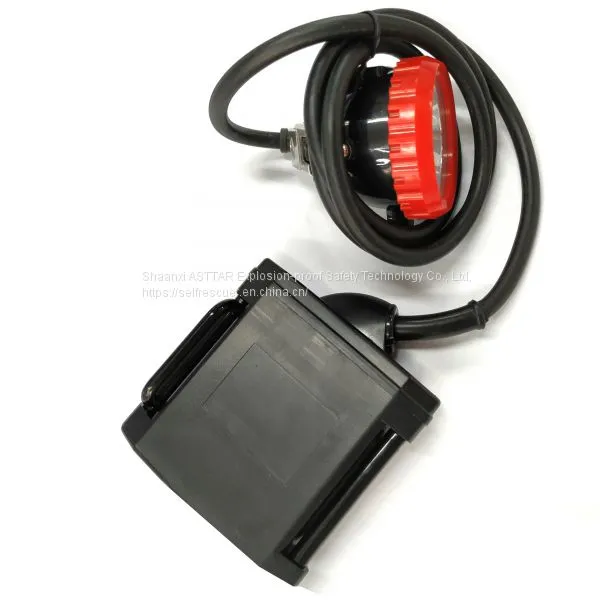

 Business License
ATEX Certified LED Mining Headlamp: A Complete 2026 Guide
An ATEX certified LED mining headlamp is a portable lighting device tested and approved for use in explosive atmospheres found in underground mines, tunnels, and hazardous industrial sites. It combines energy-efficient LED output with enclosure or circuit designs that prevent the lamp from igniting methane, coal dust, or flammable vapors.
Imagine a miner reaching up to adjust a headlamp near a methane-rich return airway. A single spark from an unprotected switch could turn a routine task into a disaster. Safety managers do not treat headlamps as simple commodity purchases. In coal mines, metal mines, and tunnelling projects, the headlamp must be certified, durable, and predictable under pressure.
This guide explains what ATEX certification means, which LED mining headlamp features matter most, and how to compare models like the KL6Ex against your site requirements. You will learn the standards, performance specs, inspection routines, and procurement mistakes that determine whether your lighting is an asset or a liability.
Key Takeaways
An ATEX certified LED mining headlamp is mandatory for explosive atmospheres because it limits ignition energy and contains internal faults safely.
Key buying criteria include ATEX/IECEx zone rating, luminous output, runtime, beam pattern, impact resistance, and methane alarm options.
The KL6Ex LED cap lamp delivers long runtime, explosion-proof construction, and optional gas alarm integration for coal mine safety.
Daily inspections should cover housing cracks, lens condition, charging contacts, and battery runtime trends.
Always request the ATEX certificate and test report for the exact model number, not a generic family or catalog listing.
What Is an ATEX Certified LED Mining Headlamp?
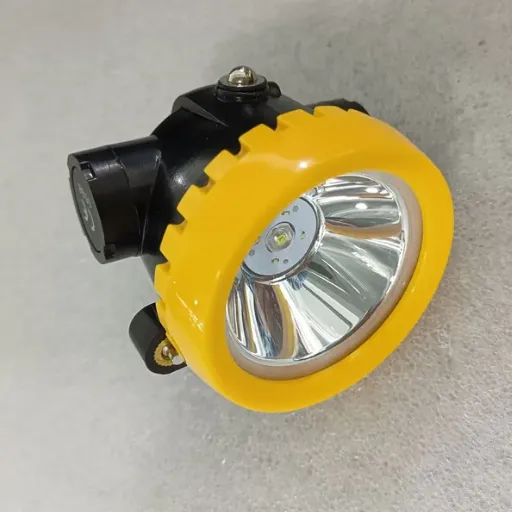
An ATEX certified LED mining headlamp is a battery-powered cap lamp that meets the requirements of the EU ATEX directive for equipment used in explosive atmospheres. ATEX stands for Atmosphères Explosibles. The directive splits hazardous areas into zones based on how often an explosive atmosphere is present, and it requires equipment to carry an equipment protection level (EPL) and category code that matches the zone.
For mining, the main risk is methane gas mixed with air and suspended coal dust. A certified LED mining headlamp controls three things:
Ignition energy: The electrical circuits operate at energy levels below what is needed to ignite methane.
Surface temperature: The lamp housing stays below the auto-ignition temperature of surrounding gas or dust.
Enclosure integrity: If an internal fault produces a spark, the flameproof or encapsulated enclosure contains it.
ATEX certification is not a marketing label. It is a legal requirement for equipment placed on the European market in hazardous areas, and many mines outside Europe use it as a benchmark. For a broader look at underground lighting options, see our complete cap lamp guide.
Why LED Technology Has Replaced Traditional Miner Lamps
Traditional miner safety lamps used flames or incandescent bulbs with limited runtime and high heat output. LED mining headlamps have replaced them because they produce more light per watt, run cooler, last longer, and integrate better with explosion-proof designs.
Efficiency and Runtime
LEDs convert most electrical energy into visible light rather than heat. This means a compact battery can power a high-output beam for an entire 12-hour shift or longer. Many models now deliver 16+ hours of runtime on a single charge, reducing the number of spare batteries carried underground.
Durability
LED emitters have no filament to break. They withstand vibration from haulage, drilling, and bolting operations better than incandescent or halogen alternatives. For a mining headlamp, mechanical reliability matters as much as optical output.
Instant and Dimming Control
LEDs reach full brightness immediately. They also support dimming, strobe, and spot/flood modes that let workers preserve battery life or signal in emergencies. These features are difficult to achieve safely with older lamp technologies.
ASTTAR's LED cap lamp range uses LED platforms designed for hazardous-area mining, with options for long runtime and methane alarm integration.
ATEX Zones, Categories, and What They Mean for Headlamps
To choose the right LED mining headlamp, you need to match the certification to the atmosphere where it will be used. ATEX uses zones for gases and dusts, and categories that describe the level of protection.
Gas Atmospheres
Zone 0: Explosive gas atmosphere present continuously or for long periods. Equipment here must be category 1G with very high protection.
Zone 1: Explosive gas atmosphere likely during normal operation. Equipment must be category 2G.
Zone 2: Explosive gas atmosphere unlikely during normal operation and short-lived if it occurs. Equipment must be category 3G.
Dust Atmospheres
Zone 20: Explosive dust cloud present continuously or for long periods. Category 1D.
Zone 21: Explosive dust cloud likely during normal operation. Category 2D.
Zone 22: Explosive dust cloud unlikely and short-lived. Category 3D.
Equipment Protection Levels
Ga: Suitable for zone 0, 1, or 2.
Gb: Suitable for zone 1 or 2.
Gc: Suitable for zone 2.
For most underground coal mine applications, a headlamp rated at least II 2G Ex ib I Mb or similar is expected, meaning it is suitable for category 2 gas atmospheres in mines. Always confirm the specific marking with the manufacturer and compare it to your site's hazardous-area classification.
Key Features to Compare in a Mining Headlamp
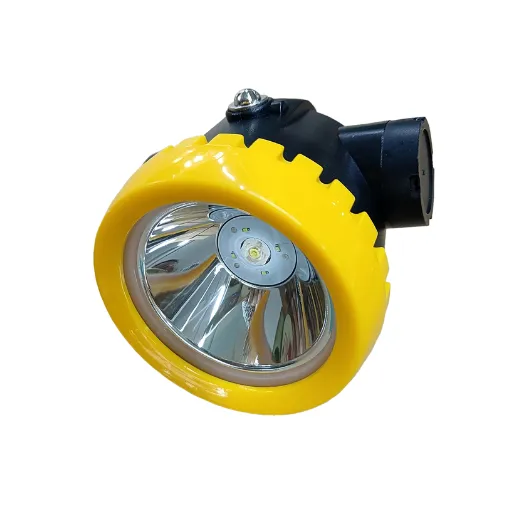
When reviewing an ATEX certified LED mining headlamp, brightness alone is not enough. Safety managers evaluate the whole system: battery, beam, housing, charger, and certification.
Luminous Output and Beam Pattern
Output is measured in lumens. A main beam of 150-300 lumens is common for close-range work, while a focused spot beam helps identify hazards at distance. Some lamps offer dual beams or adjustable focus. Consider whether workers need flood lighting for general tasks or a narrow beam for inspection and cable routing.
Runtime
Runtime depends on battery capacity, LED efficiency, and brightness setting. A lamp rated for 16 hours at full power gives margin for overtime or unexpected delays. Low-power modes can extend runtime to 24 hours or more. Verify whether the stated runtime applies to the highest brightness level or an economy setting.
Battery Type and Charging
Lithium-ion batteries dominate modern cap lamps because of their high energy density. Charging stations should include overcharge, short-circuit, and temperature protection. Some systems use contactless or cradle charging to reduce wear on connectors in dusty environments.
Impact and Ingress Protection
Mining headlamps take abuse. Look for impact resistance tested to relevant standards and an IP rating that resists dust and water. IP65 or higher is common for underground use. The lens should be scratch-resistant polycarbonate or similar material.
Weight and Comfort
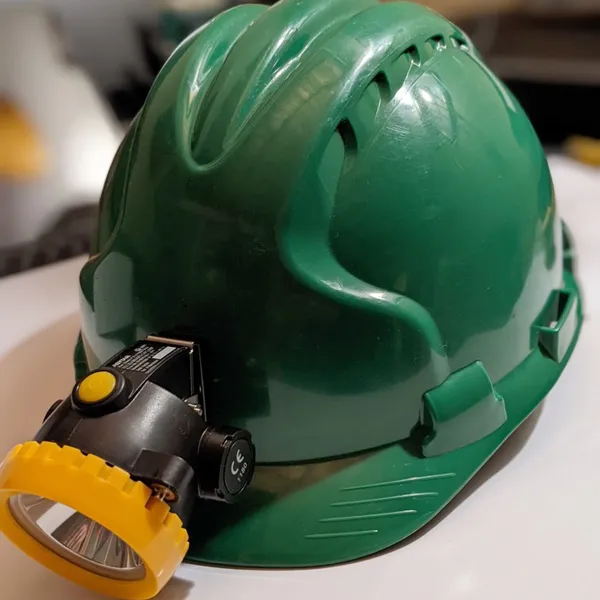
A lamp may be worn for an entire shift. Weight distribution, headband adjustability, and sweat management affect whether workers keep the lamp positioned correctly. A poorly fitting lamp is a safety hazard because it distracts the wearer and reduces visibility.
Methane Alarm Integration
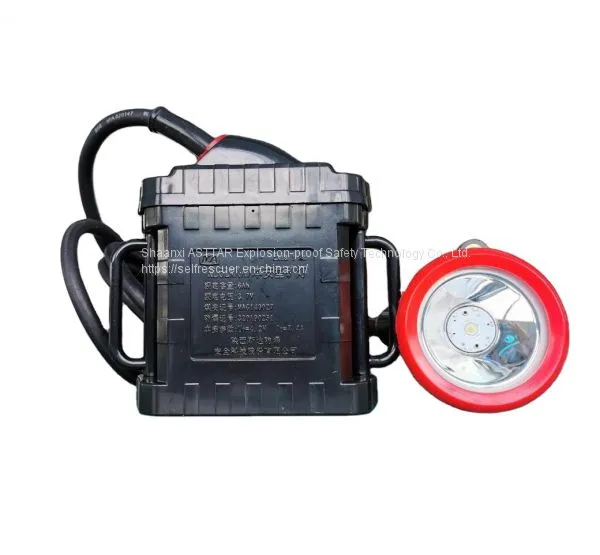
Some advanced LED mining headlamps include a methane alarm that warns the wearer when gas concentrations rise. This adds a second safety layer to the cap lamp and can reduce the number of separate devices a worker must carry. For operations where methane is a primary concern, this feature can justify a higher unit cost and fits well within broader coal mine safety solutions.
The ASTTAR explosion-proof lighting portfolio includes both cap lamps and fixed underground fixtures for operations that want consistent hazardous-area protection.
The KL6Ex ATEX LED Cap Lamp
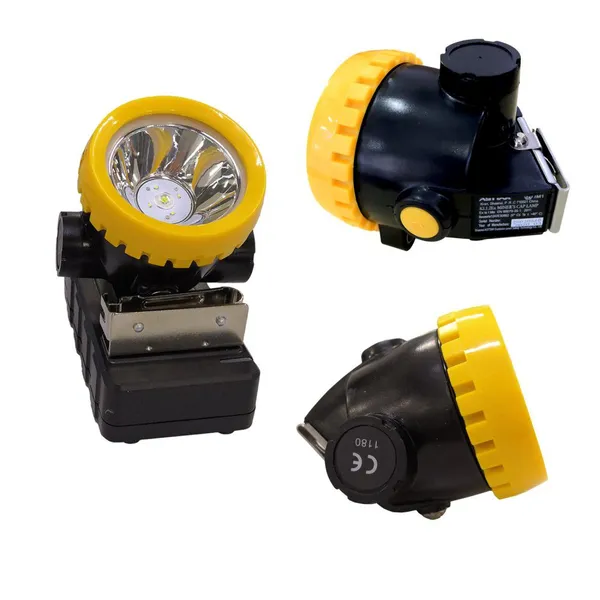
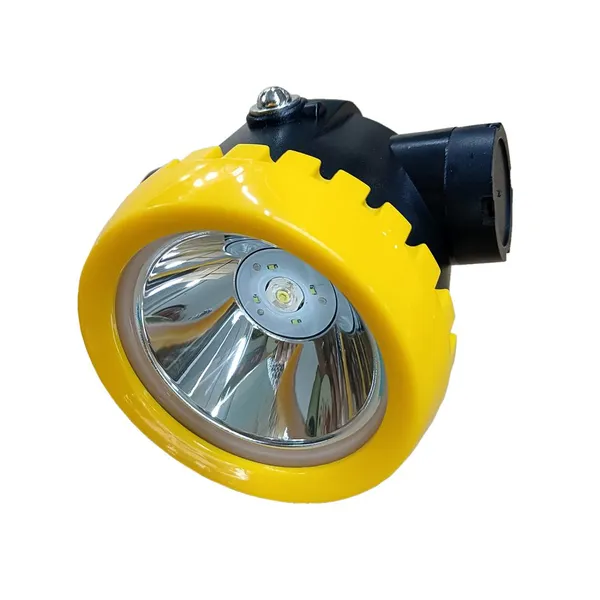
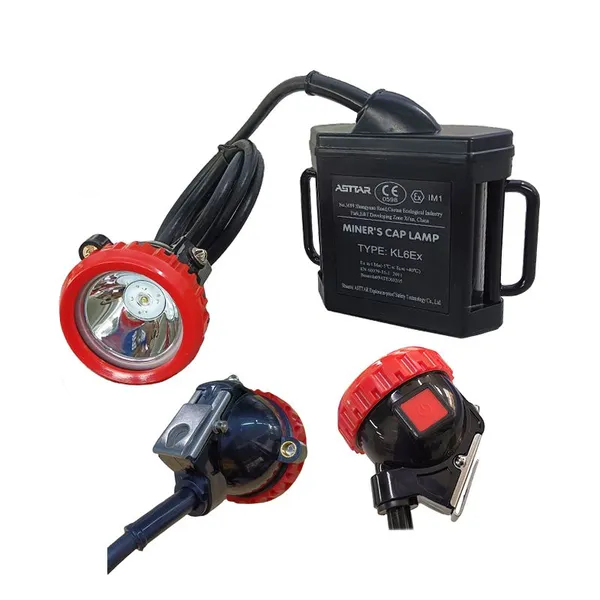
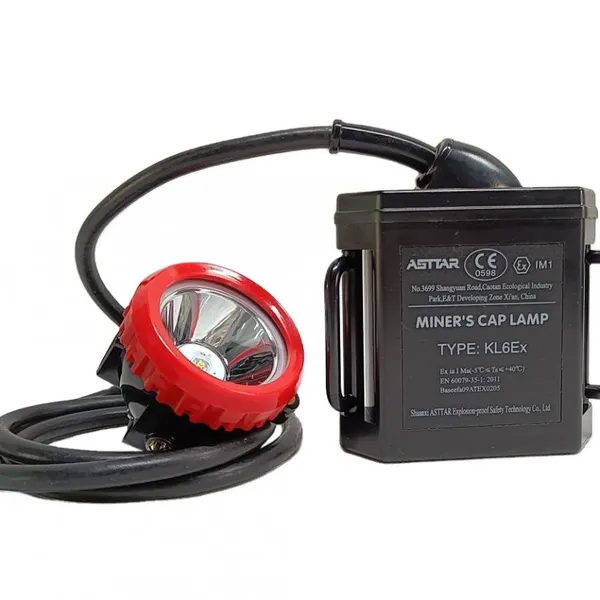
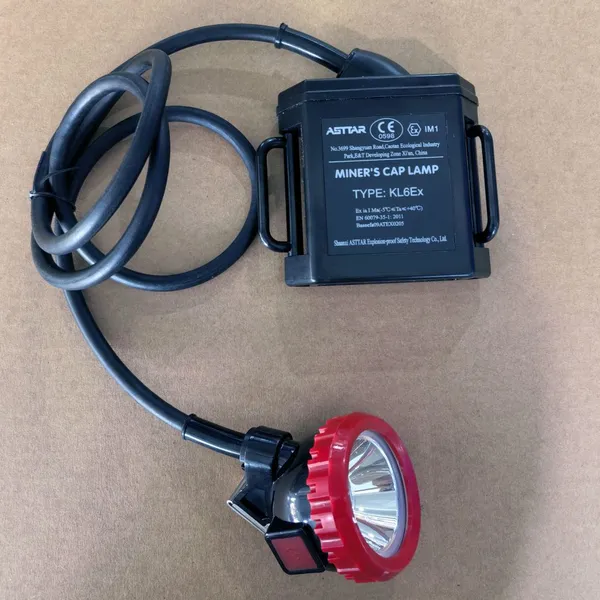
The KL6Ex is an example of an ATEX certified LED mining headlamp built for underground coal and metal mining. It combines explosion-proof construction with practical features for daily use.
Typical Specifications
Light source: High-efficiency LED with main and auxiliary beams
Runtime: 16+ hours on standard settings
Battery: Rechargeable lithium-ion with protected charging
Certification: ATEX and IECEx markings for explosive atmospheres
Protection: Impact-resistant housing with dust and water ingress protection
Optional features: Methane alarm, low-battery warning, and programmable flashing modes
Why It Fits Mining Operations
The KL6Ex balances high output with long runtime. Its sealed housing protects the electronics from dust and moisture, while the ATEX certification supports compliance files for European and international buyers. The optional methane alarm makes it particularly relevant for coal mine operators who want combined lighting and gas awareness in one device.
For full specifications and certification documents, request details through the ASTTAR cap lamp product page.
ATEX vs IECEx: Which Certification Do You Need?
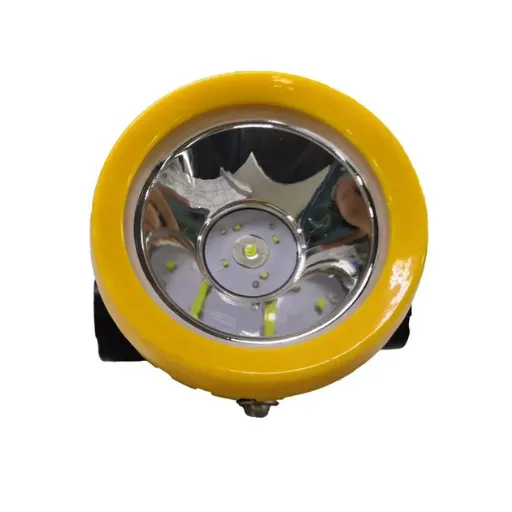
ATEX and IECEx are both certification systems for explosive atmosphere equipment, but they apply in different regions and have different documentation requirements.
ATEX
Required for equipment sold in the European Economic Area.
Based on EU directives 2014/34/EU.
Manufacturers issue a Declaration of Conformity and mark the product with the Ex symbol, category, and protection level.
IECEx
International voluntary certification scheme administered by the IEC.
Accepted in many countries outside the EU, including Australia, New Zealand, Singapore, and parts of the Middle East.
Requires a certified quality system and product testing by an IECEx recognized test laboratory.
Practical Difference
If your mine is in Europe, ATEX is mandatory. If your mine is elsewhere, IECEx may be accepted by local regulators, or you may need a national certification in addition. Some manufacturers hold both, simplifying procurement for global buyers. ASTTAR maintains certification documentation for export markets and can provide test reports on request.
At a Kazakh coal operation in 2024, procurement manager Anar Suleimenova received quotes for two headlamp families with nearly identical specifications. One carried ATEX only; the other carried both ATEX and IECEx. The dual-certified model cost 8% more per unit, but it eliminated the need for a separate local conformity assessment. The mine chose the dual-certified option and reduced registration time by several weeks.
Daily Inspection and Maintenance Routines
An ATEX certified LED mining headlamp is only safe if it is maintained in the condition that was tested. Daily checks catch damage before it compromises explosion protection.
Before-Shift Checks
Inspect the housing for cracks, deformation, or missing screws.
Check the lens for cracks or deep scratches that could admit dust or moisture.
Verify the switch operates smoothly and does not stick.
Confirm the battery is charged and the low-battery indicator functions.
Examine the headband and cable for fraying or damage.
Weekly or Monthly Checks
Clean charging contacts and inspect the charger for damage.
Test the main beam, auxiliary beam, and any alarm functions.
Record battery runtime trends. A noticeable drop indicates end of useful life.
Check that labels, certification markings, and serial numbers remain legible.
What to Remove from Service
Any lamp with a cracked housing or lens.
Lamps that have been dropped from height or exposed to severe impact.
Units that fail to hold charge or produce abnormal heat during charging.
Lamps with illegible certification markings.
Never attempt field repairs on an explosion-proof enclosure. Opening the housing without proper conditions voids the certification and can create an ignition risk. Always return damaged units to the manufacturer or an authorized service center.
Common Procurement Mistakes
Safety teams and procurement officers sometimes make predictable errors when buying LED mining headlamps. Avoid these six mistakes.
Buying on lumen count alone: Brightness does not prove explosion protection or runtime.
Accepting a certificate for the wrong model: A family certificate may not cover the exact model, voltage, or battery variant you receive.
Ignoring charger compatibility: A certified lamp paired with an uncertified or incompatible charger creates a safety gap.
Skipping the zone review: A Zone 2 headlamp is not acceptable for Zone 1 conditions.
Neglecting ergonomics: Heavy or poorly balanced lamps lead to improper wear.
Failing to document serial numbers: Regulators and auditors require traceability from certificate to unit.
How to Verify an ATEX Certificate
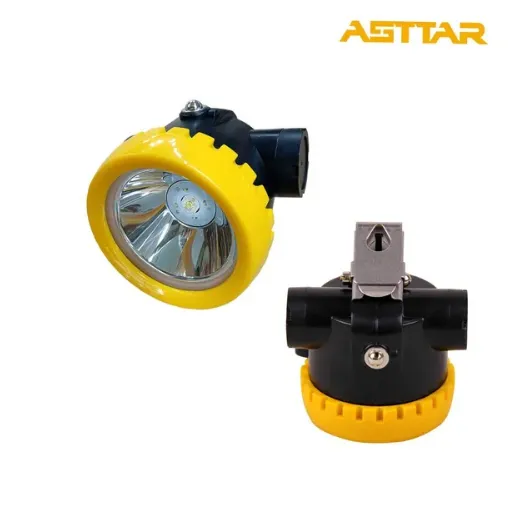
Counterfeit and misrepresented certificates exist in the safety equipment market. Verifying documentation protects your workers and your compliance position.
Steps to Verify
Request the ATEX certificate and test report from the supplier.
Confirm the certificate lists the exact model number and any variants you are buying.
Check that the notified body named on the certificate is legitimate and recognized.
Cross-check the certificate number on the notified body's public database if available.
Compare the marking on the physical lamp with the certificate.
Ask for the Declaration of Conformity and instruction manual in a language your workers understand.
If a supplier cannot provide these documents, treat it as a red flag. Reliable manufacturers keep certificates current and can explain how the marking relates to your application. Start by reviewing ASTTAR ATEX and IECEx certifications, then request test reports for your exact model.
Training Workers to Use Cap Lamps Safely
Even the best headlamp is ineffective if the worker does not use it correctly. Training should cover operation, inspection, charging, and emergency behavior.
Core Training Points
How to perform the before-shift visual inspection.
How to switch between beam modes and when to use each.
What the low-battery warning means and where to get a replacement.
How to respond if the methane alarm sounds.
Where to report damage and how to tag a lamp out of service.
Drill Frequency
New hires: hands-on training before first underground assignment.
All underground workers: refresher at least annually, or after any incident.
Lamp room attendants: formal training on charging, fault identification, and record-keeping.
A Guizhou tunnelling contractor added a five-minute lamp inspection to the daily pre-shift safety talk. Within one month, workers identified four cracked lenses and two damaged charging contacts that had been missed during casual handovers. The early catches prevented lamps from failing mid-shift and reinforced the habit of treating cap lamps as safety equipment rather than personal gear.
Frequently Asked Questions
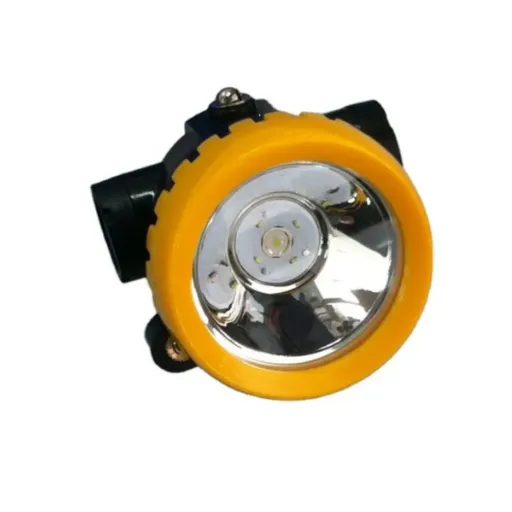
What does ATEX certified mean for a mining headlamp?
ATEX certified means the headlamp has been tested and approved for use in explosive atmospheres under the EU ATEX directive. It limits ignition energy, controls surface temperature, and contains any internal faults so the lamp does not ignite methane, coal dust, or flammable vapors.
Why choose an LED mining headlamp over older technologies?
LED mining headlamps are more efficient, run cooler, last longer, and resist vibration better than incandescent or halogen lamps. They also support dimming, spot/flood modes, and methane alarm integration.
What is the KL6Ex cap lamp?
The KL6Ex is an ATEX certified LED cap lamp designed for underground mining. It offers long runtime, explosion-proof construction, and optional methane alarm features for coal mine environments. View KL6Ex cap lamp specifications and certification documents on our product page.
How do I know which ATEX zone rating I need?
Match the headlamp's ATEX category and equipment protection level to your site's hazardous-area classification. Zone 1 or Zone 2 coal mine applications typically require equipment rated for category 2G or higher. Consult a qualified hazardous-area engineer if you are unsure.
Can I repair an ATEX headlamp in the field?
No. Field repairs to the enclosure, battery, or circuitry can void the certification and create an ignition risk. Damaged lamps should be returned to the manufacturer or an authorized service center.
What documents should I request when buying ATEX headlamps?
Request the ATEX certificate, test report, Declaration of Conformity, instruction manual, and any IECEx certificates if applicable. Verify that the documents cover the exact model and variant you are purchasing.
Conclusion
An ATEX certified LED mining headlamp is more than a light source. It is a controlled ignition source and a critical piece of personal protective equipment. The right headlamp combines certified explosion protection, efficient LED output, reliable runtime, and ergonomic design so workers can see clearly without introducing risk.
Start by matching the certification to your hazardous-area zones. Then evaluate output, runtime, battery system, impact resistance, and optional features like methane alarms. Verify certificates for the exact model, train workers to inspect and use the lamp correctly, and maintain records that link each unit to its documentation.
ASTTAR supplies ATEX and IECEx certified LED cap lamps, including the KL6Ex, along with explosion-proof lighting and certification support for mining and tunnelling operations. If you need specification sheets, certification packs, or a technical review of your underground lighting program, contact our safety team today.
Underground visibility is not a convenience. It is a condition of safe work. Choose headlamps that protect workers in every atmosphere they enter.
Recently Posted
-
Rechargeable Mining Cap Lamp With Long Battery Life: What Buyers Need to Know
July 8, 2026The best rechargeable mining cap lamp with long battery life combines a lithium-ion battery pack, high-efficiency LED array, and r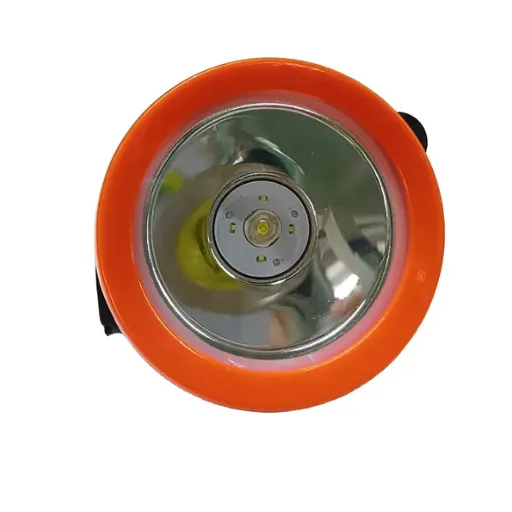 Read More
 -
Coal Mine Cap Lamp Requirements: A Complete 2026 Guide
July 7, 2026Coal mine cap lamp requirements cover explosion protection, minimum runtime, light output, battery safety, and documented maintena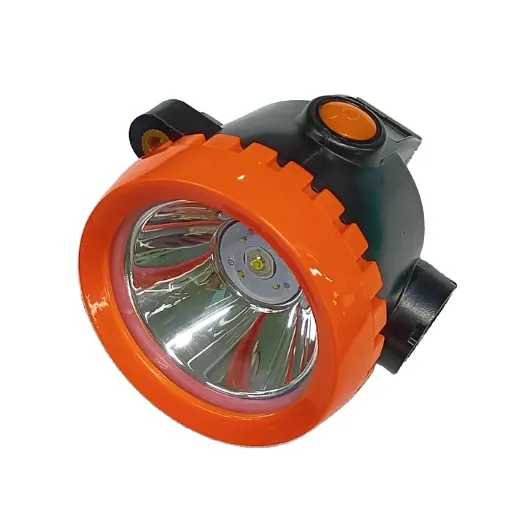 Read More
 -
Explosion-Proof LED Cap Lamp 16 Hour Runtime: A Complete 2026 Guide
July 7, 2026An explosion-proof LED cap lamp with 16 hour runtime is a wearable mining headlamp built to keep working through a full undergroun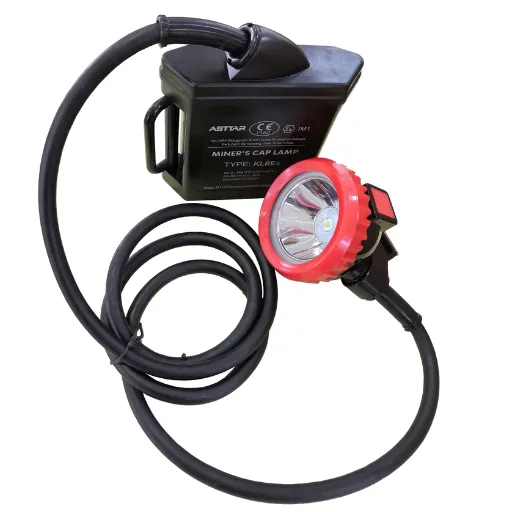 Read More
 -
Cordless LED Cap Lamp for Mining: What Buyers Should Know in 2026
July 7, 2026A cordless LED cap lamp for mining places the battery and light source in a single compact unit on the miner's helmet, elimina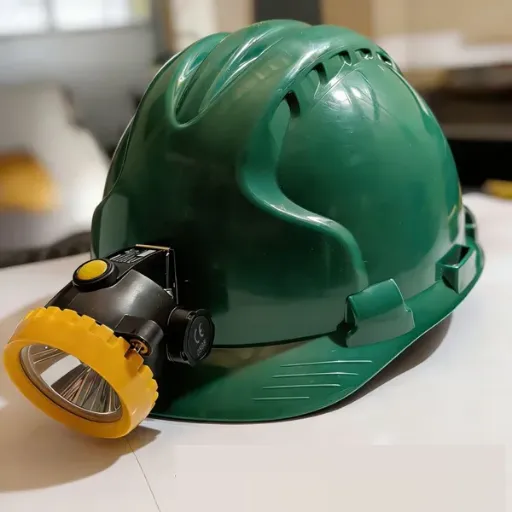 Read More

Contact Us
Recommended Products
-
 CE Certified 30 Minutes Closed Circuit Mining Oxygen Self-rescuerNegotiableMOQ: 1 Piece
 -
CE Certified 30 Minutes Isolated Breathing Protection Chemical Oxygen Self RescuerNegotiableMOQ: 1 Piece
-
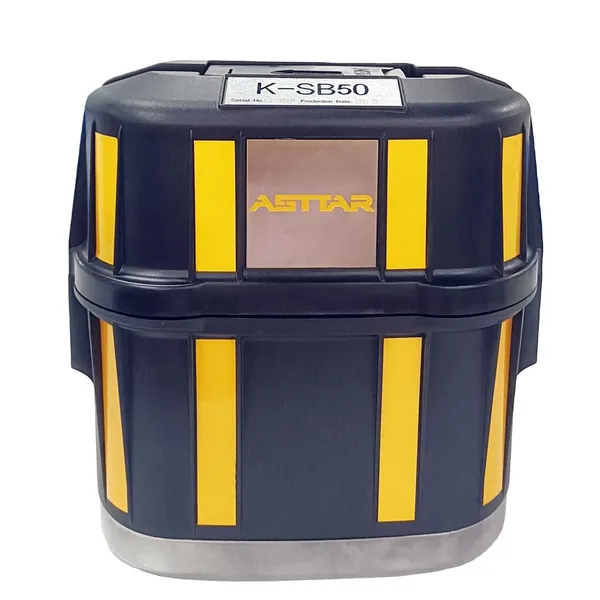
K-SB50 Self Contained Oxygen Escape Device Built-In Humidity Indicator For Mine Fire RescueNegotiableMOQ: 1 Piece
-
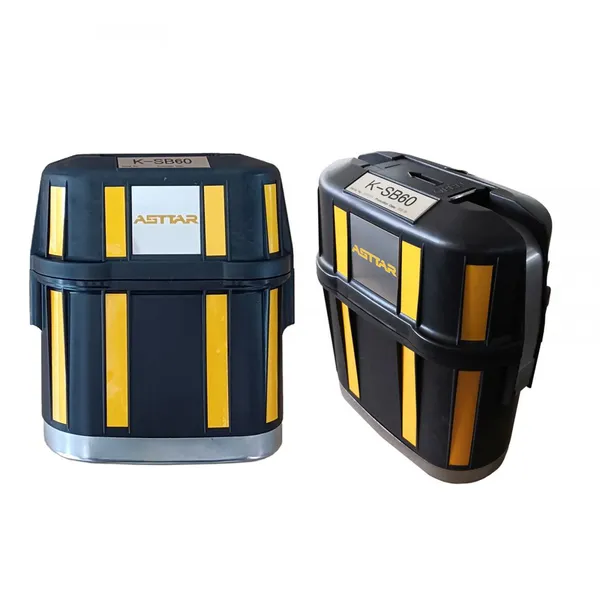
60 Minutes CE Approved Self-Contained Self-Rescuer K-Sb60 for Miner SafetyNegotiableMOQ: 1 Piece
-
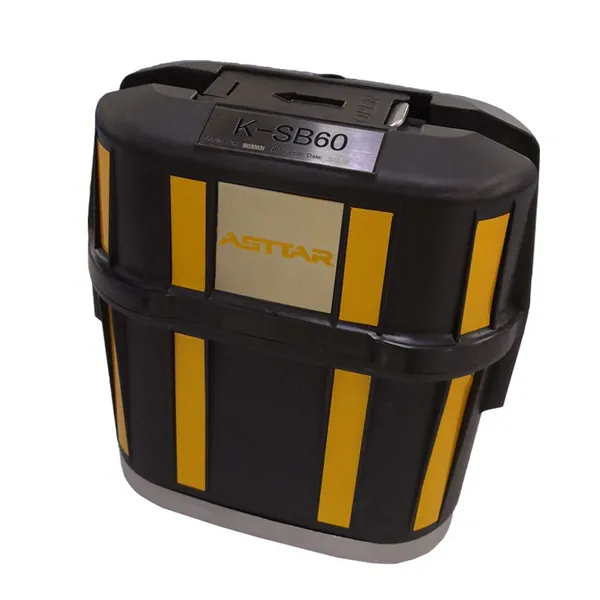
Lightweight Portable K-SB60 KO2 Oxygen Generating Self Rescuer For Confined Space Industrial Emergency UseNegotiableMOQ: 1 Piece
-
Portable ZL60 Filter Self Rescuer Lightweight Underground Personal Breathing DeviceNegotiableMOQ: 1 Piece
-
Fire Fighting Oxygen Rebreather Mine Chemical Self-Rescuer Portable Isolated Breathing EquipmentNegotiableMOQ: 1 Piece
-
ZL60 60 Minutes Carbon Monoxide Filter Self RescuerUS$ 120 - 150MOQ: 1 Piece
-
ZY30X Isolated Compressed Oxygen Self Rescuer Self Contained Breathing Escape DeviceUS$ 120 - 150MOQ: 1 Piece
-
ZY45X Mining Self Rescuer Self Rescue Packs For Low Oxygen Toxic Gas EnvironmentNegotiableMOQ: 1 Piece
-
Portable ZY45X Self Rescue Breathing Apparatus Emergency Escape Breathing DevicesNegotiableMOQ: 1 Piece
-
0.6L Oxygen Cylinder ZY45X Self Rescue Respirator Underground Mining Self RescuerNegotiableMOQ: 1 Piece
-
Atex 6ah 7000lux IP65 Mining Industrial Use Ex Proof LED Cap Lamp Safety HeadlampUS$ 98 - 110MOQ: 1 Piece
-
KL6Ex ATEX Rechargeable High Brightness Corded LED Headlamp Miner Cap LampUS$ 98 - 110MOQ: 1 Piece
-
ATEX-Certified KL6Ex Mining Lamp: Essential Safety for Underground OperationsUS$ 98 - 110MOQ: 1 Piece
-
KL1.2Ex LED Miner Cap Lamp ATEX Explosion Proof Mining HeadlampUS$ 75 - 85MOQ: 1 Piece
-
ATEX Cordless LED Cap Lamp Underground Mining Safety HeadlampUS$ 75 - 85MOQ: 1 Piece
-
Rechargeable Wireless LED Mining Headlamp for Potentially Explosive EnvironmentsUS$ 75 - 85MOQ: 1 Piece
-
KL6LM (A) Intrinsically Safe High Brightness Miner's Cap LampUS$ 120 - 150MOQ: 1 Piece
-
5Ah Rechargeable LED Cordless Miner\'s HeadlampUS$ 85 - 98MOQ: 1 Piece