
 Business License
Explosion-Proof LED Cap Lamp 16 Hour Runtime: A Complete 2026 Guide
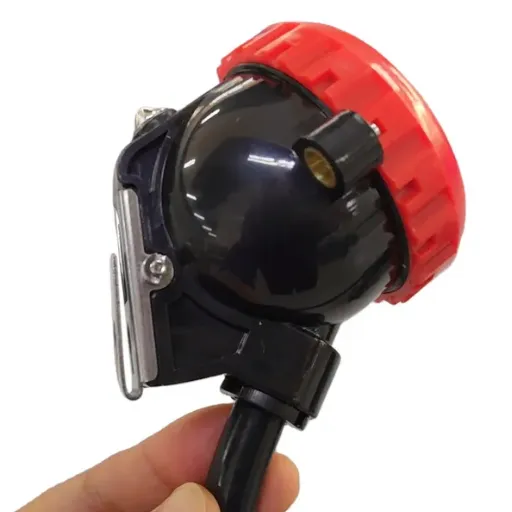
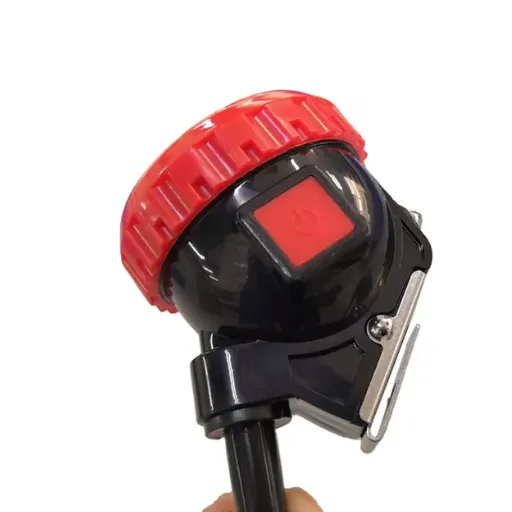
An explosion-proof LED cap lamp with 16 hour runtime is a wearable mining headlamp built to keep working through a full underground shift and beyond. It's designed to prevent ignition in methane, coal dust, or flammable vapor atmospheres while delivering high-efficiency LED output from a sealed flameproof or intrinsically safe battery system.
What happens when a lamp dies three hours before shift end? A miner finishes the last stretch of a longwall move in dim backup light, or a supervisor stops production to swap batteries. In gassy operations, runtime isn't just convenience; it's part of the ignition-control plan. The right lamp keeps hands free, eyes safe, and compliance intact.
This guide explains what defines an explosion-proof LED cap lamp with 16 hour runtime and why the 16-hour benchmark matters. You'll learn how to compare certifications, features, and maintenance needs. You'll also see how to match a lamp to coal mine cap lamp requirements and avoid common procurement mistakes.
Key Takeaways
An explosion-proof LED cap lamp with 16 hour runtime covers a full mining shift plus overtime without a battery change.
16 hours is the practical minimum for many coal and metal mines; some models exceed 20 hours in economy mode.
ATEX, IECEx, or national explosion-protection certification must match the exact lamp, battery, and charger combination.
Buyers should compare light output, beam modes, ingress protection, impact resistance, and optional methane alarms.
Daily inspection and certified chargers preserve both runtime and explosion protection over the battery lifecycle.
What Is an Explosion-Proof LED Cap Lamp?
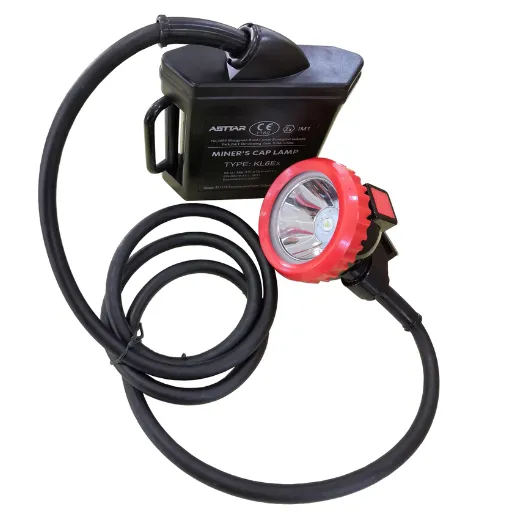
An explosion-proof LED cap lamp is a head-worn lighting device certified for use in explosive atmospheres. Unlike consumer headlamps, it's built so that any internal spark, heat, or electrical fault can't ignite surrounding gas or dust. The protection concept may be flameproof (Ex d), intrinsically safe (Ex ia/ib/ic), or a combination suited to the hazard classification.
The LED element is only one part of the safety story. The battery, driver circuit, switch, charging contacts, and enclosure all affect whether the lamp remains safe after impact, moisture, or vibration. In mining terms, the cap lamp is personal protective equipment (PPE). It travels with the worker into return airways, goaf edges, and confined headings where the atmosphere is least predictable.
For a broader comparison of protection concepts, see our guide to the ATEX certified LED mining headlamp.
Why 16 Hour Runtime Matters Underground
A standard underground shift runs 10 to 12 hours. Add travel time to the working face, pre-shift checks, overtime, and emergency standby, and the light in front of a worker can easily need to run 14 hours or more. A 16 hour runtime gives a buffer that prevents mid-shift battery swaps and the safety compromises that follow.
Shift Coverage Beyond the Clock
Travel to face: 30-60 minutes each way in large operations.
Pre-shift inspection: Equipment checks before the official shift starts.
Production delays: Belt stoppages, ventilation changes, or geological holds extend on-face time.
Overtime: Maintenance windows and urgent repairs often run past the planned shift.
Emergency egress: A lost-time incident may require extended walkout in low light.
A lamp rated for 16 hours on its standard setting should still leave reserve capacity when the unexpected happens. Some models deliver 16 hours on high beam and extend beyond 20 hours in economy mode. Always confirm whether the manufacturer’s rating applies to high, medium, or low output.
The Cost of a Dead Lamp
At a Shanxi coal mine in 2024, a team of roof-bolting operators used cap lamps rated for 12 hours on paper. During a longwall panel extension, overtime pushed the shift to 13.5 hours. Two lamps entered low-power warning just as the crew began their 45-minute walk to the shaft. The mine changed its procurement standard to a 16-hour model and reduced late-shift incidents by removing the battery-anxiety distraction.
Key Specifications to Compare
When evaluating an explosion-proof LED cap lamp with 16 hour runtime, brightness and battery life are starting points, not endpoints. Safety managers should review the full specification sheet.
Light Output and Beam Modes
Modern LED mining headlamps deliver 150 to 300+ lumens on main beam. More lumens help with distant spotting and detailed inspection, but higher output drains the battery faster. Look for:
Main beam: High output for travel and inspection.
Low beam: Reduced output for close work and extended runtime.
Spot or focused beam: Long throw for examining ribs, roof, and equipment.
Flashing or emergency mode: Visible signaling during egress or rescue.
The best lamp lets the worker choose the right mode for the task rather than running everything at full power.
Battery Chemistry and Capacity
Lithium-ion and lithium-polymer cells dominate modern cap lamps because they store more energy per kilogram than older nickel-cadmium designs. However, the battery must be part of the certified system. A non-certified replacement can remove the current limiting, thermal protection, or sealing that makes the lamp explosion-proof.
Key battery questions:
Is the battery certified as part of the complete lamp system?
What is the rated cycle life before capacity drops below 80%?
Does the lamp warn the user before shutdown?
Is the charger matched to the battery management system?
Ingress and Impact Protection
Underground conditions include dust, water spray, and physical knocks. An IP65 rating or higher is common for mining cap lamps. Impact resistance should be tested to the relevant standard for the certification region. The lens material should resist scratches and cracks that could expose internal components or reduce beam quality.
Weight and Ergonomics
A lamp worn for 12 to 16 hours must distribute weight evenly. Heavy front-mounted units cause neck fatigue and slip out of position. Corded battery packs worn on the belt reduce head weight but introduce cable management concerns. The right choice depends on the work posture and PPE compatibility.
Methane Alarm Integration
Some explosion-proof LED cap lamps include a built-in methane alarm. This adds a second safety layer and can reduce the number of separate devices a worker must carry. If methane detection is part of your operation’s risk plan, an integrated alarm can simplify training and inspection routines.
ASTTAR’s LED cap lamp range includes models with 16-hour runtimes, methane alarm options, and ATEX-certified designs for hazardous-area mining.
ATEX, IECEx, and National Certifications
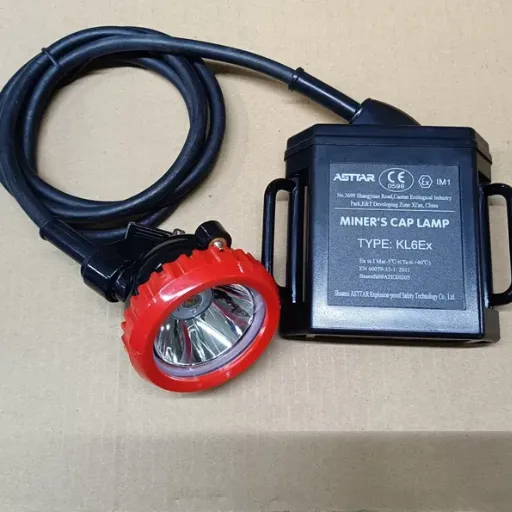
Certification is what separates a true explosion-proof LED cap lamp from a standard industrial headlamp. The certificate must cover the complete unit as supplied, including battery and charger. If it doesn't, the lamp isn't compliant.
ATEX Marking for Mining
ATEX-certified equipment carries markings that describe where and how it can be used. For mining cap lamps, look for:
Equipment group: I for mines, II for surface industrial atmospheres.
Category: M1 for continuous hazard use, M2 for normal operation hazards.
Protection concept: Ex d for flameproof, Ex ia/ib/ic for intrinsic safety.
Gas group: I for methane, IIA/IIB/IIC for other gases.
Equipment protection level: Ma, Mb, Ga, Gb, Gc.
A typical mining mark might read I M1 Ex ia I Ma, indicating the highest protection level for continuous underground use.
IECEx and Regional Schemes
IECEx is accepted in many countries outside the EU, including Australia, New Zealand, Singapore, and parts of Asia and the Middle East. It requires testing by a recognized laboratory and ongoing audits of the manufacturer’s quality system. National schemes in China, the United States, and other regions may apply additional requirements.
Why the Exact Model Matters
Counterfeit certificates and mismatched accessories are common problems. A certificate for a lamp with one battery variant does not cover the same lamp with a different cell. Always request the certificate for the exact model, battery, and charger combination you plan to deploy. ASTTAR provides certification documentation and test reports for qualified buyers.
For more detail on protection concepts, read our guide to the intrinsically safe mining headlamp.
Coal Mine Cap Lamp Requirements
Coal mines impose some of the strictest cap lamp requirements because of methane and coal dust. A lamp selected for coal must satisfy both performance and protection standards.
Regulatory Expectations
Most coal mining jurisdictions require cap lamps to:
Be certified for explosive atmospheres.
Provide adequate illumination for travel, inspection, and production tasks.
Include a low-battery warning.
Be maintained in a lamp room with documented inspection records.
Use only manufacturer-approved batteries and chargers.
Specific requirements vary by country, but the underlying principle is consistent: the lamp mustn't become an ignition source.
Dust and Methane Considerations
Coal dust can form explosive clouds when disturbed, and methane can accumulate in roof cavities, goafs, and return airways. A cap lamp carried into these areas must be sealed against dust ingress and designed so that any internal fault cannot ignite the surrounding atmosphere. This is why flameproof enclosures and intrinsically safe circuits are both used in coal mine lighting.
Practical Lessons From the Field
At an underground coal operation in Heilongjiang, safety managers noticed that lamps with marginal runtime were often swapped with unofficial spare batteries to avoid lamp-room queues. The practice voided certification and introduced cells with unknown thermal protection. The mine standardized on a 16-hour explosion-proof LED cap lamp and trained lamp-room attendants to issue fully charged units at the start of every shift. Unapproved battery swaps stopped.
Applications Beyond Coal Mining
Explosion-proof LED cap lamps with long runtimes are not limited to coal. Any industry with explosive atmospheres and long shifts can use them.
Metal and Non-Metal Mining
Hard-rock mines may encounter hydrogen, carbon monoxide, or methane in localized areas. A certified cap lamp protects workers during travel and inspection without the weight of older flameproof designs.
Tunnelling and Construction
Tunnelling through methane-bearing strata or working near fuel storage creates temporary explosive atmospheres. Long runtime supports extended excavation cycles and emergency egress through incomplete headings.
Oil, Gas, and Chemical Plants
Refineries and chemical facilities classify areas by gas group and zone. Cap lamps rated for the correct gas group protect maintenance crews during night shifts and turnaround work.
Grain Handling and Dust Environments
Agricultural dust is explosive when suspended. Dust-protected cap lamps with long runtime support cleaning, inspection, and maintenance in silos and handling facilities.
For fixed lighting in these environments, see the ASTTAR explosion-proof lighting portfolio.
Daily Inspection and Maintenance
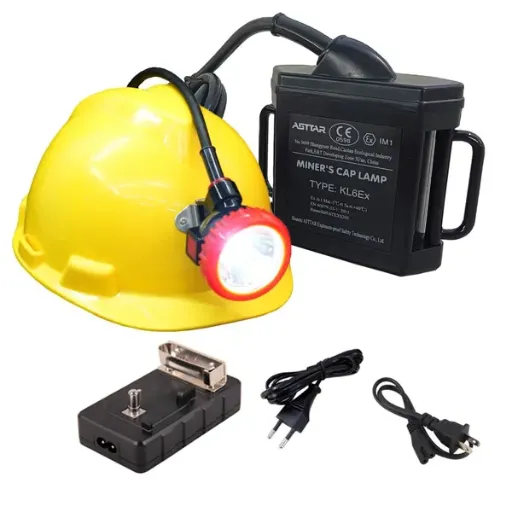
A 16-hour rating on day one means little if the battery degrades or the housing is damaged. Daily checks preserve both safety and runtime.
Before-Shift Checks
Inspect the housing for cracks, deformation, or missing screws.
Check the lens for cracks or deep scratches.
Verify the switch operates smoothly and returns to the correct position.
Confirm the battery is charged and the low-battery indicator functions.
Examine the headband and cable for wear.
Weekly or Monthly Checks
Clean charging contacts and inspect the charger for damage.
Test main beam, low beam, and any flashing or alarm functions.
Record battery runtime. A noticeable drop indicates end of battery life.
Ensure labels, certification markings, and serial numbers remain legible.
When to Remove a Lamp From Service
Cracked housing or lens.
Lamps dropped from height or exposed to severe impact.
Units that fail to hold charge or overheat during charging.
Lamps with illegible certification labels.
Never use a generic charger. Even if the voltage matches, the charge profile may not match the battery management system. That can reduce runtime or create a thermal risk.
How to Verify Runtime Claims
Manufacturers can measure runtime differently. A buyer who trusts the headline number without checking the conditions may be disappointed underground.
Questions to Ask
Does the 16-hour rating apply to high, medium, or low beam?
Was the test conducted at room temperature or at the mine’s operating temperature?
How many charge cycles had the battery completed before testing?
Does the rating include periodic switching between beam modes?
What is the runtime when the methane alarm is active?
A transparent supplier will explain the test conditions and provide a runtime curve across modes. If a supplier cannot, treat the claim with caution.
Common Procurement Mistakes
Buying a cap lamp based on lumens and price alone can leave a mine with non-compliant or unsuitable equipment.
Ignoring certification scope: The certificate must cover the exact lamp, battery, and charger.
Overlooking runtime conditions: A 16-hour headline may apply only to low beam.
Accepting mismatched accessories: Non-certified batteries and chargers void protection.
Forgetting ergonomics: Heavy lamps are worn incorrectly or left behind.
Skipping training: Workers need to understand beam modes, alarms, and inspection routines.
Neglecting lifecycle cost: Cheap lamps with short battery life cost more in replacements and downtime.
If you are evaluating options, request a specification review before purchase. Contact our safety team to compare models against your shift length and hazard classification.
Training Workers on Long-Runtime Cap Lamps
Even the best lamp fails if workers misuse it. Training should cover both operation and the reasons behind the rules.
Core Training Points
How to perform the before-shift visual inspection.
When to use main beam versus low beam to preserve runtime.
What the low-battery warning means and where to get a replacement.
How to respond to a methane alarm if the lamp includes one.
Where to report damage and how to tag a lamp out of service.
Drill Frequency
New hires: hands-on training before first underground assignment.
All workers in explosive atmospheres: refresher at least annually, or after any incident.
Lamp room attendants: formal training on charging, fault identification, and record-keeping.
A Shaanxi tunnelling contractor added a five-minute cap lamp briefing to every shift start. In the first quarter, workers reported 14 lamps with cracked lenses or worn cables before they failed underground. The early catches extended average battery life and reduced unplanned lamp changes.
Frequently Asked Questions
What is an explosion-proof LED cap lamp with 16 hour runtime?
It is a certified mining headlamp that provides at least 16 hours of LED illumination while preventing ignition in explosive atmospheres. The certification covers the lamp, battery, and charger as a complete system.
Is 16 hours enough for underground mining?
For most 10- to 12-hour shifts, 16 hours provides adequate coverage plus a margin for travel, overtime, and emergencies. Operations with longer cycles should verify the rating applies to the beam mode used most often.
What certifications should a mining cap lamp have?
Look for ATEX, IECEx, or equivalent national certification. The label should show the equipment group, category, protection concept, gas group, and equipment protection level. For coal mines, marks like I M1 Ex ia I Ma indicate the highest level of protection.
Can I use any charger with an explosion-proof cap lamp?
No. The charger is part of the certified system. Using an uncertified charger can damage the battery or remove the protection features that make the lamp safe in explosive atmospheres.
What is the KL6Ex cap lamp?
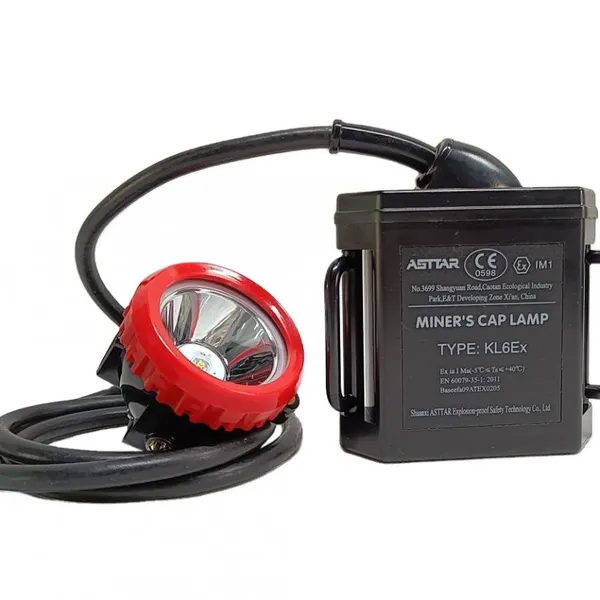
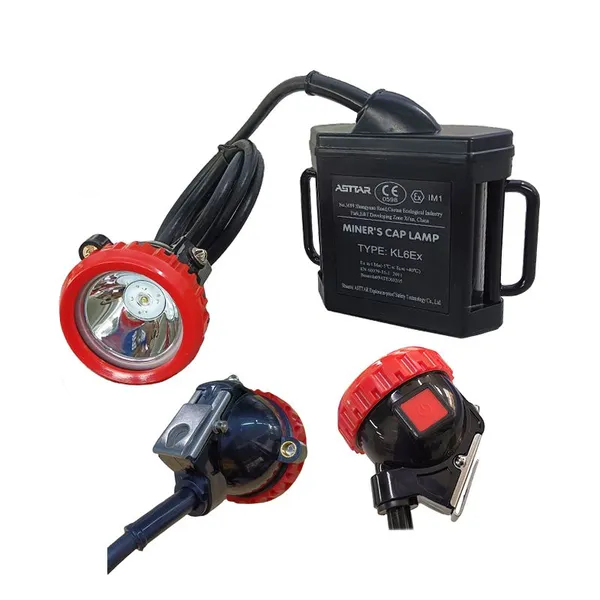
The KL6Ex is an ATEX-certified LED cap lamp designed for hazardous underground environments. It offers long runtime, high-efficiency LED output, and options such as methane alarm integration. View the KL6Ex cap lamp specifications and certification documents on the product page.
How do I verify a 16 hour runtime claim?
Ask the supplier which beam mode, temperature, and battery condition were used for the test. A reliable manufacturer will provide a runtime breakdown across modes and explain the test standard applied.
Are explosion-proof and intrinsically safe the same?
No. Explosion-proof or flameproof designs contain an internal explosion inside a robust enclosure. Intrinsically safe designs limit electrical energy so ignition cannot occur. Both can be safe when matched to the correct hazard classification.
Conclusion
An explosion-proof LED cap lamp with 16 hour runtime is more than a brighter headlight. It is a piece of certified safety equipment that must last the full shift, survive rough handling, and prevent ignition in the most hazardous corners of a mine.
Start by confirming your hazardous-area classification and shift length. Then compare light output, beam modes, battery certification, ingress protection, impact resistance, and optional methane alarms. Verify that the certificate covers the exact lamp, battery, and charger you'll receive. Train workers to inspect and use the lamp correctly, and remove damaged units from service immediately.
ASTTAR supplies certified LED cap lamps and explosion-proof lighting for mining, tunnelling, and hazardous industrial applications. If you need specifications, certification documents, or a technical review of your portable lighting program, request a cap lamp specification today.
For a broader look at underground lighting options, see our complete cap lamp guide. In explosive atmospheres, the cap lamp is not just a tool. It is part of the ignition control system. Choose it with the same care you apply to gas detectors, ventilation, and emergency escape equipment.
Recently Posted
-
Explosion Proof Flood Light for Mining: A 2026 Selection Guide
July 29, 2026An explosion proof flood light for mining is a high-output, certified LED fixture designed to illuminate large work areas, stockpi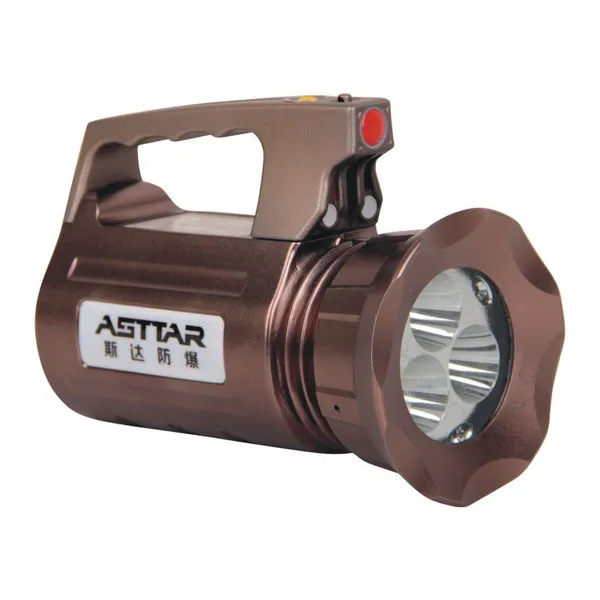 Read More
 -
Mechanical Anemometer for Mining: A 2026 Ventilation Survey Guide
July 29, 2026A mechanical anemometer for mining is a hand-held or bracket-mounted instrument that measures air velocity in underground roadways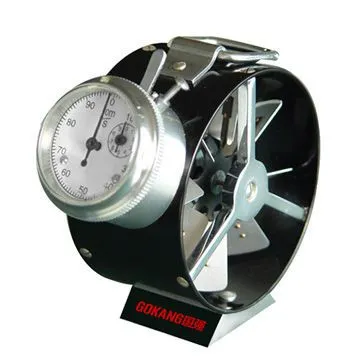 Read More
 -
LED Flameproof Tunnel Light for Mining: 2026 Selection Guide
July 29, 2026An LED flameproof tunnel light for mining is a fixed luminaire built inside a flameproof (Ex d) enclosure that contains any intern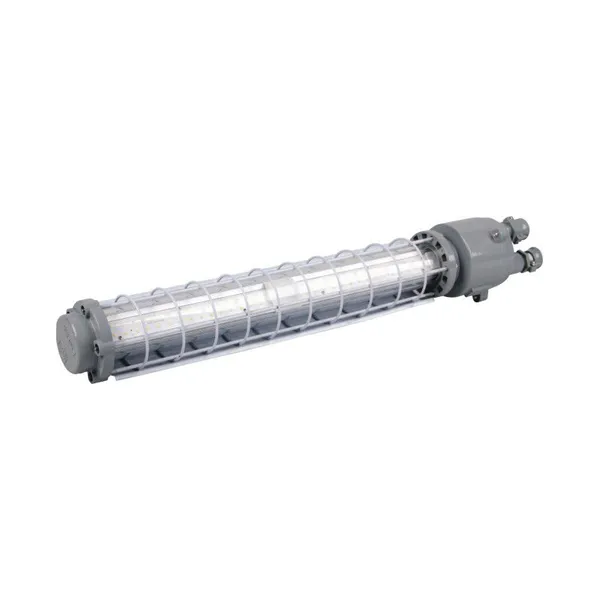 Read More
 -
Wholesale Mining Safety Equipment: A 2026 Procurement Guide
July 24, 2026Wholesale mining safety equipment is the bulk purchase of certified protective gear, escape devices, lighting, gas detection, and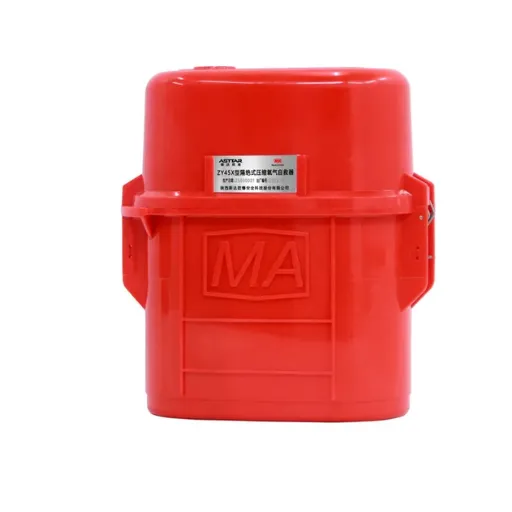 Read More

Contact Us

Recommended Products
-
 CE Certified 30 Minutes Closed Circuit Mining Oxygen Self-rescuerNegotiableMOQ: 1 Piece
 -
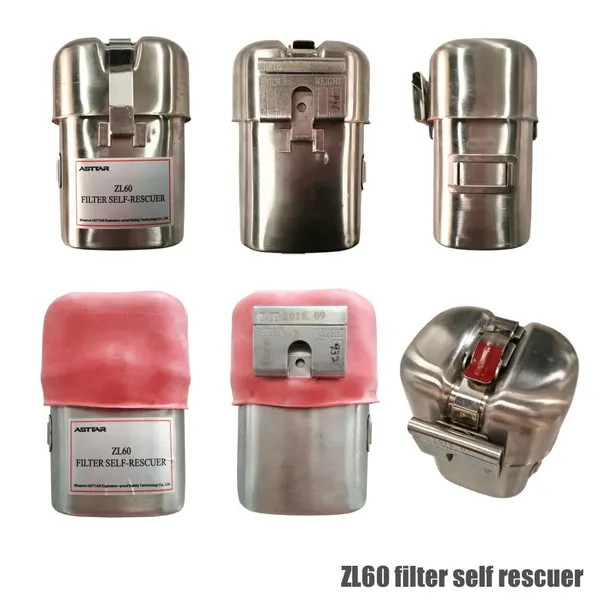
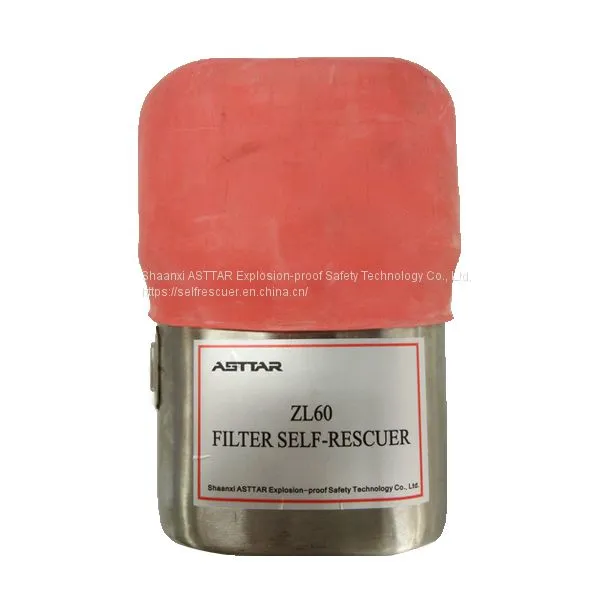
Portable ZL60 Filter Self Rescuer Lightweight Underground Personal Breathing DeviceNegotiableMOQ: 1 Piece
-
0.6L Oxygen Cylinder ZY45X Self Rescue Respirator Underground Mining Self RescuerNegotiableMOQ: 1 Piece
-
Atex 6ah 7000lux IP65 Mining Industrial Use Ex Proof LED Cap Lamp Safety HeadlampUS$ 98 - 110MOQ: 1 Piece
-
KL1.2Ex LED Miner Cap Lamp ATEX Explosion Proof Mining HeadlampUS$ 75 - 85MOQ: 1 Piece
-
Kl3lm (A) Cordless Intrinsically Safe LED Headlamp for Mining, Camping, and Outdoor ActivitiesNegotiableMOQ: 1 Piece
-
Heat Resistant PA Housing HYZ4(C) Positive Pressure Oxygen Apparatus Coal Mine Emergency RescueNegotiableMOQ: 1 Piece
-
Independent Oxygen Supply Automatic Resuscitator MZS30 for Weak‑Breathing Casualty RescueNegotiableMOQ: 1 Piece
-
Mining Intrinsically Safe CJG10 Methane Detector Optical Interference Principle Gas Measuring InstrumentNegotiableMOQ: 1 Piece
-
YHJ-100J(A) 100m Portable Explosion Proof Laser Distance MeterUS$ 250 - 350MOQ: 1 Piece
-
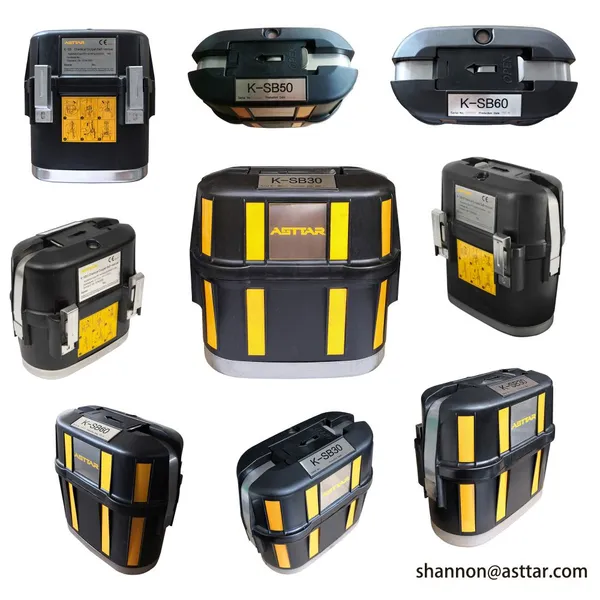
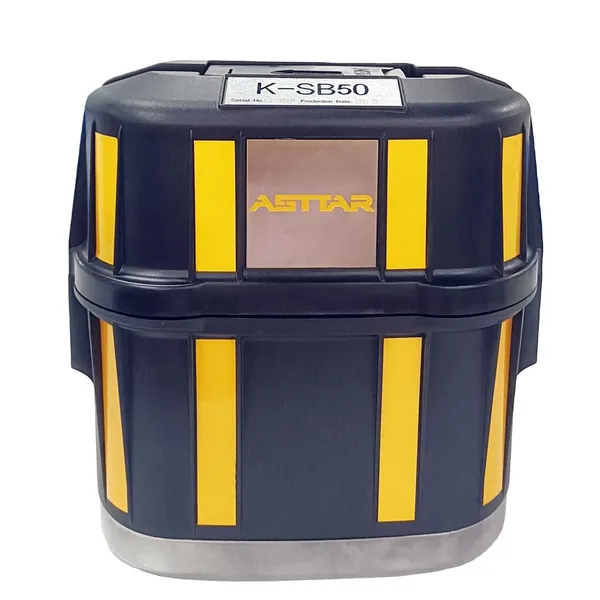
K-SB50 Self Contained Oxygen Escape Device Built-In Humidity Indicator For Mine Fire RescueNegotiableMOQ: 1 Piece
-
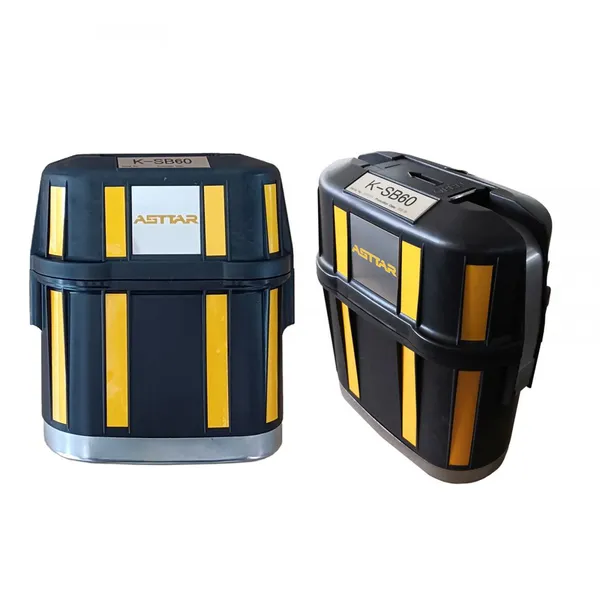
60 Minutes CE Approved Self-Contained Self-Rescuer K-Sb60 for Miner SafetyNegotiableMOQ: 1 Piece
-
ZL60 60 Minutes Carbon Monoxide Filter Self RescuerUS$ 120 - 150MOQ: 1 Piece
-
ZY30X Isolated Compressed Oxygen Self Rescuer Self Contained Breathing Escape DeviceUS$ 120 - 150MOQ: 1 Piece
-
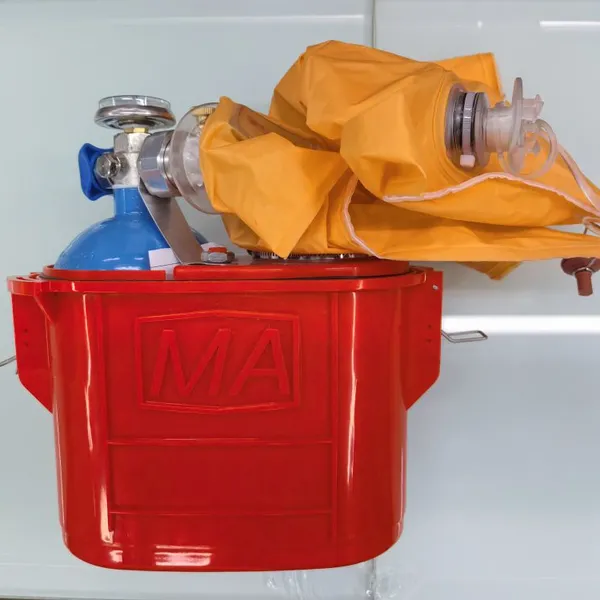
Portable ZY45X Self Rescue Breathing Apparatus Emergency Escape Breathing DevicesNegotiableMOQ: 1 Piece
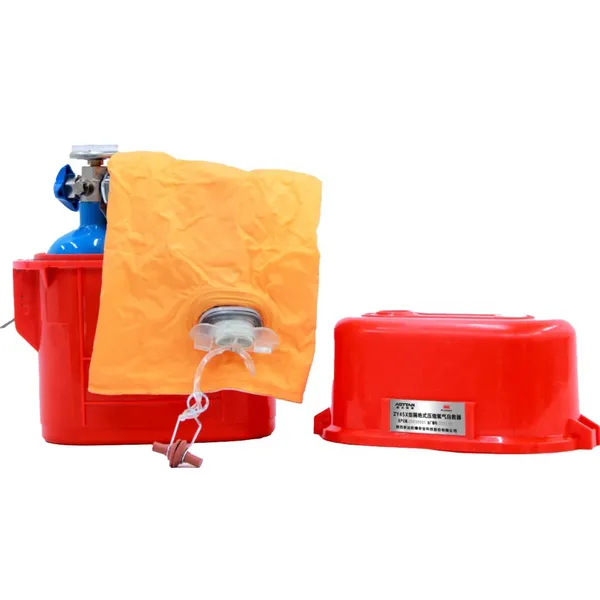
-
HYZ2 Isolated Positive Pressure Oxygen Breathing Apparatus PC Face Shield Aluminized FabricNegotiableMOQ: 1 Piece
-
KL6Ex ATEX Rechargeable High Brightness Corded LED Headlamp Miner Cap LampUS$ 98 - 110MOQ: 1 Piece
-
ATEX Cordless LED Cap Lamp Underground Mining Safety HeadlampUS$ 75 - 85MOQ: 1 Piece
-
5Ah Rechargeable LED Cordless Miner\'s HeadlampUS$ 85 - 98MOQ: 1 Piece
-
5Ah Rechargeable LED Cordless Miner's Cap LampUS$ 85 - 98MOQ: 1 Piece