
 Business License
Rechargeable Mining Cap Lamp With Long Battery Life: What Buyers Need to Know
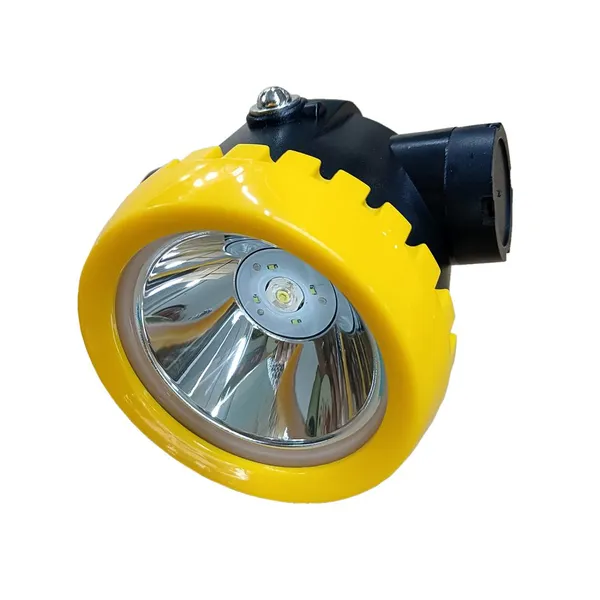
The best rechargeable mining cap lamp with long battery life combines a lithium-ion battery pack, high-efficiency LED array, and rugged explosion-proof housing to deliver 12 to 18 hours of continuous light on a single charge. For multi-shift operations, look for models that also support quick-change battery packs and pass ATEX or IECEx certification for hazardous atmospheres.
But runtime numbers on a datasheet rarely tell the full story. A lamp rated for 16 hours in a lab may last only 10 hours underground if the beam is constantly on high, the battery is two years old, or the charging routine is sloppy. Mine managers learn this the hard way when a crew's lamps start dying halfway through a double shift.
In this guide, you'll learn what determines real-world battery life, how to compare cap lamp specifications, and how to maintain rechargeable units so they last a full shift and beyond. Whether you're buying for a coal mine, a hard-rock tunnel, or a quarry, these criteria will help you choose a lamp that workers can trust from portal to face.
Key Takeaways
A true long-life cap lamp should deliver 12+ hours at the brightness setting actually used underground
Lithium-ion batteries outperform older Ni-Cd and lead-acid designs in energy density and cycle life
ATEX/IECEx certification is essential for gassy mines; verify it before comparing runtimes
Proper charging habits can extend battery life by 30% or more
Quick-change battery packs reduce downtime in multi-shift operations
Why Battery Life Is the Critical Spec in a Mining Cap Lamp
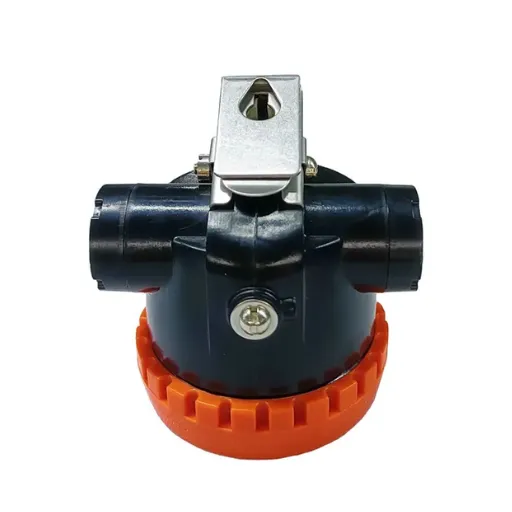
A cap lamp isn't a convenience item underground. It's the worker's primary source of light, a navigation aid, and often a gas-detection companion. When the lamp fails, the miner is left in darkness or forced to use a backup that may not be as bright or reliable.
Long battery life matters because mining shifts rarely fit an eight-hour pattern. Many operations run 10- to 12-hour shifts, and some use overlapping crews that keep a face active for 18 hours. A lamp that dies before the shift ends creates safety risks, reduces productivity, and forces mines to keep expensive spare lamps on hand.
Battery life also affects maintenance cost. Lamps with short runtimes need more frequent charging cycles. Each cycle wears the battery. Over two or three years, a lamp with poor energy management can cost more in replacements than a higher-quality unit upfront.
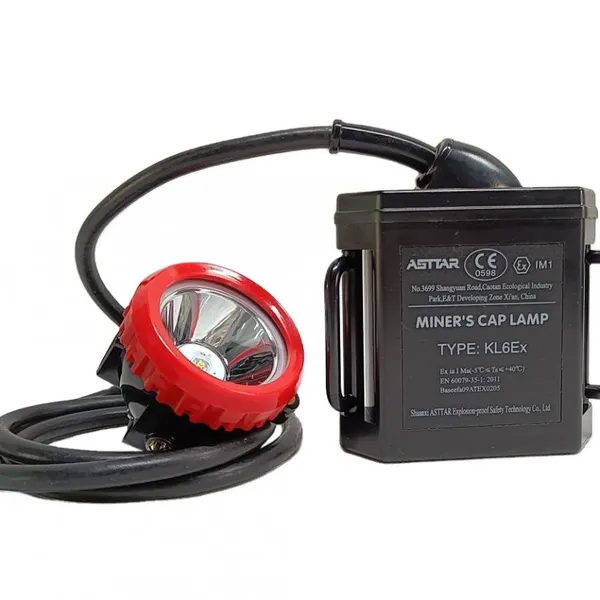
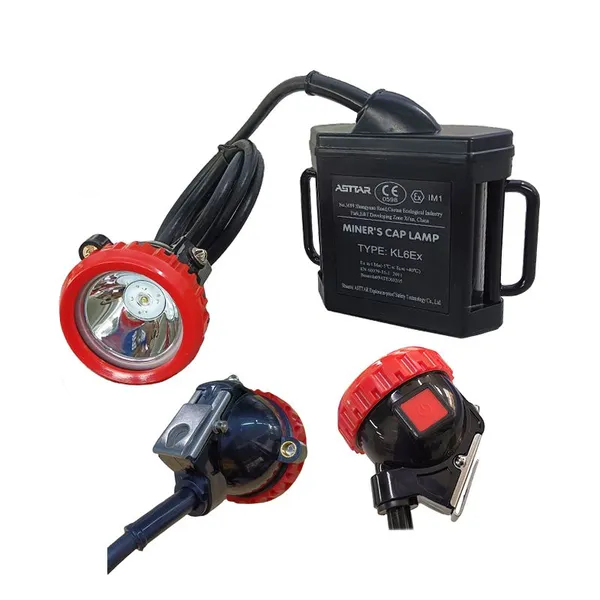
ASTTAR designs LED mining cap lamps for operations that can't afford a mid-shift failure. Our KL6Ex series pairs a high-capacity lithium-ion pack with a dimmable LED module so crews can balance brightness against shift length in any underground mining lighting application.
What Determines Real-World Runtime for a Rechargeable Mining Cap Lamp With Long Battery Life
Manufacturers usually publish a single runtime figure. That number is useful only if you understand the conditions behind it. These are the factors that determine how long a rechargeable mining cap lamp with long battery life actually lasts underground.
| Factor | How It Affects Runtime |
|---|---|
| Brightness setting | High beam can cut runtime by 40-60% compared with low beam |
| Battery chemistry | Lithium-ion stores more energy per kilogram than Ni-Cd or lead-acid |
| Battery age | Capacity fades after 300-500 cycles, depending on chemistry and care |
| Temperature | Cold reduces lithium-ion output; heat accelerates degradation |
| Charging discipline | Partial charges and overcharging shorten cycle life |
| LED efficiency | Modern LEDs use less power for the same lumen output |
| Additional features | Gas alarms, radios, and displays draw extra current |
Brightness Setting
Most cap lamps offer at least two brightness levels. A lamp rated for 18 hours may achieve that only on the lowest setting. On high beam, the same lamp may last 8 hours. Train workers to use the lowest setting that provides safe visibility for the task.
Battery Chemistry
Nickel-cadmium batteries were common in older mining lamps, but they're heavy and suffer from memory effect. Lithium-ion and lithium-polymer packs now dominate the market because they deliver more runtime from a smaller, lighter package. They also charge faster and tolerate partial charging better.
Battery Age and Cycle Count
Every rechargeable battery loses capacity over time. A lithium-ion pack may retain 80% of its original capacity after 500 cycles. In a daily charging environment, that means noticeable fade after 18 to 24 months. Budget for replacement packs rather than waiting for runtime complaints.
Operating Temperature
Underground temperatures vary. Cold mines can reduce lithium-ion performance temporarily. Hot environments speed up chemical degradation. Store chargers in a dry, temperature-controlled area and avoid leaving lamps in direct sunlight or near heat sources.
Charging Habits
Lithium-ion batteries don't need a full discharge before charging. In fact, frequent deep discharges shorten life. The best practice is to top up the battery after each shift and avoid letting it drop below 20% on a regular basis.
Key Features to Look For in a Rechargeable Mining Cap Lamp With Long Battery Life
Not every rechargeable mining cap lamp with long battery life is built the same. These are the features that separate a lamp that looks good on paper from one that performs shift after shift in real underground conditions.
Sufficient Capacity for the Shift
Check capacity in milliampere-hours (mAh) or watt-hours (Wh)
Compare runtime at the same brightness and LED efficiency
A 10,000 mAh pack with an inefficient LED may not outlast a 7,000 mAh pack with a modern driver
Multiple Brightness Modes
Look for high, medium, and low beams at minimum
Some models add emergency or flashing modes
Lower modes let workers stretch battery life when the shift runs long
Battery Level Indicator
Audible or visible low-battery warnings give workers time to exit or swap packs
Percentage or bar-graph displays are better than a single late red light
Quick-Change Battery Pack
A cordless cap lamp with a quick-change pack lets a worker swap a depleted battery for a charged one in seconds
This extends effective runtime indefinitely in multi-shift operations
Confirm spare packs are available and affordable before committing to a model
Explosion-Proof Certification
Coal mines and gassy environments need an ATEX cap lamp, IECEx, or MSHA approval
Certification proves the lamp won't ignite methane or coal dust
Never prioritize runtime over safety certification in hazardous areas
Robust Cable and Connector Design
The cable between battery and lamp takes abuse
Look for strain reliefs, sealed connectors, and kink-resistant materials
A broken cable will end a shift faster than a weak battery
Need help choosing a certified lamp for your operation? Contact ASTTAR's engineering team for runtime data, certification documents, and a quote on the KL6Ex series.
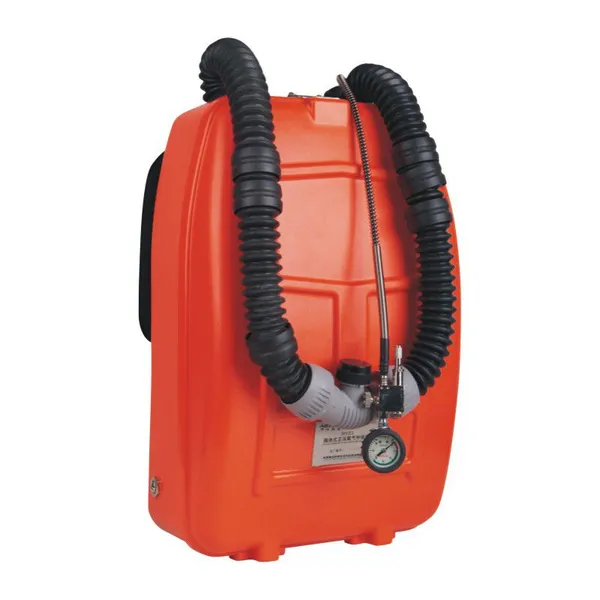
Chemical Oxygen vs. Compressed Oxygen Self-Rescuers: A Quick Context
Self-rescuer training often happens alongside cap lamp safety briefings, since both devices travel with the miner underground. If your site issues self-rescuers, make sure workers understand that battery-powered devices and breathing apparatus share one rule: they must work for the entire escape route. A lamp that dies during evacuation is as dangerous as a rescuer that fails to start.
For a deeper comparison of the two main rescuer technologies, see our guide on chemical vs compressed oxygen self-rescuer types.
ATEX, IECEx, and MSHA: Certification You Cannot Skip
A rechargeable mining cap lamp with long battery life must first be safe. In explosive atmospheres, the battery, switch, LED driver, and charging contacts must all be protected against ignition.
ATEX and IECEx
ATEX applies in Europe. IECEx is recognized in many international markets. Both standards classify equipment for use in zones where explosive gas mixtures may be present. An ATEX cap lamp approved for mines will typically be marked Ex ia I Ma, indicating intrinsic safety for underground Group I applications.
MSHA
In the United States, the Mine Safety and Health Administration approves cap lamps for use in underground coal mines. MSHA-approved lamps meet strict requirements for flame resistance, impact resistance, and electrical isolation.
Why Certification Affects Runtime
Certified lamps must enclose batteries and electronics in protective housings. That adds weight and limits how large the battery can be. A well-engineered design balances protection with capacity. Be cautious of uncertified lamps that claim extreme runtime at suspiciously low prices; they may lack the safety margins required underground.
Always source ATEX and CE-certified cap lamps and request test reports if you are buying from a new supplier.
Best Practices for Charging a Rechargeable Mining Cap Lamp With Long Battery Life
Buying the right lamp is only half the battle. Maintenance discipline determines whether the battery reaches its rated cycle life or dies early.
Charge After Every Shift
Don't leave lamps partially discharged overnight
A full charge after each shift keeps the battery in its optimal voltage range
This ensures the next shift starts at 100%
Use the Manufacturer's Charger
Generic chargers can overcharge or undercharge the battery pack
Manufacturer chargers include temperature sensors and charge-control circuits
These features prevent thermal runaway in lithium-ion cells
Clean Contacts Regularly
Dirty charging contacts create resistance, which slows charging and generates heat
Wipe contacts with a dry cloth weekly
Inspect them for corrosion or damage during each cleaning
Rotate Battery Stock
Rotate spare packs so no pack sits unused for months
Lithium-ion cells degrade faster when stored at full charge for long periods
A rotation schedule keeps every pack active and healthy
Store at Moderate Temperature
Store lamps and spare batteries in a cool, dry place
Avoid charging in extremely cold or hot environments
Temperatures above 35 °C accelerate aging; below freezing reduces usable capacity during the shift
Replace Aging Packs on Schedule
Don't wait for a lamp to fail mid-shift
Track cycle counts or purchase dates and replace packs proactively
Many mines budget for battery replacement every 18 to 24 months
Common Buying Mistakes to Avoid
Buyers often focus on one headline number and miss details that affect performance. Avoid these mistakes when evaluating a rechargeable mining cap lamp with long battery life.
| Mistake | Why It Costs You | Better Approach |
|---|---|---|
| Trusting the maximum runtime | The figure may apply only to the lowest setting in ideal conditions | Ask for runtime at the brightness level your workers actually use |
| Ignoring certification | Uncertified lamps may be unsafe in gassy mines | Verify ATEX, IECEx, or MSHA approval before purchase |
| Choosing price over cycle life | Cheap batteries fade faster and need replacement sooner | Calculate total cost over 2-3 years, not just purchase price |
| Forgetting spare batteries | A single battery per lamp creates downtime | Budget for quick-change spare packs from the start |
| Skipping training | Workers who misuse brightness settings drain batteries early | Train crews to match beam level to the task |
| Neglecting charger quality | Poor chargers damage cells and create fire risks | Use manufacturer-approved charging stations |
Jorge, a procurement manager at a copper mine in Chile, bought 200 cap lamps based on a low bid. Within 14 months, battery runtime had dropped below half a shift. Replacing the battery packs cost more than the original lamps. His next purchase included a 24-month replacement schedule and a charging-station audit. Total cost of ownership fell by 22% over three years.
How the ASTTAR KL6Ex Delivers Long Battery Life
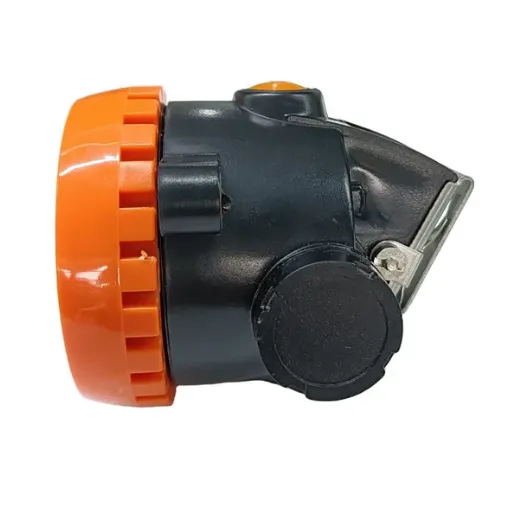
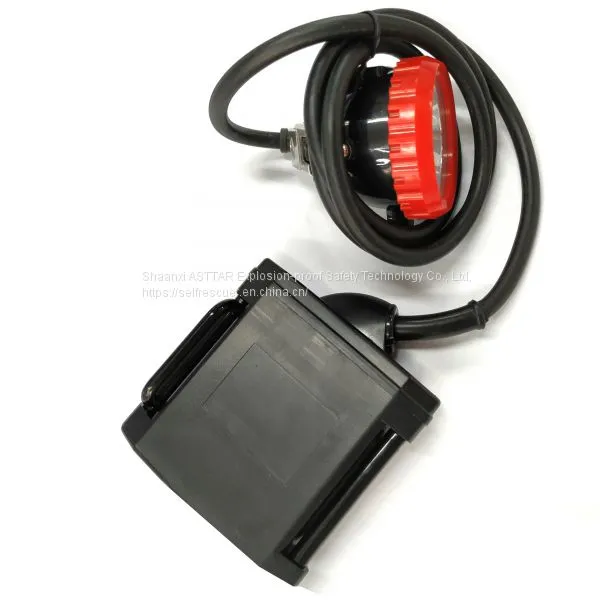
The KL6Ex is an ATEX-certified LED mining cap lamp and mining headlamp designed for long shifts in hazardous environments. As a rechargeable mining cap lamp with long battery life, it uses a lithium-ion battery pack, a high-efficiency LED module, and a battery management system that protects against overcharge, over-discharge, and short circuits.
Runtime Across Brightness Modes
The KL6Ex is engineered to provide useful light across a full 12-hour shift. Lower brightness modes extend runtime for inspections, travel, and low-detail tasks. High beam supports working faces where precise illumination matters. A battery-level indicator keeps workers informed, and the quick-change battery option supports continuous multi-shift use.
Safety Certification
The KL6Ex carries ATEX certification for use in explosive atmospheres. The enclosure, cable, and connectors are tested to resist impacts, dust, and moisture. This matters because a cap lamp is not just a light; it is electrical equipment carried into a potentially gassy environment.
Durability Features
A mining cap lamp is dropped, knocked against rock, exposed to water, and pulled by its cable. The KL6Ex uses sealed connectors, a reinforced head bracket, and an IP-rated housing to survive these conditions. Durability protects the battery and electronics, which in turn protects runtime.
Integration With Mine Safety Systems
ASTTAR also supplies self-rescuers, gas detectors, and explosion-proof lighting. A cap lamp is one layer of a broader safety system. Coordinating procurement across these categories simplifies training, maintenance, and compliance.
Ready to compare cap lamp options? Explore our LED mining cap lamps or request a runtime comparison for your shift pattern.
Frequently Asked Questions
How long should a rechargeable mining cap lamp battery last?
A quality rechargeable mining cap lamp with long battery life should deliver 12 to 18 hours of continuous light on a single charge, depending on brightness setting. Battery packs typically need replacement after 18 to 24 months of daily use.
What battery type is best for a mining cap lamp?
Lithium-ion is the best choice for most mining cap lamps. It offers high energy density, low self-discharge, fast charging, and no memory effect. It is lighter and longer-lasting than older nickel-cadmium or lead-acid options.
Does high brightness reduce cap lamp runtime?
Yes. Running a cap lamp on high beam can reduce runtime by 40-60% compared with low or medium settings. Train workers to use the lowest setting that provides safe visibility.
Are rechargeable cap lamps safe in gassy mines?
Only if they are certified for explosive atmospheres. Look for ATEX, IECEx, or MSHA approval. The certification mark should be visible on the lamp and supported by test documentation.
How can I extend the life of my cap lamp battery?
Charge after every shift, avoid deep discharges, use the manufacturer's charger, store batteries at moderate temperatures, and replace aging packs on a schedule rather than waiting for failure.
Should I buy spare battery packs?
Yes, if you run multi-shift operations. Quick-change battery packs eliminate downtime and allow a single lamp to stay in service across multiple crews. Budget for spares from the start.
Final Checklist: Choosing a Rechargeable Mining Cap Lamp With Long Battery Life
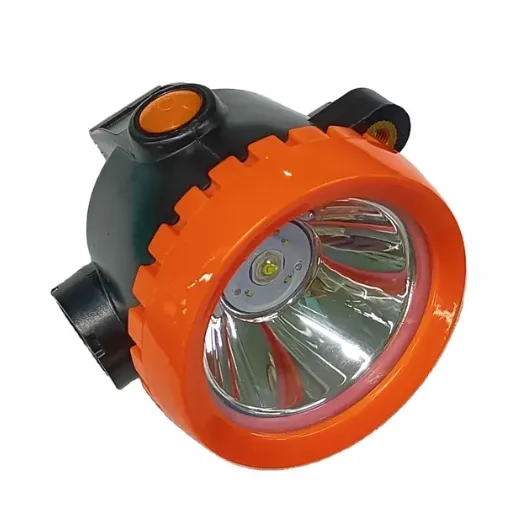
Use this checklist to evaluate any cap lamp before purchase.
Runtime and Performance
Runtime at the brightness setting you will use most
Multiple brightness modes
Visible battery-level indicator
Quick-change battery option
Safety and Certification
ATEX, IECEx, or MSHA approval for hazardous atmospheres
Impact and ingress protection ratings
Intrinsic safety or flameproof construction
Maintenance and Cost
Manufacturer-approved charger included
Spare battery packs available
Rated cycle life documented
Total cost of ownership calculated over 2-3 years
Operation
Lightweight and comfortable for full-shift wear
Reliable cable and connector design
Training materials or documentation provided
Conclusion
A rechargeable mining cap lamp with long battery life is essential for safe, productive underground work. The best units combine lithium-ion technology, efficient LEDs, rugged certification, and smart battery management. But runtime depends as much on how the lamp is used and maintained as it does on the battery size.
Start by matching runtime to your actual shift length and brightness needs. Verify safety certification for your mine type. Then build a maintenance routine that includes proper charging, contact cleaning, and scheduled battery replacement. With the right lamp and the right habits, your crews will have reliable light from the start of shift to the end.
Need a cap lamp that can handle your longest shifts? Contact ASTTAR to request KL6Ex specifications, runtime data, and certification documents. Our team can help you choose a certified LED mining cap lamp that fits your operation and your budget.
Recently Posted
-
Explosion Proof Flood Light for Mining: A 2026 Selection Guide
July 29, 2026An explosion proof flood light for mining is a high-output, certified LED fixture designed to illuminate large work areas, stockpi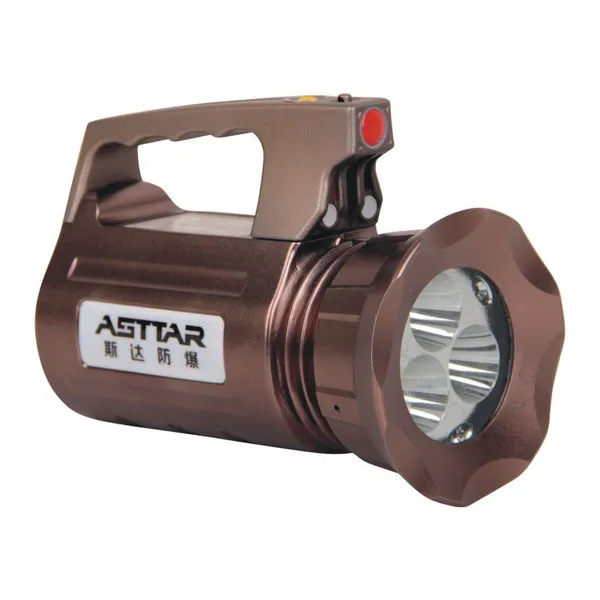 Read More
 -
Mechanical Anemometer for Mining: A 2026 Ventilation Survey Guide
July 29, 2026A mechanical anemometer for mining is a hand-held or bracket-mounted instrument that measures air velocity in underground roadways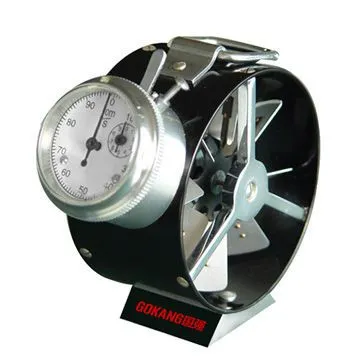 Read More
 -
LED Flameproof Tunnel Light for Mining: 2026 Selection Guide
July 29, 2026An LED flameproof tunnel light for mining is a fixed luminaire built inside a flameproof (Ex d) enclosure that contains any intern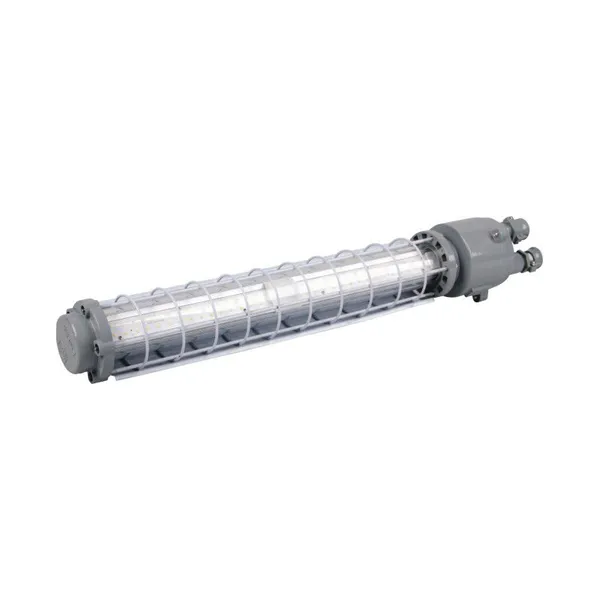 Read More
 -
Wholesale Mining Safety Equipment: A 2026 Procurement Guide
July 24, 2026Wholesale mining safety equipment is the bulk purchase of certified protective gear, escape devices, lighting, gas detection, and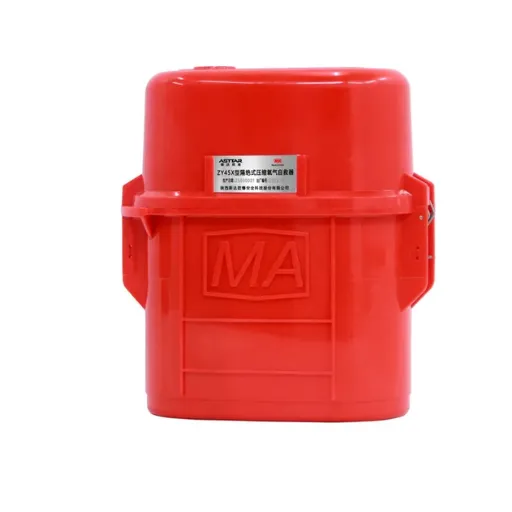 Read More

Contact Us

Recommended Products
-
 CE Certified 30 Minutes Closed Circuit Mining Oxygen Self-rescuerNegotiableMOQ: 1 Piece
 -
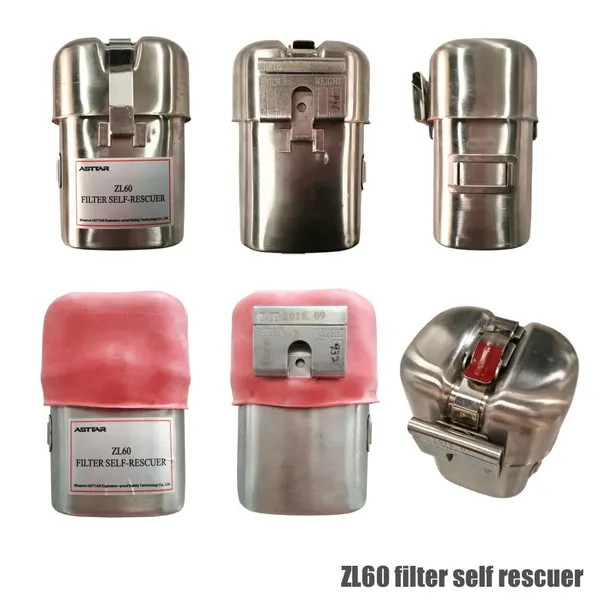
Portable ZL60 Filter Self Rescuer Lightweight Underground Personal Breathing DeviceNegotiableMOQ: 1 Piece
-
0.6L Oxygen Cylinder ZY45X Self Rescue Respirator Underground Mining Self RescuerNegotiableMOQ: 1 Piece
-
Atex 6ah 7000lux IP65 Mining Industrial Use Ex Proof LED Cap Lamp Safety HeadlampUS$ 98 - 110MOQ: 1 Piece
-
KL1.2Ex LED Miner Cap Lamp ATEX Explosion Proof Mining HeadlampUS$ 75 - 85MOQ: 1 Piece
-
Kl3lm (A) Cordless Intrinsically Safe LED Headlamp for Mining, Camping, and Outdoor ActivitiesNegotiableMOQ: 1 Piece
-
Heat Resistant PA Housing HYZ4(C) Positive Pressure Oxygen Apparatus Coal Mine Emergency RescueNegotiableMOQ: 1 Piece
-
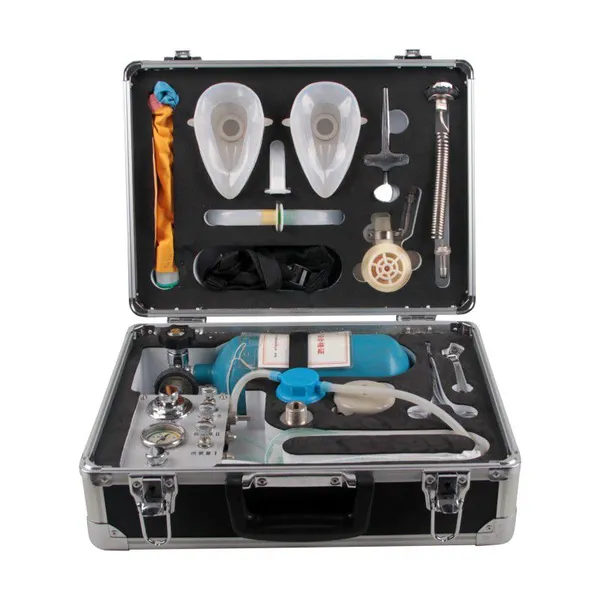
Independent Oxygen Supply Automatic Resuscitator MZS30 for Weak‑Breathing Casualty RescueNegotiableMOQ: 1 Piece
-
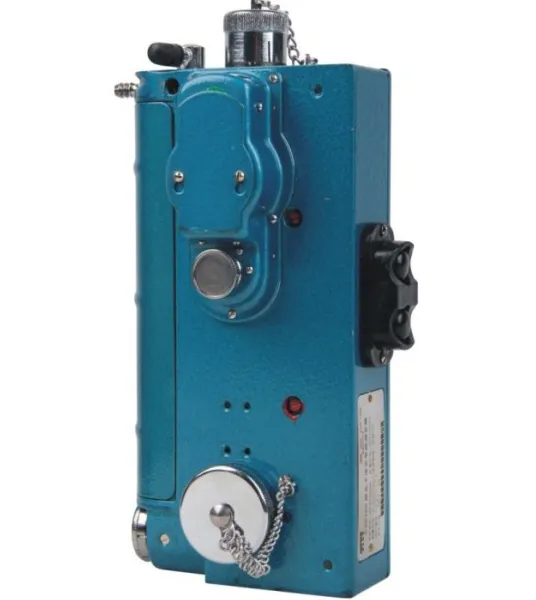
Mining Intrinsically Safe CJG10 Methane Detector Optical Interference Principle Gas Measuring InstrumentNegotiableMOQ: 1 Piece
-
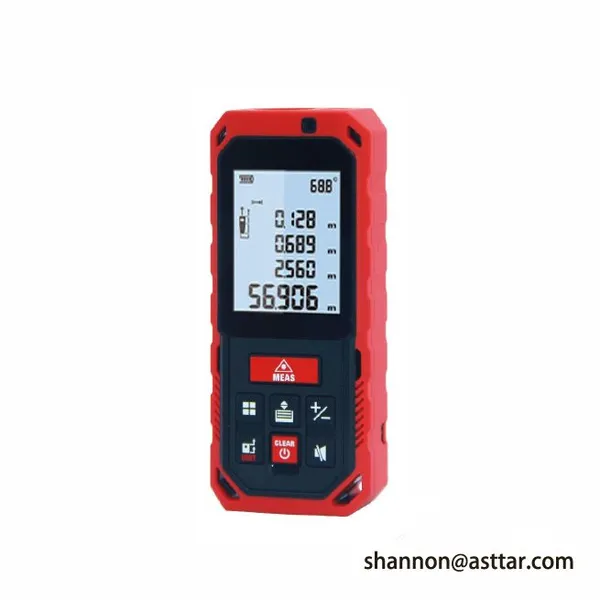
YHJ-100J(A) 100m Portable Explosion Proof Laser Distance MeterUS$ 250 - 350MOQ: 1 Piece
-
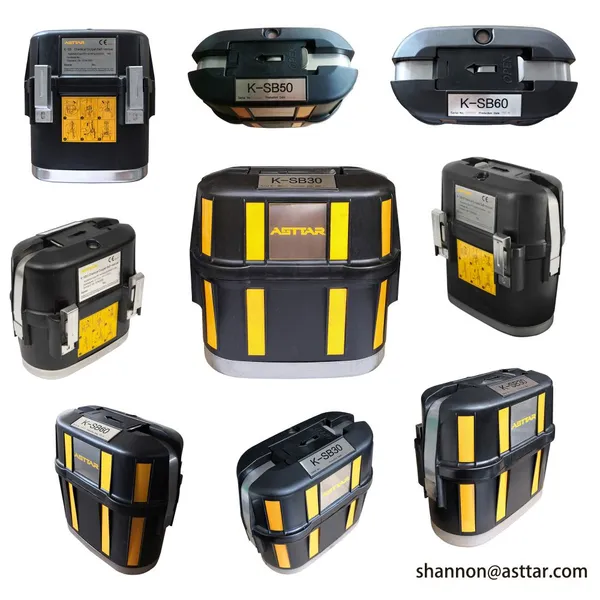
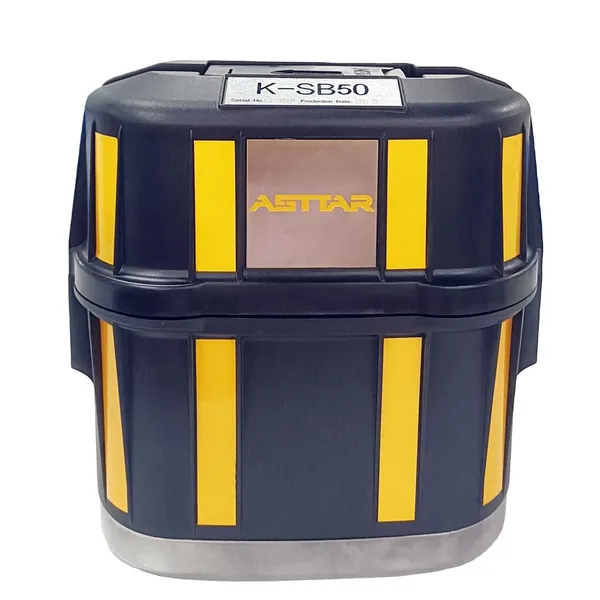
K-SB50 Self Contained Oxygen Escape Device Built-In Humidity Indicator For Mine Fire RescueNegotiableMOQ: 1 Piece
-
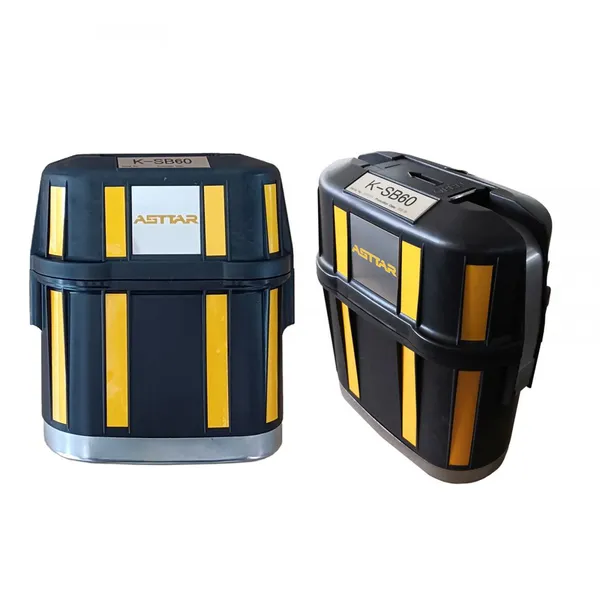
60 Minutes CE Approved Self-Contained Self-Rescuer K-Sb60 for Miner SafetyNegotiableMOQ: 1 Piece
-
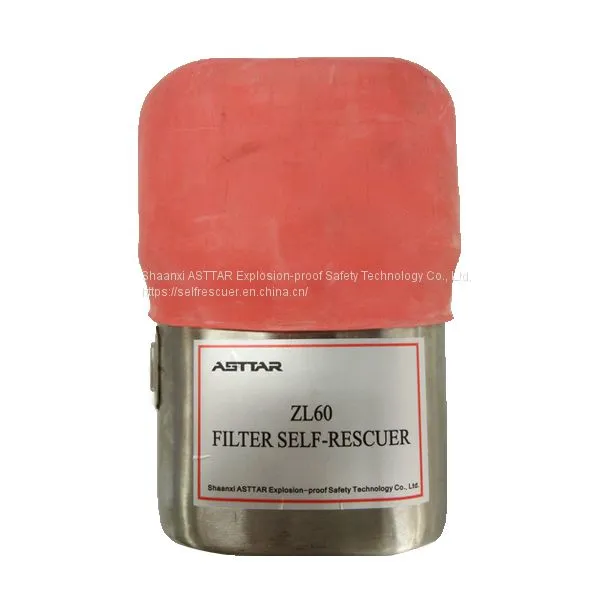
ZL60 60 Minutes Carbon Monoxide Filter Self RescuerUS$ 120 - 150MOQ: 1 Piece
-
ZY30X Isolated Compressed Oxygen Self Rescuer Self Contained Breathing Escape DeviceUS$ 120 - 150MOQ: 1 Piece
-
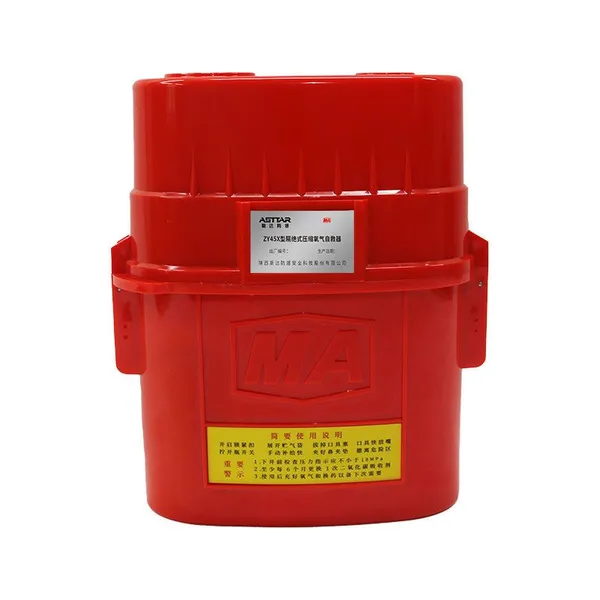
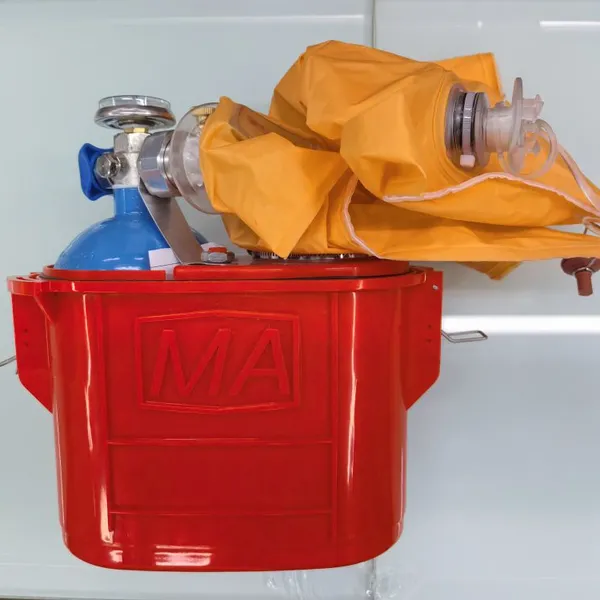
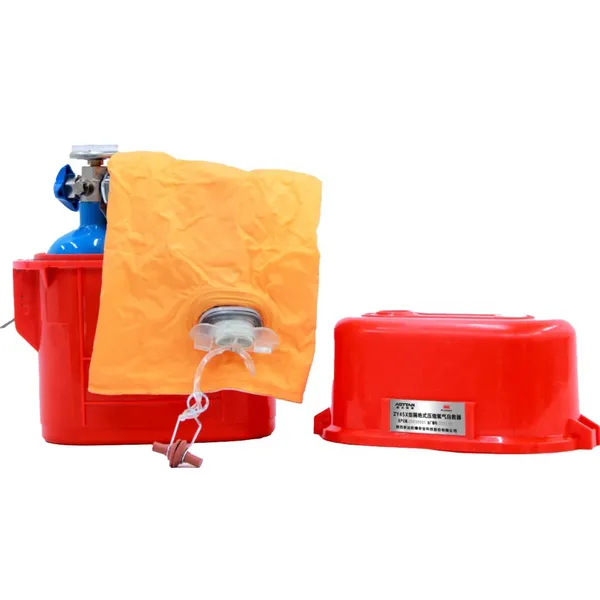
Portable ZY45X Self Rescue Breathing Apparatus Emergency Escape Breathing DevicesNegotiableMOQ: 1 Piece
-
HYZ2 Isolated Positive Pressure Oxygen Breathing Apparatus PC Face Shield Aluminized FabricNegotiableMOQ: 1 Piece
-
KL6Ex ATEX Rechargeable High Brightness Corded LED Headlamp Miner Cap LampUS$ 98 - 110MOQ: 1 Piece
-
ATEX Cordless LED Cap Lamp Underground Mining Safety HeadlampUS$ 75 - 85MOQ: 1 Piece
-
5Ah Rechargeable LED Cordless Miner\'s HeadlampUS$ 85 - 98MOQ: 1 Piece
-
5Ah Rechargeable LED Cordless Miner's Cap LampUS$ 85 - 98MOQ: 1 Piece