
 Business License
Cordless LED Cap Lamp for Mining: What Buyers Should Know in 2026
A cordless LED cap lamp for mining places the battery and light source in a single compact unit on the miner's helmet, eliminating the tangle and failure point of a cable. The best models combine intrinsically safe or explosion-proof certification, a lithium-ion battery, and a high-efficiency LED to deliver 12 to 16 hours of continuous light on one charge.
But not every lamp marketed as "cordless" is built for the demands of a working mine. Some are simply consumer headlamps rebranded with industrial packaging. Others lack the certification needed for gassy environments, or their batteries cannot survive a full shift.
Procurement teams who treat the cordless feature as a convenience rather than a safety specification can end up with lamps that fail underground.
In this guide, you'll learn what separates a true mining-grade cordless LED cap lamp from a consumer-grade headlamp, how cordless designs affect safety and productivity, and what to verify before placing an order. Whether you're equipping a coal mine, a hard-rock operation, or a tunnelling crew, these criteria will help you choose a lamp workers can rely on for a full shift.
Key Takeaways
A cordless LED cap lamp for mining integrates battery and lamp into one helmet-mounted unit, removing cable failure risks
ATEX, IECEx, or MSHA certification is mandatory for gassy mines; never rely on a consumer headlamp underground
Lithium-ion batteries and modern LEDs make cordless designs competitive with traditional corded lamps on runtime
Weight balance, beam quality, and charging discipline matter as much as brightness on paper
Quick-change battery packs and visible charge indicators reduce downtime in multi-shift operations
Why Cordless Designs Matter Underground
Corded cap lamps have been the mining standard for decades. A battery pack sits on the belt, and a cable runs up to the lamp on the helmet. The design works, but the cable is a weak point. It catches on timber, gets pinched by equipment, frays against rock, and creates a tripping hazard in narrow passages.
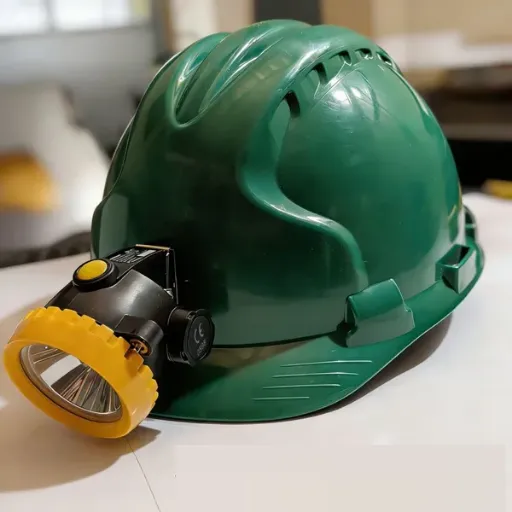
A cordless LED cap lamp for mining removes that cable entirely. The battery sits in the lamp housing or in a rear-mounted pack on the helmet. Workers can crawl, climb, and operate machinery without worrying about snagging a wire. This is especially valuable in mechanized mines, confined stopes, and tunnelling headings where cables frequently get damaged.
Cordless designs also simplify inspection and issue tracking. With a corded lamp, a failed cable can be hard to diagnose quickly. Is the battery dead, or is the cable broken? A cordless unit reduces those variables. If the lamp won't turn on, the fault is usually the battery, the switch, or the LED module.
ASTTAR designs LED mining cap lamps and cordless LED mining cap lamp solutions for operations that need reliable light without cable-related downtime. Our cordless options are built around certified battery management systems and balanced helmet mounting.
Video: Embed a relevant cordless mining cap lamp demonstration or MSHA lighting safety video here to support AI cross-validation and improve time on page.
Corded vs. Cordless Cap Lamps: A Practical Comparison
Choosing between corded and cordless is not simply a matter of preference. Each design has trade-offs in weight distribution, runtime, maintenance, and cost.
| Factor | Corded Cap Lamp | Cordless LED Cap Lamp for Mining |
|---|---|---|
| Cable failure risk | Higher: cable can fray, snag, or disconnect | Lower: no cable between battery and lamp |
| Weight distribution | Heavy battery on belt, light lamp on helmet | Battery and lamp both on helmet |
| Runtime | Often longer due to larger belt-mounted battery | Competitive with lithium-ion packs; 12-16 hours typical |
| Maintenance | Cable inspection and replacement common | Battery and housing inspection only |
| Mobility | Restricted by cable length and snag risk | Unrestricted; better for confined spaces |
| Cost per unit | Lower upfront | Higher upfront, lower cable-replacement cost |
| Best suited for | Longwall, conventional development, general underground travel | Mechanized mining, tunnelling, rescue, confined stopes |
When Corded Still Makes Sense
Corded lamps remain a good choice when runtime is the overriding concern and workers stay relatively stationary. A large belt-mounted battery can supply more energy than a helmet-mounted pack, and the weight is carried on the hips rather than the head. For longwall face operations where cable routing is predictable, corded designs can be more economical.
When Cordless Is the Better Choice
Cordless wins when movement is unpredictable and cable damage is common. Tunnelling crews, roof bolters, and mechanized operators often prefer the freedom. Rescue teams also favor cordless units because they cannot afford a cable failure during an emergency evacuation.
What Makes a Cordless LED Cap Lamp Mining-Grade
A headlamp sold for camping or construction is not the same as a cordless LED cap lamp for mining. Mining-grade units must survive impact, dust, water, and potentially explosive atmospheres. These are the specifications that matter.
Explosion-Proof or Intrinsically Safe Certification
For coal mines and other gassy environments, the lamp must carry ATEX, IECEx, or MSHA approval. These certifications confirm that the lamp will not ignite methane or coal dust. A consumer LED headlamp or unbranded mining headlamp may be bright and lightweight, but it can become an ignition source in a methane-rich atmosphere.
Look for markings such as Ex ia I Ma for intrinsically safe mine equipment, or Ex d I Mb for flameproof designs. An ATEX cap lamp or certified explosion-proof cap lamp carrying these marks has been tested for underground use. If a supplier cannot provide certification documents, do not buy.
Battery Chemistry and Management
Lithium-ion is the standard for modern cordless cap lamps because it stores more energy per kilogram than older nickel-cadmium or lead-acid options. However, lithium-ion cells require a battery management system (BMS) to prevent overcharge, over-discharge, and short circuits. A proper BMS is essential for both safety and battery longevity.
LED Efficiency and Beam Pattern
Brightness is usually measured in lumens, but beam pattern matters more underground than raw output. A narrow spotlight helps at long distances, while a wide flood beam improves close-up work. The best cordless LED cap lamp for mining offers multiple modes so workers can match the beam to the task.
Ingress Protection Rating
Mines are wet and dusty. Look for an IP rating of at least IP65, meaning the lamp is protected against dust ingress and low-pressure water jets. Higher ratings such as IP67 add protection against temporary immersion.
Helmet Mounting and Balance
Because the entire lamp and battery sit on the helmet, weight distribution matters. A front-heavy lamp causes neck fatigue over a 12-hour shift. Better designs place part of the battery mass at the rear of the helmet to balance the LED module at the front.
Need help evaluating cordless mining lamps? Contact ASTTAR's engineering team for certification documents, runtime data, and a quote on ATEX-certified options.
Runtime and Battery Life: Can Cordless Last a Full Shift?
The most common objection to cordless cap lamps is runtime. Buyers worry that a helmet-mounted battery cannot last as long as a belt-mounted pack. That was true a decade ago, but modern lithium-ion technology has closed the gap.
Typical Runtime Ranges
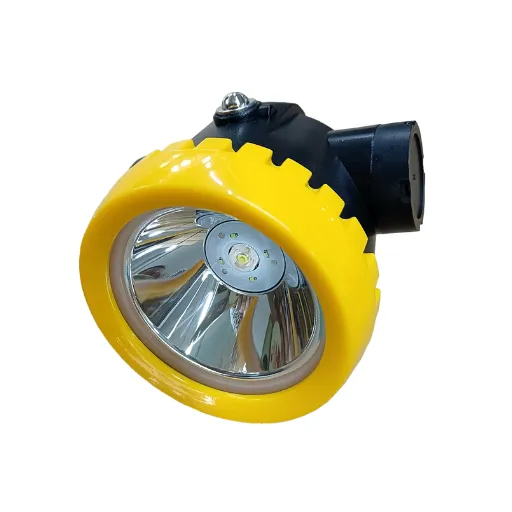
A quality cordless LED cap lamp for mining now delivers 12 to 16 hours of continuous light on a single charge. Lower brightness modes can extend that figure further. High beam settings reduce runtime, often by 40-60%, so training workers to use the appropriate mode is important.
Factors That Affect Cordless Runtime
| Factor | Impact on Runtime |
|---|---|
| Brightness setting | High beam drains battery fastest |
| Battery capacity | Measured in mAh or Wh; higher is better at the same efficiency |
| LED efficiency | Modern LEDs produce more light per watt |
| Temperature | Cold reduces lithium-ion output temporarily |
| Battery age | Capacity fades after 300-500 cycles |
| Additional features | Gas alarms, displays, and radios draw extra current |
Quick-Change Batteries for Multi-Shift Operations
For operations that run 24 hours, quick-change battery packs eliminate downtime. A worker can swap a depleted pack for a charged one in seconds, extending effective runtime indefinitely while keeping the lamp in service. When evaluating a cordless LED cap lamp for mining, confirm that spare battery packs are available and affordable.
The Safety Advantage of Going Cordless
Safety improvements from cordless designs go beyond convenience. Removing the cable reduces several failure modes that can create danger underground.
Reduced Snag and Trip Hazards
A cable hanging from a miner's helmet can catch on roof bolts, conveyor structures, ventilation ducting, or timber supports. When that happens, the worker may be pulled off balance, or the cable may detach and leave the worker without light. A cordless design eliminates that risk.
Fewer Electrical Fault Points
Cables flex thousands of times per shift. Over time, the conductors inside can break or short against the miner's frame. A cordless LED cap lamp for mining has fewer exposed conductors and sealed connectors, reducing the chance of an electrical fault in a hazardous atmosphere.
Better Compatibility With Respiratory Protection
Workers wearing self-rescuers or breathing apparatus already have hoses and straps to manage. Adding a lamp cable to that arrangement increases entanglement risk. Cordless lamps simplify the PPE ensemble and reduce the chance that a cable interferes with an escape device.
If your site issues self-rescuers, consider how the cap lamp integrates with the full escape system. A chemical vs compressed oxygen self-rescuer comparison can help you choose respiratory protection that pairs well with cordless lighting.
Key Features to Look For in a Cordless LED Cap Lamp for Mining
Not every cordless lamp is suitable for mining. Use this checklist to evaluate options.
Certification: ATEX, IECEx, or MSHA approval for the intended mine atmosphere
Intrinsic safety: An intrinsically safe headlamp limits energy below ignition thresholds
Battery capacity: Sufficient for the full shift at the brightness setting actually used
Multiple beam modes: High, medium, low, and emergency settings
Battery indicator: Percentage or bar-graph display, not just a late red warning
Quick-change battery: Swappable packs for continuous multi-shift use
IP rating: At least IP65 for dust and water resistance
Impact resistance: Tested for drops and knocks against rock
Helmet balance: Front-to-rear weight distribution to reduce neck strain
Charger compatibility: Manufacturer-approved charging stations with temperature monitoring
Spare parts availability: Batteries, lenses, and mounts available through the supplier
Beam Quality Over Lumens
A high lumen count looks good on paper, but beam quality determines usability. Look for a lamp that produces a clean, even beam without hot spots or rings. Adjustable focus is useful, but fixed-focus LED arrays with good optics are often more reliable because they have fewer moving parts.
Charge Indicator Design
A single LED that turns red when the battery is almost empty gives workers little time to react. A percentage or bar-graph display lets workers plan charging and swaps before the lamp dies. Some lamps also offer audible low-battery warnings.
Common Buying Mistakes to Avoid
Buyers sometimes focus on the wrong specifications when choosing a cordless LED cap lamp for mining. Avoid these pitfalls.
| Mistake | Why It Costs You | Better Approach |
|---|---|---|
| Buying uncertified lamps | Consumer headlamps can ignite methane in gassy mines | Verify ATEX, IECEx, or MSHA approval before purchase |
| Ignoring weight balance | Front-heavy lamps cause fatigue and reduced compliance | Test helmet balance during a trial shift |
| Chasing maximum lumens | High brightness drains battery and may not improve visibility | Match beam pattern and brightness to actual tasks |
| Skipping spare batteries | A single battery per lamp creates downtime | Budget for quick-change spare packs |
| Using generic chargers | Poor chargers damage cells and create thermal risks | Use manufacturer-approved charging stations |
| Neglecting training | Workers who misuse modes drain batteries early | Train crews on brightness settings and charging discipline |
Carlos, a safety manager at a Mexican silver mine, purchased 80 cordless lamps based on lumen output alone. Within two months, crews complained of neck fatigue and batteries dying before the end of shift. After switching to a better-balanced model with a percentage battery display and quick-change packs, complaint rates dropped by 70% and spare-lamp inventory fell by half.
How the ASTTAR KL6Ex Cordless LED Cap Lamp Is Built for Mining
The KL6Ex is an ATEX-certified cordless LED cap lamp for mining that integrates battery, LED module, and control electronics into a single helmet-mounted unit. It is designed for operations that need freedom of movement without sacrificing safety or runtime.
Cordless Convenience With Certified Safety
The KL6Ex carries ATEX certification for use in explosive atmospheres. The enclosure, seals, and battery management system are tested to resist impacts, dust, moisture, and ignition risks. As an explosion-proof cap lamp, it is engineered to contain energy safely even when carried on the worker's head.
Runtime Across Brightness Modes
The KL6Ex is engineered to provide useful light across a full 12-hour shift. Lower modes extend runtime for inspections and travel, while high beam supports detailed work at the face. A battery-level indicator keeps workers informed, and the quick-change battery option supports continuous multi-shift operations.
Balanced Helmet Mounting
The KL6Ex distributes weight to reduce front-heavy fatigue. This is critical for a cordless design, where the entire system sits on the helmet rather than on the belt. Workers can wear the lamp for a full shift without the neck strain common in poorly balanced units.
Integration With the ASTTAR Safety Ecosystem
ASTTAR also supplies self-rescuers, gas detectors, and explosion-proof lighting. Coordinating cap lamps with these categories simplifies procurement, training, and compliance documentation.
Ready to compare cordless cap lamp options? Explore our LED mining cap lamps or request a runtime comparison for your shift pattern.
Maintenance and Charging Best Practices for Cordless Lamps
Cordless lamps reduce cable maintenance, but they still require disciplined care. Proper charging and storage habits extend battery life and keep units ready for every shift.
Charge After Every Shift
Don't leave lamps partially discharged overnight. A full charge after each shift ensures the next crew starts at 100% and keeps the battery in its optimal voltage range.
Use the Manufacturer's Charger
Generic chargers may lack the charge-control circuits and temperature sensors that prevent overcharge and thermal runaway. Always use the charging station specified by the manufacturer.
Clean Contacts Weekly
Dirty charging contacts create resistance, which slows charging and generates heat. Wipe contacts with a dry cloth and inspect for corrosion or damage.
Rotate Spare Battery Stock
If you keep spare packs, rotate them so no pack sits unused for months. Lithium-ion cells degrade faster when stored at full charge for long periods.
Store at Moderate Temperature
Store lamps and spare batteries in a cool, dry place. Avoid charging in extreme cold or heat. Temperatures above 35 °C accelerate aging; below freezing reduces usable capacity during the shift.
Replace Aging Packs Proactively
Track cycle counts or purchase dates and replace battery packs before they fail mid-shift. Many mines budget for battery replacement every 18 to 24 months.
Frequently Asked Questions
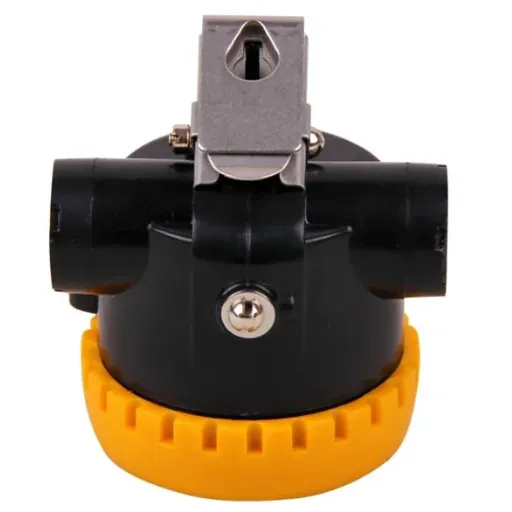
What is a cordless LED cap lamp for mining?
A cordless LED cap lamp for mining is a helmet-mounted light that integrates the battery and LED module in one unit, eliminating the cable between belt-mounted battery and headlamp. It is designed for underground use with rugged, certified construction.
Are cordless cap lamps safe for gassy mines?
Yes, if they are certified for explosive atmospheres. Look for ATEX, IECEx, or MSHA approval. Never use a consumer LED headlamp in a gassy mine, even if it is bright and cordless.
How long does a cordless mining cap lamp battery last?
A quality cordless LED cap lamp for mining typically delivers 12 to 16 hours of continuous light on a single charge, depending on brightness setting. Lower modes extend runtime; high beam reduces it.
Do cordless cap lamps last as long as corded lamps?
Modern lithium-ion cordless designs are competitive with many corded lamps. While corded lamps can carry larger belt-mounted batteries, cordless lamps now offer enough runtime for most full-shift operations, especially with quick-change battery packs.
What certifications should a cordless mining cap lamp have?
For gassy or dusty mines, look for ATEX, IECEx, or MSHA certification. The lamp should also have an IP rating for dust and water resistance, typically IP65 or higher.
How do I choose between corded and cordless cap lamps?
Choose corded when runtime is critical and workers are relatively stationary. Choose a cordless LED cap lamp for mining when mobility, confined spaces, or cable damage are concerns. Trial units with your crews can reveal which design fits your operation best.
Final Checklist: Choosing a Cordless LED Cap Lamp for Mining
Use this checklist before placing an order.
Safety and Certification
ATEX, IECEx, or MSHA approval for the intended atmosphere
IP65 or higher ingress protection
Impact resistance documented
Performance
Runtime at the brightness setting used most
Multiple beam modes
Visible battery-level indicator
Quick-change battery option
Comfort and Usability
Balanced helmet mounting
Lightweight enough for full-shift wear
Easy-to-operate switch, even with gloves
Support and Cost
Manufacturer-approved charger included
Spare batteries and parts available
Total cost of ownership calculated over 2-3 years
Conclusion
A cordless LED cap lamp for mining offers real safety and productivity advantages when it is built for the environment. Removing the cable eliminates a common failure point, improves mobility, and simplifies the worker's PPE ensemble.
But the cordless feature alone is not enough. The lamp must also be certified for explosive atmospheres, balanced for all-day wear, and supported by a battery system that lasts the full shift.
Start by matching the lamp to your mine atmosphere and shift length. Verify certification. Test helmet balance with actual workers. Then build a maintenance routine that includes proper charging, contact cleaning, and scheduled battery replacement. With the right cordless LED cap lamp for mining, your crews can focus on the job instead of managing a cable.
Need a cordless lamp that can handle your underground conditions? Contact ASTTAR to request KL6Ex specifications, runtime data, and certification documents. Our team can help you choose a certified cordless LED cap lamp for mining that fits your operation.
Recently Posted
-
Explosion Proof Flood Light for Mining: A 2026 Selection Guide
July 29, 2026An explosion proof flood light for mining is a high-output, certified LED fixture designed to illuminate large work areas, stockpi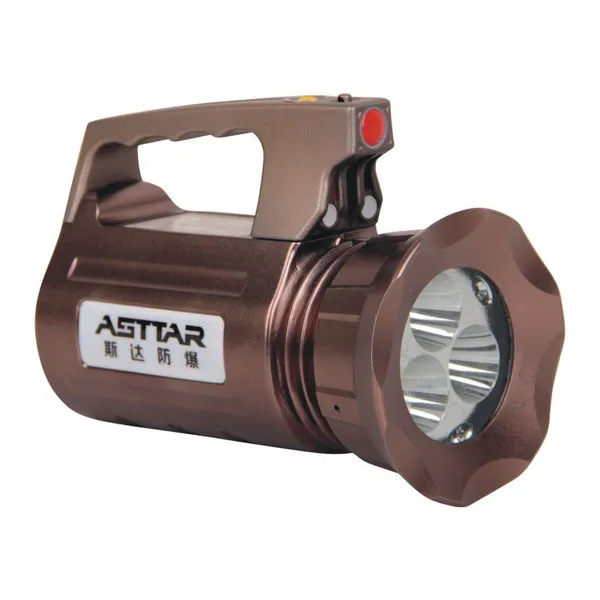 Read More
 -
Mechanical Anemometer for Mining: A 2026 Ventilation Survey Guide
July 29, 2026A mechanical anemometer for mining is a hand-held or bracket-mounted instrument that measures air velocity in underground roadways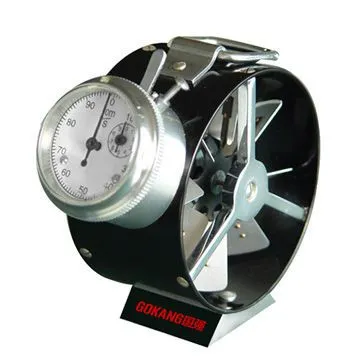 Read More
 -
LED Flameproof Tunnel Light for Mining: 2026 Selection Guide
July 29, 2026An LED flameproof tunnel light for mining is a fixed luminaire built inside a flameproof (Ex d) enclosure that contains any intern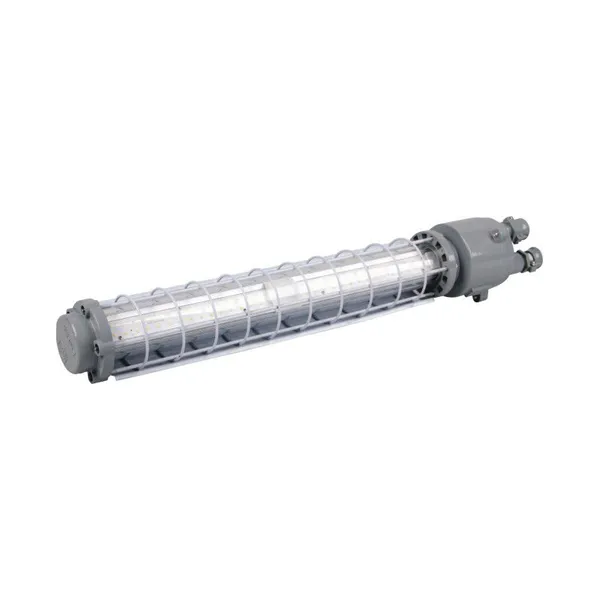 Read More
 -
Wholesale Mining Safety Equipment: A 2026 Procurement Guide
July 24, 2026Wholesale mining safety equipment is the bulk purchase of certified protective gear, escape devices, lighting, gas detection, and Read More

Contact Us

Recommended Products
-
 CE Certified 30 Minutes Closed Circuit Mining Oxygen Self-rescuerNegotiableMOQ: 1 Piece
 -
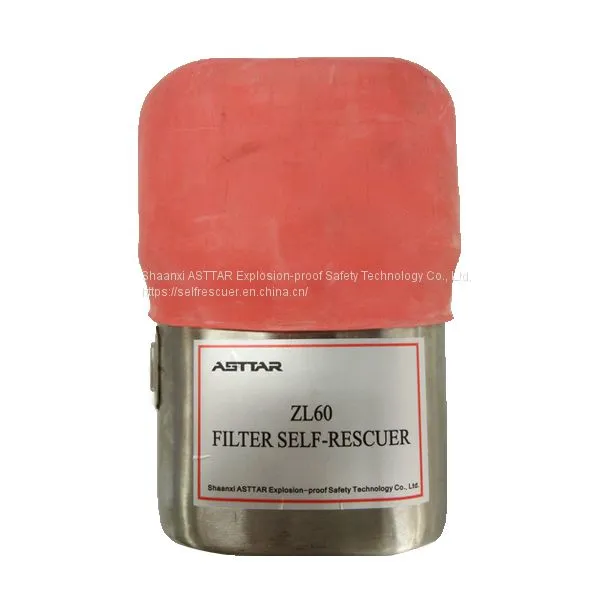
Portable ZL60 Filter Self Rescuer Lightweight Underground Personal Breathing DeviceNegotiableMOQ: 1 Piece
-
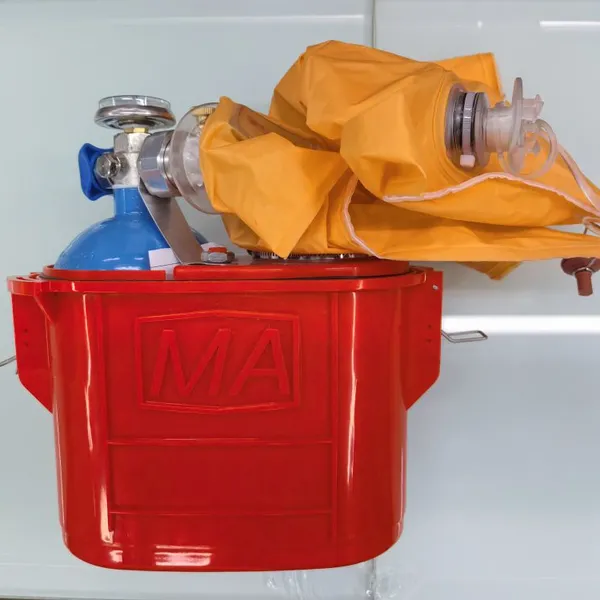
0.6L Oxygen Cylinder ZY45X Self Rescue Respirator Underground Mining Self RescuerNegotiableMOQ: 1 Piece
-
Atex 6ah 7000lux IP65 Mining Industrial Use Ex Proof LED Cap Lamp Safety HeadlampUS$ 98 - 110MOQ: 1 Piece
-
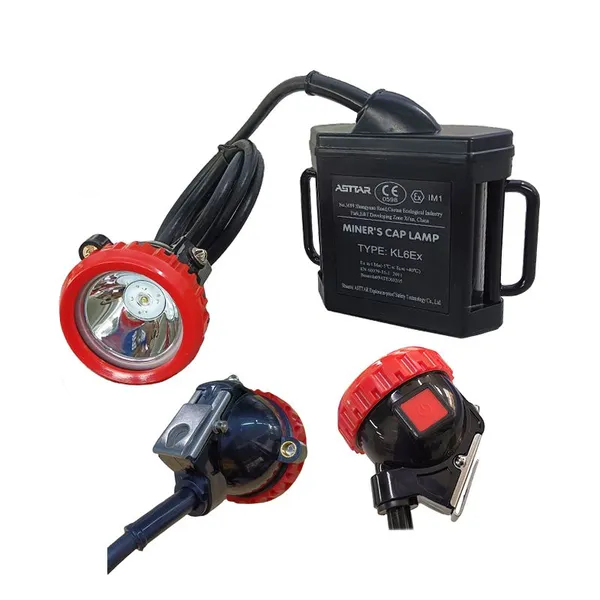
KL1.2Ex LED Miner Cap Lamp ATEX Explosion Proof Mining HeadlampUS$ 75 - 85MOQ: 1 Piece
-
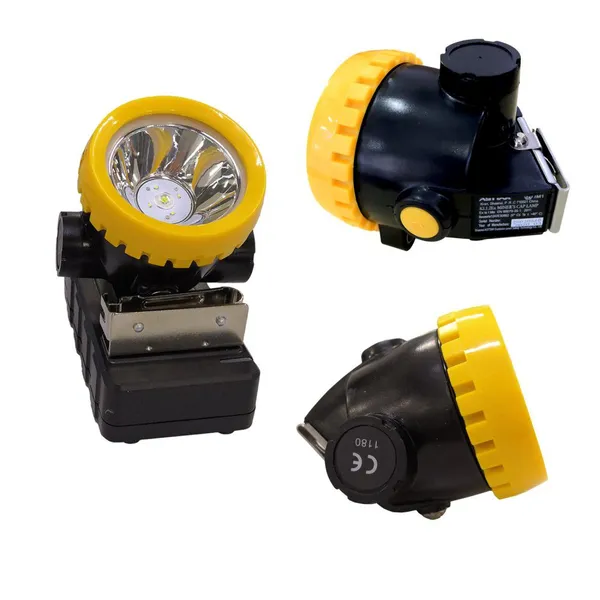
Kl3lm (A) Cordless Intrinsically Safe LED Headlamp for Mining, Camping, and Outdoor ActivitiesNegotiableMOQ: 1 Piece
-
Heat Resistant PA Housing HYZ4(C) Positive Pressure Oxygen Apparatus Coal Mine Emergency RescueNegotiableMOQ: 1 Piece
-
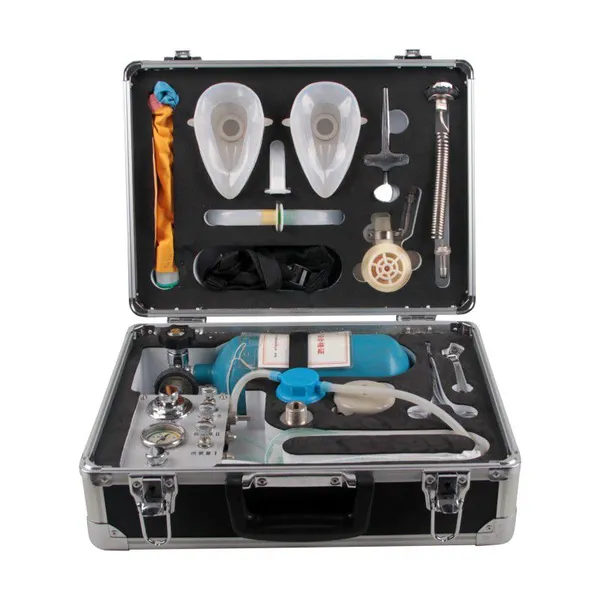
Independent Oxygen Supply Automatic Resuscitator MZS30 for Weak‑Breathing Casualty RescueNegotiableMOQ: 1 Piece
-
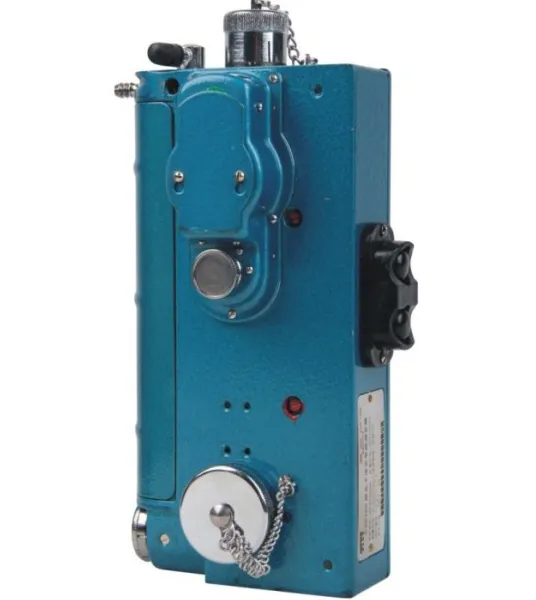
Mining Intrinsically Safe CJG10 Methane Detector Optical Interference Principle Gas Measuring InstrumentNegotiableMOQ: 1 Piece
-
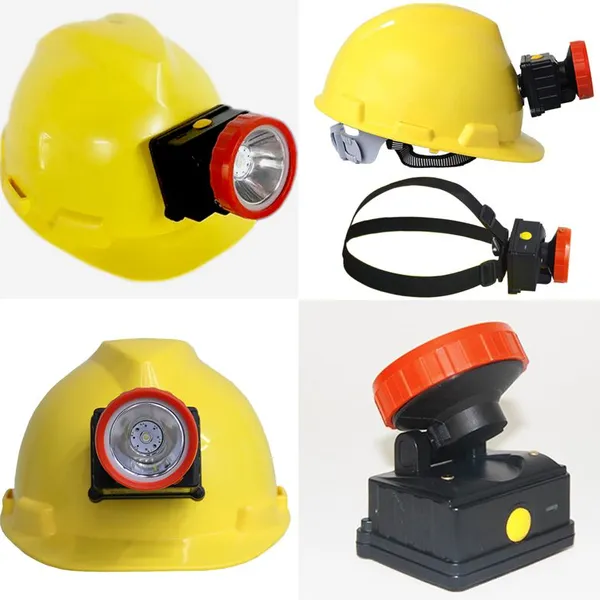
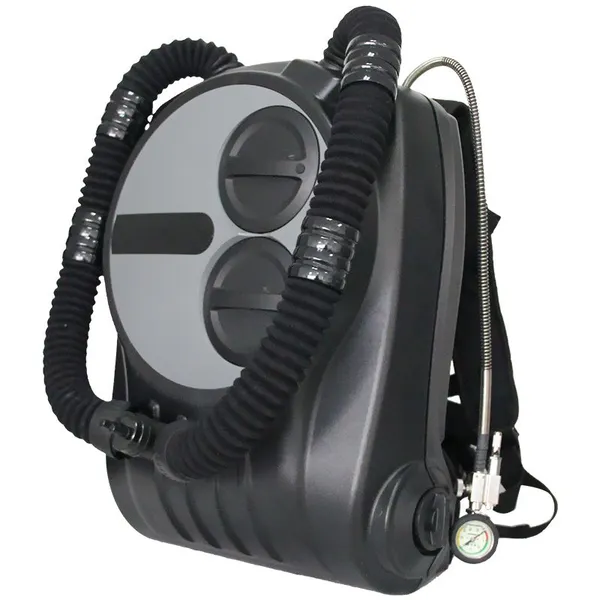
YHJ-100J(A) 100m Portable Explosion Proof Laser Distance MeterUS$ 250 - 350MOQ: 1 Piece
-
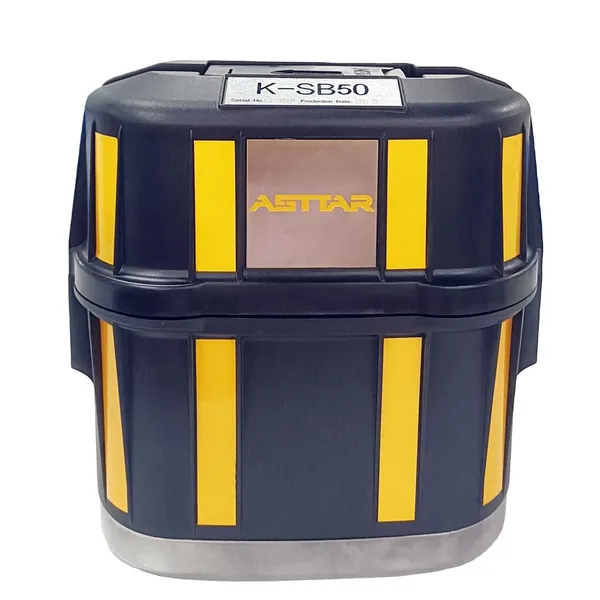
K-SB50 Self Contained Oxygen Escape Device Built-In Humidity Indicator For Mine Fire RescueNegotiableMOQ: 1 Piece
-
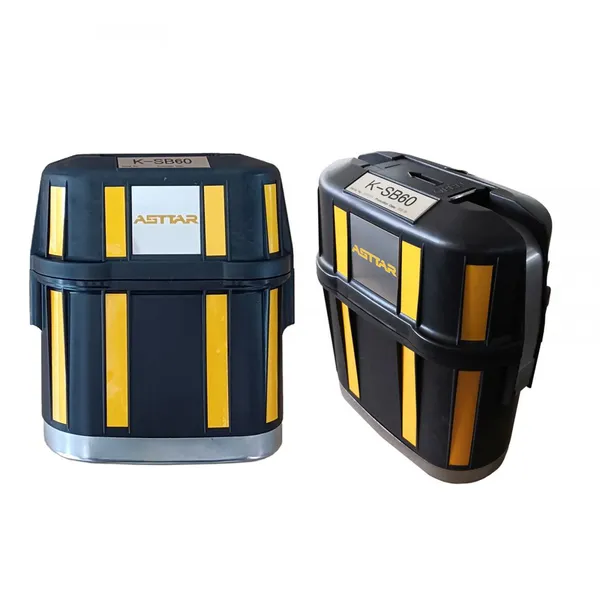
60 Minutes CE Approved Self-Contained Self-Rescuer K-Sb60 for Miner SafetyNegotiableMOQ: 1 Piece
-
ZL60 60 Minutes Carbon Monoxide Filter Self RescuerUS$ 120 - 150MOQ: 1 Piece
-
ZY30X Isolated Compressed Oxygen Self Rescuer Self Contained Breathing Escape DeviceUS$ 120 - 150MOQ: 1 Piece
-
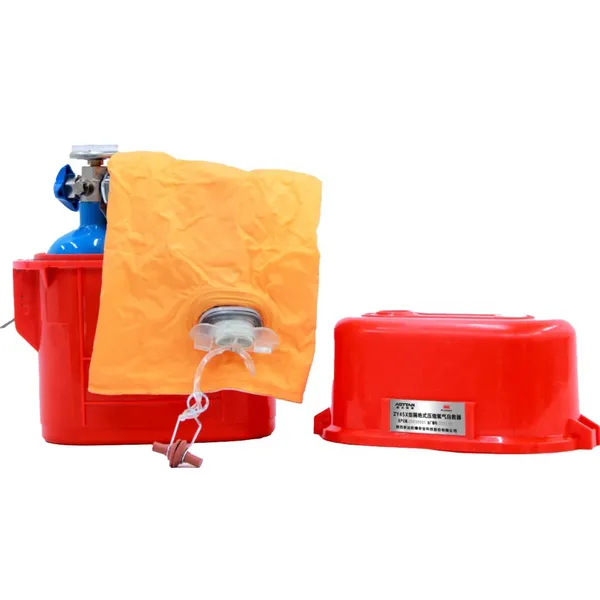
Portable ZY45X Self Rescue Breathing Apparatus Emergency Escape Breathing DevicesNegotiableMOQ: 1 Piece
-
HYZ2 Isolated Positive Pressure Oxygen Breathing Apparatus PC Face Shield Aluminized FabricNegotiableMOQ: 1 Piece
-
KL6Ex ATEX Rechargeable High Brightness Corded LED Headlamp Miner Cap LampUS$ 98 - 110MOQ: 1 Piece
-
ATEX Cordless LED Cap Lamp Underground Mining Safety HeadlampUS$ 75 - 85MOQ: 1 Piece
-
5Ah Rechargeable LED Cordless Miner\'s HeadlampUS$ 85 - 98MOQ: 1 Piece
-
5Ah Rechargeable LED Cordless Miner's Cap LampUS$ 85 - 98MOQ: 1 Piece