
 Business License
Intrinsically Safe Mining Headlamp: A Complete 2026 Guide
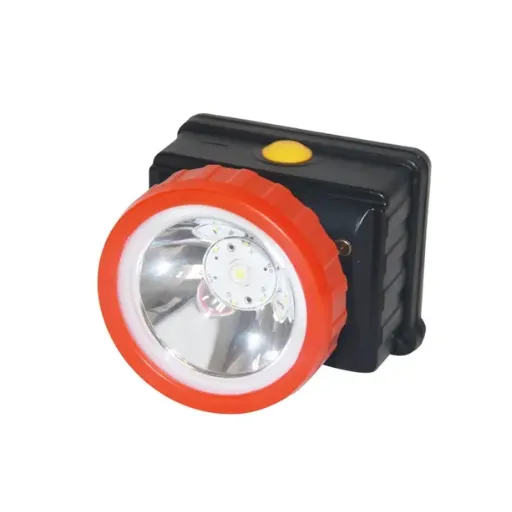
An intrinsically safe mining headlamp is a cap lamp designed so that its electrical circuits cannot release enough energy to ignite methane, coal dust, or flammable vapors, even under normal or fault conditions. This protection method limits voltage, current, and stored energy rather than relying on a heavy flameproof enclosure, making IS headlamps lighter and often more practical for miners who wear them every shift.
What happens when a worker bumps a headlamp against a steel rib in a gassy return? If the lamp is not intrinsically safe, a cracked case or shorted circuit can become an ignition source. Safety managers in coal mines, chemical plants, and grain-handling facilities know that headlamps travel with workers into the most hazardous corners of an operation. The wrong device turns personal lighting into a compliance risk.
This guide explains what intrinsically safe means for mining headlamps, how it compares to flameproof and explosion-proof designs, and what to verify before buying. You will learn the standards, testing requirements, key specifications, and inspection habits that keep IS cap lamps compliant in explosive atmospheres.
Key Takeaways
An intrinsically safe mining headlamp limits electrical energy so it cannot ignite surrounding gas or dust, even under fault conditions.
IS protection differs from flameproof or explosion-proof protection because it prevents ignition energy rather than containing a flame.
Typical IS headlamps carry ATEX or IECEx markings such as Ex ia I Ma for mining use, with zone ratings matched to the application.
Buyers should verify that the certificate covers the exact lamp, battery, and charger combination being supplied.
Daily inspection should cover housing integrity, charging contacts, battery runtime, and legible certification labels.
What Does Intrinsically Safe Mean?
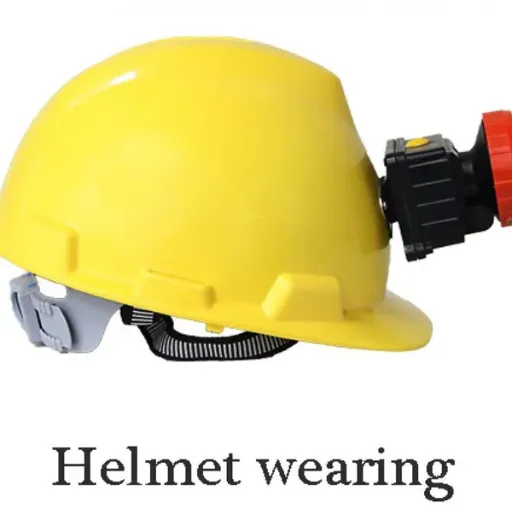
Intrinsic safety is a protection technique for electrical equipment used in explosive atmospheres. Instead of preventing ignition by enclosing sparks inside a heavy flameproof housing, an intrinsically safe design limits the energy available in the circuit to a level below what is needed to ignite the hazardous atmosphere.
Three controls make this possible:
Voltage limitation: The power supply is restricted to a safe level.
Current limitation: Resistors, fuses, or current-limiting components prevent excessive current.
Energy storage limits: Capacitors and inductors are sized so they cannot discharge enough energy to ignite gas or dust.
If a fault occurs, such as a short circuit or broken wire, the circuit still cannot produce a spark or hot surface capable of ignition. This is why intrinsically safe equipment is preferred for portable devices that workers carry close to their bodies.
For a broader look at underground lighting, see our complete cap lamp guide.
Intrinsically Safe vs Explosion-Proof Headlamps
The terms are often used interchangeably, but they describe different protection concepts. An intrinsically safe mining headlamp prevents ignition by limiting energy. An explosion-proof headlamp, also called flameproof in some standards, contains any internal explosion so it cannot propagate to the surrounding atmosphere.
Intrinsically Safe (IS)
Limits electrical energy below ignition levels.
No heavy enclosure needed for spark containment.
Lighter weight and lower heat generation.
Common in portable instruments, cap lamps, gas detectors, and radios.
Flameproof or Explosion-Proof (Ex d)
Contains an internal explosion within a robust enclosure.
Relies on precise flamepaths and housing strength.
Heavier and more mechanically rugged.
Common in motors, switchgear, and fixed lighting fixtures.
Which One Do You Need?
For a cap lamp worn on a miner's head, intrinsic safety is usually the preferred protection method because weight and comfort directly affect compliance. A heavy flameproof headlamp may be left on a bench or worn incorrectly. For fixed underground lighting, flameproof fixtures are common because weight matters less and higher power outputs are needed.
ASTTAR's LED cap lamp range uses protection concepts suited to wearable hazardous-area lighting, including intrinsically safe circuit designs.
Standards and Certifications for IS Mining Headlamps
Mining headlamps sold for explosive atmospheres must be tested and certified to recognized standards. For a comparison of certified LED mining headlamps, see our ATEX-certified LED mining headlamp guide. The markings on the label tell you where the lamp is approved and which protection concept it uses.
ATEX Marking
ATEX-certified equipment for European use carries a label with:
Equipment group: II for industrial atmospheres, I for mines.
Category: 1, 2, or 3, indicating the level of protection.
Protection concept: Ex ia, Ex ib, Ex ic for intrinsic safety; Ex d for flameproof.
Gas group: I for methane, IIA/IIB/IIC for other gases.
Equipment protection level: Ma, Mb, Ga, Gb, Gc.
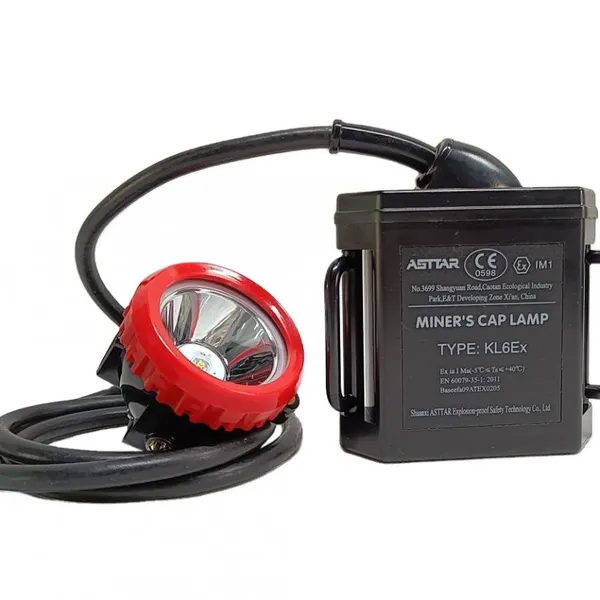
For mining, an IS headlamp might be marked I M1 Ex ia I Ma, meaning it is suitable for category M1 mine use with the highest level of intrinsic safety protection.
IECEx
IECEx is an international certification scheme accepted in many countries outside the EU. It requires testing by an IECEx recognized laboratory and ongoing quality-system audits. An IECEx certificate is often accepted by regulators in Australia, New Zealand, Singapore, and parts of the Middle East and Asia.
Why Certification Matters
Uncertified or mislabeled headlamps have entered the mining supply chain through counterfeit certificates and unauthorized variants. Always request the certificate for the exact model and battery combination and cross-check the notified body or IECEx certificate number when possible. ASTTAR maintains certification documentation and provides test reports for qualified buyers.
At a Colombian coal mine in 2024, safety engineer Carlos Mendez received a shipment of headlamps labeled "explosion-proof" but lacking an Ex ia or Ex ib marking. When he requested the ATEX certificate, the supplier provided a document for a different battery variant. Mendez rejected the shipment and selected a model with verified Ex ia certification. The extra verification step prevented non-compliant devices from reaching the underground workforce.
Key Specifications to Evaluate
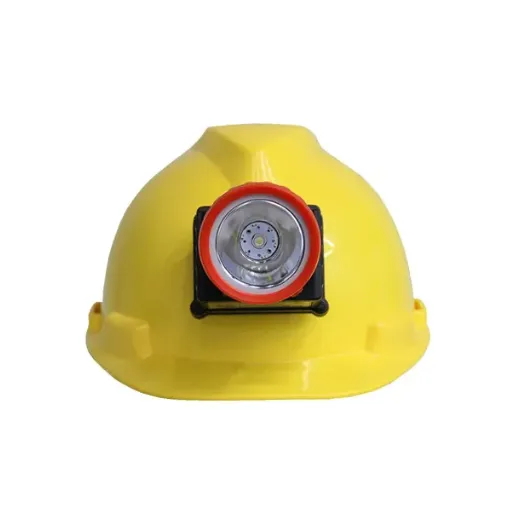
When selecting an intrinsically safe mining headlamp, safety managers look beyond brightness. The protection concept, markings, and accessories must match the working environment.
Protection Level
Verify that the IS protection level matches or exceeds the hazardous-area classification. Ex ia offers the highest level of intrinsic safety and is suitable for continuous hazard zones. Ex ib is acceptable for zones where an explosive atmosphere may occur during normal operation. Ex ic is suitable for zone 2 or equivalent lower-risk areas.
Light Output and Runtime
Modern IS headlamps use high-efficiency LEDs that deliver 150 to 300 lumens or more. Runtime should cover the full shift plus overtime margin. Many models offer 16+ hours on standard settings and extend further in low-power modes. Verify whether runtime ratings apply to high or economy settings.
Battery and Charger
The battery is part of the certified system. Replacing it with a non-certified battery voids the intrinsic safety protection. Chargers should also be certified or matched to the lamp.
Ingress and Impact Protection
Underground conditions include dust, water, vibration, and impact. An IP65 rating or higher is common for IS mining headlamps. Impact resistance should be tested to relevant standards, and the lens should resist scratches and cracks that could expose internal components.
Weight and Ergonomics
A headlamp worn for 12 hours must be comfortable. Weight distribution, headband adjustment, and cable routing affect whether workers keep the lamp in the correct position. A poorly fitting lamp reduces visibility and becomes a distraction.
The ASTTAR explosion-proof lighting portfolio includes cap lamps and fixed fixtures designed for hazardous-area mining and tunnelling applications.
Common Applications for IS Mining Headlamps
Intrinsically safe cap lamps are not limited to coal mines. Any industry with explosive atmospheres can use IS portable lighting when workers need hands-free illumination.
Coal Mining
Methane and coal dust make coal mines the classic application. IS cap lamps keep ignition energy low while providing light for travel, inspection, and production work.
Metal and Non-Metal Mining
Some metal mines produce hydrogen, carbon monoxide, or other flammable gases. IS headlamps provide protection without the weight of flameproof enclosures.
Tunnelling and Construction
Tunnelling through methane-bearing strata or working near fuel storage creates temporary explosive atmospheres. IS headlamps allow workers to move through these zones safely.
Chemical and Petrochemical Plants
Refineries, chemical plants, and loading facilities classify areas by gas groups and zones. IS headlamps rated for the correct gas group protect workers during maintenance and inspection.
Grain Handling and Dust Environments
Agricultural dust can form explosive clouds. IS headlamps with dust protection ratings prevent ignition in these environments.
Daily Inspection and Maintenance
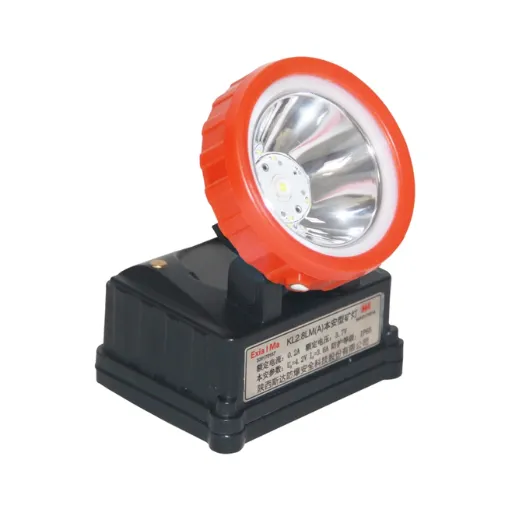
An intrinsically safe mining headlamp is only safe when maintained in its certified condition. Daily checks catch damage before it compromises the protection concept.
Before-Shift Checks
Inspect the housing for cracks, deformation, or missing screws.
Check the lens for cracks or deep scratches.
Verify the switch operates smoothly and returns to the correct position.
Confirm the battery is charged and the low-battery indicator functions.
Examine the headband and cable for wear.
Weekly or Monthly Checks
Clean charging contacts and inspect the charger for damage.
Test main beam, low beam, and any flashing or alarm functions.
Record battery runtime. A noticeable drop indicates end of battery life.
Ensure labels, certification markings, and serial numbers remain legible.
What to Remove from Service
Any lamp with a cracked housing or lens.
Lamps dropped from height or exposed to severe impact.
Units that fail to hold charge or overheat during charging.
Lamps with illegible certification labels.
Never replace the battery or charger with uncertified alternatives. Even if the voltage matches, the current-limiting and energy-limiting characteristics of the certified system may not be present in a generic part.
Common Procurement Mistakes
Buying IS headlamps involves more than comparing lumens and price. Avoid these six common mistakes.
Confusing intrinsically safe with general explosion-proof: IS is a specific protection concept with defined energy limits.
Buying without verifying the certificate: A claim of "ATEX" on a website is not proof of certification.
Accepting mismatched accessories: Battery and charger must be part of the certified system.
Ignoring the gas group: A lamp rated for methane may not be suitable for other gas mixtures.
Overlooking ergonomics: Heavy or uncomfortable lamps are worn incorrectly.
Failing to train workers: Even safe equipment requires correct use and inspection.
How to Verify an Intrinsic Safety Certificate
Counterfeit certificates and unauthorized variants are a real problem in hazardous-area equipment. Follow these steps to verify authenticity.
Verification Steps
Request the ATEX or IECEx certificate and test report from the supplier.
Confirm the certificate lists the exact model, battery, and charger you are buying.
Check that the notified body or IECEx test laboratory is recognized.
Cross-check the certificate number on the issuer's public database if available.
Compare the physical marking on the lamp with the certificate.
Ask for the Declaration of Conformity and user manual in a language your team understands.
If a supplier cannot provide complete documentation, treat it as a warning sign. Reliable manufacturers keep certificates current and can explain how the markings relate to your application. Start by reviewing ASTTAR ATEX and IECEx certifications, then request reports for the specific model you need.
Training Workers on IS Headlamp Use
Workers need more than a headlamp. They need to understand why it is certified and what behavior protects that certification.
Core Training Points
How to perform the before-shift visual inspection.
Why only certified batteries and chargers can be used.
How to switch between beam modes and when to use each.
What the low-battery warning means and where to get a replacement.
Where to report damage and how to tag a lamp out of service.
Drill Frequency
New hires: hands-on training before first assignment in a hazardous area.
All workers in explosive atmospheres: refresher at least annually, or after any incident.
Lamp room attendants: formal training on charging, fault identification, and record-keeping.
A Heilongjiang coal operation added a three-minute headlamp check to the lamp-room handover. In the first month, attendants identified five cracked lenses and two swollen batteries before the lamps went underground. The early catches prevented potential failures and reinforced the message that IS protection depends on physical condition, not just certification.
Frequently Asked Questions
What is an intrinsically safe mining headlamp?
An intrinsically safe mining headlamp is a cap lamp whose electrical circuits are designed so they cannot release enough energy to ignite methane, coal dust, or flammable vapors, even if a fault occurs.
What is the difference between intrinsically safe and explosion-proof?
Intrinsic safety prevents ignition by limiting electrical energy. Explosion-proof or flameproof protection contains any internal explosion inside a robust enclosure so it cannot ignite the surrounding atmosphere.
What markings should an IS mining headlamp have?
Look for markings such as Ex ia, Ex ib, or Ex ic, the equipment group and category, the gas group, and the equipment protection level. Mining headlamps often carry markings like I M1 Ex ia I Ma.
Can I use any charger with an IS headlamp?
No. The charger is part of the certified system. Using an uncertified charger can damage the battery or remove the energy-limiting protection that makes the lamp intrinsically safe.
Are LED headlamps intrinsically safe?
LED technology itself does not make a headlamp intrinsically safe. The entire circuit, including battery, driver, and protection components, must be designed and certified as intrinsically safe. If you need an intrinsically safe LED mining headlamp, request the full certificate and test report for the exact model.
How often should IS headlamps be inspected?
Workers should perform a visual check before each shift. A more detailed inspection of charging contacts, runtime, labels, and alarm functions should happen weekly or monthly depending on site conditions.
Conclusion
An intrinsically safe mining headlamp is a controlled energy source worn on the most mobile part of a worker's body. It must deliver enough light for the job while keeping electrical energy below ignition levels at all times. The right choice depends on matching the protection concept, certification, and accessories to the actual hazards of the site.
Start by confirming the hazardous-area classification. Then select a lamp with the correct IS protection level, light output, runtime, and certified battery system. Verify the certificate covers the exact model, train workers to inspect and use the lamp correctly, and remove damaged units from service immediately.
ASTTAR supplies certified LED cap lamps and explosion-proof lighting for mining, tunnelling, and hazardous industrial applications. If you need specifications, certification documents, or a technical review of your portable lighting program, request an intrinsically safe headlamp specification today.
In explosive atmospheres, the headlamp is not just a tool. It is part of the ignition control system. Choose it with the same care you apply to gas detectors, ventilation, and emergency escape equipment.
Recently Posted
-
Explosion Proof Flood Light for Mining: A 2026 Selection Guide
July 29, 2026An explosion proof flood light for mining is a high-output, certified LED fixture designed to illuminate large work areas, stockpi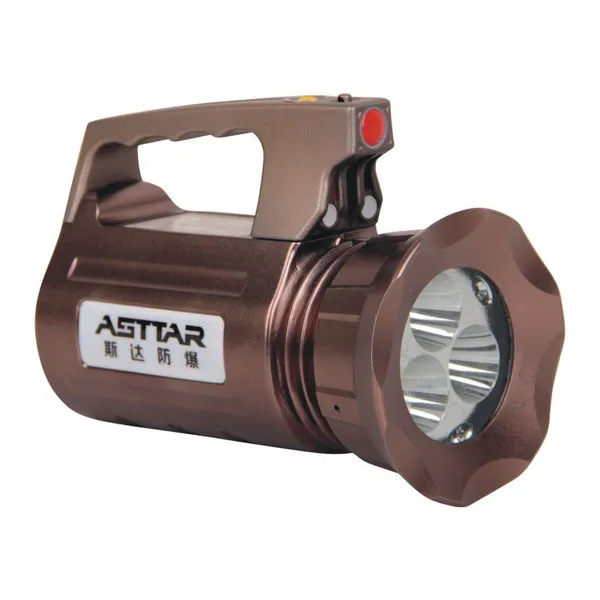 Read More
 -
Mechanical Anemometer for Mining: A 2026 Ventilation Survey Guide
July 29, 2026A mechanical anemometer for mining is a hand-held or bracket-mounted instrument that measures air velocity in underground roadways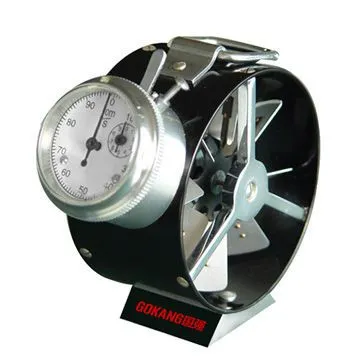 Read More
 -
LED Flameproof Tunnel Light for Mining: 2026 Selection Guide
July 29, 2026An LED flameproof tunnel light for mining is a fixed luminaire built inside a flameproof (Ex d) enclosure that contains any intern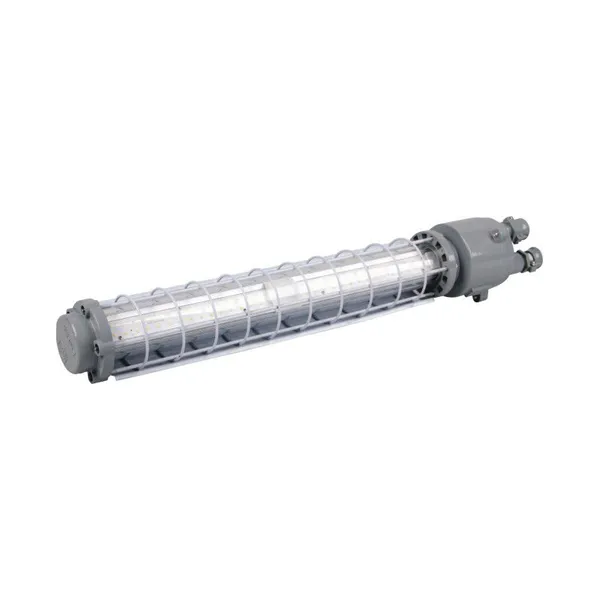 Read More
 -
Wholesale Mining Safety Equipment: A 2026 Procurement Guide
July 24, 2026Wholesale mining safety equipment is the bulk purchase of certified protective gear, escape devices, lighting, gas detection, and Read More

Contact Us

Recommended Products
-
 CE Certified 30 Minutes Closed Circuit Mining Oxygen Self-rescuerNegotiableMOQ: 1 Piece
 -
Portable ZL60 Filter Self Rescuer Lightweight Underground Personal Breathing DeviceNegotiableMOQ: 1 Piece
-
0.6L Oxygen Cylinder ZY45X Self Rescue Respirator Underground Mining Self RescuerNegotiableMOQ: 1 Piece
-
Atex 6ah 7000lux IP65 Mining Industrial Use Ex Proof LED Cap Lamp Safety HeadlampUS$ 98 - 110MOQ: 1 Piece
-
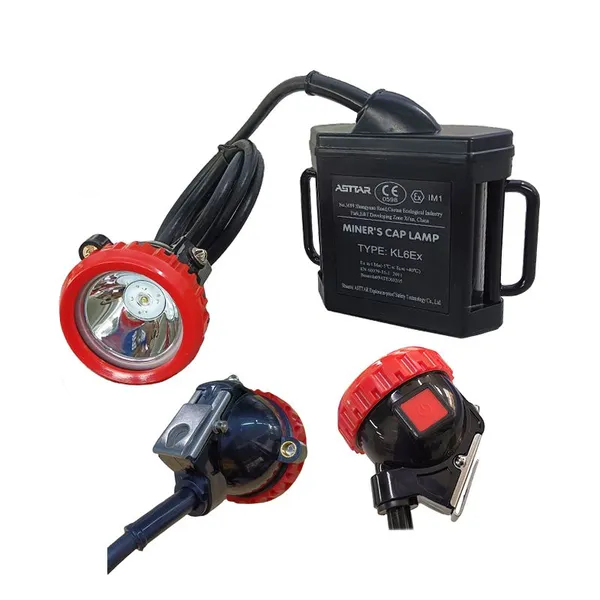
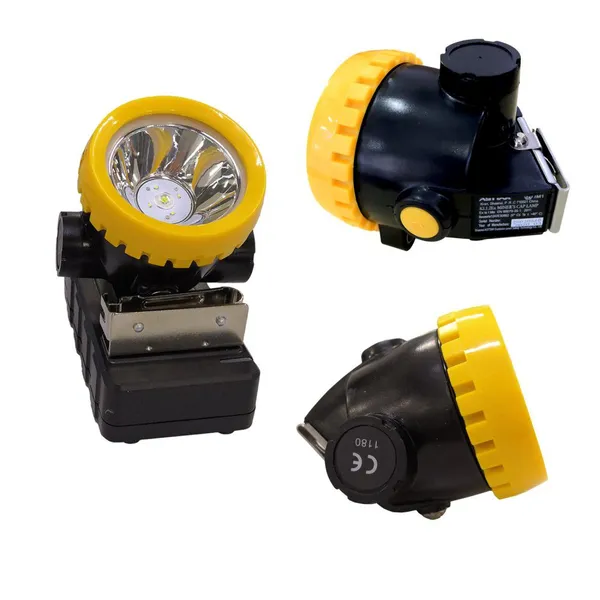
KL1.2Ex LED Miner Cap Lamp ATEX Explosion Proof Mining HeadlampUS$ 75 - 85MOQ: 1 Piece
-
Kl3lm (A) Cordless Intrinsically Safe LED Headlamp for Mining, Camping, and Outdoor ActivitiesNegotiableMOQ: 1 Piece
-
Heat Resistant PA Housing HYZ4(C) Positive Pressure Oxygen Apparatus Coal Mine Emergency RescueNegotiableMOQ: 1 Piece
-
Independent Oxygen Supply Automatic Resuscitator MZS30 for Weak‑Breathing Casualty RescueNegotiableMOQ: 1 Piece
-
Mining Intrinsically Safe CJG10 Methane Detector Optical Interference Principle Gas Measuring InstrumentNegotiableMOQ: 1 Piece
-
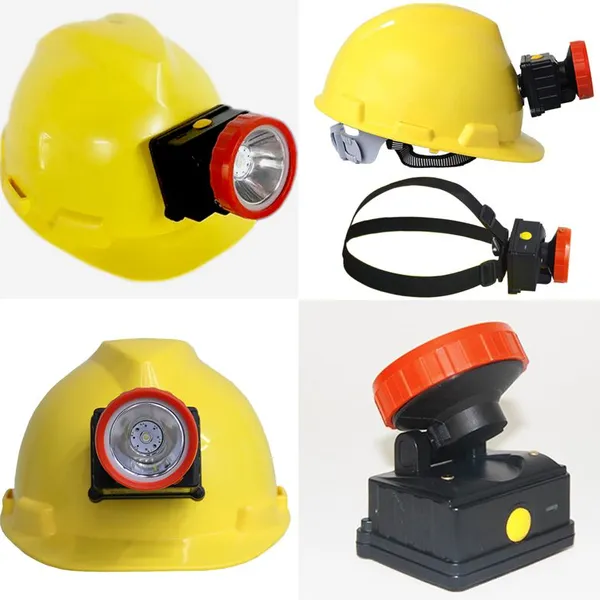
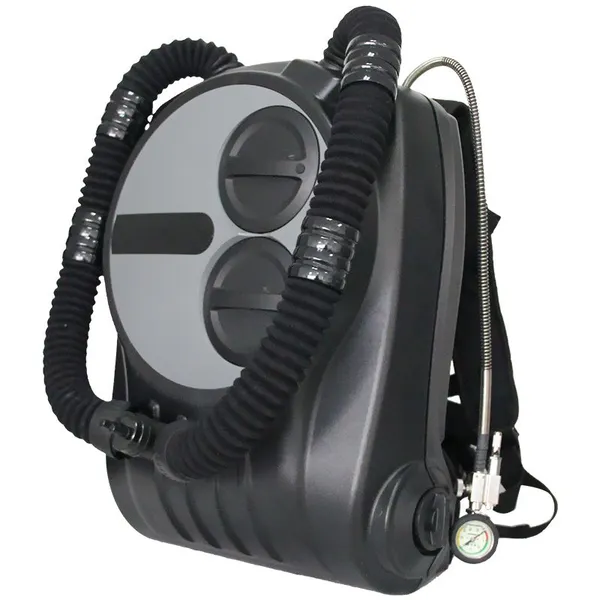
YHJ-100J(A) 100m Portable Explosion Proof Laser Distance MeterUS$ 250 - 350MOQ: 1 Piece
-
K-SB50 Self Contained Oxygen Escape Device Built-In Humidity Indicator For Mine Fire RescueNegotiableMOQ: 1 Piece
-
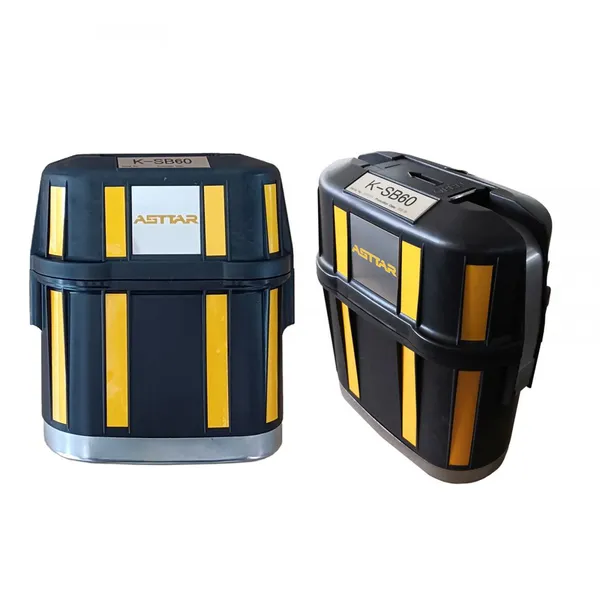
60 Minutes CE Approved Self-Contained Self-Rescuer K-Sb60 for Miner SafetyNegotiableMOQ: 1 Piece
-
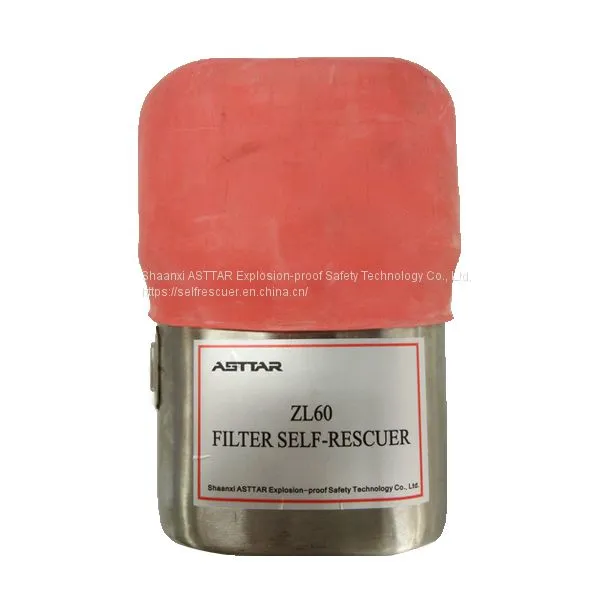
ZL60 60 Minutes Carbon Monoxide Filter Self RescuerUS$ 120 - 150MOQ: 1 Piece
-
ZY30X Isolated Compressed Oxygen Self Rescuer Self Contained Breathing Escape DeviceUS$ 120 - 150MOQ: 1 Piece
-
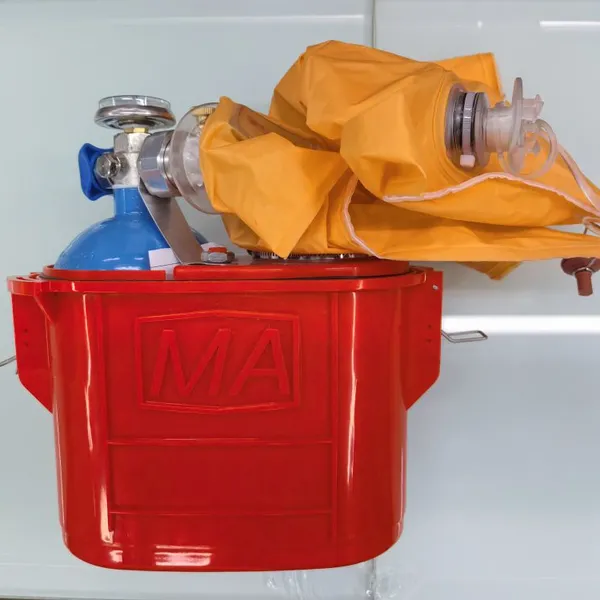
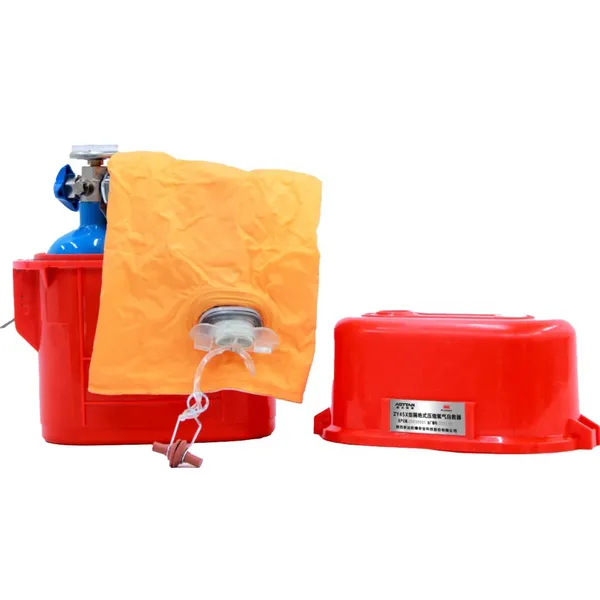
Portable ZY45X Self Rescue Breathing Apparatus Emergency Escape Breathing DevicesNegotiableMOQ: 1 Piece
-
HYZ2 Isolated Positive Pressure Oxygen Breathing Apparatus PC Face Shield Aluminized FabricNegotiableMOQ: 1 Piece
-
KL6Ex ATEX Rechargeable High Brightness Corded LED Headlamp Miner Cap LampUS$ 98 - 110MOQ: 1 Piece
-
ATEX Cordless LED Cap Lamp Underground Mining Safety HeadlampUS$ 75 - 85MOQ: 1 Piece
-
5Ah Rechargeable LED Cordless Miner\'s HeadlampUS$ 85 - 98MOQ: 1 Piece
-
5Ah Rechargeable LED Cordless Miner's Cap LampUS$ 85 - 98MOQ: 1 Piece