
 Business License
Cap Lamp With Gas Detection: A Mine Safety Buyer's Guide
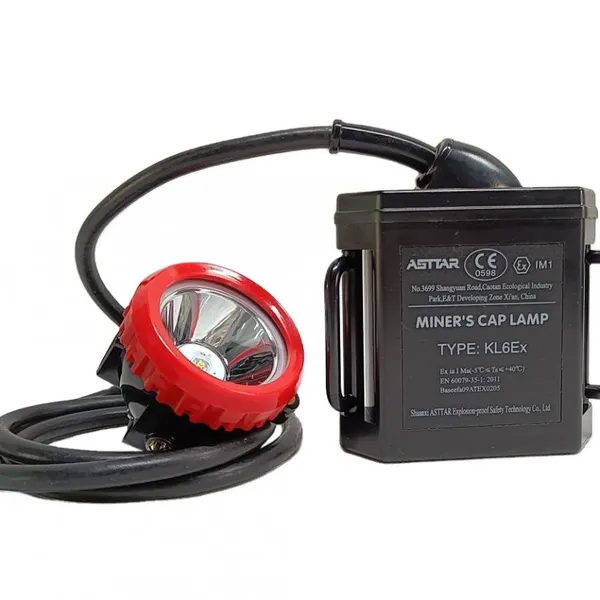
A cap lamp with gas detection combines an LED headlamp and a built-in gas sensor into one helmet-mounted unit. It alerts the wearer to methane, carbon monoxide, or low oxygen levels through audible, visual, or vibration alarms while providing continuous light for underground work.
Many mines still treat lighting and gas detection as separate devices. That approach works until a worker forgets to clip on the gas detector, the battery dies, or the alarm is muffled against clothing. An integrated design keeps the sensor in the breathing zone and the alarm where the worker cannot miss it.
In this guide, you'll learn how a cap lamp with gas detection works, which gases it can detect, and how it compares to standalone detectors. You'll also learn what certifications and maintenance routines matter. Whether you manage a coal mine, a tunnelling project, or a confined-space maintenance crew, these criteria will help you decide if an integrated lamp is the right choice.
Key Takeaways
A cap lamp with gas detection merges an LED headlamp and gas sensor on the helmet for hands-free monitoring
Common detected gases include methane (CH4), carbon monoxide (CO), and oxygen (O2)
Sensor operation reduces lamp runtime by 20-40%, so battery planning is critical
ATEX, IECEx, or MSHA certification is required for gassy mines
Regular bump testing and calibration are essential for sensor reliability
Why Combine Gas Detection With a Cap Lamp?
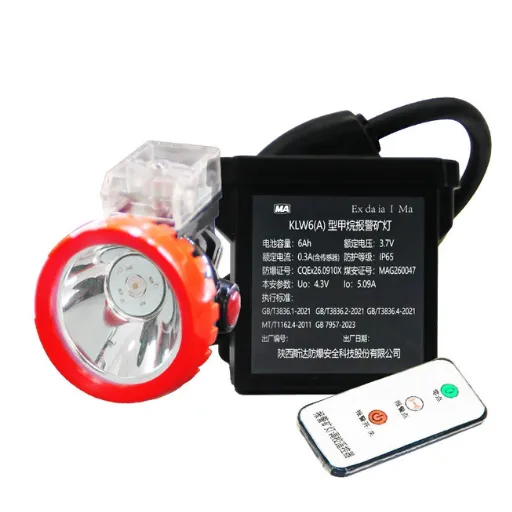
In hazardous environments, the device a worker carries is only useful if it stays with them and remains easy to notice. Separate cap lamps and gas detectors create two pieces of equipment to remember, charge, and inspect. An integrated cap lamp with gas detection reduces that complexity.
The first advantage is placement. The sensor sits near the breathing zone at head height, where it samples the air the worker is actually breathing. A belt-mounted detector can lag because gases rise or settle depending on density. Methane, for example, is lighter than air and accumulates near the roof. A head-level sensor detects it sooner.
The second advantage is alarm noticeability. A cap lamp with gas detection can flash the main LED, sound a buzzer, and vibrate the helmet bracket simultaneously. The alarm is inches from the worker's eyes and ears, making it harder to ignore than a distant beep from a belt pack.
Finally, integration simplifies PPE management. There is one battery to charge, one unit to inspect, and one record to keep. For operations that already struggle with device accountability, fewer items per worker can mean better compliance.
ASTTAR designs LED cap lamps and gas detectors for mines that need layered protection. A cap lamp with gas detection is one way to combine those layers without adding bulk.
How a Cap Lamp With Gas Detection Works
An integrated gas-detecting cap lamp is not just a headlamp with a buzzer added. It is a small multi-function safety instrument that must manage lighting, gas sensing, alarms, and battery life in a single explosion-proof enclosure.
The Sensor Module
The gas sensor is the core of the system. Common sensor technologies include:
Catalytic bead sensors for combustible gases such as methane. They measure gas concentration as a percentage of the lower explosive limit (%LEL).
Electrochemical sensors for toxic gases such as carbon monoxide and for oxygen deficiency. They output parts per million (ppm) or percentage of oxygen.
Infrared sensors for methane in some advanced models. They are less prone to poisoning by silicones or sulfur compounds.
Because the sensor sits on the helmet, it is always positioned in the worker's breathing zone. This is a significant benefit for methane detection, since methane rises and roof-level concentrations may be higher than readings at waist height.
Alarm Indication
A cap lamp with gas detection typically provides multiple alarm outputs:
Audible alarm: A loud buzzer or tone that cuts through background noise
Visual alarm: Flashing red LED on the lamp housing or flashing of the main beam
Vibration alarm: A vibration motor in the helmet mount or rear battery pack
Display: A small screen showing gas readings, battery level, and alarm status
Multi-modal alarms matter because underground environments can be noisy, dusty, and visually cluttered. A worker may not hear a tone over machinery, but a flashing lamp and vibrating helmet are harder to miss.
Data and Connectivity
Some models add data logging or wireless telemetry. The lamp records gas readings over time, which supervisors can download after a shift. Advanced units connect to mine-wide tracking systems so control room staff can see alarms in real time. This transforms the cap lamp from a personal warning device into a network sensor.
Cap Lamp With Gas Detection vs. Separate Gas Detector
Integration has benefits, but it is not always the right choice. This comparison helps buyers weigh the trade-offs.
| Factor | Cap Lamp With Gas Detection | Separate Cap Lamp + Gas Detector |
|---|---|---|
| Hands-free operation | Fully hands-free | Detector must be clipped to belt or lapel |
| Sensor location | Head height, near breathing zone | Belt or chest height, may miss roof gases |
| Alarm noticeability | High: light, sound, vibration near head | Moderate: may be blocked by clothing or noise |
| Weight on helmet | Higher | Lower on head, but total carried weight similar |
| Battery drain | Higher: one battery powers both functions | Split between two devices |
| Runtime | Reduced by 20-40% with sensor active | Each device runs independently |
| Maintenance | One unit to calibrate and inspect | Two separate calibration schedules |
| Cost per worker | One device, often lower total cost | Two devices, two chargers, two spare batteries |
| Best suited for | Gassy mines, confined spaces, mobile workers | Operations with existing detector fleets or stationary workers |
When a Separate Detector Still Makes Sense
A standalone multi-gas detector is preferable when workers need advanced sensor combinations, such as hydrogen sulfide (H2S), sulfur dioxide (SO2), or nitrogen dioxide (NO2). Handheld units also tend to have larger displays, more detailed data logging, and easier calibration access. If your mine already issues high-quality personal gas monitors, switching to integrated cap lamps may not deliver enough benefit to justify the change.
When Integration Wins
Integration wins when simplicity and consistent wear are priorities. Workers are less likely to forget a lamp than a separate detector because the lamp is essential for the job. In coal mines, tunnelling headings, and confined-space maintenance, a cap lamp with gas detection ensures the gas sensor is always at work.
What Gases Can a Cap Lamp With Gas Detection Detect?
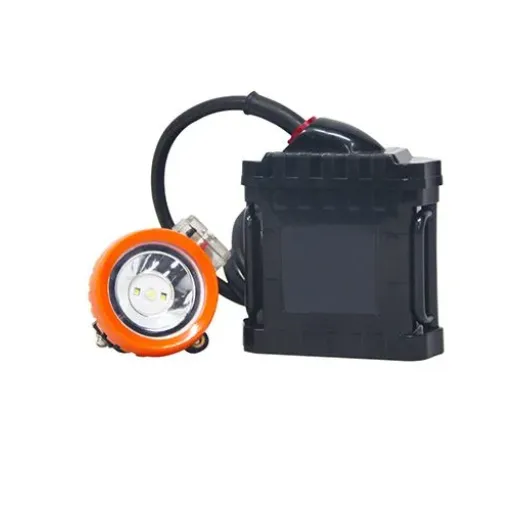
Not every model detects the same gases. Buyers should match the sensor configuration to the hazards present in their operation.
Methane (CH4)
Methane is the primary concern in coal mines and other gassy operations. Sensors usually display methane as %LEL. Common alarm points are 10% LEL for first alarm and 20% LEL for second alarm, though site procedures may differ. Atmospheres reaching 100% LEL can ignite if an ignition source is present.
Carbon Monoxide (CO)
CO is produced by incomplete combustion in fires, engines, and blasting. It is odorless and colorless, making detection essential. Electrochemical CO sensors typically alarm at 35 ppm for an 8-hour time-weighted average, with higher short-term exposure limits for brief periods.
Oxygen (O2)
Oxygen deficiency is a risk in sealed areas, after inert gas injection, or in poorly ventilated confined spaces. Sensors alarm when oxygen drops below 19.5% and may warn of enrichment above 23.5% because oxygen-enriched atmospheres increase fire risk.
Other Gases
Some multi-parameter cap lamps add sensors for hydrogen sulfide or other site-specific gases. These configurations are less common and usually require custom ordering. If your hazard assessment identifies H2S or other gases, verify that the cap lamp with gas detection can be configured for them.
Key Features to Look For in a Cap Lamp With Gas Detection
Selecting an integrated unit requires evaluating both lighting and gas detection performance. Use this checklist.
Multi-gas capability: Methane, CO, and oxygen at minimum for most mines
Alarm modes: Audible, visual, and vibration alarms for noisy environments
Display readability: Clear readings in low light and dusty conditions
Battery runtime: Sufficient for the full shift with all sensors active
Quick-change battery: Swappable packs for continuous operations
Ingress protection: IP65 or higher for dust and water resistance
Explosion-proof certification: ATEX, IECEx, or MSHA for the intended atmosphere
Calibration access: Easy sensor access for bump tests and span calibration
Data logging: Recorded readings for incident review and compliance
Wireless option: Telemetry for real-time monitoring in high-risk areas
Alarm Thresholds and Indication
A good cap lamp with gas detection lets the site set alarm thresholds that match local regulations and internal procedures. Pre-set thresholds may not match every mine's requirements. Look for units that allow adjustable alarm levels and clear indication of which gas has triggered the alarm.
Weight and Balance
Adding sensors, alarms, and a larger battery makes the helmet unit heavier than a simple cap lamp. Test the balance with actual workers before committing to a large order. Front-heavy lamps cause neck fatigue and may discourage proper wear. Better designs place some battery mass at the rear of the helmet.
Certifications and Standards for a Cap Lamp With Gas Detection
Because a cap lamp with gas detection carries both electrical lighting and gas-sensing electronics into a potentially explosive atmosphere, certification is critical.
Explosion Protection Certification
For gassy mines, the unit must carry ATEX, IECEx, or MSHA approval. Certification covers:
The LED driver and battery circuits
The gas sensor and alarm electronics
Enclosure integrity against dust and moisture
Surface temperature limits to prevent ignition
Look for markings such as Ex ia I Ma for intrinsically safe mine equipment. If a supplier cannot provide certification documents for the complete integrated unit, do not buy.
Gas Sensor Performance Standards
Gas sensors themselves should meet performance standards for accuracy, response time, and cross-sensitivity. Ask suppliers for sensor specifications including:
Response time (T90)
Accuracy range
Operating temperature range
Cross-sensitivity to other gases
Expected sensor life
IP Rating
Mines are wet and dusty. An IP rating of at least IP65 is recommended. Some operations may require IP67 for temporary immersion protection.
Always source ATEX and CE-certified cap lamps and request test reports if you are evaluating a new supplier.
Battery and Runtime Considerations
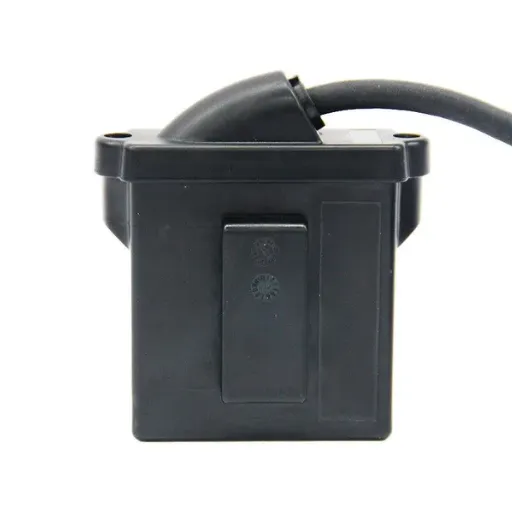
Gas sensors draw continuous power. This is the most important practical difference between a standard cap lamp and a cap lamp with gas detection.
Typical Runtime Impact
A standard LED cap lamp may run 12 to 16 hours on a single charge. With gas detection active, runtime often drops by 20-40%. A lamp that normally runs 16 hours may deliver only 10 to 12 hours with the sensor module powered continuously.
Factors That Affect Runtime
| Factor | Impact |
|---|---|
| Number of sensors | More sensors draw more power |
| Sampling frequency | Continuous sampling uses more power than intermittent sampling |
| Display backlight | Bright or always-on displays reduce runtime |
| Alarm activity | Frequent alarms consume extra power |
| Wireless transmission | Telemetry adds significant power draw |
| Battery capacity | Larger packs extend runtime but add weight |
Battery Management Strategies
To maintain a full shift of operation:
Choose a model with a battery rated for the shift length with all sensors active
Use quick-change battery packs in multi-shift operations
Train workers to charge after every shift
Keep spare batteries on hand
Replace aging battery packs on schedule, not after failure
Mikhail, a ventilation officer at a Russian coal mine, initially bought cap lamps with gas detection without accounting for the runtime penalty. Midway through the first month, several lamps died before the end of shift. After adding quick-change batteries and retraining crews on charging discipline, the issue disappeared and methane alarm response times improved.
Maintenance and Calibration Best Practices
A cap lamp with gas detection is only reliable if the sensor is calibrated and the unit is maintained. Sensor drift is a real problem in harsh environments.
Bump Testing
A bump test exposes the sensor to a known concentration of gas and confirms the alarm responds. It is faster than full calibration and should be done before each shift or daily, depending on site rules. Many mines require a documented bump test before a worker goes underground.
Calibration
Full calibration adjusts the sensor output against known reference gas concentrations. The frequency depends on the sensor type and manufacturer recommendations, but every 1 to 6 months is common. Follow the manufacturer's schedule and document every calibration.
Filter and Inlet Maintenance
Dust and moisture can block sensor inlets. Inspect and clean inlets according to the manufacturer's instructions. Replace filters if they become clogged or contaminated.
Storage Conditions
Store units in a clean, dry area away from extreme temperatures. Avoid exposing sensors to volatile chemicals or solvents that can cause cross-sensitivity or poisoning.
Record Keeping
Maintain records of bump tests, calibrations, battery replacements, and repairs. These records support compliance audits and help identify units that need attention before they fail.
When Should You Choose a Cap Lamp With Gas Detection?
Integration makes sense in specific situations. Consider a cap lamp with gas detection when:
Workers operate in gassy seams or headings where methane can accumulate
Confined-space work limits the equipment a worker can carry
Workers frequently move between zones with different gas hazards
Existing detector compliance is inconsistent because workers forget or damage separate units
Supervisors want head-level gas readings near the breathing zone
Real-time telemetry is desired for high-risk areas
It may not be the best choice when advanced gas combinations beyond CH4, CO, and O2 are required, or when a mine already has a well-managed fleet of personal gas monitors.
How ASTTAR Supports Integrated Mine Safety
ASTTAR supplies LED cap lamps, multi-parameter gas detectors, self-rescuers, and explosion-proof lighting. This portfolio allows mines to coordinate lighting, gas detection, respiratory protection, and area illumination through one supplier.
A cap lamp with gas detection fits naturally into this ecosystem. It adds a personal layer of gas monitoring to the existing detector network while maintaining the lighting performance workers need. For mines that already use ASTTAR gas detectors, an integrated lamp can share calibration gases, spare parts, and training materials with handheld units.
Need help specifying a cap lamp with gas detection for your mine? Contact ASTTAR's engineering team for sensor configurations, runtime data, and certification documents.
Frequently Asked Questions
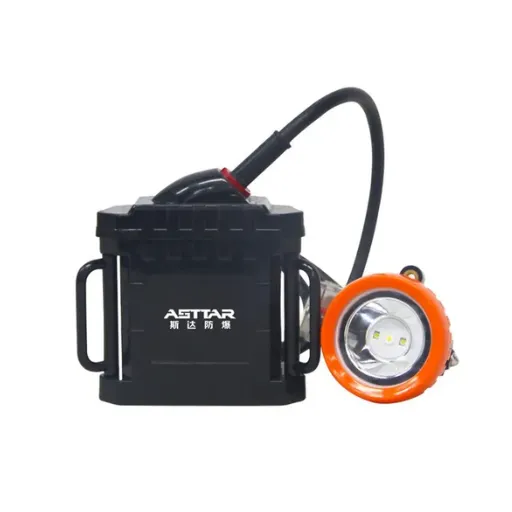
What is a cap lamp with gas detection?
A cap lamp with gas detection is a helmet-mounted LED light that includes a built-in gas sensor. It detects hazardous gases such as methane, carbon monoxide, or low oxygen and alerts the wearer through audible, visual, or vibration alarms.
What gases can a mining cap lamp detect?
Most models detect methane (CH4), carbon monoxide (CO), and oxygen (O2). Some can be configured for additional gases such as hydrogen sulfide (H2S), depending on the sensor module.
Does gas detection reduce cap lamp battery life?
Yes. Running the gas sensor continuously typically reduces runtime by 20-40% compared with a standard cap lamp. Choose a battery rated for the full shift with sensors active.
Is a cap lamp with gas detection ATEX certified?
Certified models are available. Look for ATEX, IECEx, or MSHA approval specifically for the integrated unit, not just the lamp or sensor separately.
How often should the gas sensor be calibrated?
Follow the manufacturer's recommendations. Bump tests are often required daily or before each shift. Full calibration is typically performed every 1 to 6 months.
Can a cap lamp with gas detection replace a handheld gas detector?
It can replace a handheld detector for basic CH4, CO, and O2 monitoring in many applications. However, handheld units may still be needed for advanced sensor combinations or detailed data logging.
What alarm types are used?
Common alarms include audible tones, flashing red LEDs, and vibration. Multi-modal alarms are best because underground noise can mask a single alarm type.
Where is the sensor located on the lamp?
The sensor is typically mounted on the lamp housing or in a position near the breathing zone at head height. This placement helps detect gases such as methane that rise.
Final Checklist: Choosing a Cap Lamp With Gas Detection
Use this checklist before placing an order.
Gas Detection
Detects the gases identified in your hazard assessment
Alarm thresholds can be adjusted to site requirements
Provides audible, visual, and vibration alarms
Sensor specifications documented (response time, accuracy, life)
Lighting
Sufficient brightness and beam pattern for your tasks
Multiple brightness modes
Visible battery indicator
Power
Runtime covers the full shift with sensors active
Quick-change battery option available
Manufacturer-approved charging system
Certification and Durability
ATEX, IECEx, or MSHA approval for intended atmosphere
IP65 or higher ingress protection
Impact resistance documented
Maintenance
Bump test and calibration procedures are clear
Calibration gas and accessories available
Spare sensors and filters available
Conclusion
A cap lamp with gas detection is a practical way to add a personal layer of gas monitoring to a worker's essential PPE. By combining lighting and detection on the helmet, it keeps the sensor in the breathing zone and the alarm where the worker will notice it.
The trade-off is power consumption. Gas sensors reduce battery life, so buyers must plan for larger battery packs, quick-change systems, or shorter shifts. Certification is also critical: the integrated unit must be approved for explosive atmospheres as a complete system, not as separate components.
Start by matching the sensor configuration to your hazard assessment. Verify certification. Test helmet balance and runtime with actual workers. Then build a maintenance routine that includes bump testing, calibration, and battery replacement. With the right cap lamp with gas detection, your crews can work with both light and awareness.
Need a cap lamp with gas detection for your operation? Contact ASTTAR to discuss sensor options, runtime requirements, and certification documents. Our team can help you choose an integrated solution that fits your mine safety plan.
Recently Posted
-
Explosion Proof Flood Light for Mining: A 2026 Selection Guide
July 29, 2026An explosion proof flood light for mining is a high-output, certified LED fixture designed to illuminate large work areas, stockpi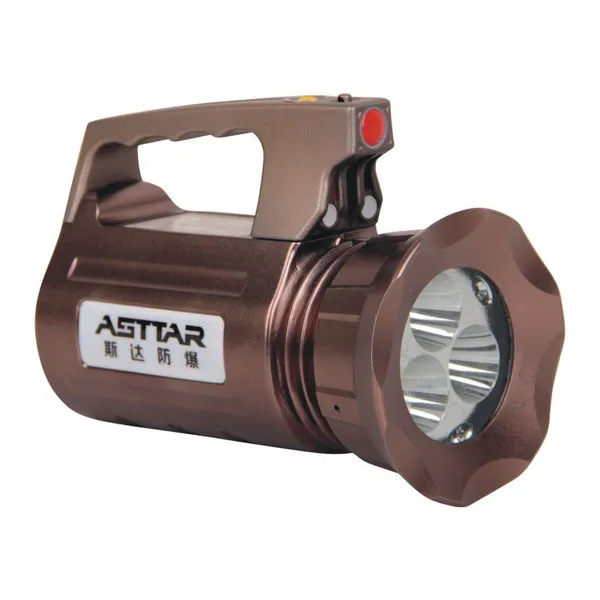 Read More
 -
Mechanical Anemometer for Mining: A 2026 Ventilation Survey Guide
July 29, 2026A mechanical anemometer for mining is a hand-held or bracket-mounted instrument that measures air velocity in underground roadways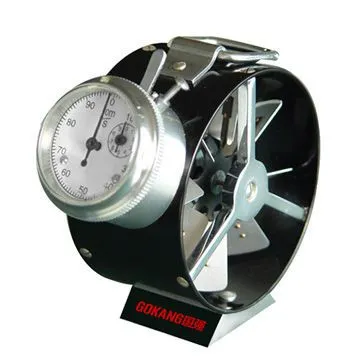 Read More
 -
LED Flameproof Tunnel Light for Mining: 2026 Selection Guide
July 29, 2026An LED flameproof tunnel light for mining is a fixed luminaire built inside a flameproof (Ex d) enclosure that contains any intern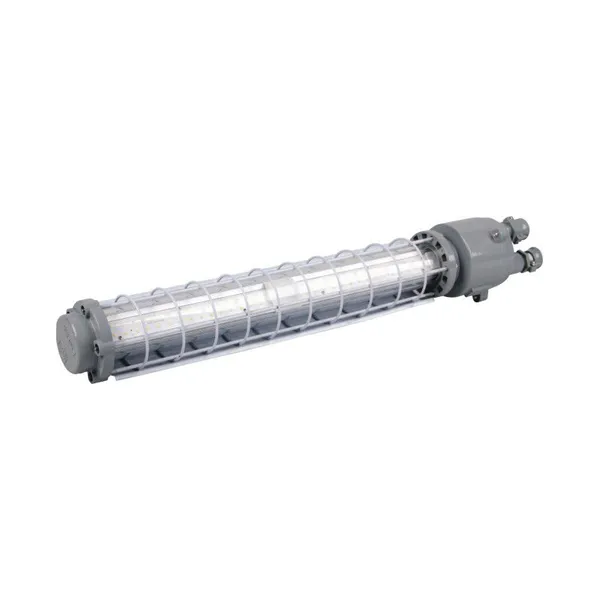 Read More
 -
Wholesale Mining Safety Equipment: A 2026 Procurement Guide
July 24, 2026Wholesale mining safety equipment is the bulk purchase of certified protective gear, escape devices, lighting, gas detection, and Read More

Contact Us

Recommended Products
-
 CE Certified 30 Minutes Closed Circuit Mining Oxygen Self-rescuerNegotiableMOQ: 1 Piece
 -
Portable ZL60 Filter Self Rescuer Lightweight Underground Personal Breathing DeviceNegotiableMOQ: 1 Piece
-
0.6L Oxygen Cylinder ZY45X Self Rescue Respirator Underground Mining Self RescuerNegotiableMOQ: 1 Piece
-
Atex 6ah 7000lux IP65 Mining Industrial Use Ex Proof LED Cap Lamp Safety HeadlampUS$ 98 - 110MOQ: 1 Piece
-
KL1.2Ex LED Miner Cap Lamp ATEX Explosion Proof Mining HeadlampUS$ 75 - 85MOQ: 1 Piece
-
Kl3lm (A) Cordless Intrinsically Safe LED Headlamp for Mining, Camping, and Outdoor ActivitiesNegotiableMOQ: 1 Piece
-
Heat Resistant PA Housing HYZ4(C) Positive Pressure Oxygen Apparatus Coal Mine Emergency RescueNegotiableMOQ: 1 Piece
-
Independent Oxygen Supply Automatic Resuscitator MZS30 for Weak‑Breathing Casualty RescueNegotiableMOQ: 1 Piece
-
Mining Intrinsically Safe CJG10 Methane Detector Optical Interference Principle Gas Measuring InstrumentNegotiableMOQ: 1 Piece
-
YHJ-100J(A) 100m Portable Explosion Proof Laser Distance MeterUS$ 250 - 350MOQ: 1 Piece
-
K-SB50 Self Contained Oxygen Escape Device Built-In Humidity Indicator For Mine Fire RescueNegotiableMOQ: 1 Piece
-
60 Minutes CE Approved Self-Contained Self-Rescuer K-Sb60 for Miner SafetyNegotiableMOQ: 1 Piece
-
ZL60 60 Minutes Carbon Monoxide Filter Self RescuerUS$ 120 - 150MOQ: 1 Piece
-
ZY30X Isolated Compressed Oxygen Self Rescuer Self Contained Breathing Escape DeviceUS$ 120 - 150MOQ: 1 Piece
-
Portable ZY45X Self Rescue Breathing Apparatus Emergency Escape Breathing DevicesNegotiableMOQ: 1 Piece
-
HYZ2 Isolated Positive Pressure Oxygen Breathing Apparatus PC Face Shield Aluminized FabricNegotiableMOQ: 1 Piece
-
KL6Ex ATEX Rechargeable High Brightness Corded LED Headlamp Miner Cap LampUS$ 98 - 110MOQ: 1 Piece
-
ATEX Cordless LED Cap Lamp Underground Mining Safety HeadlampUS$ 75 - 85MOQ: 1 Piece
-
5Ah Rechargeable LED Cordless Miner\'s HeadlampUS$ 85 - 98MOQ: 1 Piece
-
5Ah Rechargeable LED Cordless Miner's Cap LampUS$ 85 - 98MOQ: 1 Piece