
 Business License
Wholesale Mining Safety Equipment: A 2026 Procurement Guide
Wholesale mining safety equipment is the bulk purchase of certified protective gear, escape devices, lighting, gas detection, and rescue equipment for mines, distributors, and procurement networks. Buying wholesale reduces unit cost, simplifies documentation, and ensures consistent certification across a workforce. The right wholesale supplier does more than offer volume pricing; it provides technical support, spare parts, certification documentation, and customization options that keep a mining operation compliant and workers protected.
When Andrei, a procurement director for a mid-sized mining group in Kazakhstan, consolidated his company's safety spending in 2024, he found that individual sites were buying from 14 different suppliers. Certificates were inconsistent, spare parts were incompatible, and three sites had unknowingly received uncertified cap lamps. Andrei switched to a single wholesale mining safety equipment supplier with a certified product range, ISO-managed production, and export documentation support. Within one procurement cycle, his team cut administrative time by 30%, unified certification records, and negotiated volume pricing that reduced the per-unit cost of self-rescuers by 18%.
The story is common. Mining safety equipment distributors and procurement teams often discover that fragmented purchasing creates hidden costs that exceed any per-unit savings.
This guide explains how wholesale mining safety equipment procurement works, what categories to include in a bulk order, how to evaluate suppliers, and how to avoid the compliance and compatibility risks that come with large-volume buying. You will learn what questions to ask before placing an order, how to structure a procurement checklist, and how wholesale partnerships differ from one-off purchasing.
Planning a bulk procurement review or evaluating a new wholesale partner? Contact the ASTTAR safety team to discuss volume pricing, certification documentation, and customization options for your operation.
Key Takeaways
Wholesale mining safety equipment covers respiratory protection, cap lamps, gas detectors, lighting, PPE, and rescue gear bought in volume.
A reliable wholesale supplier provides consistent certification, spare parts, technical support, and documentation for audits.
Volume pricing should be balanced against total cost of ownership, including maintenance, training, and replacement parts.
OEM and ODM services let distributors and large mining groups customize products for regional standards or private branding.
Always verify certificates, factory audits, and quality management systems before committing to a wholesale partnership.
What Counts as Wholesale Mining Safety Equipment?
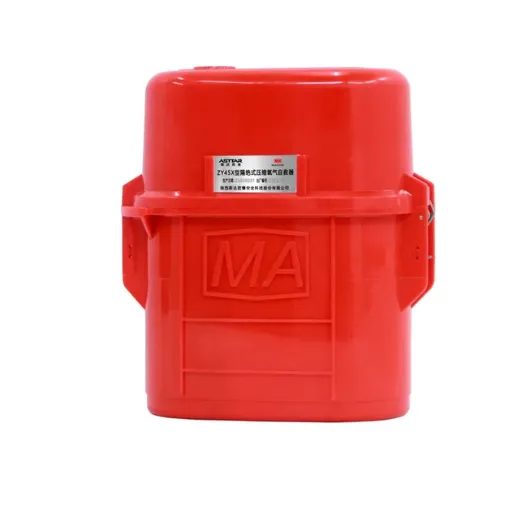
Wholesale mining safety equipment is any certified safety product purchased in large quantities for use across multiple crews, sites, or resale channels. The category is broad because mining safety itself is broad. A single wholesale order might include thousands of self-rescuers, hundreds of cap lamps, dozens of gas detectors, and related consumables such as filters, batteries, and calibration gas.
Buyers who use wholesale channels fall into three groups:
Mining companies and contractors: Organizations that equip their own workforce across one or multiple sites.
Mining safety equipment distributors: Companies that buy in bulk and sell to end users, often under their own brand.
Government and institutional buyers: Procurement agencies that stock safety equipment for state-owned mines or emergency response programs.
The ILO mining sector overview notes that mining safety procurement is heavily regulated, which means wholesale buyers must prioritize certification and traceability over price alone.
Core Categories for Bulk Mining Safety Supplies
A complete wholesale order should cover the full hazard profile of the target mines. Missing a category may leave a gap that shows up only after an incident.
Respiratory Protection and Self-Rescuers
Respiratory protection is the most critical category. Wholesale buyers typically stock:
Chemical oxygen self-rescuers for coal mines and confined spaces.
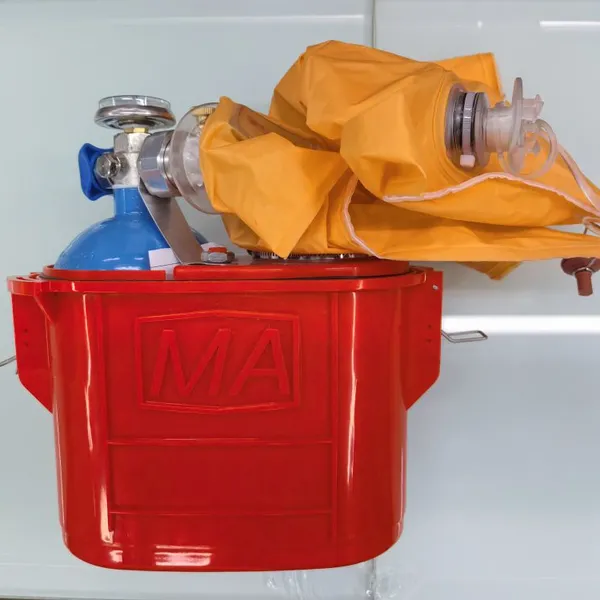
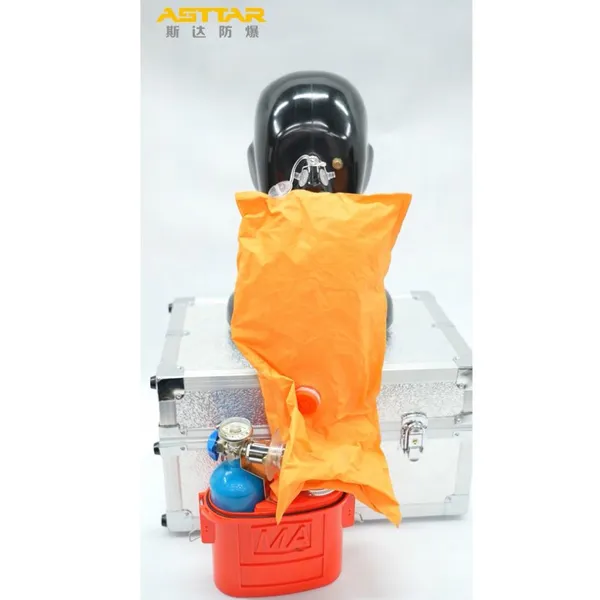
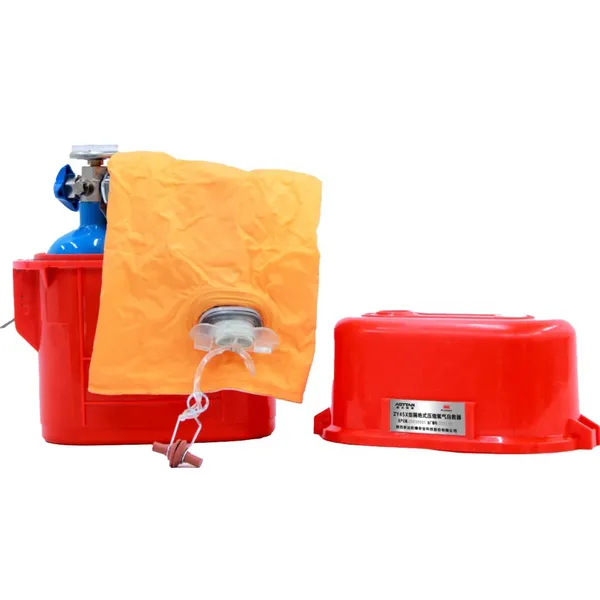
Compressed oxygen self-rescuers for operations with maintenance capacity.
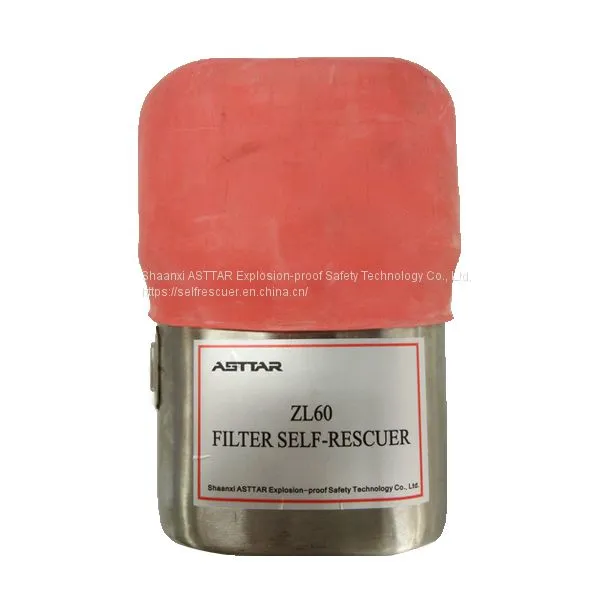
Filter self-rescuers for CO-specific escape scenarios.
Positive pressure breathing apparatus for mine rescue teams.
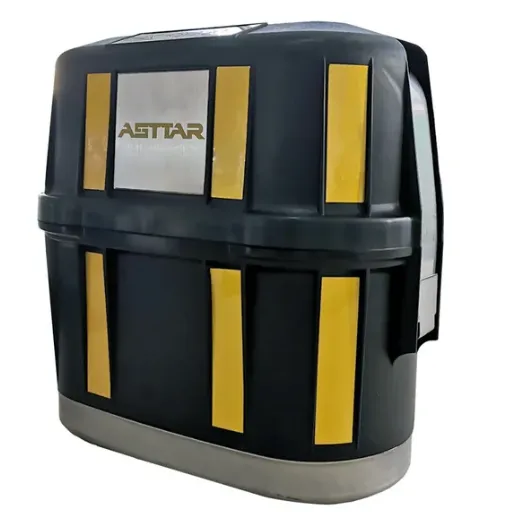
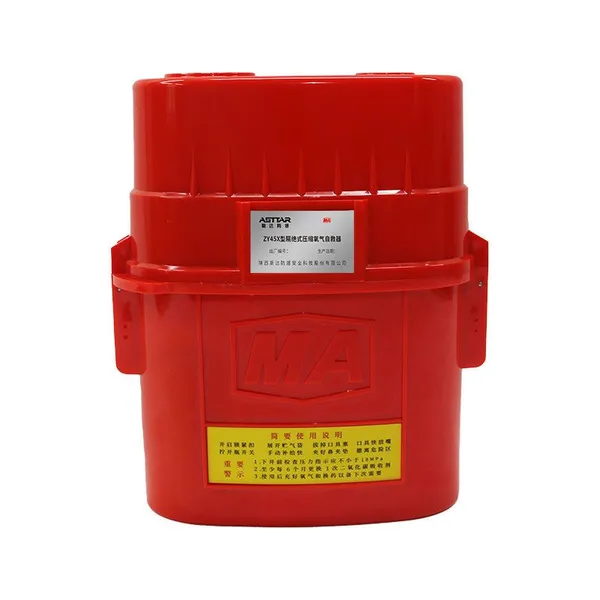
When buying wholesale, check that the supplier can deliver consistent production batches, replacement parts, and training materials. A self-rescuer is only useful if workers know how to don it under stress. For a full range of escape devices, see the ASTTAR self-rescuers product line or our self-rescuer selection guide.
Explosion-Proof Lighting and Cap Lamps
Every underground worker needs a reliable cap lamp, and every mine needs area lighting for roadways, shafts, and working faces. Wholesale orders in this category often include:
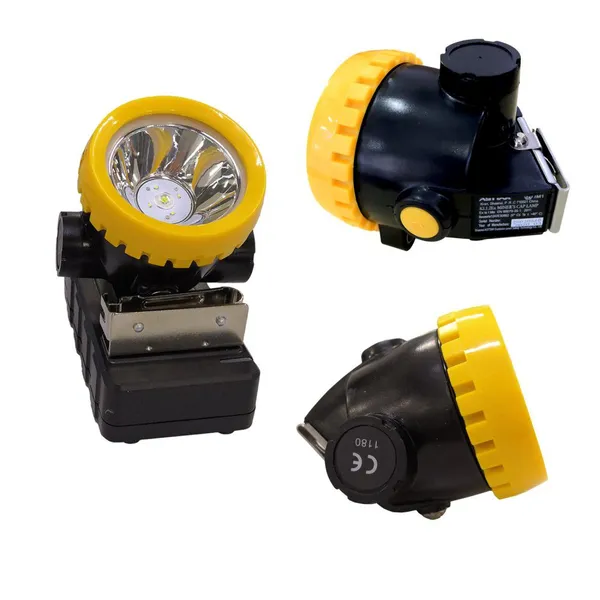
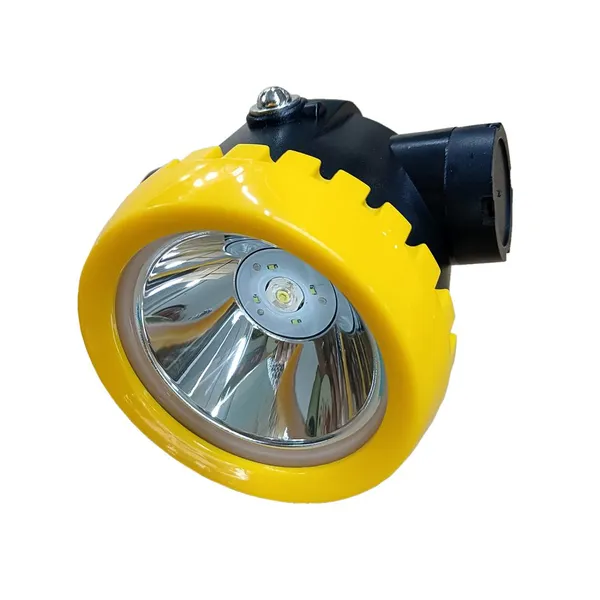
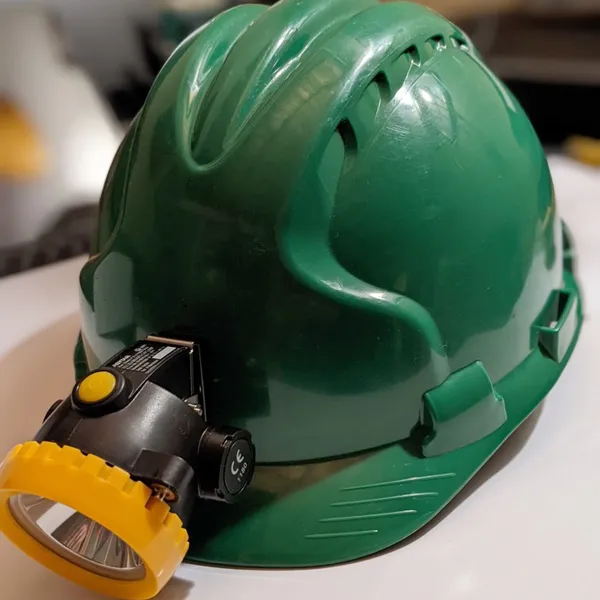
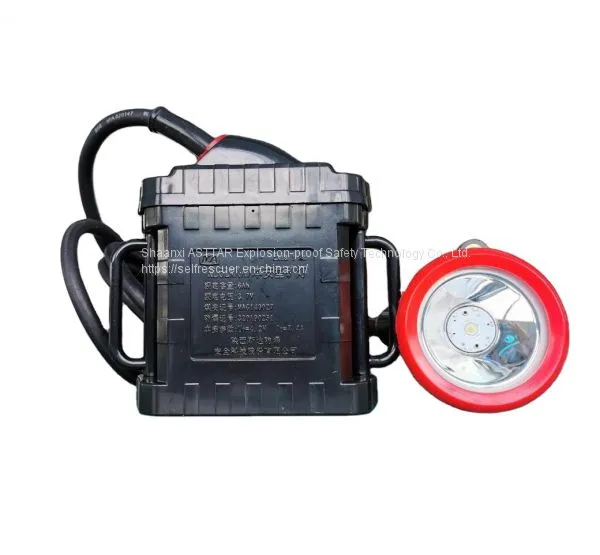
LED cap lamps with methane alarm functions.
Flameproof laneway lights and flood lights.
Portable hand lamps for inspection and maintenance.
Spare batteries and chargers.
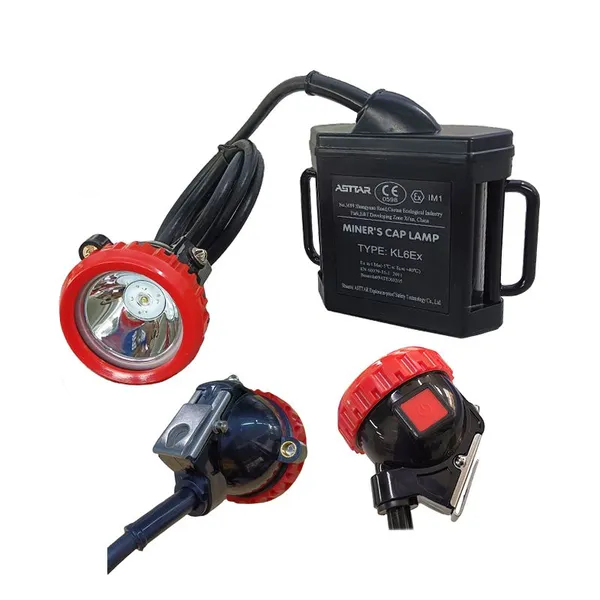
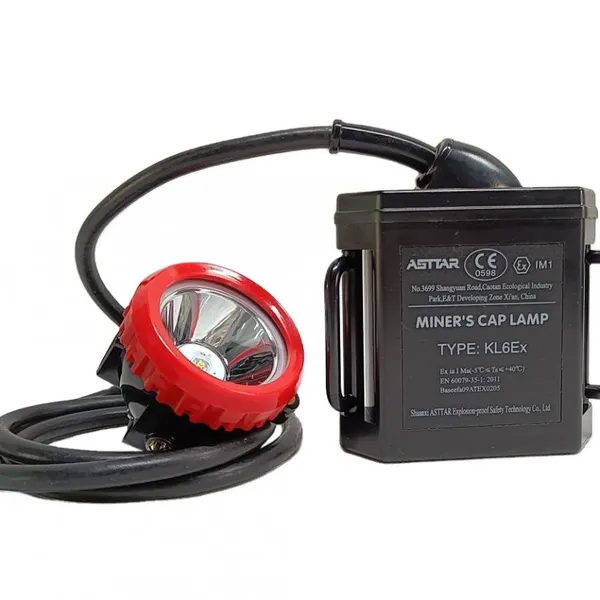
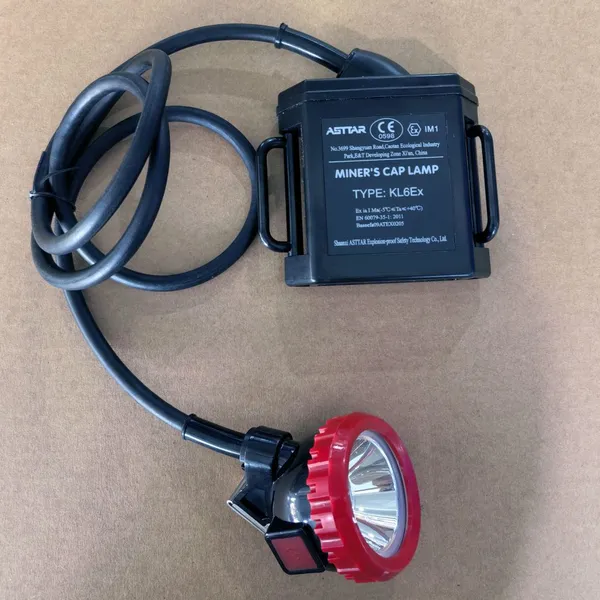
Buying in volume reduces per-unit cost, but it also means any defect affects the entire fleet. Ask the supplier about batch testing, warranty terms, and charger compatibility. For certified lighting options, see the ASTTAR LED cap lamps range, our explosion-proof lighting range, and the guide to explosion-proof LED laneway lights.
Gas Detection and Monitoring
Gas detectors are a high-value wholesale category because mines need them at the face, in return airways, and for personal monitoring. Bulk buyers should consider:
Multi-parameter gas detectors for methane, oxygen, CO, and H2S.
Single-gas methane detectors for specific applications.
Calibration gas, sensors, and replacement parts.
Docking stations for centralized calibration and data logging.
Sensor life, calibration intervals, and availability of spare parts determine the real cost of ownership. For detector options, see the ASTTAR gas detectors range and our methane detection best practices guide.
Personal Protective Equipment
PPE wholesale for mining includes hard hats, safety glasses, hearing protection, gloves, safety boots, high-visibility clothing, and fall-arrest gear. Because PPE is consumed and replaced constantly, volume pricing and reliable restocking matter. Wholesale PPE orders should include sized inventory for the actual workforce, task-specific variants for different roles, replacement schedules based on wear rates, and documentation showing compliance with relevant standards.
Instruments and Ventilation Tools
Mining operations also need measurement instruments such as anemometers, laser rangefinders, laser guiders, and infrared thermometers. These items are often bought in smaller quantities than PPE, but they still benefit from wholesale pricing when a distributor or large mining group standardizes on one supplier.
How to Evaluate Wholesale Mining Safety Equipment Suppliers
Not every supplier that offers volume pricing is qualified to support a mining operation. The evaluation should go beyond the quote sheet.
Certification and Quality Management
Verify that the supplier holds relevant quality management certifications and that individual products carry the required explosion protection and safety marks. Key documents include:
ISO 9001 quality management system certification.
Product certificates such as CE, ATEX, or IECEx for explosive atmospheres.
National mining approvals for the target market.
Test reports and factory audit records.
The IECEx system provides an international framework for certifying equipment used in explosive atmospheres. The ISO 9001 quality management standard confirms that the supplier follows documented production and inspection processes. View ASTTAR certifications for an example of a documented certification portfolio.
Production Capacity and Lead Times
A wholesale order can represent thousands of units. The supplier must have the production capacity, raw material supply chain, and quality control processes to deliver on time without compromising consistency. Ask about:
Typical lead times for standard and customized products.
Maximum order capacity per production run.
Buffer stock for consumables and spare parts.
Procedures for handling urgent or replacement orders.
Technical Support and Documentation
Wholesale buyers need more than products. They need manuals, training materials, inspection templates, and compliance documentation. A strong supplier provides:
User manuals in the buyer's language.
Training videos or on-site training support.
Calibration and maintenance guides.
Certificate packs for regulatory audits.
Spare Parts and After-Sales Service
The total cost of ownership includes maintenance, calibration, and replacement parts. Before committing to a wholesale supplier, confirm that:
Spare parts are available for the expected product life.
The supplier offers warranty support and repair services.
Consumables such as filters, sensors, and batteries are stocked.
Technical support is accessible across the buyer's operating regions.
At a copper mine in Chile, the procurement team, led by Maria, selected mining safety equipment wholesale suppliers based on a low unit price for gas detectors. Six months later, replacement sensors were unavailable, and the mine had to replace the entire fleet early. The apparent savings were erased by premature obsolescence. Maria's second procurement cycle prioritized suppliers with documented spare parts availability, reducing lifecycle cost by 22% over three years.
Volume Pricing and Total Cost of Ownership
Wholesale pricing is attractive, but the lowest unit price is not always the best deal. Total cost of ownership includes purchase price, shipping, customs, storage, maintenance, calibration, spare parts, training, and disposal.
| Cost Factor | What to Include | Why It Matters |
|---|---|---|
| Unit price | Base cost per item | Affects initial budget but not lifetime cost |
| Shipping and customs | Freight, duties, import fees | Can add 10-25% to landed cost |
| Storage | Warehouse space and inventory management | Bulk orders need proper storage to preserve shelf life |
| Maintenance | Inspection, calibration, repairs | Determines how long equipment remains serviceable |
| Spare parts | Sensors, batteries, filters, straps | Unavailable parts shorten product life |
| Training | Worker and supervisor instruction | Poor training reduces effective protection |
| Disposal | Expired or failed equipment | Some items require certified disposal |
A useful procurement exercise is to model the three-year cost of each category before choosing a supplier. This often reveals that a slightly higher unit price with better support is cheaper over time.
OEM, ODM, and Customization for Wholesale Buyers
Large mining groups and distributors often need products adapted to regional standards, branding, or operational requirements. OEM and ODM services make this possible.
OEM (Original Equipment Manufacturing): The supplier manufactures products to the buyer's design or brand specifications.
ODM (Original Design Manufacturing): The supplier adapts an existing product design to meet the buyer's requirements.
Customization options may include:
Private labeling and packaging.
Language-specific manuals and markings.
Voltage, connector, or certification adaptations.
Color coding or model number changes for fleet management.
For buyers interested in custom programs, see the ASTTAR OEM/ODM services page. Mining safety equipment distributors can also explore the ASTTAR distributor partnership program for wholesale and resale support.
Structuring a Wholesale Procurement Checklist
A structured checklist reduces the risk of oversight when placing a large order. Use the framework below as a starting point.
Define the scope: List every product category, quantity, and delivery site.
Confirm standards: Identify the certifications required for each market and mine type.
Request documentation: Ask for certificates, test reports, and factory audit records.
Evaluate samples: Test representative units before approving a full production run.
Negotiate terms: Agree on price, lead time, payment terms, warranty, and spare parts availability.
Plan logistics: Confirm packaging, shipping, customs, and warehousing requirements.
Schedule training: Arrange for worker and supervisor training on new equipment.
Set up maintenance: Establish inspection, calibration, and replacement schedules.
Audit delivery: Inspect a sample of the received goods against specifications.
Review performance: Track failures, support response times, and total cost over the first year.
Common Mistakes in Wholesale Mining Safety Equipment Procurement
Even experienced procurement teams make mistakes when buying safety equipment in bulk.
Choosing price over certification. Uncertified or incorrectly certified equipment can fail in an emergency and create regulatory liability.
Ignoring regional standards. A CE certificate may not satisfy a national mining inspector in another country.
Underestimating spare parts needs. A detector without replacement sensors becomes a paperweight.
Skipping sample evaluation. A catalog photo is not proof that the product meets specifications.
Failing to plan training. New equipment is ineffective if crews do not know how to use it.
Overlooking storage conditions. Self-rescuers, batteries, and calibration gas degrade in heat, humidity, or sunlight.
Neglecting documentation. Incomplete records make audits difficult and can invalidate insurance claims.
The Role of Wholesale Suppliers in Mine Safety Culture
A wholesale supplier is not just a vendor; it is a long-term partner in a mine's safety system. The best suppliers contribute to safety culture by providing reliable products, responsive support, and clear documentation. They help safety managers focus on protecting workers instead of chasing certificates or troubleshooting incompatible equipment.
Wholesale procurement also creates consistency. When every site uses the same certified self-rescuers, the same cap lamps, and the same gas detectors, training becomes simpler, spare parts become interchangeable, and safety audits become more straightforward. For a complete view of what mines need, see our guide to essential safety equipment for underground mining. Consistency is a form of risk reduction.
At a group of limestone quarries in Vietnam, the safety manager, Linh, standardized wholesale procurement across four sites after a near-miss involving incompatible breathing apparatus. Standardization cut procurement admin time by 25%, reduced the spare parts inventory by 30%, and made cross-site training possible for the first time. The wholesale partnership also gave her a single point of contact for technical questions and warranty claims.
Frequently Asked Questions
What is wholesale mining safety equipment?
Wholesale mining safety equipment is certified protective gear, escape devices, lighting, gas detection, and related supplies purchased in large quantities for mining operations, distributors, or institutional buyers. Wholesale buying reduces unit cost and simplifies procurement documentation.
What categories are included in bulk mining safety supplies?
Bulk mining safety supplies typically include self-rescuers, breathing apparatus, cap lamps, explosion-proof lighting, multi-gas detectors, PPE, hard hats, gloves, safety boots, high-visibility clothing, fall protection, and ventilation instruments.
How do I choose a wholesale mining safety equipment supplier?
Choose a supplier with verified certifications such as ISO 9001 and ATEX/IECEx product approvals, documented production capacity, spare parts availability, technical support, and experience in your target market. Request samples, factory audit records, and reference customers before committing.
What is the difference between OEM and ODM mining safety equipment?
OEM means the supplier manufactures products to your design or brand specifications. ODM means the supplier modifies an existing product design to meet your requirements. Both are common for distributors and large mining groups seeking customization.
Why is total cost of ownership important in wholesale procurement?
Total cost of ownership includes purchase price, shipping, storage, maintenance, spare parts, training, and disposal. A low unit price can be misleading if spare parts are expensive or unavailable, or if equipment fails early.
What certifications should wholesale mining safety equipment have?
Equipment used in explosive atmospheres should carry ATEX or IECEx certification. Quality management should be supported by ISO 9001. National mining approvals may also be required depending on the destination country.
Conclusion
Wholesale mining safety equipment procurement is a strategic decision that affects compliance, worker protection, and total operating cost. The right supplier delivers more than volume pricing; it delivers consistent certification, reliable production, spare parts, technical support, and documentation that holds up under audit.
Before placing a large order, define the full scope of products needed, confirm the standards for each market, evaluate samples, and model the total cost of ownership over several years. Consider whether OEM or ODM services are needed for branding or regional compliance. Build a procurement checklist and use it for every supplier evaluation.
ASTTAR supplies a comprehensive range of certified mining safety equipment, including self-rescuers, LED cap lamps, gas detectors, explosion-proof lighting, and rescue gear, with OEM/ODM and distributor partnership options. With ISO 9001, ISO 14000, and OHSAS 18001 management systems and CE/ATEX certified products, ASTTAR supports wholesale buyers with documentation, customization, and long-term spare parts availability. Contact our safety team to discuss your wholesale mining safety equipment needs, request certification documentation, or explore a distributor partnership.
Recently Posted
-
Mechanical Anemometer for Mining: A 2026 Ventilation Survey Guide
July 24, 2026A mechanical anemometer for mining is a hand-held or bracket-mounted instrument that measures air velocity in underground roadways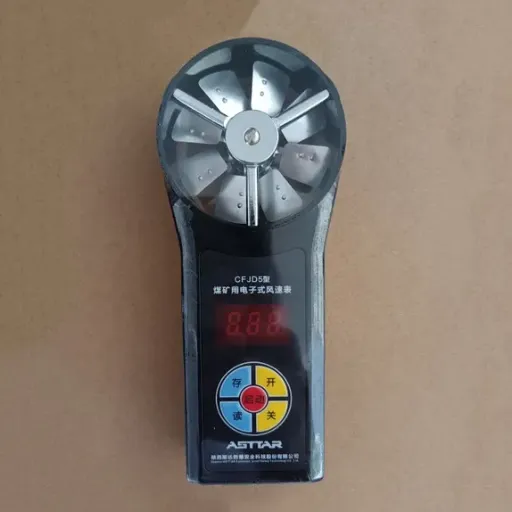 Read More
 -
Mining Safety Equipment Checklist for 2026
July 24, 2026A complete mining safety equipment checklist covers respiratory protection, gas detection, lighting, personal protective equipment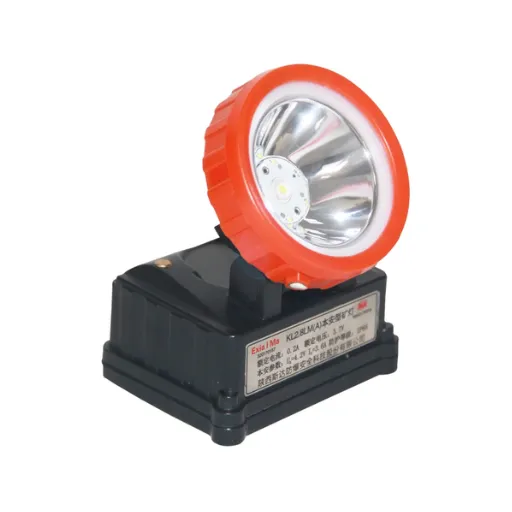 Read More
 -
Breathing Apparatus for Mine Rescue: A 2026 Selection and Deployment Guide
July 24, 2026Breathing apparatus for mine rescue is specialized respiratory protection that supplies independent breathable air to rescue teams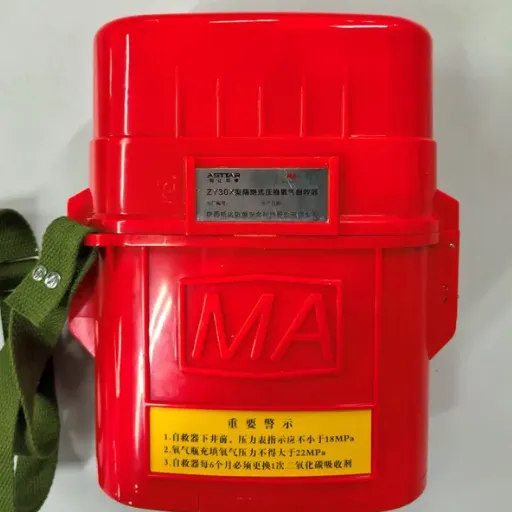 Read More
 -
Refuge Chamber Equipment Mining Operations Need in 2026
July 24, 2026Refuge chamber equipment for mining includes breathable air, water, food, communication systems, sanitation, first-aid supplies, a Read More

Contact Us

Recommended Products
-
 CE Certified 30 Minutes Closed Circuit Mining Oxygen Self-rescuerNegotiableMOQ: 1 Piece
 -
CE Certified 30 Minutes Isolated Breathing Protection Chemical Oxygen Self RescuerNegotiableMOQ: 1 Piece
-
K-SB50 Self Contained Oxygen Escape Device Built-In Humidity Indicator For Mine Fire RescueNegotiableMOQ: 1 Piece
-
60 Minutes CE Approved Self-Contained Self-Rescuer K-Sb60 for Miner SafetyNegotiableMOQ: 1 Piece
-
Lightweight Portable K-SB60 KO2 Oxygen Generating Self Rescuer For Confined Space Industrial Emergency UseNegotiableMOQ: 1 Piece
-
Portable ZL60 Filter Self Rescuer Lightweight Underground Personal Breathing DeviceNegotiableMOQ: 1 Piece
-
Fire Fighting Oxygen Rebreather Mine Chemical Self-Rescuer Portable Isolated Breathing EquipmentNegotiableMOQ: 1 Piece
-
ZL60 60 Minutes Carbon Monoxide Filter Self RescuerUS$ 120 - 150MOQ: 1 Piece
-
ZY30X Isolated Compressed Oxygen Self Rescuer Self Contained Breathing Escape DeviceUS$ 120 - 150MOQ: 1 Piece
-
ZY45X Mining Self Rescuer Self Rescue Packs For Low Oxygen Toxic Gas EnvironmentNegotiableMOQ: 1 Piece
-
Portable ZY45X Self Rescue Breathing Apparatus Emergency Escape Breathing DevicesNegotiableMOQ: 1 Piece
-
0.6L Oxygen Cylinder ZY45X Self Rescue Respirator Underground Mining Self RescuerNegotiableMOQ: 1 Piece
-
Atex 6ah 7000lux IP65 Mining Industrial Use Ex Proof LED Cap Lamp Safety HeadlampUS$ 98 - 110MOQ: 1 Piece
-
KL6Ex ATEX Rechargeable High Brightness Corded LED Headlamp Miner Cap LampUS$ 98 - 110MOQ: 1 Piece
-
ATEX-Certified KL6Ex Mining Lamp: Essential Safety for Underground OperationsUS$ 98 - 110MOQ: 1 Piece
-
KL1.2Ex LED Miner Cap Lamp ATEX Explosion Proof Mining HeadlampUS$ 75 - 85MOQ: 1 Piece
-
ATEX Cordless LED Cap Lamp Underground Mining Safety HeadlampUS$ 75 - 85MOQ: 1 Piece
-
Rechargeable Wireless LED Mining Headlamp for Potentially Explosive EnvironmentsUS$ 75 - 85MOQ: 1 Piece
-
KL6LM (A) Intrinsically Safe High Brightness Miner's Cap LampUS$ 120 - 150MOQ: 1 Piece
-
5Ah Rechargeable LED Cordless Miner\'s HeadlampUS$ 85 - 98MOQ: 1 Piece