
 Business License
Explosion Proof Flood Light for Mining: A 2026 Selection Guide
An explosion proof flood light for mining is a high-output, certified LED fixture designed to illuminate large work areas, stockpiles, loading bays, and portals where methane or coal dust may be present. It differs from a standard industrial floodlight because every electrical component is protected so that arcs, sparks, or hot surfaces cannot ignite the surrounding atmosphere. That protection is the reason it can legally stand at the edge of a gassy mine pit or inside a portal while conventional lighting cannot.
When Viktor, the electrical planner at a coal preparation plant in eastern Ukraine, replaced twelve aging metal-halide floods above a ROM stockpile in late 2024, the site gained 40 percent more useful light on the pile face and cut lamp-change frequency from quarterly to almost never. The explosion proof LED floodlights were heavier than the old fittings, but they survived blasting vibration, dust storms, and washdown without failing an inspection.
This guide explains what this certified high-output fixture is, where it is used, and how to select one for your site. You will learn the certification marks to check, the specifications that determine coverage and durability, and the installation mistakes that cause floods to underperform or fall out of compliance.
Already planning a lighting upgrade? Request an explosion-proof flood light specification and our safety team will recommend the right beam, certification, and mounting layout for your area.
Key Takeaways
An explosion proof flood light for mining is a certified high-output fixture that illuminates large hazardous areas without becoming an ignition source.
Common applications include stockpiles, loading bays, portals, workshops, and tip areas in gassy or dusty mines.
Certification to ATEX, IECEx, or the local mining mark must match the gas group and temperature class of the site.
Beam angle, lumen output, ingress protection, and mounting height decide whether the lighted area meets required levels.
Correct installation, lens cleaning, and gland inspection keep the fixture compliant and bright for years.
What Is an Explosion Proof Flood Light for Mining?
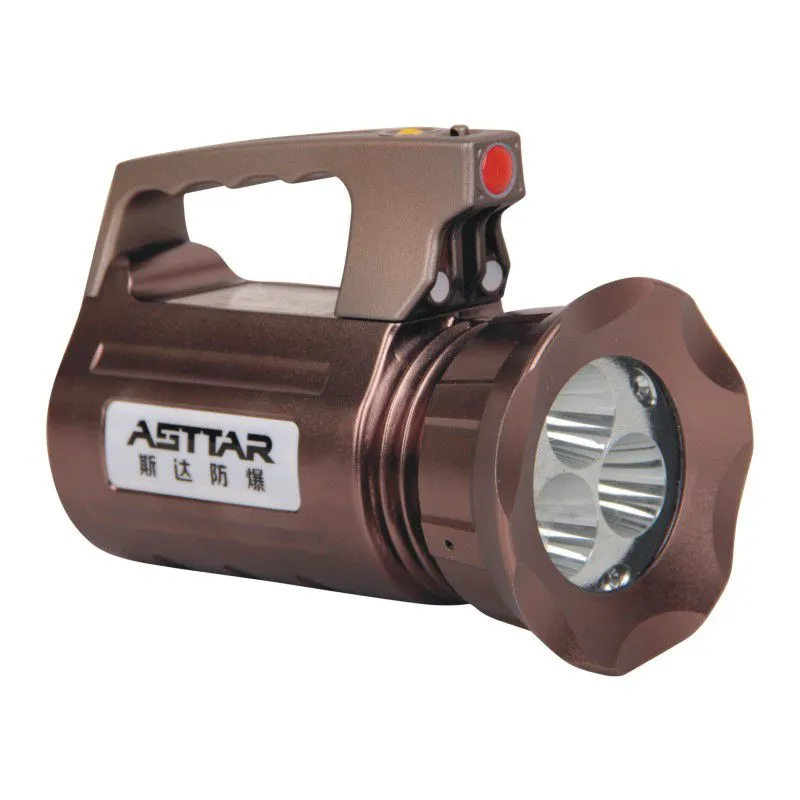
A flood light is defined by its wide beam and high output. It is meant to throw light across a broad area from a single point, rather than to line a roadway or illuminate a task directly. In mining, flood lights are used where equipment moves, materials are handled, or crews work over an open zone.
An explosion proof flood light for mining adds hazardous-area protection to that role. The fixture may use a flameproof enclosure (Ex d), an increased-safety design (Ex e), or a combination. The key requirement is the same: any fault inside the light must be contained or prevented so that it cannot ignite methane, coal dust, or other explosive atmospheres outside.
LED technology has become the standard for these fixtures. LED floodlights reach full brightness instantly, tolerate vibration and shock, and last far longer than metal-halide or high-pressure sodium lamps. For a mine that runs around the clock, long LED life means fewer lamp changes, less mobile-plant downtime around lighting crews, and lower energy cost.
Where Mining Flood Lights Are Used
Explosion proof flood lights are not limited to one part of a mine. Their wide coverage makes them useful wherever a large, hazardous area needs illumination.
ROM stockpiles and blending beds: Lighting the pile face so dozers and loaders can work safely at night.
Loading bays and rail loops: Illuminating truck and wagon loading without glare for operators.
Portals and adits: Bright light at the mine entry for traffic and security.
Crusher houses and screening plants: High-output light on moving machinery and chutes.
Workshops and washdown bays: General area lighting where dust and washwater are present.
Tip heads and dump zones: Wide coverage for reversing trucks and edge protection.
In an Australian open-cut coal mine, the lighting superintendent, Hannah, swapped sixteen 1,000-watt metal-halide floods above a truck dump for eight high-output LED floodlights. The new layout delivered more uniform light, reduced shadows at the dump edge, and removed the need for relamping during the wet season. The key was matching the beam angle to the dump geometry rather than simply matching lumen-for-lumen.
Certification and Hazardous-Area Classification
Certification is the first filter. An explosion proof flood light for mining must carry a mark that is accepted by the regulator in your jurisdiction. The main schemes are ATEX for Europe and many export markets, IECEx for member countries, and national mining approvals elsewhere.
Gas group is the second filter. Underground coal mines usually require Group I equipment. Surface facilities such as coal handling plants, tip areas, and workshops may fall under Group II with the appropriate gas and dust categories. Using a fixture certified only for Group II in a Group I gassy mine is a compliance breach.
Temperature class is the third filter. The fixture must not reach a surface temperature that can ignite the expected atmosphere. The T-class is marked on the certificate and must match the site's risk assessment.
The IECEx system publishes the framework used for international certification, while the ILO mining sector overview shows how national mining laws vary. Before buying, request the certificate and confirm it lists the exact model, protection concept, gas group, and temperature class.
Key Selection Criteria for Mining Flood Lights
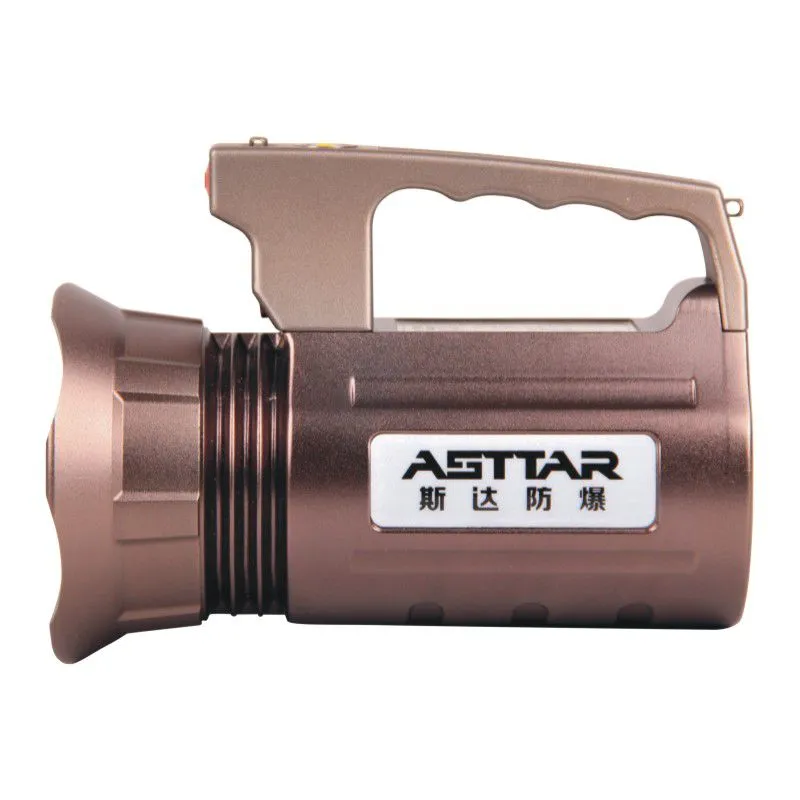
Selecting the right explosion proof flood light for mining means balancing output, coverage, durability, and electrical compatibility.
Lumen Output and Efficacy
Output is measured in lumens, but efficacy matters too. A 150-watt LED at 130 lumens per watt produces more light and less heat than a 250-watt LED at 80 lumens per watt. Compare lumens per watt, not watts alone.
Beam Angle and Distribution
Wide beams cover broad areas from a low mounting height. Narrow beams reach farther and are better for tall masts or distant stockpile faces. A common mistake is to use a wide flood on a tall mast, which wastes light on the ground near the pole. For large sites, a photometric layout predicts lux levels before purchase.
Ingress Protection (IP) Rating
Outdoor mining floods need at least IP66 to resist dust ingress and high-pressure water jets. Coastal or corrosive sites may need additional corrosion protection on the housing and bracket.
Surge and Vibration Resistance
Mine electrical networks experience switching surges and lightning-induced transients. A good mining flood light includes surge protection. Vibration resistance matters where blasting or heavy mobile equipment operates nearby.
Mounting and Aiming
Flood lights mount on poles, walls, gantries, or mobile plant. The bracket must allow precise aiming and hold that aim under vibration. A bracket that drifts after a few weeks wastes the fixture's output.
For a broader look at certified mining lighting, see our guide to the explosion proof LED laneway light.
Installation and Maintenance Best Practices
An explosion proof flood light for mining only works if it is installed and maintained to the certificate. Good practice falls into three areas.
Mounting Height and Spacing
Mounting height controls the area covered and the lux level at the working surface. Higher mounting gives wider coverage but lower lux. Lower mounting gives higher lux but narrower coverage. Spacing is set by the beam angle and the overlap needed to avoid dark bands. Use the manufacturer's photometric data and verify with a lux survey.
Wiring and Gland Entries
Flood lights on poles and gantries are exposed to weather and mechanical stress. Use the correct cable type, glands, and seals for the protection concept. Never leave an entry open or substitute a non-certified gland. Any breach of the enclosure voids the certification.
Cleaning and Inspection Schedule
Dust on the lens cuts output and can raise surface temperature. A regular cleaning schedule restores brightness and helps the fixture stay within its temperature class. Inspect brackets, glands, and seals at the same time, and record the checks.
Common Mistakes When Buying Mining Flood Lights
Even experienced buyers make errors that lead to poor coverage or compliance issues.
Comparing watts instead of lumens. Modern LED floods vary widely in efficacy; watts no longer indicate brightness.
Ignoring the beam angle. A wide beam on a tall mast wastes light; a narrow beam on a low pole leaves dark edges.
Under-specifying the IP rating. Dust and water ingress shorten life and void certification.
Buying Group II for a Group I site. Certification must match the atmosphere, not just the words "explosion proof."
Omitting surge protection. Mine networks expose fixtures to transients that can destroy drivers.
Skipping the lux survey. Without verification, there is no proof the area meets required illumination levels.
Frequently Asked Questions
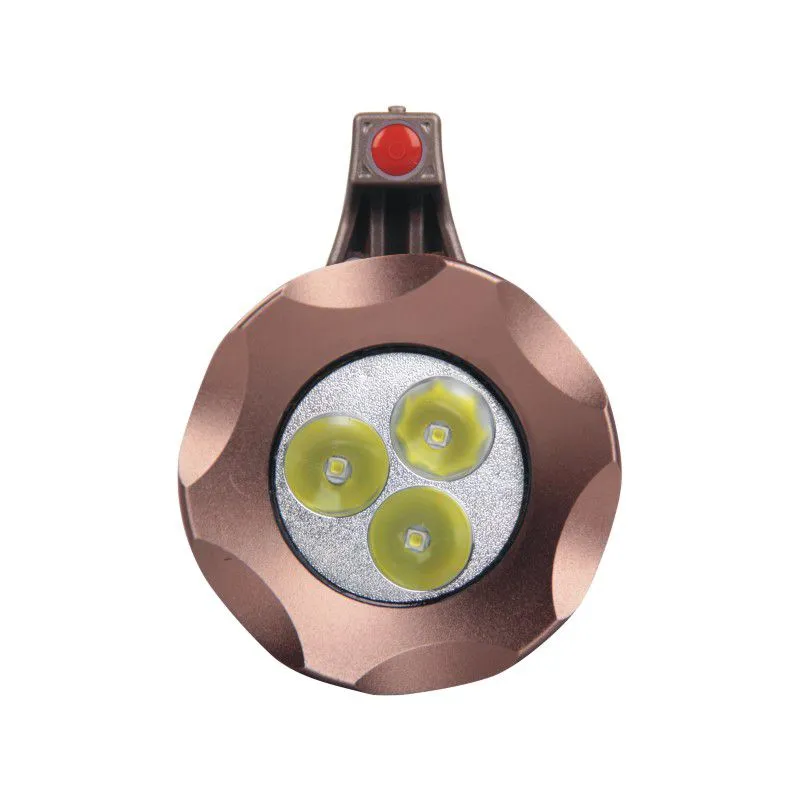
What is an explosion proof flood light for mining?
An explosion proof flood light for mining is a certified, high-output LED fixture that illuminates large hazardous areas such as stockpiles, loading bays, and portals without igniting methane or coal dust. It uses a flameproof or increased-safety enclosure to contain or prevent internal faults.
Where are mining flood lights required?
Mining flood lights are used wherever a large area in a hazardous atmosphere needs illumination. Typical locations include ROM stockpiles, truck dumps, loading bays, crusher houses, portals, workshops, and washdown areas.
What certification does a mining flood light need?
Certification depends on the jurisdiction and the atmosphere. Underground coal mines typically require Group I ATEX, IECEx, or local mining marks. Surface coal handling and industrial facilities may use Group II equipment with the correct gas or dust protection.
How do I choose the right beam angle?
Match the beam angle to the mounting height and the area to be covered. Wide beams suit low masts and broad areas. Narrow beams suit tall masts and distant targets. A photometric layout is the best way to verify the choice.
Why choose LED over metal-halide for mining floods?
LED floodlights start instantly, tolerate vibration, last longer, and use less energy. They also produce less heat, which supports temperature-class compliance and reduces fire risk.
How often should explosion proof flood lights be inspected?
Inspect brackets, glands, seals, and lenses on a schedule tied to the site's dust and vibration conditions. Clean the lens whenever output drops, and re-torque or re-aim brackets after blasting or severe weather.
Conclusion
An explosion proof flood light for mining is more than a bright fixture. It is a certified safety device that makes large hazardous areas visible without becoming an ignition source. The right choice depends on certification, beam angle, lumen output, ingress protection, and mounting more than on watts or price alone.
Start every flood-lighting project with the certificate and the gas group. Match the beam to the area geometry, verify lux levels with a survey, and protect the installation with the right IP rating and surge suppression. Maintain the fixture on a simple inspection and cleaning schedule. Done well, a modern LED flood system improves night-shift safety, cuts energy use, and reduces maintenance shutdowns.
ASTTAR supplies explosion-proof LED flood lights, laneway lights, cap lamps, gas detectors, and a full range of certified mining safety equipment backed by decades of engineering experience. If you are planning flood lighting for a stockpile, portal, or plant area, contact our safety team to discuss your site conditions, certification requirements, and a photometric layout that meets your illumination targets. Reliable area lighting is not an afterthought; it is a maintained system that keeps workers safe in every shift and every season.
Recently Posted
-
Mechanical Anemometer for Mining: A 2026 Ventilation Survey Guide
July 29, 2026A mechanical anemometer for mining is a hand-held or bracket-mounted instrument that measures air velocity in underground roadways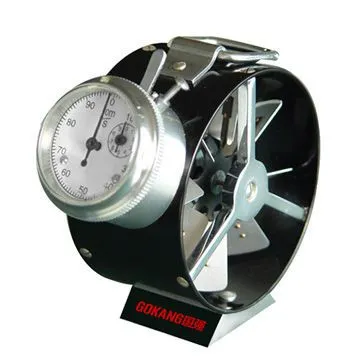 Read More
 -
LED Flameproof Tunnel Light for Mining: 2026 Selection Guide
July 29, 2026An LED flameproof tunnel light for mining is a fixed luminaire built inside a flameproof (Ex d) enclosure that contains any intern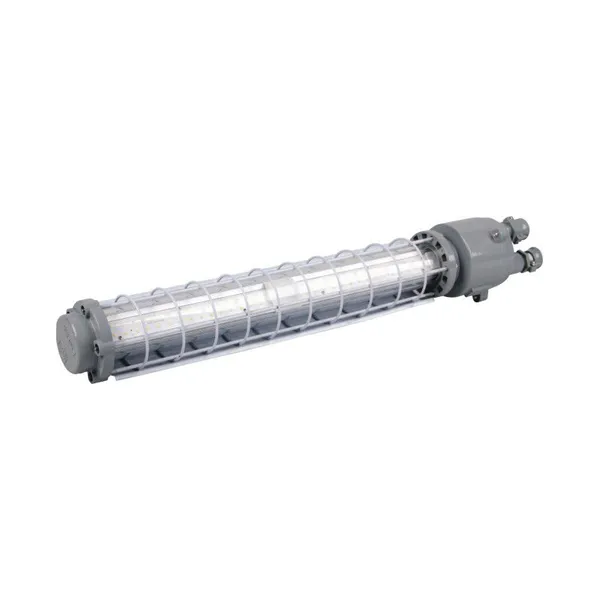 Read More
 -
Wholesale Mining Safety Equipment: A 2026 Procurement Guide
July 24, 2026Wholesale mining safety equipment is the bulk purchase of certified protective gear, escape devices, lighting, gas detection, and Read More
 -
Mining Safety Equipment Checklist for 2026
July 24, 2026A complete mining safety equipment checklist covers respiratory protection, gas detection, lighting, personal protective equipment Read More

Contact Us

Recommended Products
-
 CE Certified 30 Minutes Closed Circuit Mining Oxygen Self-rescuerNegotiableMOQ: 1 Piece
 -
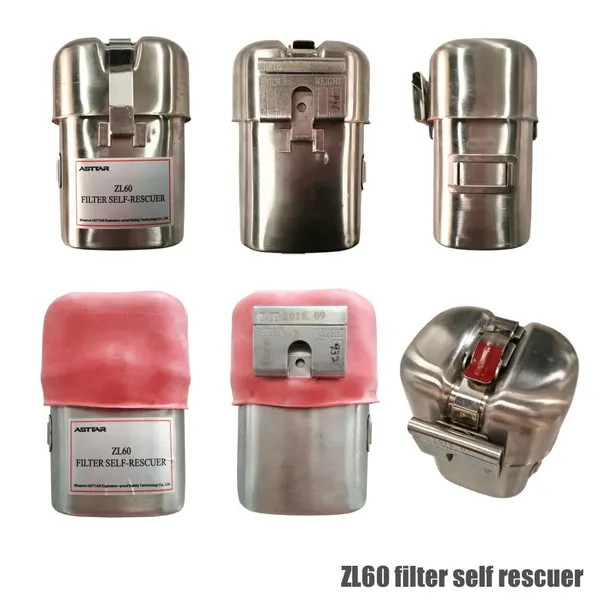
Portable ZL60 Filter Self Rescuer Lightweight Underground Personal Breathing DeviceNegotiableMOQ: 1 Piece
-
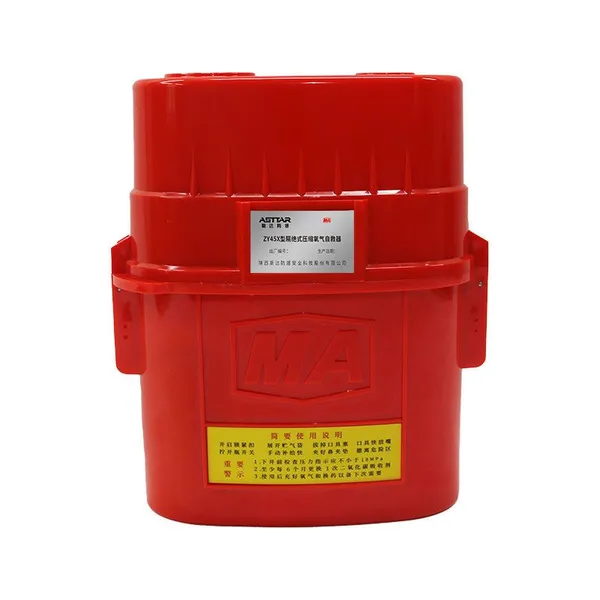
0.6L Oxygen Cylinder ZY45X Self Rescue Respirator Underground Mining Self RescuerNegotiableMOQ: 1 Piece
-
Atex 6ah 7000lux IP65 Mining Industrial Use Ex Proof LED Cap Lamp Safety HeadlampUS$ 98 - 110MOQ: 1 Piece
-
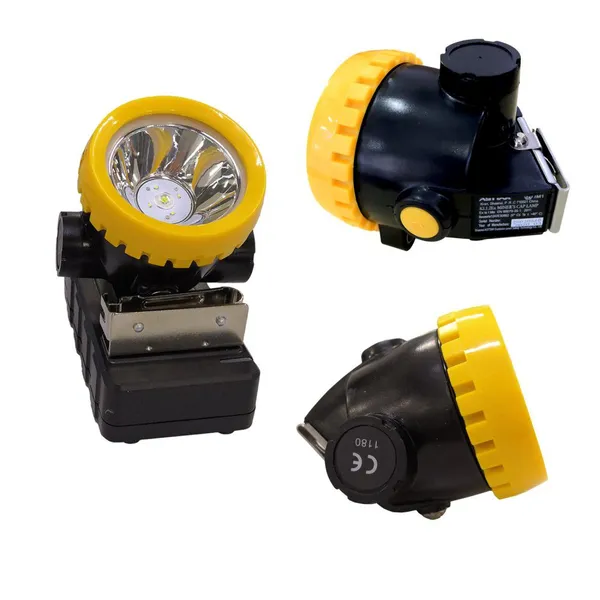
KL1.2Ex LED Miner Cap Lamp ATEX Explosion Proof Mining HeadlampUS$ 75 - 85MOQ: 1 Piece
-
Kl3lm (A) Cordless Intrinsically Safe LED Headlamp for Mining, Camping, and Outdoor ActivitiesNegotiableMOQ: 1 Piece
-
Heat Resistant PA Housing HYZ4(C) Positive Pressure Oxygen Apparatus Coal Mine Emergency RescueNegotiableMOQ: 1 Piece
-
Independent Oxygen Supply Automatic Resuscitator MZS30 for Weak‑Breathing Casualty RescueNegotiableMOQ: 1 Piece
-
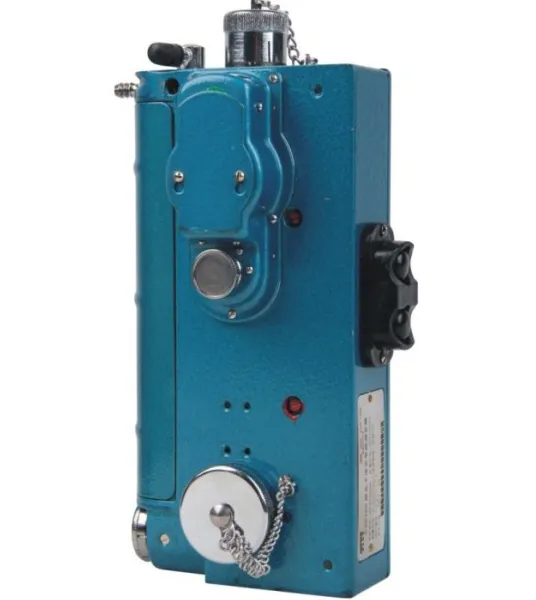
Mining Intrinsically Safe CJG10 Methane Detector Optical Interference Principle Gas Measuring InstrumentNegotiableMOQ: 1 Piece
-
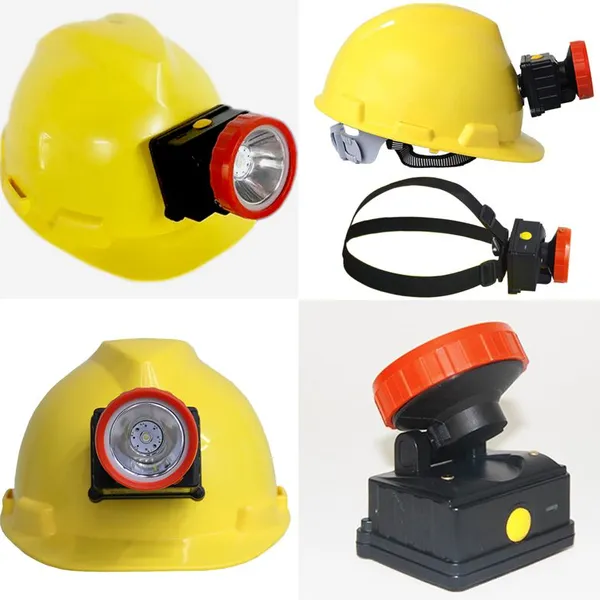
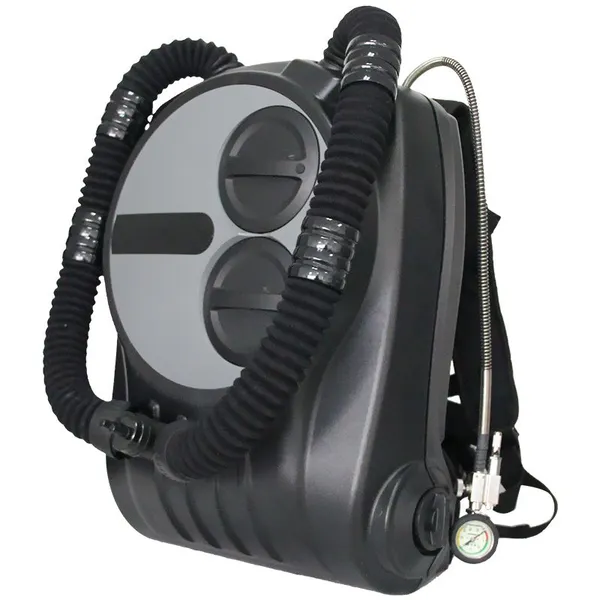
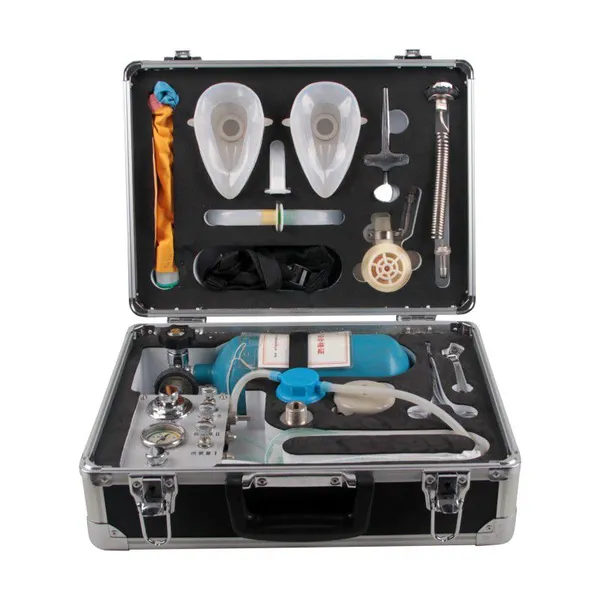
YHJ-100J(A) 100m Portable Explosion Proof Laser Distance MeterUS$ 250 - 350MOQ: 1 Piece
-
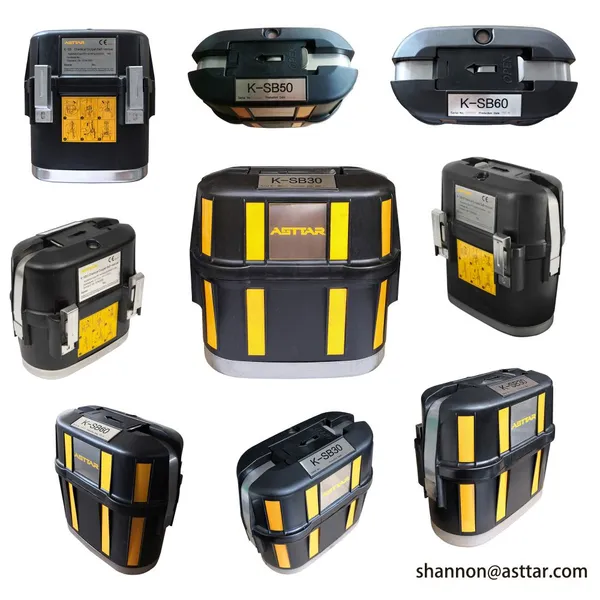
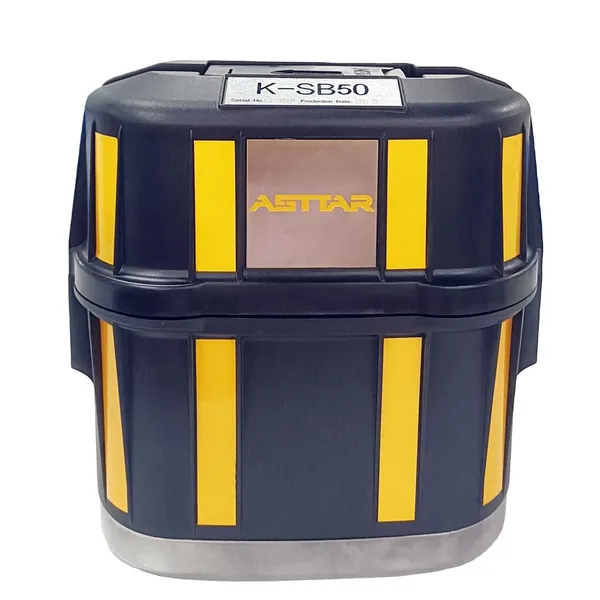
K-SB50 Self Contained Oxygen Escape Device Built-In Humidity Indicator For Mine Fire RescueNegotiableMOQ: 1 Piece
-
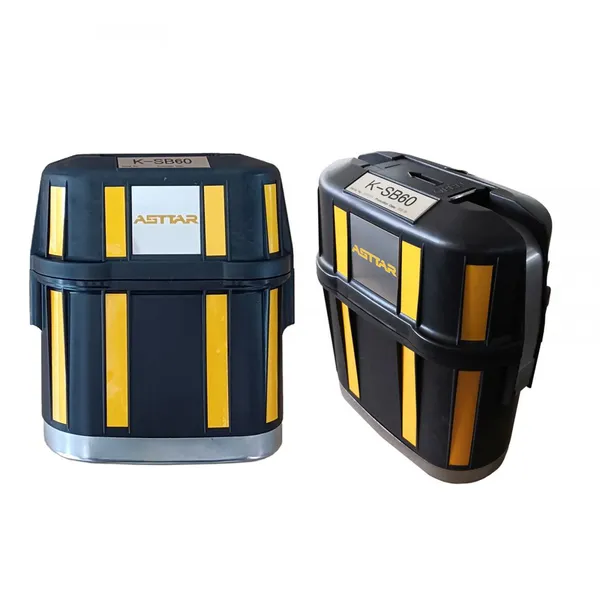
60 Minutes CE Approved Self-Contained Self-Rescuer K-Sb60 for Miner SafetyNegotiableMOQ: 1 Piece
-
ZL60 60 Minutes Carbon Monoxide Filter Self RescuerUS$ 120 - 150MOQ: 1 Piece
-
ZY30X Isolated Compressed Oxygen Self Rescuer Self Contained Breathing Escape DeviceUS$ 120 - 150MOQ: 1 Piece
-
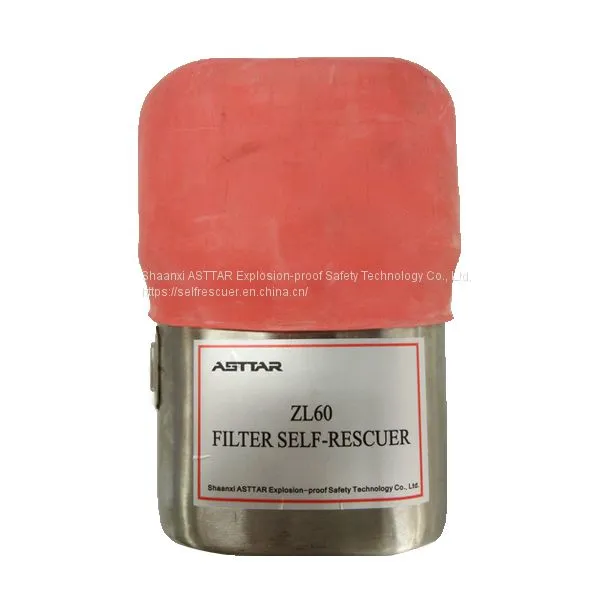
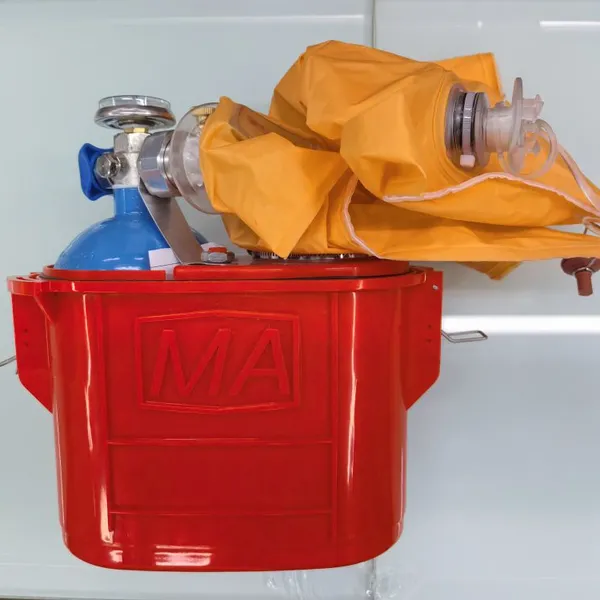
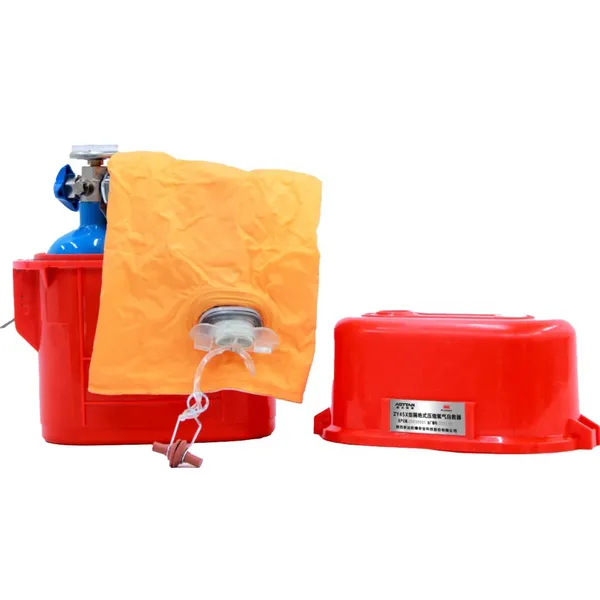
Portable ZY45X Self Rescue Breathing Apparatus Emergency Escape Breathing DevicesNegotiableMOQ: 1 Piece
-
HYZ2 Isolated Positive Pressure Oxygen Breathing Apparatus PC Face Shield Aluminized FabricNegotiableMOQ: 1 Piece
-
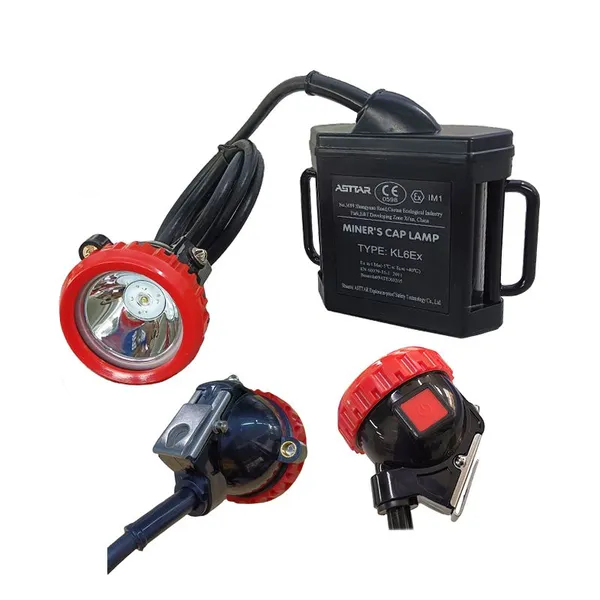
KL6Ex ATEX Rechargeable High Brightness Corded LED Headlamp Miner Cap LampUS$ 98 - 110MOQ: 1 Piece
-
ATEX Cordless LED Cap Lamp Underground Mining Safety HeadlampUS$ 75 - 85MOQ: 1 Piece
-
5Ah Rechargeable LED Cordless Miner\'s HeadlampUS$ 85 - 98MOQ: 1 Piece
-
5Ah Rechargeable LED Cordless Miner's Cap LampUS$ 85 - 98MOQ: 1 Piece