
 Business License
Mechanical Anemometer for Mining: A 2026 Ventilation Survey Guide
A mechanical anemometer for mining is a hand-held or bracket-mounted instrument that measures air velocity in underground roadways, working faces, and ventilation ducts. It gives ventilation engineers and mine safety officers the baseline data they need to verify airflow quantity, locate stagnant zones, and confirm that fresh air reaches every active workplace.
Underground ventilation is not a set-and-forget system. As stopes advance, seals are constructed, and equipment is moved, the ventilation network changes. Without regular measurements, a once-compliant airway can become underventilated. Methane, dust, heat, or diesel exhaust then accumulate.
In 2023, a gold mine in Ontario identified a recurring methane pocket only after a ventilation officer rechecked a drift. The officer used a mechanical anemometer and found airflow 40% below design. The instrument itself was simple. The consequence of not using it could have been severe.
This guide explains how a mechanical anemometer for mining works, when it is the right choice against an electronic alternative, how to take accurate readings, and what anemometer mining procurement teams should look for in ventilation survey instruments.
Key Takeaways
A mechanical anemometer for mining measures air velocity directly and requires no batteries, making it reliable in damp or explosive atmospheres.
Regular ventilation surveys with calibrated instruments are required to maintain airflow at every working face and control methane, dust, and diesel contaminants.
Electronic anemometer underground mine models offer data logging and faster response, while mechanical models excel where simplicity, ruggedness, and intrinsic safety matter.
Accurate readings depend on proper traverse technique, consistent timing, and instruments that are calibrated against a traceable standard.
Mining measurement instruments suppliers should provide calibration certificates, spare parts, and documentation that aligns with local mining regulations.
What Is a Mechanical Anemometer for Mining?
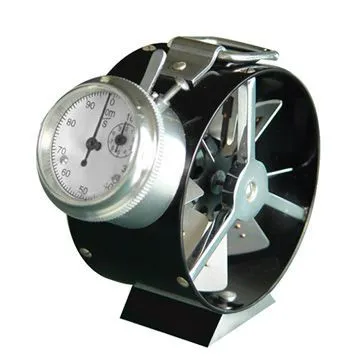
A mechanical anemometer for mining is a rotating-vane or cup-type device that converts air movement into a velocity reading. As air passes through the instrument, vanes spin. A geared mechanism translates that rotation into a dial reading, typically in metres per second or feet per minute. The user reads the value directly from the face of the instrument.
These devices have been used in mining for more than a century because they are durable, portable, and easy to operate. They do not require batteries, displays that can fog in high humidity, or firmware updates. For many ventilation officers, a mechanical anemometer remains the first tool pulled from the kit when checking a district or investigating a complaint about poor air movement.
Mechanical anemometers are used to measure:
Air velocity in intake and return airways
Face airflow at development headings and production stopes
Duct and forcing-fan discharge velocities
Airflow across regulators, doors, and stoppings
Verification of auxiliary ventilation performance
The reading is a point measurement of velocity. To calculate the total air quantity moving through a cross-section, the operator must measure velocity at several points across the airway and multiply the average velocity by the area. This traverse method is standard practice for ventilation survey instruments in underground mines.
How a Mechanical Anemometer Measures Airflow
The sensing element of a mechanical anemometer is a set of lightweight vanes or cups mounted on a vertical spindle. Airflow exerts force on the vanes, causing them to rotate. The spindle connects through a gear train to a pointer that indicates velocity on a calibrated dial.
Some models include a stopwatch-style timing mechanism. The operator counts the number of revolutions over a fixed interval and then converts the count to velocity using a calibration chart. Other models display velocity directly. Both designs rely on the same physical principle: the faster the air moves, the faster the vanes turn.
Because the instrument has no electrical circuit, it is naturally suited to hazardous areas. There is no battery to fail, no spark potential from a display, and no sensor drift from temperature changes. This inherent simplicity is one reason mechanical anemometers remain common in gassy mines and wet headings where electronic devices may be restricted or unreliable.
Why Mine Ventilation Surveys Depend on Mechanical Anemometers
Ventilation is the primary control for airborne hazards in underground mining. Methane released from coal seams, silica dust from cutting operations, and diesel particulate from loaders all depend on adequate airflow to dilute and remove them. If airflow drops below the design quantity, contaminant concentrations rise and the working environment becomes unsafe.
A mechanical anemometer for mining provides a quick, independent check of air velocity. Ventilation officers can carry one underground, take readings at multiple points, and compare results against the mine ventilation plan. Discrepancies trigger further investigation before conditions become dangerous.
In many regulatory frameworks, periodic ventilation surveys are mandatory. Regulators expect documented evidence that airflow quantities meet design requirements at each working face. The readings become part of the mine's compliance record.
A mechanical anemometer with current calibration documentation supports that record. It does so without the complexity of a permanently installed monitoring network.
Mechanical vs Electronic Anemometer Underground Mine
Mines today have access to both mechanical and electronic anemometer underground mine options. Each has advantages depending on the application.
| Feature | Mechanical Anemometer | Electronic Anemometer |
|---|---|---|
| Power source | None required | Battery powered |
| Readout | Dial or revolution counter | Digital display, often with data logging |
| Intrinsic safety | Inherently safe; no electrical components | Requires certified intrinsically safe or explosion-proof design |
| Durability | Highly resistant to dust, moisture, and shock | More fragile sensors and displays |
| Response time | Slightly slower; requires steady airflow | Faster response and sampling rate |
| Data recording | Manual logging | Internal memory or Bluetooth export |
| Maintenance | Mechanical cleaning and bearing lubrication | Battery replacement, sensor calibration, firmware |
| Best for | Routine surveys, gassy or wet headings, backup instrument | Continuous monitoring, detailed trend analysis, audits |
The choice between the two is not always either-or. Many ventilation teams carry a mechanical anemometer as a reliable field tool and use an electronic instrument for detailed surveys or reporting. The mechanical unit serves as a reference when electronic readings seem questionable.
Types of Ventilation Measurement Tools for Mines
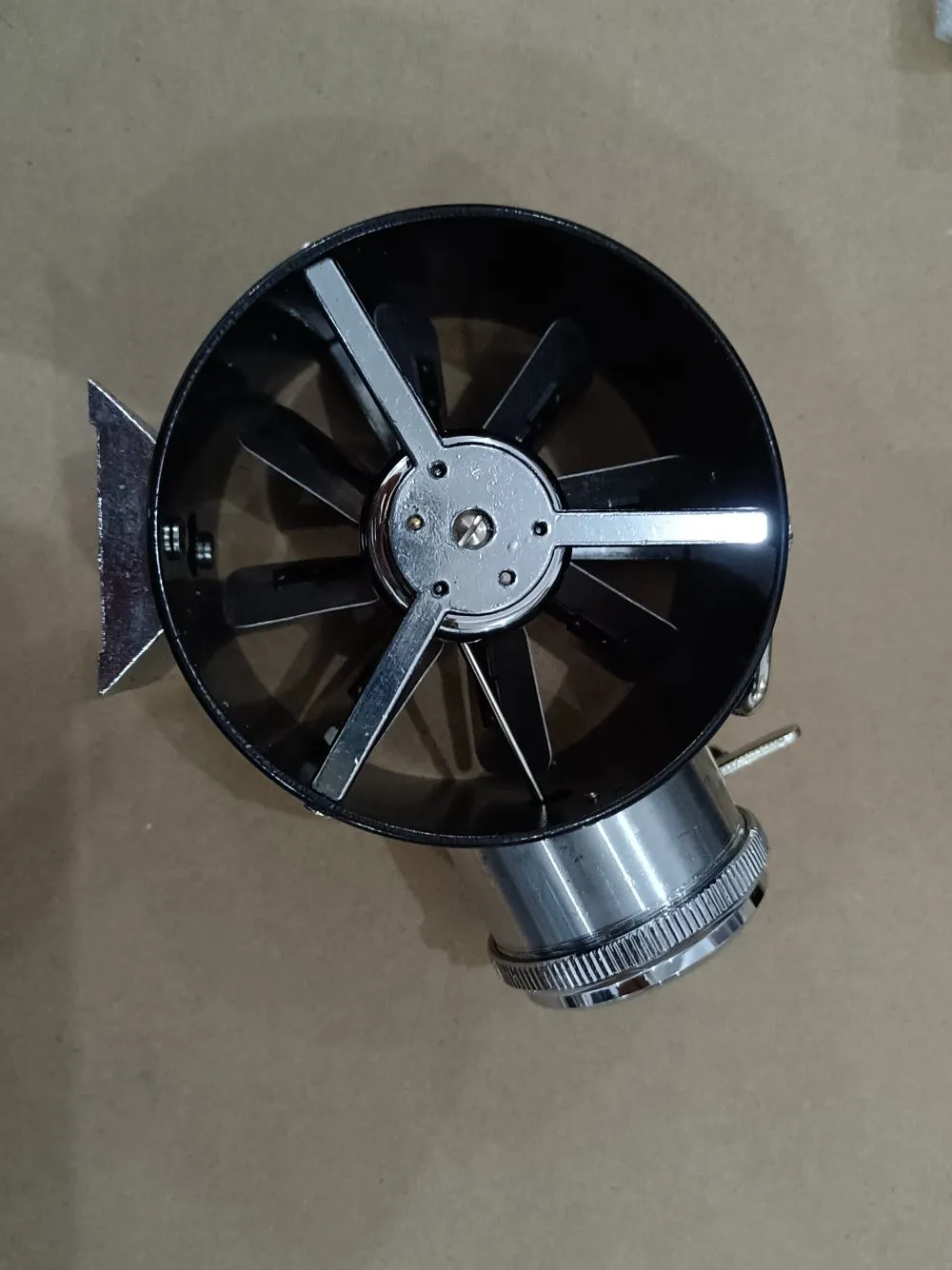
A mechanical anemometer is one of several ventilation measurement tools for mines. Understanding the full toolkit helps safety officers and anemometer mining procurement teams select the right instrument for each task.
Vane Anemometers
The classic mechanical anemometer for mining uses a set of vanes mounted perpendicular to the airflow. Vane anemometers work best when held directly in the airstream, with the air approaching the face of the instrument. They are ideal for roadway measurements and face checks.
Cup Anemometers
Cup anemometers use hemispherical cups mounted on horizontal arms. They respond to airflow from any horizontal direction and are often used for surface weather stations and shaft measurements. Underground, they are less common than vane types but useful where wind direction varies.
Smoke Tubes and Visual Tracers
Smoke tubes provide a qualitative indication of airflow direction and approximate velocity. They are useful for tracing leaks, identifying recirculation, and confirming that air is moving where the ventilation plan says it should. They do not replace a calibrated anemometer for quantity calculations.
Pitot-Static Tubes
Pitot-static tubes measure velocity pressure and convert it to air velocity. They are accurate at higher velocities and are commonly used in ductwork and fan testing. A pitot tube requires a manometer or differential pressure gauge and is typically part of a more advanced ventilation survey kit.
Hot-Wire Anemometers
Hot-wire anemometers use a heated element cooled by airflow. They are sensitive and accurate at low velocities but fragile in dusty mining environments. They are more common in laboratory or clean-room settings than in routine underground surveys.
How to Use a Mechanical Anemometer for Mining
Accurate readings depend on correct technique as much as on instrument quality. A poorly positioned anemometer can under-read or over-read by 20% or more.
Preparing the Instrument
Before each use:
Inspect the vanes for damage, dust buildup, or bent blades.
Check that the spindle rotates freely without sticking or grinding.
Verify the calibration sticker is current and the certificate is available.
Reset the counter if the model uses a revolution-counting dial.
If the instrument has been dropped or exposed to water, set it aside and use a backup. A damaged vane will not give reliable data.
Measuring Face Velocity and Duct Flow
For an open roadway, hold the anemometer at arm's length in the centre of the airway, with the vanes perpendicular to the airflow. Allow the reading to stabilise for 10 to 30 seconds, depending on air steadiness, then record the value.
For a rectangular airway, divide the cross-section into a grid and take a reading at the centre of each grid cell. Calculate the average velocity. Multiply the average by the cross-sectional area to obtain airflow quantity in cubic metres per second or cubic feet per minute.
In ducts or forcing lines, place the anemometer downstream of any bend or obstruction far enough for the airflow to become uniform. A distance of at least five duct diameters downstream is a common rule of thumb. For small auxiliary ducts, take multiple readings across the discharge and average them.
Recording and Interpreting Readings
Record the date, time, location, instrument serial number, and measured velocity for each reading. Note any nearby equipment, doors, or obstructions that might affect the result. This context matters when comparing readings over time.
Compare the measured quantity against the ventilation plan. If airflow at a working face is significantly below design, investigate possible causes such as:
Leakage through damaged stoppings or seals
Blockage of ducts by debris or kinking
Fan performance degradation
Changes in airway resistance due to new development
Improper regulator settings
A single low reading may be due to measurement error. Repeat the measurement and, if possible, cross-check with another anemometer before initiating corrective action.
Selecting the Right Ventilation Survey Instruments
Not every anemometer is suitable for mining. Procurement teams should evaluate ventilation survey instruments against the conditions they will face underground.
Range and Resolution
The instrument should cover the velocities expected in the mine. Roadways typically see 0.5 to 5 metres per second. Auxiliary ducts may exceed 10 metres per second. Face velocities can be lower and require good low-end resolution.
Choose an anemometer with a range that includes the lowest and highest expected values. Avoid readings at the extremes of the scale.
Ruggedness and Environmental Sealing
Mining instruments are exposed to dust, water spray, vibration, and occasional impacts. Look for sealed bearings, impact-resistant housings, and dust protection for the dial and mechanism. A mechanical anemometer that works reliably after months underground saves more than its purchase price in avoided downtime.
Calibration and Certification
A mechanical anemometer must be calibrated against a traceable standard, typically in a wind tunnel with known velocity. The calibration certificate should state the test velocities, correction factors if any, and the next due date. Most mines recalibrate annually, though high-use instruments may need more frequent checks.
In explosive atmospheres, confirm whether the instrument carries appropriate certification. While mechanical anemometers are inherently non-electrical, some procurement specifications still require documentation of hazardous-area suitability.
National regulators such as MSHA in the United States and HSE in the United Kingdom publish guidance on ventilation monitoring and instrumentation in mines. ASTTAR certifications include ISO management systems and CE/ATEX product approvals where applicable. For a deeper explanation of explosion-protection standards, see our ATEX vs IECEx certification guide.
Maintenance and Inspection of Mining Anemometers
A mechanical anemometer for mining requires less maintenance than an electronic device, but it is not maintenance-free. Regular care preserves accuracy and extends service life.
Cleaning
Dust and grit can accumulate in the bearings and around the spindle. Clean the vanes and spindle with a soft brush and, if necessary, low-pressure compressed air. Avoid forcing debris deeper into the mechanism. Do not use solvents that could attack plastic vanes or dial markings.
Lubrication
Bearings should be lubricated according to the manufacturer's instructions. Over-lubrication attracts dust, which forms an abrasive paste. Under-lubrication causes wear and erratic rotation. Use only the lubricant specified by the manufacturer.
Storage
Store anemometers in a clean, dry case when not in use. Avoid leaving them on the dashboard of a vehicle where heat can damage dial adhesives or warp vanes. Keep calibration certificates with the instrument or in a central maintenance file.
Periodic Verification
Between formal calibrations, verify anemometer performance against a reference instrument or a known airflow condition. If two instruments disagree consistently by more than 10%, remove the suspect unit from service and send it for calibration.
Integrating Anemometer Data Into Ventilation Planning
Airflow measurements are most valuable when they feed back into the mine ventilation model. Modern mines use software to simulate airflow, pressure, and contaminant distribution. The model is only as accurate as the input data, and readings from ventilation survey instruments provide the field measurements needed to tune the model.
Building a Survey Schedule
Establish a routine schedule for ventilation surveys based on mine activity. Active development headings may need weekly checks, while established return airways may be surveyed monthly or quarterly. Increase frequency after any significant change, such as a new stopping, a fan change, or a sealing operation.
Comparing Measured and Modelled Airflow
When measured quantities differ from the model, investigate both possibilities. The model may have outdated resistance values, or the field measurement may be inaccurate. Updating the model with fresh survey data improves future planning and helps identify where the ventilation network is degrading.
Linking Ventilation to Other Safety Systems
Airflow data supports decisions about gas detection placement, dust suppression, and refuge chamber sizing. Portable gas detectors complement anemometer surveys by showing whether contaminants are being diluted effectively. Our coal mine safety equipment list explains how ventilation instruments fit into a broader underground safety inventory.
Common Mistakes When Using Mechanical Anemometers in Mines
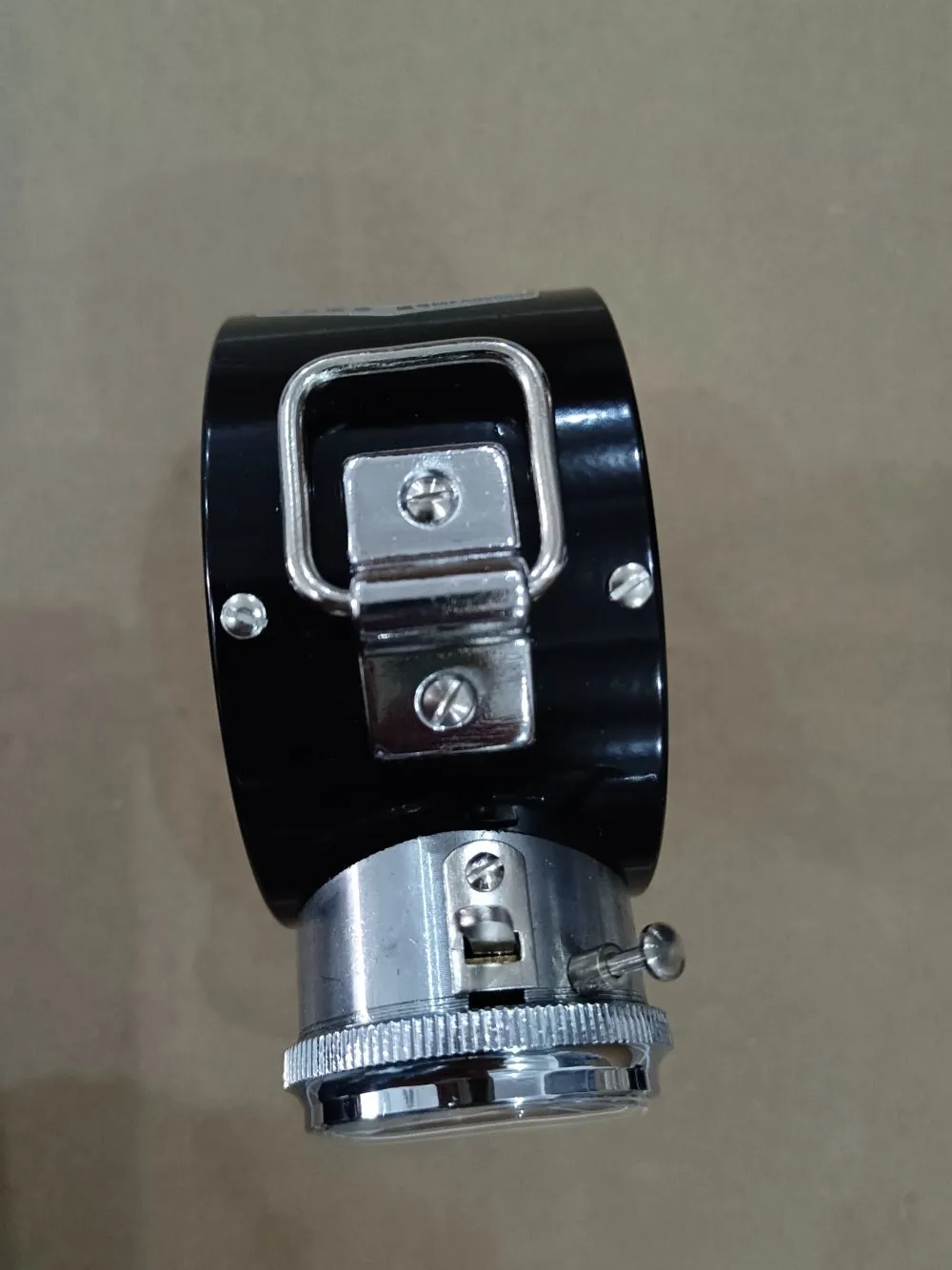
Even experienced users can make errors that compromise readings when using a mechanical anemometer for mining. Awareness of common mistakes improves data quality.
Holding the Instrument Too Close to the Body
The operator's body blocks and deflects airflow. Hold the anemometer at arm's length and stand to the side of the airway. For low velocities, mount the instrument on a tripod or bracket to eliminate body interference.
Taking Only One Reading
A single point measurement rarely represents the average velocity across a roadway. Use a traverse pattern and average multiple readings. The effort takes only a few extra minutes and produces a much more reliable quantity.
Ignoring Air Swirl and Turbulence
Near fans, bends, and obstructions, airflow is turbulent. Readings fluctuate widely. Move to a location with more stable flow, or take a longer averaging time. For highly turbulent conditions, consider using a pitot-static traverse instead.
Using an Out-of-Calibration Instrument
An anemometer with worn bearings or damaged vanes can read low. Always check the calibration status before use. If the instrument has been dropped, recalibrate before relying on it for compliance measurements.
Reading While Moving
Walking with the anemometer introduces motion through still air and distorts the reading. Stand still during the measurement, or mount the instrument on a fixed support.
Mining Measurement Instruments Suppliers and Procurement
Procurement teams evaluating mining measurement instruments suppliers should look beyond the unit price. The total cost of ownership includes calibration support, spare parts, documentation, and technical assistance. Our guide to mining safety equipment suppliers explains how to evaluate partners who can support the full range of underground instrumentation.
What to Request from Suppliers
Calibration certificate traceable to a national or international standard
Spare vanes, bearings, and dial glasses
User manual with recommended maintenance intervals
Certification documentation for hazardous-area use
Warranty terms and repair turnaround time
Availability of training for ventilation officers
A supplier that cannot provide calibration support or spare parts may leave the mine unable to maintain its ventilation survey program. Reliability and documentation matter as much as the instrument itself.
ASTTAR Support for Mining Ventilation Instruments
ASTTAR supplies a range of ventilation and measurement instruments for mining, including mechanical and electronic anemometers, laser rangefinders, infrared thermometers, and optical methane detectors. Our instruments are designed for the dust, humidity, and mechanical demands of underground environments.
We operate under ISO 9001, ISO 14000, and OHSAS 18001 management systems, with CE and ATEX product certifications where applicable. For mines refreshing their ventilation survey instruments or building a new measurement program, ASTTAR can provide specification sheets, calibration guidance, and technical consultation. Contact our safety team to discuss airflow measurement requirements, certification needs, and spare parts availability.
Frequently Asked Questions
What is a mechanical anemometer for mining?
A mechanical anemometer for mining is a hand-held instrument with rotating vanes or cups that measures air velocity in underground airways. It requires no batteries and is commonly used for ventilation surveys, face airflow checks, and duct measurements.
How does a mechanical anemometer differ from an electronic anemometer underground mine?
A mechanical anemometer has no electrical components and displays velocity on a dial or revolution counter. An electronic anemometer underground mine uses sensors and batteries, often with digital readouts and data logging. Mechanical models are simpler and more rugged; electronic models offer faster response and recording features.
What ventilation measurement tools for mines are used besides anemometers?
Other ventilation measurement tools for mines include smoke tubes for tracing airflow, pitot-static tubes for duct and fan testing, hot-wire anemometers for low-velocity measurements, and permanent airflow monitors connected to mine-wide control systems.
How often should a mining anemometer be calibrated?
Most mines calibrate ventilation survey instruments annually. High-use instruments or those used for regulatory compliance may require more frequent calibration. Always follow manufacturer guidance and local mining regulations.
Can a mechanical anemometer be used in gassy mines?
Yes. Because mechanical anemometers have no electrical circuits or batteries, they are inherently safe for use in gassy or explosive atmospheres. Verify with the supplier that the materials and construction meet site-specific certification requirements.
What is the correct way to hold a mechanical anemometer for mining?
Hold the anemometer at arm's length in the centre of the airway, with the vanes perpendicular to the airflow. Stand to the side, avoid body interference, and allow the reading to stabilise before recording.
How do you calculate airflow quantity from an anemometer reading?
Measure velocity at multiple points across the airway cross-section and average the readings. Multiply the average velocity by the cross-sectional area of the airway to obtain airflow quantity, typically expressed in cubic metres per second or cubic feet per minute.
What should mining measurement instruments suppliers provide?
Mining measurement instruments suppliers should provide calibration certificates, spare parts, user manuals, hazardous-area certification documentation, warranty terms, and technical support. Documentation traceability is essential for compliance.
Why is face velocity important in underground mines?
Face velocity determines whether fresh air reaches the working face in sufficient quantity to dilute methane, dust, and diesel exhaust. Low face velocity can lead to contaminant buildup and unsafe working conditions.
Where can I buy a mechanical anemometer for mining?
Mechanical anemometers for mining are available from mining measurement instruments suppliers and manufacturers of ventilation survey instruments. ASTTAR's ventilation and measurement instrument range includes anemometers and related tools for underground surveys.
Conclusion
A mechanical anemometer for mining is a fundamental tool for maintaining safe airflow underground. It requires no power, withstands harsh conditions, and gives ventilation officers an immediate reading of air velocity where it matters most. Used correctly, it supports compliance, protects workers from methane and dust, and keeps the ventilation model grounded in real field data.
Mines should treat ventilation survey instruments as part of an integrated safety system. Anemometer readings inform decisions about gas detection, refuge planning, dust control, and fan operation. When procurement teams choose mining measurement instruments suppliers for anemometer mining operations, they should prioritise calibration support, spare parts availability, and certification documentation alongside price.
ASTTAR provides mechanical anemometers, electronic anemometer underground mine models, and other ventilation measurement tools for mines worldwide. If you are reviewing your ventilation survey program, contact our safety team to request specifications, compare instruments, or arrange a technical consultation.
The National Institute for Occupational Safety and Health emphasises that effective mine ventilation depends on both reliable measurement and competent people. With the right mechanical anemometer for mining, trained operators, and disciplined maintenance, mines can keep air moving and workers safe.
Recently Posted
-
Explosion Proof Flood Light for Mining: A 2026 Selection Guide
July 29, 2026An explosion proof flood light for mining is a high-output, certified LED fixture designed to illuminate large work areas, stockpi Read More
 -
LED Flameproof Tunnel Light for Mining: 2026 Selection Guide
July 29, 2026An LED flameproof tunnel light for mining is a fixed luminaire built inside a flameproof (Ex d) enclosure that contains any intern Read More
 -
Wholesale Mining Safety Equipment: A 2026 Procurement Guide
July 24, 2026Wholesale mining safety equipment is the bulk purchase of certified protective gear, escape devices, lighting, gas detection, and Read More
 -
Mining Safety Equipment Checklist for 2026
July 24, 2026A complete mining safety equipment checklist covers respiratory protection, gas detection, lighting, personal protective equipment Read More

Contact Us

Recommended Products
-
 CE Certified 30 Minutes Closed Circuit Mining Oxygen Self-rescuerNegotiableMOQ: 1 Piece
 -
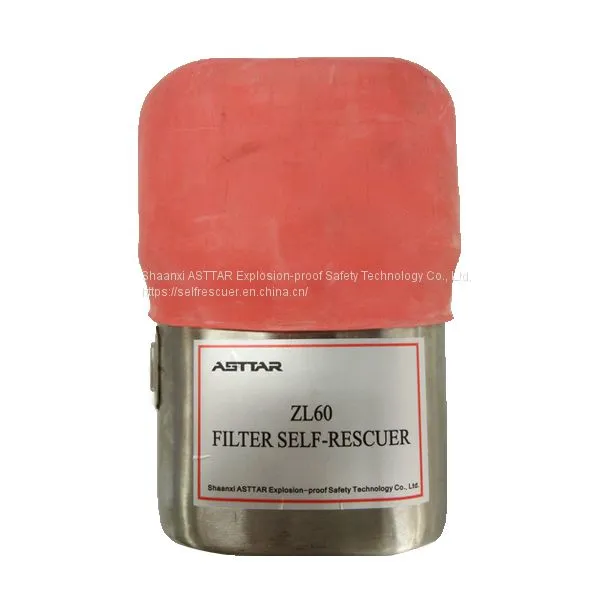
Portable ZL60 Filter Self Rescuer Lightweight Underground Personal Breathing DeviceNegotiableMOQ: 1 Piece
-
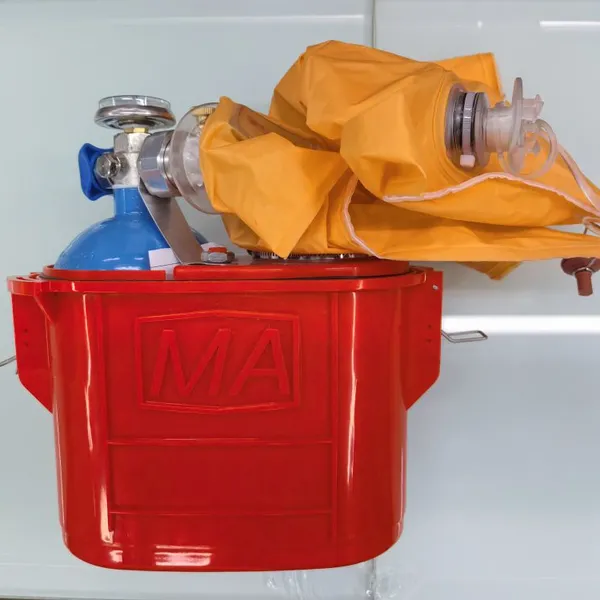
0.6L Oxygen Cylinder ZY45X Self Rescue Respirator Underground Mining Self RescuerNegotiableMOQ: 1 Piece
-
Atex 6ah 7000lux IP65 Mining Industrial Use Ex Proof LED Cap Lamp Safety HeadlampUS$ 98 - 110MOQ: 1 Piece
-
KL1.2Ex LED Miner Cap Lamp ATEX Explosion Proof Mining HeadlampUS$ 75 - 85MOQ: 1 Piece
-
Kl3lm (A) Cordless Intrinsically Safe LED Headlamp for Mining, Camping, and Outdoor ActivitiesNegotiableMOQ: 1 Piece
-
Heat Resistant PA Housing HYZ4(C) Positive Pressure Oxygen Apparatus Coal Mine Emergency RescueNegotiableMOQ: 1 Piece
-
Independent Oxygen Supply Automatic Resuscitator MZS30 for Weak‑Breathing Casualty RescueNegotiableMOQ: 1 Piece
-
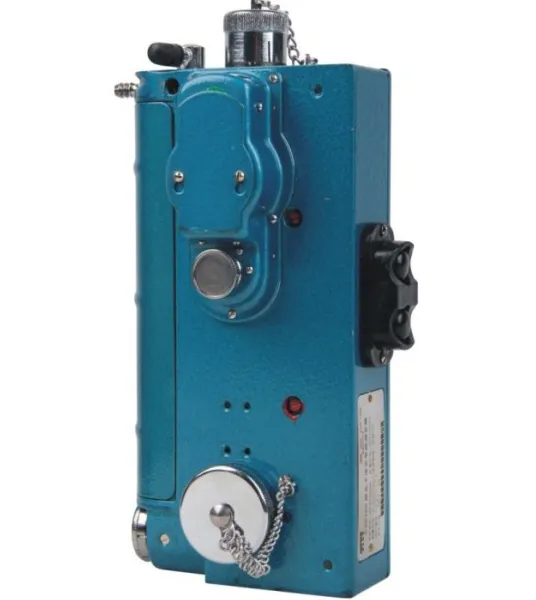
Mining Intrinsically Safe CJG10 Methane Detector Optical Interference Principle Gas Measuring InstrumentNegotiableMOQ: 1 Piece
-
YHJ-100J(A) 100m Portable Explosion Proof Laser Distance MeterUS$ 250 - 350MOQ: 1 Piece
-
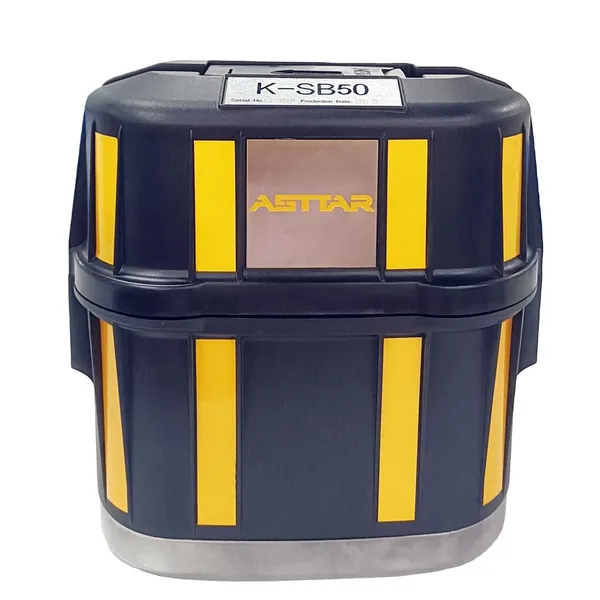
K-SB50 Self Contained Oxygen Escape Device Built-In Humidity Indicator For Mine Fire RescueNegotiableMOQ: 1 Piece
-
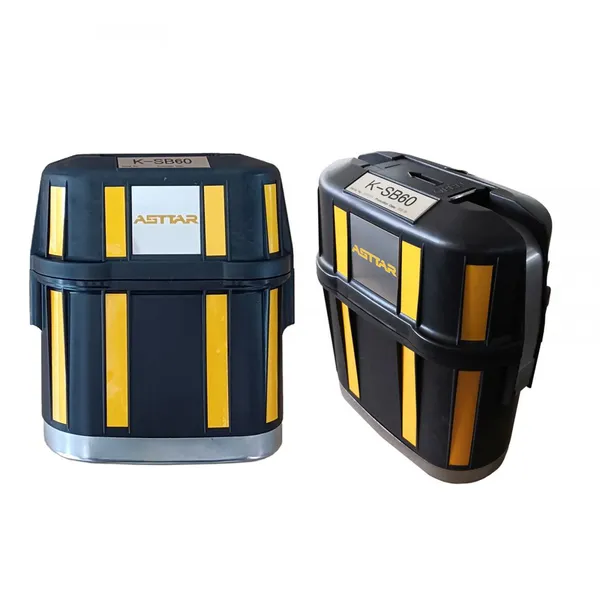
60 Minutes CE Approved Self-Contained Self-Rescuer K-Sb60 for Miner SafetyNegotiableMOQ: 1 Piece
-
ZL60 60 Minutes Carbon Monoxide Filter Self RescuerUS$ 120 - 150MOQ: 1 Piece
-
ZY30X Isolated Compressed Oxygen Self Rescuer Self Contained Breathing Escape DeviceUS$ 120 - 150MOQ: 1 Piece
-
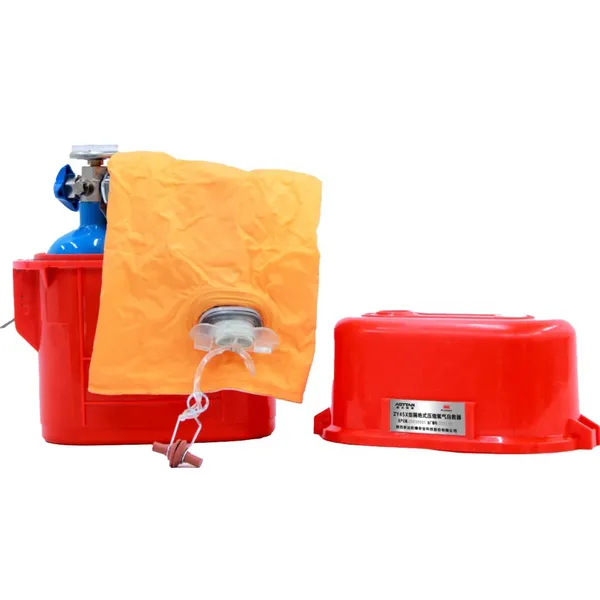
Portable ZY45X Self Rescue Breathing Apparatus Emergency Escape Breathing DevicesNegotiableMOQ: 1 Piece
-
HYZ2 Isolated Positive Pressure Oxygen Breathing Apparatus PC Face Shield Aluminized FabricNegotiableMOQ: 1 Piece
-
KL6Ex ATEX Rechargeable High Brightness Corded LED Headlamp Miner Cap LampUS$ 98 - 110MOQ: 1 Piece
-
ATEX Cordless LED Cap Lamp Underground Mining Safety HeadlampUS$ 75 - 85MOQ: 1 Piece
-
5Ah Rechargeable LED Cordless Miner\'s HeadlampUS$ 85 - 98MOQ: 1 Piece
-
5Ah Rechargeable LED Cordless Miner's Cap LampUS$ 85 - 98MOQ: 1 Piece