
 Business License
How to Calibrate a Mining Gas Detector: Step-by-Step Guide
To calibrate a mining gas detector, expose each sensor to a known concentration of calibration gas and adjust the instrument's readings until they match the certified gas values. A full calibration should follow a daily bump test and be recorded with the date, gas concentrations used, and the technician's name.
What if the detector on a worker's belt reads zero percent methane while the actual atmosphere is climbing past one percent? The display looks safe. The reality is not.
That is why every mine needs a clear guide on how to calibrate a mining gas detector and a repeatable mining gas detector calibration program to support it. Calibrating a detector isn't a complicated laboratory procedure, but it must be done correctly every time. This guide explains how to calibrate a mining gas detector in the field, what equipment you need, how often to do it, and how to keep records that satisfy regulators and site safety systems.
Key Takeaways
Mining gas detector calibration means matching sensor readings to known calibration gas concentrations.
Bump test before each shift; perform full calibration every 30 to 180 days depending on manufacturer and site rules.
Use certified calibration gas for gas detectors, a regulator, tubing, and a calibration cup or docking station matched to the detector model.
Record every bump test and calibration with date, gas values, technician, detector serial number, and result.
Remove any detector that fails calibration from service until it is repaired or replaced.
Why Calibration Matters More Underground
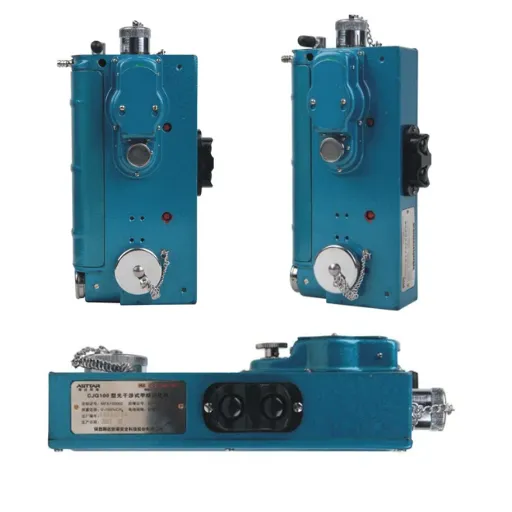
A mining gas detector lives in a harsh environment. It is exposed to dust, moisture, vibration, temperature swings, and occasional impacts. Sensors drift over time. Contaminants can coat sensor surfaces. Any of these factors can make a detector read high, low, or not at all.
Calibration corrects drift by teaching the instrument what a known gas concentration looks like. Without it, the detector may display safe readings in a dangerous atmosphere. Worse, it can put workers at risk.
In an underground mine, there is no open air to rely on. Workers depend on their portable gas monitor. It warns them before methane, carbon monoxide, hydrogen sulfide, or oxygen deficiency reaches a dangerous level. A properly calibrated detector is the difference between early warning and false confidence.
Need a broader introduction to mining gas detectors first? Read our 4 gas detector for mining guide.
Bump Test vs. Full Calibration: Know the Difference
Many operators use the terms interchangeably, but a bump test and a full calibration are two different procedures.
Bump Test
A bump test exposes the sensors to a known concentration of test gas. It verifies that the alarms trigger. It does not adjust the sensor output. Think of it as a quick functional check. If the detector alarms at the right levels, it passes. If it doesn't, it needs calibration or repair.
Most mine safety programs require a bump test before each shift. The test takes one to two minutes and gives workers confidence that the detector will respond in the field.
Full Calibration
Full calibration adjusts the detector's readings to match known gas concentrations. It uses certified calibration gas. It may require a docking station or manual adjustment. Calibration compensates for sensor drift and restores accuracy across the measuring range.
The gas detector calibration procedure is longer than a bump test. It is essential for maintaining measurement accuracy.
When to Do Each
| Procedure | Purpose | Typical Frequency |
|---|---|---|
| Bump test | Verify alarm response | Before each shift or daily |
| Full calibration | Adjust sensor accuracy | Every 30 to 180 days, after impact, or after alarm exposure |
For a printable mining gas detector maintenance framework, see our gas detector calibration checklist.
What You Need to Calibrate a Mining Gas Detector
Portable gas monitor calibration requires the same basic equipment as bench calibration, but it must be quick enough to perform in the field. Before starting the gas detector calibration procedure, gather the correct equipment. Using the wrong gas concentration or an incompatible regulator can damage sensors or produce false calibration results.
Certified Calibration Gas for Gas Detectors
Calibration gas for gas detectors is a mixture of known gas concentrations blended to match the sensors in the instrument. A typical four-gas calibration cylinder contains:
Methane (CH4), often near 50% LEL or a defined ppm value.
Carbon monoxide (CO), typically 50 to 100 ppm.
Hydrogen sulfide (H2S), typically 25 to 50 ppm.
Balance gas, often air or nitrogen, depending on the sensor configuration.
Oxygen sensors are usually calibrated to fresh air, assumed to be 20.9% oxygen, unless a specific O2 concentration cylinder is used. Always use calibration gas recommended by the detector manufacturer. Check the cylinder's expiration date and certificate before use.
Regulator and Tubing
A fixed-flow regulator delivers gas to the detector at the correct rate. Tubing connects the regulator to the calibration cup or docking station. Make sure the regulator flow rate matches the detector's requirements. A mismatch can cause slow response or inaccurate readings.
Calibration Cup or Docking Station
A calibration cup fits over the detector's sensors and creates a controlled gas path. Some detectors use a docking station that automates the entire gas detector calibration procedure, including gas application, adjustment, and record storage.
Power Supply
Some docking stations require AC power. Ensure the station is plugged into a stable supply. For field calibration, make sure the detector battery is sufficiently charged. A low battery during calibration can produce inconsistent results.
Record System
Prepare a calibration log or use fleet management software to record results. The log should include detector serial number, date, gas cylinder lot number, calibration gas concentrations, pass or fail result, and technician name.
How to Calibrate a Mining Gas Detector: Step-by-Step Procedure
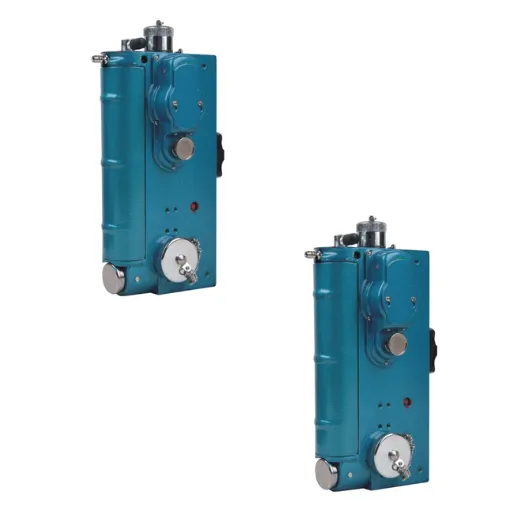
The following gas detector calibration procedure applies to most portable multi-gas detectors used in mining. Always consult the manufacturer's manual for model-specific steps.
Step 1: Inspect the Detector
Check the detector for physical damage, cracked screen, clogged sensor ports, or worn filter. Verify the battery charge. A damaged detector should not be calibrated; it should be repaired or replaced.
Step 2: Verify Calibration Gas and Equipment
Confirm the calibration gas cylinder is within its expiration date. Check that the gas concentrations match the detector's specified values. Inspect tubing for cracks or blockages. Confirm the regulator flow rate is correct.
Step 3: Zero the Sensors
In fresh air, allow the detector to stabilize. Initiate the zeroing procedure according to the manufacturer's instructions. This step establishes a baseline for all sensors. Perform zeroing in a clean, uncontaminated atmosphere. Never zero in an area with unknown gas concentrations.
Step 4: Apply Calibration Gas
Attach the calibration cup to the detector. Connect the tubing from the regulator to the cup. Open the regulator and allow gas to flow over the sensors. Watch the readings rise and stabilize. This usually takes 30 to 90 seconds.
Step 5: Adjust Readings to Match Gas Values
Once readings stabilize, initiate the calibration adjustment on the detector or docking station. The instrument compares the sensor readings to the known gas values and adjusts its internal curve. When finished, the display should match the calibration gas concentrations within the manufacturer's tolerance.
Step 6: Remove Gas and Verify Return to Fresh Air
Close the regulator and remove the calibration cup. Allow the detector to return to fresh-air readings. Confirm oxygen returns to approximately 20.9% and toxic gas readings return to zero.
Step 7: Record the Results
Document the calibration in your log or fleet software. Include detector serial number, date and time, calibration gas cylinder lot and expiration, gas concentrations, before and after readings if available, pass or fail status, and technician name.
Step 8: Label and Return to Service or Quarantine
If the detector passes, label or update its status and return it to service. If it fails, tag it clearly as out of service and remove it from circulation until repaired or replaced.
Want more detail on choosing the right detector before you calibrate it? See our guide to portable multi-parameter gas detectors for mining.
How Often Should You Calibrate a Mining Gas Detector?
Calibration frequency depends on manufacturer recommendations, regulatory requirements, and site conditions. Mining gas detector maintenance schedules should always align with the manufacturer's recommended calibration interval.
Manufacturer Recommendations
Most manufacturers specify a full calibration interval, commonly every 30 to 180 days. The detector manual is the starting point. Some high-precision applications may require shorter intervals.
Regulatory Requirements
In the United States, MSHA requires that gas detectors used in coal mines be maintained in permissible condition. In other jurisdictions, national mining regulations or occupational health laws specify calibration frequencies. Check local rules and document compliance. MSHA guidance is available on the MSHA website. For broader mining safety research, see CDC/NIOSH mining safety resources.
Site Conditions
Harsh environments accelerate sensor drift. High humidity, dust, corrosive gases, temperature extremes, and frequent alarm events may require more frequent calibration. A detector that has been dropped, submerged, or exposed to very high gas concentrations should be bump tested and calibrated before reuse.
A Practical Example
At an Inner Mongolia coal mine, maintenance teams originally calibrated detectors every 90 days. Over two quarters, they noticed an increasing number of failed calibrations on electrochemical CO sensors. After switching to a 60-day interval and adding a pre-shift bump test, calibration failures dropped by 40%. More importantly, supervisors caught drifting sensors before they went underground.
Common Calibration Mistakes and How to Avoid Them
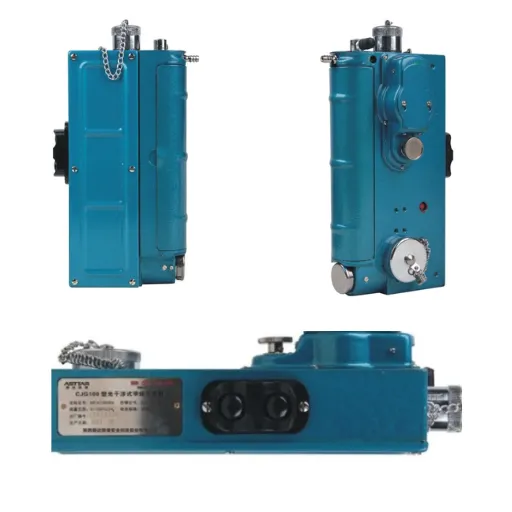
Even experienced technicians make errors during the gas detector calibration procedure. Here are the most common problems and how to prevent them.
Using Expired Calibration Gas
Expired gas can degrade, especially reactive gases like hydrogen sulfide. Always check the expiration date and lot number. Replace cylinders before they expire.
Wrong Gas Concentration
Using a 25 ppm H2S cylinder when the detector expects 50 ppm will produce an incorrect calibration. Match the gas values to the manufacturer's procedure.
Calibrating in Contaminated Air
Zeroing a detector in an atmosphere with trace gas will shift all readings. Always zero in fresh air or use zero air from a cylinder if ambient air quality is uncertain.
Skipping the Warm-Up Period
Sensors need time to warm up and stabilize after power-on. Calibrating too soon can produce inconsistent results. Follow the manufacturer's warm-up time.
Loose or Leaking Connections
Leaks between the regulator, tubing, and calibration cup reduce the gas concentration reaching the sensors. Check fittings and replace worn tubing.
Forgetting to Record Results
A calibration without documentation is difficult to defend during an audit. Record every result immediately after the procedure.
Calibration Records: What to Keep and Why
Regulators and safety auditors want proof that detectors are maintained. Good records also help sites track sensor life, identify failing units, and plan replacements.
Minimum Record Elements
Every calibration record should include:
Detector serial number and model.
Date and time of calibration.
Calibration gas cylinder number, lot, and expiration date.
Certified gas concentrations.
Zero and span readings before and after adjustment if available.
Pass or fail result.
Technician name or signature.
Bump Test Records
Record the date, detector serial number, test gas used, alarm result, and technician. Many sites combine this with the pre-shift inspection log.
Digital vs. Paper Records
Docking stations and fleet management software can store calibration records automatically. Paper logs are still common in smaller operations. Both are acceptable. They must be complete, legible, and accessible for audit.
Sensor-Specific Calibration Considerations
Different sensors behave differently during calibration. Understanding these differences improves accuracy and reduces failures.
Catalytic Bead Methane Sensors
Catalytic sensors need oxygen to function. Calibrate them in air-balanced gas, not pure nitrogen. Protect them from silicone, halogens, and lead contamination, which can poison the sensor.
Electrochemical CO and H2S Sensors
Electrochemical sensors have finite lifespans. A sensor that repeatedly fails calibration or takes too long to stabilize may be at end of life. Replace it according to the manufacturer's schedule or earlier if performance degrades.
Infrared Methane Sensors
Infrared sensors do not need oxygen, but they do need a clear optical path. Dust or condensation on the optical window can affect readings. Clean the window before calibration.
Oxygen Sensors
Oxygen sensors are often calibrated to fresh air rather than a gas cylinder. Ensure the calibration environment is truly 20.9% oxygen. If ambient oxygen is uncertain, use a certified oxygen cylinder.
When to Remove a Detector from Service
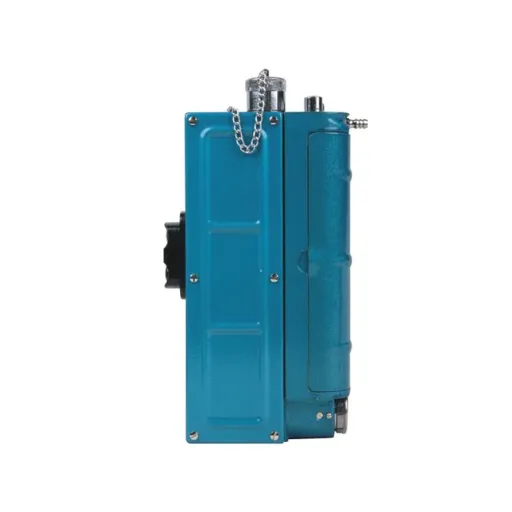
Not every detector can be saved with calibration. Remove a mining gas detector from service if it:
Fails full calibration twice in a row.
Shows erratic readings or slow response.
Has physical damage to sensors, housing, or screen.
Displays a sensor life or fault warning.
Has been exposed to sensor poison or high gas concentrations.
A detector that fails calibration may need sensor replacement, firmware update, or replacement of the entire unit. Never send a failed detector underground just to keep a shift moving.
The Link Between Calibration and Certification
A calibrated detector is only half the requirement. It must also be certified for the explosive atmosphere where it will operate. Certification marks such as ATEX, IECEx, or MSHA approval must apply to the exact model, sensor configuration, battery, and enclosure.
For help reading certification markings, see our ATEX vs IECEx certification guide. Official ATEX guidance is available from the HSE.
ASTTAR provides certification documentation for qualified buyers.
Building a Mine-Wide Calibration Program
A single calibrated detector is good. A mine-wide mining gas detector calibration program is better.
Assign Responsibilities
Designate trained technicians to perform calibrations. Define who records results, who reviews logs, and who removes failed units from service.
Standardize the Procedure
Write a site-specific gas detector calibration procedure based on manufacturer instructions and regulatory requirements. Use the same steps, gas concentrations, and record format across all departments.
Schedule Preventive Maintenance
Track calibration due dates by serial number. Schedule calibrations before they expire. Plan sensor replacements based on manufacturer life expectancy and field performance.
Train Workers
Every user should know how to read the display, respond to alarms, and recognize when a detector is out of calibration. Technicians need hands-on training on the specific models used at the site.
Review Trends
Regularly review calibration records to identify patterns. A cluster of failed CO sensors in one area may point to an environmental issue. A sudden increase in calibration failures across the fleet may indicate a bad batch of calibration gas.
Frequently Asked Questions
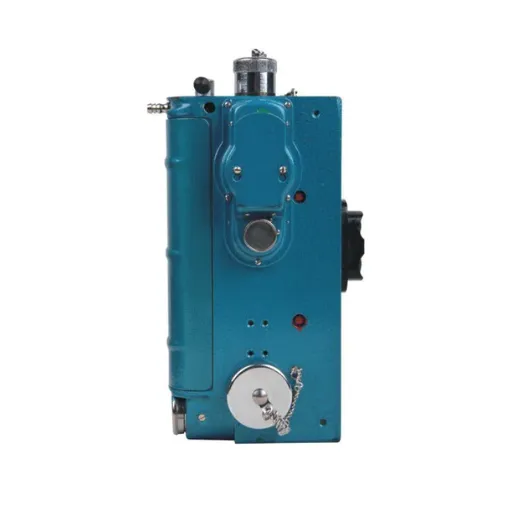
How do I calibrate a mining gas detector?
Expose the sensors to certified calibration gas with known concentrations, adjust the detector readings to match those values, and record the results. Always follow the manufacturer's specific procedure.
How often should a mining gas detector be calibrated?
Most manufacturers recommend full calibration every 30 to 180 days. Bump tests are usually performed daily or before each shift. Harsh conditions may require more frequent calibration.
What gas is used to calibrate a mining gas detector?
Calibration gas for gas detectors is typically a four-gas cylinder containing methane, carbon monoxide, hydrogen sulfide, and a balance gas. Oxygen sensors are usually calibrated to fresh air or a certified oxygen concentration.
What is the difference between a bump test and calibration?
A bump test verifies that alarms respond to gas without adjusting readings. Calibration adjusts the sensor output to match known gas concentrations.
Can I perform portable gas monitor calibration underground?
Full calibration should be done in a clean, stable environment on the surface. Underground conditions can interfere with zeroing and gas application. Portable gas monitor calibration is best performed in a calibration room or fresh-air area before the device goes underground.
What happens if a detector fails calibration?
Remove it from service immediately. It may need sensor replacement, repair, or disposal. Do not return it to underground use until it passes calibration.
Can I calibrate a gas detector myself?
Yes, if you are trained and have the correct calibration gas, regulator, tubing, and procedure. Always follow manufacturer and site safety instructions.
What records should I keep for portable gas monitor calibration?
Record the detector serial number, date, calibration gas cylinder lot and concentration, pass or fail result, and technician name. Bump test records should include the same basic details.
Do calibration records need to be kept?
Yes. Regulators and site safety systems require records of bump tests, calibrations, sensor replacements, and repairs. Good records support compliance and help track fleet performance.
Conclusion
Knowing how to calibrate a mining gas detector is a core skill for every mine safety program. Teams that master how to calibrate a mining gas detector reduce sensor drift, satisfy regulators, and keep workers safe. The procedure is not complex, but it must be performed with the right equipment, the correct gas concentrations, and careful documentation.
Start each shift with a bump test to confirm the detector responds to gas. Schedule full calibration as part of a broader mining gas detector maintenance plan that matches manufacturer guidance and site conditions. Record every result. Remove failed detectors from service without exception.
Calibration is not just a maintenance task. It is the step that keeps a detector's warnings trustworthy when workers need them most. Combined with certified equipment, trained technicians, and clear procedures, a strong calibration program gives a mine defensible compliance and real protection.
ASTTAR supplies certified mining gas detectors, ASTTAR multi-parameter gas detectors, self-rescuers, cap lamps, and explosion-proof lighting for hazardous industrial applications. If you need calibration guidance, a gas detector calibration checklist, or technical support for your fleet, contact our safety engineering team today.
For practical methane monitoring advice, see our methane detection best practices guide. In a hazardous atmosphere, a calibrated detector doesn't just display numbers. It gives workers reliable information and time to get home safely.
Recently Posted
-
Explosion Proof Flood Light for Mining: A 2026 Selection Guide
July 29, 2026An explosion proof flood light for mining is a high-output, certified LED fixture designed to illuminate large work areas, stockpi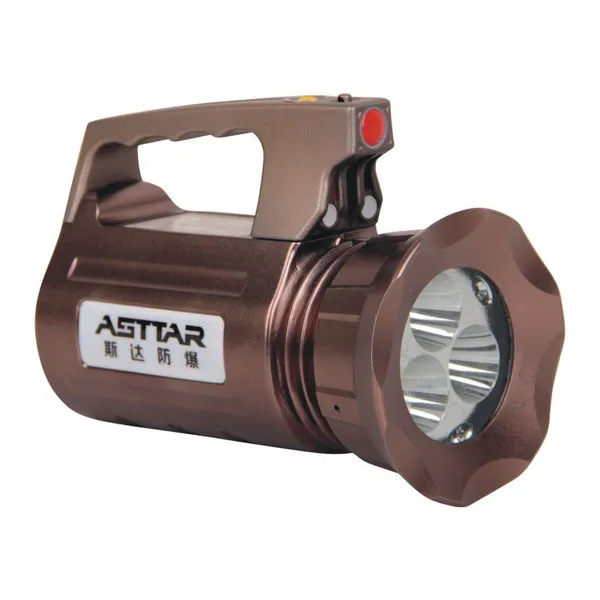 Read More
 -
Mechanical Anemometer for Mining: A 2026 Ventilation Survey Guide
July 29, 2026A mechanical anemometer for mining is a hand-held or bracket-mounted instrument that measures air velocity in underground roadways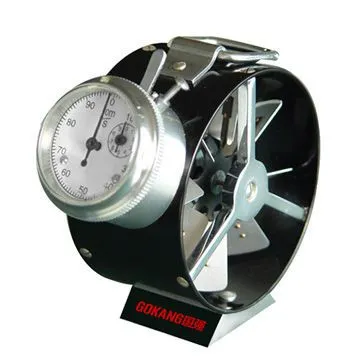 Read More
 -
LED Flameproof Tunnel Light for Mining: 2026 Selection Guide
July 29, 2026An LED flameproof tunnel light for mining is a fixed luminaire built inside a flameproof (Ex d) enclosure that contains any intern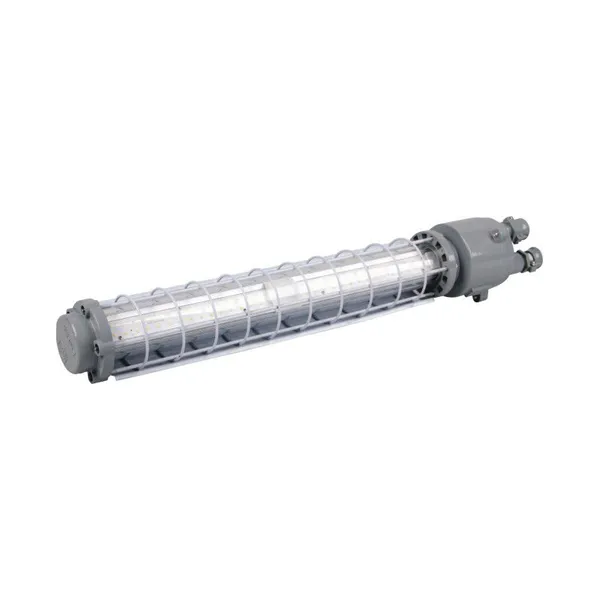 Read More
 -
Wholesale Mining Safety Equipment: A 2026 Procurement Guide
July 24, 2026Wholesale mining safety equipment is the bulk purchase of certified protective gear, escape devices, lighting, gas detection, and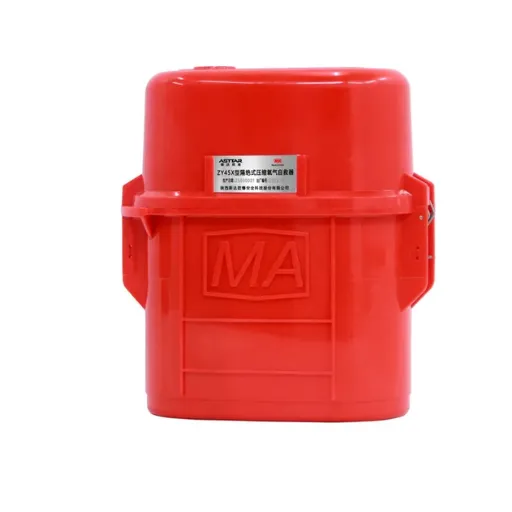 Read More

Contact Us

Recommended Products
-
 CE Certified 30 Minutes Closed Circuit Mining Oxygen Self-rescuerNegotiableMOQ: 1 Piece
 -
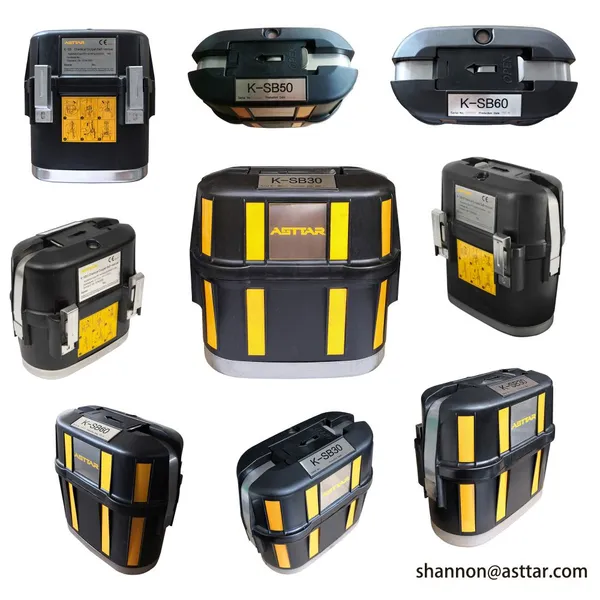
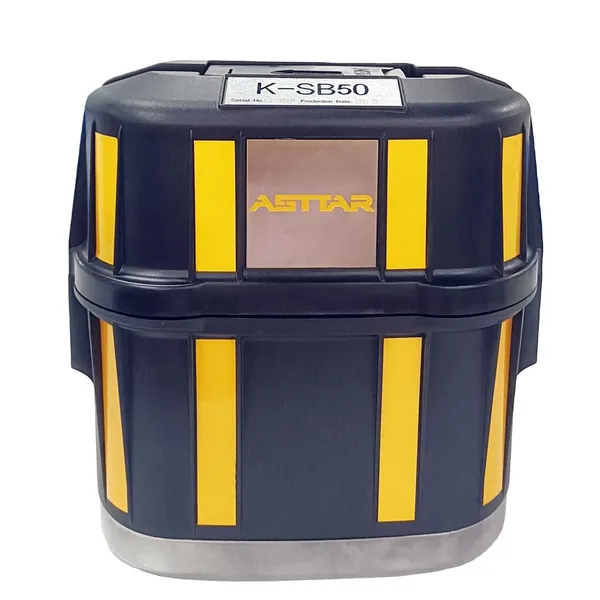
K-SB50 Self Contained Oxygen Escape Device Built-In Humidity Indicator For Mine Fire RescueNegotiableMOQ: 1 Piece
-
60 Minutes CE Approved Self-Contained Self-Rescuer K-Sb60 for Miner SafetyNegotiableMOQ: 1 Piece
-
Portable ZL60 Filter Self Rescuer Lightweight Underground Personal Breathing DeviceNegotiableMOQ: 1 Piece
-
ZL60 60 Minutes Carbon Monoxide Filter Self RescuerUS$ 120 - 150MOQ: 1 Piece
-
0.6L Oxygen Cylinder ZY45X Self Rescue Respirator Underground Mining Self RescuerNegotiableMOQ: 1 Piece
-
ZY30X Isolated Compressed Oxygen Self Rescuer Self Contained Breathing Escape DeviceUS$ 120 - 150MOQ: 1 Piece
-
Portable ZY45X Self Rescue Breathing Apparatus Emergency Escape Breathing DevicesNegotiableMOQ: 1 Piece
-
Heat Resistant PA Housing HYZ4(C) Positive Pressure Oxygen Apparatus Coal Mine Emergency RescueNegotiableMOQ: 1 Piece
-
HYZ2 Isolated Positive Pressure Oxygen Breathing Apparatus PC Face Shield Aluminized FabricNegotiableMOQ: 1 Piece
-
Atex 6ah 7000lux IP65 Mining Industrial Use Ex Proof LED Cap Lamp Safety HeadlampUS$ 98 - 110MOQ: 1 Piece
-
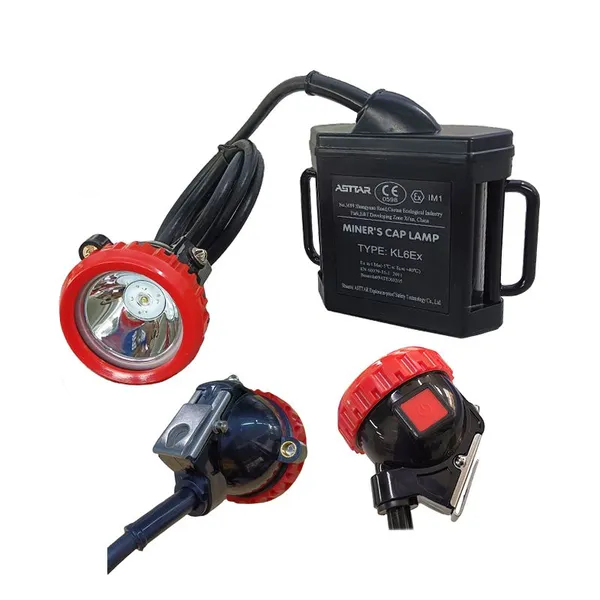
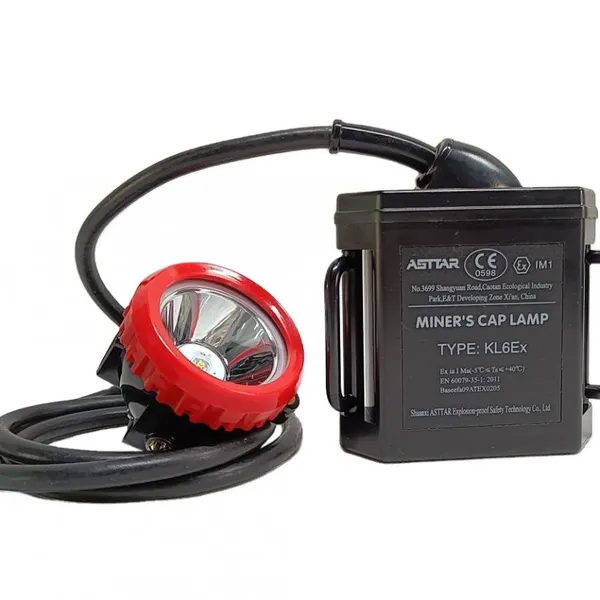
KL6Ex ATEX Rechargeable High Brightness Corded LED Headlamp Miner Cap LampUS$ 98 - 110MOQ: 1 Piece
-
KL1.2Ex LED Miner Cap Lamp ATEX Explosion Proof Mining HeadlampUS$ 75 - 85MOQ: 1 Piece
-
ATEX Cordless LED Cap Lamp Underground Mining Safety HeadlampUS$ 75 - 85MOQ: 1 Piece
-
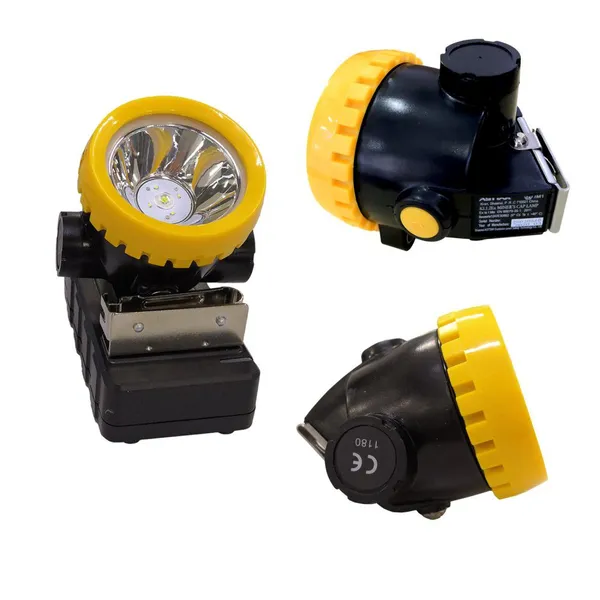
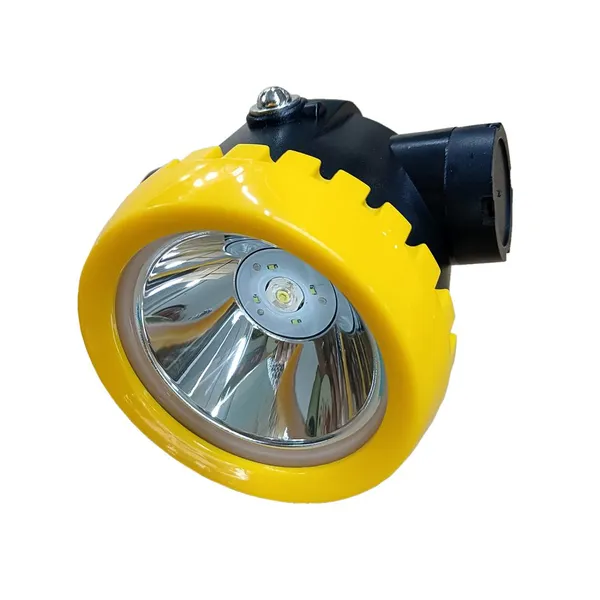
5Ah Rechargeable LED Cordless Miner\'s HeadlampUS$ 85 - 98MOQ: 1 Piece
-
5Ah Rechargeable LED Cordless Miner's Cap LampUS$ 85 - 98MOQ: 1 Piece
-
Kl3lm (A) Cordless Intrinsically Safe Headlamp With Strobe Mode for EmergencyNegotiableMOQ: 1 Piece
-
Kl3lm (A) Cordless Intrinsically Safe LED Headlamp for Mining, Camping, and Outdoor ActivitiesNegotiableMOQ: 1 Piece
-
Industrial Underground KL3LM(A) 5 Modes LED Miner Headlamp IP65 Dustproof Waterproof For Gas Mine OperationNegotiableMOQ: 1 Piece
-
Long Lasting KL2LM(A) Cordless Miner Helmet Light With Complete Discharge ProtectionNegotiableMOQ: 1 Piece