
 Business License
Gas Detector Maintenance Checklist: The Complete Mining Safety Guide
A gas detector maintenance checklist is a structured list of daily, weekly, monthly, quarterly, and annual tasks that keep a mining gas detector accurate, compliant, and ready to alarm. It covers visual inspection, bump testing, calibration, sensor checks, battery care, cleaning, and record keeping so no unit goes underground with a hidden fault and underground gas detection stays reliable shift after shift.
What if the detector on a miner's belt passes its power-on self-test but has a clogged sensor port that nobody noticed? The display lights up. The alarms sound in the shop. Underground, the methane reading stays flat while the atmosphere changes.
That gap between "looks fine" and "actually works" is exactly what a gas detector maintenance checklist is designed to close. A checklist turns good intentions into repeatable action. It gives every technician the same steps, the same order, and the same standard, shift after shift. This guide gives you a complete gas detector maintenance checklist you can print, adapt, and build into your site's safety system.
Key Takeaways
A gas detector maintenance checklist covers daily bump tests, scheduled calibration, sensor inspection, battery care, cleaning, and documentation.
Perform a bump test before each shift and full gas detector calibration every 30 to 180 days, or sooner after impact or alarm exposure.
Inspect sensor ports, filters, housing, and screen at every check; contamination and physical damage are the top causes of failure.
Record every task with date, detector serial number, gas values, result, and technician name to satisfy regulators and audits.
Remove any mining gas detector that fails a check from service until it is repaired, recalibrated, or replaced.
Why Every Mine Needs a Written Maintenance Checklist
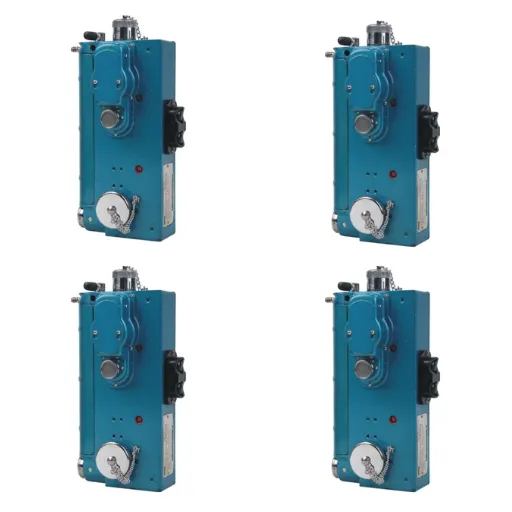
Underground gas detection is unforgiving. A portable gas monitor works in dust, moisture, vibration, and temperature swings that would destroy most electronics. Sensors drift. Filters clog. Batteries weaken. None of these problems announce themselves on the display until the moment the reading is wrong.
A written gas detector maintenance checklist does three things. First, it standardizes care across shifts and crews, so the night shift maintains detectors the same way the day shift does. Second, it creates a defensible record for MSHA, ATEX, IECEx, or national mining inspectors. Third, it catches small problems before they become underground emergencies.
Without a checklist, maintenance depends on memory and habit. Both fail under production pressure. A laminated card at the calibration bench and a digital version in fleet software keep the standard visible and consistent.
Need a detector worth maintaining in the first place? Start with our 4 gas detector for mining guide to understand the instrument your checklist will protect.
The Master Gas Detector Maintenance Checklist
The heart of this guide is a single gas detector maintenance checklist organized by frequency. Print it, adapt it to your detector models, and post it where technicians work.
| Frequency | Core Tasks |
|---|---|
| Every shift (daily) | Visual inspection, power-on self-test, bump test, battery check, clean sensor ports |
| Weekly | Detailed housing and screen check, tubing and fitting inspection, log review |
| Monthly | Full calibration verification, alarm setpoint check, firmware and sensor-life review |
| Quarterly | Comprehensive function test, docking station service, spare parts inventory |
| Annually | Manufacturer service, sensor replacement as scheduled, certification and audit review |
The sections below break each frequency into specific steps. Treat the table as the summary and the rest of the article as the working document your technicians follow.
Pre-Shift (Daily) Maintenance Checks
The pre-shift check is the most important line in any gas detector maintenance checklist because it is the last barrier between a faulty detector and an underground crew. It takes two to three minutes and should never be skipped.
Visual Inspection
Look over the housing for cracks, dents, or separation at the seams. Check the screen for damage and confirm the display is readable. Inspect sensor ports and the protective filter for dust, mud, or moisture. A blocked port can delay or prevent gas from reaching the sensor even when everything else works.
Power-On Self-Test
Turn the detector on and watch the startup sequence. Confirm it completes the self-test, shows current readings, and displays no fault codes. Verify the date and time are correct so records stay accurate.
Bump Test
Expose the detector to a known concentration of test gas and confirm each alarm triggers at the correct level. The bump test verifies response; it does not adjust readings. If any sensor fails to alarm within the expected time, remove the unit from service. For the full procedure, see our guide on how to calibrate a mining gas detector.
Battery and Cleaning
Confirm the battery is charged enough for a full shift plus margin. Wipe the exterior with a clean, damp cloth. Never use solvents or compressed air directly on sensor ports, which can force contaminants deeper into the instrument.
In 2024, a coal mine in Shanxi Province traced a dangerous near-miss to a single skipped pre-shift check. A portable gas monitor had a mud-caked sensor filter from the previous shift's wet conditions. It powered on and passed its self-test in the lamp room, but methane reached the sensor slowly. The crew caught it only because a supervisor happened to cross-check readings with a second unit at the face. After that incident, the mine made the visual inspection and bump test mandatory sign-off steps, and detector-related stoppages dropped sharply over the next two quarters.
Weekly Maintenance Tasks
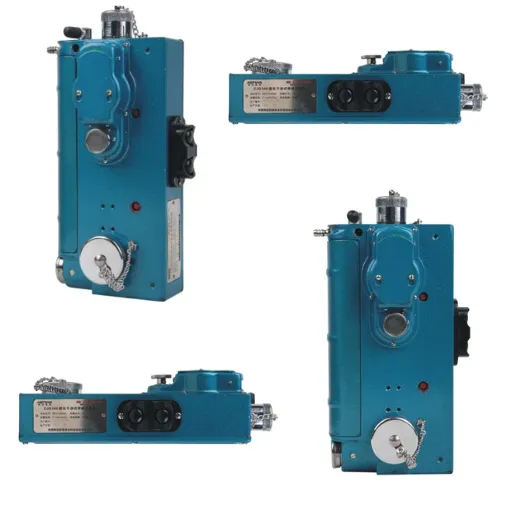
Weekly tasks dig a little deeper than the daily routine. Assign them to a trained technician rather than the end user.
Housing, Screen, and Controls
Examine the enclosure for hairline cracks that daily checks can miss. Test every button and confirm the backlight, audible alarm, and vibration alarm all function. Check that the belt clip and any lanyard points are secure.
Tubing, Regulators, and Calibration Gas
Inspect the tubing and fittings used for bump testing. Look for cracks, kinks, or loose connections that leak gas and produce false low readings. Confirm the calibration gas cylinder is within its expiration date and that the regulator delivers the correct flow rate for your detector model.
Log and Trend Review
Review the week's bump test and calibration records. A pattern of slow response or repeated failures on one unit is an early warning that a sensor is nearing end of life. Catching it in the log is far cheaper than catching it underground.
Monthly Maintenance Tasks
Monthly maintenance verifies accuracy and looks ahead at component life.
Full Calibration Verification
Even if your full calibration interval is longer than 30 days, perform a calibration verification monthly. Compare the detector's readings against certified calibration gas and confirm they fall within the manufacturer's tolerance. This is the checkpoint that keeps drift from accumulating unnoticed. The detailed steps are covered in our article on how to calibrate a mining gas detector.
Alarm Setpoint Check
Confirm that low and high alarm setpoints match your site's safety plan and applicable regulations. Setpoints sometimes drift after firmware updates or sensor replacement. Verify them against a controlled reference rather than assuming the stored values are correct.
Firmware and Sensor-Life Review
Check for manufacturer firmware updates and apply them in a controlled way. Review each sensor's install date and remaining life. Electrochemical CO and H2S sensors have finite lifespans; plan replacements before they fail in service.
Quarterly and Annual Maintenance
Longer-interval tasks keep the whole fleet healthy and defensible.
Quarterly
Perform a comprehensive function test on every detector, including response-time measurement across all sensors. Service docking stations by cleaning gas paths, checking flow meters, and confirming stored records are intact. Inventory spare sensors, filters, batteries, and calibration gas so nothing runs out mid-cycle.
Annually
Send a representative sample, or every unit if your program requires it, for manufacturer or authorized service. Replace sensors on the manufacturer's schedule even if they still pass calibration. Review the entire gas detector maintenance checklist against current regulations, manufacturer guidance, and the past year's failure data, then update it.
Ready to build a checklist around detectors engineered for these conditions? Explore ASTTAR's multi-parameter gas detectors designed for underground mining.
Sensor-Specific Maintenance Notes
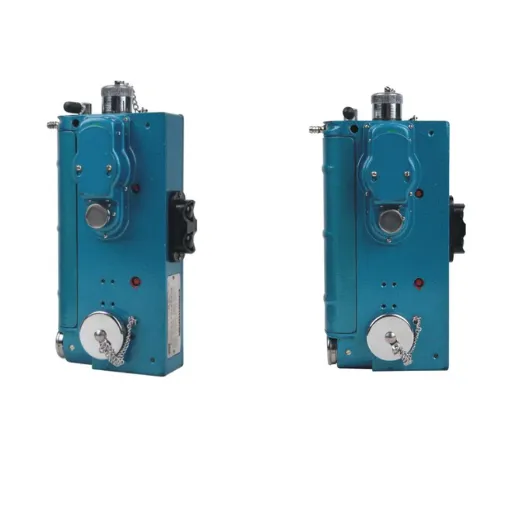
Different sensors fail in different ways, so a good gas detector maintenance checklist includes sensor-specific items.
Catalytic Bead Methane Sensors
Catalytic sensors need oxygen to function and can be poisoned by silicone, halogens, and lead compounds. Calibrate them with air-balanced gas, never pure nitrogen. If readings drop or response slows without an obvious cause, suspect poisoning and plan replacement.
Electrochemical CO and H2S Sensors
These sensors consume electrolyte over time. Watch for increasing response times, baseline drift, or repeated calibration failures. Replace them at end of life rather than forcing calibration onto a worn sensor.
Infrared Methane Sensors
Infrared sensors do not need oxygen, but they need a clear optical window. Dust or condensation on the window causes inaccurate readings. Clean the window gently during monthly maintenance and recheck response.
Oxygen Sensors
Oxygen sensors are usually maintained against fresh air at 20.9%. Confirm the reference environment is genuinely clean air, or use a certified oxygen cylinder if ambient conditions are uncertain.
Gas Detector Calibration and Bump Testing Inside the Checklist
Calibration and bump testing are not separate from maintenance; they are maintenance tasks with their own lines on the gas detector maintenance checklist. A bump test before each shift confirms the detector responds to gas. Full gas detector calibration on a 30-to-180-day cycle, or after impact or alarm exposure, restores measurement accuracy.
Build both into the schedule rather than treating them as optional. Assign responsibility, define pass and fail criteria, and require immediate removal of any unit that fails. For a printable companion to this section, see our gas detector calibration checklist.
Documentation and Record Keeping for Your Gas Detector Maintenance Checklist
The value of a gas detector maintenance checklist depends on its records. Inspectors and auditors want proof, and your own safety team needs trend data to manage the fleet.
Every record should include:
Detector serial number and model.
Date and time of the task.
Task type: bump test, calibration, inspection, repair, or sensor replacement.
Calibration gas cylinder number, lot, and expiration date when gas is used.
Certified gas concentrations and the detector's readings.
Pass or fail result and any corrective action.
Technician name or signature.
Paper logs work for small operations. Docking stations and fleet management software automate storage for larger fleets. Either is acceptable as long as records are complete, legible, and retrievable during an audit. MSHA guidance for U. S. coal mines is available on the MSHA website, and broader mining safety research is available from CDC/NIOSH.
A maintenance team in Inner Mongolia learned the value of trend records the hard way. Over two quarters, their CO sensors failed calibration at rising rates, but each failure looked like an isolated event because records lived in separate shift notebooks. Once they consolidated logs into a single fleet spreadsheet, the pattern was obvious: one batch of sensors, installed the same month, was reaching end of life together. They scheduled a group replacement, cut unexpected failures, and stopped pulling units from service mid-shift.
Common Maintenance Mistakes to Avoid
Even sites with a gas detector maintenance checklist make predictable errors. Knowing them helps you prevent them.
Skipping the Bump Test When Production Is Busy
The bump test is the first thing cut when a shift is behind. It is also the check that would have caught most failures. Make it non-negotiable and give crews enough detectors that testing never delays departure.
Using Expired or Wrong Calibration Gas
Expired cylinders, especially reactive gases like hydrogen sulfide, produce unreliable calibrations. So does a 25 ppm cylinder on a detector that expects 50 ppm. Check dates, lot numbers, and concentrations every time.
Cleaning Sensor Ports with Compressed Air
Compressed air drives dust and moisture deeper into the sensor cavity. Wipe exteriors with a damp cloth and let the manufacturer-approved method handle internal cleaning.
Ignoring Slow Response Times
A detector that still passes calibration but responds more slowly each month is telling you a sensor is aging. Track response time, not just pass and fail.
Letting Records Lapse
An undocumented calibration is hard to defend in an audit and useless for trend analysis. Record results immediately, not at the end of the week from memory.
Building a Site-Wide Maintenance Program
A single gas detector maintenance checklist is good. A site-wide program built around it is better.
Assign Clear Responsibilities
Define who performs daily checks, who runs scheduled calibration, who reviews logs, and who has authority to remove a detector from service. Ambiguity is where failures hide.
Standardize Across Departments
Use the same checklist, gas concentrations, alarm setpoints, and record format in every department and contractor crew. Mixed standards make audits painful and trends invisible.
Schedule Preventive Maintenance
Track calibration due dates and sensor install dates by serial number. Schedule service before dates expire, not after a failure forces the issue.
Train and Re-Train
Every user should know how to read the display, respond to alarms, and recognize when a detector is out of calibration. Technicians need hands-on training on the exact models your site uses.
Review Trends and Improve
Treat the gas detector maintenance checklist as a living document. Review failure data quarterly and update intervals, spare-parts stock, and training when the data says you should.
For methane-specific monitoring strategy that pairs with this maintenance program, see our methane detection best practices guide. Certification also matters: a maintained detector must still be certified for the atmosphere where it operates. Our ATEX vs IECEx certification guide explains the markings, and official ATEX guidance is available from the HSE.
Frequently Asked Questions
What should a gas detector maintenance checklist include?
A complete gas detector maintenance checklist includes daily visual inspection and bump testing, weekly housing and equipment checks, monthly calibration verification and alarm setpoint review, quarterly function testing and docking station service, and annual manufacturer service and certification review. It should also cover cleaning, battery care, and documentation.
How often should a mining gas detector be maintained?
Inspect and bump test a mining gas detector before each shift. Verify calibration monthly and perform full gas detector calibration every 30 to 180 days depending on the manufacturer and site rules. Schedule deeper service quarterly and annually, and maintain any unit immediately after impact, submersion, or alarm exposure.
What is the difference between a bump test and calibration on the checklist?
A bump test confirms the detector responds to gas and that alarms trigger. It does not adjust readings. Calibration adjusts sensor output to match known gas concentrations. Both belong on the gas detector maintenance checklist, but they answer different questions: "Does it respond?" versus "Is it accurate?"
Who should perform the maintenance tasks?
End users can handle daily visual inspection and bump tests. Trained technicians should perform calibration, setpoint verification, sensor replacement, and log review. Assign each line of the checklist to a specific role so nothing falls between shifts.
What records should I keep for portable gas monitor maintenance?
Keep detector serial number, date and time, task type, calibration gas lot and concentration, readings, pass or fail result, corrective action, and technician name. Retain records according to your regulator's requirements and your own audit schedule.
When should I remove a detector from service?
Remove a mining gas detector from service if it fails a bump test, fails full calibration twice in a row, shows erratic or slow readings, has physical damage to sensors or housing, displays a sensor-life or fault warning, or has been exposed to sensor poison or very high gas concentrations.
Can I use the same checklist for different detector models?
Use one master gas detector maintenance checklist for structure, but add model-specific steps for gas concentrations, flow rates, alarm setpoints, and sensor types. The manufacturer's manual is the authority for each model.
Is there a printable gas detector maintenance checklist for mining?
Yes. The master gas detector maintenance checklist in this guide can be printed, adapted to your detector models, and posted at the calibration bench. Pair it with ASTTAR's calibration checklist resource for bump test and calibration records, and keep a digital copy in your fleet software so every crew works from the same standard.
Conclusion
A gas detector maintenance checklist turns underground gas detection from a hope into a managed system. Daily bump tests catch response failures before a shift starts. Weekly and monthly checks keep housing, alarms, and accuracy in line. Quarterly and annual service protect the fleet and keep certification current. Records tie it all together for regulators and for your own trend analysis.
The checklist itself is simple. The discipline to follow it every shift is what protects workers. Start with the master table in this guide, adapt it to your detector models and manufacturer guidance, post it where technicians work, and require immediate removal of any unit that fails a check.
ASTTAR supplies every mining gas detector and portable gas monitor your site needs, from certified multi-parameter units to self-rescuers, cap lamps, and explosion-proof lighting for hazardous industrial applications. See our full range of mining gas detectors. If you need a printable gas detector maintenance checklist, calibration guidance, or technical support for your fleet, contact our safety engineering team today. For buyers comparing instruments before building a program around them, our guide to portable multi-parameter gas detectors for mining is a practical next read. In a hazardous atmosphere, a maintained detector does not just display numbers. It gives workers reliable information and the time to get home safely.
Recently Posted
-
Explosion Proof Flood Light for Mining: A 2026 Selection Guide
July 29, 2026An explosion proof flood light for mining is a high-output, certified LED fixture designed to illuminate large work areas, stockpi Read More
 -
Mechanical Anemometer for Mining: A 2026 Ventilation Survey Guide
July 29, 2026A mechanical anemometer for mining is a hand-held or bracket-mounted instrument that measures air velocity in underground roadways Read More
 -
LED Flameproof Tunnel Light for Mining: 2026 Selection Guide
July 29, 2026An LED flameproof tunnel light for mining is a fixed luminaire built inside a flameproof (Ex d) enclosure that contains any intern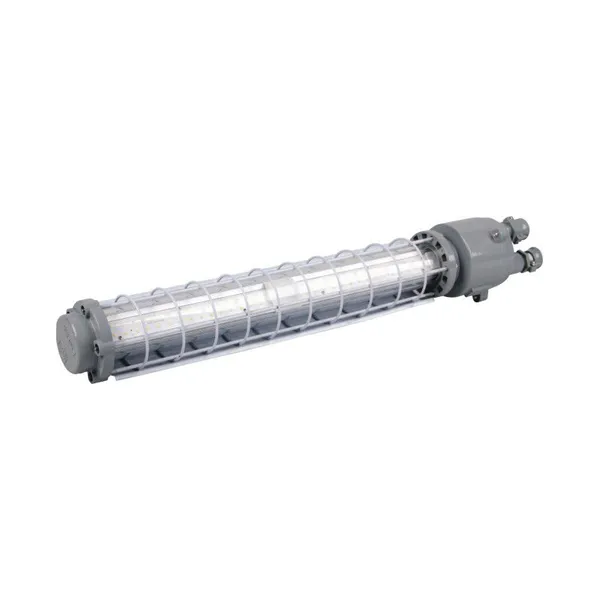 Read More
 -
Wholesale Mining Safety Equipment: A 2026 Procurement Guide
July 24, 2026Wholesale mining safety equipment is the bulk purchase of certified protective gear, escape devices, lighting, gas detection, and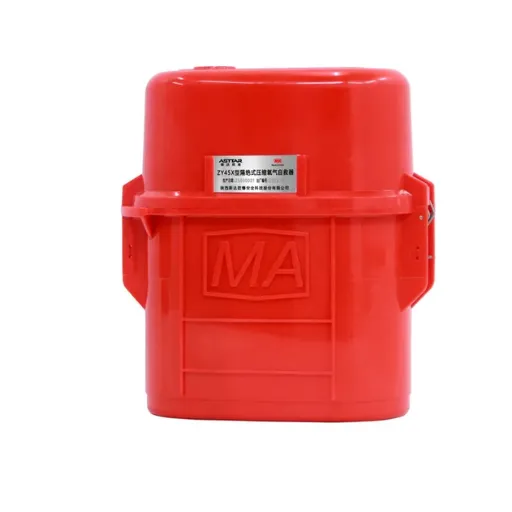 Read More

Contact Us

Recommended Products
-
 CE Certified 30 Minutes Closed Circuit Mining Oxygen Self-rescuerNegotiableMOQ: 1 Piece
 -
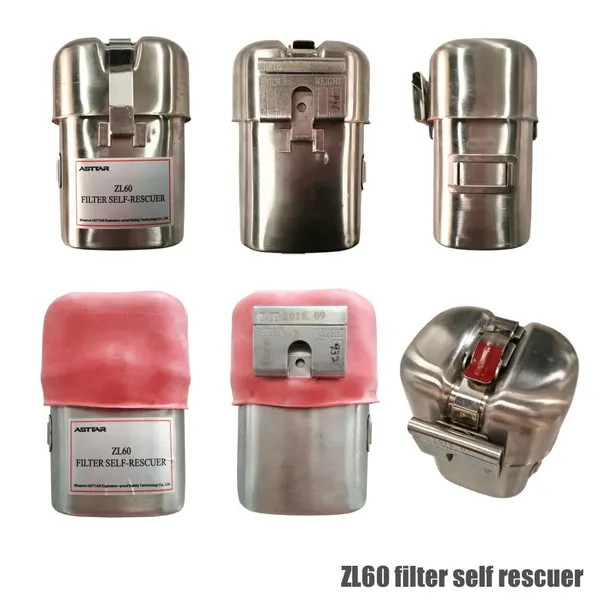
Portable ZL60 Filter Self Rescuer Lightweight Underground Personal Breathing DeviceNegotiableMOQ: 1 Piece
-
0.6L Oxygen Cylinder ZY45X Self Rescue Respirator Underground Mining Self RescuerNegotiableMOQ: 1 Piece
-
Atex 6ah 7000lux IP65 Mining Industrial Use Ex Proof LED Cap Lamp Safety HeadlampUS$ 98 - 110MOQ: 1 Piece
-
KL1.2Ex LED Miner Cap Lamp ATEX Explosion Proof Mining HeadlampUS$ 75 - 85MOQ: 1 Piece
-
Kl3lm (A) Cordless Intrinsically Safe LED Headlamp for Mining, Camping, and Outdoor ActivitiesNegotiableMOQ: 1 Piece
-
Heat Resistant PA Housing HYZ4(C) Positive Pressure Oxygen Apparatus Coal Mine Emergency RescueNegotiableMOQ: 1 Piece
-
Independent Oxygen Supply Automatic Resuscitator MZS30 for Weak‑Breathing Casualty RescueNegotiableMOQ: 1 Piece
-
Mining Intrinsically Safe CJG10 Methane Detector Optical Interference Principle Gas Measuring InstrumentNegotiableMOQ: 1 Piece
-
YHJ-100J(A) 100m Portable Explosion Proof Laser Distance MeterUS$ 250 - 350MOQ: 1 Piece
-
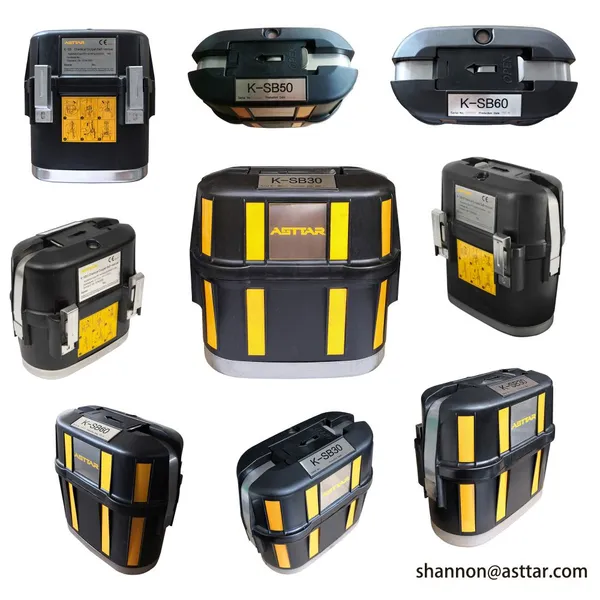
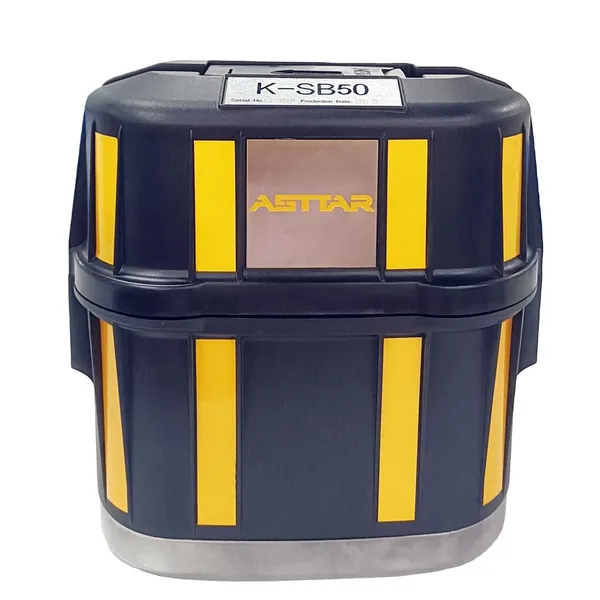
K-SB50 Self Contained Oxygen Escape Device Built-In Humidity Indicator For Mine Fire RescueNegotiableMOQ: 1 Piece
-
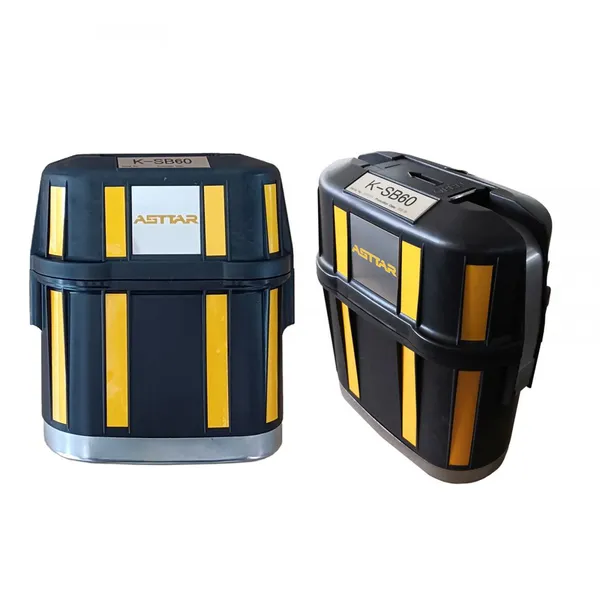
60 Minutes CE Approved Self-Contained Self-Rescuer K-Sb60 for Miner SafetyNegotiableMOQ: 1 Piece
-
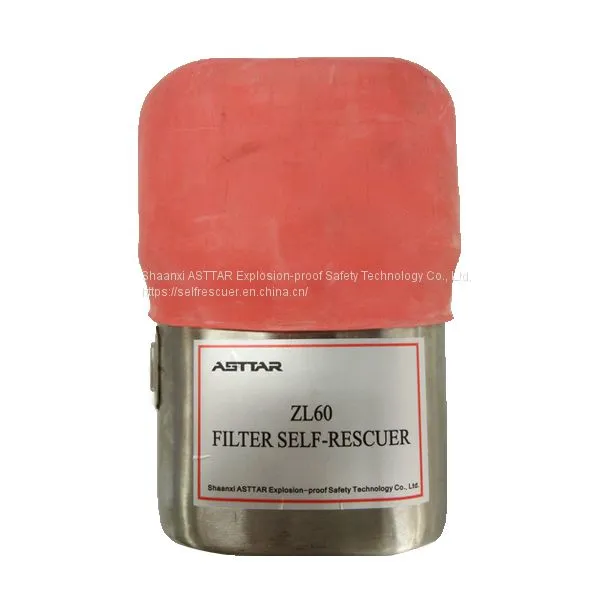
ZL60 60 Minutes Carbon Monoxide Filter Self RescuerUS$ 120 - 150MOQ: 1 Piece
-
ZY30X Isolated Compressed Oxygen Self Rescuer Self Contained Breathing Escape DeviceUS$ 120 - 150MOQ: 1 Piece
-
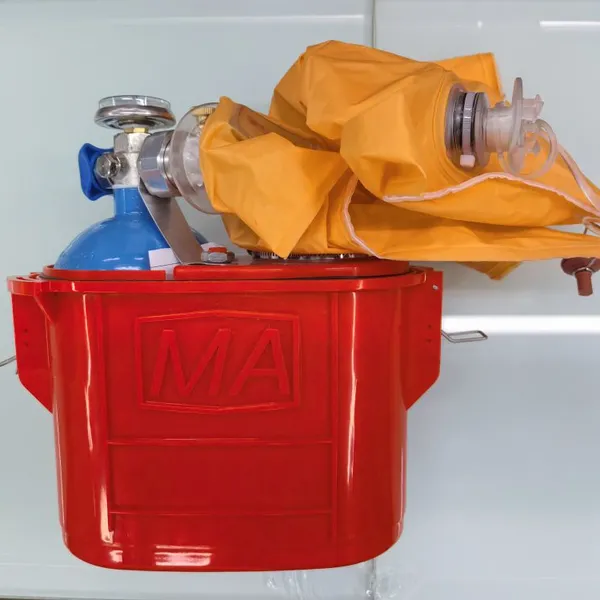
Portable ZY45X Self Rescue Breathing Apparatus Emergency Escape Breathing DevicesNegotiableMOQ: 1 Piece
-
HYZ2 Isolated Positive Pressure Oxygen Breathing Apparatus PC Face Shield Aluminized FabricNegotiableMOQ: 1 Piece
-
KL6Ex ATEX Rechargeable High Brightness Corded LED Headlamp Miner Cap LampUS$ 98 - 110MOQ: 1 Piece
-
ATEX Cordless LED Cap Lamp Underground Mining Safety HeadlampUS$ 75 - 85MOQ: 1 Piece
-
5Ah Rechargeable LED Cordless Miner\'s HeadlampUS$ 85 - 98MOQ: 1 Piece
-
5Ah Rechargeable LED Cordless Miner's Cap LampUS$ 85 - 98MOQ: 1 Piece