
 Business License
Mining Safety Equipment Checklist for 2026
A complete mining safety equipment checklist covers respiratory protection, gas detection, lighting, personal protective equipment (PPE), communication devices, refuge systems, and rescue gear. It also applies to underground mining safety equipment and mining emergency equipment. Use this guide to verify that every item is present, certified, inspected, and ready before crews go underground.
In 2023, a mid-sized coal operation in Shanxi Province passed its annual safety audit with zero non-conformities. The safety manager credited a single practice: every Friday, she walked the surface and underground muster points with a printed checklist, confirmed expiration dates on self-rescuers, and photographed gas detector calibration tags. Small habits like that turn compliance from a last-minute scramble into a normal operating rhythm.
This article gives you a practical mining safety equipment checklist you can adapt for coal mines, metal mines, and tunnelling projects. It explains what to check, how often, which standards apply, and how to organize records so regulators, auditors, and rescue teams can find what they need under pressure.
Key Takeaways
A mining safety equipment checklist should cover ten categories: respiratory protection, gas detection, lighting, PPE, communication, refuge systems, rescue gear, fire suppression, ventilation instruments, and documentation.
Daily checks focus on battery life, calibration status, and physical damage. Weekly and monthly checks review seals, pressure, expiration dates, and storage conditions.
Certifications such as MSHA, ATEX, IECEx, and ISO verify that equipment can perform in explosive or oxygen-deficient atmospheres.
Coal mine safety equipment checklists must emphasize methane detection, flameproof electrical devices, and dust ignition controls.
Digital records with photos and reminder dates reduce audit risk and prevent expired devices from reaching the production face.
Why Every Mine Needs a Written Mining Safety Equipment Checklist
A checklist does more than prevent forgotten items. It creates accountability, defines inspection frequency, and produces the documentation that regulators expect. When every device has a named owner and a due date, small problems get fixed before they become critical failures.
Underground mines operate in conditions where ordinary wear accelerates. Moisture corrodes contacts. Dust clogs filters. Batteries degrade. A checklist forces a regular pause to look at these issues before they affect an emergency response. It also protects the safety team: if an incident occurs and equipment is found deficient, the first question will be whether a documented inspection program existed.
For procurement teams, a checklist clarifies what must be on site, what needs spare inventory, and what can be replaced on a predictable schedule. That reduces rush orders, expired stock, and the false economy of buying uncertified equipment to save time.
How to Use This Mining Safety Equipment Checklist
This checklist is organized by equipment category and inspection frequency. You can copy the tables into your own safety management system or print them for weekly walks. Each item includes what to verify, the typical interval, and the standard or reason behind the check.
Before applying the checklist, customize it for your mine type:
Coal mines: Add methane-specific checks, flameproof labels, and dust suppression equipment.
Metal and non-metal mines: Emphasize confined-space ventilation, ground control signs, and rescue breathing apparatus.
Tunnelling projects: Focus on portable gas detection, emergency lighting, and escape communication.
Assign each category to a specific person. One person should not be responsible for every device on a large site. Shared ownership improves consistency and reduces single-point-of-failure risk.
Mining Safety Equipment Checklist Category 1: Respiratory Protection
Respiratory devices give workers independent air when the mine atmosphere becomes toxic or oxygen-deficient. This category includes chemical oxygen self-rescuers, compressed oxygen self-rescuers, and positive-pressure breathing apparatus for rescue teams.
| Item to Check | What to Verify | Frequency | Pass/Fail Criteria |
|---|---|---|---|
| Self-rescuer seals | Intact, no punctures, moisture indicators normal | Weekly | No damaged seals or expired moisture tabs |
| Self-rescuer expiration date | Within manufacturer shelf life | Monthly | Current and documented |
| Compressed oxygen pressure | Cylinder pressure within rated range | Weekly | Pressure at or above minimum rating |
| Breathing apparatus masks | Face seals intact, straps functional | Monthly | No cracks, tears, or hardening |
| Breathing apparatus cylinders | Hydrostatic test dates current | Annually | Within test interval required by regulation |
| Rescue team spare units | Quantity matches roster plus reserve | Quarterly | One spare per five deployed units minimum |
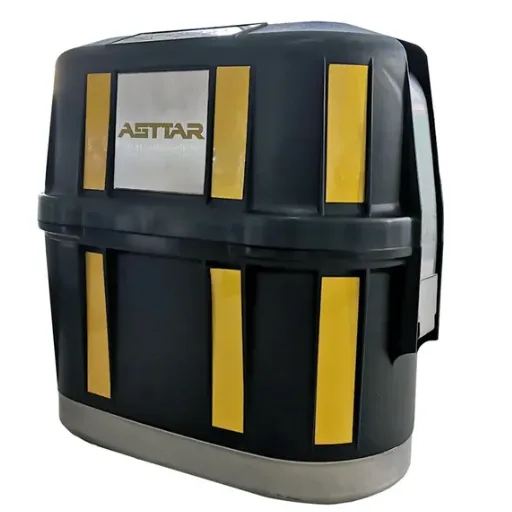
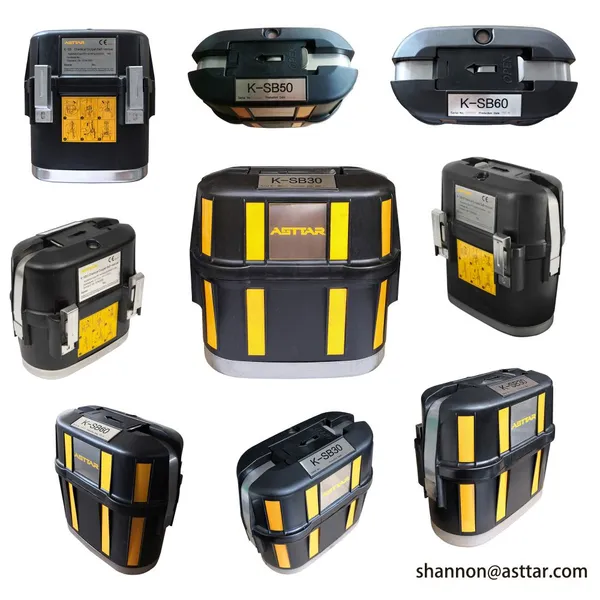
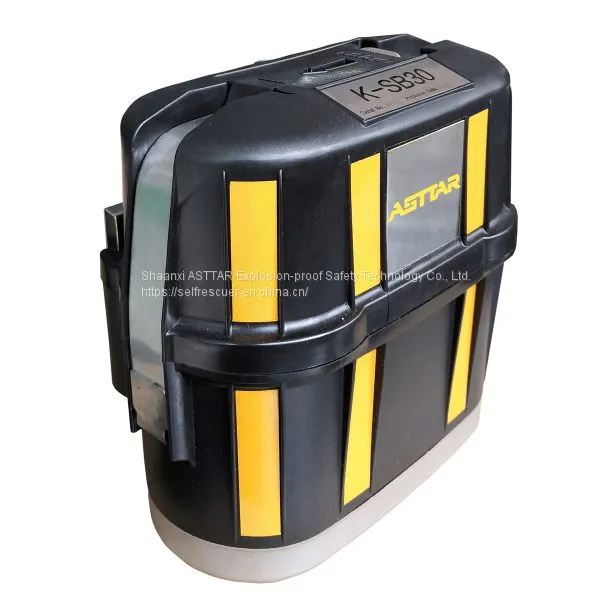
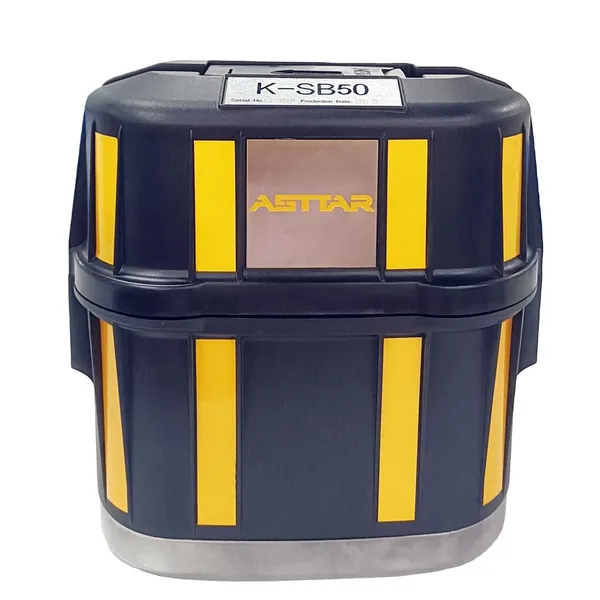
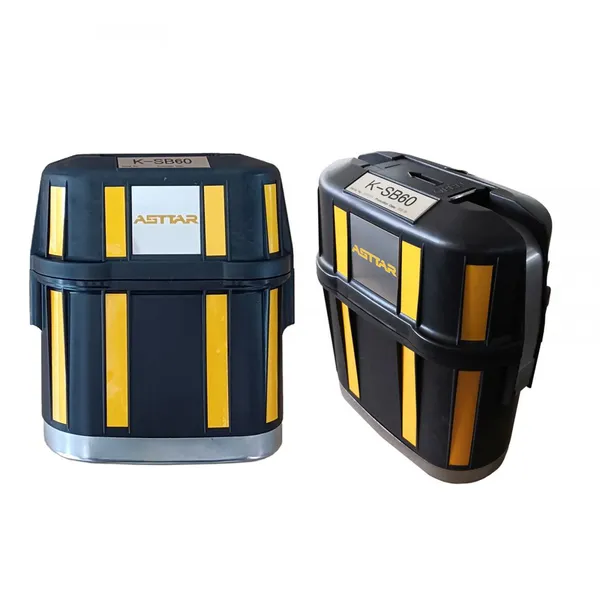
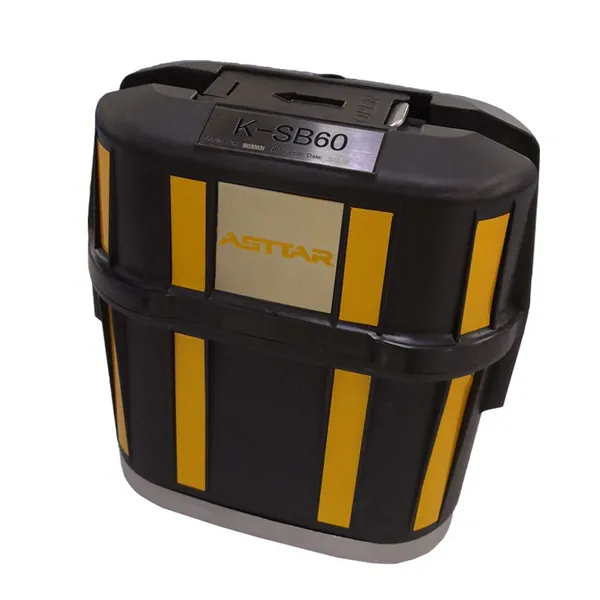
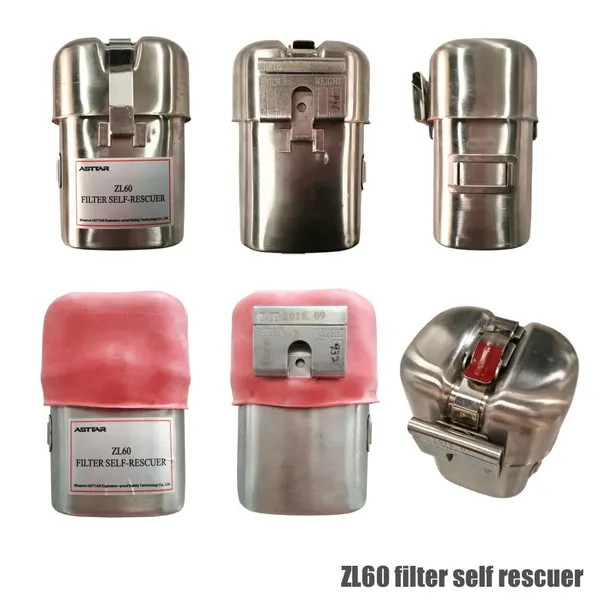
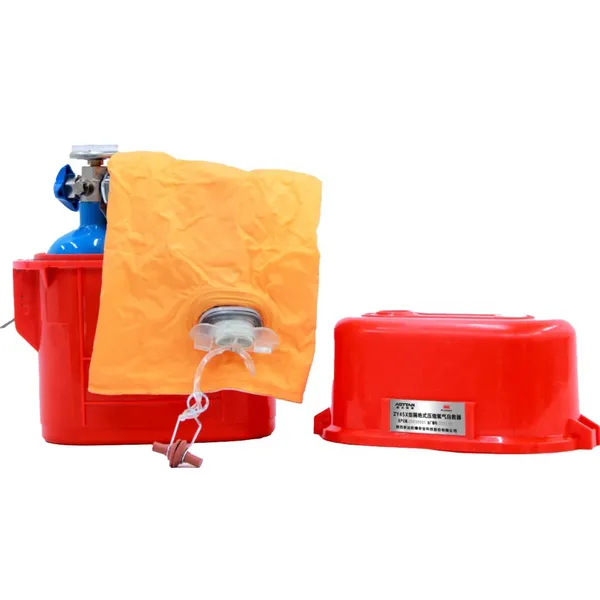
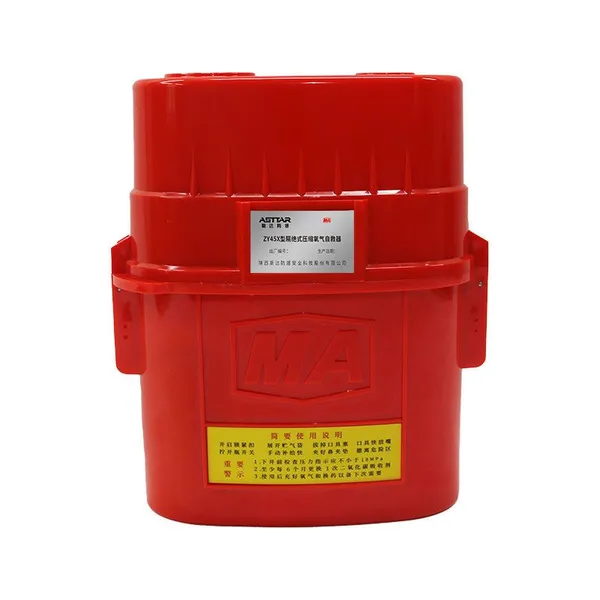
Store self-rescuers in dry, accessible locations protected from impact and temperature extremes. Every worker should know the location of the nearest unit and how to don it under stress. ASTTAR self-rescuers are designed for rapid deployment in low-visibility conditions, but even the best device fails if the user has not trained with it.
Mini-Story: The Training Gap
At a training exercise in 2022, a rescue team discovered that two of their positive-pressure breathing apparatus units had cracked face seals. The cracks were invisible until the masks were pressure-tested. Because the team practiced monthly, they found the defect during a drill, not during a real rescue. The safety officer replaced the seals and added a monthly pressure check to the mining safety equipment checklist. That defect could have cost lives if it had been discovered underground.
Category 2: Gas Detection and Monitoring Checklist
Gas detectors are the mine's early warning system. They monitor methane, carbon monoxide, oxygen, and hydrogen sulfide so crews can evacuate before concentrations become lethal.
| Item to Check | What to Verify | Frequency | Pass/Fail Criteria |
|---|---|---|---|
| Bump test response | Alarm triggers at test gas concentration | Daily before shift | All sensors respond within specification |
| Calibration gas | Unexpired, correct concentration | Monthly | In date and properly stored |
| Full calibration | Performed per manufacturer schedule | Monthly or quarterly | Calibration certificate on file |
| Sensor filters | Clean, not clogged | Weekly | No visible contamination or blockage |
| Alarm function | Audible, visual, and vibrating alarms work | Daily | All alarm types activate |
| Spare sensors | Inventory matches critical device count | Quarterly | At least one spare sensor per detector type |
Portable multi-parameter gas detectors should be assigned to trained operators, not left in a locker for anyone to grab. ASTTAR multi-parameter gas detectors monitor several gases simultaneously, but only regular calibration keeps those readings trustworthy.
For coal mines, methane is the priority. Verify that every detector is rated for the expected methane range and that alarm setpoints match your mine's ventilation plan. For metal mines, pay equal attention to oxygen deficiency and carbon monoxide from fires or diesel equipment.
Category 3: Lighting and Visibility Checklist
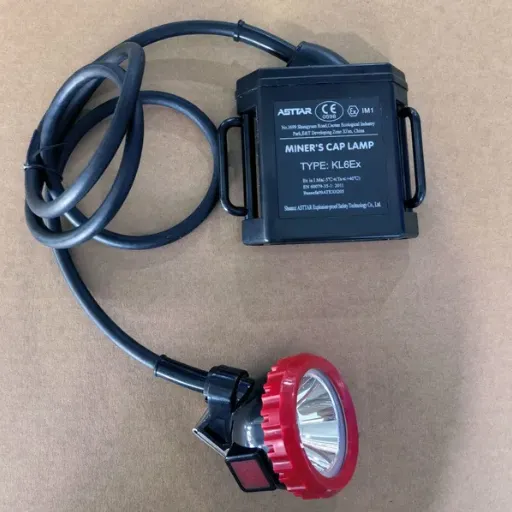
Underground lighting marks escape routes, illuminates work areas, and supports rescue operations during power failures. Cap lamps and fixed laneway lights must be flameproof or intrinsically safe.
| Item to Check | What to Verify | Frequency | Pass/Fail Criteria |
|---|---|---|---|
| LED cap lamp battery | Full charge and run-time adequate for shift | Daily | Meets or exceeds shift duration plus reserve |
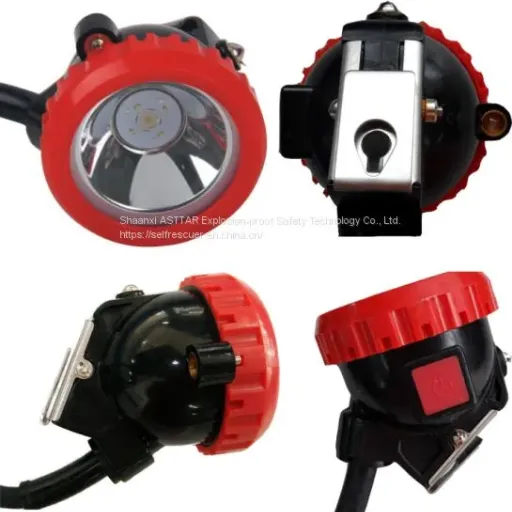
| Cap lamp housing | No cracks, lens clean, charger contacts clean | Weekly | No physical damage or corrosion |
| Emergency egress lighting | Functional on backup power | Weekly | Lights activate when main power is cut |
| Flameproof labels | ATEX, IECEx, or MSHA markings legible | Monthly | Certification labels intact and readable |
| Spare cap lamps | Available at surface and underground stores | Monthly | Minimum one spare per ten workers |
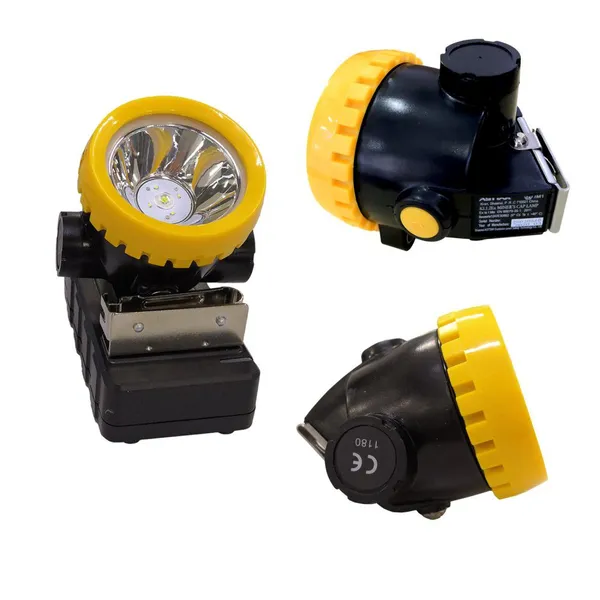
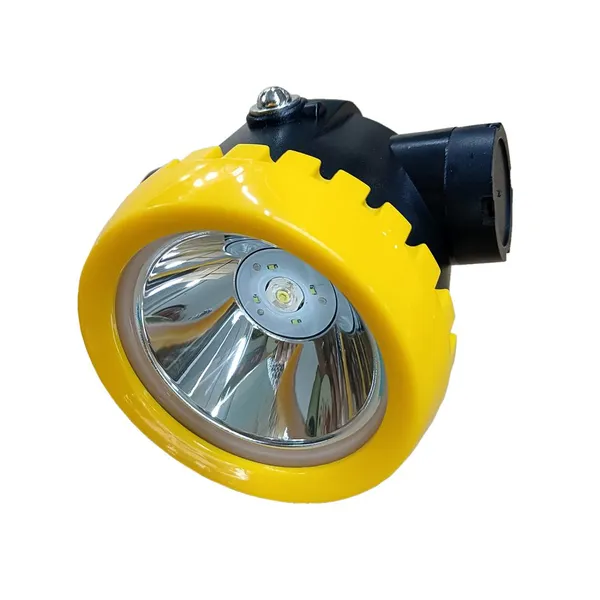
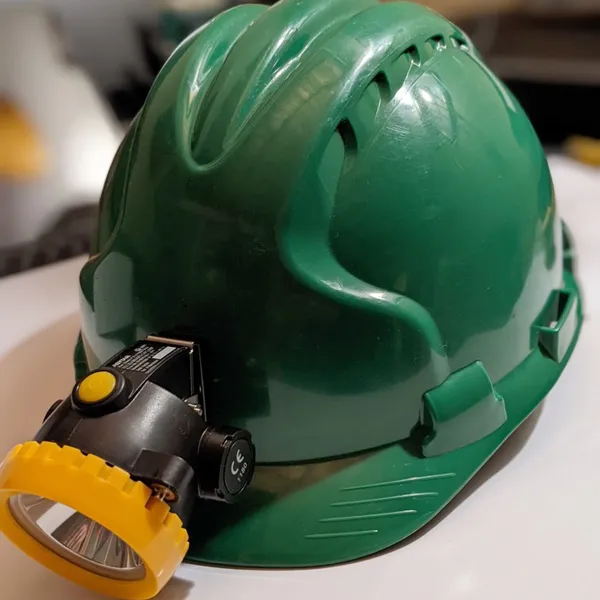
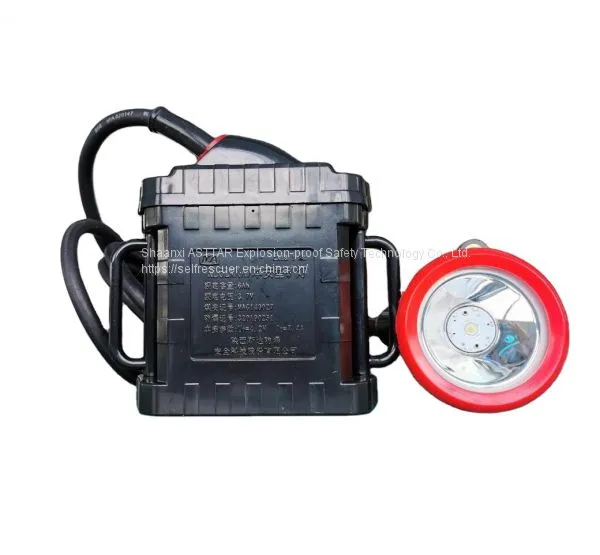
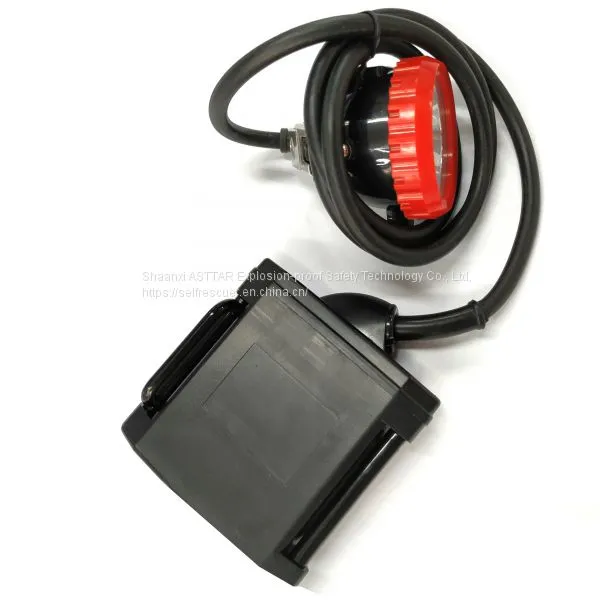
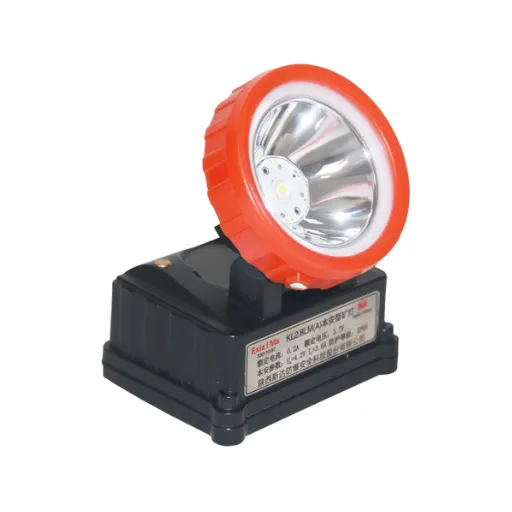
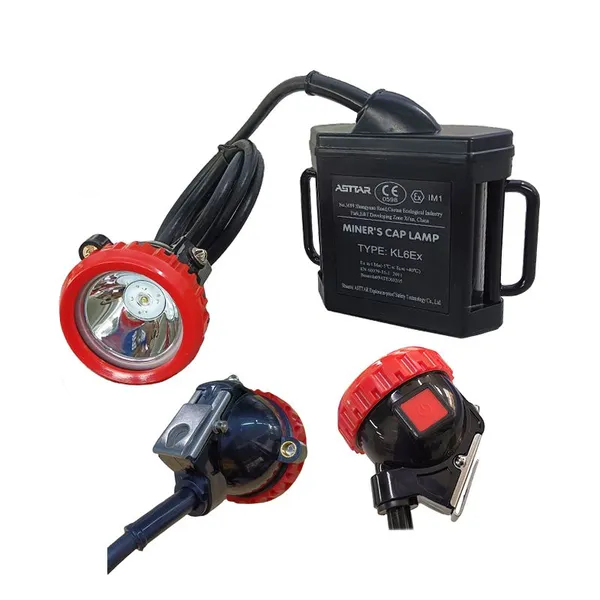
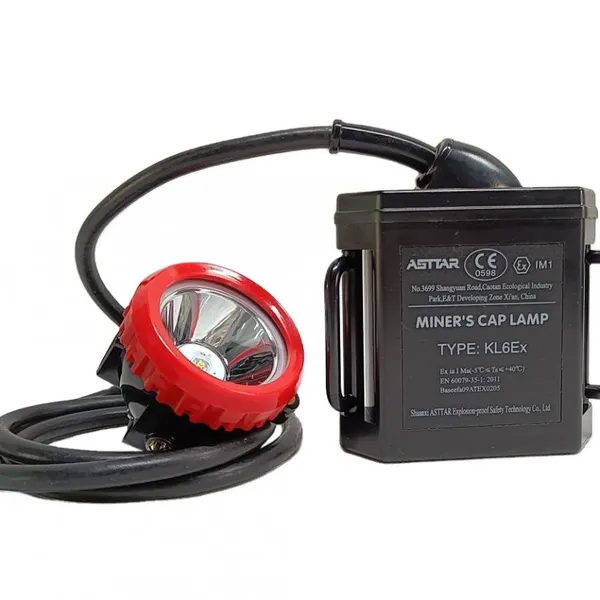
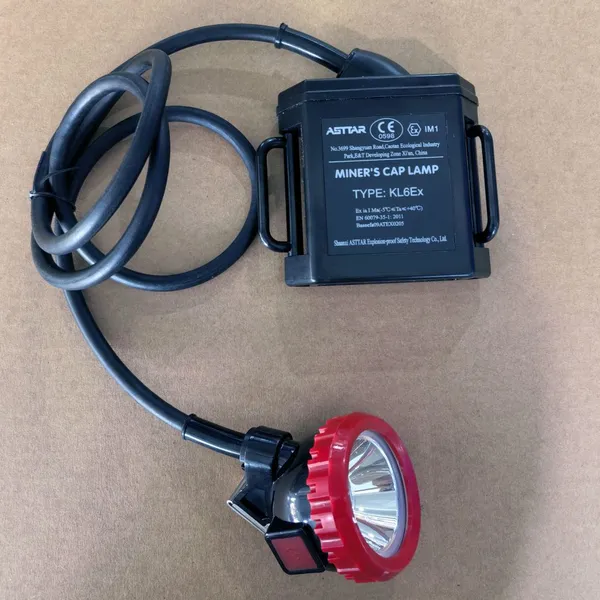
ATEX LED cap lamps such as the KL6Ex provide long runtimes and can include methane alarm features. Inspect chargers as well as lamps; a damaged charger contact can leave a cap lamp dead at the start of a shift.
Emergency lighting should be tested under simulated power loss, not just by pressing a test button. Routes to refuge chambers and primary escapeways must remain visible when normal power is unavailable.
Category 4: Personal Protective Equipment Checklist
PPE protects workers from impact, heat, dust, and chemicals. A mining safety equipment checklist for PPE should cover helmets, gloves, eye protection, hearing protection, safety boots, and high-visibility clothing.
| Item to Check | What to Verify | Frequency | Pass/Fail Criteria |
|---|---|---|---|
| Safety helmets | Shells free from cracks, suspension functional | Weekly | No impact damage or degraded suspension |
| Eye protection | Lenses clear, frames intact | Weekly | No scratches that impair vision |
| Hearing protection | Clean, correct noise reduction rating | Monthly | Meets site noise assessment requirements |
| Gloves | Appropriate for task, no cuts or chemical damage | Daily | Replaced if damaged or contaminated |
| Safety boots | Toe caps intact, soles in good condition | Weekly | No exposed steel or worn tread |
| High-visibility clothing | Reflective strips clean and attached | Monthly | Meets site visibility requirements |
PPE failures are often visible if someone looks. The problem is that nobody looks consistently. Add PPE checks to pre-shift briefings and spot-check crews during shifts. Workers are more likely to maintain their gear when they know it will be inspected.
Category 5: Communication and Signaling Checklist
Reliable communication links underground crews with the surface command center. During emergencies, it supports evacuation orders, personnel accounting, and rescue coordination.
| Item to Check | What to Verify | Frequency | Pass/Fail Criteria |
|---|---|---|---|
| Two-way radios | Transmit and receive across all work areas | Daily | Clear signal in blind headings and refuge chambers |
| Leaky feeder system | Continuity and coverage verified | Weekly | No dead zones along primary routes |
| Emergency signaling devices | Functional and accessible | Monthly | Tested and stored at muster points |
| Intrinsic safety labels | Present and legible | Monthly | Certifications match hazardous area classification |
| Backup power for communication | Battery or generator tested | Weekly | Sufficient runtime for planned evacuation |
Communication equipment used in explosive atmospheres must be intrinsically safe or flameproof. Never allow consumer-grade radios underground. Test coverage in every working heading, including areas that are not visited every shift.
Category 6: Refuge and Shelter Systems Checklist
Refuge chambers provide a protected environment when escape is blocked. They are especially important in deep mines where evacuation time can exceed the duration of personal self-rescuers.
| Item to Check | What to Verify | Frequency | Pass/Fail Criteria |
|---|---|---|---|
| Oxygen supply | Cylinders full and within hydro test date | Monthly | Pressure at rated level, test dates current |
| CO2 scrubbers | Unexpired, quantity adequate | Monthly | Within shelf life, enough for rated capacity |
| Potable water and food | In date, adequate for rated occupancy | Quarterly | No expired supplies |
| Sanitation supplies | Present and sealed | Quarterly | Complete kit available |
| Communication to chamber | Two-way contact verified | Weekly | Surface can reach chamber and vice versa |
| Seals and doors | Intact, close properly, pressure tested | Quarterly | No air leaks, door gaskets serviceable |
Every worker should know the location of the nearest refuge chamber and the travel time to reach it. If your mine uses compressed oxygen self-rescuers with a 45-minute duration, no worker should be more than 30 minutes from a chamber under normal walking conditions.
Category 7: Mine Rescue Equipment Checklist
Mine rescue teams need specialized gear beyond what individual workers carry. This category includes breathing apparatus and rescue equipment, stretchers, resuscitators, and first-aid supplies.
| Item to Check | What to Verify | Frequency | Pass/Fail Criteria |
|---|---|---|---|
| Rescue breathing apparatus | Full function test, seals intact | Monthly | Passes pressure and flow tests |
| Automatic resuscitators | Clean, operational, spare masks available | Quarterly | Tested on training manikin |
| Rescue stretchers | Straps, frames, and wheels functional | Monthly | No frayed straps or bent frames |
| First-aid kits | Complete, medications in date | Monthly | Inventory matches checklist |
| Spare oxygen cylinders | Full and within test date | Monthly | Pressure and hydro dates current |
| Team PPE and rescue suits | Clean, inspected, sized to team | Quarterly | All team members have fitted gear |
Mine rescue equipment should be stored in a dedicated, climate-controlled room near the mine entrance. After every training exercise, inspect and restock everything before returning it to service. Mine rescue training guidance from NIOSH can help teams align their drills with current best practices.
Category 8: Fire Suppression and Electrical Safety Checklist
Underground fires can overwhelm ventilation and cut off escape routes. Fire suppression equipment and flameproof electrical devices are critical controls.
| Item to Check | What to Verify | Frequency | Pass/Fail Criteria |
|---|---|---|---|
| Portable fire extinguishers | Charged, inspected, accessible | Monthly | Current inspection tag, pressure in green zone |
| Fixed fire suppression systems | Nozzle clear, pressure normal | Quarterly | System test per manufacturer |
| Flameproof electrical enclosures | Labels intact, covers tight | Monthly | No missing bolts or damaged gaskets |
| Cable integrity | No exposed conductors, supports secure | Weekly | No visible damage or overheating signs |
| Isolation switches | Functional and clearly marked | Monthly | Tested and labeled |
Coal mine safety equipment checklists must include dust control because coal dust can propagate explosions. Verify that rock dust or other suppression materials are available where required by regulation.
Category 9: Ventilation and Measurement Instruments Checklist
Ventilation keeps hazardous gases diluted and provides fresh air to working areas. Measurement instruments verify that airflow and gas concentrations remain within safe limits.
| Item to Check | What to Verify | Frequency | Pass/Fail Criteria |
|---|---|---|---|
| Anemometers | Calibrated, vanes or sensors clean | Quarterly | Calibration certificate current |
| Methane detectors | Bump tested and calibrated | Daily / monthly | Per gas detection schedule |
| Laser rangefinders | Accuracy verified against known distance | Quarterly | Within manufacturer tolerance |
| Infrared thermometers | Function and accuracy checked | Quarterly | Reads correctly on reference source |
| Ventilation tubing | Integrity and support verified | Weekly | No leaks, collapse, or damage |
Ventilation checks should be recorded with location, airflow quantity, and responsible person's signature. Trends matter more than single readings. A gradual drop in airflow can signal a blocked duct or fan problem before it becomes dangerous.
Category 10: Documentation and Record Keeping Checklist
Documentation is the proof that your mining safety equipment checklist is being followed. Regulators and auditors will ask for records before they ask to see the equipment.
| Item to Check | What to Verify | Frequency | Pass/Fail Criteria |
|---|---|---|---|
| Inspection logs | Complete, signed, dated | Ongoing | No missing entries or backdated records |
| Calibration certificates | Current for all gas detectors and instruments | Ongoing | Certificates on file and accessible |
| Certification documents | ATEX, IECEx, MSHA, ISO records current | Annually | Documents match installed equipment |
| Training records | Workers trained on device use and emergency procedures | Quarterly | Roster matches current workforce |
| Spare parts inventory | Stock levels meet minimum requirements | Monthly | Reorder before depletion |
| Audit action items | Closed out with evidence | Per audit | No open critical items beyond due date |
Digital systems with photo evidence and automatic reminders reduce the risk of missed inspections. However, digital records must be backed up and accessible underground if the surface network fails during an emergency.
Mining Safety Equipment Checklist Best Practices: How to Build a Routine That Sticks
A checklist only works if people use it. The best programs combine clear ownership, reasonable frequency, and visible consequences for missed inspections.
Assign Ownership by Category
One person should own each category. That person does not have to perform every inspection, but they are accountable for ensuring inspections happen and defects are corrected. For example, the ventilation officer owns anemometers and airflow records, while the emergency response coordinator owns rescue equipment.
Use Tiered Inspection Intervals
Daily checks should take minutes and focus on the items workers depend on each shift. Weekly and monthly checks go deeper. Annual checks cover certification renewals, hydrostatic tests, and major system validations.
Make Results Visible
Post inspection results where crews can see them. A green-yellow-red status board near the mine entrance tells everyone whether critical equipment is ready. Visible accountability changes behavior more effectively than hidden spreadsheets.
Close the Loop on Defects
When an inspection finds a problem, there must be a clear path to repair or replacement. A checklist with no follow-up process becomes a compliance theater. Record the defect, assign it, set a due date, and verify closure.
Mini-Story: The Audited Checklist
In 2024, a safety officer named Chen was preparing for a regional audit at a Heilongjiang coal mine. She pulled out her binder of weekly checklist records, each page signed and dated, with photos of calibration tags and expiration dates. The auditor randomly selected five self-rescuers and five gas detectors. Every item matched the records. The audit concluded in half the usual time, and the mine received its highest safety rating in ten years. Chen later said the checklist took her 30 minutes each Friday but saved her three days of audit preparation.
Common Questions About Your Mining Safety Equipment Checklist
What should a mining safety equipment checklist include?
A complete checklist covers respiratory protection, gas detection, lighting, PPE, communication, refuge systems, rescue gear, fire suppression, ventilation instruments, and documentation. Each category should list what to inspect, how often, and the pass/fail criteria.
How often should mining safety equipment be inspected?
Daily checks cover batteries, calibration status, and visible damage. Weekly checks review seals, pressure, and storage conditions. Monthly checks include detailed inspections, expiration dates, and spare inventory. Annual checks cover certifications, hydrostatic tests, and major system validations.
What certifications should mining safety equipment have?
Key certifications include MSHA approval for US mines, ATEX for European explosive atmospheres, IECEx for international recognition, and ISO 9001 for supplier quality management. Regional mining regulators may require additional approvals.
How does a coal mine safety equipment checklist differ from a metal mine checklist?
Coal mine checklists emphasize methane detection, flameproof electrical equipment, dust explosion controls, and self-rescuers. Metal mine checklists focus more on confined-space ventilation, ground control, and rescue breathing apparatus.
Can a mining safety equipment checklist be digital?
Yes. Digital checklists with photo evidence, automatic reminders, and offline access improve consistency and audit readiness. However, they must be backed up and available during network outages.
Who should be responsible for the checklist?
Ownership should be split by category. One person owns respiratory protection, another owns gas detection, and so on. A central safety coordinator reviews aggregated results and escalates overdue items.
Conclusion
A mining safety equipment checklist is one of the simplest and most effective tools for protecting underground workers. It turns scattered inspections into a predictable system, creates the documentation auditors expect, and catches equipment problems before they affect an emergency response.
Start with the ten categories in this mining safety equipment checklist, then customize the frequency and detail for your mine type. Assign clear ownership, make results visible, and close every defect you find. A living mining safety equipment checklist will keep your operation compliant and your workers safe.
If you are building or refreshing your mine safety program, work with a supplier that can support multiple categories from one certified platform. ASTTAR supplies self-rescuers, gas detectors, cap lamps, breathing apparatus, and explosion-proof lighting used in mines worldwide.
Ready to put this checklist into action? Contact ASTTAR's safety engineering team for product specifications, certification documents, or a quote for your next procurement cycle.
Recently Posted
-
Mechanical Anemometer for Mining: A 2026 Ventilation Survey Guide
July 24, 2026A mechanical anemometer for mining is a hand-held or bracket-mounted instrument that measures air velocity in underground roadways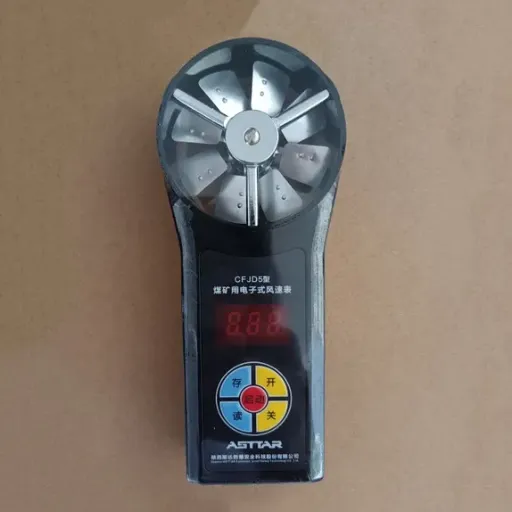 Read More
 -
Wholesale Mining Safety Equipment: A 2026 Procurement Guide
July 24, 2026Wholesale mining safety equipment is the bulk purchase of certified protective gear, escape devices, lighting, gas detection, and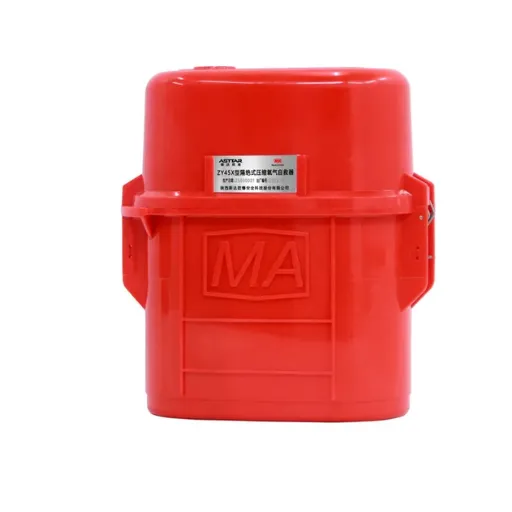 Read More
 -
Breathing Apparatus for Mine Rescue: A 2026 Selection and Deployment Guide
July 24, 2026Breathing apparatus for mine rescue is specialized respiratory protection that supplies independent breathable air to rescue teams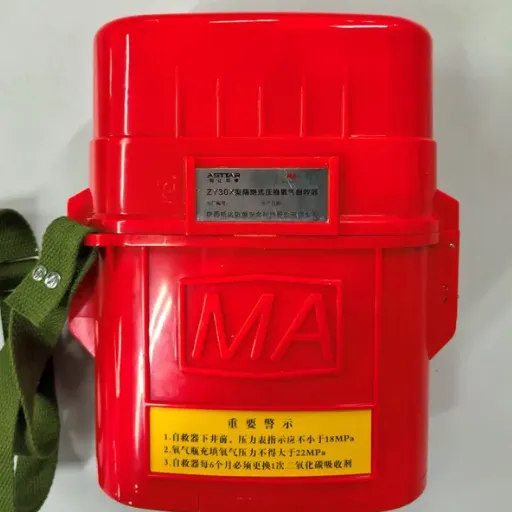 Read More
 -
Refuge Chamber Equipment Mining Operations Need in 2026
July 24, 2026Refuge chamber equipment for mining includes breathable air, water, food, communication systems, sanitation, first-aid supplies, a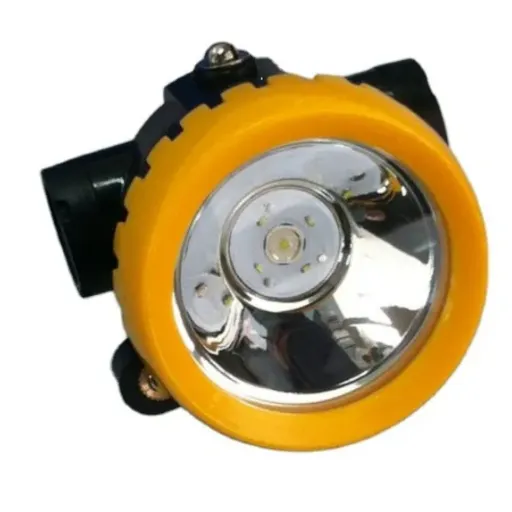 Read More

Contact Us

Recommended Products
-
 CE Certified 30 Minutes Closed Circuit Mining Oxygen Self-rescuerNegotiableMOQ: 1 Piece
 -
CE Certified 30 Minutes Isolated Breathing Protection Chemical Oxygen Self RescuerNegotiableMOQ: 1 Piece
-
K-SB50 Self Contained Oxygen Escape Device Built-In Humidity Indicator For Mine Fire RescueNegotiableMOQ: 1 Piece
-
60 Minutes CE Approved Self-Contained Self-Rescuer K-Sb60 for Miner SafetyNegotiableMOQ: 1 Piece
-
Lightweight Portable K-SB60 KO2 Oxygen Generating Self Rescuer For Confined Space Industrial Emergency UseNegotiableMOQ: 1 Piece
-
Portable ZL60 Filter Self Rescuer Lightweight Underground Personal Breathing DeviceNegotiableMOQ: 1 Piece
-
Fire Fighting Oxygen Rebreather Mine Chemical Self-Rescuer Portable Isolated Breathing EquipmentNegotiableMOQ: 1 Piece
-
ZL60 60 Minutes Carbon Monoxide Filter Self RescuerUS$ 120 - 150MOQ: 1 Piece
-
ZY30X Isolated Compressed Oxygen Self Rescuer Self Contained Breathing Escape DeviceUS$ 120 - 150MOQ: 1 Piece
-
ZY45X Mining Self Rescuer Self Rescue Packs For Low Oxygen Toxic Gas EnvironmentNegotiableMOQ: 1 Piece
-
Portable ZY45X Self Rescue Breathing Apparatus Emergency Escape Breathing DevicesNegotiableMOQ: 1 Piece
-
0.6L Oxygen Cylinder ZY45X Self Rescue Respirator Underground Mining Self RescuerNegotiableMOQ: 1 Piece
-
Atex 6ah 7000lux IP65 Mining Industrial Use Ex Proof LED Cap Lamp Safety HeadlampUS$ 98 - 110MOQ: 1 Piece
-
KL6Ex ATEX Rechargeable High Brightness Corded LED Headlamp Miner Cap LampUS$ 98 - 110MOQ: 1 Piece
-
ATEX-Certified KL6Ex Mining Lamp: Essential Safety for Underground OperationsUS$ 98 - 110MOQ: 1 Piece
-
KL1.2Ex LED Miner Cap Lamp ATEX Explosion Proof Mining HeadlampUS$ 75 - 85MOQ: 1 Piece
-
ATEX Cordless LED Cap Lamp Underground Mining Safety HeadlampUS$ 75 - 85MOQ: 1 Piece
-
Rechargeable Wireless LED Mining Headlamp for Potentially Explosive EnvironmentsUS$ 75 - 85MOQ: 1 Piece
-
KL6LM (A) Intrinsically Safe High Brightness Miner's Cap LampUS$ 120 - 150MOQ: 1 Piece
-
5Ah Rechargeable LED Cordless Miner\'s HeadlampUS$ 85 - 98MOQ: 1 Piece