
 Business License
How Does a Self-Contained Self-Rescuer Work?
A self-contained self-rescuer (SCSR) is a portable breathing device that produces or stores its own oxygen supply. It allows a worker to escape from an underground environment where the air has become toxic or oxygen-deficient. Unlike filter-type escape devices, it does not depend on ambient air. This makes it essential for coal mines, metal mines, and confined-space operations where the atmosphere can change without warning.
So, how does a self-contained self-rescuer work? It creates or releases oxygen, removes carbon dioxide from exhaled breath, and returns clean air through a closed breathing circuit.
Most mine safety managers have asked the same question after a near-miss: would every worker actually make it out if the ventilation system failed? The answer depends heavily on the equipment strapped to their belts.
When an SCSR works as designed, it buys the minutes that separate a controlled evacuation from a tragedy. In this guide, we will explain exactly how these devices function, what separates the main designs, and how to keep them ready for an emergency.
Key Takeaways
A self-contained self-rescuer supplies independent breathable air and does not rely on ambient oxygen.
Chemical oxygen SCSRs generate oxygen through a chemical reaction, while compressed oxygen SCSRs release oxygen from a stored cylinder.
Most mining SCSRs provide 30 to 60 minutes of escape time depending on the model and breathing rate.
Regular inspection, seal checks, and hands-on training are required because the device must work under extreme stress.
CE, ATEX, and ISO certifications help verify that an SCSR meets the standards required for underground use.
What Is a Self-Contained Self-Rescuer?
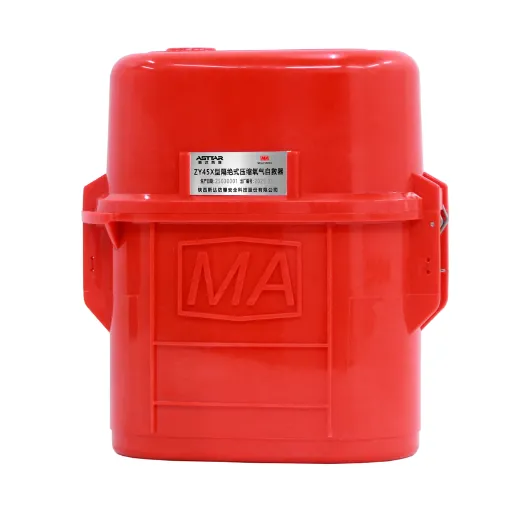
A self-contained self-rescuer is a respiratory protective device worn by miners and industrial workers who may need to escape through a contaminated atmosphere. ASTTAR designs self-contained self-rescuers for underground operations where breathable air cannot be guaranteed. The term "self-contained" is the critical part: the unit carries everything the wearer needs to breathe for a limited period, usually enough time to reach fresh air or a refuge chamber.
There are two main categories of SCSR. The first is the chemical oxygen self-rescuer. It creates breathable oxygen by reacting potassium superoxide with the moisture and carbon dioxide in exhaled breath. The second is the compressed oxygen self-rescuer. It stores oxygen under high pressure in a small cylinder and delivers it through a breathing circuit. Both are closed-circuit devices, meaning they recycle exhaled gas rather than venting it into the surrounding atmosphere.
SCSRs differ from filter self-rescuers in a fundamental way. A filter self-rescuer removes carbon monoxide from ambient air so the wearer can breathe it. That works only when there is still enough oxygen in the environment. It also works only when the contaminant is specifically carbon monoxide.
An SCSR removes those dependencies entirely. If the atmosphere lacks oxygen or contains other toxic gases, a filter unit may fail while an SCSR continues to function.
This independence is why regulations in many mining jurisdictions require SCSRs to be carried on the person or stored within immediate reach. The device is not a tool for routine work; it is a last-resort escape aid designed for the worst-case scenario.
The Core Components Inside an SCSR
Whether the unit uses chemical or compressed oxygen, every SCSR shares the same basic mission: provide breathable gas, remove carbon dioxide, and protect the wearer from heat or pressure. The parts that accomplish this vary by design, but the functions are universal.
Chemical Oxygen SCSR Components
A chemical oxygen self-rescuer is built around a canister filled with potassium superoxide granules. When the wearer exhales, the moist carbon dioxide-rich gas passes through this canister. The chemical reaction produces oxygen as a byproduct while absorbing carbon dioxide.
The heat released during the reaction is noticeable, but the unit is insulated to protect the wearer.
The device also includes a breathing bag, mouthpiece or mouth-and-nose mask, straps for securing the unit to the body, and a sealing system that keeps the chemical bed inactive until the unit is opened. Once activated, the chemical reaction continues as long as the wearer breathes through it. There is no valve to open or cylinder to check, which is why these units are often preferred in operations where simplicity under stress matters most.
Compressed Oxygen SCSR Components
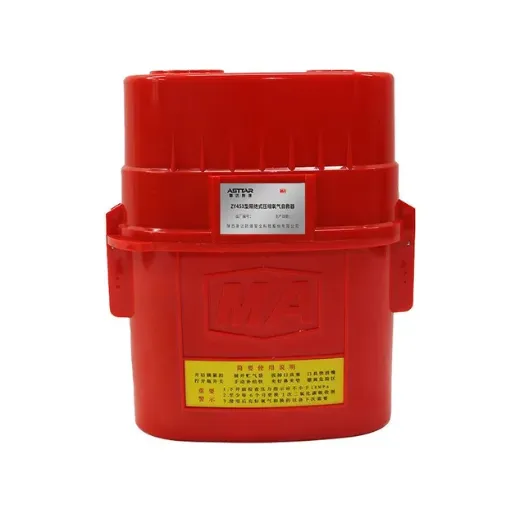
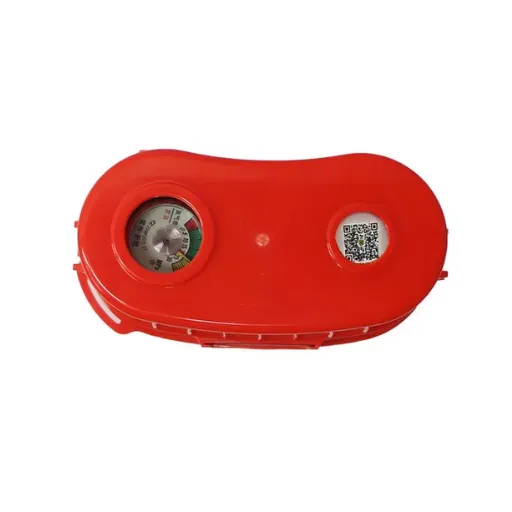
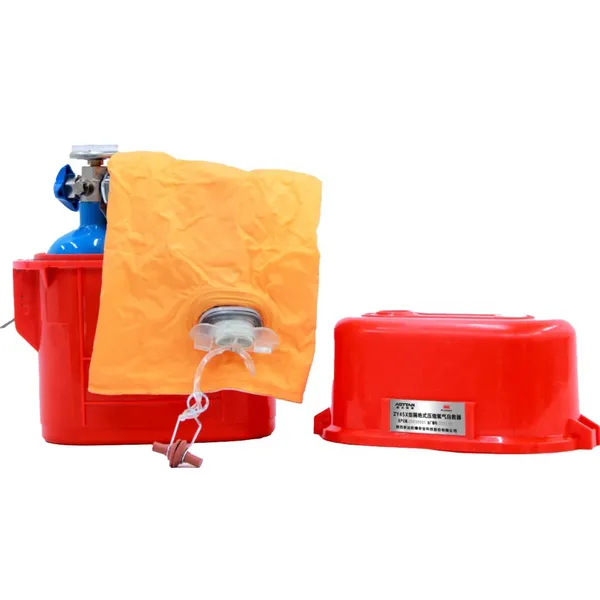
A compressed oxygen self-rescuer contains a small high-pressure cylinder, a pressure regulator, a breathing hose, a facepiece or mouthpiece, and a carbon dioxide scrubber. The cylinder stores enough oxygen for the rated duration, typically 30, 45, or 60 minutes.
The regulator steps the high pressure down to a level the wearer can breathe comfortably.
As the wearer exhales, the exhaled gas passes through a scrubber that removes carbon dioxide. The cleaned gas then mixes with fresh oxygen from the cylinder and returns to the wearer. Some designs include a cooled breathing bag to reduce the temperature of the recirculated air. Because compressed oxygen units can be refilled and tested after use, they are often chosen when reusability and longer duration are priorities.
ASTTAR offers both chemical oxygen and compressed oxygen self-rescuers, with models such as the ZYX30 and ZYX45 providing rated escape durations suited to different mine layouts and working distances.
How Does a Self-Contained Self-Rescuer Work? Step by Step
Understanding the internal process helps safety teams explain the device to workers and identify inspection points. The sequence below applies to the closed-circuit design used in both chemical and compressed oxygen SCSRs.
Step 1: Activation
The first step is opening the sealed case or removing the protective cover. On a chemical oxygen unit, this exposes the breathing mouthpiece and starts the flow of air through the chemical bed. On a compressed oxygen unit, the wearer opens the cylinder valve and confirms that the regulator is delivering gas.
Training should emphasize that activation must happen before the worker attempts to move. Fumbling with packaging while walking through smoke or low visibility wastes seconds and increases panic. Many mining safety programs run timed drills in which workers must don the device while seated in a darkened room.
Step 2: Exhalation into the Closed Circuit
When the wearer exhales, the breath enters the breathing circuit. In a chemical oxygen model, the exhaled air flows directly into the chemical canister. In a compressed oxygen model, it passes through a CO2 scrubber. At this stage, the carbon dioxide in exhaled breath is removed so it does not build up in the circuit.
Removing carbon dioxide is not optional. A person who rebreathes air with even modest CO2 elevation will experience headache, dizziness, and impaired judgment within minutes. The scrubber or chemical bed is the component that makes closed-circuit breathing safe.
Step 3: Oxygen Generation or Release
In a chemical oxygen unit, the reaction between potassium superoxide, moisture, and carbon dioxide produces fresh oxygen. The rate of production is driven by the wearer's breathing pattern: more exhaled moisture and CO2 means more oxygen generated. This self-regulating feature is one reason chemical units are mechanically simple.
In a compressed oxygen unit, the regulator releases a controlled flow of oxygen from the cylinder into the breathing circuit. The flow rate is set to match the wearer's metabolic demand during escape. Some units include a demand valve that adds extra oxygen when the wearer inhales deeply.
Step 4: Inhalation of Clean, Oxygenated Air
The cleaned and oxygenated gas returns to the wearer through the mouthpiece or facepiece. Because the circuit is closed, the device is independent of the surrounding atmosphere. This is the feature that allows a worker to escape through a corridor filled with smoke, methane, or carbon monoxide.
The entire cycle repeats with each breath until the chemical bed is exhausted or the oxygen cylinder is depleted. For most mining models, this provides a rated duration between 30 and 60 minutes, though heavy exertion or rapid breathing can shorten actual performance.
Chemical Oxygen vs. Compressed Oxygen SCSRs
Choosing between the two designs requires more than comparing price tags. The right choice depends on maintenance capacity, mine layout, worker training level, and regulatory requirements. Our chemical vs compressed oxygen self-rescuer comparison covers the decision factors in more detail.
| Feature | Chemical Oxygen SCSR | Compressed Oxygen SCSR |
|---|---|---|
| Oxygen source | Potassium superoxide reaction | High-pressure cylinder |
| Activation | Open case, breathe through mouthpiece | Open case, open cylinder valve |
| Reusability | Single-use, disposable | Refillable and serviceable |
| Typical duration | 30–45 minutes | 30–60 minutes |
| Maintenance | Visual checks, replace on expiry | Pressure checks, hydrostatic testing, scrubber replacement |
| Weight | Lighter, more compact | Heavier due to cylinder |
| Breathing air temperature | Warmer (exothermic reaction) | Cooler (cooled bag optional) |
| Best for | Coal mines, tunnelling, low-maintenance sites | Long escape routes, rescue teams, reusable programs |
Chemical Oxygen SCSRs
Chemical oxygen units are sealed, disposable devices with no moving parts. They are lightweight, compact, and require no cylinder pressure checks. Because oxygen generation depends on exhaled breath, the unit is automatically ready the moment it is opened.
The main limitation is that chemical oxygen SCSRs cannot be reused after activation. Once opened, the chemical reaction continues until the bed is spent, even if the emergency turns out to be minor. They also produce heat during operation, which can surprise untrained wearers. Storage temperature and humidity must be controlled to prevent premature degradation of the chemical bed.
These units are commonly used in coal mines and tunnelling projects where workers need a simple, low-maintenance escape device that will function after months or years of storage.
Compressed Oxygen SCSRs
Compressed oxygen units store breathable gas in a cylinder and recirculate exhaled air through a scrubber. They can be refilled and serviced after use, making them more economical over a long service life. They also tend to offer longer rated durations and cooler breathing air.
The trade-off is higher maintenance. Cylinder pressure must be checked regularly, seals and hoses must be inspected, and the unit must be serviced by trained personnel. If a worker activates the device during a false alarm, it can often be reset and returned to service after inspection.
For rescue teams or workers who travel long distances underground, the extended duration and reusability of compressed oxygen SCSRs often justify the added maintenance burden.
Want help choosing between the two? Our self-rescuer selection guide breaks down the decision factors for coal mines, metal mines, and tunnelling operations.
Why SCSR Duration Matters in Mining
The rated duration of a mining self-rescuer is not a theoretical number. It represents the window of time a worker has to reach a refuge chamber, shaft, or fresh-air base. If the route is longer than the device allows, the result can be fatal.
Mine layout is the starting point for duration selection. A worker at the far end of a longwall panel may need 45 or 60 minutes to reach the surface, while someone near a main shaft may only need 30 minutes. Escape routes must be mapped and timed during normal conditions, not estimated during an emergency.
Breathing rate also affects real-world duration. A person walking briskly uphill through smoke will consume oxygen faster than someone moving slowly on level ground. Training programs should teach workers to conserve the device by staying calm, moving at a steady pace, and avoiding unnecessary exertion.
Marcus, a safety supervisor at an underground coal operation in Shanxi, learned this lesson during a controlled evacuation drill. His team had issued 30-minute chemical oxygen SCSRs to crews working near a new development heading.
When the drill timer started, the crew realized the marked escape route was 22 minutes away under ideal conditions. With smoke simulation and elevated heart rates, two workers exhausted their units before reaching fresh air. Marcus upgraded the affected stations to 45-minute compressed oxygen models and rerouted one of the escapeways. The cost of the change was minor compared to the gap it closed.
Inspection and Maintenance Requirements
An SCSR that fails during an emergency is worse than no SCSR at all because it creates false confidence. Regular inspection and maintenance are non-negotiable.
Daily and Weekly Checks
Before each shift, workers should visually inspect the sealed case for cracks, damage, or signs of tampering. The carrying harness should be intact, and the unit should be in its designated location. Compressed oxygen units require a pressure gauge check to confirm the cylinder is full.
| Check | Chemical Oxygen SCSR | Compressed Oxygen SCSR | Frequency |
|---|---|---|---|
| Case and harness inspection | Visual check for cracks or damage | Visual check for cracks or damage | Daily or per shift |
| Pressure gauge reading | Not applicable | Confirm cylinder is full | Daily or per shift |
| Expiration date verification | Check printed expiry date | Check service interval | Weekly |
| Corrosion and seal inspection | Check for moisture or corrosion | Check hoses, seals, and valves | Weekly |
| Training record review | Confirm workers are current | Confirm workers are current | Weekly |
Any unit that has been dropped, submerged, or exposed to extreme temperatures should be removed from service and inspected by qualified personnel.
Periodic Servicing
Compressed oxygen SCSRs must be serviced according to the manufacturer's schedule. This typically includes hydrostatic testing of the cylinder, replacement of scrubber material, inspection of hoses and seals, and functional testing of the regulator. Service records should be kept for compliance audits.
Chemical oxygen SCSRs are usually replaced when they reach their expiration date. The chemical bed has a finite shelf life, and attempting to extend it beyond manufacturer recommendations is a serious safety risk.
Storage Conditions
SCSRs should be stored in a cool, dry place away from direct sunlight and corrosive chemicals. Extreme heat can degrade chemical beds and damage seals. High humidity can affect packaging integrity. Units stored in underground caches should be protected from water and mechanical damage.
ASTTAR's quality-management system, certified to ISO 9001, governs the production and testing of every self-rescuer we manufacture. You can view our ATEX and CE certifications and request service guidance to help maintain your emergency equipment.
Training Workers to Use an SCSR Under Stress
A perfectly maintained SCSR is useless if the wearer cannot deploy it quickly. Training is where equipment and human performance meet.
Hands-On Practice
Workers should handle an actual training unit at least annually, and preferably quarterly. Training should cover opening the seal, donning the mouthpiece or facepiece, starting the breathing circuit, and moving while wearing the device. Drills should be conducted in low-light conditions to simulate smoke-filled environments.
Stress Inoculation
The physiological response to an emergency, elevated heart rate, rapid breathing, narrowed vision, works against calm SCSR use. Training programs that introduce time pressure and realistic scenarios help workers build muscle memory. The goal is not to eliminate fear but to make the response automatic.
Fit and Comfort
A loose mouthpiece or poorly adjusted harness can cause leaks that waste oxygen or allow contaminated air to enter. Workers should verify fit each time they train. Facial hair, glasses, and hard hats can all interfere with sealing and must be addressed in the training plan.
Priya, an EHS manager at a tunnelling project, made SCSR drills a monthly ritual rather than an annual checkbox. She noticed that after three months, average donning time dropped from 47 seconds to 19 seconds. More importantly, workers stopped skipping steps.
When a small methane alarm triggered an evacuation six months later, the crew credited the repetitive drills for their calm response. Every worker reached the surface with time to spare.
Standards and Certifications for SCSRs
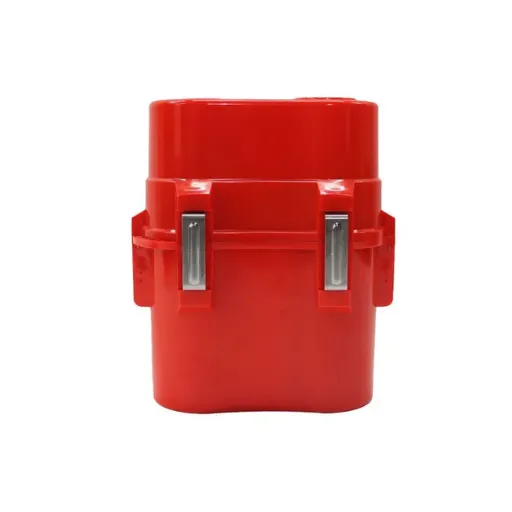
Mining SCSRs must meet strict standards because lives depend on predictable performance. Buyers should verify that any device they consider carries the appropriate certifications for their region.
In Europe, ATEX certification indicates that the device has been assessed for use in explosive atmospheres. The CE mark confirms conformity with relevant EU directives. IECEx is an international certification system accepted in many countries outside the EU.
In the United States, approval by the National Institute for Occupational Safety and Health (NIOSH) or the Mine Safety and Health Administration (MSHA) may be required.
Management system certifications also matter. A manufacturer with ISO 9001 certification has documented processes for design, production, and quality control. ISO 14001 and OHSAS 18001 / ISO 45001 certifications show attention to environmental and occupational health practices.
Before purchasing, ask for certificate numbers and verify them with the issuing body. Counterfeit or misrepresented certifications are a known problem in the mining safety market. A legitimate supplier will provide documentation without hesitation.
You can learn more about certification requirements in our mining safety standards reference, or contact our team for copies of ASTTAR's ATEX and CE certificates.
Common Myths About Self-Contained Self-Rescuers
Several misconceptions persist around SCSRs. Clearing them up helps safety teams make better decisions.
Myth 1: A Filter Self-Rescuer Is Enough for Every Emergency
A filter self-rescuer only protects against carbon monoxide in an atmosphere that still contains adequate oxygen. It cannot help in oxygen-deficient conditions or in the presence of other toxic gases. SCSRs cover those scenarios.
Myth 2: Any Sealed Unit Will Work Indefinitely
Chemical oxygen SCSRs have expiration dates. Compressed oxygen units require pressure checks and periodic servicing. Storage conditions matter. A device left in a hot, damp cache for years may fail when needed.
Myth 3: Longer Duration Always Equals Better Protection
A longer-duration unit is only better if the worker can realistically use it for the full rated time. Heavier units may slow escape, and untrained workers may exhaust the device faster than expected. Duration must match the escape plan.
Myth 4: One Training Session Is Enough
Skills decay. Workers forget steps, equipment changes, and procedures evolve. Annual refresher training is a minimum; quarterly practice is better.
Frequently Asked Questions
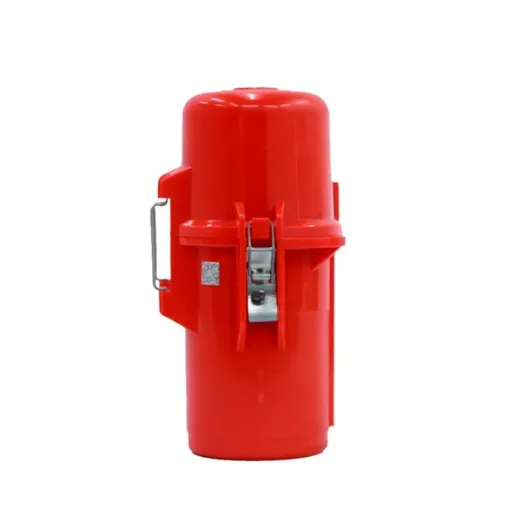
How long does a self-contained self-rescuer last?
Most mining SCSRs provide 30 to 60 minutes of rated escape time. Actual duration depends on the model, the wearer's breathing rate, and the level of exertion during escape.
Can a self-contained self-rescuer be reused?
Compressed oxygen SCSRs can be refilled and serviced after use. Chemical oxygen SCSRs are single-use devices; once opened, the chemical reaction continues until the bed is spent.
What is the difference between a filter self-rescuer and an SCSR?
A filter self-rescuer removes carbon monoxide from ambient air and only works when enough oxygen is present. An SCSR supplies its own oxygen and works in oxygen-deficient or toxic atmospheres.
Do SCSRs need regular maintenance?
Yes. Compressed oxygen units need pressure checks and periodic servicing. Chemical oxygen units need visual inspection and must be replaced when they reach their expiration date.
What certifications should a mining SCSR have?
Look for ATEX, CE, or IECEx certification for explosive atmospheres, plus ISO 9001 for the manufacturer's quality-management system. In the United States, NIOSH or MSHA approval may be required.
Conclusion
A self-contained self-rescuer works by creating or carrying its own oxygen supply, removing carbon dioxide from exhaled breath, and returning clean breathable air to the wearer through a closed circuit. This simple principle makes SCSRs one of the most reliable emergency devices in underground mining.
The choice between chemical oxygen and compressed oxygen models depends on maintenance capacity, escape distance, and worker training. Regardless of the design, every unit must be inspected, stored correctly, and practiced with regularly. The few minutes an SCSR provides are only valuable if the worker knows how to use them.
Ready to review your mine's emergency escape equipment? Request a self-rescuer specification sheet from ASTTAR and compare CE/ATEX-certified models designed for coal mines, metal mines, and tunnelling operations. Our safety engineering team can help you match the right duration and design to your escape plan.
Recently Posted
-
Explosion Proof Flood Light for Mining: A 2026 Selection Guide
July 29, 2026An explosion proof flood light for mining is a high-output, certified LED fixture designed to illuminate large work areas, stockpi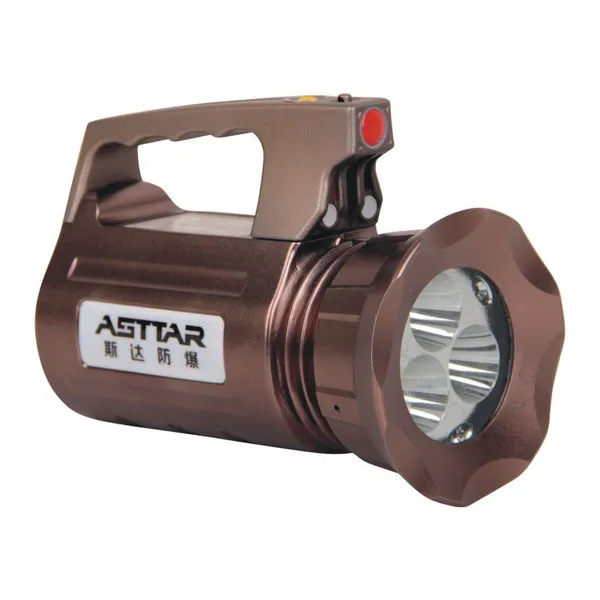 Read More
 -
Mechanical Anemometer for Mining: A 2026 Ventilation Survey Guide
July 29, 2026A mechanical anemometer for mining is a hand-held or bracket-mounted instrument that measures air velocity in underground roadways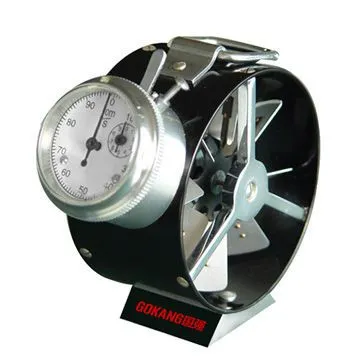 Read More
 -
LED Flameproof Tunnel Light for Mining: 2026 Selection Guide
July 29, 2026An LED flameproof tunnel light for mining is a fixed luminaire built inside a flameproof (Ex d) enclosure that contains any intern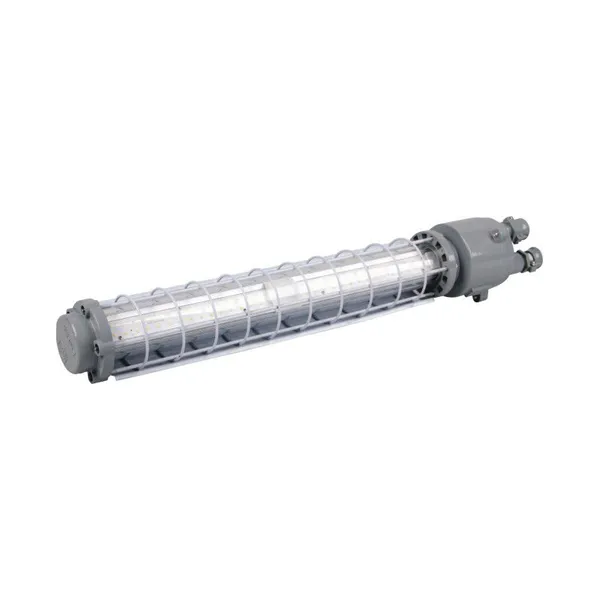 Read More
 -
Wholesale Mining Safety Equipment: A 2026 Procurement Guide
July 24, 2026Wholesale mining safety equipment is the bulk purchase of certified protective gear, escape devices, lighting, gas detection, and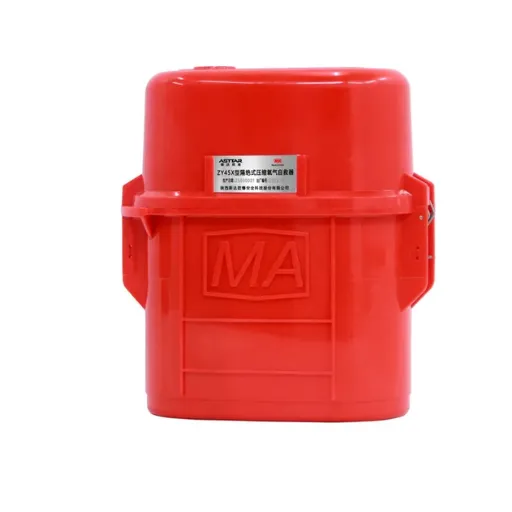 Read More

Contact Us

Recommended Products
-
 CE Certified 30 Minutes Closed Circuit Mining Oxygen Self-rescuerNegotiableMOQ: 1 Piece
 -
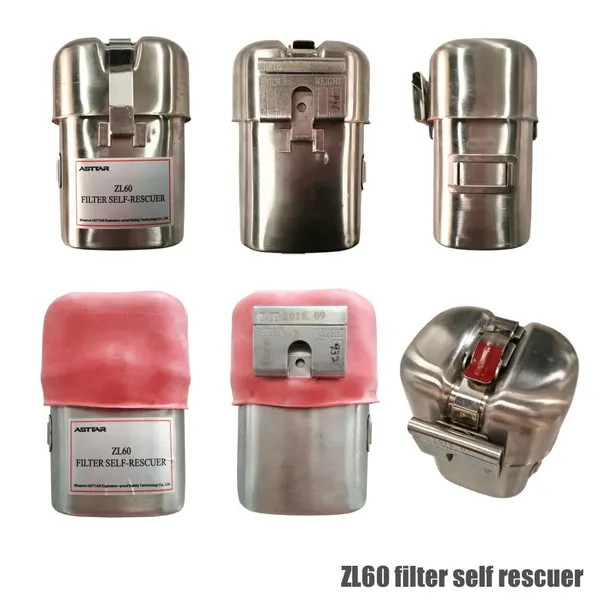
Portable ZL60 Filter Self Rescuer Lightweight Underground Personal Breathing DeviceNegotiableMOQ: 1 Piece
-
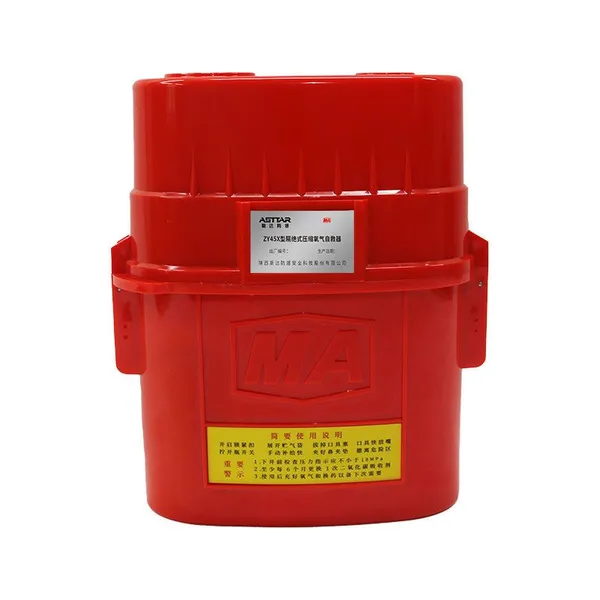
0.6L Oxygen Cylinder ZY45X Self Rescue Respirator Underground Mining Self RescuerNegotiableMOQ: 1 Piece
-
Atex 6ah 7000lux IP65 Mining Industrial Use Ex Proof LED Cap Lamp Safety HeadlampUS$ 98 - 110MOQ: 1 Piece
-
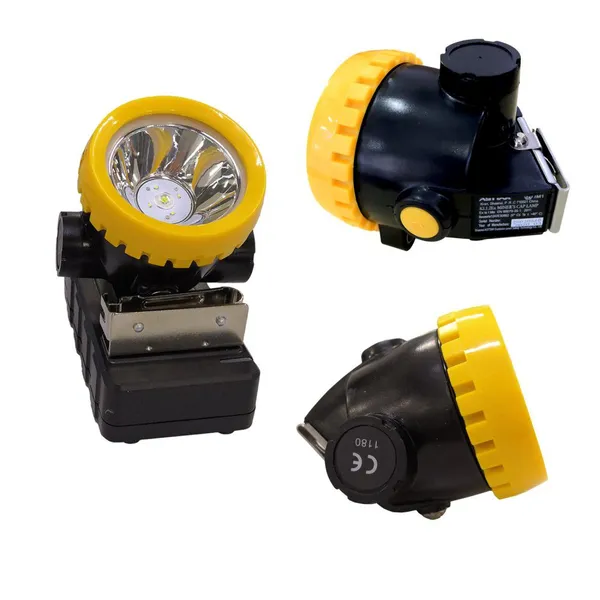
KL1.2Ex LED Miner Cap Lamp ATEX Explosion Proof Mining HeadlampUS$ 75 - 85MOQ: 1 Piece
-
Kl3lm (A) Cordless Intrinsically Safe LED Headlamp for Mining, Camping, and Outdoor ActivitiesNegotiableMOQ: 1 Piece
-
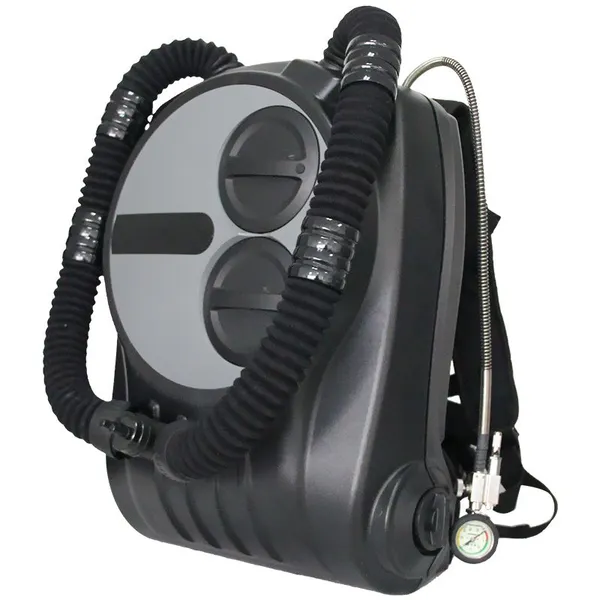
Heat Resistant PA Housing HYZ4(C) Positive Pressure Oxygen Apparatus Coal Mine Emergency RescueNegotiableMOQ: 1 Piece
-
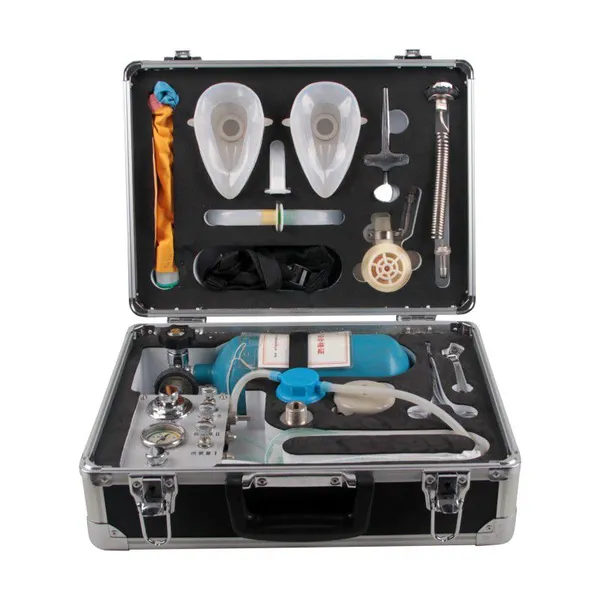
Independent Oxygen Supply Automatic Resuscitator MZS30 for Weak‑Breathing Casualty RescueNegotiableMOQ: 1 Piece
-
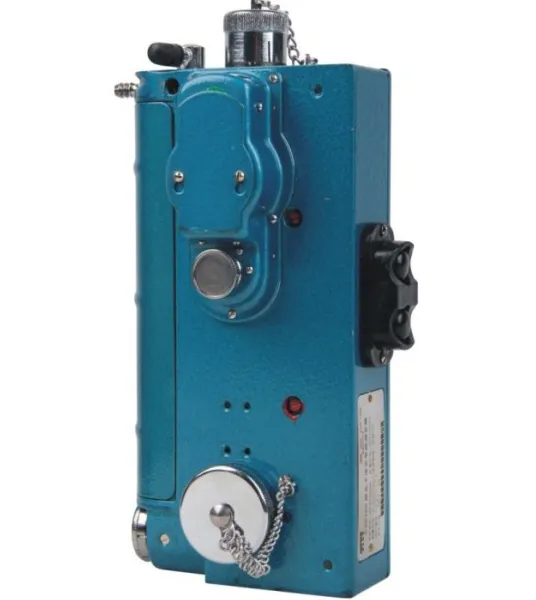
Mining Intrinsically Safe CJG10 Methane Detector Optical Interference Principle Gas Measuring InstrumentNegotiableMOQ: 1 Piece
-
YHJ-100J(A) 100m Portable Explosion Proof Laser Distance MeterUS$ 250 - 350MOQ: 1 Piece
-
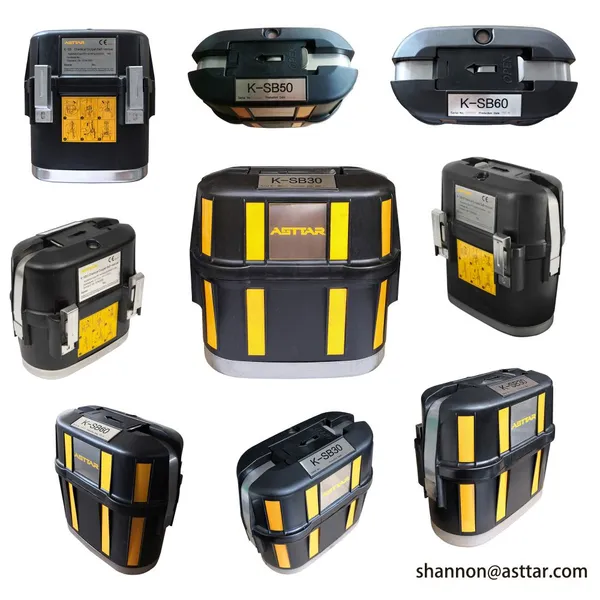
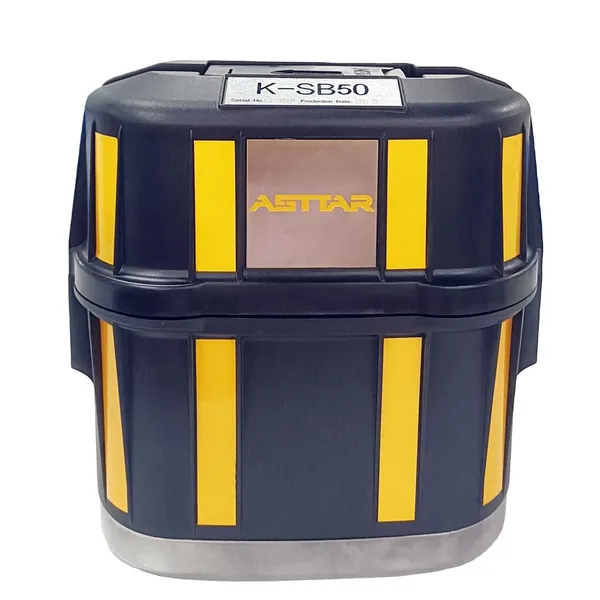
K-SB50 Self Contained Oxygen Escape Device Built-In Humidity Indicator For Mine Fire RescueNegotiableMOQ: 1 Piece
-
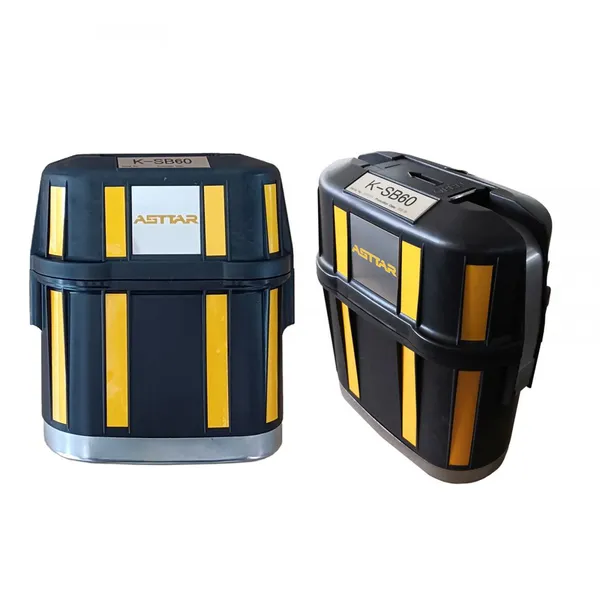
60 Minutes CE Approved Self-Contained Self-Rescuer K-Sb60 for Miner SafetyNegotiableMOQ: 1 Piece
-
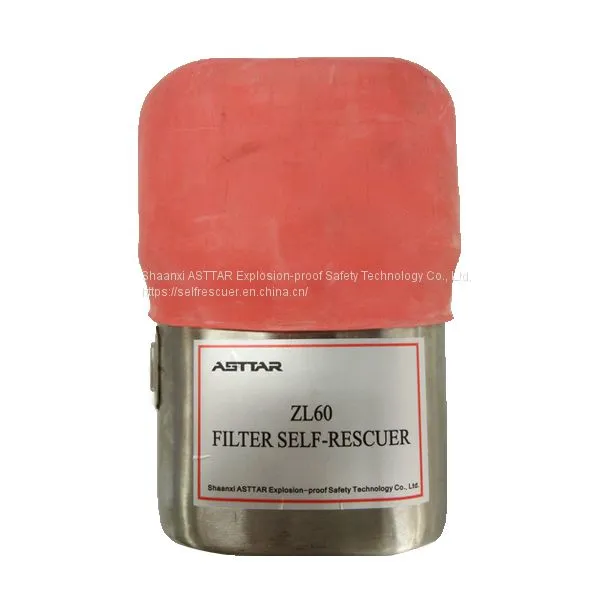
ZL60 60 Minutes Carbon Monoxide Filter Self RescuerUS$ 120 - 150MOQ: 1 Piece
-
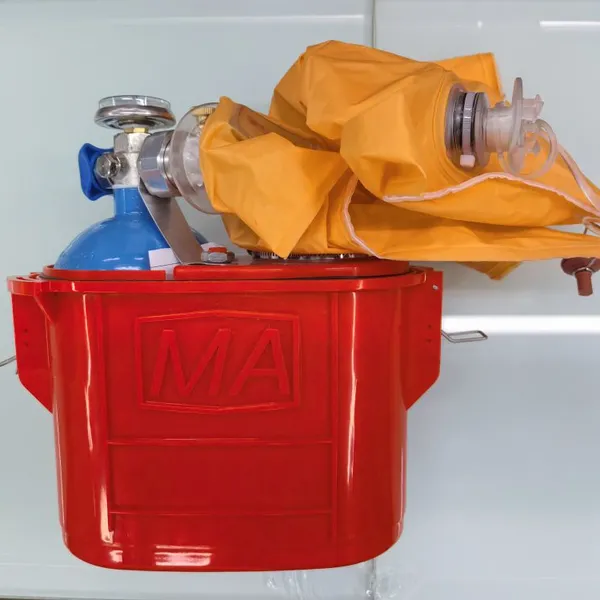
ZY30X Isolated Compressed Oxygen Self Rescuer Self Contained Breathing Escape DeviceUS$ 120 - 150MOQ: 1 Piece
-
Portable ZY45X Self Rescue Breathing Apparatus Emergency Escape Breathing DevicesNegotiableMOQ: 1 Piece
-
HYZ2 Isolated Positive Pressure Oxygen Breathing Apparatus PC Face Shield Aluminized FabricNegotiableMOQ: 1 Piece
-
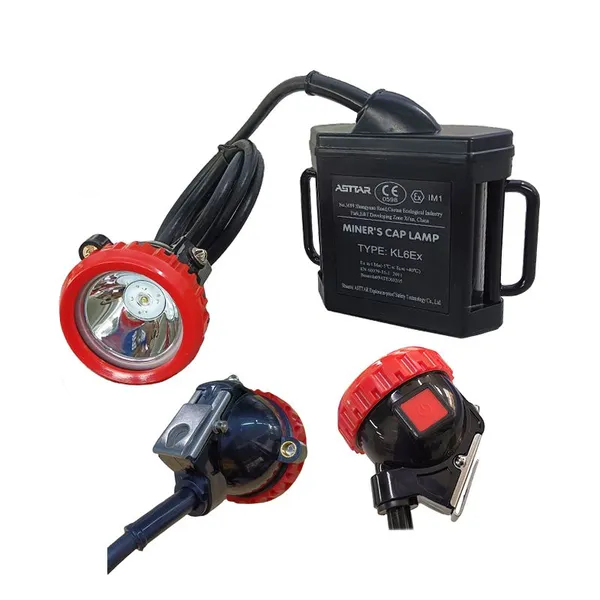
KL6Ex ATEX Rechargeable High Brightness Corded LED Headlamp Miner Cap LampUS$ 98 - 110MOQ: 1 Piece
-
ATEX Cordless LED Cap Lamp Underground Mining Safety HeadlampUS$ 75 - 85MOQ: 1 Piece
-
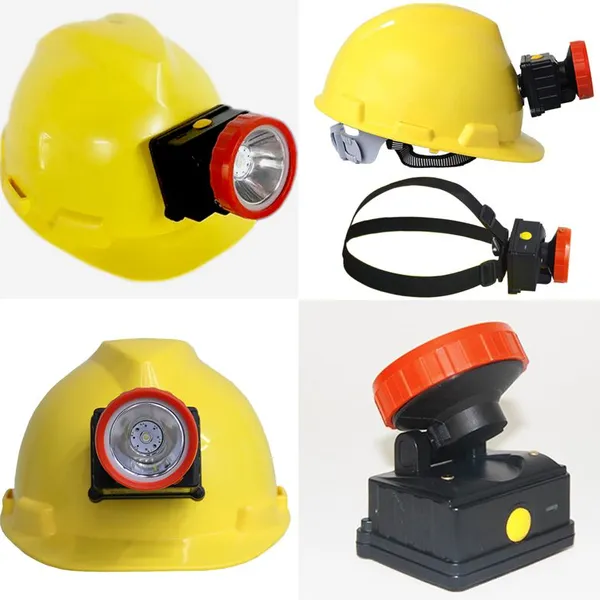
5Ah Rechargeable LED Cordless Miner\'s HeadlampUS$ 85 - 98MOQ: 1 Piece
-
5Ah Rechargeable LED Cordless Miner's Cap LampUS$ 85 - 98MOQ: 1 Piece