
 Business License
Chemical Oxygen Self-Rescuer vs Compressed Oxygen: Which One Do You Need?
A chemical oxygen self-rescuer is the better choice when you need a compact, low-maintenance emergency escape device for coal mines and confined spaces, while a compressed oxygen self-rescuer suits operations that want reusable training units, longer rated duration, and easier post-use inspection. Both are self-contained self-rescuers (SCSRs), but they generate and deliver breathable air in fundamentally different ways. Picking the wrong type can leave workers with too little breathing time, excessive maintenance cost, or a device they cannot deploy quickly under stress.
Imagine a roof fall in a coal mine triggers a sudden outburst of methane and carbon monoxide. The ventilation fan keeps running, but the air near the working face is no longer breathable. Every worker in that section reaches for the self-rescuer on their belt. In that moment, the only thing that matters is whether the unit starts immediately, delivers enough oxygen, and survives the trip to the surface. The debate between chemical oxygen and compressed oxygen self-rescuers is not about which technology is superior in isolation. It is about which technology matches your hazards, your maintenance capacity, and your training program.
This article compares both types side by side. You will learn how each unit works, where each performs best, and how to verify that the model you choose meets the right certifications. By the end, you will have a clear decision framework for your next procurement cycle.
Key Takeaways
Chemical oxygen self-rescuers generate oxygen through a chemical reaction when activated, making them compact and virtually maintenance-free until their service expiry.
Compressed oxygen self-rescuers store breathable oxygen in a cylinder and typically offer 30-45 minutes of duration with reusable training versions available.
Coal mines often prefer chemical oxygen units for belt portability and minimal field maintenance.
Metal mines and tunneling projects often favor compressed oxygen units for longer duration and repeated training use.
Always verify CE, ATEX, ISO 9001, and local mining safety approvals before procurement.
What Is a Chemical Oxygen Self-Rescuer?
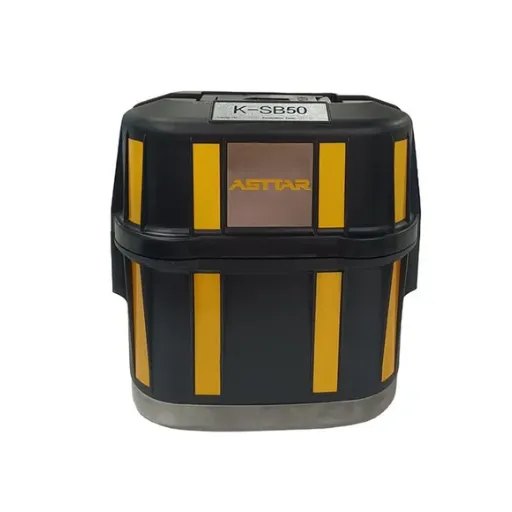
A chemical oxygen self-rescuer is a closed-circuit breathing device that produces oxygen on demand by reacting potassium superoxide (KO2) with the moisture and carbon dioxide in the wearer's exhaled breath. The chemical reaction releases oxygen while absorbing CO2, creating a self-contained loop that does not depend on ambient air.
These units are typically belt-worn or pocket-sized. When the wearer opens the sealed case and inserts the mouthpiece, the breathing circuit activates. Exhaled air passes through a chemical bed. The bed both scrubs CO2 and generates fresh O2. The result is independent breathable air for a rated period, commonly 30 or 45 minutes depending on the model and breathing rate.
Chemical oxygen self-rescuers are widely used in coal mines because they require no cylinder refilling, no pressure gauge checks, and no battery. Their simplicity reduces the risk of human error during activation. However, they are generally single-use devices. Once activated, the chemical reaction continues until the bed is exhausted, so the unit cannot be repacked or reused.
Safety Note: Store chemical oxygen self-rescuers in a cool, dry place. Heat and humidity can degrade the chemical bed before the printed service expiry date.
At a Shanxi coal operation, the safety manager replaced aging filter self-rescuers with chemical oxygen SCSRs after a near-miss in which blackdamp moved faster than expected through a return airway. The mine chose chemical oxygen units because every worker already carried a belt pouch, and the maintenance team had limited capacity for cylinder inventory. Three years later, the units had zero field failures during quarterly activation drills.
Want to see the full range? Explore ASTTAR self-rescuers for certified chemical and compressed oxygen escape devices.
What Is a Compressed Oxygen Self-Rescuer?
A compressed oxygen self-rescuer is a closed-circuit breathing device that stores breathable oxygen in a small high-pressure cylinder. The wearer exhales into a chemical scrubber that removes CO2, and a regulator adds fresh oxygen from the cylinder to maintain a breathable mixture. Because the oxygen supply is independent of the wearer's exhalation, the duration is fixed by cylinder capacity rather than by a chemical reaction rate.
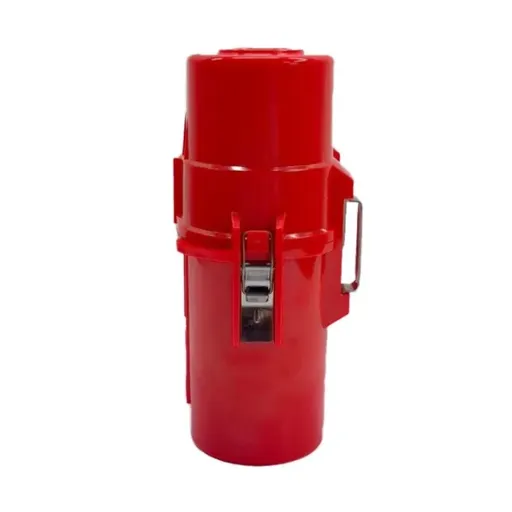
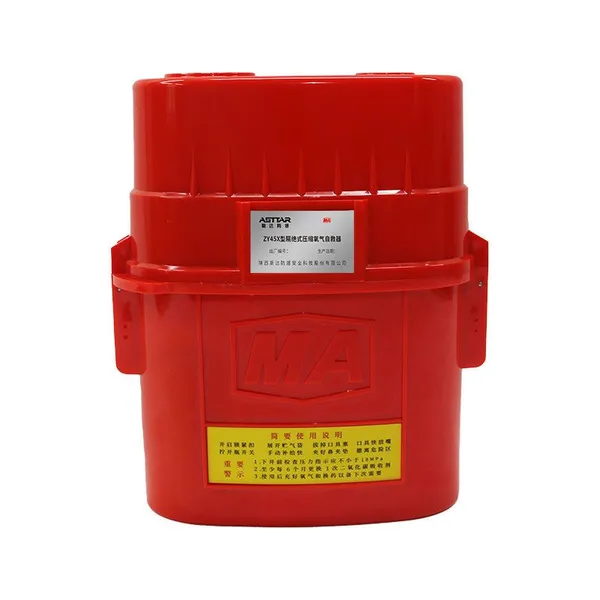
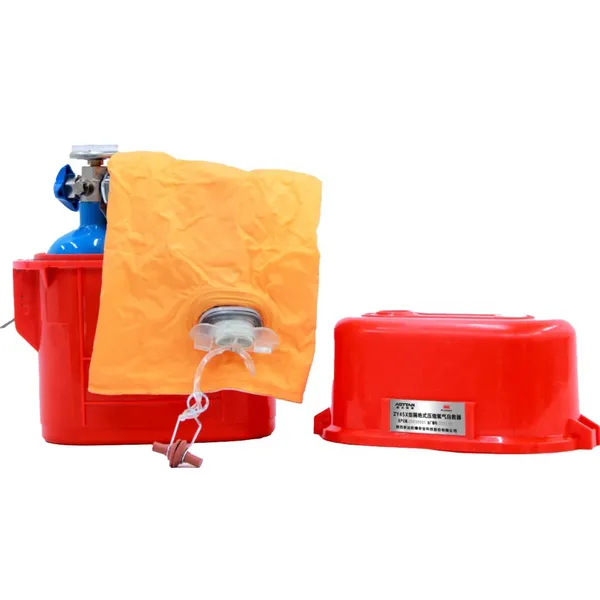
Compressed oxygen models such as the ZYX45 isolated compressed oxygen self-rescuer provide up to 45 minutes of rated breathing time. The closed-circuit design recycles exhaled air, so the unit works in oxygen-deficient or toxic atmospheres where ambient air cannot support life. After use, many compressed oxygen units can be refurbished: the cylinder is refilled, the scrubber is replaced, and the unit is pressure-tested before returning to service.
This reusability makes compressed oxygen self-rescuers attractive for training. Workers can practice donning, breathing, and moving in a controlled environment without destroying a sealed chemical bed. Training builds muscle memory, and muscle memory saves lives during an actual emergency.
Compressed oxygen units do require more maintenance than chemical oxygen units. Cylinders must be hydrostatically tested on schedule. Pressure indicators must be checked before each shift. Regulators and seals need inspection. For operations with a trained safety team and a maintenance workshop, these tasks are manageable. For remote sites with limited technical support, they can become a burden.
Learn more about selecting the right type in our self-rescuer selection guide.
Key Differences Between Chemical and Compressed Oxygen Self-Rescuers
Duration and Breathing Time
Chemical oxygen units are rated by the mass of the chemical bed, typically 30 or 45 minutes at moderate exertion. Compressed oxygen units are rated by cylinder volume and flow setting, also commonly 30 or 45 minutes. The practical difference is that chemical oxygen duration depends partly on breathing rate and humidity, while compressed oxygen duration is more predictable from cylinder pressure.
Activation and Deployment
Chemical oxygen self-rescuers activate when the seal is broken and the wearer begins breathing through the mouthpiece. Some models require a pin or clip to be removed first. Compressed oxygen units usually require the wearer to open a valve or activate a starter mechanism that begins oxygen flow. Both are designed for rapid donning, but chemical oxygen units often have fewer steps.
Maintenance and Service Life
Chemical oxygen units are sealed until use. They require only visual inspection and expiry-date tracking until activated. Compressed oxygen units require cylinder pressure checks, hydrostatic testing, scrubber replacement, and periodic refurbishment. The trade-off is that compressed oxygen units can be reused after proper service, while chemical oxygen units are consumed.
Weight and Portability
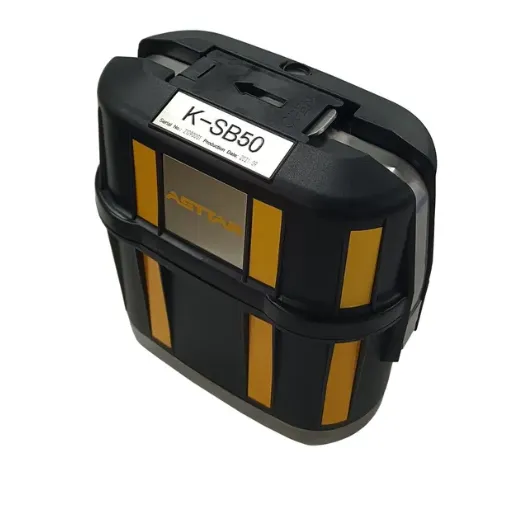
Chemical oxygen units tend to be lighter and more compact because they do not carry a metal oxygen cylinder. This makes them popular for belt wear in coal mines. Compressed oxygen units are slightly heavier and bulkier, though modern designs such as the ZYX45 remain comfortable for a full shift.
Training Requirements
Compressed oxygen self-rescuers support repeated training without consuming the primary escape unit. Many mines keep a separate training set that can be refilled and refurbished. Chemical oxygen units are harder to train with because each activation destroys the unit. Some mines use expired units for demonstration, but this does not replicate the exact breathing resistance and heat of a live chemical reaction.
| Feature | Chemical Oxygen Self-Rescuer | Compressed Oxygen Self-Rescuer |
|---|---|---|
| Oxygen source | Chemical reaction (KO2) | Stored high-pressure cylinder |
| Duration | Typically 30-45 minutes | Typically 30-45 minutes |
| Maintenance | Low; expiry-date tracking | Cylinder tests, scrubber replacement |
| Reusability | Single use | Refillable and refurbishable |
| Weight | Lighter, more compact | Slightly heavier |
| Best for | Coal mines, confined spaces | Metal mines, training programs |
Ready to compare specific models? Contact our safety team for a technical consultation and certified product datasheets.
How to Choose the Right Mining Self-Rescuer for Your Operation
Coal Mines
Coal mines face methane, carbon monoxide, blackdamp, and oxygen deficiency. Workers often operate in narrow seams where belt space is limited. Chemical oxygen self-rescuers are the common choice because they are light, compact, and require almost no daily maintenance. A lost or damaged unit is simply replaced rather than sent for cylinder service.
When procuring for coal, check that the unit meets local mining safety standards and any regional requirements such as ATEX for European markets. Also confirm the rated duration matches your longest expected escape route.
Metal and Non-Metal Mines
Hard-rock and metal mines tend to have wider openings and longer escape routes. Compressed oxygen self-rescuers are often preferred because they offer longer duration options and can be integrated into formal mine rescue training programs. Reusable training units let rescue teams practice repeatedly without consuming stock.
Metal mines also produce different gas hazards than coal mines. While methane may be less of a concern, nitrogen dioxide, sulfur dioxide, and oxygen deficiency still threaten workers. A compressed oxygen unit provides independent air regardless of the contaminant.
Tunnelling and Construction
Tunnelling projects share many hazards with mining but often lack permanent ventilation infrastructure. Workers may be far from a fresh-air base. A 45-minute compressed oxygen self-rescuer can provide the extra margin needed to reach a refuge chamber or shaft. For shorter tunnels with good access, a 30-minute chemical oxygen unit may be sufficient and more cost-effective.
At a tunneling project in Southeast Asia, the safety officer initially issued chemical oxygen units to keep weight down. After mapping the longest escape route, the team realized some headings were more than 35 minutes from the nearest shaft. They switched to 45-minute compressed oxygen models and added a dedicated training unit for monthly drills. The change added a small amount of weight but removed a critical gap in emergency coverage.
Certification and Standards to Verify
A self-rescuer is only as reliable as the quality system behind it. Before adding any unit to your procurement list, verify the following:
CE and ATEX certifications for equipment used in European explosive atmospheres.
ISO 9001 quality management system covering design, production, and inspection.
ISO 14000 environmental management system and OHSAS 18001 occupational health and safety management system for responsible manufacturing.
Local mining safety approvals in your country or region.
Test reports matching the exact model number you intend to buy.
ASTTAR publishes certification documentation for qualified partners. You can review the full scope of approvals on our certifications page.
For technical background, external authorities such as the U. S. Centers for Disease Control and Prevention's National Institute for Occupational Safety and Health (NIOSH) provide resources on mining respiratory protection, and the UK Health and Safety Executive covers mining health topics including emergency escape. The International Organization for Standardization also publishes relevant quality management standards that underpin certified manufacturing.
Common Mistakes When Selecting Self-Rescuers
Choosing Based on Price Alone
The lowest unit price rarely produces the lowest total cost of ownership. Compressed oxygen units may cost more upfront but can be refurbished. Chemical oxygen units are cheaper per unit but must be replaced after activation or expiry. Calculate the expected service life, training consumption, and refurbishment cost before deciding.
Ignoring Escape Route Duration
A 30-minute unit is adequate only if every worker can reach fresh air within 30 minutes under stress, in low visibility, and possibly carrying an injured colleague. Map your escape routes realistically. Add a safety margin. When in doubt, choose the longer-duration option.
Skipping Training
Even the best self-rescuer fails if the wearer cannot don it in 30 seconds in the dark. Schedule hands-on training at least quarterly. Compressed oxygen units make this easier because you can train with refillable units. Chemical oxygen mines should budget for expired demonstration units or realistic mannequin-based drills.
Forgetting Spare Parts and Support
For compressed oxygen units, confirm that replacement cylinders, scrubbers, seals, and test equipment are available in your region. For chemical oxygen units, confirm lead times for replacement stock. A self-rescuer program is only sustainable if the supply chain supports it.
Mixing Models Without Clear Labeling
Some mines keep both chemical and compressed oxygen units for different areas. This is acceptable, but only if workers know which unit they carry and how to operate it. Color coding, signage, and dedicated training reduce confusion during an emergency.
FAQ
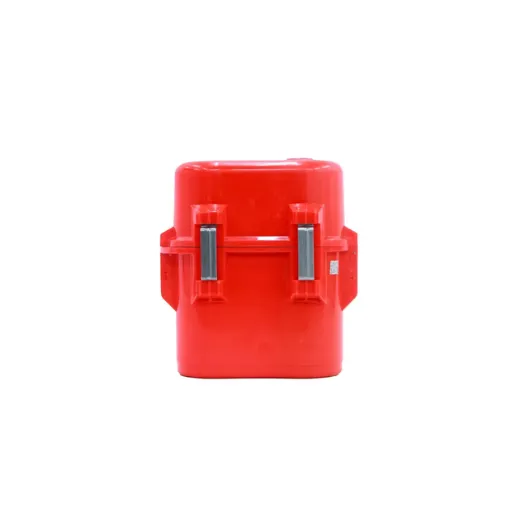
What is the main difference between a chemical oxygen self-rescuer and a compressed oxygen self-rescuer?
A chemical oxygen self-rescuer generates oxygen through a chemical reaction when activated, while a compressed oxygen self-rescuer stores oxygen in a cylinder and releases it through a regulator. The chemical unit is simpler and lighter; the compressed unit is reusable and often preferred for training.
How long does a mining self-rescuer last?
Most mining self-rescuers provide 30 to 45 minutes of rated breathing time. Actual duration depends on the model, the wearer's breathing rate, and exertion level. Compressed oxygen duration is generally more predictable than chemical oxygen duration.
Can chemical oxygen self-rescuers be reused?
No. Once activated, the chemical reaction continues until the bed is exhausted. Chemical oxygen self-rescuers are single-use devices and must be replaced after activation or after their printed service expiry date.
Which self-rescuer is best for coal mines?
Coal mines often choose chemical oxygen self-rescuers because they are compact, lightweight, and require minimal daily maintenance. They fit easily on a worker's belt and do not need cylinder refills or pressure checks.
How often should self-rescuers be inspected?
Chemical oxygen units should be visually inspected according to the manufacturer's schedule and replaced before the expiry date. Compressed oxygen units require pre-shift pressure checks plus periodic hydrostatic testing, scrubber replacement, and regulator inspection.
What certifications should a mining self-rescuer have?
Look for CE and ATEX certification for European markets, ISO 9001 for quality management, and any local mining safety approvals required in your country. Always request test reports for the specific model.
Conclusion
The choice between a chemical oxygen self-rescuer and a compressed oxygen self-rescuer comes down to your operation, not the technology. Coal mines and confined-space crews often gain the most from the compact simplicity of chemical oxygen units. Metal mines, tunneling projects, and operations with strong maintenance programs often benefit from the reusable, trainable nature of compressed oxygen units.
Both types perform the same critical function: they give workers independent breathable air when the atmosphere underground becomes lethal. The right unit is the one that matches your escape routes, your maintenance capacity, your training program, and your certification requirements.
Start your evaluation by mapping escape routes, auditing your maintenance capability, and checking which certifications your regulators require. Then request specification sheets for the models that fit. ASTTAR's chemical oxygen and compressed oxygen self-rescuers are built to CE and ATEX standards where applicable, supported by ISO 9001, ISO 14000, and OHSAS 18001 management systems.
Need help choosing? Contact our safety engineering team for a technical consultation, certified datasheets, or a quote for your next procurement cycle.
Recently Posted
-
Explosion Proof Flood Light for Mining: A 2026 Selection Guide
July 29, 2026An explosion proof flood light for mining is a high-output, certified LED fixture designed to illuminate large work areas, stockpi Read More
 -
Mechanical Anemometer for Mining: A 2026 Ventilation Survey Guide
July 29, 2026A mechanical anemometer for mining is a hand-held or bracket-mounted instrument that measures air velocity in underground roadways Read More
 -
LED Flameproof Tunnel Light for Mining: 2026 Selection Guide
July 29, 2026An LED flameproof tunnel light for mining is a fixed luminaire built inside a flameproof (Ex d) enclosure that contains any intern Read More
 -
Wholesale Mining Safety Equipment: A 2026 Procurement Guide
July 24, 2026Wholesale mining safety equipment is the bulk purchase of certified protective gear, escape devices, lighting, gas detection, and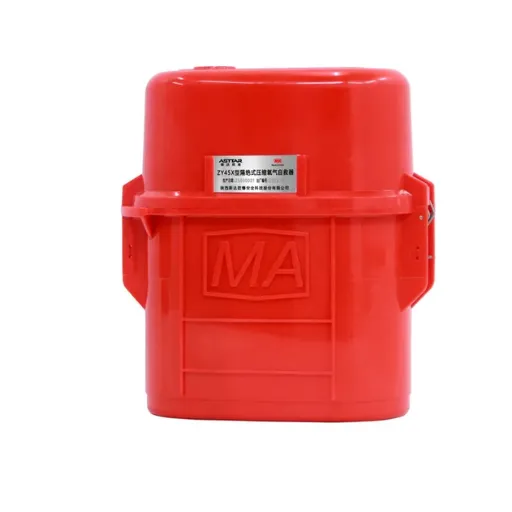 Read More

Contact Us

Recommended Products
-
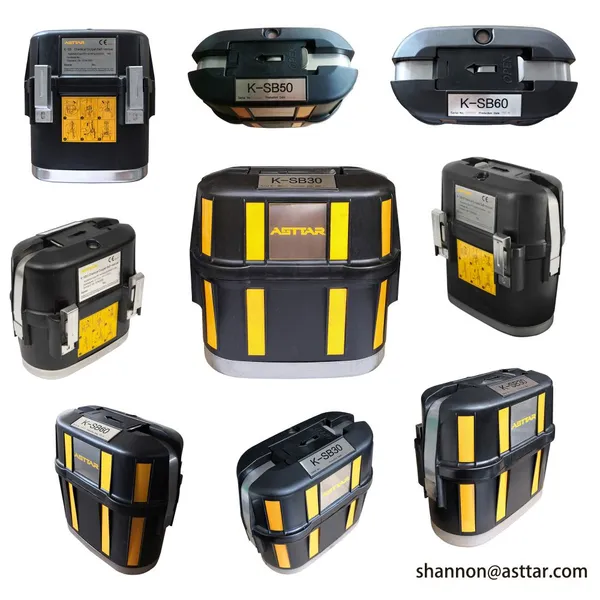
 CE Certified 30 Minutes Closed Circuit Mining Oxygen Self-rescuerNegotiableMOQ: 1 Piece
 -
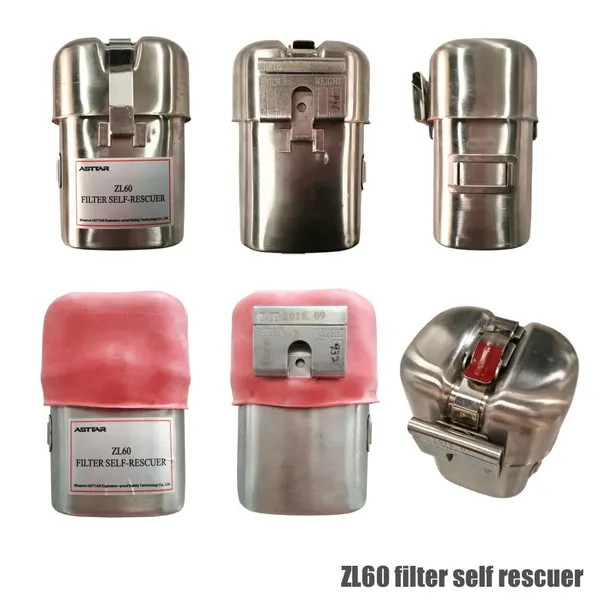
Portable ZL60 Filter Self Rescuer Lightweight Underground Personal Breathing DeviceNegotiableMOQ: 1 Piece
-
0.6L Oxygen Cylinder ZY45X Self Rescue Respirator Underground Mining Self RescuerNegotiableMOQ: 1 Piece
-
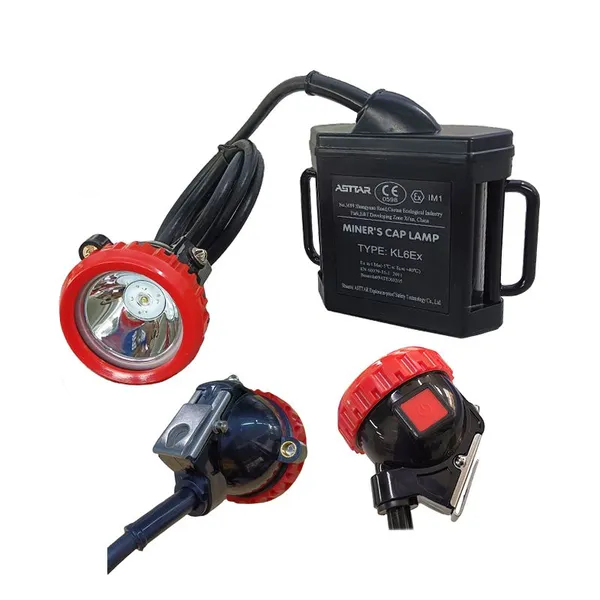
Atex 6ah 7000lux IP65 Mining Industrial Use Ex Proof LED Cap Lamp Safety HeadlampUS$ 98 - 110MOQ: 1 Piece
-
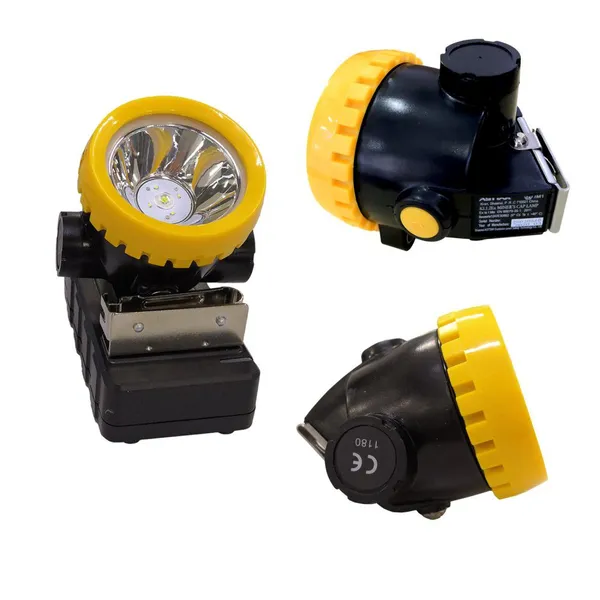
KL1.2Ex LED Miner Cap Lamp ATEX Explosion Proof Mining HeadlampUS$ 75 - 85MOQ: 1 Piece
-
Kl3lm (A) Cordless Intrinsically Safe LED Headlamp for Mining, Camping, and Outdoor ActivitiesNegotiableMOQ: 1 Piece
-
Heat Resistant PA Housing HYZ4(C) Positive Pressure Oxygen Apparatus Coal Mine Emergency RescueNegotiableMOQ: 1 Piece
-
Independent Oxygen Supply Automatic Resuscitator MZS30 for Weak‑Breathing Casualty RescueNegotiableMOQ: 1 Piece
-
Mining Intrinsically Safe CJG10 Methane Detector Optical Interference Principle Gas Measuring InstrumentNegotiableMOQ: 1 Piece
-
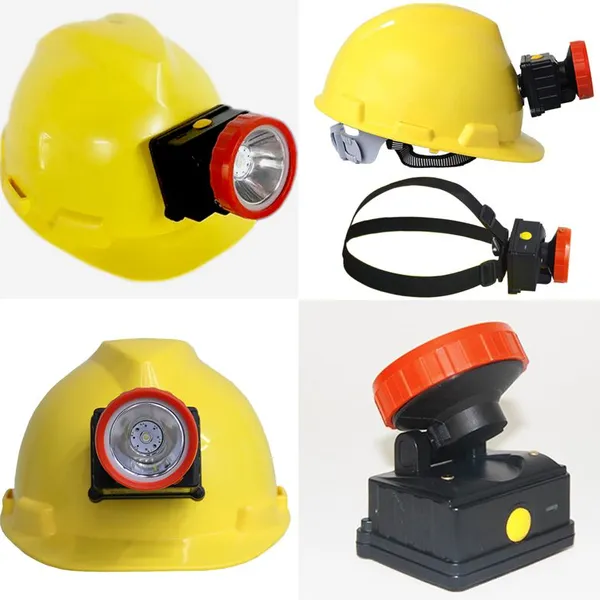
YHJ-100J(A) 100m Portable Explosion Proof Laser Distance MeterUS$ 250 - 350MOQ: 1 Piece
-
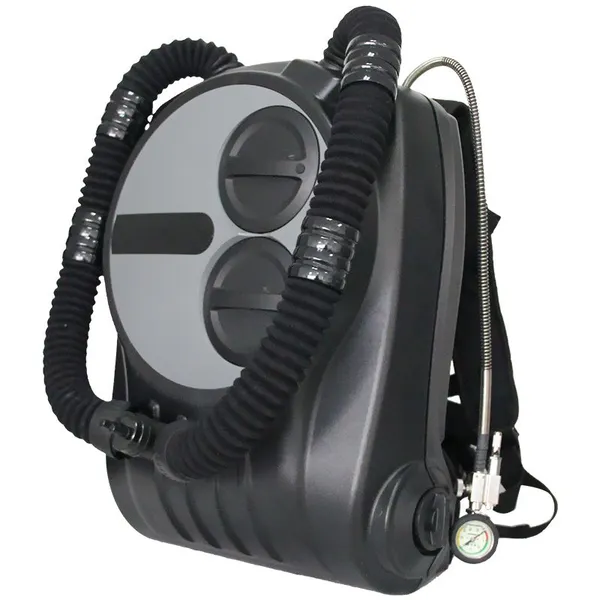
K-SB50 Self Contained Oxygen Escape Device Built-In Humidity Indicator For Mine Fire RescueNegotiableMOQ: 1 Piece
-
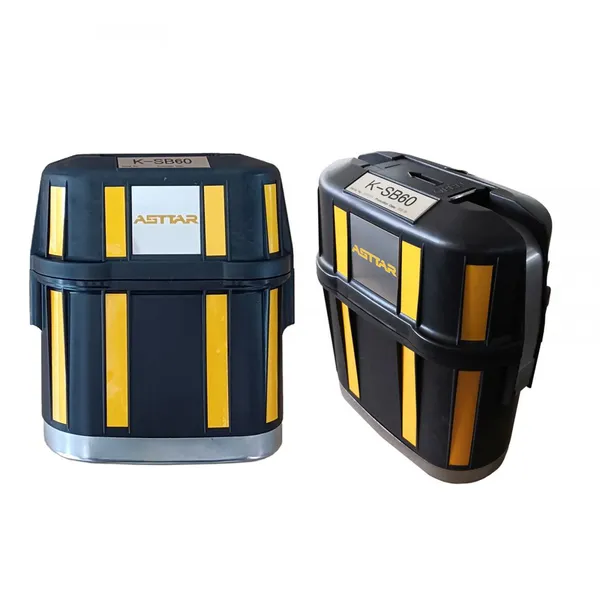
60 Minutes CE Approved Self-Contained Self-Rescuer K-Sb60 for Miner SafetyNegotiableMOQ: 1 Piece
-
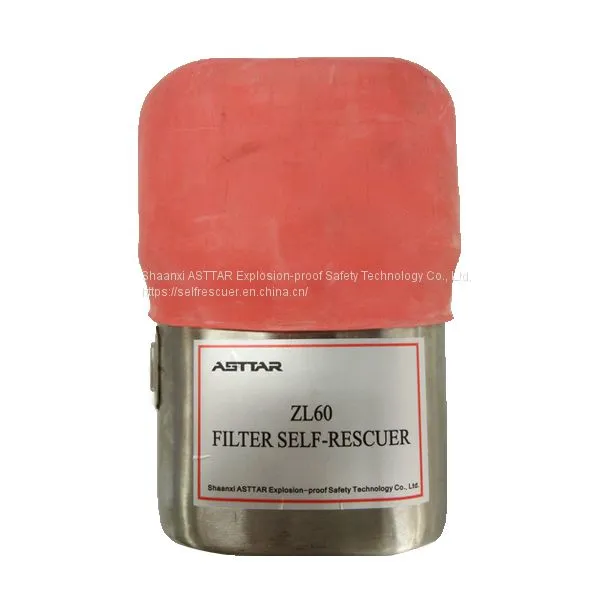
ZL60 60 Minutes Carbon Monoxide Filter Self RescuerUS$ 120 - 150MOQ: 1 Piece
-
ZY30X Isolated Compressed Oxygen Self Rescuer Self Contained Breathing Escape DeviceUS$ 120 - 150MOQ: 1 Piece
-
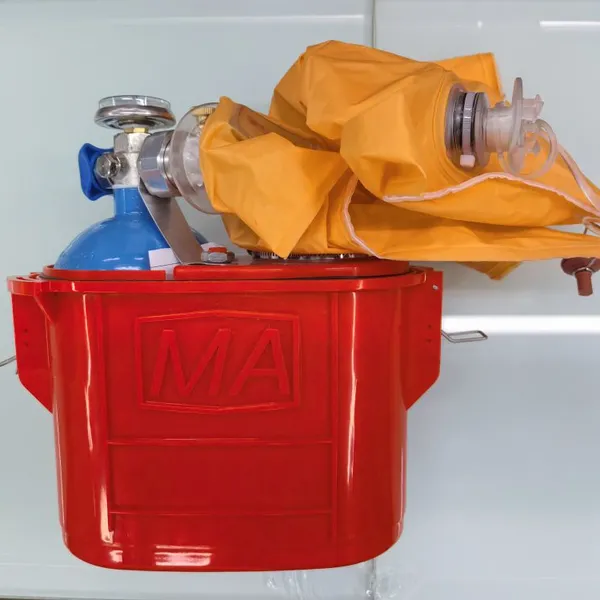
Portable ZY45X Self Rescue Breathing Apparatus Emergency Escape Breathing DevicesNegotiableMOQ: 1 Piece
-
HYZ2 Isolated Positive Pressure Oxygen Breathing Apparatus PC Face Shield Aluminized FabricNegotiableMOQ: 1 Piece
-
KL6Ex ATEX Rechargeable High Brightness Corded LED Headlamp Miner Cap LampUS$ 98 - 110MOQ: 1 Piece
-
ATEX Cordless LED Cap Lamp Underground Mining Safety HeadlampUS$ 75 - 85MOQ: 1 Piece
-
5Ah Rechargeable LED Cordless Miner\'s HeadlampUS$ 85 - 98MOQ: 1 Piece
-
5Ah Rechargeable LED Cordless Miner's Cap LampUS$ 85 - 98MOQ: 1 Piece