
 Business License
How to Use a Mining Self-Rescuer: A Step-by-Step Escape Guide
To use a mining self-rescuer, inspect the unit before each shift, open the sealed case, start the breathing circuit, seal the mouthpiece and nose clip, and move along your escape route at a controlled pace. The exact steps differ slightly between chemical oxygen and compressed oxygen models, but the goal is the same: independent breathable air until you reach fresh air or a refuge chamber.
Most underground workers know what a self-rescuer is. Far fewer have practiced deploying one in smoke, darkness, and stress. When the atmosphere turns toxic, that gap shows.
In this guide, you'll learn how to use a mining self-rescuer from inspection to escape. We'll cover daily checks, donning technique, breathing control, common mistakes, and the training that makes correct use automatic. By the end, you'll have a clear procedure your team can drill and trust.
Key Takeaways
Inspect the sealed case, harness, and pressure indicator before every shift
Open the case, activate the unit, insert the mouthpiece, and secure the nose clip in one smooth sequence
Breathe slowly and walk at a steady pace to extend the effective duration of the device
Chemical oxygen units start automatically once opened; compressed oxygen units need a valve or pin activated
Hands-on practice in low-light, time-pressured conditions is the only way to build reliable muscle memory
What Is a Mining Self-Rescuer?
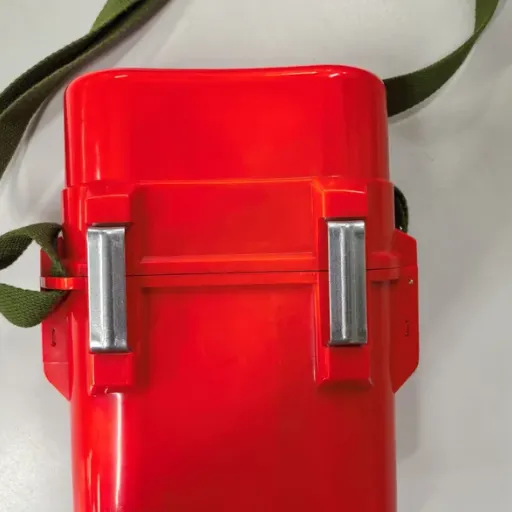
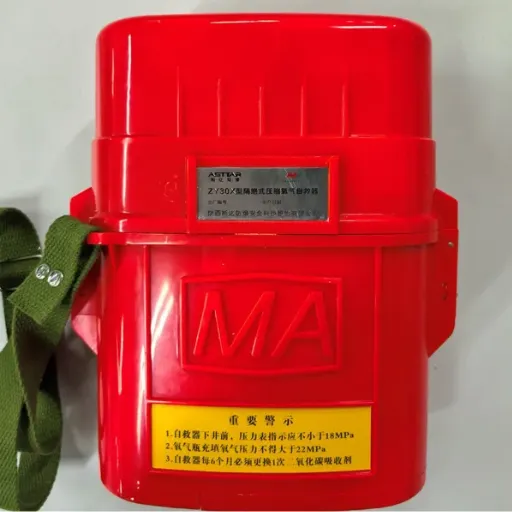
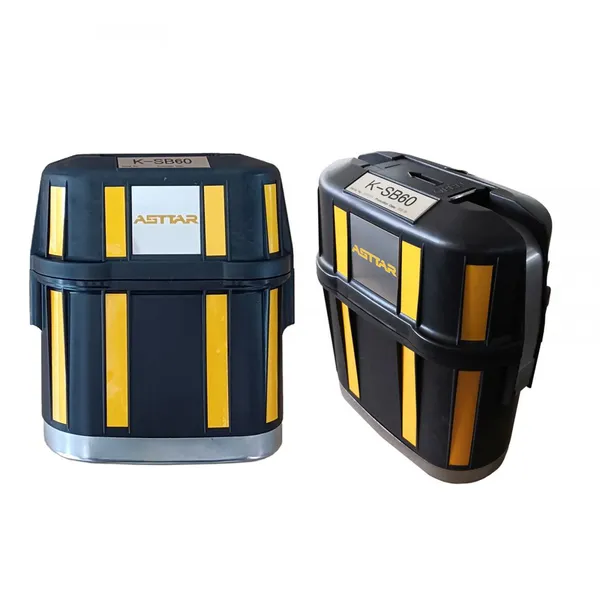
A mining self-rescuer is a portable breathing device carried by underground workers for emergency escape. The most common type used in modern mining is the self-contained self-rescuer (SCSR). It supplies its own oxygen and does not filter the surrounding air.
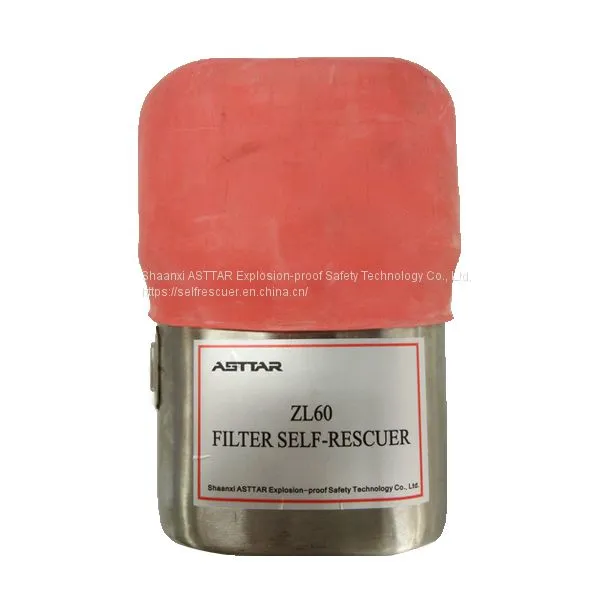
This matters because mine emergencies often involve carbon monoxide, methane, smoke, or oxygen-deficient atmospheres. A filter device cannot protect the wearer when the oxygen level drops too low or the contaminant exceeds the filter's capacity. An SCSR creates a closed breathing loop that recycles exhaled air, removes carbon dioxide, and adds fresh oxygen.
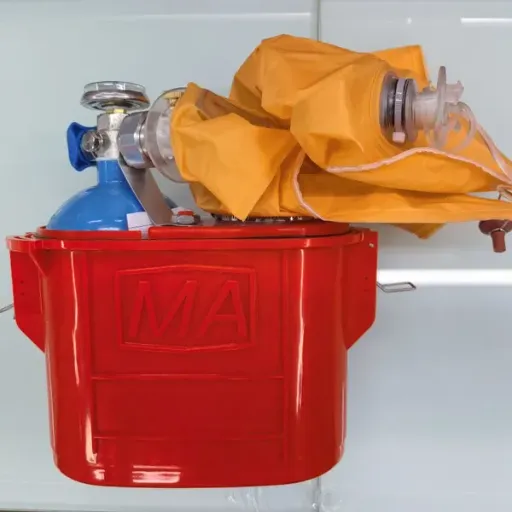
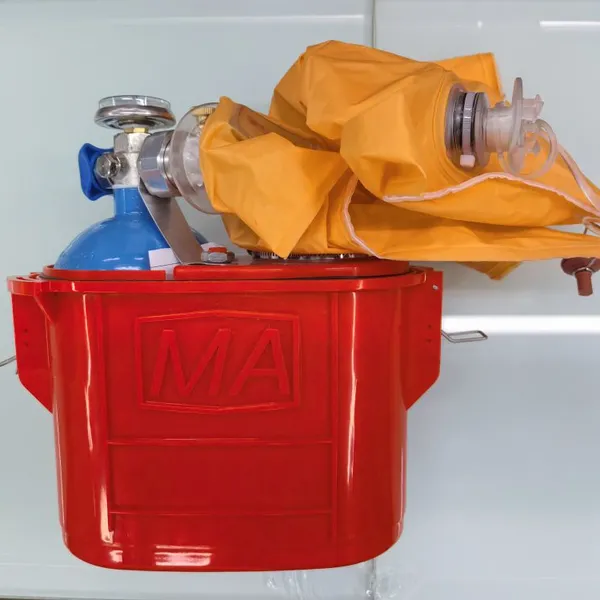
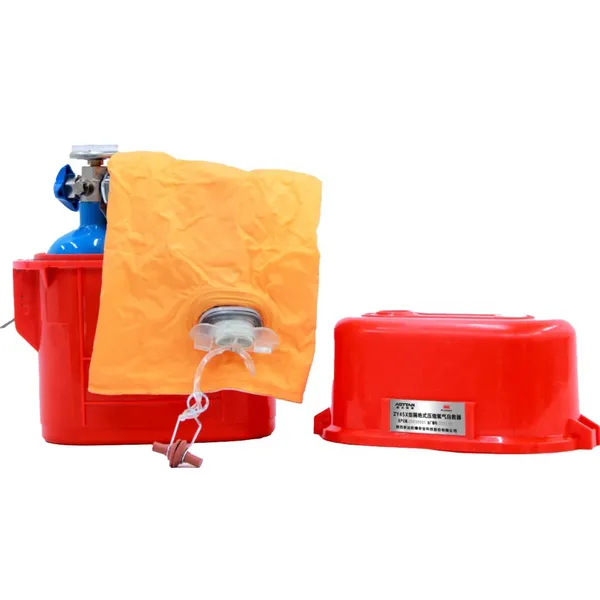
There are two main designs. A chemical oxygen self-rescuer generates oxygen from potassium superoxide granules when the wearer exhales. A compressed oxygen self-rescuer stores oxygen in a small cylinder and releases it through a regulator. Both types protect the user for a rated duration, typically 30 or 45 minutes under standard conditions.
Understanding your unit's design is the first step toward using it correctly. The activation method, weight, heat, and breathing resistance all change depending on which model you carry. ASTTAR supplies both chemical and compressed oxygen self-rescuers for coal mines, metal mines, and tunnelling operations, including the ZYX30 and ZYX45 models. For coal operations, these devices are a core part of a complete coal mine safety solution. If you are still selecting equipment, read our guide on how to choose a mining self-rescuer.
Before You Need It: Pre-Shift Inspection
Before you can use a mining self-rescuer in an emergency, you must know it will work when opened. A self-rescuer that fails at the moment of need is worse than no self-rescuer at all. It creates false confidence. Every shift should start with a visual and physical check.
Check the Sealed Case
Look for cracks, dents, punctures, or signs of moisture. The case protects the chemical bed or cylinder from physical damage and humidity. If the seal is broken, assume the unit is compromised.
Inspect the Harness or Pouch
Verify that straps, clips, and belt loops are intact. A damaged harness can delay deployment when seconds matter. The unit should sit within easy reach, not buried under tools or clothing.
Confirm the Storage Location
Each worker should know exactly where their self-rescuer is stored. Consistency reduces search time during an emergency. Some mines use designated caches along escape routes in addition to personal units.
Read the Pressure Gauge on Compressed Models
For compressed oxygen units, the gauge must show full pressure. A reading below the manufacturer's minimum means the unit needs refilling or replacement before the shift starts.
Verify the Expiration Date on Chemical Models
Chemical oxygen self-rescuers have a fixed shelf life. The chemical bed degrades over time, even if the case has never been opened. Do not rely on a unit that has passed its expiration date. Always source replacements from a manufacturer whose ASTTAR certifications are current and documented.
Jorge, a safety officer at a Chilean copper mine, caught a bad batch during a routine Monday inspection. Three chemical oxygen units showed hairline cracks in their outer cases from transport damage. None had been opened. He removed them from service immediately. That small inspection prevented three potential failures during a belt fire three weeks later.
How to Don and Activate a Mining Self-Rescuer
The exact sequence depends on the model, but the principles are universal: open, activate, seal, and breathe. Practice the same sequence every time so your hands know what to do when visibility is poor.
Open the case. Remove the unit from its pouch. Tear or unscrew the sealed case according to the manufacturer's instructions. Don't pause to read labels during an emergency. Read them now, during training.
Start the breathing circuit. For chemical oxygen units, opening the case and removing the breathing hose is usually enough to start the reaction. Some models require a starter clip or pin to be pulled. Compressed oxygen units typically require the user to open a cylinder valve or remove a safety pin to release oxygen.
Insert the mouthpiece. Place the mouthpiece between your teeth and bite down gently on the bite tabs. Seal your lips around it. A poor seal wastes oxygen and lets contaminants in.
Secure the nose clip. Close the nose clip firmly. Breathing through your nose bypasses the device and exposes you to the surrounding atmosphere. This step is easy to forget under stress.
Put on the head harness or straps. Adjust the straps so the unit sits securely against your chest or side. The weight should be stable enough that you can move, climb, and crawl without the device shifting.
Begin controlled escape. Once the unit is sealed and breathing feels normal, move toward your designated escape route. Walk at a steady pace. Running increases oxygen demand and reduces the effective duration of the device.
ASTTAR's self-rescuer selection guide includes model-specific activation details. If your fleet includes multiple designs, train workers on each one rather than assuming one technique fits all.
How to Breathe and Move During Escape
Once you know how to use a mining self-rescuer, breathing control determines how far it carries you. The rated duration assumes moderate exertion. Real emergencies rarely follow that assumption. Smoke, heat, and panic can double or triple your breathing rate.
Breathe Slowly and Deeply
Short, rapid breaths waste oxygen and increase carbon dioxide buildup. Focus on slow, controlled breaths. Count silently if it helps. In through the mouthpiece, out through the mouthpiece.
Walk, Don't Run
Running raises heart rate and oxygen consumption. A 30-minute unit can become a 15-minute unit under heavy exertion. Move with purpose, but keep your pace sustainable.
Stay Low in Smoke
Heat and toxic gases rise. Staying low improves visibility and reduces inhalation risk, even with an SCSR. It also helps you stay calm and oriented.
Follow the Escape Route
Every worker should know the primary and backup escape routes from their workstation. In low visibility, follow reflectors, lifelines, or cap-lamp beams. Do not improvise unless the route is blocked.
Communicate With Hand Signals
Voice communication may be difficult with a mouthpiece in place. Agree on simple hand signals during training. A raised fist can mean stop. A tap on the shoulder can mean follow me.
Mei, an EHS manager at an underground coal mine in China, timed her crew during quarterly drills. Workers who panicked and ran reached exhaustion in under 10 minutes. Workers who walked steadily and controlled their breathing completed the same route with oxygen to spare. She made breathing-control drills a standard part of every training session.
Chemical Oxygen vs. Compressed Oxygen Activation
Both types of SCSR protect the wearer, but the activation and handling differ. Train workers on the specific model they carry.
| Feature | Chemical Oxygen SCSR | Compressed Oxygen SCSR |
|---|---|---|
| Activation | Usually automatic when opened; some require a starter pin | Open cylinder valve or remove safety pin |
| Breathing air temperature | Warmer due to chemical reaction | Cooler, closer to ambient |
| Weight | Lighter | Heavier |
| Maintenance | Replace on expiration; single-use | Refill and service after use |
| Pre-shift check | Seal and expiration date | Pressure gauge, seals, and hoses |
| False alarm | Unit is spent; replace | Can be refilled if not damaged |
Chemical oxygen units generate heat during operation. This is normal. Workers should not remove the unit because it feels warm. The insulation and case protect the wearer.
Compressed oxygen units require more steps to activate. The trade-off is reusability, cooler breathing air, and the ability to check cylinder pressure before each shift. For a deeper comparison, see our guide on chemical vs compressed oxygen self-rescuer technologies.
Common Mistakes to Avoid
Even experienced workers make errors when adrenaline takes over. Knowing the common failures helps prevent them.
| Mistake | Why It Matters | How to Prevent It |
|---|---|---|
| Forgetting the nose clip | Breathing through the nose bypasses the device and lets contaminated air in | Practice the nose-clip step every drill until it becomes automatic |
| Activating too early or too late | Opening too early wastes duration; waiting too long exposes the worker to toxic air | Train workers to recognize compromised atmosphere signs and act decisively |
| Removing the unit to talk | Even a few seconds without the mouthpiece can cause exposure | Use hand signals or taps instead of speaking |
| Ignoring the pre-shift check | Damaged or expired units can fail when needed most | Make inspection part of every shift-start routine |
| Assuming one model fits all | A worker trained on chemical units may mishandle compressed oxygen valves | Cross-train the crew on every model in the fleet |
Carlos, a tunnel safety supervisor in Brazil, watched a drill go wrong when a worker pulled the starter pin on a compressed oxygen unit and then tried to remove it. The worker was treating it like the chemical model he had trained on three years earlier. Carlos added refresher training every quarter and rotated workers through both model types.
SCSR Training and Practice Requirements
Reading a guide is not enough. Using a mining self-rescuer correctly under stress requires repeated, realistic practice. SCSR training should cover inspection, activation, breathing control, and escape-route movement in conditions that match real emergencies.
Donning Drills
Workers should practice opening the case, inserting the mouthpiece, and securing the nose clip while wearing gloves and a helmet. Time each drill. The goal is a smooth sequence that becomes automatic.
Low-Light Practice
Emergencies often happen with reduced visibility. Practice donning in dim conditions or with smoke goggles. Workers should be able to activate the unit by feel alone.
Route Familiarity
Walk escape routes during normal conditions. Re-time them during drills with SCSRs in place. Workers should know where refuge chambers, fresh-air bases, and backup caches are located.
Breathing Control Exercises
Teach workers to slow their breathing under pressure. Use timed drills where the objective is not speed of movement but conservation of the oxygen supply.
Refresher Frequency
Annual training is the minimum. Quarterly drills produce better retention. New workers should receive hands-on instruction before their first underground shift. Supervisors should document every drill.
The CDC/NIOSH mining self-rescuer guidance emphasizes hands-on training as a critical factor in successful emergency escape. MSHA regulations in the United States also require regular self-rescuer training for underground miners. For a broader compliance overview, see our mining safety standards reference.
Frequently Asked Questions
How do you use a mining self-rescuer step by step?
Inspect the unit before the shift
Open the sealed case and start the breathing circuit
Insert the mouthpiece and seal your lips
Secure the nose clip firmly
Adjust the straps for a stable fit
Move along the escape route at a controlled pace
What is the first thing you should do when using a self-rescuer?
Open the case and start the breathing circuit. Do not remove the unit from the sealed pouch until you are ready to activate it. Once opened, insert the mouthpiece and close the nose clip before inhaling from the surrounding atmosphere.
Can you talk while wearing a mining self-rescuer?
Speech is difficult with a mouthpiece in place. More importantly, removing the mouthpiece to talk exposes you to toxic or oxygen-deficient air. Use hand signals or taps to communicate instead.
How long does a mining self-rescuer last?
A 30-minute mining self-rescuer is rated for approximately 30 minutes under standard breathing conditions. Heavy exertion, panic, or poor fitness can shorten that time. Always add a safety margin to escape-route timing.
What is the difference between a chemical oxygen and compressed oxygen self-rescuer?
A chemical oxygen self-rescuer generates oxygen from a reaction between potassium superoxide and exhaled breath. A compressed oxygen self-rescuer releases stored oxygen from a cylinder. Chemical units are lighter and lower maintenance; compressed units are reusable and provide cooler air.
How often should workers train with a self-rescuer?
At least once per year, and preferably once per quarter. New workers should train before their first underground shift. Training should include donning, low-light practice, route familiarization, and breathing control.
Conclusion
Knowing how to use a mining self-rescuer is a fundamental skill for every underground worker. The device only works if the wearer can inspect it, activate it, seal it, and escape with it under pressure. Training turns a stored object into a reliable lifeline.
Start with daily inspections. Build a consistent donning sequence. Practice in realistic conditions. Then review your escape routes and add a safety margin to the rated duration. These steps are simple, but they depend on discipline and repetition.
Need help building a self-rescuer training program for your mine? Contact ASTTAR's safety engineering team to request a specification sheet, training guidance, or a quote for CE/ATEX-certified chemical and compressed oxygen self-rescuers. Our team can help you match the right models to your escape plan and keep your workers prepared.
Recently Posted
-
Explosion Proof Flood Light for Mining: A 2026 Selection Guide
July 29, 2026An explosion proof flood light for mining is a high-output, certified LED fixture designed to illuminate large work areas, stockpi Read More
 -
Mechanical Anemometer for Mining: A 2026 Ventilation Survey Guide
July 29, 2026A mechanical anemometer for mining is a hand-held or bracket-mounted instrument that measures air velocity in underground roadways Read More
 -
LED Flameproof Tunnel Light for Mining: 2026 Selection Guide
July 29, 2026An LED flameproof tunnel light for mining is a fixed luminaire built inside a flameproof (Ex d) enclosure that contains any intern Read More
 -
Wholesale Mining Safety Equipment: A 2026 Procurement Guide
July 24, 2026Wholesale mining safety equipment is the bulk purchase of certified protective gear, escape devices, lighting, gas detection, and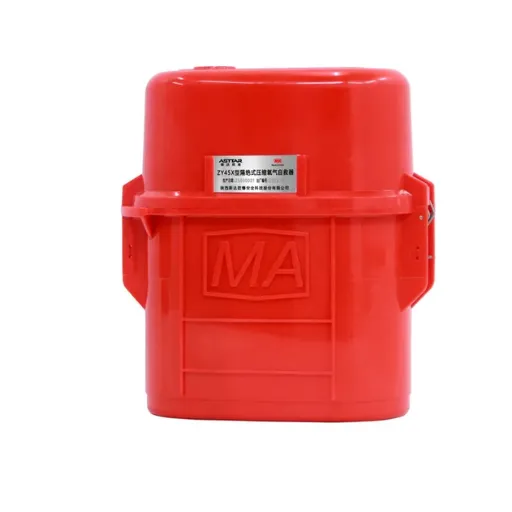 Read More

Contact Us

Recommended Products
-
 CE Certified 30 Minutes Closed Circuit Mining Oxygen Self-rescuerNegotiableMOQ: 1 Piece
 -
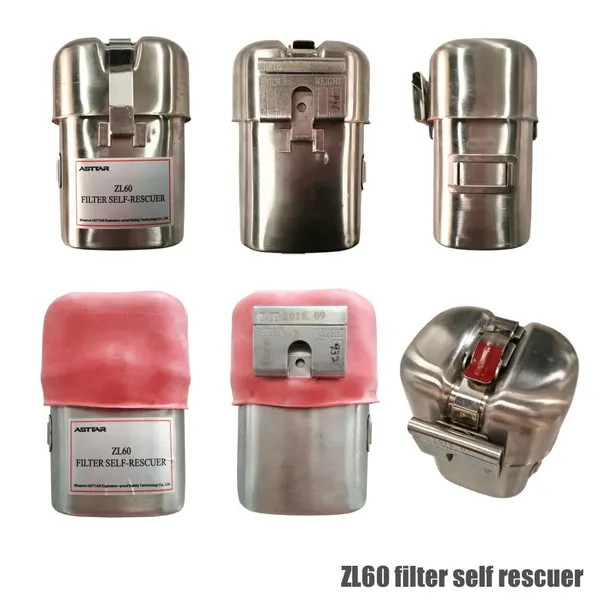
Portable ZL60 Filter Self Rescuer Lightweight Underground Personal Breathing DeviceNegotiableMOQ: 1 Piece
-
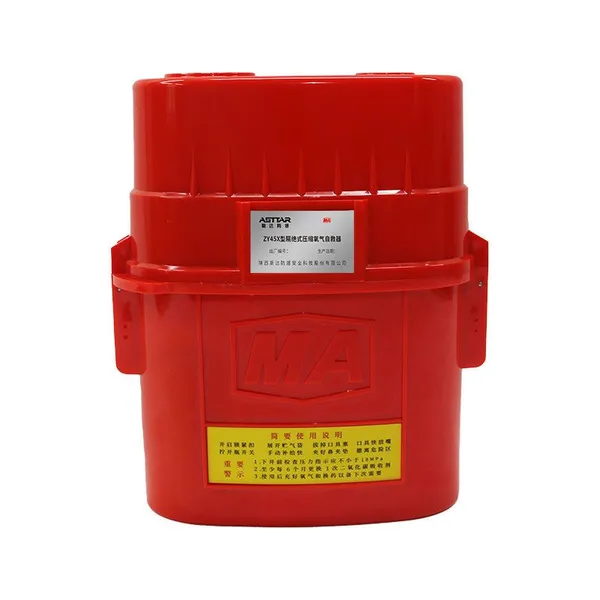
0.6L Oxygen Cylinder ZY45X Self Rescue Respirator Underground Mining Self RescuerNegotiableMOQ: 1 Piece
-
Atex 6ah 7000lux IP65 Mining Industrial Use Ex Proof LED Cap Lamp Safety HeadlampUS$ 98 - 110MOQ: 1 Piece
-
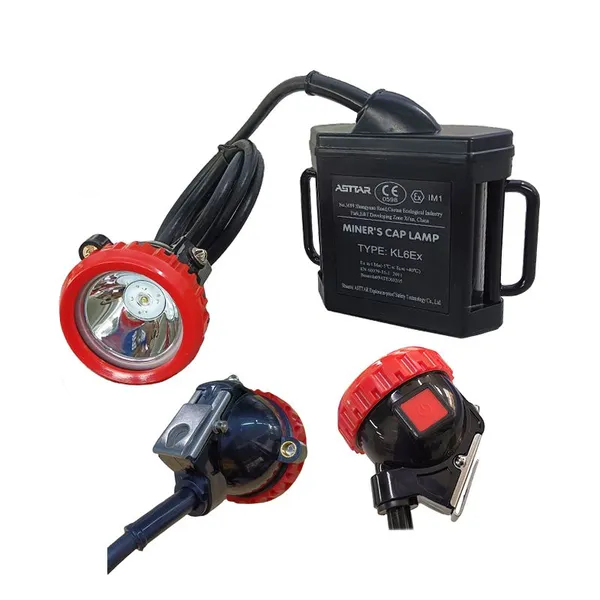
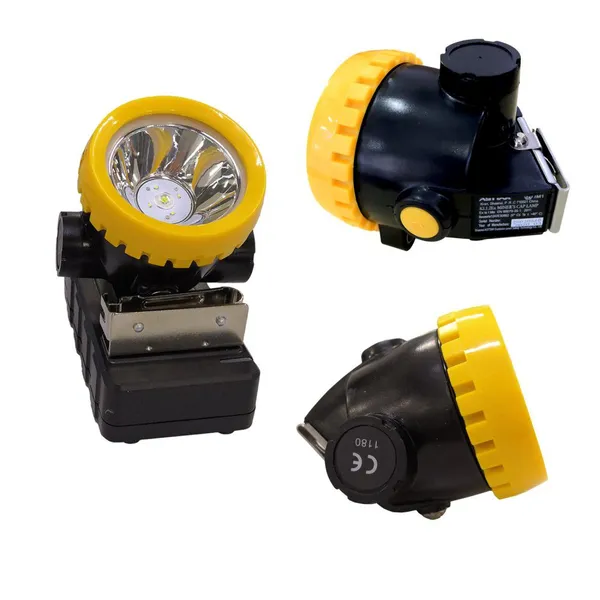
KL1.2Ex LED Miner Cap Lamp ATEX Explosion Proof Mining HeadlampUS$ 75 - 85MOQ: 1 Piece
-
Kl3lm (A) Cordless Intrinsically Safe LED Headlamp for Mining, Camping, and Outdoor ActivitiesNegotiableMOQ: 1 Piece
-
Heat Resistant PA Housing HYZ4(C) Positive Pressure Oxygen Apparatus Coal Mine Emergency RescueNegotiableMOQ: 1 Piece
-
Independent Oxygen Supply Automatic Resuscitator MZS30 for Weak‑Breathing Casualty RescueNegotiableMOQ: 1 Piece
-
Mining Intrinsically Safe CJG10 Methane Detector Optical Interference Principle Gas Measuring InstrumentNegotiableMOQ: 1 Piece
-
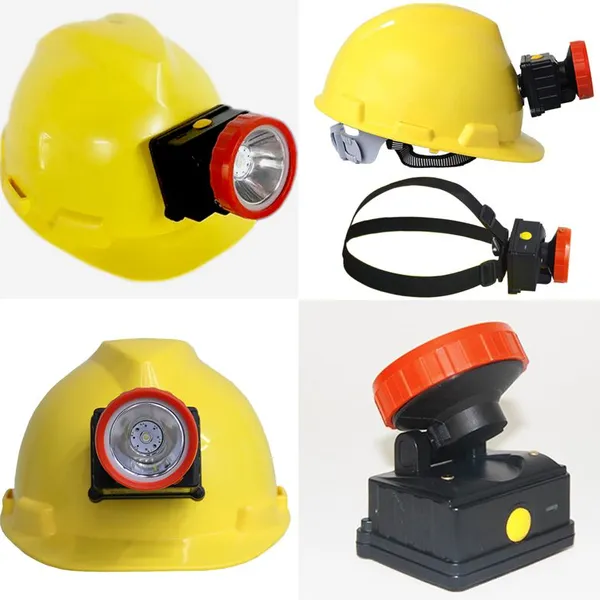
YHJ-100J(A) 100m Portable Explosion Proof Laser Distance MeterUS$ 250 - 350MOQ: 1 Piece
-
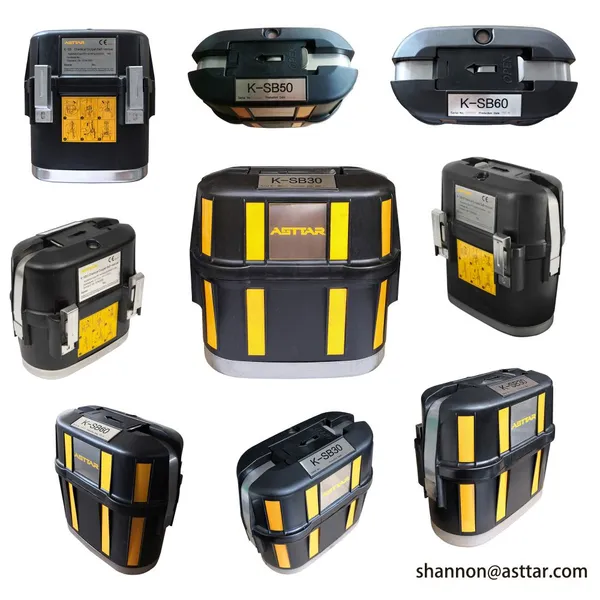
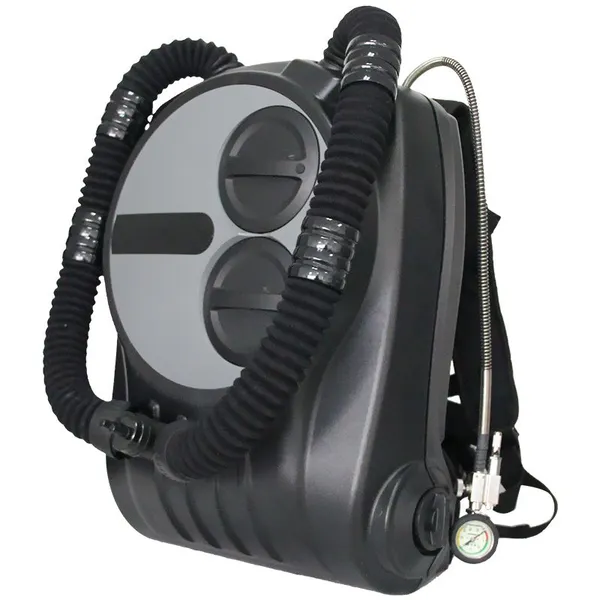
K-SB50 Self Contained Oxygen Escape Device Built-In Humidity Indicator For Mine Fire RescueNegotiableMOQ: 1 Piece
-
60 Minutes CE Approved Self-Contained Self-Rescuer K-Sb60 for Miner SafetyNegotiableMOQ: 1 Piece
-
ZL60 60 Minutes Carbon Monoxide Filter Self RescuerUS$ 120 - 150MOQ: 1 Piece
-
ZY30X Isolated Compressed Oxygen Self Rescuer Self Contained Breathing Escape DeviceUS$ 120 - 150MOQ: 1 Piece
-
Portable ZY45X Self Rescue Breathing Apparatus Emergency Escape Breathing DevicesNegotiableMOQ: 1 Piece
-
HYZ2 Isolated Positive Pressure Oxygen Breathing Apparatus PC Face Shield Aluminized FabricNegotiableMOQ: 1 Piece
-
KL6Ex ATEX Rechargeable High Brightness Corded LED Headlamp Miner Cap LampUS$ 98 - 110MOQ: 1 Piece
-
ATEX Cordless LED Cap Lamp Underground Mining Safety HeadlampUS$ 75 - 85MOQ: 1 Piece
-
5Ah Rechargeable LED Cordless Miner\'s HeadlampUS$ 85 - 98MOQ: 1 Piece
-
5Ah Rechargeable LED Cordless Miner's Cap LampUS$ 85 - 98MOQ: 1 Piece