
 Business License
Self-Rescuer Inspection Checklist: A Mine Safety Guide
A complete self rescuer inspection checklist covers seal integrity, pressure or chemical-bed condition, expiry dates, physical damage, storage environment, and documentation for every unit in service. Following a structured checklist protects workers and keeps mines compliant with regional safety regulations.
What would your inspector find if they opened your self-rescuer cache tomorrow morning? In many underground operations, the answer is sobering: expired chemical oxygen units, compressed oxygen cylinders below minimum pressure, cracked carrying cases, and missing inspection records. The device that should be the last line of defense becomes a liability because the mining self rescuer inspection checklist was treated as optional.
If you manage a mine safety program, you already know that buying certified self-rescuers is only the first step. The real test is whether every unit stays ready from the day it is issued until the day it is replaced. This guide gives you a practical self rescuer inspection checklist for both chemical and compressed oxygen units. It also explains how often to inspect them and how to document each check.
Key Takeaways
A self rescuer inspection checklist should be performed monthly on cached units and before every shift on units carried by workers.
Chemical oxygen self-rescuers need seal, expiry, and damage checks; compressed oxygen units need pressure verification and valve inspection.
Record serial numbers, inspection dates, expiry dates, and pressure readings in a single digital or physical log.
Replace any unit with a broken seal, expired service life, low pressure, or visible damage, never try to repair it in the field.
Worker training is part of inspection readiness; workers must be able to don the unit correctly in under 60 seconds.
Why Regular Self-Rescuer Inspections Matter
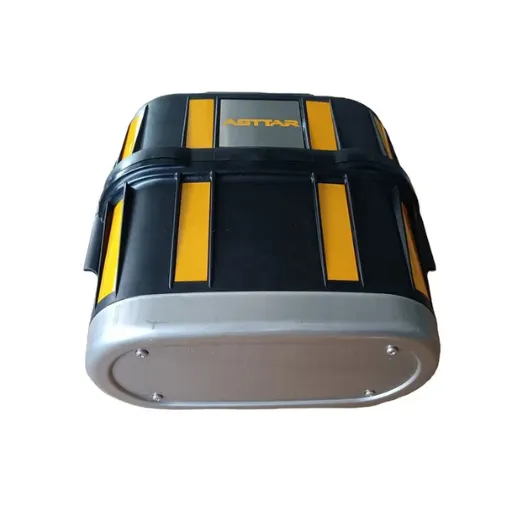
Self-contained self-rescuers (SCSRs) sit unused for months or years. During that time, seals degrade, pressure drops, chemical beds react to moisture, and carrying cases crack. A unit that passed inspection on paper can fail when a worker tears it open in a smoke-filled passageway.
The purpose of a self rescuer inspection checklist is not bureaucracy. It is to confirm that each unit will perform for its full rated duration under stress. That means checking the physical condition, the oxygen source, and the deployment mechanism before an emergency occurs.
At a Shandong coal mine, safety manager Liu Hao conducted a routine quarterly audit and found that 12 of 80 cached chemical oxygen self-rescuers were two months past their expiry date. The units looked fine on the outside, but the potassium superoxide bed inside could no longer guarantee full duration. Replacing them cost far less than a single day of shutdown during a regulatory inspection, and it removed a hidden gap in the escape plan.
Want to make sure your selection matches your inspection capability? See our self-rescuer selection guide for a framework that connects device type to maintenance resources.
What the Regulations Say About Inspection Frequency
Regulatory bodies around the world agree on one point: self-rescuers must be inspected on a set schedule and the results must be recorded. The exact interval varies by country, but the principles are consistent. A formal self rescuer inspection checklist helps mines apply those principles without missing steps.
Typical Inspection Intervals
Daily or before each shift: Visual check of units carried by individual workers.
Monthly: Detailed inspection of cached units, including seals, expiry, pressure, and physical condition.
Annually: Formal service or replacement of compressed oxygen cylinders, valve testing, and full functional checks by qualified personnel.
After any incident: Immediate inspection or replacement of units exposed to impact, heat, moisture, or chemical contamination.
In the United States, the Mine Safety and Health Administration (MSHA) requires that self-rescuers be maintained in permissible condition and inspected according to the manufacturer’s instructions. For technical background, see NIOSH mining safety research and MSHA regulations.
Manufacturer Guidance Takes Priority
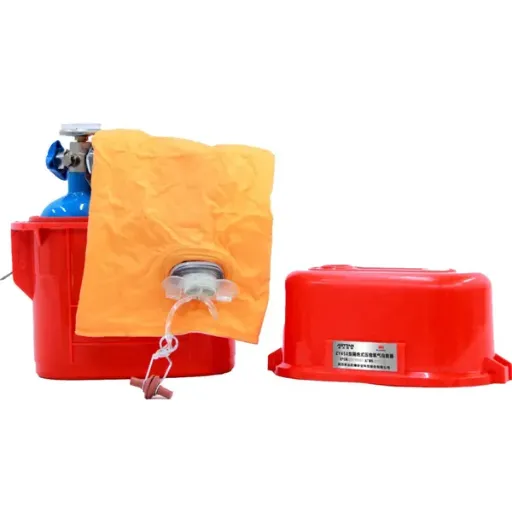
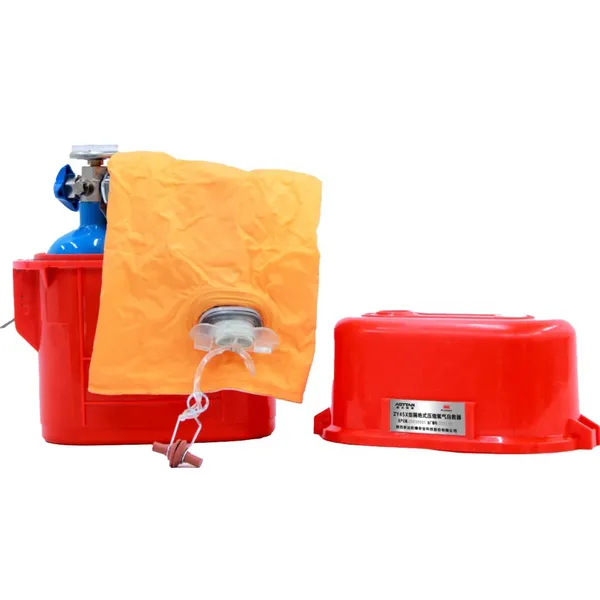
No checklist replaces the manufacturer’s user manual. Inspectors should follow the specific intervals and procedures provided for each model. A ZYX45 isolated compressed oxygen self-rescuer has different pressure and service requirements than a chemical oxygen unit, and both differ from filter-type escape devices. Build your self rescuer inspection checklist around the manufacturer’s guidance, not a generic template.
ASTTAR provides inspection guidance with every self-rescuer model. Request model-specific documentation when you procure units so your checklist aligns with the manufacturer’s requirements.
Self-Rescuer Inspection Checklist: Chemical Oxygen Units
Chemical oxygen self-rescuers generate oxygen through the reaction of potassium superoxide with moisture in exhaled breath. They are compact and low-maintenance, but they are not maintenance-free. A dedicated chemical oxygen self rescuer inspection checklist should focus on seal integrity, expiry dates, and storage conditions.
Before Each Shift or Daily
Check the outer case for cracks, dents, deformation, or signs of impact.
Verify the tamper seal is intact. A broken seal means the unit may have been opened or activated.
Confirm the carrying pouch or clip is secure and the unit is accessible.
Look for moisture damage, corrosion, or staining on the case or packaging.
Monthly Cache Inspection
Record the serial number and location of every unit.
Check the manufacture date and expiry date printed on the unit or packaging.
Inspect the seal again; replace any unit with a compromised seal.
Examine the mouthpiece, nose clip, and straps for deterioration if visible through packaging.
Confirm storage conditions: dry, temperature-stable, away from direct sunlight and corrosive chemicals.
Remove expired units from service immediately and update the log.
Annual or Manufacturer-Defined Service
Replace units that have reached end of service life, even if they appear undamaged.
Review inspection records for patterns of damage, moisture, or seal failure.
Verify that cache locations still match headcount and escape-route plans.
Safety Note: Never open a chemical oxygen self-rescuer for inspection. The chemical bed begins reacting once exposed to moisture, and the unit becomes unusable.
Self-Rescuer Inspection Checklist: Compressed Oxygen Units
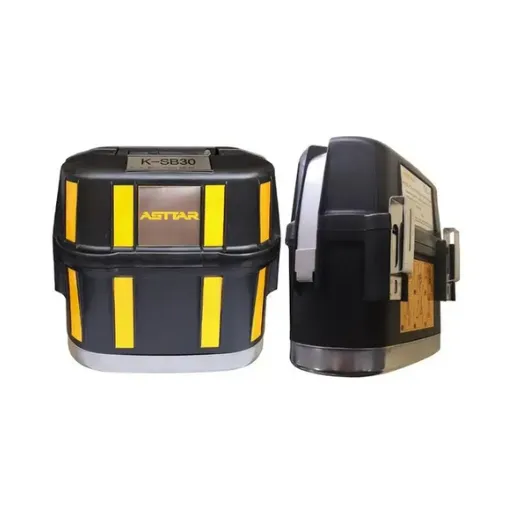
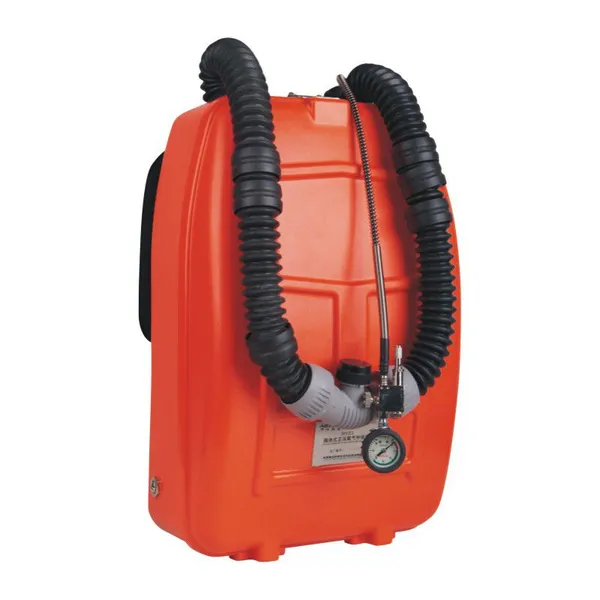
Compressed oxygen self-rescuers store breathable oxygen in a cylinder. They offer reusable designs and longer duration, but they require more detailed inspection than chemical units. A compressed oxygen self rescuer inspection checklist must include pressure readings, valve checks, and scrubber condition.
Before Each Shift or Daily
Check the cylinder pressure gauge against the manufacturer’s minimum operating pressure.
Inspect the breathing hose, mask, and mouthpiece for cracks, kinks, or contamination.
Verify the shoulder straps, belt clip, and carrying case are intact.
Look for signs of leakage, including hissing sounds or unexpected pressure drops.
Monthly Cache Inspection
Record serial number, location, and pressure reading for every unit.
Compare the pressure reading to the previous reading and to the manufacturer’s minimum.
Inspect the CO2 scrubber canister for damage, moisture, or expiration if visible.
Check the demand valve and bypass valve for corrosion, dirt, or physical damage.
Examine seals and O-rings for cracking or hardening.
Confirm storage conditions are dry and stable, with no exposure to vibration or impact.
Annual or Qualified Service
Send units to qualified service personnel for cylinder hydrostatic testing, valve function checks, and refill if required.
Replace depleted or expired scrubber canisters.
Update service stickers and log the date, technician, and work performed.
Retire units that fail pressure tests or show structural damage.
For mines evaluating which technology fits their maintenance program, our chemical vs compressed oxygen self-rescuer comparison breaks down the inspection and ownership differences.
Monthly Cache Inspection Routine
A cache inspection is more than a quick look at a shelf. It is a structured walk-through of every storage location where self-rescuers are kept, including belt units, refuge chambers, and fixed work areas. Your monthly self rescuer inspection checklist should follow the same sequence every time so no unit is skipped.
Step-by-Step Cache Walk-Through
Schedule the inspection on the same day each month and assign a named inspector.
Bring the current inventory log, spare labels, and a camera or mobile device for documentation.
Inspect every unit in place before moving anything; this confirms the cache is stocked as planned.
Run the appropriate checklist for each unit type, chemical or compressed oxygen.
Tag any unit that fails with a clear "Do Not Use" marker and remove it from the cache.
Record results immediately; do not rely on memory.
Restock replaced units and update the inventory count.
Review the log with the safety manager and identify recurring issues.
At a Heilongjiang mine, inspector Zhang Wei found that a haulage road cache was routinely exposed to water dripping from a ventilation duct. Three compressed oxygen units showed minor corrosion on the cylinder valve guards. Moving the cache two meters to a dry alcove and adding a simple splash guard eliminated the problem and extended service intervals.
Record Keeping and Documentation
Inspections are only as reliable as the records that support them. Regulators, auditors, and insurance reviewers will ask for proof that self-rescuers were checked on schedule. They will also want to see that failed units were removed from service. A complete self rescuer inspection checklist therefore includes a record-keeping step, not just a physical check.
What to Record
Serial number or batch number of each unit
Unit type and model (for example, ZYX45 or chemical oxygen 30-minute unit)
Location and installation date
Manufacture date and expiry or service-due date
Inspection date and inspector name
Pressure reading (for compressed oxygen units)
Condition observations (seal, case, straps, valve, hose)
Action taken (passed, replaced, sent for service, retired)
Recommended Formats
A simple spreadsheet works for small operations. Larger mines benefit from a digital asset-management system that sends automatic alerts when expiry dates approach. The key is consistency: every unit has a record, and every inspection updates that record. Treat the log as the second half of your SCSR maintenance checklist.
ASTTAR maintains certifications and quality documentation that supports your compliance files. Combine manufacturer certificates with your inspection logs for a complete audit trail.
Common Self-Rescuer Inspection Mistakes to Avoid
Even experienced safety teams make predictable errors. Avoid these six mistakes when running your self rescuer inspection checklist.
Skipping the daily visual check: Monthly cache checks are not enough. Units carried on belts are exposed to impact, moisture, and abrasion every shift.
Ignoring expiry dates on chemical units: An undamaged case does not mean the chemical bed is still viable.
Recording pressure without context: A single pressure reading is less useful than a trend. Sudden drops indicate leaks.
Storing units near vibration or heat: Haulage roads, compressor rooms, and direct sunlight accelerate degradation.
Failing to train backup inspectors: If only one person knows the checklist, inspections stop when that person is away.
Waiting for the formal audit to replace failed units: Remove failed units immediately and document the action.
Training Workers to Support Inspections
Workers are the first line of inspection. They carry the devices, open the caches, and will be the ones trying to don a unit in an emergency. Training should cover more than the donning procedure. Workers should understand the self rescuer inspection checklist well enough to spot obvious faults during their daily visual check.
What Workers Need to Know
How to perform a quick visual check at the start of each shift
What a broken seal, cracked case, or low-pressure gauge looks like
Where to report a damaged or expired unit
How to don the unit correctly in under 60 seconds
Why they must never open or test a chemical oxygen unit in non-emergency conditions
Training Drill Schedule
New hires: hands-on training before the first underground shift.
All underground workers: refresher drills at least quarterly.
Supervisors and safety officers: formal inspection training annually.
When a Guizhou tunnelling crew added a five-minute pre-shift visual check to their toolbox talk, they caught two cracked carrying cases and one unit with a damaged seal in the first month alone. The crew reported that the short routine made them more confident that their escape devices would work if needed.
Ready to review certified options? Browse the ASTTAR self-rescuer range and request model-specific inspection guides for your compliance team.
Frequently Asked Questions
How often should self-rescuers be inspected?
Self-rescuers should receive a visual check before each shift or daily when carried by workers, and a detailed inspection monthly when stored in caches. Compressed oxygen units also need annual service by qualified personnel. Always follow the manufacturer’s specific guidance for each model.
What should a self rescuer inspection checklist include?
A self rescuer inspection checklist should include checks for seal integrity, expiry or pressure status, physical damage, carrying-case condition, storage environment, and documentation. Chemical oxygen units focus on seal and expiry; compressed oxygen units focus on pressure, valves, hoses, and scrubber condition.
Can I open a chemical oxygen self-rescuer to inspect it?
No. Opening a chemical oxygen self-rescuer exposes the chemical bed to moisture and begins the oxygen-generating reaction. Once opened, the unit is activated and must be replaced. Inspect only the exterior, seal, and expiry information.
What pressure is too low for a compressed oxygen self-rescuer?
The minimum acceptable pressure depends on the manufacturer and model. Record the manufacturer’s minimum operating pressure in your checklist and compare every monthly reading against that value. Any unit below the minimum should be removed from service and refilled or replaced.
How long do self-rescuers last in storage?
Chemical oxygen self-rescuers typically have a shelf life of several years, as marked by the manufacturer. Compressed oxygen units can remain in service longer if they pass pressure checks and annual service, but cylinders require periodic hydrostatic testing according to national pressure-vessel regulations.
What records do I need for a regulatory audit?
Keep records showing serial number, model, location, manufacture date, expiry or service-due date, inspection dates, inspector names, pressure readings where applicable, and actions taken. Link these records to manufacturer certificates and your internal safety procedures.
Conclusion
A self rescuer inspection checklist is not a formality. It is the routine that keeps your last line of respiratory protection ready when the atmosphere underground becomes toxic or oxygen-deficient.
Use this self rescuer inspection checklist every shift, every month, and every year to make sure every unit is ready when a worker needs it. Chemical oxygen units demand attention to seal, expiry, and storage conditions. Compressed oxygen units demand pressure tracking, valve inspection, and qualified annual service.
The best checklist is the one your team actually follows. Keep it simple, assign clear responsibility, record every result, and remove failed units from service immediately. Train workers to spot problems during their daily visual checks, and make sure supervisors review trends rather than just ticking boxes.
ASTTAR supplies certified self-rescuers, inspection guidance, and documentation support to mining and tunnelling operations worldwide. If you need model-specific checklists, certification packs, or a technical review of your inspection program, contact our safety team for assistance.
Every self-rescuer in your cache represents a worker’s path to breathable air. Inspect it like their life depends on it, because it does.
Recently Posted
-
Explosion Proof Flood Light for Mining: A 2026 Selection Guide
July 29, 2026An explosion proof flood light for mining is a high-output, certified LED fixture designed to illuminate large work areas, stockpi Read More
 -
Mechanical Anemometer for Mining: A 2026 Ventilation Survey Guide
July 29, 2026A mechanical anemometer for mining is a hand-held or bracket-mounted instrument that measures air velocity in underground roadways Read More
 -
LED Flameproof Tunnel Light for Mining: 2026 Selection Guide
July 29, 2026An LED flameproof tunnel light for mining is a fixed luminaire built inside a flameproof (Ex d) enclosure that contains any intern Read More
 -
Wholesale Mining Safety Equipment: A 2026 Procurement Guide
July 24, 2026Wholesale mining safety equipment is the bulk purchase of certified protective gear, escape devices, lighting, gas detection, and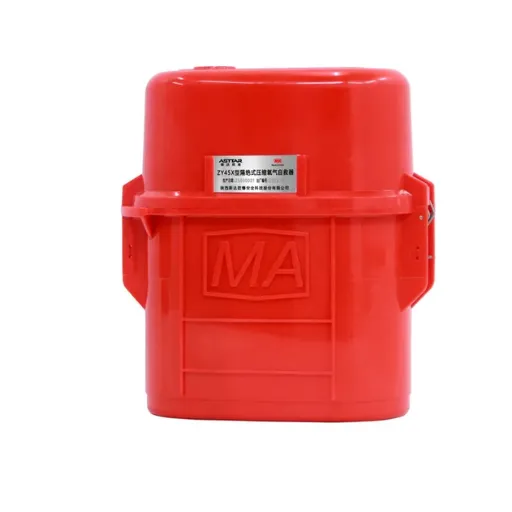 Read More

Contact Us

Recommended Products
-
 CE Certified 30 Minutes Closed Circuit Mining Oxygen Self-rescuerNegotiableMOQ: 1 Piece
 -
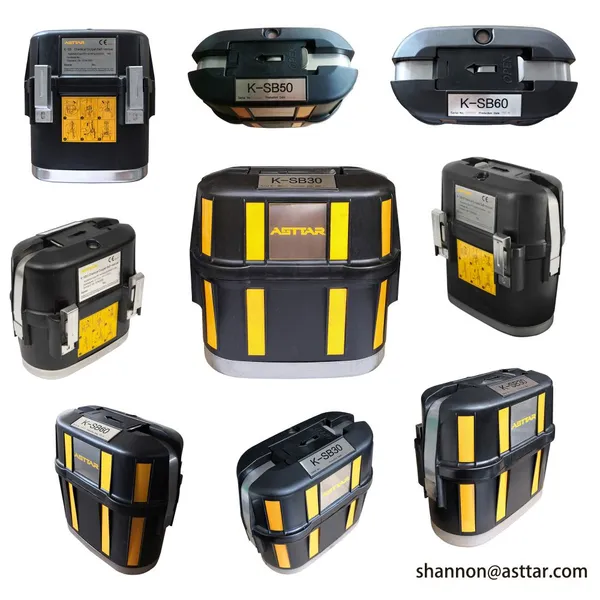
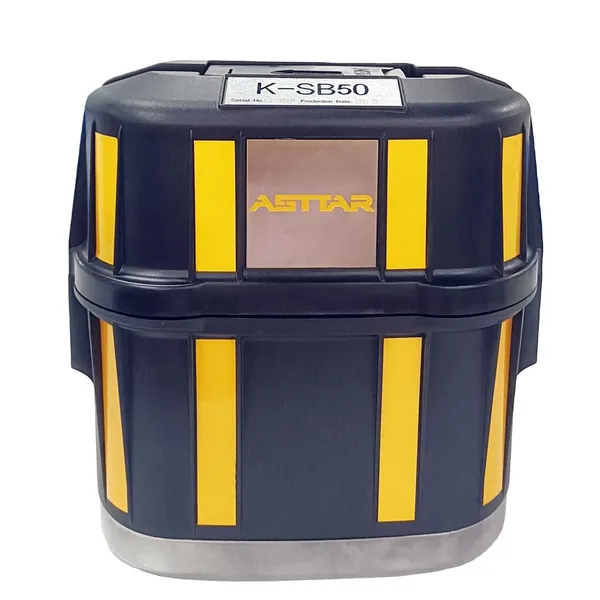
K-SB50 Self Contained Oxygen Escape Device Built-In Humidity Indicator For Mine Fire RescueNegotiableMOQ: 1 Piece
-
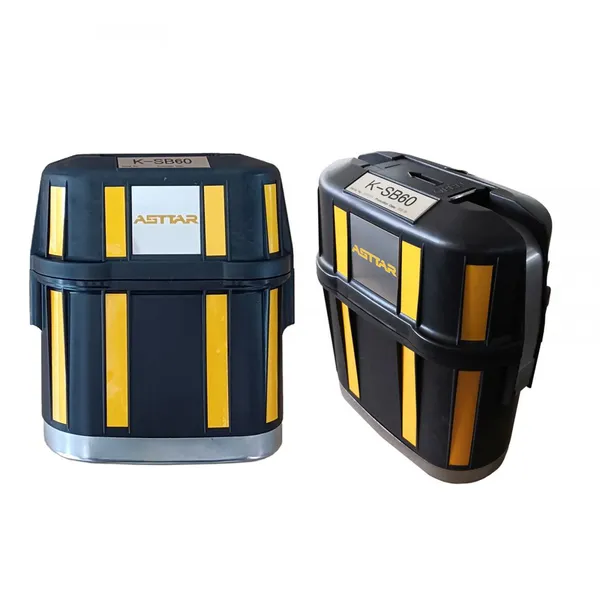
60 Minutes CE Approved Self-Contained Self-Rescuer K-Sb60 for Miner SafetyNegotiableMOQ: 1 Piece
-
Portable ZL60 Filter Self Rescuer Lightweight Underground Personal Breathing DeviceNegotiableMOQ: 1 Piece
-
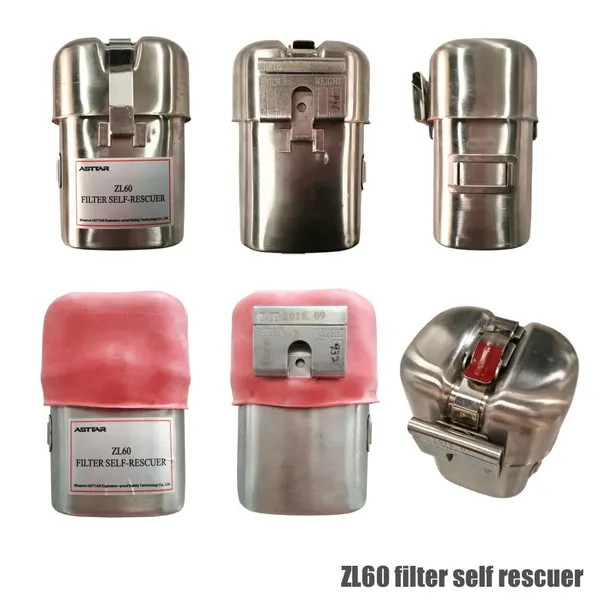
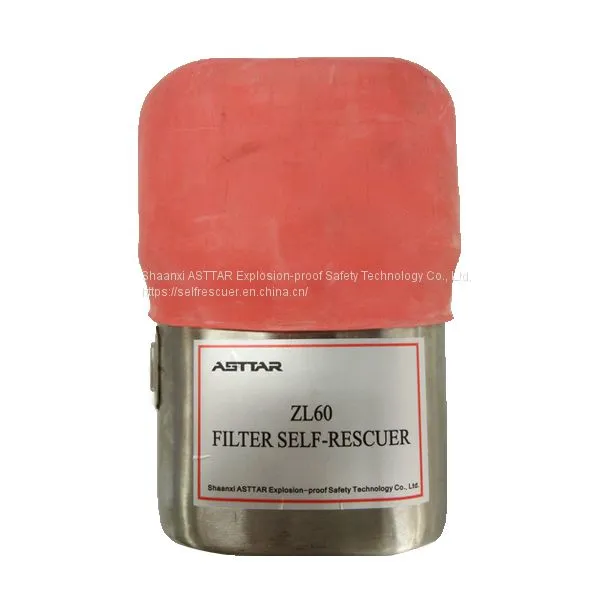
ZL60 60 Minutes Carbon Monoxide Filter Self RescuerUS$ 120 - 150MOQ: 1 Piece
-
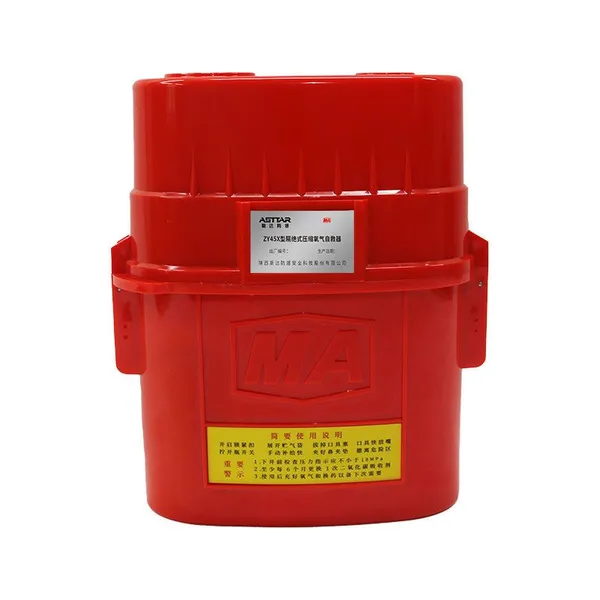
0.6L Oxygen Cylinder ZY45X Self Rescue Respirator Underground Mining Self RescuerNegotiableMOQ: 1 Piece
-
ZY30X Isolated Compressed Oxygen Self Rescuer Self Contained Breathing Escape DeviceUS$ 120 - 150MOQ: 1 Piece
-
Portable ZY45X Self Rescue Breathing Apparatus Emergency Escape Breathing DevicesNegotiableMOQ: 1 Piece
-
Heat Resistant PA Housing HYZ4(C) Positive Pressure Oxygen Apparatus Coal Mine Emergency RescueNegotiableMOQ: 1 Piece
-
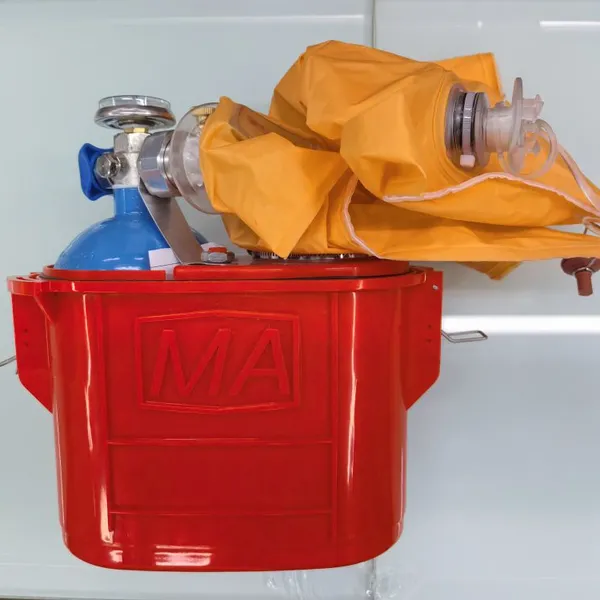
HYZ2 Isolated Positive Pressure Oxygen Breathing Apparatus PC Face Shield Aluminized FabricNegotiableMOQ: 1 Piece
-
Atex 6ah 7000lux IP65 Mining Industrial Use Ex Proof LED Cap Lamp Safety HeadlampUS$ 98 - 110MOQ: 1 Piece
-
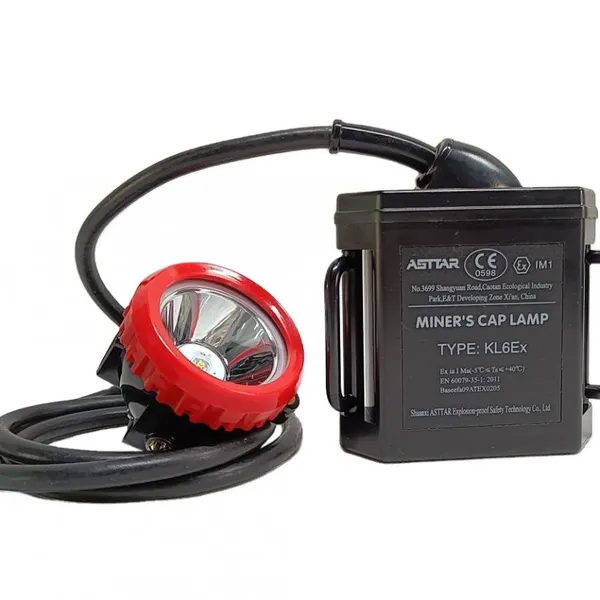
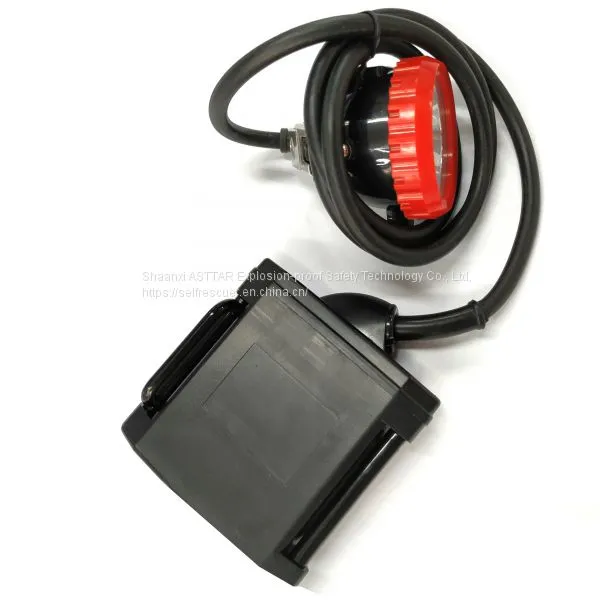
KL6Ex ATEX Rechargeable High Brightness Corded LED Headlamp Miner Cap LampUS$ 98 - 110MOQ: 1 Piece
-
KL1.2Ex LED Miner Cap Lamp ATEX Explosion Proof Mining HeadlampUS$ 75 - 85MOQ: 1 Piece
-
ATEX Cordless LED Cap Lamp Underground Mining Safety HeadlampUS$ 75 - 85MOQ: 1 Piece
-
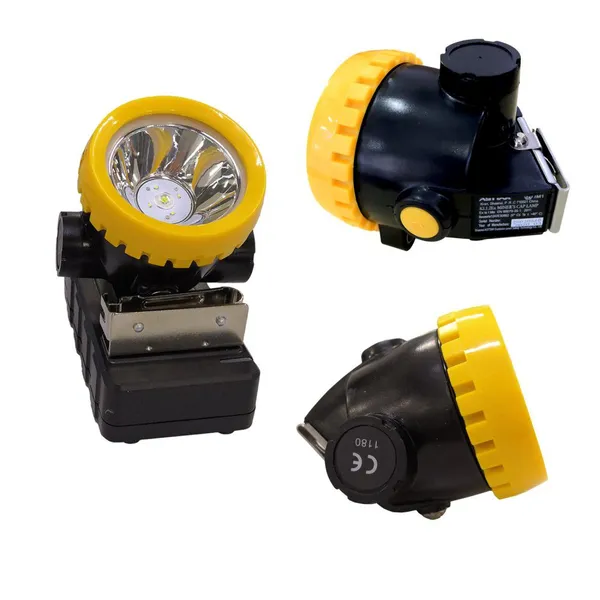
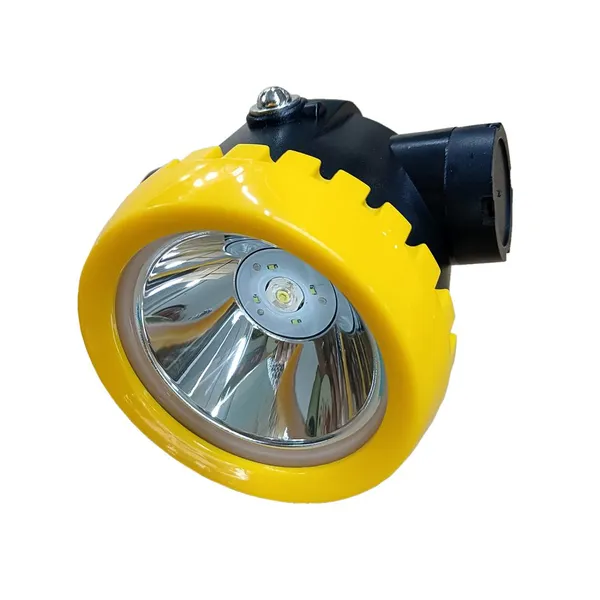
5Ah Rechargeable LED Cordless Miner\'s HeadlampUS$ 85 - 98MOQ: 1 Piece
-
5Ah Rechargeable LED Cordless Miner's Cap LampUS$ 85 - 98MOQ: 1 Piece
-
Kl3lm (A) Cordless Intrinsically Safe Headlamp With Strobe Mode for EmergencyNegotiableMOQ: 1 Piece
-
Kl3lm (A) Cordless Intrinsically Safe LED Headlamp for Mining, Camping, and Outdoor ActivitiesNegotiableMOQ: 1 Piece
-
Industrial Underground KL3LM(A) 5 Modes LED Miner Headlamp IP65 Dustproof Waterproof For Gas Mine OperationNegotiableMOQ: 1 Piece
-
Long Lasting KL2LM(A) Cordless Miner Helmet Light With Complete Discharge ProtectionNegotiableMOQ: 1 Piece