
 Business License
Reusable Self-Contained Self-Rescuer: A Complete 2026 Guide
A reusable self contained self rescuer is a compressed oxygen emergency escape device that can be serviced, refilled, and redeployed after use or scheduled maintenance. Unlike single-use chemical oxygen units, it uses a closed-circuit breathing loop with a CO2 scrubber and stored oxygen, making it the preferred choice for operations that want longer duration and lower long-term replacement costs.
What happens when a worker tears open a self-rescuer only to realize the unit was activated during a routine drill six months ago? In that moment, the device that should provide breathable air becomes a sealed liability. For mine safety managers, the choice between disposable and reusable respiratory escape equipment is not just about purchase price. It is about reliability, lifecycle cost, and the confidence that every unit will perform when the atmosphere underground turns hostile.
If you are evaluating emergency escape breathing devices for a mine, tunnel, or confined-space operation, this guide explains how reusable self-contained self-rescuers work, how they differ from chemical oxygen models, and what it takes to keep them compliant. You will learn the specifications, inspection routines, training requirements, and procurement considerations that determine whether a reusable SCSR is right for your team.
Key Takeaways
A reusable self contained self rescuer uses compressed oxygen and a closed circuit, so it can be refilled and serviced instead of discarded after activation.
Most reusable units provide 30 to 45 minutes of independent breathing time, with models like the ZYX45 delivering up to 45 minutes.
These units require monthly pressure checks, annual qualified service, hydrostatic cylinder testing, and documented inspection records.
Reusable compressed oxygen units suit operations with trained maintenance staff, while chemical oxygen units fit remote sites with limited service capability.
Workers must be trained to don the unit in under 60 seconds and to recognize low-pressure gauges, damaged hoses, and worn seals.
What Is a Reusable Self-Contained Self-Rescuer?
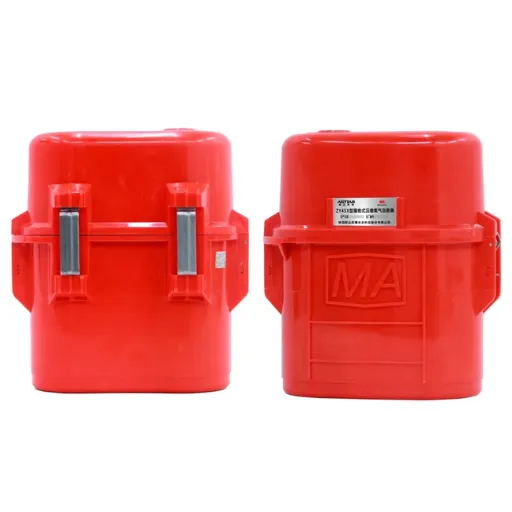
A self-contained self-rescuer, or SCSR, is a portable breathing device that supplies independent breathable air during emergency escape from oxygen-deficient or toxic atmospheres. The term "self-contained" means the unit does not rely on ambient air. It carries its own oxygen source, making it essential for underground mining, tunnelling, and confined-space work.
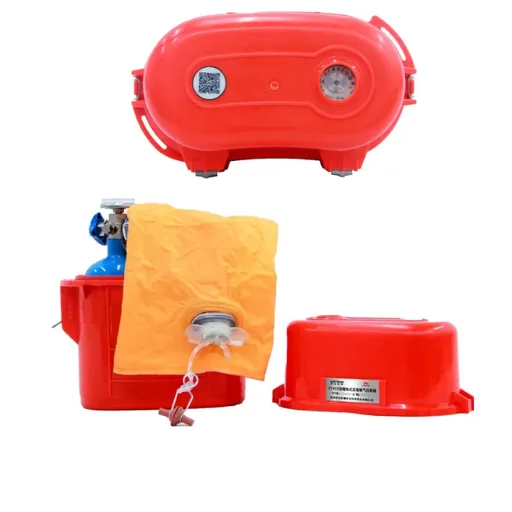
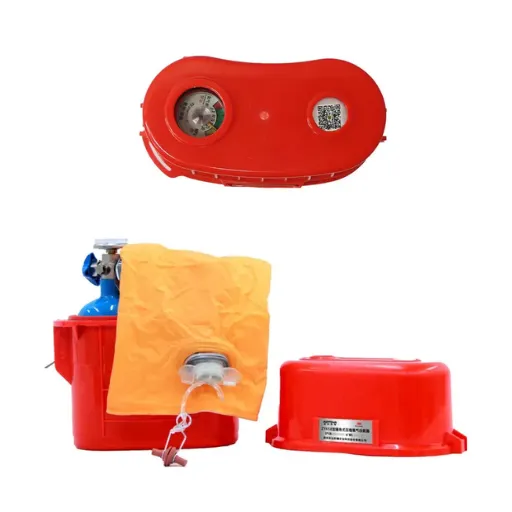
A reusable self contained self rescuer is specifically a compressed oxygen unit built for repeated service. It stores high-pressure oxygen in a cylinder, removes carbon dioxide from exhaled breath through a scrubber canister, and recirculates the cleaned gas back to the wearer. Because the chemical bed is not consumed in a one-time reaction, the unit can be inspected, refilled, and returned to service by qualified personnel.
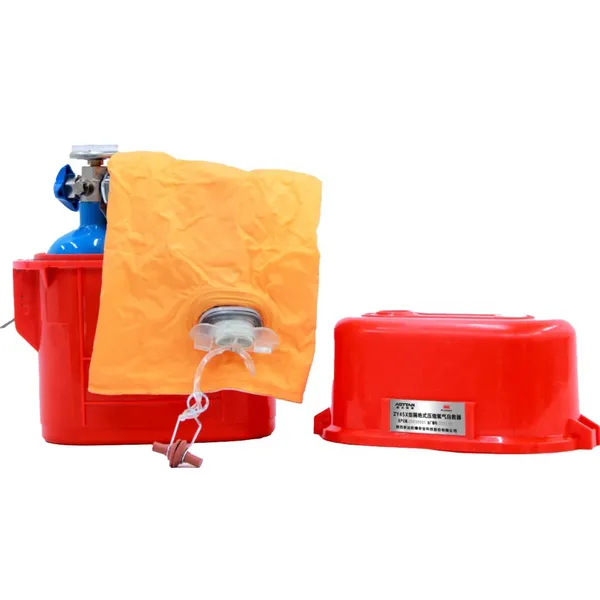
ASTTAR manufactures both chemical oxygen and compressed oxygen self-rescuers. The reusable compressed oxygen models, including the ZYX30 and ZYX45 self rescuer variants, are designed for mines that want extended duration and the ability to service units in-house or through an authorized technician.
How a Reusable Compressed Oxygen Self-Rescuer Works
Understanding the breathing loop helps safety managers explain why maintenance matters. A reusable compressed oxygen self rescuer operates as a closed-circuit system. Every breath is recycled rather than vented to the atmosphere.
The Breathing Loop
The wearer inhales oxygen from the breathing bag or reservoir.
Exhaled breath passes through a CO2 scrubber canister filled with soda lime or similar absorbent.
The scrubber removes carbon dioxide and returns the cleaned gas to the breathing bag.
A supplemental oxygen cylinder adds fresh oxygen to replace what the body consumes.
A demand valve or bypass valve regulates flow based on the wearer's breathing rate.
This closed design is highly efficient. It allows a small cylinder to support 30, 45, or even 60 minutes of breathing time, depending on the model and cylinder capacity. The ZYX45, for example, is rated for up to 45 minutes of independent breathing time under standard conditions.
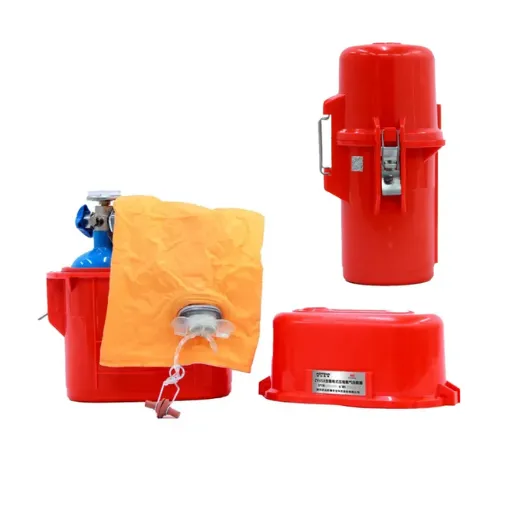
Key Components
Oxygen cylinder: High-pressure storage that supplies the breathing loop.
Pressure gauge: Indicates whether the cylinder is charged to the manufacturer’s minimum operating level.
CO2 scrubber canister: Absorbs carbon dioxide from exhaled breath; must be replaced on schedule or after use.
Breathing bag: Stores the cleaned gas mixture between breaths.
Demand valve: Releases oxygen into the loop as the wearer inhales.
Mouthpiece or full-face mask: Seals the breathing circuit and prevents contaminated air from entering.
Shoulder straps and carrying case: Keep the unit secure and accessible during escape.
Our self-rescuer selection guide compares compressed oxygen and chemical oxygen units.
Reusable vs Chemical Oxygen Self-Rescuers
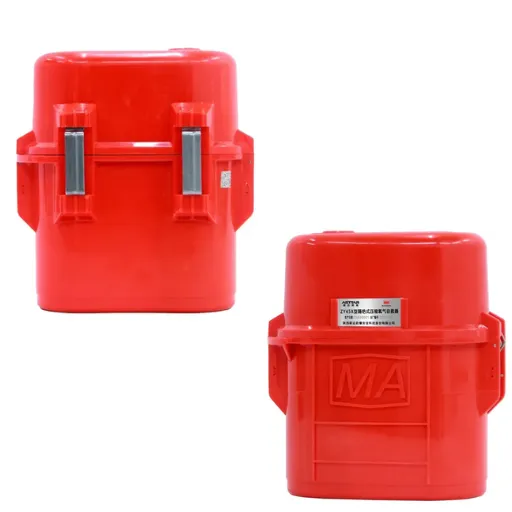
The most important distinction between a reusable self contained self rescuer and a chemical oxygen self-rescuer is what happens after activation or inspection. A chemical unit generates oxygen through the reaction of potassium superoxide with moisture in exhaled breath. Once that reaction starts, the unit is consumed and must be replaced. A compressed oxygen unit can be refilled, have its scrubber replaced, and be returned to service. When buyers evaluate chemical oxygen vs compressed oxygen self rescuer designs, the service model is usually the deciding factor.
Chemical Oxygen Self-Rescuers
Chemical oxygen self-rescuers are compact, sealed, and low-maintenance. They are ideal for belt-worn emergency escape where daily visual checks are easier than cylinder servicing. However, they are single-use devices. Opening the seal begins the oxygen-generating reaction, and the unit cannot be repacked in the field.
Compressed Oxygen Self-Rescuers
Compressed oxygen units are larger and require more maintenance, but they offer longer duration and reusable design. They are commonly cached in refuge chambers, stored at fixed work areas, or assigned to workers in operations with trained service personnel. The ability to refill cylinders and replace scrubber canisters makes them economical over a multi-year lifecycle.
For a direct side-by-side comparison, see our chemical vs compressed oxygen self-rescuer comparison.
When to Choose a Reusable Self-Contained Self-Rescuer
Not every mine needs reusable units. The decision depends on maintenance capability, shift structure, duration requirements, and total cost of ownership.
Choose a Reusable Unit When:
Your operation has qualified personnel or a service contract for cylinder hydrostatic testing and valve inspection.
Workers need more than 30 minutes of independent breathing time to reach a refuge chamber or fresh air base.
You want to reduce long-term replacement costs through refillable cylinders and replaceable scrubbers.
Units are stored in fixed caches where size and weight are less critical than belt portability.
Your safety program includes detailed inspection records and scheduled maintenance.
Choose a Chemical Oxygen Unit When:
Workers carry the device on their belts every shift and need the lightest possible package.
Local service capability for compressed gas systems is limited or unavailable.
You prefer a sealed unit with no field maintenance beyond visual inspection.
The escape route is short and rated duration of 20 to 30 minutes is sufficient.
At a Shanxi coal mine, safety director Wang Jun faced this exact decision in 2024. His operation had 120 workers on each shift and a fully equipped mine rescue station on site. The mine was replacing expired chemical units every three years at full replacement cost. After switching to ZYX45 reusable units for fixed caches and chemical units for belt wear, Wang cut per-worker escape-equipment cost by roughly 35% over five years while extending cache duration from 30 to 45 minutes. Operations with similar coal mine safety challenges can review our coal mine safety solutions.
Key Specifications to Evaluate
When reviewing a reusable compressed oxygen self rescuer, specifications should match the escape plan, not just the datasheet. Here are the critical parameters safety managers compare.
Rated Duration
Duration is the length of time the unit can supply breathable air under standard conditions. Common ratings include 30, 45, and 60 minutes. The ZYX45 is a 45 minute self contained self rescuer, giving workers extra margin on longer escape routes. Always select a duration that exceeds the longest expected escape time, including delays caused by low visibility or obstruction.
Minimum Operating Pressure
Every compressed oxygen unit has a manufacturer-specified minimum cylinder pressure. A reading below this value means the unit must be refilled or removed from service. Monthly pressure logs should track trends, because a steady drop indicates a leak even when the unit appears intact.
Breathing Resistance
The demand valve and scrubber design affect how hard the wearer must work to breathe. Low resistance reduces fatigue and panic during escape. Look for units tested to EN or ISO standards for respiratory protective devices.
Weight and Carrying Configuration
Reusable units are heavier than chemical units because of the metal cylinder and breathing bag. Consider whether the unit will be belt-worn, cached, or mounted in a refuge chamber. Shoulder straps, belt clips, and carrying-case design affect how quickly a worker can don the unit under stress.
Certification Alignment
Verify that the unit carries the certifications required by your region. Common marks include CE, ATEX, and ISO 9001 quality-system certification for the manufacturer. MSHA-approved units are required in many U.S. coal mines. ASTTAR maintains certifications and quality documentation that support compliance files for international buyers.
Browse certified models and request specification sheets through the ASTTAR self-rescuer range.
SCSR Maintenance for Reusable Units
Maintenance is where reusable units deliver value and where failures most often occur. A compressed oxygen self-rescuer is only reusable if it is serviced correctly. A formal SCSR maintenance program keeps every unit ready.
Daily or Before-Shift Checks
Inspect the cylinder pressure gauge against the manufacturer’s minimum.
Check the breathing hose, mouthpiece, and mask for cracks, kinks, or contamination.
Look for signs of leakage, such as hissing sounds or unexpected pressure drops.
Verify that shoulder straps, belt clips, and the carrying case are intact.
Monthly Cache Inspection
Record serial number, location, and pressure reading for every unit.
Compare the current reading to previous readings and to the manufacturer’s minimum.
Inspect the CO2 scrubber canister for damage, moisture, or expiration.
Examine seals and O-rings for cracking or hardening.
Confirm storage conditions are dry, stable, and free from vibration or impact.
Annual or Qualified Service
Send units to qualified service personnel for cylinder hydrostatic testing, valve function checks, and refill if required.
Replace depleted or expired scrubber canisters.
Update service stickers and log the date, technician, and work performed.
Retire units that fail pressure tests or show structural damage.
For a complete walk-through, refer to our self-rescuer inspection checklist.
At a Heilongjiang metal mine, inspector Li Mei noticed that three cached ZYX45 units had drifted below minimum pressure over a single quarter. The cause was a batch of hardened O-rings around the cylinder valve. Replacing the O-rings and retesting the cylinders restored full pressure, and the mine added O-ring condition checks to its monthly routine. That single adjustment prevented a cache failure during a winter ventilation emergency two months later.
Training Requirements for Reusable SCSRs
A reusable self contained self rescuer is only effective if the worker can don it quickly and correctly. Training must cover both the mechanical differences from chemical units and the inspection behaviors that keep the unit ready.
What Workers Need to Know
How to read the pressure gauge and identify a low-pressure condition.
How to inspect hoses, valves, and seals during the daily visual check.
The correct donning sequence for the specific model in service.
Why they must never open or test a chemical oxygen unit in non-emergency conditions.
Where to report a damaged or expired unit and how to tag it out of service.
Drill Schedule
New hires: hands-on training before the first underground shift.
All underground workers: refresher drills at least quarterly.
Supervisors and safety officers: formal inspection training annually.
The Mine Safety and Health Administration in the United States emphasizes that self-rescuers must be maintained in permissible condition and inspected according to manufacturer instructions. For technical background, see NIOSH mining safety research and MSHA regulations.
A Guizhou tunnelling crew added a five-minute pre-shift drill using training versions of their ZYX45 units. In the first month, workers identified two cracked hose guards and one damaged carrying clip during practice donning. More importantly, average donning time dropped from 75 seconds to 48 seconds. The crew reported greater confidence that their escape devices would work if needed.
Common Mistakes When Managing Reusable Units
Even experienced safety teams make predictable errors with reusable compressed oxygen self-rescuers. Avoid these six mistakes.
Treating reusable units as maintenance-free: Monthly pressure checks and annual service are not optional.
Ignoring pressure trends: A single reading tells you little; a declining trend warns of a leak.
Using untrained personnel for cylinder service: Hydrostatic testing and valve repair require qualified technicians.
Storing units near heat or vibration: Compressor rooms, haulage roads, and direct sunlight accelerate seal and hose degradation.
Failing to document service history: Regulators and auditors require records linking each unit to its maintenance events.
Waiting for the formal audit to replace failed units: Remove failed units immediately and document the action.
Procurement and Lifecycle Cost Considerations
The purchase price of a reusable self contained self rescuer is higher than that of a chemical oxygen unit. The lifecycle cost is often lower because cylinders can be refilled and scrubbers replaced rather than replacing the entire device.
Total Cost Factors
Initial unit cost: Compressed oxygen units cost more upfront.
Cylinder refill and hydrostatic testing: Required at intervals set by national pressure-vessel regulations.
Scrubber canister replacement: Needed after use or expiration.
Service technician training or contract: Either train in-house staff or use an authorized service provider.
Inspection documentation system: Paper logs work for small operations; digital systems help large mines track alerts.
Supplier Evaluation
When sourcing reusable SCSRs, ask potential suppliers for:
Certification documents for the specific model.
A clear service manual and spare-parts list.
Evidence of ISO 9001 or equivalent quality management.
Training materials or on-site training support.
Warranty terms and after-sales service availability.
ASTTAR supplies certified self-rescuers, inspection guidance, and documentation support to mining and tunnelling operations worldwide. If you need model-specific checklists, certification packs, or a technical review of your inspection program, contact our safety team for assistance.
Frequently Asked Questions
What is a reusable self-contained self-rescuer?
A reusable self-contained self-rescuer is a compressed oxygen emergency escape device that supplies independent breathable air through a closed-circuit breathing loop. It can be refilled, serviced, and returned to use after activation or scheduled maintenance.
How long does a reusable self-rescuer last?
Most reusable compressed oxygen self-rescuers provide 30 to 45 minutes of breathing time. The ZYX45, for example, is a 45 minute self contained self rescuer rated for up to 45 minutes. Cylinders remain in service as long as they pass pressure tests and hydrostatic inspections according to national regulations.
What is the difference between a reusable and chemical oxygen self-rescuer?
A reusable compressed oxygen self-rescuer stores oxygen in a cylinder and uses a replaceable CO2 scrubber. A chemical oxygen self-rescuer generates oxygen through a one-time chemical reaction and must be discarded after activation or expiry.
How often should a reusable self-rescuer be inspected?
Workers should perform a visual and pressure check before each shift. A detailed cache inspection should happen monthly. Qualified service, including cylinder hydrostatic testing and valve checks, should occur annually or according to manufacturer guidance.
What pressure is too low for a compressed oxygen self-rescuer?
The minimum acceptable pressure depends on the manufacturer and model. Record the manufacturer’s minimum operating pressure in your checklist and compare every monthly reading against that value. Any unit below the minimum should be removed from service.
Can a reusable self-rescuer be repaired in the field?
No. Cylinder refill, valve service, scrubber replacement, and hydrostatic testing must be performed by qualified personnel with proper equipment. Field repairs can compromise the breathing circuit and create a false sense of readiness.
Conclusion
A reusable self contained self rescuer is a long-term investment in worker protection. It offers extended duration, refillable cylinders, and the ability to service units rather than replace them entirely. For mines with trained maintenance staff and longer escape routes, lifecycle cost and safety margin often favor compressed oxygen models over disposable chemical units.
Disciplined maintenance unlocks that value. Daily pressure checks, monthly cache inspections, and annual qualified service are not administrative tasks. They are the routine that keeps the last line of respiratory protection ready when the atmosphere underground becomes toxic or oxygen-deficient.
Choose technology that matches your escape plan, service capability, and budget. Then train workers to inspect, don, and trust the device. The best reusable SCSR is the one your team knows how to use and maintains without exception.
ASTTAR supplies certified reusable self-rescuers, including the ZYX30 and ZYX45, plus inspection guidance and documentation support. If you need model-specific checklists, certification packs, or a technical review of your escape breathing program, contact our safety team today.
Every self-rescuer in your cache represents a worker’s path to breathable air. Inspect it like their life depends on it, because it does.
Recently Posted
-
Explosion Proof Flood Light for Mining: A 2026 Selection Guide
July 29, 2026An explosion proof flood light for mining is a high-output, certified LED fixture designed to illuminate large work areas, stockpi Read More
 -
Mechanical Anemometer for Mining: A 2026 Ventilation Survey Guide
July 29, 2026A mechanical anemometer for mining is a hand-held or bracket-mounted instrument that measures air velocity in underground roadways Read More
 -
LED Flameproof Tunnel Light for Mining: 2026 Selection Guide
July 29, 2026An LED flameproof tunnel light for mining is a fixed luminaire built inside a flameproof (Ex d) enclosure that contains any intern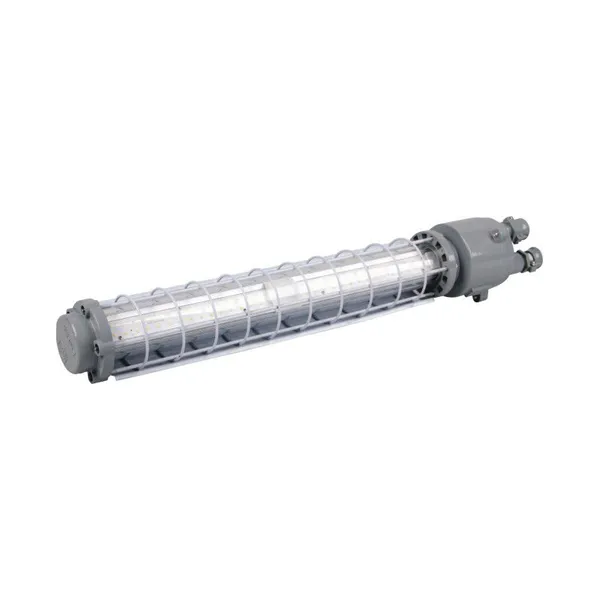 Read More
 -
Wholesale Mining Safety Equipment: A 2026 Procurement Guide
July 24, 2026Wholesale mining safety equipment is the bulk purchase of certified protective gear, escape devices, lighting, gas detection, and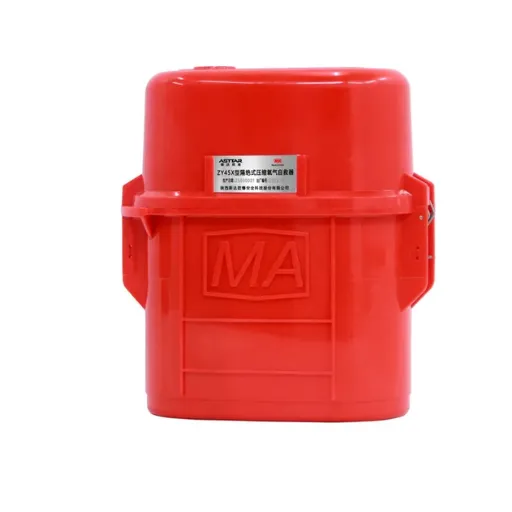 Read More

Contact Us

Recommended Products
-
 CE Certified 30 Minutes Closed Circuit Mining Oxygen Self-rescuerNegotiableMOQ: 1 Piece
 -
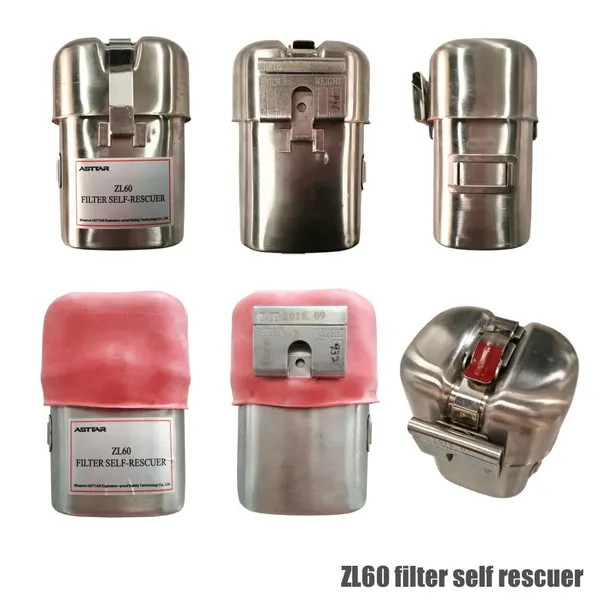
Portable ZL60 Filter Self Rescuer Lightweight Underground Personal Breathing DeviceNegotiableMOQ: 1 Piece
-
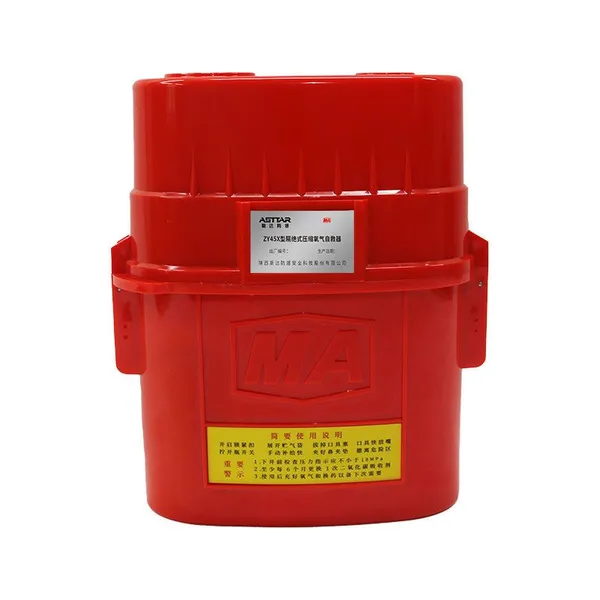
0.6L Oxygen Cylinder ZY45X Self Rescue Respirator Underground Mining Self RescuerNegotiableMOQ: 1 Piece
-
Atex 6ah 7000lux IP65 Mining Industrial Use Ex Proof LED Cap Lamp Safety HeadlampUS$ 98 - 110MOQ: 1 Piece
-
KL1.2Ex LED Miner Cap Lamp ATEX Explosion Proof Mining HeadlampUS$ 75 - 85MOQ: 1 Piece
-
Kl3lm (A) Cordless Intrinsically Safe LED Headlamp for Mining, Camping, and Outdoor ActivitiesNegotiableMOQ: 1 Piece
-
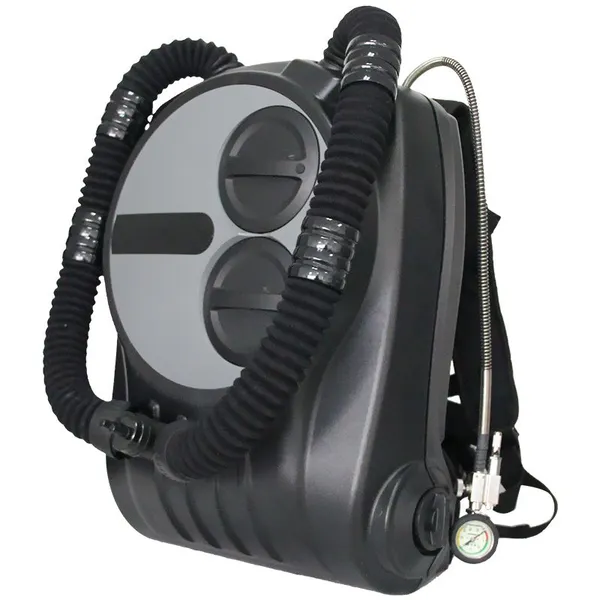
Heat Resistant PA Housing HYZ4(C) Positive Pressure Oxygen Apparatus Coal Mine Emergency RescueNegotiableMOQ: 1 Piece
-
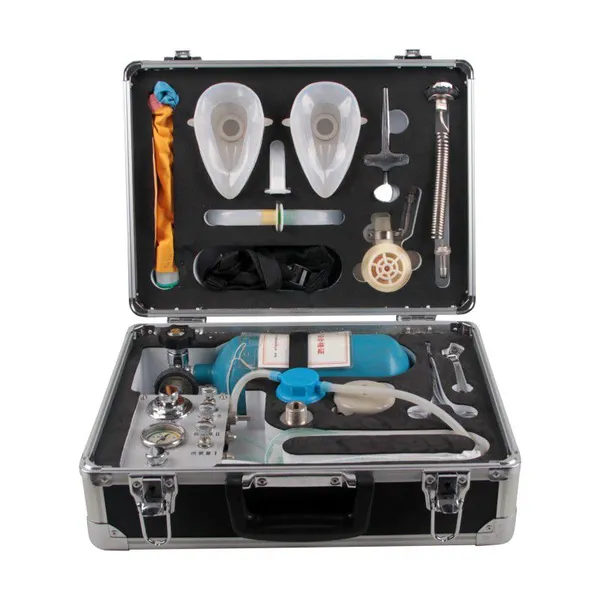
Independent Oxygen Supply Automatic Resuscitator MZS30 for Weak‑Breathing Casualty RescueNegotiableMOQ: 1 Piece
-
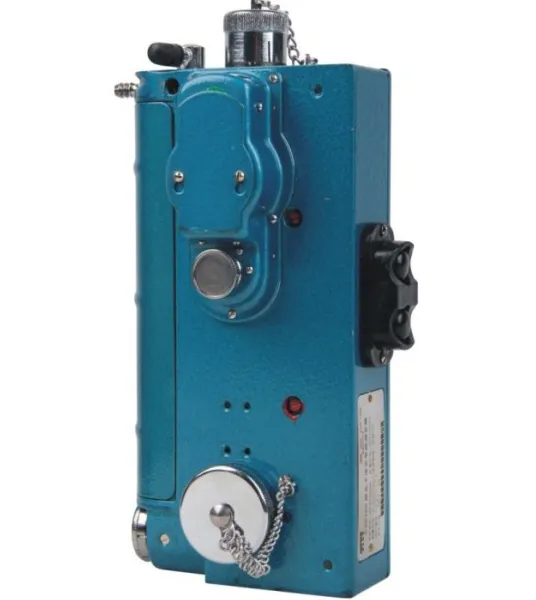
Mining Intrinsically Safe CJG10 Methane Detector Optical Interference Principle Gas Measuring InstrumentNegotiableMOQ: 1 Piece
-
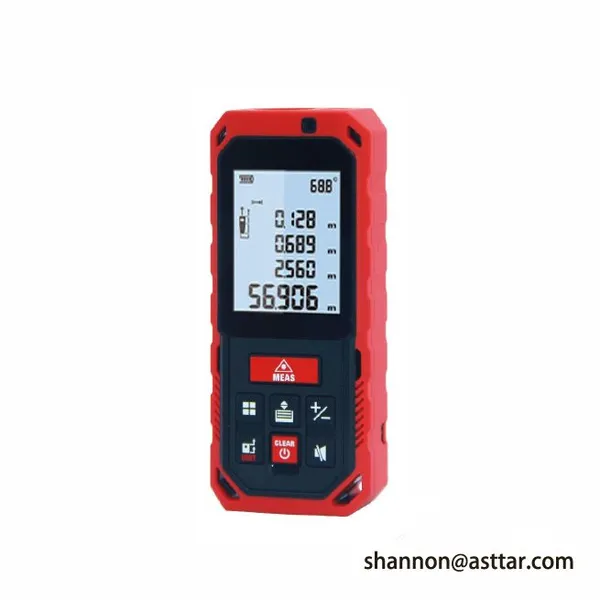
YHJ-100J(A) 100m Portable Explosion Proof Laser Distance MeterUS$ 250 - 350MOQ: 1 Piece
-
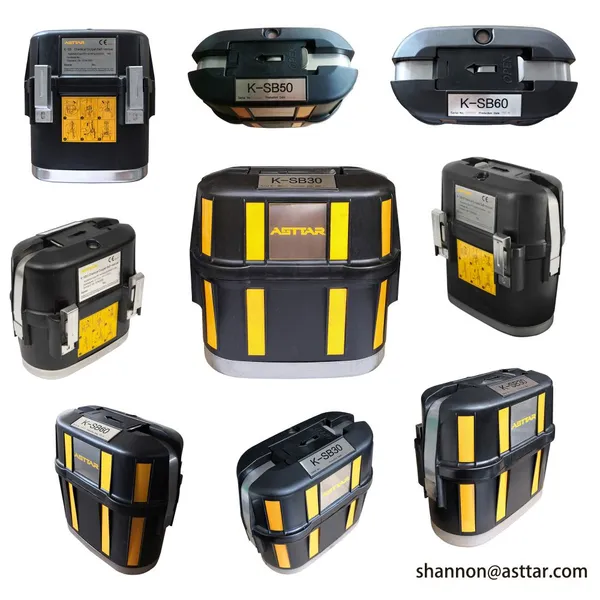
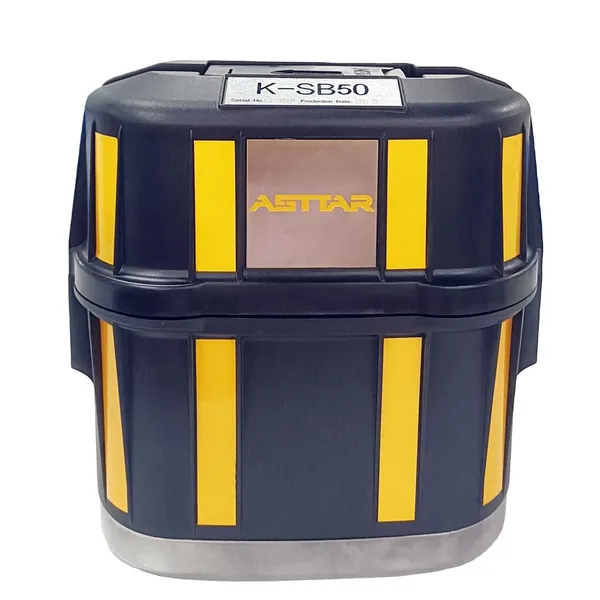
K-SB50 Self Contained Oxygen Escape Device Built-In Humidity Indicator For Mine Fire RescueNegotiableMOQ: 1 Piece
-
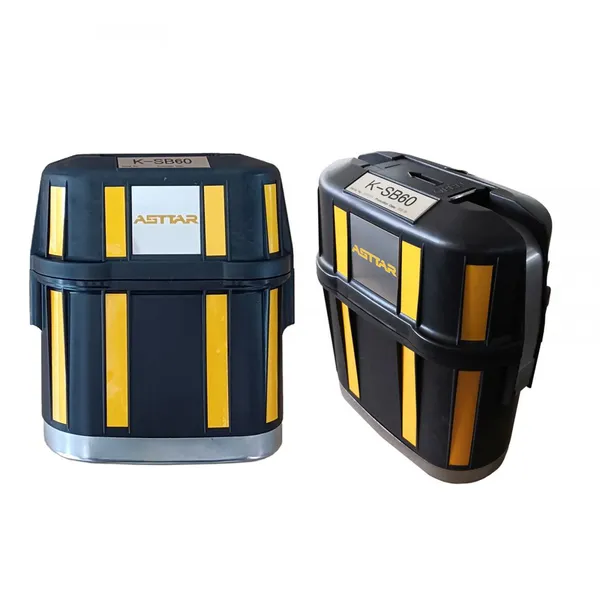
60 Minutes CE Approved Self-Contained Self-Rescuer K-Sb60 for Miner SafetyNegotiableMOQ: 1 Piece
-
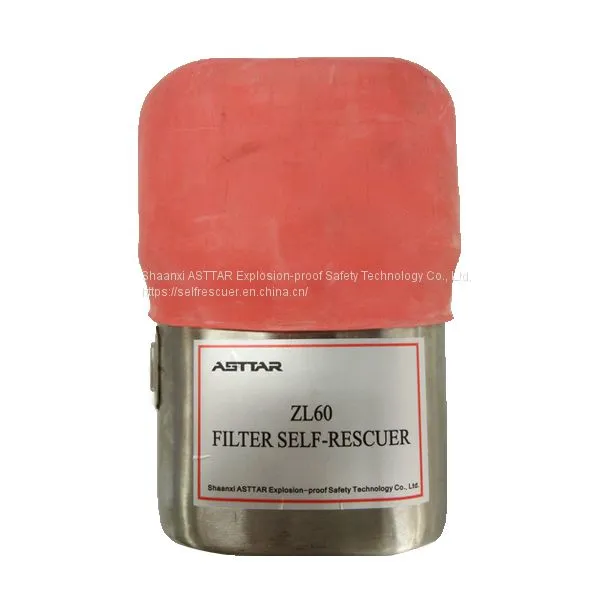
ZL60 60 Minutes Carbon Monoxide Filter Self RescuerUS$ 120 - 150MOQ: 1 Piece
-
ZY30X Isolated Compressed Oxygen Self Rescuer Self Contained Breathing Escape DeviceUS$ 120 - 150MOQ: 1 Piece
-
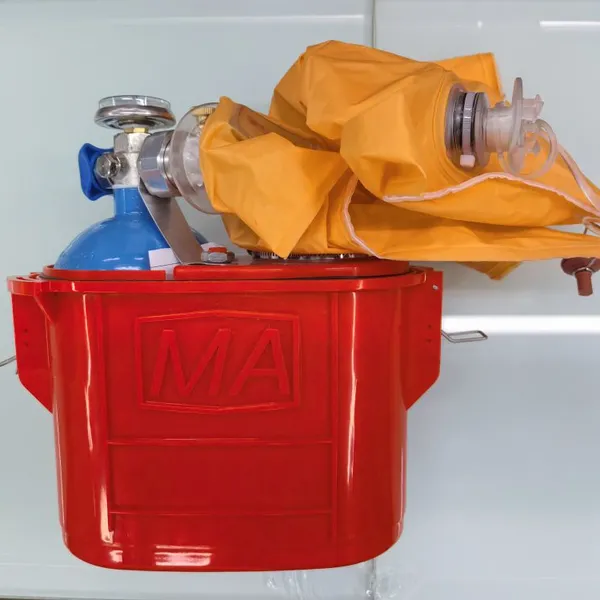
Portable ZY45X Self Rescue Breathing Apparatus Emergency Escape Breathing DevicesNegotiableMOQ: 1 Piece
-
HYZ2 Isolated Positive Pressure Oxygen Breathing Apparatus PC Face Shield Aluminized FabricNegotiableMOQ: 1 Piece
-
KL6Ex ATEX Rechargeable High Brightness Corded LED Headlamp Miner Cap LampUS$ 98 - 110MOQ: 1 Piece
-
ATEX Cordless LED Cap Lamp Underground Mining Safety HeadlampUS$ 75 - 85MOQ: 1 Piece
-
5Ah Rechargeable LED Cordless Miner\'s HeadlampUS$ 85 - 98MOQ: 1 Piece
-
5Ah Rechargeable LED Cordless Miner's Cap LampUS$ 85 - 98MOQ: 1 Piece