
 Business License
Self-Rescuer Training Requirements: A Mine Manager's Compliance Checklist
Self-rescuer training requirements generally include hands-on donning practice, activation drills for each model, escape-route walks, breathing-control exercises, and documented refresher sessions at least once per year. In the United States, MSHA requires underground coal miners to train with self-rescuers during initial training. They must also repeat this training each year. Many other regions follow similar rules through their national mining authorities.
Yet simply checking a compliance box is not the same as preparing workers for an actual emergency. When smoke fills a drift and the cap-lamp beam starts to fade, the quality of past training determines whether a worker activates the unit correctly or panics.
In this guide, you'll learn what self-rescuer training requirements should include. You'll see how often to run drills, what records to keep, and how to build a program that meets both rules and real-world needs. Whether you manage a coal mine, a hard-rock operation, or a tunnelling project, these steps will help you protect workers and pass audits.
Key Takeaways
Train every underground worker on the specific self-rescuer model they carry before their first shift
Run hands-on refresher drills at least annually; quarterly practice produces better retention
Document every training session, including attendee names, models used, drill objectives, and performance notes
Cover both chemical oxygen and compressed oxygen activation if both models are in your fleet
Test workers in low-light, time-pressured conditions that mirror real escape scenarios
Why Self-Rescuer Training Requirements Matter
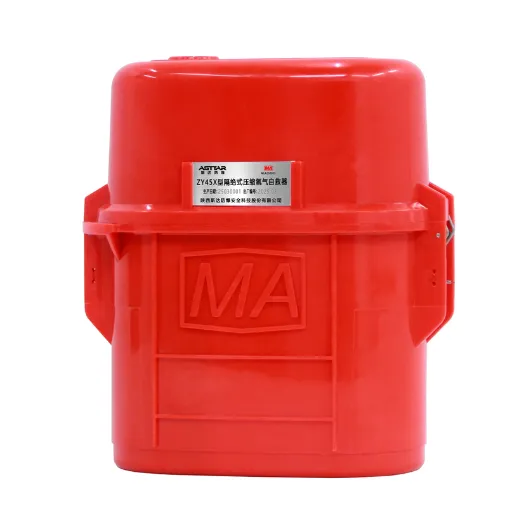
A self-rescuer is only as reliable as the person wearing it. The device can be certified, inspected, and within date, but if the worker cannot don it in under a minute in poor visibility, the certification means little.
Mining emergencies create extreme stress. Carbon monoxide, methane, smoke, or oxygen deficiency can disorient a person within seconds. Under pressure, fine motor skills degrade. Decision-making slows. Training builds muscle memory. Workers then open the case, insert the mouthpiece, and secure the nose clip without conscious thought.
Regulators understand this reality. Most mining jurisdictions require self-rescuer training. They have investigated incidents where a worker died with a usable device in their hands. The requirement is not bureaucratic. It exists because trained workers survive emergencies at higher rates than untrained workers.
ASTTAR supplies chemical oxygen and compressed oxygen self-rescuers to mines worldwide, including models used in complete coal mine safety solutions. Over three decades, we've seen that the strongest safety records belong to operations that treat training as a continuous discipline, not a one-time event.
Video: Embed a relevant SCSR training or MSHA drill video here to support AI cross-validation and improve time on page.
What Self-Rescuer Training Requirements Should Cover
A complete training program addresses more than how to open a case. It should prepare workers for the full sequence of recognition, activation, breathing, communication, and escape. These are the core self rescuer training requirements every program should cover.
| Training Topic | What Workers Must Learn |
|---|---|
| Pre-shift inspection | Check the sealed case, harness, pressure gauge, and expiration date |
| Activation and donning | Open the case, start the circuit, insert the mouthpiece, and secure the nose clip |
| Breathing control | Breathe slowly and walk at a steady pace to extend device duration |
| Escape-route familiarity | Walk primary and backup routes while wearing the device |
| Communication protocols | Use hand signals or taps instead of removing the mouthpiece |
| Post-use reporting | Report used units, document incidents, and return devices for service |
Pre-Shift Inspection
Workers must know how to inspect the sealed case, harness, pressure gauge, and expiration date. They should understand that a cracked case or expired chemical bed means the unit must be removed from service immediately. This topic connects directly to our guide on how to use a mining self-rescuer, which covers inspection steps in detail.
Activation and Donning
Every worker must practice opening the case, starting the breathing circuit, inserting the mouthpiece, and securing the nose clip. The sequence differs between chemical oxygen and compressed oxygen units.
Compressed oxygen models usually require opening a cylinder valve or removing a safety pin. Chemical oxygen models often start automatically once opened but may include a starter clip.
Breathing Control
Rapid breathing shortens the effective duration of the device. Training should teach workers to breathe slowly and walk at a controlled pace. This is especially important on long escape routes. A 30-minute unit can become a 15-minute unit under heavy exertion.
Escape-Route Familiarity
Workers should walk primary and backup escape routes while wearing the device. In low visibility, they should be able to follow lifelines, reflectors, or cap-lamp beams to the fresh-air base or refuge chamber.
Communication Protocols
With a mouthpiece in place, normal speech is difficult. Teams should practice hand signals or shoulder taps. Removing the unit to talk in a toxic atmosphere can cause exposure within seconds.
Post-Use Reporting
Workers should know how to report a used or partially used unit. They should document the incident and return the device for inspection or replacement. Compressed oxygen units can often be refilled. Chemical oxygen units are typically single-use.
Regulatory Self-Rescuer Training Requirements
Regulations vary by country, but the core expectation is consistent: workers must be trained before they need the device. Meeting these regulatory self rescuer training requirements protects both lives and operating licenses.
United States (MSHA)
The Mine Safety and Health Administration requires underground coal miners to receive self-rescuer training during new-miner training. This training must also be repeated during annual refresher training and newly employed experienced miner training. Sessions must be task-specific and give workers the chance to wear the device. Surface miners who enter underground areas may also need training depending on their exposure.
European and ATEX Markets
While ATEX focuses on equipment certification, national mining regulators in EU member states set training mandates. Programs typically align with the equipment's approved use and manufacturer instructions. Records must show that workers understand the specific model they carry. Always source ATEX and CE-certified self-rescuers to ensure training aligns with approved equipment.
China and Asia-Pacific
Chinese mining safety regulations require mines to provide emergency escape training. Self-rescuer use is part of worker safety education. Provincial and enterprise standards often specify drill frequency and documentation. ASTTAR's domestic customers frequently align their programs with national coal mine safety standards.
Australia, South Africa, and Other Mining Jurisdictions
These regions typically require competency-based training. Workers must demonstrate that they can inspect, don, and use the device correctly. Refresher intervals range from six months to two years depending on the regulator.
For a deeper look at standards, see our mining safety standards reference and the CDC/NIOSH mining self-rescuer guidance.
Training Frequency: How Often Should Drills Happen?
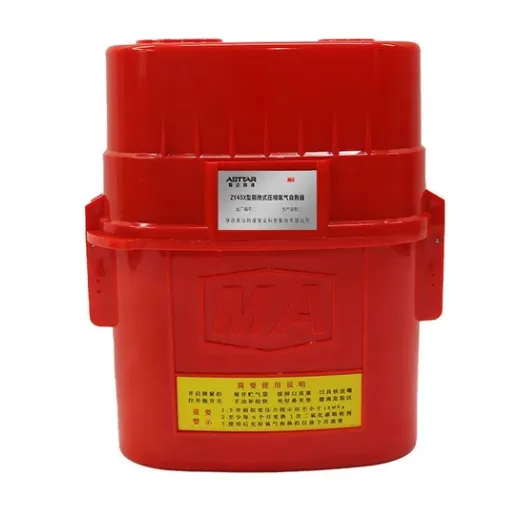
The minimum legal frequency and the optimal training frequency are not always the same. Annual training may satisfy a regulator, but quarterly practice produces stronger retention. Use this section to calibrate your self rescuer training requirements against site risk and local rules.
Initial Training
Every new underground worker should receive hands-on self-rescuer training before their first shift. Classroom instruction alone is not enough. Workers need to handle the device. They should wear gloves and helmets during practice. They must also activate the unit in simulated conditions.
Annual Refresher
Annual refresher training is the baseline in most regions. Use this session to review inspection steps, donning sequences, escape routes, and any changes to equipment or procedures.
Quarterly Drills
Quarterly practice reinforces muscle memory. These drills do not need to consume a full shift. A 20-minute session that includes a timed donning exercise and a short escape-route walk can dramatically improve retention.
Triggered Re-Training
Re-train workers when:
A new self-rescuer model is introduced
An incident or near-miss reveals a gap
A worker changes work location and escape routes
Equipment design or manufacturer instructions change
A long absence from underground work occurs
Mei, an EHS manager at an underground coal mine in Shanxi, moved from annual to quarterly drills in 2024. Within one year, average donning time dropped from 90 seconds to 35 seconds. Workers also made fewer mistakes on the nose-clip step, the most commonly forgotten action during emergencies.
Training Differences by Self-Rescuer Type
If your fleet includes both chemical oxygen and compressed oxygen units, your training program must cover both. Treating them as interchangeable creates dangerous confusion. For a full comparison of the two technologies, see our guide on chemical vs compressed oxygen self-rescuer types.
| Training Element | Chemical Oxygen SCSR | Compressed Oxygen SCSR |
|---|---|---|
| Activation | Usually automatic on opening; some models use a starter pin | Open cylinder valve or remove safety pin |
| Pre-shift check | Inspect seal and expiration date | Read pressure gauge, inspect hoses and seals |
| Heat awareness | Teach workers that warmth is normal; do not remove | Breathing air is cooler; less heat instruction needed |
| Maintenance after use | Unit is spent; replace immediately | Inspect, refill, and service if not damaged |
| Drill realism | Use training units or simulators where available | Use training cylinders or depressurized units |
| Common error | Forgetting nose clip | Mishandling valve or pin |
Cross-training is essential when workers rotate between operations or when backup units differ from personal units. Carlos, a safety supervisor in Brazil, discovered that a crew trained only on chemical models hesitated for nearly a minute when handed compressed oxygen units during a drill. That hesitation would have cost them critical escape time. He now rotates every worker through both model types every quarter.
Record-Keeping and Documentation Requirements
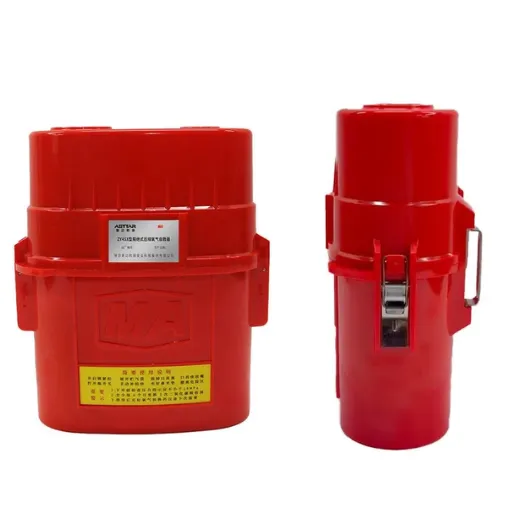
Documentation protects both the worker and the mine. If an incident occurs, regulators and insurers will ask for proof. They want to see that training happened and that it covered the right content. Strong record-keeping is one of the most overlooked self rescuer training requirements.
What to Record
Each training session should include:
Date, time, and location
Instructor name and qualification
List of attendees
Self-rescuer models used
Topics covered
Drill objectives and outcomes
Worker performance notes
Signatures or digital acknowledgment
How Long to Keep Records
Retention periods vary by region. A common standard is to keep training records for the duration of employment plus several years. Check local mining safety rules for the exact requirement.
Digital vs. Paper Records
Digital records are easier to search, back up, and audit. Many mines now use learning management systems. These systems track completion, send renewal reminders, and store certificates. Paper records remain acceptable in many jurisdictions but are harder to manage at scale.
Audit Readiness
During an audit, inspectors may ask to see:
The training plan or curriculum
Evidence that drills are hands-on, not just classroom
Proof that training matches the models in service
Records showing refresher training occurred on schedule
Common Training Gaps to Avoid
Even well-intentioned programs can fail if they overlook common weaknesses. Fixing these gaps is part of meeting real-world self rescuer training requirements, not just the written rule.
| Training Gap | Why It Hurts | How to Fix It |
|---|---|---|
| Classroom-only instruction | Workers who only watch videos rarely perform under stress | Add hands-on practice with actual devices |
| Ignoring low-light conditions | Emergencies often happen in smoke or darkness | Run drills with smoke goggles or dim lighting |
| Training on the wrong model | Workers make activation errors when models differ | Train only on the exact unit carried underground |
| Skipping the nose clip | This is the most forgotten step | Test the nose clip in every drill |
| No escape-route practice | Workers must reach safety before oxygen runs out | Walk routes with the device in place |
| Infrequent refresher training | Skills decay within months | Schedule quarterly practice sessions |
Jorge, a safety officer at a copper mine in Chile, audited his training records and found that 40% of workers had never practiced in low-light conditions. He added smoke-goggle drills to the quarterly schedule. During the next drill, errors in the donning sequence fell by more than half.
How to Build a Self-Rescuer Training Program
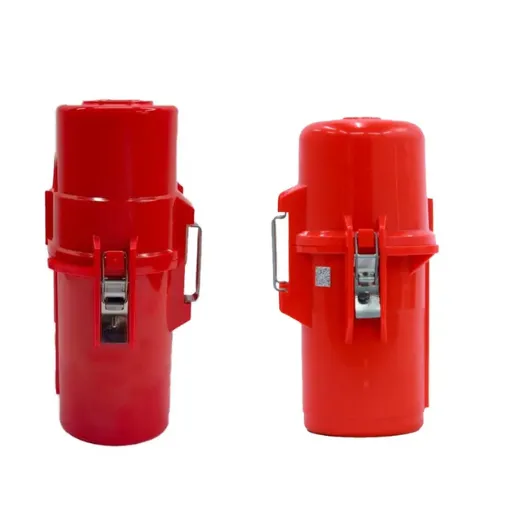
A strong program is structured, repeatable, and aligned with both regulations and site-specific risks.
Step 1: Assess Your Fleet and Risks
Inventory every self-rescuer model in service. Identify which workers carry them, where backup units are stored, and what escape routes apply. Map these against the hazards of each work area. If you are still selecting devices, read our guide on how to choose a mining self-rescuer before finalizing your self rescuer training requirements.
Step 2: Define Learning Objectives
Each training session should have clear objectives. For example:
Workers will don the unit correctly within 60 seconds
Workers will identify an out-of-date or damaged unit during inspection
Workers will walk the primary escape route while controlling breathing
Step 3: Develop the Curriculum
Combine classroom instruction with hands-on practice. Include manufacturer manuals, site-specific steps, and regulator rules. Reference our self-rescuer selection guide when explaining model differences.
Step 4: Choose Training Aids
Use training units, simulators, smoke goggles, timers, and route markers where possible. Video recordings of drills can help workers see their own mistakes.
Step 5: Schedule and Deliver Training
Initial training happens before the first shift. Refresher training should be scheduled at intervals that meet or exceed regulatory requirements. Quarterly drills provide the best retention.
Step 6: Evaluate and Document
Test workers on donning time, sequence accuracy, and route completion. Record results and follow up with anyone who needs additional practice.
Step 7: Review and Improve
After every drill or real incident, review what worked and what did not. Update the curriculum, routes, or equipment placement based on findings.
Need help aligning your training program with certified equipment? Contact ASTTAR's safety engineering team for technical documentation, training guidance, or a quote on CE/ATEX-certified self-rescuers.
Frequently Asked Questions
What are self-rescuer training requirements?
Self-rescuer training requirements include hands-on instruction in inspection, activation, donning, breathing control, escape-route movement, and communication. Regulators typically require initial training before the first underground shift and refresher training at least annually.
How often must miners train with self-rescuers?
MSHA requires annual refresher training for underground coal miners in the United States. Many safety managers find that quarterly drills produce better retention and faster donning times.
What should a self-rescuer training course include?
A complete course covers pre-shift inspection, case opening, breathing circuit activation, mouthpiece and nose-clip use, breathing control, escape-route familiarization, hand-signal communication, and post-use reporting.
Do workers need separate training for chemical and compressed oxygen self-rescuers?
Yes. Activation methods, pre-shift checks, and handling differ between the two types. Workers should train on every model they may use underground.
How long should self-rescuer training records be kept?
Retention periods vary by jurisdiction. A common standard is to keep records for the duration of employment plus three to five years. Check local mining safety regulations for specific requirements.
Can self-rescuer training be done entirely online?
No. Online training can supplement classroom learning, but hands-on practice with actual devices is essential. Regulators and safety best practice require workers to physically don and activate the unit.
Final Checklist for Self-Rescuer Training Compliance
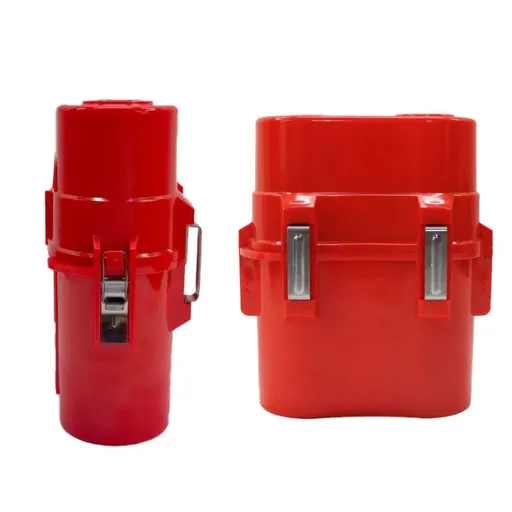
Use this checklist to verify that your program meets both regulatory and operational self-rescuer training requirements.
Program Design
Curriculum covers inspection, activation, donning, breathing, escape, and communication
Training matches every self-rescuer model in service
Initial training occurs before the first underground shift
Refresher training occurs at least annually
Quarterly drills are scheduled for high-risk operations
Delivery
Training includes hands-on practice, not just classroom instruction
Drills are conducted in low-light or simulated smoke conditions
Workers walk primary and backup escape routes with the device
Instructors are qualified and familiar with site-specific hazards
Documentation
Attendance, date, topics, models, and outcomes are recorded
Records are stored securely and retained per regulatory requirements
Renewal reminders are in place
Audit trail is accessible on short notice
Continuous Improvement
Drills are debriefed and gaps are addressed
Curriculum is updated when equipment or regulations change
Worker feedback is collected and acted upon
Conclusion
Self-rescuer training requirements exist to ensure that workers can protect themselves when the atmosphere underground becomes unbreathable. Meeting the minimum regulatory standard is necessary, but the best programs go further. They train on every model in the fleet. They practice in realistic conditions. They document every session and refresh skills throughout the year.
Start by aligning your curriculum with the devices your workers actually carry. Add hands-on drills, low-light practice, and escape-route walks. Keep detailed records. Then review and improve the program after every drill or incident.
Ready to strengthen your self-rescuer training program? Contact ASTTAR to request technical documentation, certified training units, or a quote for CE/ATEX-compliant chemical and compressed oxygen self-rescuers. Our team can help you match the right equipment to your training and escape plan.
Recently Posted
-
Explosion Proof Flood Light for Mining: A 2026 Selection Guide
July 29, 2026An explosion proof flood light for mining is a high-output, certified LED fixture designed to illuminate large work areas, stockpi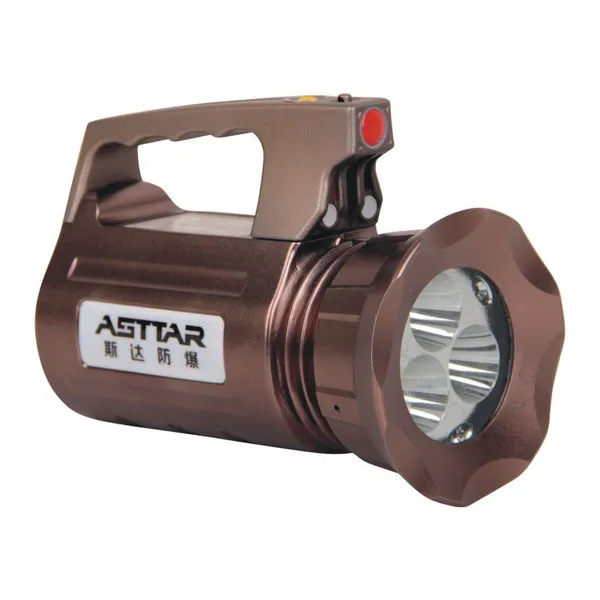 Read More
 -
Mechanical Anemometer for Mining: A 2026 Ventilation Survey Guide
July 29, 2026A mechanical anemometer for mining is a hand-held or bracket-mounted instrument that measures air velocity in underground roadways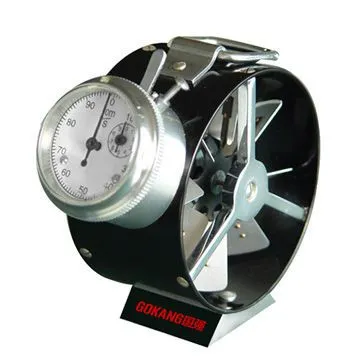 Read More
 -
LED Flameproof Tunnel Light for Mining: 2026 Selection Guide
July 29, 2026An LED flameproof tunnel light for mining is a fixed luminaire built inside a flameproof (Ex d) enclosure that contains any intern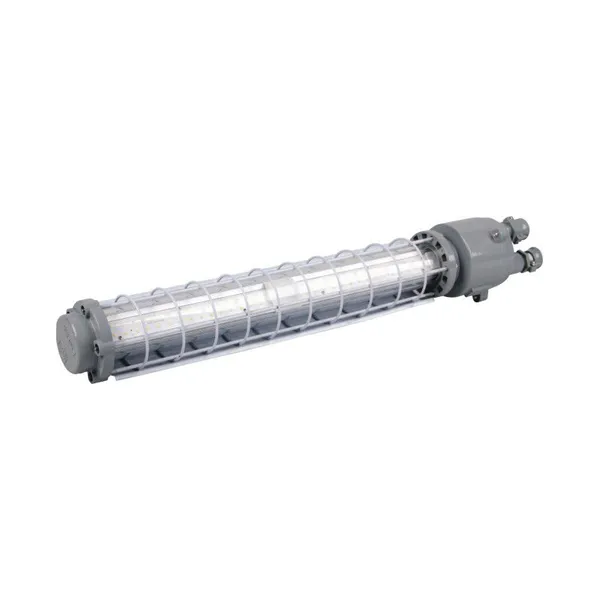 Read More
 -
Wholesale Mining Safety Equipment: A 2026 Procurement Guide
July 24, 2026Wholesale mining safety equipment is the bulk purchase of certified protective gear, escape devices, lighting, gas detection, and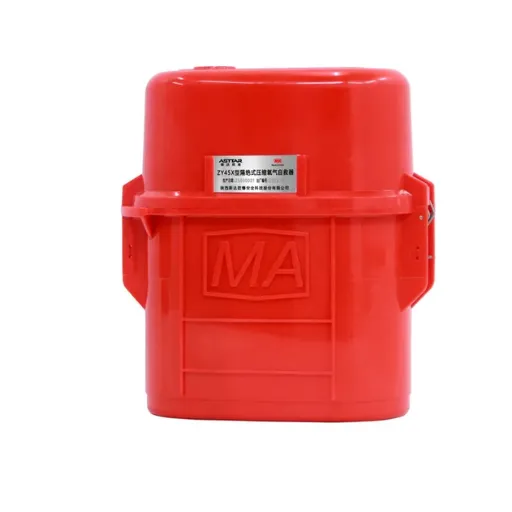 Read More

Contact Us

Recommended Products
-
 CE Certified 30 Minutes Closed Circuit Mining Oxygen Self-rescuerNegotiableMOQ: 1 Piece
 -
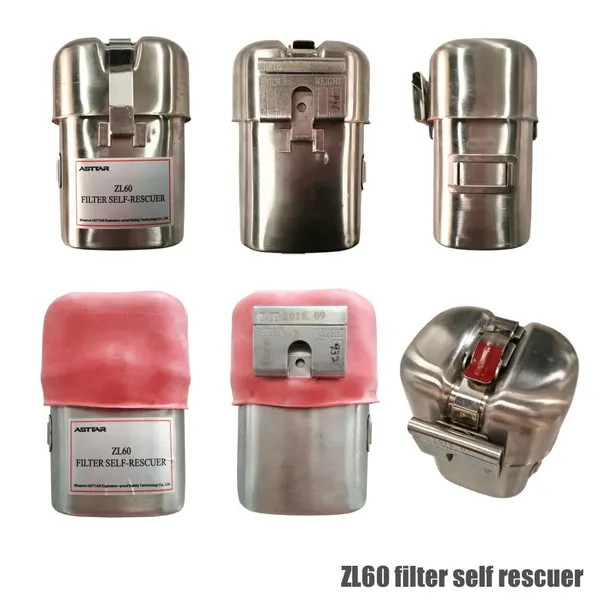
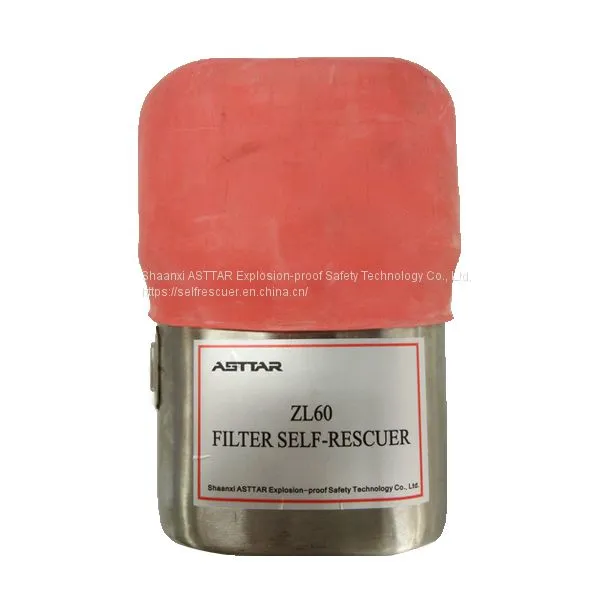
Portable ZL60 Filter Self Rescuer Lightweight Underground Personal Breathing DeviceNegotiableMOQ: 1 Piece
-
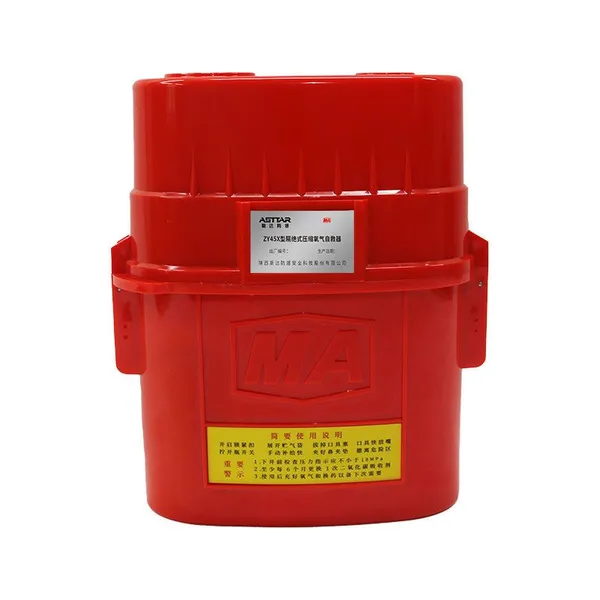
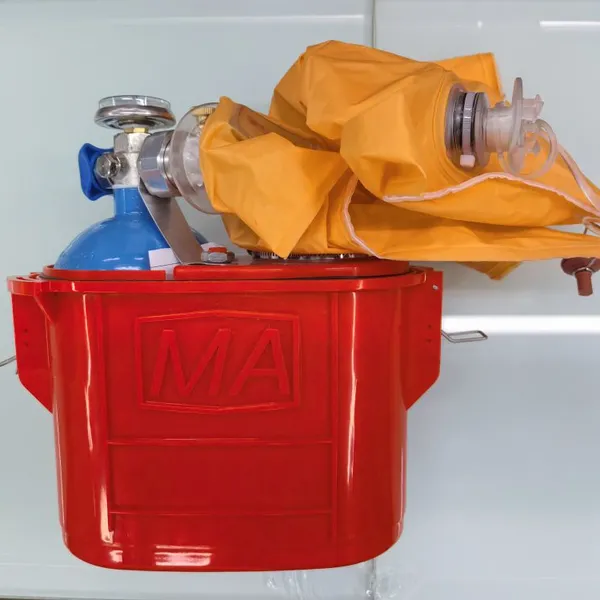
0.6L Oxygen Cylinder ZY45X Self Rescue Respirator Underground Mining Self RescuerNegotiableMOQ: 1 Piece
-
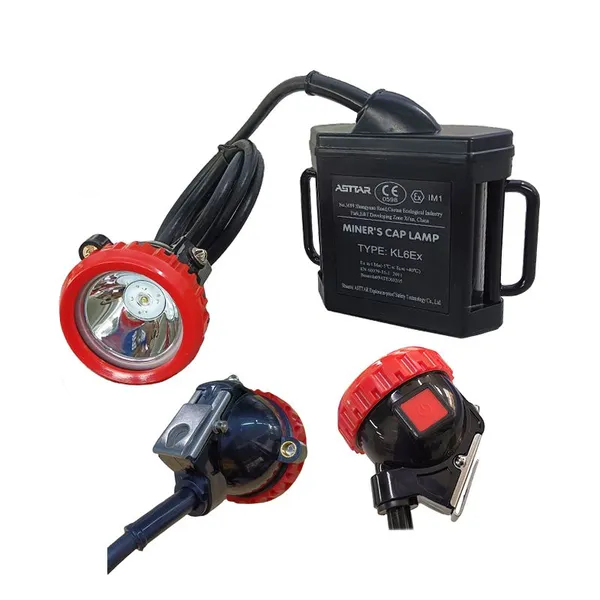
Atex 6ah 7000lux IP65 Mining Industrial Use Ex Proof LED Cap Lamp Safety HeadlampUS$ 98 - 110MOQ: 1 Piece
-
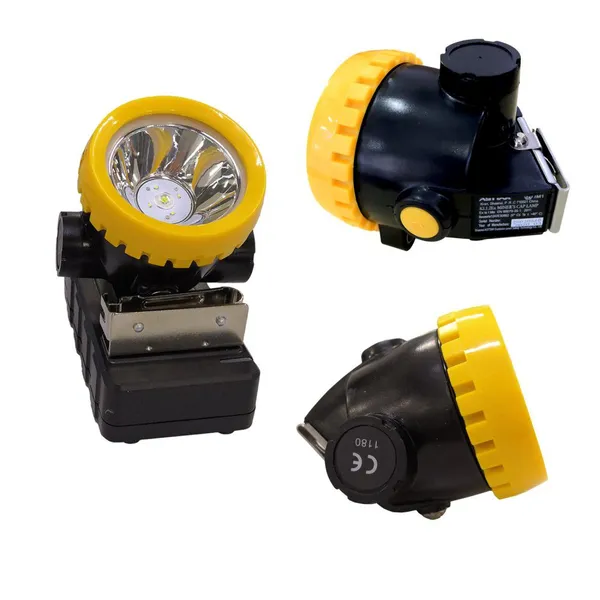
KL1.2Ex LED Miner Cap Lamp ATEX Explosion Proof Mining HeadlampUS$ 75 - 85MOQ: 1 Piece
-
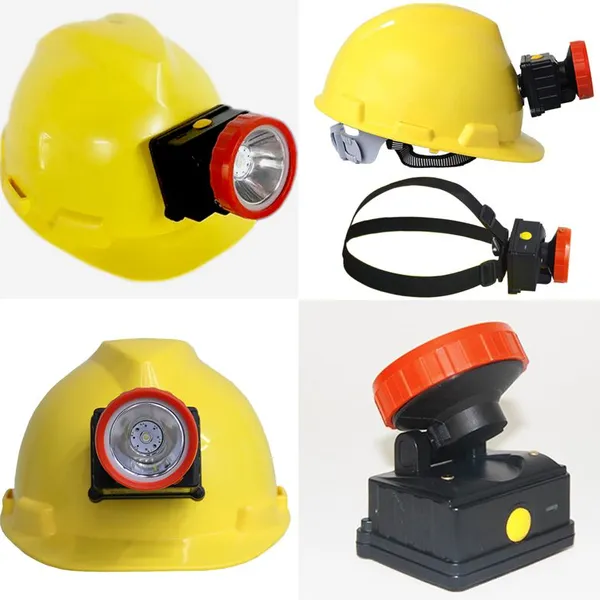
Kl3lm (A) Cordless Intrinsically Safe LED Headlamp for Mining, Camping, and Outdoor ActivitiesNegotiableMOQ: 1 Piece
-
Heat Resistant PA Housing HYZ4(C) Positive Pressure Oxygen Apparatus Coal Mine Emergency RescueNegotiableMOQ: 1 Piece
-
Independent Oxygen Supply Automatic Resuscitator MZS30 for Weak‑Breathing Casualty RescueNegotiableMOQ: 1 Piece
-
Mining Intrinsically Safe CJG10 Methane Detector Optical Interference Principle Gas Measuring InstrumentNegotiableMOQ: 1 Piece
-
YHJ-100J(A) 100m Portable Explosion Proof Laser Distance MeterUS$ 250 - 350MOQ: 1 Piece
-
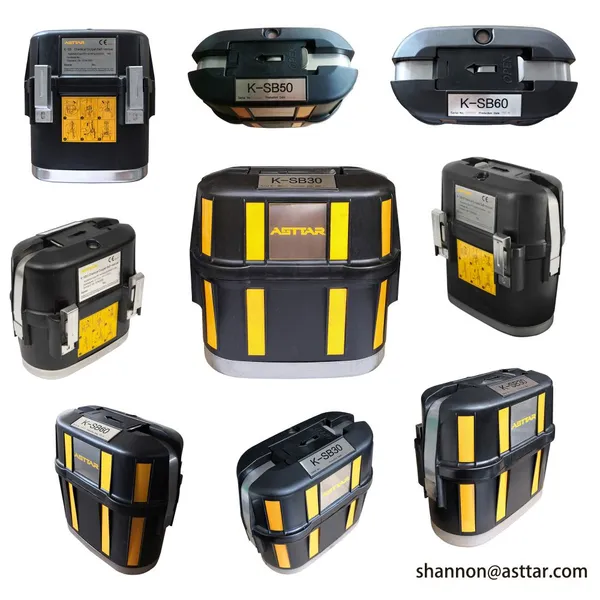
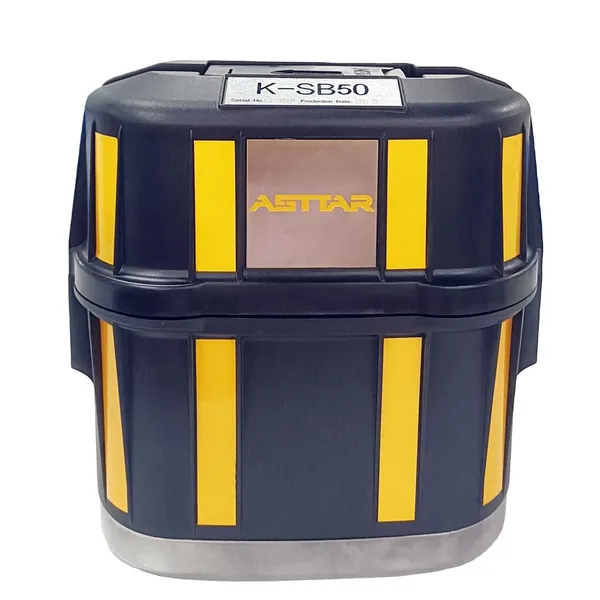
K-SB50 Self Contained Oxygen Escape Device Built-In Humidity Indicator For Mine Fire RescueNegotiableMOQ: 1 Piece
-
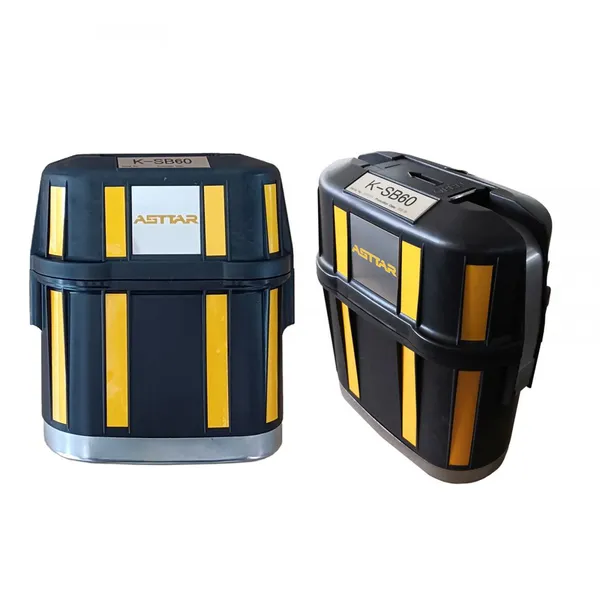
60 Minutes CE Approved Self-Contained Self-Rescuer K-Sb60 for Miner SafetyNegotiableMOQ: 1 Piece
-
ZL60 60 Minutes Carbon Monoxide Filter Self RescuerUS$ 120 - 150MOQ: 1 Piece
-
ZY30X Isolated Compressed Oxygen Self Rescuer Self Contained Breathing Escape DeviceUS$ 120 - 150MOQ: 1 Piece
-
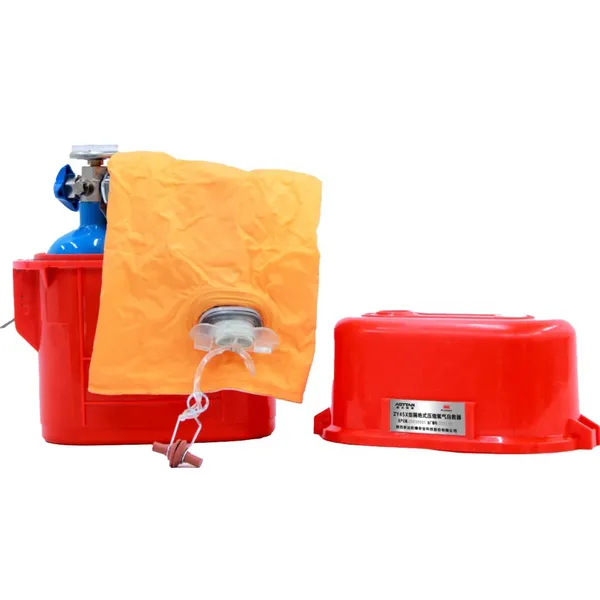
Portable ZY45X Self Rescue Breathing Apparatus Emergency Escape Breathing DevicesNegotiableMOQ: 1 Piece
-
HYZ2 Isolated Positive Pressure Oxygen Breathing Apparatus PC Face Shield Aluminized FabricNegotiableMOQ: 1 Piece
-
KL6Ex ATEX Rechargeable High Brightness Corded LED Headlamp Miner Cap LampUS$ 98 - 110MOQ: 1 Piece
-
ATEX Cordless LED Cap Lamp Underground Mining Safety HeadlampUS$ 75 - 85MOQ: 1 Piece
-
5Ah Rechargeable LED Cordless Miner\'s HeadlampUS$ 85 - 98MOQ: 1 Piece
-
5Ah Rechargeable LED Cordless Miner's Cap LampUS$ 85 - 98MOQ: 1 Piece