
 Business License
Methane Alarm LED Cap Lamp: How It Protects Underground Workers
A methane alarm LED cap lamp is an explosion-proof mining headlamp with a built-in methane sensor that warns the wearer when gas concentration approaches dangerous levels. It combines illumination and personal gas detection in one helmet-mounted device, giving coal miners and tunnel workers an early warning at the most critical location: their breathing zone.
At 7:20 a.m. on a Tuesday in November, Ramesh entered the intake drift at a longwall coal operation in eastern India. He clipped his cap lamp onto his helmet. The lamp was charged, the beam was clear, and the methane alarm icon showed green. Two hours later, while inspecting the tailgate road, the lamp began to vibrate and emit a sharp audible alarm. The display showed methane rising. He stopped work, alerted the crew, and moved to the intake airway before the concentration reached the statutory withdrawal level. The fixed monitor confirmed the reading 90 seconds later.
That is the practical value of a methane alarm LED cap lamp. It does not replace a fixed gas monitoring network or a personal multi-gas detector. It adds a layer of awareness that moves with the worker. This guide explains how the technology works, where it fits into a mine safety plan, and what to verify before procurement.
Key Takeaways
A methane alarm LED cap lamp combines explosion-proof illumination with a personal methane warning at the worker's helmet.
The alarm supplements fixed monitors and personal gas detectors, especially near roof layers, goafs, and tailgates where methane can accumulate.
ATEX or IECEx certification is essential because the lamp must operate safely in methane-rich atmospheres.
Sensor placement, calibration, and battery life are practical factors that determine real-world reliability.
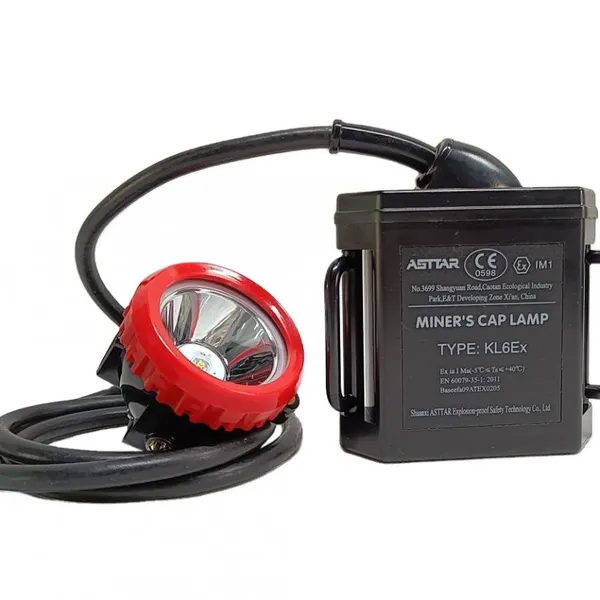
ASTTAR's KL6Ex series offers a methane alarm LED cap lamp option for coal mines and gassy tunnels.
What Is a Methane Alarm LED Cap Lamp?
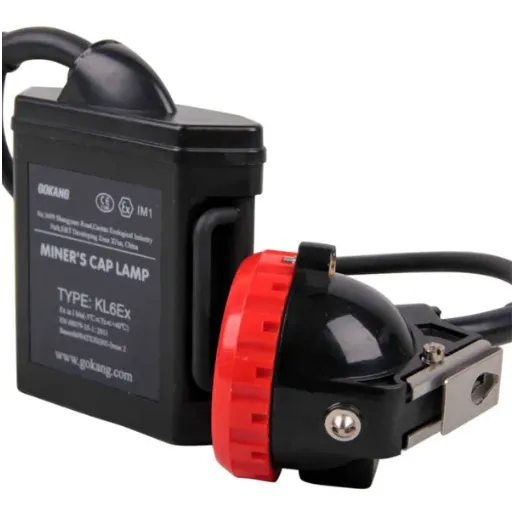
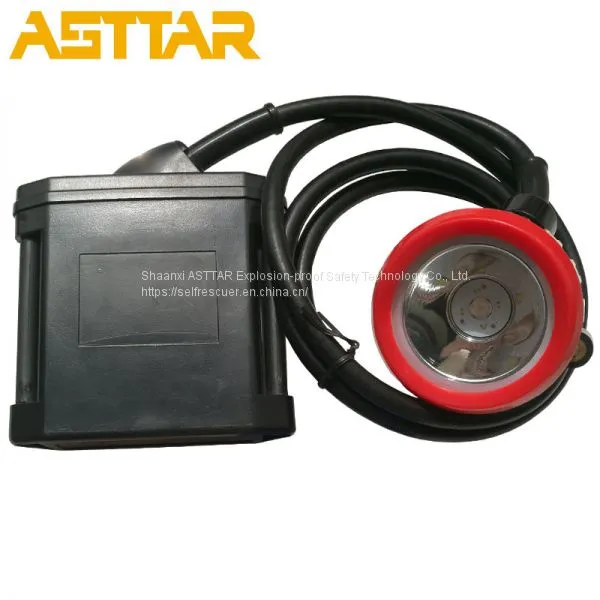
A methane alarm LED cap lamp is a cordless or corded mining headlamp that integrates a methane sensor and alarm into the same housing that contains the LED light source and battery. When the sensor detects methane at a preset threshold, the lamp triggers an audible, visual, or vibrating alarm. The worker can then leave the area or take protective action before gas reaches hazardous levels.
The device is not an analyzer. It does not display precise gas concentrations for most models, although some show relative levels. Its purpose is rapid warning. The sensor is typically positioned high on the lamp body, near the worker's head height, where methane naturally accumulates because it is lighter than air.
Methane alarm LED cap lamps are most common in coal mines, but they are also useful in any underground operation where methane or natural gas may enter the workings. This includes gassy tunneling projects, abandoned mine workings, and some oil shale or salt deposits.
For a broader look at cap lamp options, see our complete cap lamp buying guide.
How the Methane Alarm Works
Sensor Technology
Most methane alarm cap lamps use catalytic or infrared sensors. Catalytic sensors detect methane by oxidizing it on a heated element and measuring the resulting temperature change. Infrared sensors measure the absorption of infrared light at methane-specific wavelengths. Catalytic sensors are common in compact devices because they are smaller and less expensive. Infrared sensors offer better stability and do not need oxygen to function.
Alarm Levels
The lamp is programmed to alarm at one or two thresholds. The first threshold is typically a low-level warning that alerts the wearer to rising gas. The second threshold indicates a concentration high enough to require immediate withdrawal. Exact values depend on manufacturer programming and local mining regulations.
Alarm Signals
Modern lamps use a combination of signals to ensure the alarm is noticed in noisy underground conditions:
Audible alarm: A high-pitched tone or intermittent beep.
Visual alarm: A flashing LED indicator on the lamp body.
Vibration: A vibration motor in the lamp housing alerts the wearer through the helmet.
Multiple signal types are important because mines are loud and dusty. A worker operating a roof bolter may not hear an audible alarm. A vibrating alarm cuts through the noise.
At a coal preparation plant in South Africa, workers used methane alarm cap lamps during maintenance in a covered stockpile area. The ambient noise from conveyors made audible alarms hard to hear. The vibration feature provided the warning that initiated evacuation during a minor methane release. No injuries occurred.
Where Methane Alarm Cap Lamps Add the Most Value
Roof Layers and Rib Cavities
Methane is lighter than air. In a mine roadway, it tends to collect near the roof, in cavities, and behind supports. A personal detector on the belt may read clean air while the worker's head is inside a methane layer. A methane alarm LED cap lamp places the sensor where the worker breathes.
Tailgate and Return Airways
Return airways carry methane away from the face, but eddies and obstructions can create localized accumulations. Workers in tailgate roads or near ventilation controls are exposed to these pockets. A head-mounted alarm responds to changes immediately.
Goaf Edges and Sealed Areas
Old workings, goafs, and sealed districts can release methane unexpectedly. Workers inspecting seals, building stoppings, or recovering equipment near goaf edges benefit from continuous personal monitoring.
Tunnelling Through Gassy Strata
Tunnel boring machines and roadheaders can cut into gas-bearing strata without warning. Workers behind the machine or in the immediate back area may encounter methane before ventilation dilutes it. A methane alarm LED cap lamp provides proximity warning during these dynamic conditions.
Explore ASTTAR's range of ATEX LED cap lamps with methane alarm options.
Key Features to Compare
Certification
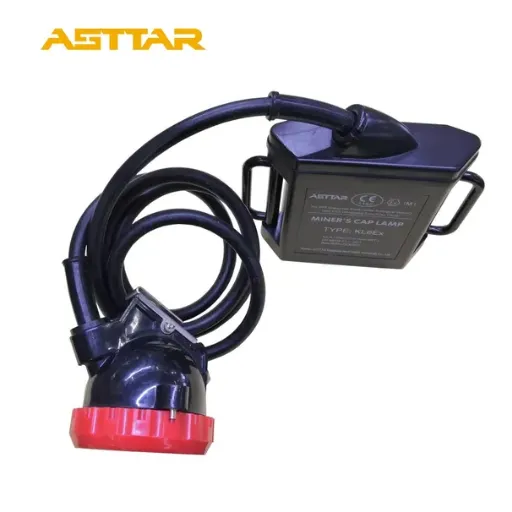
A methane alarm LED cap lamp must be certified for explosive atmospheres. ATEX or IECEx certification is essential. The certificate should cover both the lighting circuit and the gas sensor circuit. Some lamps have separate certifications for each subsystem. Verify that the entire unit is approved for the intended hazardous zone.
Runtime
Adding a methane sensor increases power consumption. Look for a lamp that still delivers a full shift runtime, typically 12-16 hours or more, with the alarm function active. A lamp that dies mid-shift is worse than no lamp at all.
Sensor Response Time
Response time is how quickly the sensor reacts to a change in methane concentration. Faster response times provide earlier warning. Ask the manufacturer for the T90 response time, which is the time needed to reach 90% of the final reading.
Alarm Signal Types
Confirm the lamp provides at least two alarm signals. Audible plus vibration is the most reliable combination underground. A visual-only alarm may be missed in bright light or when the worker is focused on a task.
Calibration Requirements
Sensors drift over time. Ask about calibration intervals and whether the lamp supports field calibration or requires return to a service center. Some models allow bump testing with a known gas concentration before each shift.
Dust and Water Protection
The lamp needs an appropriate IP rating. Dust ingress can block sensors and reduce light output. Water or moisture can corrode electronics. IP65 or higher is typical for underground use.
Weight and Balance
Adding a sensor, alarm, and extra sealing can increase weight. A heavy or poorly balanced lamp causes neck fatigue and may be tilted away from the correct position. Try the lamp on the actual helmet used underground before buying in volume.
| Feature | Why It Matters |
|---|---|
| ATEX/IECEx certification | Safe operation in methane-rich atmospheres |
| 12-16+ hour runtime | Covers full shift with alarm active |
| Fast T90 response | Earlier warning of gas rise |
| Audible + vibrating alarm | Noticeable in noisy conditions |
| Field calibration support | Maintains accuracy without service delays |
| IP65+ ingress protection | Survives dust and water underground |
| Comfortable helmet balance | Encourages correct daily use |
Need specification help? Contact the ASTTAR safety team for datasheets and certification documents.
Limitations and Proper Use
Not a Replacement for Fixed Monitoring
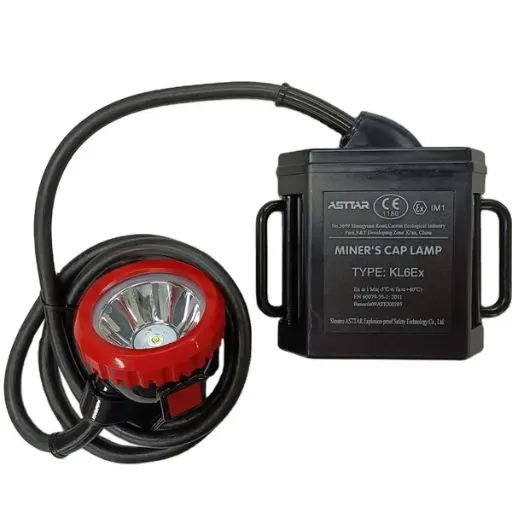
A methane alarm LED cap lamp supplements the mine's fixed gas monitoring system. It does not replace it. Fixed monitors provide area-wide coverage, data logging, and integration with ventilation controls. Personal alarms provide point-of-use awareness.
Not a Replacement for Personal Multi-Gas Detectors
Multi-gas detectors monitor oxygen, carbon monoxide, hydrogen sulfide, and other gases in addition to methane. A cap lamp alarm typically only monitors methane. Workers in environments with multiple gas hazards should still carry the appropriate detector.
Requires Training
Workers must understand what the alarm means and how to respond. They should know the difference between a low-level warning and a high-level evacuation alarm. They should also know how to perform a pre-shift alarm test and interpret any indicator lights.
Sensor Drift and Maintenance
Sensors drift, lenses get dirty, and alarm speakers clog with dust. A maintenance schedule is required. Bump testing before each shift is a common practice. Full calibration should follow the manufacturer's interval. Failed sensors must be replaced promptly.
For methane detection beyond cap lamps, see ASTTAR's multi-parameter gas detectors.
Integration With Mine Safety Systems
Pre-Shift Checks
Include the methane alarm cap lamp in the daily lamp room routine. Check that the alarm self-test passes, the battery is charged, and the lens and sensor port are clean. Record any faults and remove failed units from service.
Alarm Response Procedures
Every mine should have a written procedure for cap lamp methane alarms. The procedure should define:
The action required at the first alarm threshold.
The action required at the second alarm threshold.
How to communicate the alarm to nearby workers and the control room.
How to verify the alarm with a calibrated detector.
When work may resume.
Data Logging and Incident Review
Some advanced lamps log alarm events with timestamps. This data can support incident investigation and identify areas with recurring methane issues. Even without logging, recording alarm events manually helps safety teams spot patterns.
At a longwall mine in Queensland, the safety team reviewed three months of cap lamp alarm records. They noticed a cluster of low-level alarms near a specific return airway corner. Investigation revealed a damaged stopping that was allowing gas to short-circuit. Repairing the stopping eliminated the pattern.
Certification and Standards to Verify
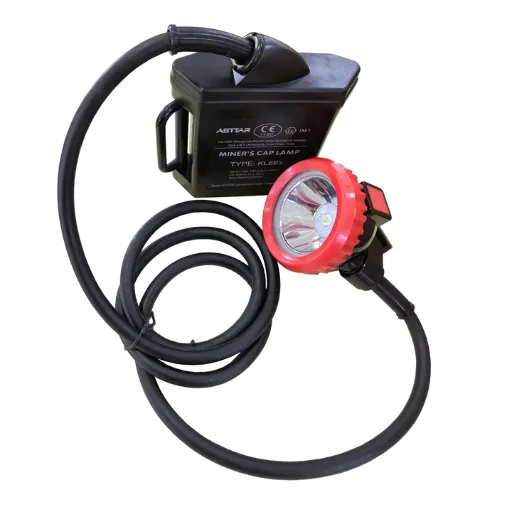
Certification is critical for any device used in explosive atmospheres. Before procurement, verify:
ATEX directive compliance for European coal mines and tunnels.
IECEx certification for international markets.
IP rating for dust and water resistance.
Impact rating for underground mechanical hazards.
ISO 9001 quality management system covering manufacturing.
Sensor performance data such as T90 response time and calibration interval.
Local mining electrical approvals required by your regulator.
ASTTAR maintains ISO 9001, ISO 14000, and OHSAS 18001 management systems and offers CE/ATEX certified LED cap lamps where applicable. Certification details are available on our certifications page.
For authoritative background, the U.S. CDC/NIOSH provides resources on mining illumination, the International Labour Organization covers mining safety and health, and ISO publishes standards relevant to mining equipment.
Common Mistakes When Buying Methane Alarm LED Cap Lamps
Treating the Lamp as a Standalone Solution
Some buyers assume the cap lamp replaces gas detectors and fixed monitors. It does not. It is one layer in a multi-layered gas management strategy.
Ignoring Calibration Logistics
If the lamp requires factory calibration and your mine is remote, maintenance becomes a bottleneck. Choose a model with field calibration support or a reliable local service partner.
Focusing Only on the Light
Brightness and beam pattern matter, but the methane alarm function adds cost and complexity. Evaluate the alarm specifications with the same rigor as the light output.
Skipping Worker Trials
Helmet fit, alarm loudness, vibration strength, and weight distribution vary between models. Workers who find the lamp uncomfortable or annoying may defeat the alarm or stop wearing it. Trials prevent this.
Buying Without Verifying Certificates
Fake or misapplied certificates are a known risk in mining supply chains. Request the certificate number and verify it with the issuing body. Make sure the certificate covers the exact model, including the methane alarm variant.
FAQ
What is a methane alarm LED cap lamp?
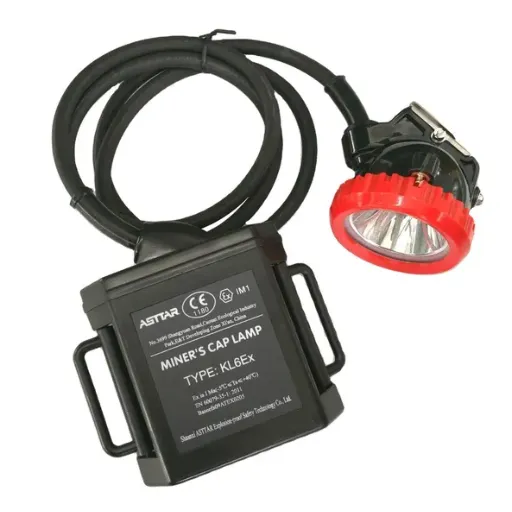
A methane alarm LED cap lamp is a mining headlamp that combines explosion-proof LED lighting with a built-in methane sensor and alarm. It warns the wearer when methane concentration rises near the helmet.
How does a methane alarm cap lamp work?
The lamp uses a catalytic or infrared methane sensor to detect gas. When the concentration reaches a programmed threshold, the lamp triggers audible, visual, or vibrating alarms to alert the wearer.
Is a methane alarm cap lamp a replacement for a gas detector?
No. It supplements fixed gas monitors and personal multi-gas detectors. It is designed specifically for methane warning at the worker's head height and does not monitor other gases.
Where are methane alarm cap lamps most useful?
They are most useful in coal mines and gassy tunnels, especially near roof layers, tailgates, goaf edges, and sealed areas where methane can accumulate around the worker's breathing zone.
What certifications should a methane alarm LED cap lamp have?
Look for ATEX or IECEx certification for explosive atmospheres, an IP rating for dust and water resistance, and ISO 9001 manufacturing certification. Verify that the certificate covers the alarm function.
How often should a methane alarm cap lamp be calibrated?
Follow the manufacturer's recommendation. Many models require daily bump testing and periodic full calibration. Field calibration support is preferable for remote mines.
Conclusion
A methane alarm LED cap lamp is a valuable addition to a coal mine or gassy tunnel safety program. It places methane awareness where the worker needs it most: at the helmet, near the breathing zone. It does not replace fixed monitoring or multi-gas detectors, but it fills a gap that fixed systems cannot cover as workers move through changing conditions.
Selecting the right lamp requires attention to certification, runtime, alarm signals, sensor response time, calibration support, and worker comfort. Procurement teams should verify certificates, trial models with actual workers, and integrate the devices into clear alarm response procedures.
ASTTAR's KL6Ex LED cap lamp series includes methane alarm options built for hazardous-area mining. Supported by ISO 9001, ISO 14000, and OHSAS 18001 management systems, these lamps are part of ASTTAR's broader safety emergency ecosystem that includes incubation, metrology testing, and safety industry research.
Recently Posted
-
Explosion Proof Flood Light for Mining: A 2026 Selection Guide
July 29, 2026An explosion proof flood light for mining is a high-output, certified LED fixture designed to illuminate large work areas, stockpi Read More
 -
Mechanical Anemometer for Mining: A 2026 Ventilation Survey Guide
July 29, 2026A mechanical anemometer for mining is a hand-held or bracket-mounted instrument that measures air velocity in underground roadways Read More
 -
LED Flameproof Tunnel Light for Mining: 2026 Selection Guide
July 29, 2026An LED flameproof tunnel light for mining is a fixed luminaire built inside a flameproof (Ex d) enclosure that contains any intern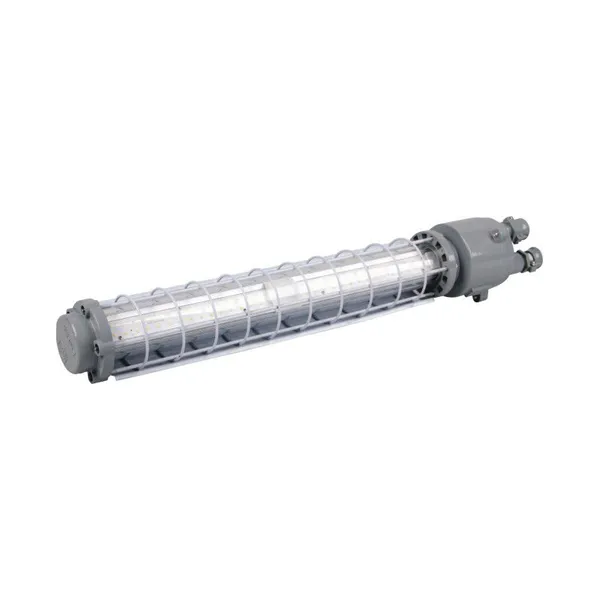 Read More
 -
Wholesale Mining Safety Equipment: A 2026 Procurement Guide
July 24, 2026Wholesale mining safety equipment is the bulk purchase of certified protective gear, escape devices, lighting, gas detection, and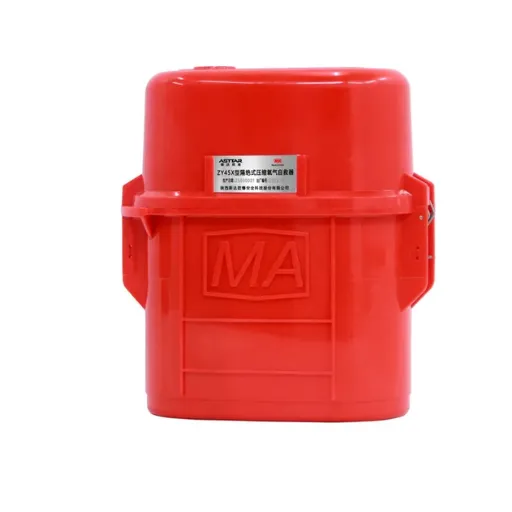 Read More

Contact Us

Recommended Products
-
 CE Certified 30 Minutes Closed Circuit Mining Oxygen Self-rescuerNegotiableMOQ: 1 Piece
 -
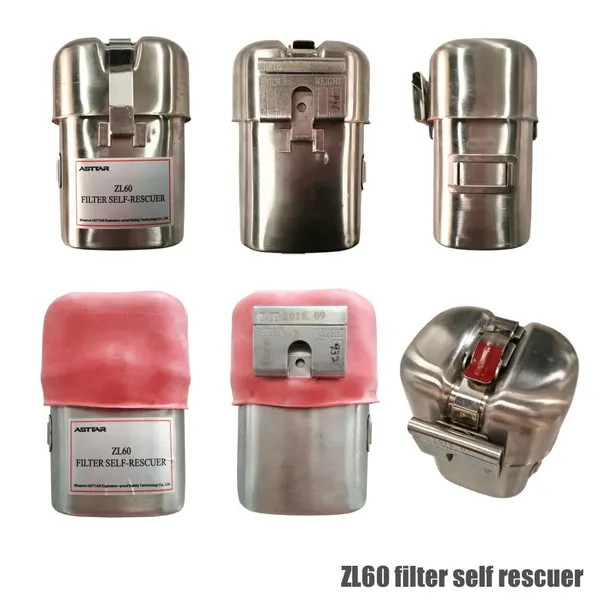
Portable ZL60 Filter Self Rescuer Lightweight Underground Personal Breathing DeviceNegotiableMOQ: 1 Piece
-
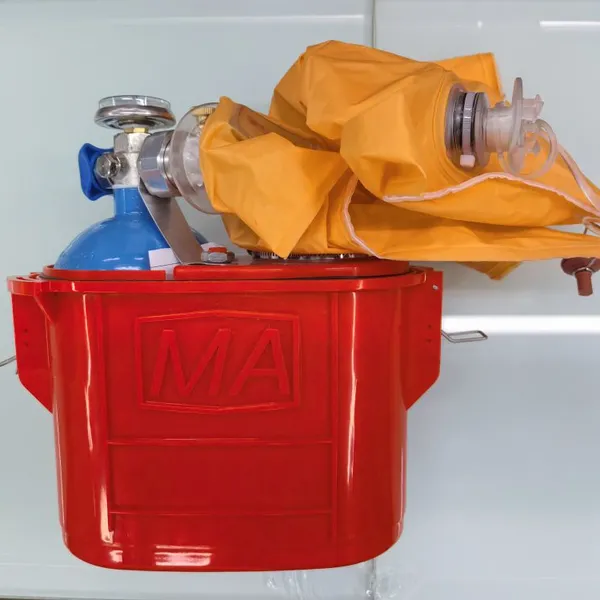
0.6L Oxygen Cylinder ZY45X Self Rescue Respirator Underground Mining Self RescuerNegotiableMOQ: 1 Piece
-
Atex 6ah 7000lux IP65 Mining Industrial Use Ex Proof LED Cap Lamp Safety HeadlampUS$ 98 - 110MOQ: 1 Piece
-
KL1.2Ex LED Miner Cap Lamp ATEX Explosion Proof Mining HeadlampUS$ 75 - 85MOQ: 1 Piece
-
Kl3lm (A) Cordless Intrinsically Safe LED Headlamp for Mining, Camping, and Outdoor ActivitiesNegotiableMOQ: 1 Piece
-
Heat Resistant PA Housing HYZ4(C) Positive Pressure Oxygen Apparatus Coal Mine Emergency RescueNegotiableMOQ: 1 Piece
-
Independent Oxygen Supply Automatic Resuscitator MZS30 for Weak‑Breathing Casualty RescueNegotiableMOQ: 1 Piece
-
Mining Intrinsically Safe CJG10 Methane Detector Optical Interference Principle Gas Measuring InstrumentNegotiableMOQ: 1 Piece
-
YHJ-100J(A) 100m Portable Explosion Proof Laser Distance MeterUS$ 250 - 350MOQ: 1 Piece
-
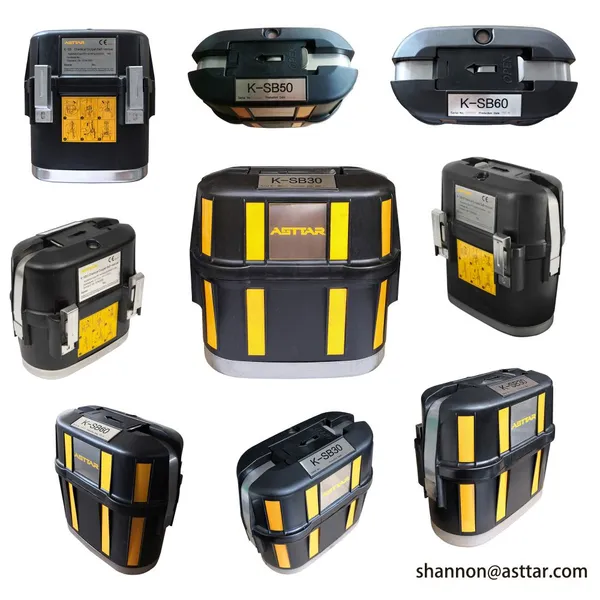
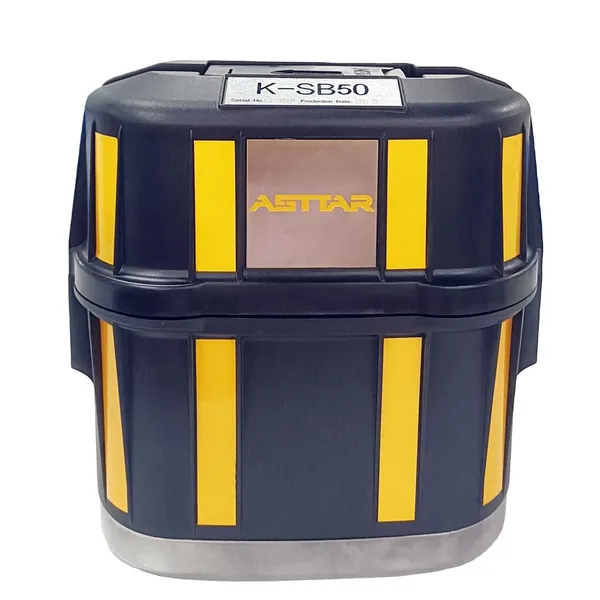
K-SB50 Self Contained Oxygen Escape Device Built-In Humidity Indicator For Mine Fire RescueNegotiableMOQ: 1 Piece
-
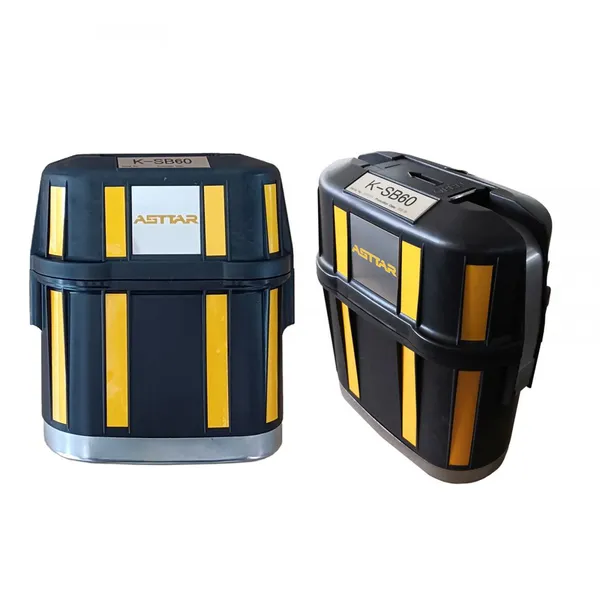
60 Minutes CE Approved Self-Contained Self-Rescuer K-Sb60 for Miner SafetyNegotiableMOQ: 1 Piece
-
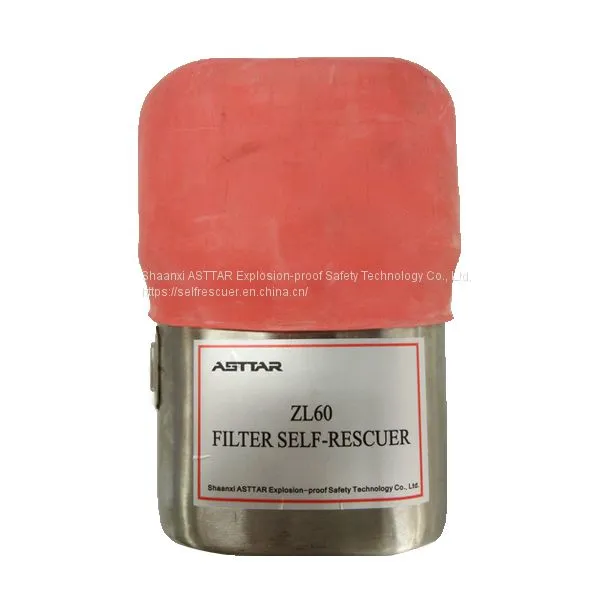
ZL60 60 Minutes Carbon Monoxide Filter Self RescuerUS$ 120 - 150MOQ: 1 Piece
-
ZY30X Isolated Compressed Oxygen Self Rescuer Self Contained Breathing Escape DeviceUS$ 120 - 150MOQ: 1 Piece
-
Portable ZY45X Self Rescue Breathing Apparatus Emergency Escape Breathing DevicesNegotiableMOQ: 1 Piece
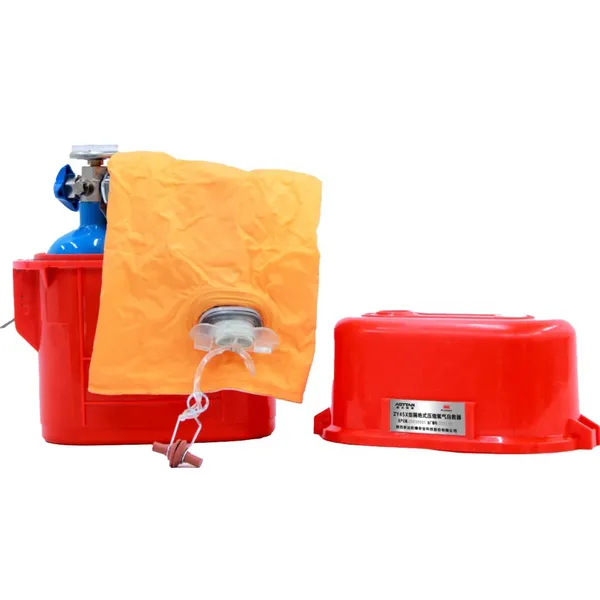
-
HYZ2 Isolated Positive Pressure Oxygen Breathing Apparatus PC Face Shield Aluminized FabricNegotiableMOQ: 1 Piece
-
KL6Ex ATEX Rechargeable High Brightness Corded LED Headlamp Miner Cap LampUS$ 98 - 110MOQ: 1 Piece
-
ATEX Cordless LED Cap Lamp Underground Mining Safety HeadlampUS$ 75 - 85MOQ: 1 Piece
-
5Ah Rechargeable LED Cordless Miner\'s HeadlampUS$ 85 - 98MOQ: 1 Piece
-
5Ah Rechargeable LED Cordless Miner's Cap LampUS$ 85 - 98MOQ: 1 Piece