
 Business License
Methane Gas Detector for Coal Mine: A Buyer's Guide
A methane gas detector for coal mine work is a portable or fixed instrument that measures methane concentration in air and triggers alarms before levels become explosive. In underground coal seams, methane can accumulate in roof cavities, along face areas, and behind seals. A reliable detector gives crews the warning they need to withdraw, ventilate, or stop ignition sources before concentrations reach the 5-15% explosive range.
Coal mine methane has no color and no smell. A worker cannot detect it by sight or smell until it displaces enough oxygen to cause symptoms, or until an ignition turns a pocket of gas into an incident. That is why methane detection is not optional in most coal mining jurisdictions. It is a layer of protection that sits between normal operations and a firedamp emergency.
In this guide, you will learn how methane detectors work, which sensor technologies are used underground, what certifications to verify, where to place detectors, and how to maintain them. You will also see how a methane gas detector fits alongside LED cap lamps, ventilation planning, and self-rescuers in a complete mine safety system.
Key Takeaways
Catalytic bead and infrared sensors are the two most common technologies for coal mine methane detection.
A methane gas detector for coal mine work must carry ATEX, IECEx, or MSHA approval for explosive atmospheres.
Alarm setpoints typically start at 1.0% volume methane, with higher warnings approaching the 5% lower explosive limit.
Portable, fixed, and cap-lamp-integrated detectors each serve different zones and workflows.
Bump tests before each shift and calibration every 3-6 months keep sensors reliable.
Why Methane Detection Matters in Coal Mines
Methane is the primary component of natural gas and is released from coal seams during mining. In a gassy mine, it seeps from the coal face, fractures, and goaf areas. It can also accumulate in sealed or poorly ventilated headings. Because methane is lighter than air, it tends to rise and collect near the roof. A detector mounted at belt height will miss a dangerous accumulation overhead.
When methane concentration in air reaches 5%, the mixture becomes explosive. Between 5% and 15%, any spark, hot surface, or static discharge can ignite it. Above 15%, the mixture is too rich to burn but can become explosive again if diluted with fresh air. Monitoring concentration continuously is the only way to know when conditions are approaching danger.
Liang runs the ventilation crew at a mid-sized underground coal operation in Shanxi. Every shift, his team tests hand-held methane detectors at the main return airway and along the longwall face. Last year, a detector mounted near the tailgate showed a slow rise from 0.2% to 0.8% over three shifts. The trend prompted his team to inspect the goaf seal and add an additional ventilation borehole. They never reached an alarm condition, but the data prevented a more serious buildup.
Regulatory bodies agree on the importance of continuous monitoring. MSHA requires methane monitors on mining equipment in US coal mines. Chinese coal mine safety regulations specify methane sensors at working faces, returns, and electrical installations. The specifics differ by country, but the principle is the same: detect early, alarm clearly, and act before ignition risk develops.
How a Methane Gas Detector for Coal Mine Work Works
A methane gas detector for coal mine work samples air and measures methane concentration as a percentage of volume, or as a percentage of the lower explosive limit. The display shows a number that tells the crew whether the atmosphere is safe, approaching risk, or already hazardous.
Most detectors use one of two sensor technologies.
Catalytic Bead Sensors
A catalytic bead sensor burns a small amount of methane on a heated platinum wire. The combustion changes the temperature and electrical resistance of the bead. The detector converts that resistance change into a methane concentration reading.
Catalytic sensors respond quickly and work well across a wide humidity range. They are widely used in portable methane detectors and machine-mounted monitors. However, they can be poisoned by silicone vapors, sulfur compounds, and some dust suppressants. They also require oxygen to function because combustion needs air. In an oxygen-deficient atmosphere, readings may drift or fail.
Infrared Sensors
Infrared sensors measure how much infrared light methane absorbs at a specific wavelength. They do not burn the gas, so they do not need oxygen. They are also less susceptible to poisoning and can operate in inert or oxygen-depleted environments.
The trade-off is cost and complexity. Infrared detectors are typically more expensive than catalytic models and may require more careful optical cleaning. They are common in fixed installations, analyzers, and high-end portable units where long-term stability matters.
Alarm Logic
A typical methane gas detector for coal mine work has multiple alarm levels. The exact setpoints vary by regulation and mine policy, but a common arrangement is:
0.0-0.9%: Green or safe indication. Work continues with normal ventilation.
1.0%: First alarm, often yellow. Crews are warned to investigate and reduce activity.
1.5-2.0%: Second alarm, often red. Work may stop in the affected zone.
5%: Approaching lower explosive limit. Evacuation and ventilation response required.
Detectors may signal alarms with audible tones, flashing lights, and vibration. In some mines, detectors are linked to a surface monitoring system that logs readings in real time and sends alerts to control room staff.
Types of Methane Detectors Used Underground
Coal mines use three main categories of methane detection equipment. Each has a different role in the safety system. ASTTAR's gas detector range includes portable, fixed, and multi-parameter models for hazardous-area monitoring.
Portable Methane Detectors
Portable methane detectors are carried by deputies, ventilation officers, face workers, and rescue teams. They allow spot checks at the working face, in returns, and in confined spaces. Most are handheld or clipped to a belt. The best units are small, rugged, and easy to operate with gloved hands.
Portable units are ideal for areas where fixed sensors do not cover, or for verifying readings from a fixed system. They are also essential during re-entry after a stoppage or fire. A ventilation officer can walk a district and take readings at multiple points before declaring it safe.
Fixed Methane Monitors
Fixed methane monitors are installed at strategic locations and sample air continuously. Common placements include the main return airway, the longwall tailgate, electrical substations, and the intake to sealed areas. Fixed systems often feed data to a central surface station where trends and alarms are logged.
The advantage of fixed monitors is constant coverage. They do not depend on a worker remembering to take a reading. The disadvantage is that they only measure at the sensor location. A fixed sensor in the return airway will not detect a pocket of methane forming at the face if the airflow is insufficient.
Cap Lamp Integrated Detectors
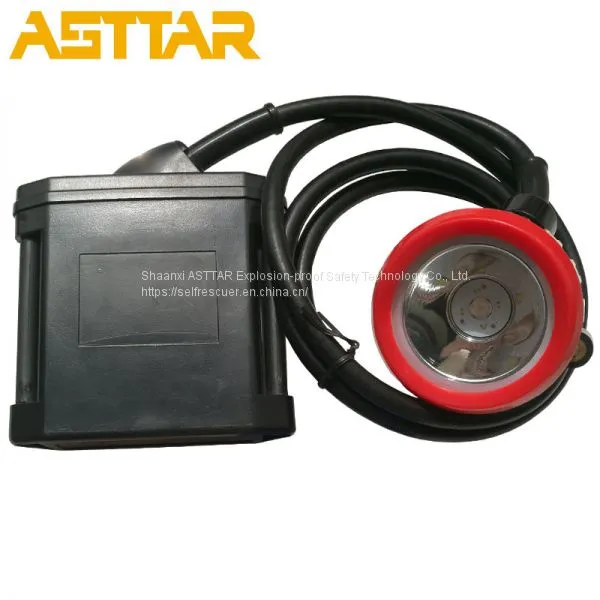
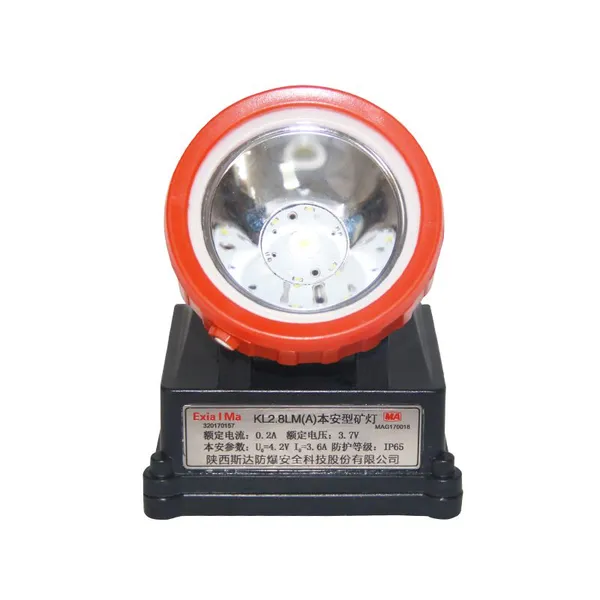
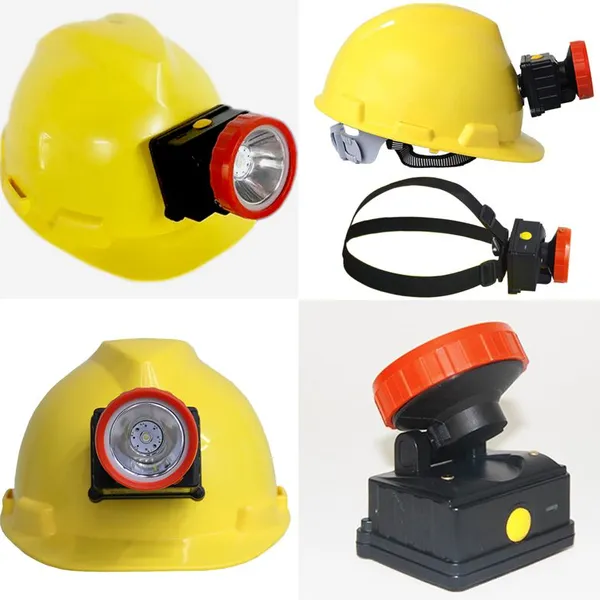
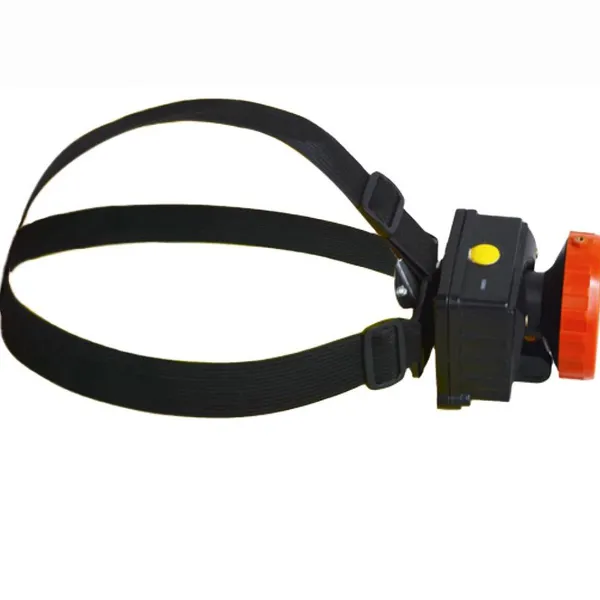
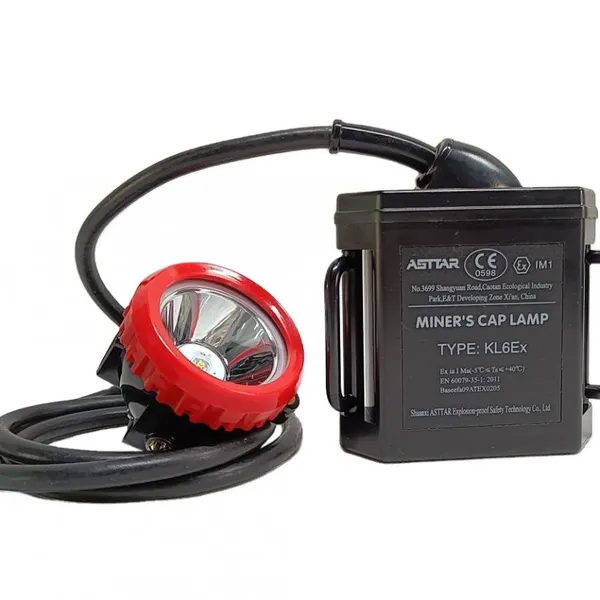
A cap lamp with a built-in methane detector places the sensor on the worker's helmet, near the breathing zone. Because the detector moves with the worker, it provides personal monitoring wherever the person goes. This is useful for face workers, roof bolters, and maintenance crews who move through different areas during a shift. For a full buyer's guide, see our article on the cap lamp with gas detection.
These integrated units reduce the number of devices a worker must carry. They also keep the alarm close to the ears and eyes, making it harder to miss. The trade-off is shorter battery life because the sensor draws continuous power. They complement, rather than replace, fixed and portable systems.
Certifications to Verify Before Buying
A methane gas detector for coal mine work must be certified for explosive atmospheres. Standard consumer or industrial gas detectors are not suitable for use underground where methane may be present. Always verify that the unit carries the correct certifications for your region.
ATEX and IECEx
ATEX certification applies to equipment used in European Union explosive atmospheres. The ATEX directive classifies equipment groups and categories. Group I covers mining applications. Category M1 equipment is suitable for use where explosive atmospheres are present continuously or for long periods.
IECEx is an international certification scheme based on IEC standards. Many countries outside the EU recognize IECEx certificates. If you operate in multiple regions, IECEx approval can simplify procurement and documentation.
MSHA Approval
In the United States, the Mine Safety and Health Administration approves methane detection equipment for use in coal mines. MSHA-approved units meet specific flame resistance, intrinsic safety, and performance requirements. Always confirm that a detector is listed for the intended application before deploying it in a US mine.
China MA Certification
For Chinese coal mines, look for the Mining Safety Approval mark. MA-certified methane detectors meet national standards for explosive atmospheres, electromagnetic compatibility, and environmental conditions. This is essential for compliance with Chinese coal mine safety regulations.
IP Rating and Environmental Durability
Underground coal mines are dusty, humid, and physically rough. A detector should have an IP rating appropriate for the environment. IP65 or higher is common for portable units. Ingress protection matters because dust and moisture can damage sensors and electronics. The CDC/NIOSH mining safety research program publishes guidance on occupational hazards that supports these equipment choices.
Temperature range, impact resistance, and battery performance in cold conditions are also worth checking. A detector that works perfectly on the surface may fail underground if it cannot handle the temperature and humidity.
Placement and Coverage Best Practices
Good sensor placement is as important as sensor quality. A methane gas detector for coal mine work must be located where methane is likely to accumulate and where workers will see or hear the alarm.
Working Face
Place or carry detectors near the coal face where methane is released. On a longwall, sensors are typically positioned along the face and at the tailgate and maingate entries. On a continuous miner section, the machine-mounted methane monitor is required by many regulators.
Return Airways
Methane-laden air moves with the ventilation stream. Sampling the return airway tells you whether methane is being carried away effectively. A rise in return methane indicates either increased gas emission or reduced ventilation.
Roof Cavities and High Points
Because methane rises, roof cavities, old workings, and the tops of shafts or raises can accumulate high concentrations. Fixed sensors should be positioned at the appropriate height. Portable checks should include a slow sweep from floor to roof in suspect areas.
Sealed Areas and Re-Entry Zones
Sealed goaf areas can hold high methane concentrations. Detectors used during re-entry must be capable of reading high levels without saturation. Some units have an over-range indication to warn that methane has exceeded the display limit.
Equipment Mounting
Machine-mounted methane detectors on continuous miners, shuttle cars, and bolters are typically interlocked. If methane reaches a set threshold, the machine cuts power. This prevents ignition from electrical equipment in a gassy area.
Maintenance and Calibration
A methane detector is only reliable if it is maintained. Sensors drift over time due to exposure to gas, dust, temperature cycles, and physical shock. Regular testing catches problems before they lead to a missed alarm.
Bump Testing
A bump test exposes the sensor to a known concentration of methane and confirms that the detector alarms. It does not calibrate the sensor. Many mines require a bump test before each shift. It takes only a minute and is the simplest way to confirm that the unit is responding.
Calibration
Calibration adjusts the sensor output to match a certified gas standard. Most manufacturers recommend calibration every 3-6 months, or sooner if bump tests show drift. Calibration gas must match the sensor type and concentration range. Using the wrong gas or expired cylinders can create inaccurate readings.
Sensor Replacement
Catalytic sensors typically last 2-4 years, depending on exposure. Infrared sensors can last longer but may require optical cleaning. Follow the manufacturer's recommended replacement schedule and keep spare sensors in stock. A detector with a failed sensor gives no warning.
Record Keeping
Maintain records of bump tests, calibrations, sensor replacements, and repairs. These documents support compliance audits and help identify units that need more frequent attention. Digital logging systems can automate much of this work and provide trend data for ventilation planning.
Choosing the Right Methane Gas Detector for Your Coal Mine
Selecting a detector means matching the technology, form factor, and certification to your mine's conditions and workflows. There is no single best detector for every situation.
Questions to Ask
What is the expected methane concentration range?
Will the detector be used in oxygen-deficient areas?
Is it for personal protection, area monitoring, or machine interlock?
What certification does your regulator require?
What gases besides methane need monitoring?
What are the dust, humidity, and temperature conditions?
How will data be logged and reviewed?
Multi-Gas vs. Single-Gas
A single-gas methane detector is simpler and often less expensive. A multi-gas detector for mining adds sensors for carbon monoxide, oxygen, and hydrogen sulfide. For many coal mines, multi-gas units make sense because they cover several hazards with one device. For dedicated methane monitoring at fixed locations, a single-gas analyzer may be sufficient.
Optical Interference Methane Detectors
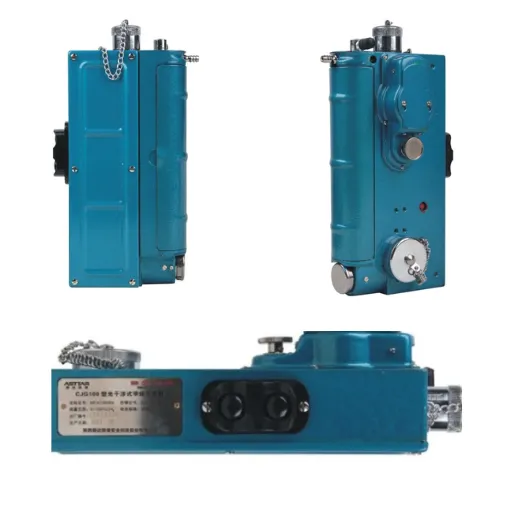
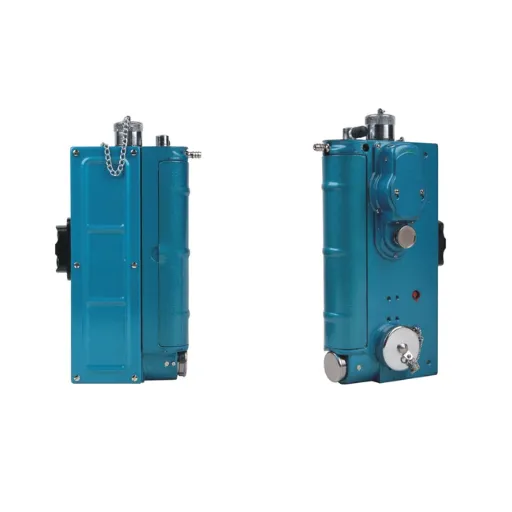
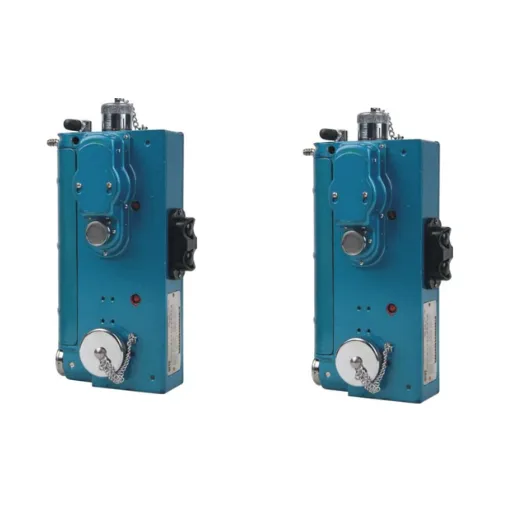
Optical interference methane detectors use light interference patterns to measure gas concentration. They are common in Chinese coal mines and are valued for stability and reliability. These instruments are often used in stationary monitoring stations and for calibration reference. They are less portable than handheld catalytic or infrared units but provide high accuracy.
Total Cost of Ownership
The purchase price is only part of the cost. Consider calibration gas, sensor replacement, training, documentation, and downtime. A detector with a lower upfront cost but expensive sensors may cost more over five years than a higher-priced unit with long-life components.
How a Methane Detector Fits Into a Complete Safety System
A methane gas detector for coal mine work is one component of a larger safety strategy. It works best when combined with ventilation engineering, gas drainage, ignition control, and emergency response equipment.
Ventilation
The first defense against methane is ventilation. Detectors confirm that ventilation is working and warn when it is not. If a detector shows a rising trend, the ventilation team can increase airflow, add boreholes, or adjust seals.
Gas Drainage
Pre-drainage and goaf drainage remove methane before it reaches the working area. Detectors monitor the effectiveness of drainage systems and warn if gas breaks through into the mine air.
Ignition Control
Eliminating ignition sources is essential. Flameproof equipment, intrinsically safe circuits, and strict hot-work permits reduce the chance that methane will find a spark. Methane detectors trigger alarms and equipment shutdowns before concentrations reach the explosive range.
Emergency Escape
If methane levels rise rapidly or an ignition occurs, workers need reliable escape equipment. Self-rescuers provide breathable air during evacuation. Cap lamps with gas detection add personal warning close to the worker. Together, these devices create multiple layers of protection.
Mina is a safety officer at a coal mine in Inner Mongolia. Her mine uses fixed methane monitors at the main returns, portable detectors for deputies, and cap lamps with methane alarms for face crews. During a routine shift, a cap lamp alarm alerted a roof bolter to a pocket of methane near the rib. The crew stopped work, increased local ventilation, and checked the area with a portable detector before resuming. The fixed system had not caught the pocket because the airflow pattern had shifted. The portable and personal detectors provided the backup that prevented escalation.
Frequently Asked Questions
What is a methane gas detector for coal mine work?
A methane gas detector for coal mine work is a certified instrument that measures methane concentration in mine air and alarms when levels approach dangerous or explosive concentrations. It may be portable, fixed, or integrated into a cap lamp.
What gases should a coal mine methane detector monitor?
At minimum, methane. Many mines also monitor carbon monoxide, oxygen, and hydrogen sulfide. A multi-gas detector for mining covers these hazards in one unit.
How often should a methane detector be calibrated?
Most manufacturers recommend calibration every 3-6 months. Bump tests should be performed before each shift. Harsh conditions or frequent alarms may require more frequent calibration.
What is the difference between catalytic and infrared methane sensors?
Catalytic sensors burn methane on a heated bead and need oxygen. Infrared sensors measure light absorption and do not need oxygen. Infrared sensors are more stable in oxygen-deficient or poisoning-prone environments.
Can a cap lamp replace a handheld methane detector?
No. A cap lamp with methane detection is a useful personal monitor but does not replace fixed systems or portable instruments used for spot checks and compliance measurements. It is one layer of protection in a complete system.
What alarm levels are typical for coal mine methane detectors?
Common setpoints include a first alarm at 1.0% methane, a second alarm at 1.5-2.0%, and urgent action near 5% methane, which is the lower explosive limit. Exact setpoints follow mine policy and local regulation.
Final Checklist: Selecting a Methane Gas Detector for Coal Mine Use
Verify the detector is certified for explosive atmospheres in your region
Choose catalytic or infrared sensor technology based on oxygen conditions and poisoning risks
Confirm the detector covers the expected methane concentration range
Decide between portable, fixed, and cap-lamp-integrated form factors
Check battery life and operating temperature range
Plan bump-test and calibration schedules before deployment
Train workers on alarm response and detector limitations
Maintain test and calibration records for compliance
Integrate detector data with ventilation and emergency response planning
Conclusion
A methane gas detector for coal mine work is a critical layer of protection in any gassy operation. It does not replace ventilation or safe work practices. It provides the early warning that turns a potential explosion into a controlled response. Whether you choose portable units for deputies, fixed monitors for returns, or cap-lamp-integrated detectors for face crews, the same principles apply: use certified equipment, place sensors where methane gathers, test them regularly, and train workers to respond to alarms.
The best methane detection strategy combines all three types of devices. Fixed systems give continuous coverage, portable detectors verify conditions in specific locations, and personal monitors follow the worker wherever the job goes. Together with ventilation control and escape equipment, they form a safety system that reduces risk without relying on any single point of failure.
If you are evaluating a methane gas detector for coal mine use, start by mapping your gas emission sources, ventilation patterns, and regulatory requirements. Then choose detectors that match those conditions. For specification support, certification guidance, or a product comparison, contact ASTTAR's safety engineering team.
Recently Posted
-
Explosion Proof Flood Light for Mining: A 2026 Selection Guide
July 29, 2026An explosion proof flood light for mining is a high-output, certified LED fixture designed to illuminate large work areas, stockpi Read More
 -
Mechanical Anemometer for Mining: A 2026 Ventilation Survey Guide
July 29, 2026A mechanical anemometer for mining is a hand-held or bracket-mounted instrument that measures air velocity in underground roadways Read More
 -
LED Flameproof Tunnel Light for Mining: 2026 Selection Guide
July 29, 2026An LED flameproof tunnel light for mining is a fixed luminaire built inside a flameproof (Ex d) enclosure that contains any intern Read More
 -
Wholesale Mining Safety Equipment: A 2026 Procurement Guide
July 24, 2026Wholesale mining safety equipment is the bulk purchase of certified protective gear, escape devices, lighting, gas detection, and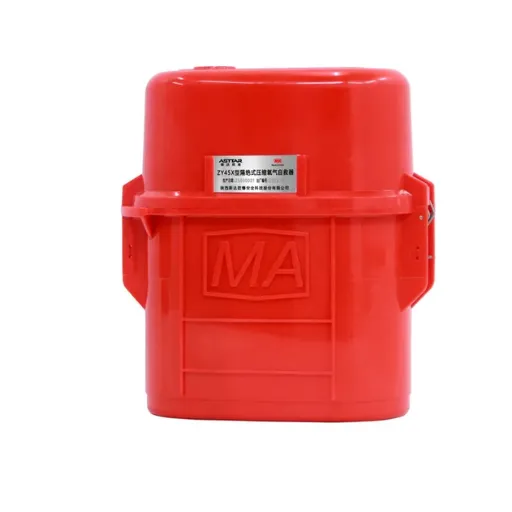 Read More

Contact Us

Recommended Products
-
 CE Certified 30 Minutes Closed Circuit Mining Oxygen Self-rescuerNegotiableMOQ: 1 Piece
 -
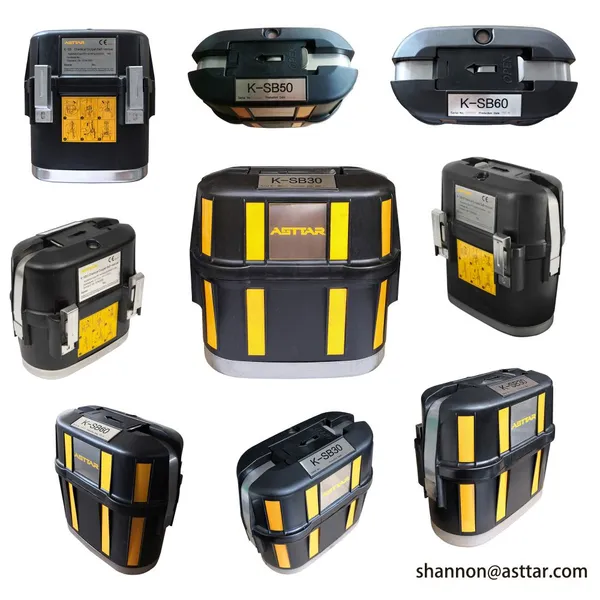
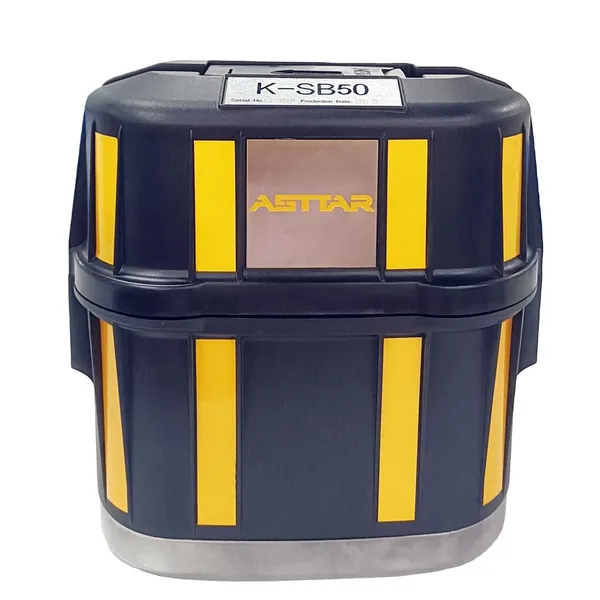
K-SB50 Self Contained Oxygen Escape Device Built-In Humidity Indicator For Mine Fire RescueNegotiableMOQ: 1 Piece
-
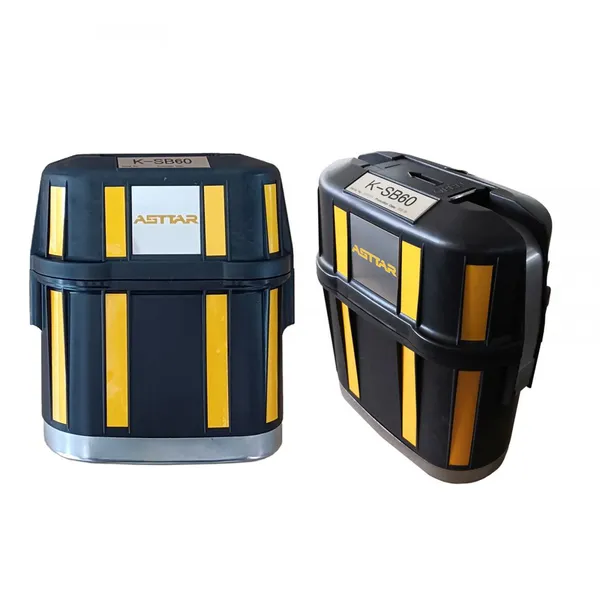
60 Minutes CE Approved Self-Contained Self-Rescuer K-Sb60 for Miner SafetyNegotiableMOQ: 1 Piece
-
Portable ZL60 Filter Self Rescuer Lightweight Underground Personal Breathing DeviceNegotiableMOQ: 1 Piece
-
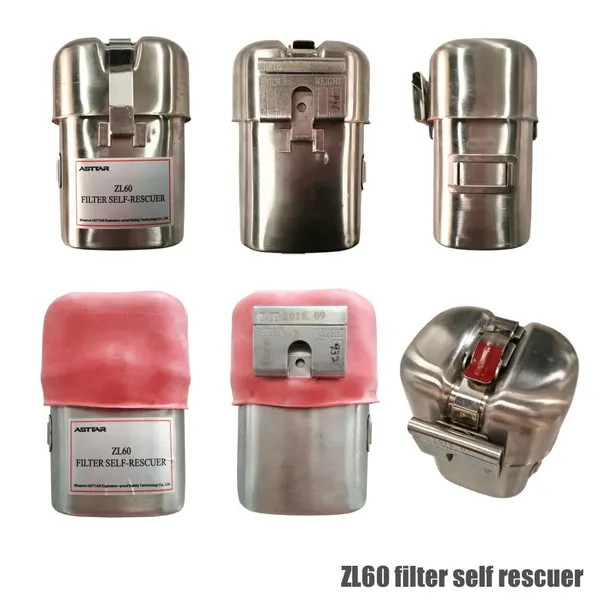
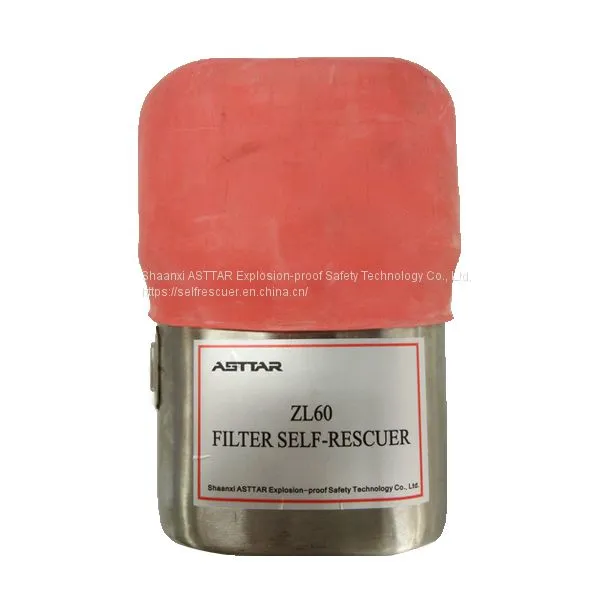
ZL60 60 Minutes Carbon Monoxide Filter Self RescuerUS$ 120 - 150MOQ: 1 Piece
-
0.6L Oxygen Cylinder ZY45X Self Rescue Respirator Underground Mining Self RescuerNegotiableMOQ: 1 Piece
-
ZY30X Isolated Compressed Oxygen Self Rescuer Self Contained Breathing Escape DeviceUS$ 120 - 150MOQ: 1 Piece
-
Portable ZY45X Self Rescue Breathing Apparatus Emergency Escape Breathing DevicesNegotiableMOQ: 1 Piece
-
Heat Resistant PA Housing HYZ4(C) Positive Pressure Oxygen Apparatus Coal Mine Emergency RescueNegotiableMOQ: 1 Piece
-
HYZ2 Isolated Positive Pressure Oxygen Breathing Apparatus PC Face Shield Aluminized FabricNegotiableMOQ: 1 Piece
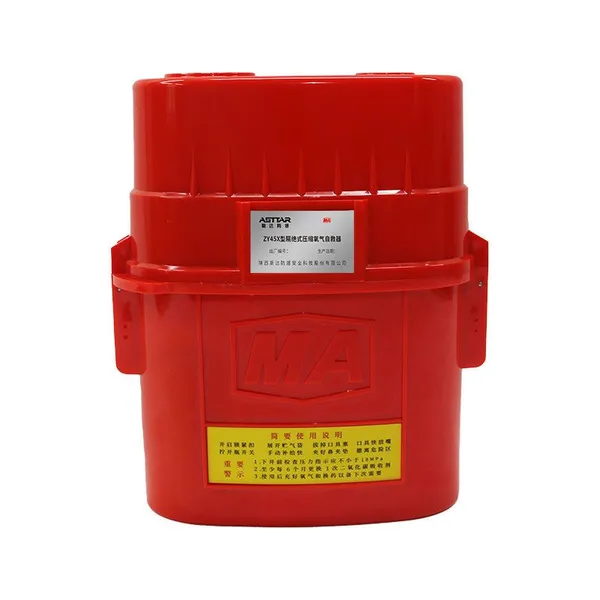
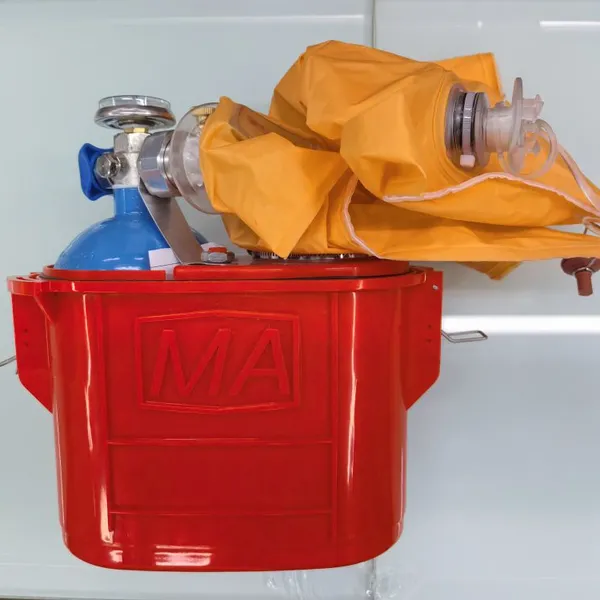
-
Atex 6ah 7000lux IP65 Mining Industrial Use Ex Proof LED Cap Lamp Safety HeadlampUS$ 98 - 110MOQ: 1 Piece
-
KL6Ex ATEX Rechargeable High Brightness Corded LED Headlamp Miner Cap LampUS$ 98 - 110MOQ: 1 Piece
-
KL1.2Ex LED Miner Cap Lamp ATEX Explosion Proof Mining HeadlampUS$ 75 - 85MOQ: 1 Piece
-
ATEX Cordless LED Cap Lamp Underground Mining Safety HeadlampUS$ 75 - 85MOQ: 1 Piece
-
5Ah Rechargeable LED Cordless Miner\'s HeadlampUS$ 85 - 98MOQ: 1 Piece
-
5Ah Rechargeable LED Cordless Miner's Cap LampUS$ 85 - 98MOQ: 1 Piece
-
Kl3lm (A) Cordless Intrinsically Safe Headlamp With Strobe Mode for EmergencyNegotiableMOQ: 1 Piece
-
Kl3lm (A) Cordless Intrinsically Safe LED Headlamp for Mining, Camping, and Outdoor ActivitiesNegotiableMOQ: 1 Piece
-
Industrial Underground KL3LM(A) 5 Modes LED Miner Headlamp IP65 Dustproof Waterproof For Gas Mine OperationNegotiableMOQ: 1 Piece
-
Long Lasting KL2LM(A) Cordless Miner Helmet Light With Complete Discharge ProtectionNegotiableMOQ: 1 Piece