
 Business License
Handheld Gas Monitor for Underground Mining: A 2026 Selection Guide
The best handheld gas monitor for underground mining detects the specific gases your workers are exposed to, alarms at the right thresholds, and carries certification for the explosive atmosphere where it will operate. For most coal and metal mines, this means a portable multi-gas detector that measures methane, oxygen, carbon monoxide, and hydrogen sulfide in a rugged, intrinsically safe enclosure.
When Alejandro took over safety at a medium-sized coal mine in Colombia, he inherited a box of single-gas methane detectors that were past their calibration date. The lamps on two units no longer flashed. A third had a cracked screen. His first procurement decision was not which brand to buy. It was deciding what the mine actually needed to detect, and how often the devices would be tested.
This guide explains how to choose a handheld gas monitor for underground mining. You will learn which gases matter, how certification affects selection, what maintenance keeps sensors reliable, and how to avoid the most common buying mistakes.
Key Takeaways
A handheld gas monitor for underground mining should match the mine's gas hazards, not just detect methane.
Methane, oxygen, carbon monoxide, and hydrogen sulfide are the four gases most underground monitors must track.
Intrinsically safe or explosion-proof certification is required for gassy mines.
Bump testing before each shift and calibration on a fixed schedule are not optional; they keep readings accurate.
Total cost includes sensors, replacement filters, calibration gas, charger, and training, not just the unit price.
Why a Handheld Gas Monitor for Underground Mining Is Essential
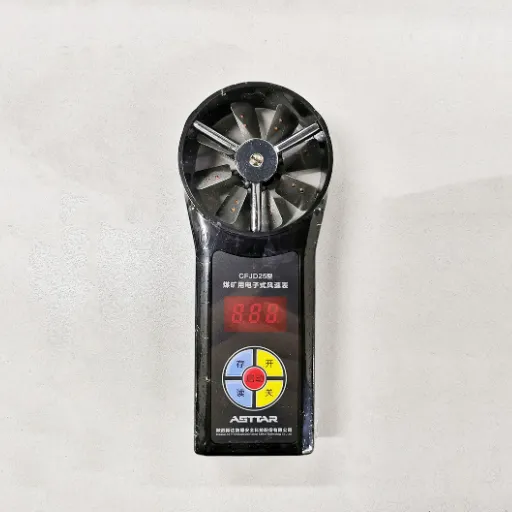
Surface gas detectors are built for open air and occasional exposure. Underground mining is different. The CDC/NIOSH mining gas detection program notes that confined underground spaces concentrate gases rapidly. Tunnels trap gases. Ventilation can be uneven. Dust, humidity, and impact are daily conditions. A consumer-grade air quality meter will fail quickly and may not alarm at the concentrations that matter to miners.
A proper handheld gas monitor for underground mining is built for confined-space conditions. It has ingress protection against dust and water, shock resistance, bright alarms, and sensors selected for the gases found in the mine. It also runs on a battery that lasts a full shift, because a dead detector during a face inspection is not a minor inconvenience.
The goal is not just to detect gas. It is to give workers enough warning to evacuate, ventilate, or don respiratory protection before concentrations become dangerous. That requires the right sensor combination, the right alarm points, and a device workers trust enough to carry every shift.
Which Gases a Handheld Monitor Should Detect Underground
Not every mine has the same gas profile. Coal mines worry about methane and carbon monoxide. Hard-rock mines may face hydrogen sulfide and oxygen deficiency. Tunnelling projects encounter diesel exhaust and nitrogen dioxide. A handheld gas monitor for underground mining should be configured for the hazards at that specific site.
Methane (CH4) — The Core Methane Detector Coal Mine Requirement
A reliable methane detector coal mine setup starts with methane sensing. Methane is the primary concern in most coal mines. It is explosive in concentrations between approximately 5% and 15% by volume. Most monitors display methane as a percentage of the lower explosive limit (%LEL). Alarm points are usually set well below the danger zone, often at 10% and 20% LEL, so workers have time to react.
Catalytic bead sensors are common for methane detection. They burn a small sample of gas and measure the heat released. Infrared sensors are also used where oxygen levels may be low or where poisoning of the catalytic bead is a concern.
Oxygen (O2)
Oxygen deficiency is a silent hazard. Normal air contains about 20.9% oxygen. Levels below 19.5% can impair judgment and breathing. Below 16%, unconsciousness becomes a risk. An oxygen sensor gives early warning when ventilation is poor or when an inert gas has displaced air.
Oxygen sensors are usually electrochemical. They have a limited lifespan, often two to three years, and can drift if exposed to extreme temperatures or humidity. Regular calibration catches drift before it affects safety.
Carbon Monoxide (CO)
Carbon monoxide is produced by incomplete combustion. It is a risk near diesel equipment, fires, and blasting operations. CO binds to hemoglobin and reduces the blood's ability to carry oxygen. Because it is odorless and colorless, workers rely entirely on the monitor for warning.
Electrochemical CO sensors are standard. They are sensitive and reliable but can be affected by high humidity and by certain interfering gases. Cross-sensitivity charts in the user manual help safety managers understand when readings may be affected by other gases.
Hydrogen Sulfide (H2S)
Hydrogen sulfide has a rotten-egg smell at low concentrations but can paralyze the sense of smell at higher levels. It is toxic even at low concentrations and can be rapidly fatal above 100 ppm. H2S is common in some metal mines, geothermal projects, and areas with decaying organic matter.
A multi gas detector mining configuration that measures CH4, O2, CO, and H2S is the most common setup for a handheld gas monitor for underground mining. Some operations add sensors for nitrogen dioxide, sulfur dioxide, or carbon dioxide depending on the environment.
For a deeper look at sensor maintenance, see our gas detector calibration checklist. If you need a handheld gas monitor for underground mining configured for these gases, contact ASTTAR for a specification review.
Certification and Protection Concepts for Mining Gas Monitors
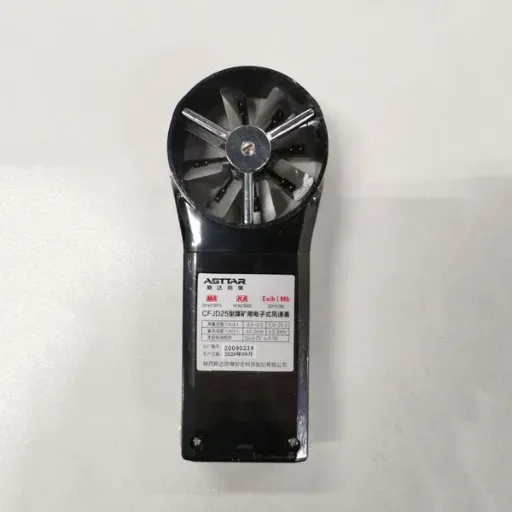
A gas monitor carried into a gassy mine must be certified for explosive atmospheres. The certification ensures the device cannot ignite methane or coal dust under normal or fault conditions. There are two main protection concepts used in portable gas monitors.
Intrinsically Safe (Ex ia/ib)
Intrinsically safe design limits the electrical energy available in the device. Even if a fault occurs, the energy released is too low to ignite methane. This is the most common protection concept for handheld gas monitors because it allows lighter, more portable designs.
Flameproof (Ex d)
Flameproof enclosures contain any internal explosion and prevent it from spreading to the surrounding atmosphere. This approach is more common in fixed equipment but can be used in very rugged portable monitors where the device must survive severe impact.
Regional Certification Marks
ATEX applies in Europe and is accepted in many international markets.
IECEx is an international certification scheme used in Australia, New Zealand, Singapore, and other countries.
MSHA approval is required for many devices used in U. S. coal mines.
National standards apply in China, Russia, and other regulated markets.
A procurement team should confirm which certification framework applies to the mine's jurisdiction before selecting a model. The ILO mining sector overview explains how regional regulations shape equipment requirements worldwide. The certification mark on the device must match the classification of the area where it will be used. For more on certification, visit the ASTTAR certifications page.
Key Features of a Reliable Handheld Gas Monitor for Underground Mining
The right features depend on the mine, but several capabilities are essential for underground use.
Rugged Construction
The monitor will be dropped, bumped, and exposed to dust and water. Look for an IP rating of at least IP65. High-impact housings and reinforced screens extend service life. Some models include a rubber boot or protective holster.
Loud and Visible Alarms
Underground mines are noisy. A monitor with only a small visual alarm may be missed. Look for audible alarms above 95 dB, bright LED lights, and vibration alerts. Workers wearing hearing protection need vibration or strong visual cues.
Clear Display
The screen should show all gas readings at once, with current values, alarm status, and battery life visible at a glance. Backlighting is essential for low-light headings. Large digits help workers read the display without removing gloves.
Data Logging
Data logging records gas readings over time with timestamps. This information is valuable for incident investigation, exposure monitoring, and regulatory reporting. Some monitors log automatically; others require docking in a cradle to download data.
Long Battery Life
A monitor that cannot last a full shift creates a false sense of security. Look for battery life that exceeds the longest planned shift by a margin. Spare batteries or charging cradles in the lamp room keep devices ready.
Man-Down and Panic Alarms
Some advanced monitors include motion sensors that alarm if a worker remains motionless for a set period. Panic buttons allow workers to call for help. These features add cost but improve lone-worker safety in remote headings.
The ASTTAR gas detector range includes a mining gas detector lineup for underground and hazardous industrial applications.
Gas Monitor Calibration and Bump Testing: Non-Negotiable Maintenance
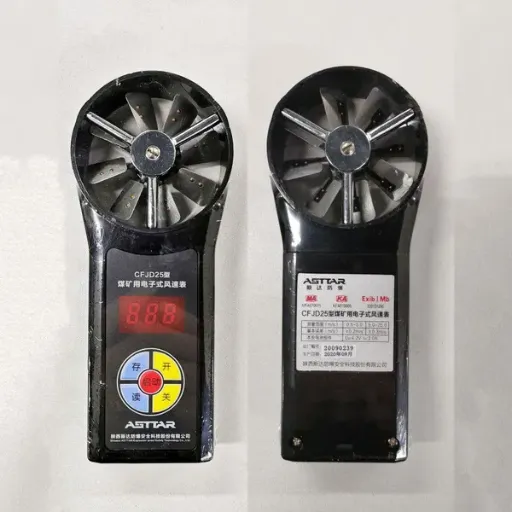
A gas monitor is only as good as its last gas monitor calibration. Sensors drift. Filters clog. Electronics age. Without regular testing, a device can display safe readings when the atmosphere is hazardous.
Bump Testing
A bump test exposes the sensors to a known concentration of gas and confirms that the alarms trigger. It takes only a few seconds and should be done before each shift. Many mines use an automated bump test station to ensure consistency and record keeping.
Calibration
Calibration adjusts the sensor output against a certified calibration gas mixture. The frequency depends on the sensor type, manufacturer recommendation, and regulatory requirements. A common schedule is every 30 to 180 days. Harsh conditions or frequent alarms may require more frequent calibration.
Record Keeping
Regulators and auditors expect records of bump tests, calibrations, sensor replacements, and repairs. A good gas safety program documents every device, every test, and every action. This paperwork protects both workers and the mine if an incident is investigated.
At a copper mine in Zambia, the safety team skipped calibration for three months to reduce costs. When a ventilation failure released hydrogen sulfide in a development heading, three monitors failed to alarm. The incident caused a hospitalization and a two-week shutdown. The investigation found that two sensors were out of date and a third had been physically damaged. The cost of the shutdown far exceeded what a proper calibration program would have cost for the entire year.
How to Choose the Right Handheld Gas Monitor for Your Mine
Selecting a monitor requires matching the device to the mine's hazards, workflow, and support capabilities.
Step 1: Identify the Gas Hazards
Review geological reports, incident history, ventilation plans, and diesel equipment use. List every gas workers may encounter. If the mine has multiple hazards, a multi-gas monitor is usually more practical than carrying several single-gas devices.
Step 2: Define the Certification Requirement
Determine the applicable standard for the mine's country and zone classification. A monitor certified only to ATEX may not satisfy MSHA requirements for U. S. coal mines. Likewise, a general industrial monitor without hazardous-area certification is not suitable for gassy mines.
Step 3: Match Features to Working Conditions
Consider shift length, noise levels, lighting, dust, humidity, and whether workers operate alone. These factors determine battery needs, alarm types, display requirements, and whether man-down features are justified.
Step 4: Evaluate Total Cost of Ownership
The purchase price is one line item. Add calibration gas, replacement sensors, filters, chargers, docking stations, training, and documentation labor. A cheaper unit with expensive sensors can cost more over five years than a higher-quality alternative.
Step 5: Plan Training and Support
Workers must know how to turn the device on, interpret readings, respond to alarms, and perform bump tests. Supervisors need to understand calibration schedules and data review. Choose a supplier that provides manuals, training materials, and technical support in a language your team understands.
If you need help selecting a handheld gas monitor for underground mining, contact ASTTAR's safety team for a specification review.
Common Mistakes When Buying Mining Gas Monitors
Even experienced buyers make errors. Here are the most common ones.
Buying for price alone. A low-cost monitor may have short sensor life, limited certification, or poor after-sales support.
Ignoring calibration costs. Some sensors are expensive to replace. Verify availability and price before purchase.
Choosing the wrong sensors. A methane-only detector will not protect workers from oxygen deficiency or carbon monoxide.
Skipping certification verification. Verify that the certification applies to the exact model and sensor configuration.
Failing to train workers. Even the best monitor is useless if workers silence alarms or misread gas units.
Not planning for spare parts. Downtime increases when batteries, sensors, and filters are not stocked on site.
Frequently Asked Questions
What is a handheld gas monitor for underground mining?
A handheld gas monitor for underground mining is a portable device that detects hazardous gases in tunnels, headings, and confined spaces. It alarms when gas concentrations reach unsafe levels, giving workers time to evacuate or take protective action.
Which gases should a mining gas monitor detect?
Most underground mines need methane, oxygen, carbon monoxide, and hydrogen sulfide detection. Additional sensors may be required for nitrogen dioxide, sulfur dioxide, or carbon dioxide depending on the operation.
Why is intrinsically safe certification important?
Intrinsically safe certification ensures the monitor cannot release enough electrical energy to ignite methane. This is essential in coal mines and other gassy underground environments.
How often should a gas monitor be calibrated?
Calibration frequency depends on the sensor type and conditions, but every 30 to 180 days is common. Bump tests should be performed before each shift. Follow manufacturer recommendations and local regulations.
What is the difference between a bump test and calibration?
A bump test checks that sensors respond to gas and alarms trigger. Calibration adjusts the sensor output to match a known gas concentration. Both are necessary for reliable operation.
Can one gas monitor protect workers in every underground environment?
No. A monitor must be configured for the specific gases and conditions of the mine. A device suitable for a coal mine may not detect the gases present in a hard-rock or tunnelling operation.
What is a portable gas monitor for mining?
A portable gas monitor for mining is a compact, wearable detector that workers carry into underground areas. It typically monitors multiple gases and provides audible, visual, and vibration alarms when readings exceed safe levels.
Conclusion
A handheld gas monitor for underground mining is essential personal protective equipment. It gives workers the earliest possible warning of methane buildup, oxygen deficiency, carbon monoxide, and hydrogen sulfide. Choosing the right monitor means matching sensors to the mine's gas profile, confirming certification for the explosive atmosphere, and committing to a maintenance program that keeps sensors accurate.
Start by identifying the gases your workers may encounter. Then select a certified multi-gas monitor with the right sensors, alarms, and battery life for your shifts. Build a maintenance routine that includes daily bump tests and scheduled calibration. Train workers to trust and respond to alarms, not silence them.
ASTTAR supplies portable gas monitors, self-rescuers, and explosion-proof safety equipment for mining and hazardous industries. If you need a handheld gas monitor for underground mining, contact our team to discuss your gas hazards and certification requirements. Pairing the right detector with the right escape equipment helps protect workers when seconds matter.
For related guidance, see our gas detector calibration checklist and our overview of mining self-rescuers.
Recently Posted
-
Explosion Proof Flood Light for Mining: A 2026 Selection Guide
July 29, 2026An explosion proof flood light for mining is a high-output, certified LED fixture designed to illuminate large work areas, stockpi Read More
 -
Mechanical Anemometer for Mining: A 2026 Ventilation Survey Guide
July 29, 2026A mechanical anemometer for mining is a hand-held or bracket-mounted instrument that measures air velocity in underground roadways Read More
 -
LED Flameproof Tunnel Light for Mining: 2026 Selection Guide
July 29, 2026An LED flameproof tunnel light for mining is a fixed luminaire built inside a flameproof (Ex d) enclosure that contains any intern Read More
 -
Wholesale Mining Safety Equipment: A 2026 Procurement Guide
July 24, 2026Wholesale mining safety equipment is the bulk purchase of certified protective gear, escape devices, lighting, gas detection, and Read More

Contact Us

Recommended Products
-
 CE Certified 30 Minutes Closed Circuit Mining Oxygen Self-rescuerNegotiableMOQ: 1 Piece
 -
K-SB50 Self Contained Oxygen Escape Device Built-In Humidity Indicator For Mine Fire RescueNegotiableMOQ: 1 Piece
-
60 Minutes CE Approved Self-Contained Self-Rescuer K-Sb60 for Miner SafetyNegotiableMOQ: 1 Piece
-
Portable ZL60 Filter Self Rescuer Lightweight Underground Personal Breathing DeviceNegotiableMOQ: 1 Piece
-
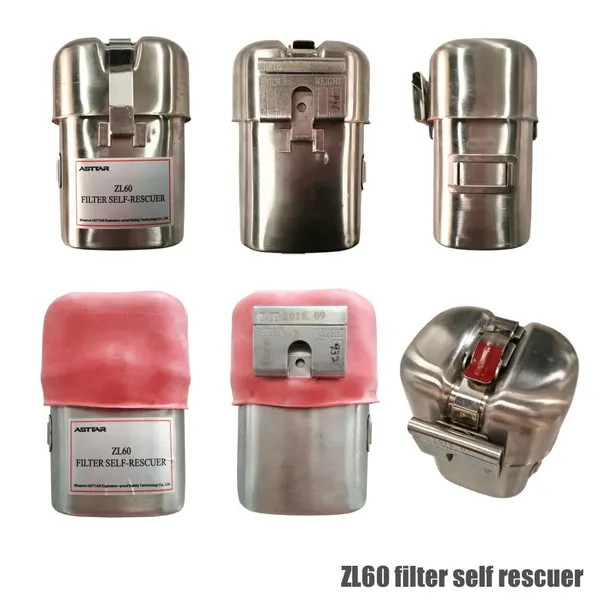
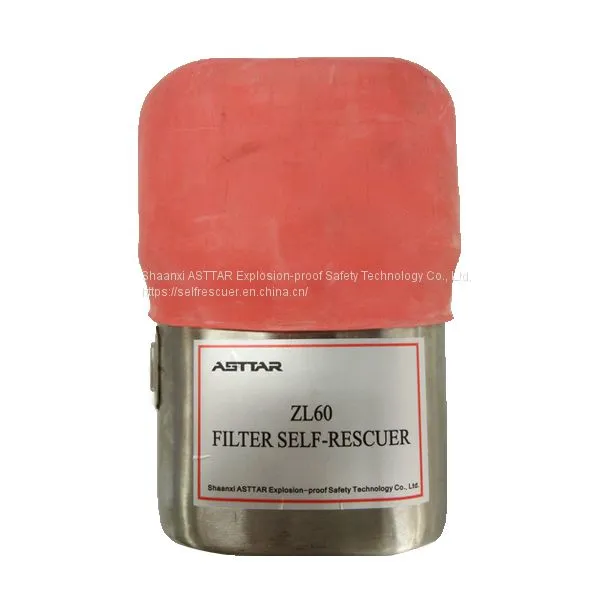
ZL60 60 Minutes Carbon Monoxide Filter Self RescuerUS$ 120 - 150MOQ: 1 Piece
-
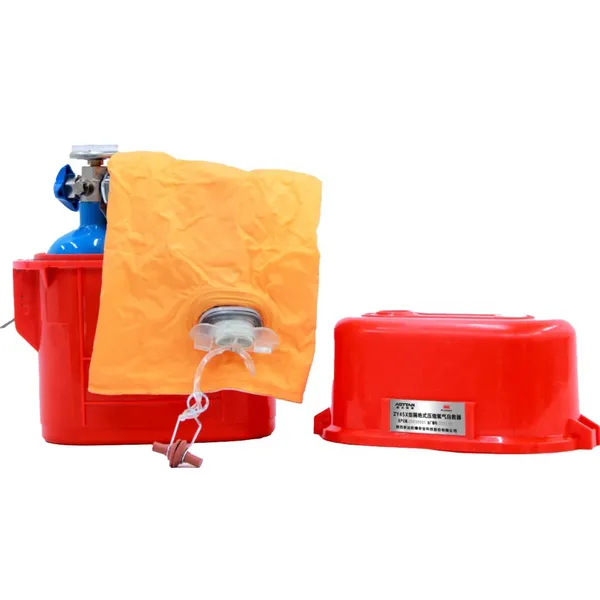
0.6L Oxygen Cylinder ZY45X Self Rescue Respirator Underground Mining Self RescuerNegotiableMOQ: 1 Piece
-
ZY30X Isolated Compressed Oxygen Self Rescuer Self Contained Breathing Escape DeviceUS$ 120 - 150MOQ: 1 Piece
-
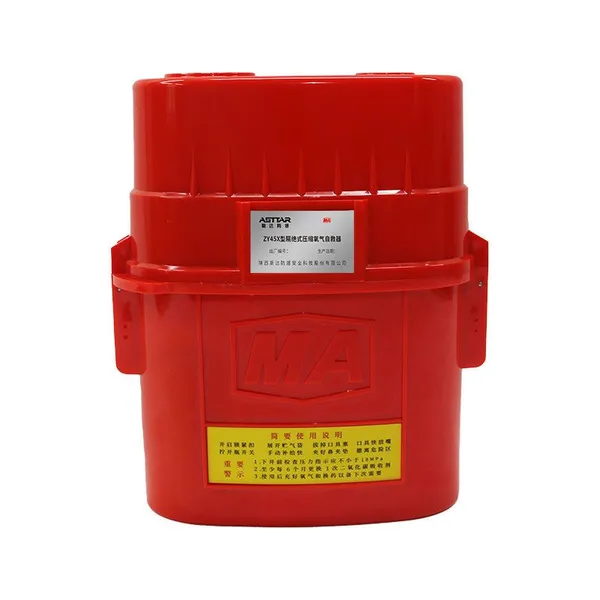
Portable ZY45X Self Rescue Breathing Apparatus Emergency Escape Breathing DevicesNegotiableMOQ: 1 Piece
-
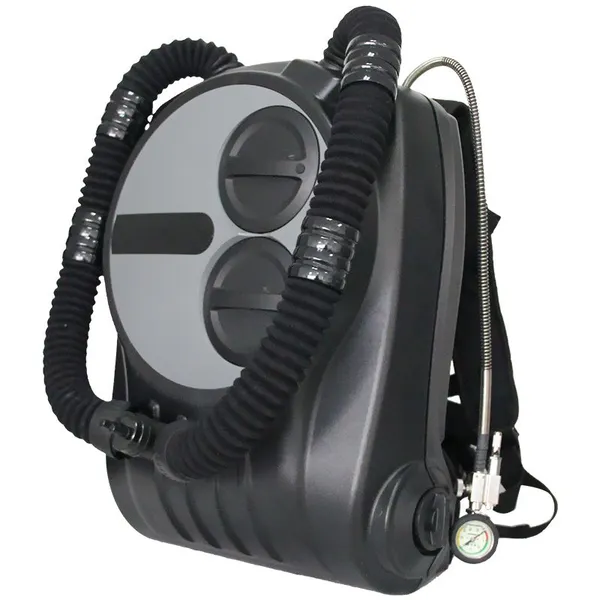
Heat Resistant PA Housing HYZ4(C) Positive Pressure Oxygen Apparatus Coal Mine Emergency RescueNegotiableMOQ: 1 Piece
-
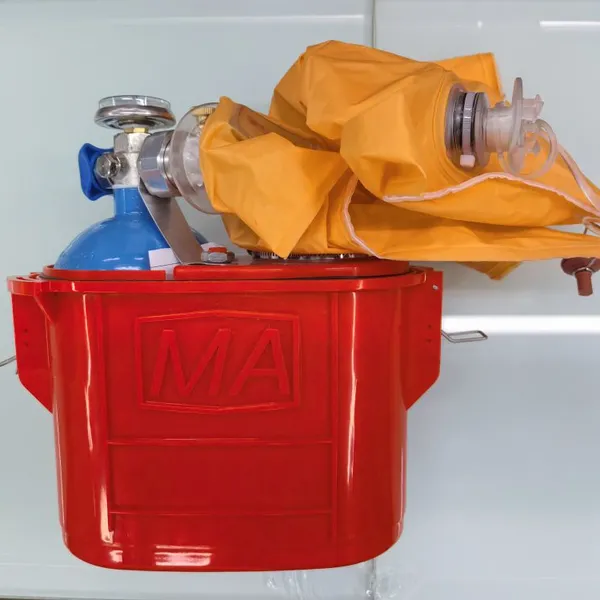
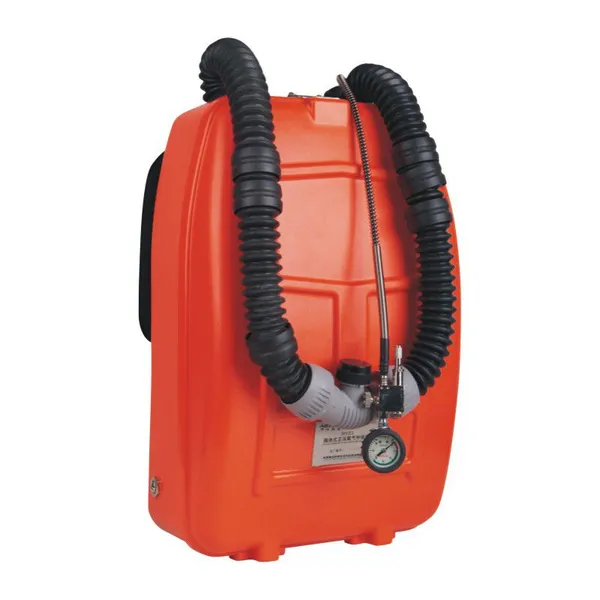
HYZ2 Isolated Positive Pressure Oxygen Breathing Apparatus PC Face Shield Aluminized FabricNegotiableMOQ: 1 Piece
-
Atex 6ah 7000lux IP65 Mining Industrial Use Ex Proof LED Cap Lamp Safety HeadlampUS$ 98 - 110MOQ: 1 Piece
-
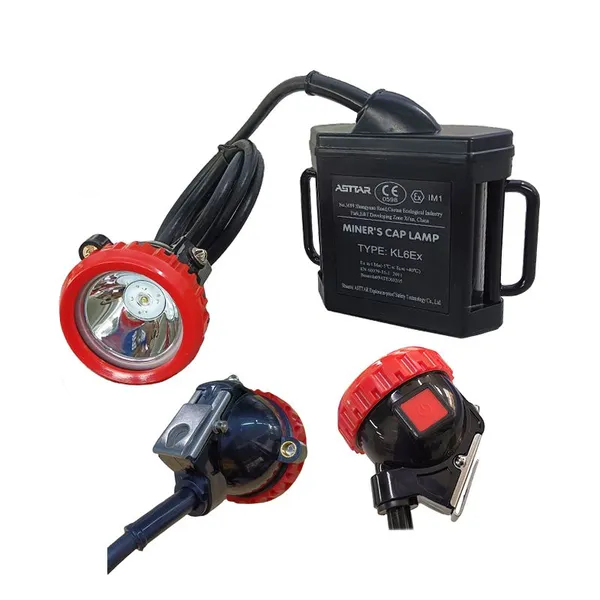
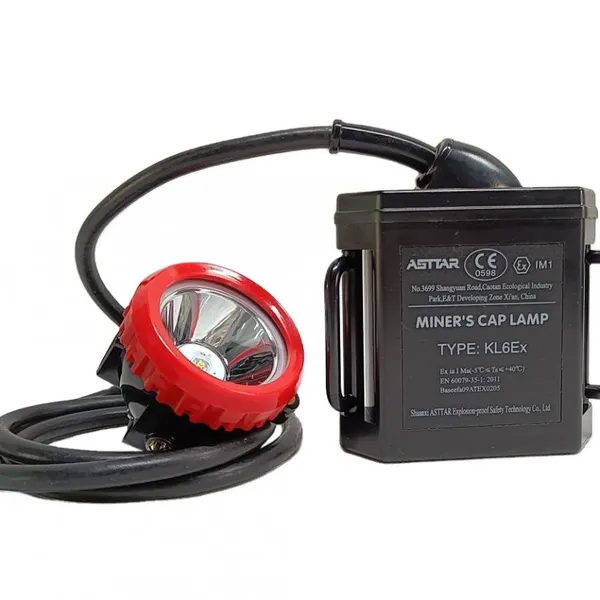
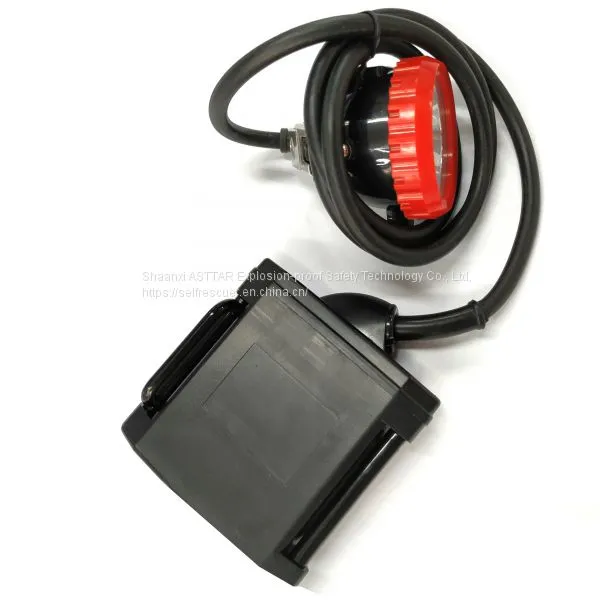
KL6Ex ATEX Rechargeable High Brightness Corded LED Headlamp Miner Cap LampUS$ 98 - 110MOQ: 1 Piece
-
KL1.2Ex LED Miner Cap Lamp ATEX Explosion Proof Mining HeadlampUS$ 75 - 85MOQ: 1 Piece
-
ATEX Cordless LED Cap Lamp Underground Mining Safety HeadlampUS$ 75 - 85MOQ: 1 Piece
-
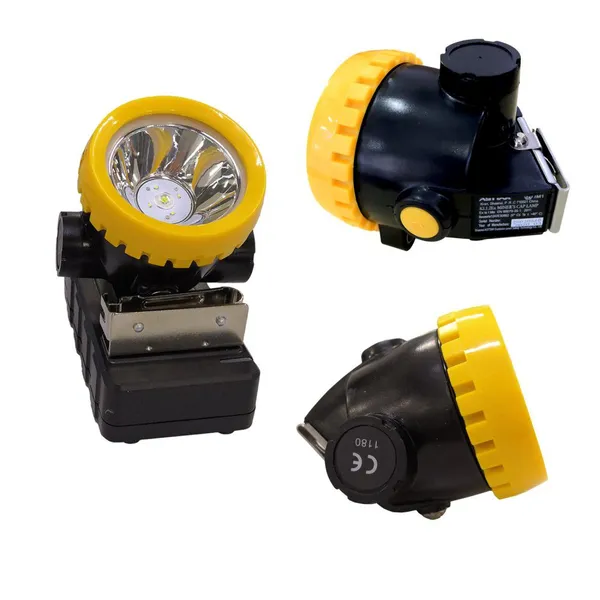
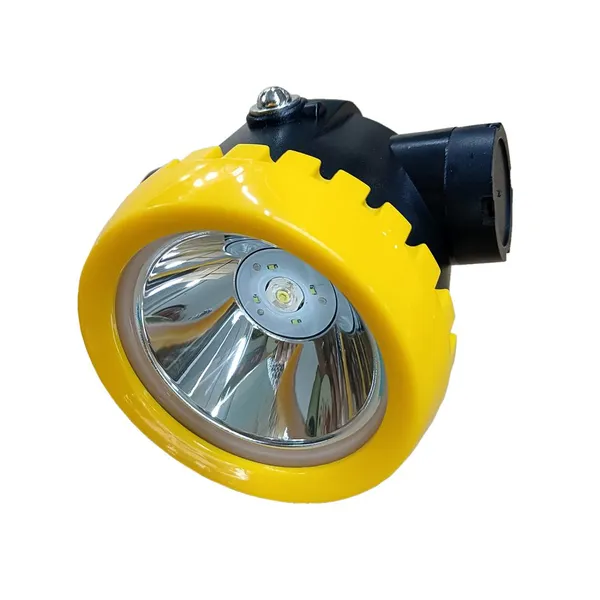
5Ah Rechargeable LED Cordless Miner\'s HeadlampUS$ 85 - 98MOQ: 1 Piece
-
5Ah Rechargeable LED Cordless Miner's Cap LampUS$ 85 - 98MOQ: 1 Piece
-
Kl3lm (A) Cordless Intrinsically Safe Headlamp With Strobe Mode for EmergencyNegotiableMOQ: 1 Piece
-
Kl3lm (A) Cordless Intrinsically Safe LED Headlamp for Mining, Camping, and Outdoor ActivitiesNegotiableMOQ: 1 Piece
-
Industrial Underground KL3LM(A) 5 Modes LED Miner Headlamp IP65 Dustproof Waterproof For Gas Mine OperationNegotiableMOQ: 1 Piece
-
Long Lasting KL2LM(A) Cordless Miner Helmet Light With Complete Discharge ProtectionNegotiableMOQ: 1 Piece