
 Business License
4 Gas Detector for Mining: 2026 Selection Guide
A 4 gas detector for mining is a handheld multi gas detector that monitors methane, oxygen, carbon monoxide, and hydrogen sulfide at the same time. It gives underground workers an early warning when any of these four gases reaches a dangerous level, so they can evacuate before the atmosphere becomes lethal.
What if the device on a worker's belt only measures one gas? They might walk into a heading where methane is low but carbon monoxide is rising. The single-gas alarm stays silent. The danger keeps growing.
That is why a 4 gas detector for mining, also called a mining gas detector, has become standard personal protective equipment in coal, metal, and tunnelling operations. It covers the four most common atmospheric hazards in one portable gas monitor. Reliable underground gas detection depends on seeing all four hazards at once, not just the one that triggered a single-gas alarm. This guide explains what a four-gas unit detects, how the sensors work, and how to choose the right model for your mine.
Key Takeaways
A 4 gas detector for mining monitors CH4, O2, CO, and H2S in a single handheld unit.
Catalytic bead, electrochemical, and infrared sensors each target specific gas hazards.
ATEX, IECEx, or MSHA certification is mandatory for underground explosive atmospheres.
Bump testing before each shift and calibration every 30-180 days keep readings reliable.
A four-gas detector is part of a layered safety system that includes fixed monitors, ventilation, and self-rescuers.
What Is a 4 Gas Detector for Mining?
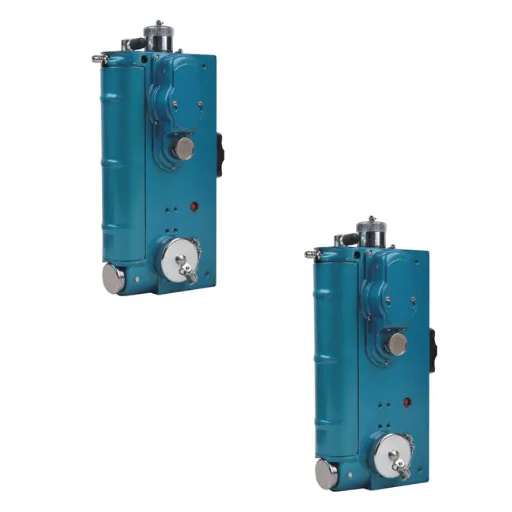
A 4 gas detector for mining is a compact, battery-powered multi gas detector that continuously samples the air around the wearer. It displays real-time concentrations of four gases on a single screen and triggers audible, visual, and vibrating alarms when any reading crosses a preset threshold.
The standard four-gas configuration is:
Methane (CH4) for explosion risk.
Oxygen (O2) for deficiency or enrichment.
Carbon monoxide (CO) for toxic exposure.
Hydrogen sulfide (H2S) for toxic exposure.
This combination covers the hazards most frequently encountered in underground mining. Coal mines face methane and CO from fires. Metal mines encounter CO and H2S from blasting and sulfide ores. Tunnelling projects can hit methane-bearing strata and low-oxygen pockets all in one shift.
Unlike fixed gas monitors mounted on walls, a portable 4 gas detector for mining travels with the worker. It protects people during travel, inspection, maintenance, and work in areas where fixed coverage is incomplete. It is especially valuable in confined spaces, old workings, and temporary headings where atmospheric conditions can change quickly.
Want a deeper look at methane-specific monitoring? See our guide to methane detection best practices.
Why Underground Gas Detection Needs Four Sensors
Single-gas detectors have their place, but underground atmospheres rarely contain only one hazard at a time. A coal mine fire can raise carbon monoxide while oxygen drops. A roof fall in a metal mine can release hydrogen sulfide while methane seeps from a nearby fault. A detector that only alarms for methane leaves the worker blind to the second threat.
A 4 gas detector for mining solves this by displaying several readings on one screen. The worker sees the complete picture instead of switching between instruments. Supervisors can also download data logs after a shift to review exposure trends and identify areas that need ventilation or controls.
Real Consequences of Missing a Gas
At a Shanxi coal mine in 2024, a crew entered an abandoned roadway to inspect a seal. They carried single-gas methane detectors. The devices showed no alarm. Carbon monoxide from a slow oxidation fire inside the sealed area had built up to dangerous levels.
Two workers were hospitalized before the source was identified. The mine later equipped inspection teams with a 4 gas detector for mining that monitored both methane and carbon monoxide. The dual reading gave crews the warning the single-gas unit could not. This example shows why four-sensor detection is not just about convenience. It is about catching the hazard you did not expect.
The Four Gases Every Mining Detector Tracks
Understanding what each sensor measures helps safety managers choose the right configuration for their operation.
Methane (CH4)
Methane is the primary explosive gas in coal mines. It can also occur in metal mines, landfills, and geological formations. A methane detector must respond quickly because methane can reach explosive concentrations within minutes in poorly ventilated areas. Alarms are typically set well below the lower explosive limit to give workers time to evacuate.
Oxygen (O2)
Normal air contains about 20.9% oxygen. Underground, oxygen can be displaced by other gases or consumed by fires, oxidation, or biological activity. Readings below 19.5% can impair judgment and physical performance. Readings above 23.5% increase fire risk. A 4 gas detector for mining continuously tracks O2 so workers know when the atmosphere is no longer safe to breathe.
Carbon Monoxide (CO)
Carbon monoxide is colorless, odorless, and toxic. It binds to hemoglobin and reduces the blood's ability to carry oxygen. In mines, CO comes from fires, blasting, diesel equipment, and welding. Even low concentrations over time can cause serious health effects. Early warning is essential.
Hydrogen Sulfide (H2S)
Hydrogen sulfide has a distinctive rotten-egg smell at low concentrations but can deaden the sense of smell at higher levels. It is toxic and can be fatal at high concentrations. It occurs in some coal seams, oil and gas operations, and geothermal projects.
Sensor Technologies Inside a 4 Gas Detector for Mining
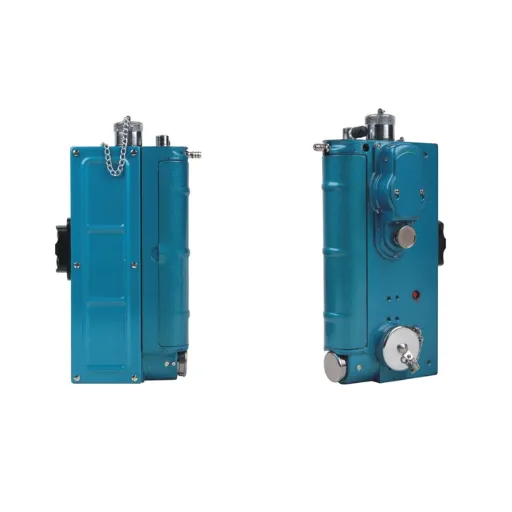
The accuracy and reliability of a 4 gas detector for mining depend on the sensors inside it. Different gases need different sensing technologies.
Catalytic Bead Sensors for Methane
Catalytic bead sensors burn small gas samples on a heated bead. The heat change creates an electric signal that matches the gas level.
These sensors are common for methane detection because they are proven, cost-effective, and fast. Any methane detector that relies on catalytic beads must be protected from silicone, halogens, and lead contamination. They also need oxygen to work.
Infrared Sensors for Methane and CO2
Infrared sensors shine infrared light through the air sample. The gas absorbs some of this light, and the sensor measures how much.
These sensors don't need oxygen, so they work well in low-oxygen areas. They are also immune to many poisons that affect catalytic sensors. Infrared methane detectors are common in high-reliability applications.
Electrochemical Sensors for Toxic Gases
Electrochemical sensors create a small electric current through a chemical reaction. The current size matches the gas level.
These sensors are the standard choice for carbon monoxide, hydrogen sulfide, sulfur dioxide, and nitrogen dioxide. Each sensor targets one gas or a small group of gases. They have a finite lifespan, typically two to three years, and need regular calibration.
Key Features to Compare When Buying a 4 Gas Detector for Mining
Not every portable gas monitor is suited for underground work. Buyers should evaluate the full specification sheet before choosing a 4 gas detector for mining. Don't choose based only on the number of gases detected.
Explosion Protection Certification
The detector must be certified for the explosive atmosphere where it will operate. In Europe, look for ATEX marking such as II 2G Ex ia IIC T4 Gb. In international markets, IECEx certification is widely accepted. In the United States, MSHA approval is required for many underground uses.
Our ATEX vs IECEx certification guide explains how to read these markings.
Alarm System
A good detector provides audible, visual, and vibrating alarms. The alarms must be loud enough and bright enough to be noticed in noisy, dusty conditions. Some units also offer man-down alarms and panic buttons for lone workers.
Display and Data Logging
Backlit displays with large digits are easier to read in low light. Data logging stores readings over time for post-shift review and incident investigation. Bluetooth or USB download makes it easier to transfer records to a computer.
Battery Life
Battery life should cover the full shift plus overtime and emergency egress. Many models run 12 to 20 hours on a single charge. Rechargeable lithium-ion batteries are common, but some operations prefer replaceable battery packs for continuous use.
Ingress and Impact Protection
Underground conditions include dust, water, and physical knocks. An IP65 rating or higher is typical. The enclosure and sensors should survive drops onto hard surfaces and exposure to mine water.
Calibration and Maintenance
User-replaceable sensors and simple calibration routines reduce downtime. Some detectors offer automatic calibration stations that test, calibrate, and record results in one step. For a structured maintenance routine, see our gas detector calibration checklist.
Need help matching a detector to your mine's hazards? Contact our safety team for a specification review.
Certification Requirements for Mining Gas Detectors
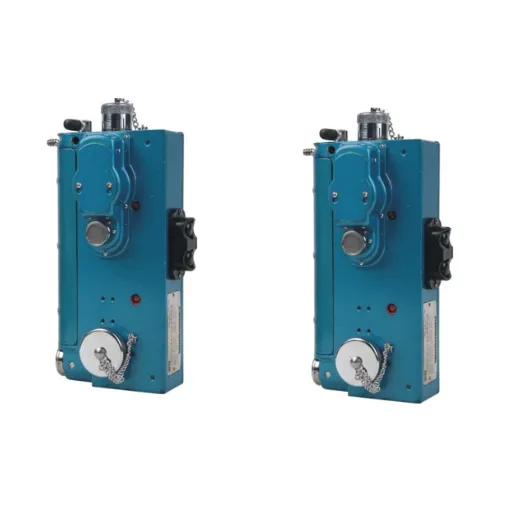
Certification is what separates a true mining gas detector from a general industrial instrument. The certification must cover the complete unit, including the battery, sensor configuration, and enclosure. When buyers evaluate any mining gas detector, the first document they should request is the certificate for the exact model, sensors, battery, and enclosure.
ATEX for European Mines
ATEX Directive 2014/34/EU applies to equipment used in explosive atmospheres. For mining, equipment group I applies to underground operations. Surface facilities such as preparation plants and workshops fall under equipment group II. For official guidance, see the HSE ATEX information.
IECEx for International Markets
IECEx provides a single international certification system accepted in Australia, New Zealand, Singapore, parts of Asia, and the Middle East. It requires testing by recognized laboratories and ongoing audits of the manufacturer's quality system.
MSHA and National Schemes
In the United States, MSHA sets permissibility requirements for coal mine equipment. Other countries maintain national approval processes. Buyers should request the applicable certificate and verify it on the regulator's website. MSHA approval status can be checked on the MSHA website. For additional mining safety research, see CDC/NIOSH mining safety resources.
Why Certificates Must Match the Exact Model
A certificate for a four-gas detector does not cover the same model configured with six sensors. A certificate for a standard battery does not cover an extended battery pack. Always request the certificate for the exact unit, sensors, battery, and charger you plan to deploy. ASTTAR provides certification documentation for qualified buyers.
Applications of a 4 Gas Detector for Mining
A 4 gas detector for mining is useful in any underground environment where atmospheric hazards exist. Portable units are the mobile layer of underground gas detection, complementing fixed systems in headings, travelways, and temporary worksites.
Coal Mining
Coal mines face methane, carbon monoxide from fires and spontaneous combustion, oxygen deficiency in sealed areas, and hydrogen sulfide in some seams. Detectors are worn during travel, inspection, roof support, and maintenance. They are also essential during firefighting and emergency response.
For coal-specific safety planning, see our coal mine safety solutions.
Metal and Non-Metal Mining
Hard-rock mines may encounter methane, hydrogen, carbon monoxide from blasting, and nitrogen dioxide from diesel equipment. Confined raises, drifts, and stopes can trap stagnant air. A portable detector helps crews verify that the atmosphere is safe before starting work. For hard-rock safety planning, see our metal mine safety equipment solutions.
Tunnelling and Construction
Tunnelling through methane-bearing strata or near contaminated ground creates temporary explosive and toxic atmospheres. Workers need portable monitoring that moves with the face as the tunnel advances.
Calibration, Bump Testing, and Maintenance
A portable gas monitor is only as good as its last calibration. Sensor drift, contamination, and physical damage can all cause inaccurate readings.
Daily Bump Testing
A bump test exposes the sensors to a known concentration of test gas to confirm that alarms respond. It doesn't adjust the calibration but verifies that the unit is functioning. Many sites require a bump test before each shift.
Full Calibration
Calibration adjusts the sensor output to match known gas concentrations. The frequency depends on manufacturer recommendations, site rules, and regulatory requirements. Most operations calibrate every 30 to 180 days. Detectors that fail calibration must be removed from service until repaired or replaced.
Sensor Replacement
Electrochemical sensors have a limited service life. Manufacturers specify expected lifespans, often measured in months or years from activation. Track sensor dates and replace sensors before they degrade.
Record Keeping
Most regulators and site safety systems require records of:
Bump test results.
Calibration dates and gas concentrations used.
Sensor replacement dates.
Damage reports and repairs.
Worker training dates.
A Heilongjiang coal mine introduced a simple calibration log in 2024. Within the first quarter, maintenance teams identified 12 detectors with drifting sensors before they went underground. The early replacements prevented false alarms and reduced the risk of missed gas events.
How to Choose the Right 4 Gas Detector for Mining
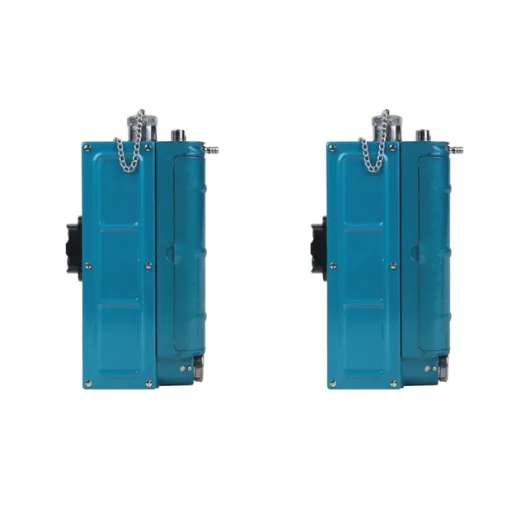
Selecting a 4 gas detector for mining requires matching the instrument to the hazards, environment, and work practices of the site.
Step 1: Identify the Hazards
Review ventilation surveys, geological reports, incident history, and regulatory requirements. List the gases that could be present and the concentrations that trigger alarm or evacuation.
Step 2: Verify the Sensor Configuration
Choose sensors that cover every identified hazard. A standard 4 gas detector for mining covers methane, oxygen, carbon monoxide, and hydrogen sulfide. If your site also faces sulfur dioxide or nitrogen dioxide, consider a five- or six-gas unit instead.
Step 3: Confirm Certification
Confirm the detector is certified for the mine's explosive atmosphere and national regulations. Request the certificate for the exact model and configuration.
Step 4: Evaluate Usability
The display, alarm volume, vibration, size, and weight all affect whether workers will use the detector correctly. Test the unit in actual underground conditions before making a large purchase.
Step 5: Plan Maintenance
Make sure the mine has the calibration gas, training, and record-keeping systems needed to keep the detectors compliant. A detector without a maintenance plan becomes a liability.
Common Mistakes When Buying or Using a 4 Gas Detector for Mining
Even experienced operations make errors when deploying portable gas detectors.
Buying on price alone: Cheap detectors often lack certification, durability, or sensor accuracy.
Ignoring certification scope: The certificate must cover the exact model, sensors, battery, and charger.
Skipping bump tests: A missed bump test can leave a failed sensor undetected.
Using the wrong calibration gas: Always use gas concentrations specified by the manufacturer.
Failing to train workers: Workers must understand alarms, response procedures, and when to tag a detector out of service.
Neglecting data logs: Stored readings help identify trends and defend compliance during audits.
Relying only on portable detectors: Portable units supplement fixed monitors and ventilation; they don't replace them.
ASTTAR's multi-parameter gas detector range includes models configured for coal, metal, and tunnelling applications.
Frequently Asked Questions
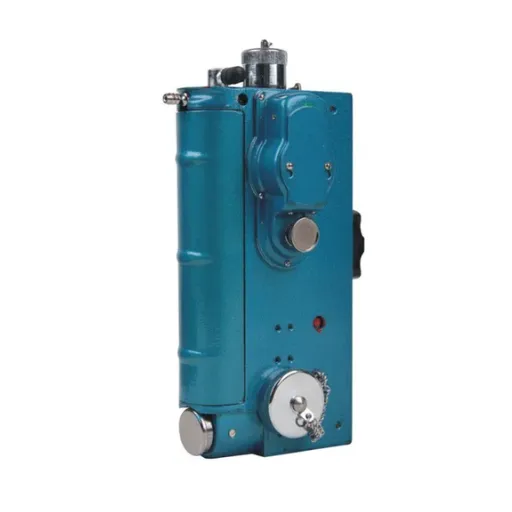
What is a 4 gas detector for mining?
It is a handheld multi gas detector that monitors methane, oxygen, carbon monoxide, and hydrogen sulfide simultaneously in underground or hazardous environments. Alarms warn workers when any gas reaches a dangerous concentration.
What gases does a 4 gas detector for mining detect?
The standard four gases are methane (CH4), oxygen (O2), carbon monoxide (CO), and hydrogen sulfide (H2S). Some models add sensors for carbon dioxide, sulfur dioxide, or nitrogen dioxide.
How often should a portable gas monitor be calibrated?
Bump tests are often performed daily or before each shift. Full calibration is typically done every 30 to 180 days, depending on manufacturer recommendations and site requirements.
What certifications does a mining gas detector need?
In Europe, ATEX certification is required. In international markets, IECEx is common. In the United States, MSHA approval is often needed. Always verify certification against the exact model and sensor configuration.
What is the difference between a catalytic and infrared methane detector?
Catalytic sensors oxidize methane on a heated bead and require oxygen. Infrared sensors measure light absorption and work in oxygen-deficient atmospheres. Infrared sensors are also immune to many poisons that affect catalytic sensors.
Can a portable gas monitor replace fixed gas monitors?
No. Portable detectors supplement fixed systems. Fixed monitors provide continuous coverage of key locations, while portable detectors protect workers as they move through changing conditions.
How do I know if my gas detector is working correctly?
Perform a bump test with known test gas before each shift. Check the display, alarms, battery level, and calibration due date. Follow the manufacturer's maintenance schedule and keep records.
Conclusion
A 4 gas detector for mining is not just another instrument on a worker's belt. The right portable gas monitor is the frontline warning system in underground gas detection. It gives workers early warning against methane, carbon monoxide, oxygen deficiency, and hydrogen sulfide, the invisible hazards that can turn a normal shift into an emergency.
Start by identifying the gases present in your operation. Choose a multi gas detector with the right sensor configuration, certification, and durability for your environment. Train workers to use, test, and respond to alarms correctly.
Maintain a calibration and record-keeping program that keeps every unit accurate and traceable. Remember that portable detection works best as part of a layered safety system. That system includes fixed monitors, ventilation controls, and emergency escape equipment.
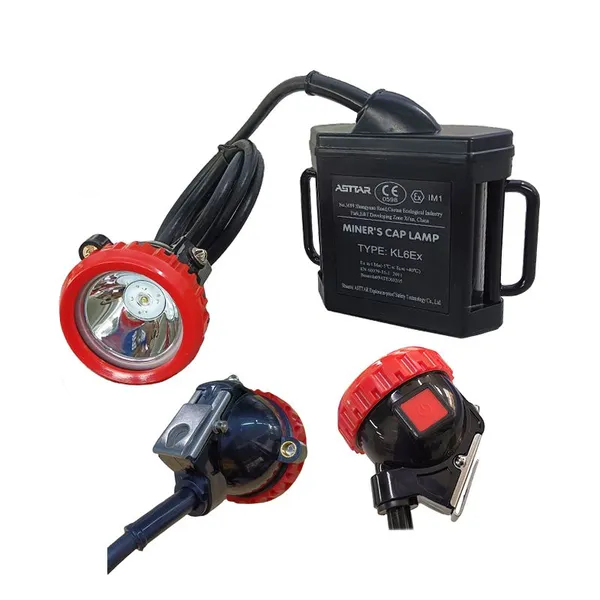
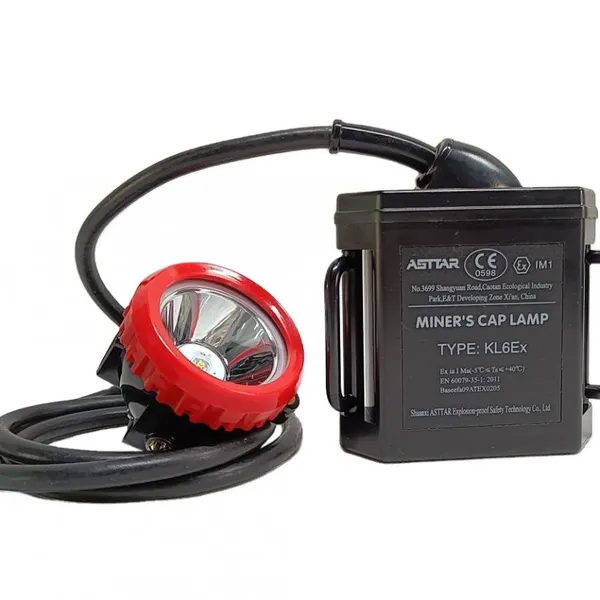
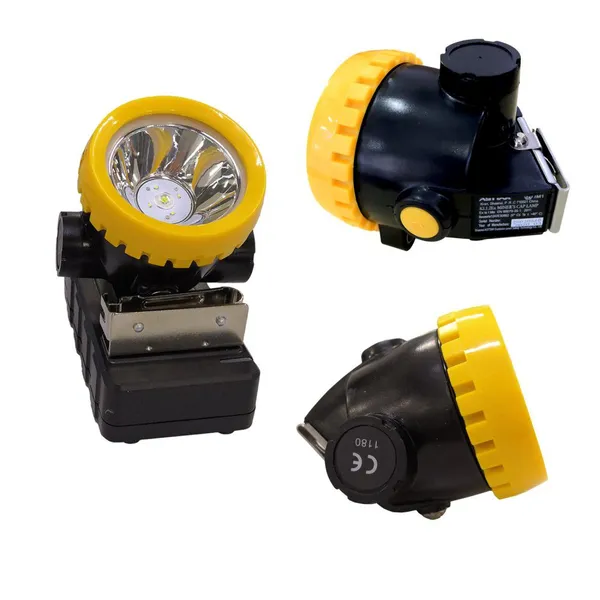
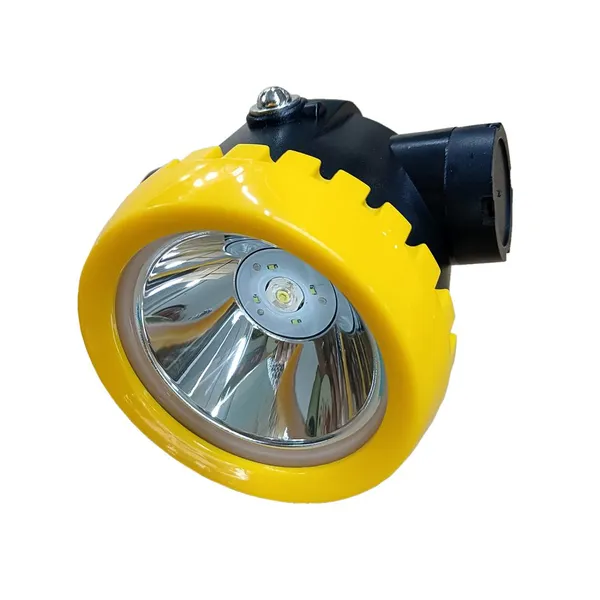
ASTTAR supplies certified gas detectors, ASTTAR self-rescuers, cap lamps, and explosion-proof lighting for mining and hazardous industrial applications. If you need specifications, certification documents, or a technical review of your gas detection program, request a gas detector specification today.
For more on keeping your detectors compliant, see our gas detector calibration checklist. In a hazardous atmosphere, the right detector doesn't just measure gas. It gives workers the time and information they need to get home safely.
Recently Posted
-
Explosion Proof Flood Light for Mining: A 2026 Selection Guide
July 29, 2026An explosion proof flood light for mining is a high-output, certified LED fixture designed to illuminate large work areas, stockpi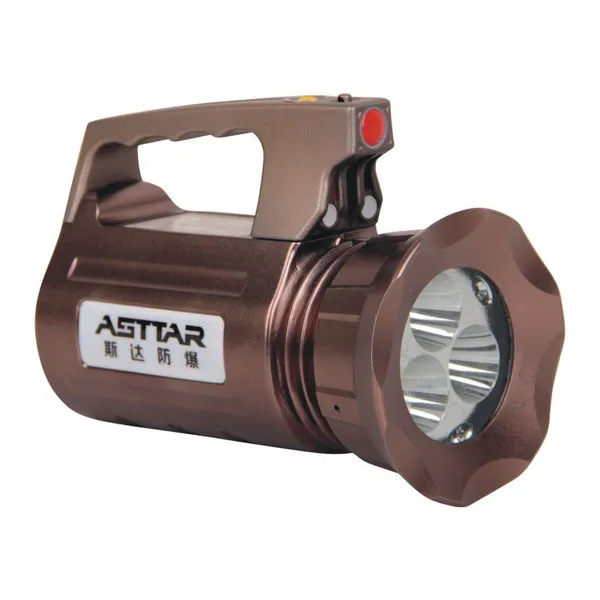 Read More
 -
Mechanical Anemometer for Mining: A 2026 Ventilation Survey Guide
July 29, 2026A mechanical anemometer for mining is a hand-held or bracket-mounted instrument that measures air velocity in underground roadways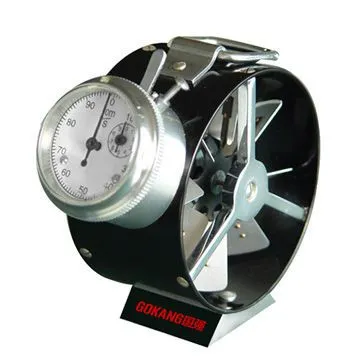 Read More
 -
LED Flameproof Tunnel Light for Mining: 2026 Selection Guide
July 29, 2026An LED flameproof tunnel light for mining is a fixed luminaire built inside a flameproof (Ex d) enclosure that contains any intern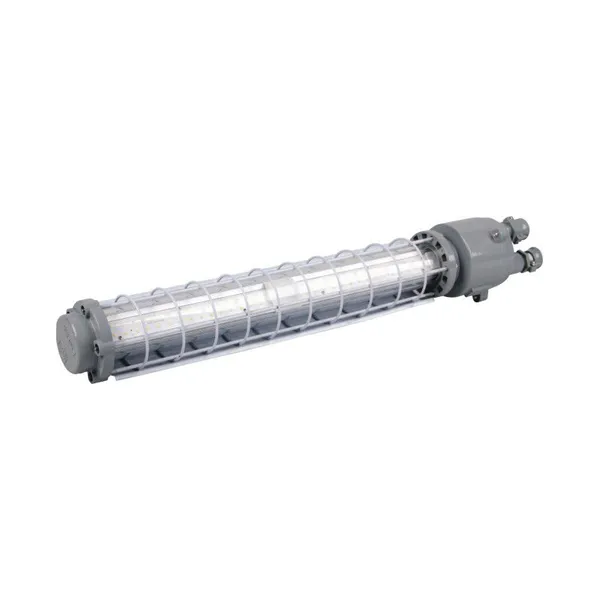 Read More
 -
Wholesale Mining Safety Equipment: A 2026 Procurement Guide
July 24, 2026Wholesale mining safety equipment is the bulk purchase of certified protective gear, escape devices, lighting, gas detection, and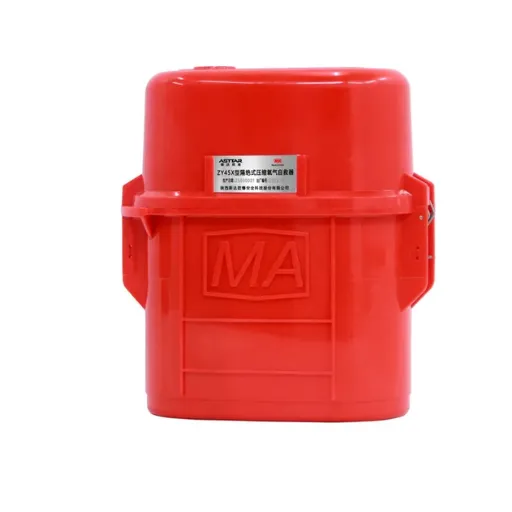 Read More

Contact Us

Recommended Products
-
 CE Certified 30 Minutes Closed Circuit Mining Oxygen Self-rescuerNegotiableMOQ: 1 Piece
 -
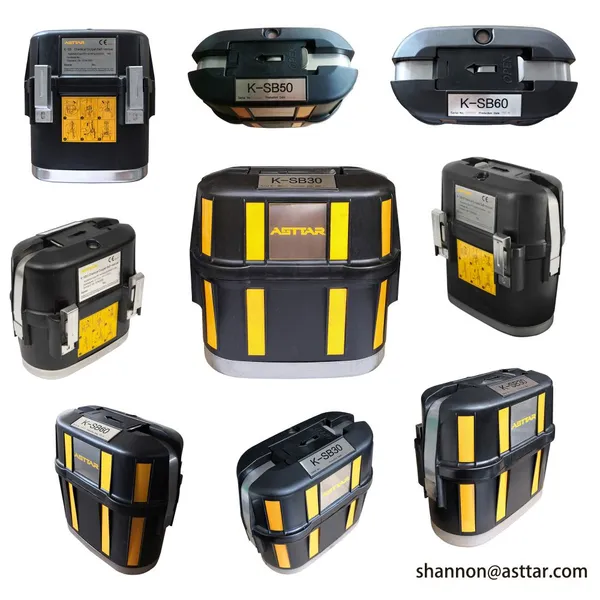
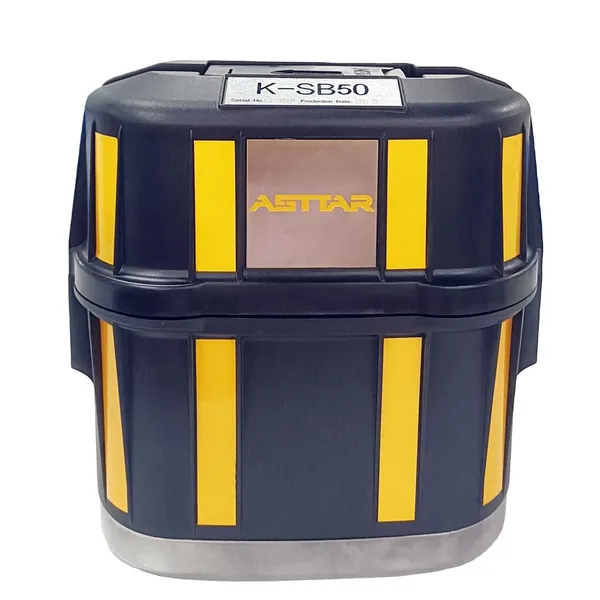
K-SB50 Self Contained Oxygen Escape Device Built-In Humidity Indicator For Mine Fire RescueNegotiableMOQ: 1 Piece
-
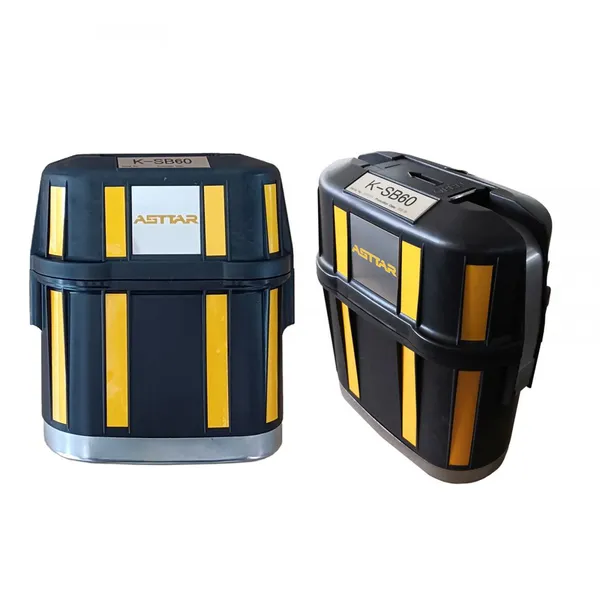
60 Minutes CE Approved Self-Contained Self-Rescuer K-Sb60 for Miner SafetyNegotiableMOQ: 1 Piece
-
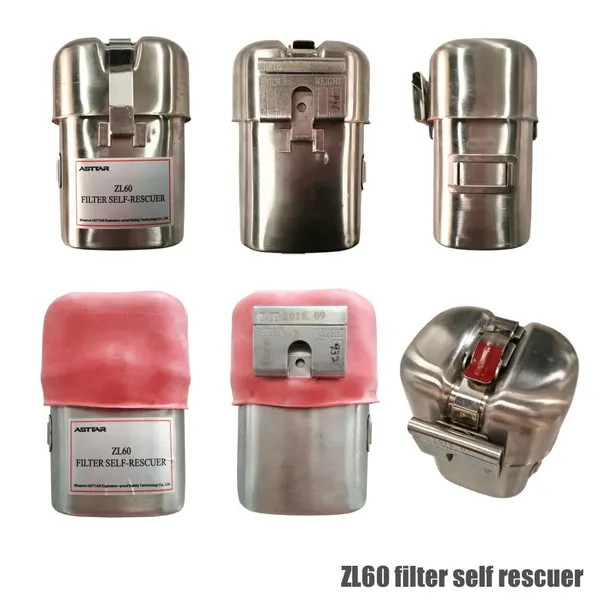
Portable ZL60 Filter Self Rescuer Lightweight Underground Personal Breathing DeviceNegotiableMOQ: 1 Piece
-
ZL60 60 Minutes Carbon Monoxide Filter Self RescuerUS$ 120 - 150MOQ: 1 Piece
-
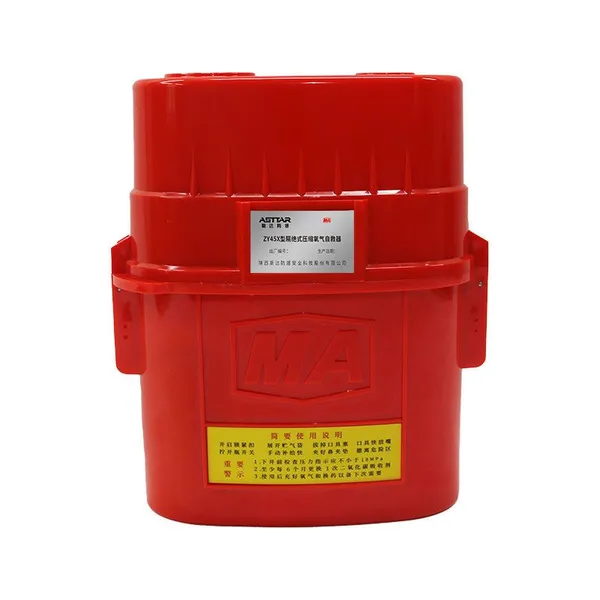
0.6L Oxygen Cylinder ZY45X Self Rescue Respirator Underground Mining Self RescuerNegotiableMOQ: 1 Piece
-
ZY30X Isolated Compressed Oxygen Self Rescuer Self Contained Breathing Escape DeviceUS$ 120 - 150MOQ: 1 Piece
-
Portable ZY45X Self Rescue Breathing Apparatus Emergency Escape Breathing DevicesNegotiableMOQ: 1 Piece
-
Heat Resistant PA Housing HYZ4(C) Positive Pressure Oxygen Apparatus Coal Mine Emergency RescueNegotiableMOQ: 1 Piece
-
HYZ2 Isolated Positive Pressure Oxygen Breathing Apparatus PC Face Shield Aluminized FabricNegotiableMOQ: 1 Piece
-
Atex 6ah 7000lux IP65 Mining Industrial Use Ex Proof LED Cap Lamp Safety HeadlampUS$ 98 - 110MOQ: 1 Piece
-
KL6Ex ATEX Rechargeable High Brightness Corded LED Headlamp Miner Cap LampUS$ 98 - 110MOQ: 1 Piece
-
KL1.2Ex LED Miner Cap Lamp ATEX Explosion Proof Mining HeadlampUS$ 75 - 85MOQ: 1 Piece
-
ATEX Cordless LED Cap Lamp Underground Mining Safety HeadlampUS$ 75 - 85MOQ: 1 Piece
-
5Ah Rechargeable LED Cordless Miner\'s HeadlampUS$ 85 - 98MOQ: 1 Piece
-
5Ah Rechargeable LED Cordless Miner's Cap LampUS$ 85 - 98MOQ: 1 Piece
-
Kl3lm (A) Cordless Intrinsically Safe Headlamp With Strobe Mode for EmergencyNegotiableMOQ: 1 Piece
-
Kl3lm (A) Cordless Intrinsically Safe LED Headlamp for Mining, Camping, and Outdoor ActivitiesNegotiableMOQ: 1 Piece
-
Industrial Underground KL3LM(A) 5 Modes LED Miner Headlamp IP65 Dustproof Waterproof For Gas Mine OperationNegotiableMOQ: 1 Piece
-
Long Lasting KL2LM(A) Cordless Miner Helmet Light With Complete Discharge ProtectionNegotiableMOQ: 1 Piece