
 Business License
Explosion Proof LED Laneway Light: A 2026 Buyer's Guide
An explosion proof LED laneway light is a flameproof-certified LED fixture engineered to illuminate underground mine roadways, haulage tunnels, and development headings without igniting methane or coal dust. Unlike a standard industrial light, it is built so that any spark or hot surface inside the housing cannot trigger an explosion in the surrounding atmosphere. That protection is not optional; it is the reason the fixture can legally hang above a working face in a gassy mine.
When Marek, the electrical supervisor at a hard-rock mine in southern Poland, upgraded a 400-meter haulage roadway from aging fluorescent fittings to certified LED laneway lights in 2024, he cut the fixture count by nearly a third and removed the annual tube-replacement shutdown. The old lights failed in the damp, dusty air and produced uneven pools of brightness. The new flameproof LED fittings ran cooler, brighter, and passed inspection on the first audit.
This guide explains what this certified fixture is, why the protection method matters, and how to select, install, and maintain one correctly. You will learn the certification standards to check, the specifications that drive real performance, and the mistakes that cause fixtures to fail early or fall out of compliance.
Key Takeaways
An explosion proof LED laneway light uses a flameproof or increased-safety enclosure to illuminate mine roadways without igniting methane or coal dust.
Certification to ATEX, IECEx, or the local mining mark is the first thing to verify, before lumen output or price.
Correct selection balances lumen output, beam distribution, ingress protection (IP) rating, voltage, and mounting against the roadway environment.
Spacing and mounting height determine whether the roadway meets required illumination levels, not the fixture alone.
Regular cleaning and inspection keep a certified fixture compliant for its full service life.
What Is an Explosion Proof LED Laneway Light?
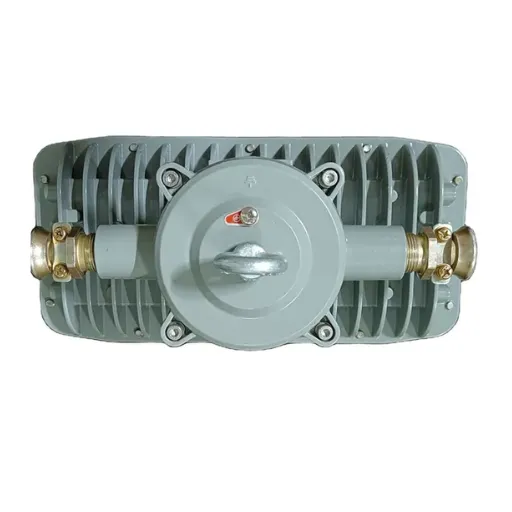
The word "laneway" refers to a mine roadway, the traveling route that connects the surface, working faces, and other workings. Lighting along that route keeps traffic, pedestrians, and machinery safe. An explosion proof LED laneway light is the fixture that does this job in an atmosphere where a single electrical fault could cause an ignition. Some suppliers market the same product as an LED flameproof tunnel light for bored-tunnel projects.
Two protection methods dominate. A flameproof design (marked Ex d) uses a heavy enclosure that contains any internal explosion and cools escaping gases through precision joints before they reach the surrounding air. An increased-safety design (marked Ex e) prevents sparks, arcs, and hot surfaces from occurring in the first place. Many laneway fittings combine both concepts across the LED engine and the wiring chamber.
LED technology is the natural partner for these enclosures. LEDs run cool, draw little power, tolerate vibration, and last far longer than fluorescent or high-intensity discharge lamps. That long life matters underground, where every lamp change means a permit, a ladder, and time away from production. The ASTTAR explosion-proof lighting range pairs flameproof enclosures with high-efficiency LED engines for exactly these conditions.
Why Laneway Lighting Must Be Explosion Proof
Roadways are not always the most gassy part of a mine, but they are where people and equipment spend the most time. Methane can migrate into a laneway, and coal dust can coat surfaces and fill the air after blasting or a belt transfer. Any ignition source in that environment is unacceptable. The CDC/NIOSH mine illumination research program also links better roadway lighting to fewer slips, trips, and vehicle incidents, so good light is a safety control in its own right.
This is why regulators require certified equipment. The IECEx system and the ATEX directive classify hazardous areas by how likely an explosive atmosphere is to be present. Mining fixtures are typically built to Group I for underground coal mines, or Group II for other industrial explosive atmospheres. Using a Group II fitting in a Group I gassy mine breaches the certification and creates real risk. The ILO mining sector overview shows how differently jurisdictions treat hazardous-area equipment, which is why one fixture may carry several regional marks.
Certification is not a marketing label. It is the documented result of type testing that proves the enclosure, the light engine, and the wiring entry cannot ignite the specified atmosphere. Before anything else, confirm the certificate covers the exact model, the gas group, and the temperature class for your mine.
Key Selection Criteria for Explosion Proof LED Laneway Lights
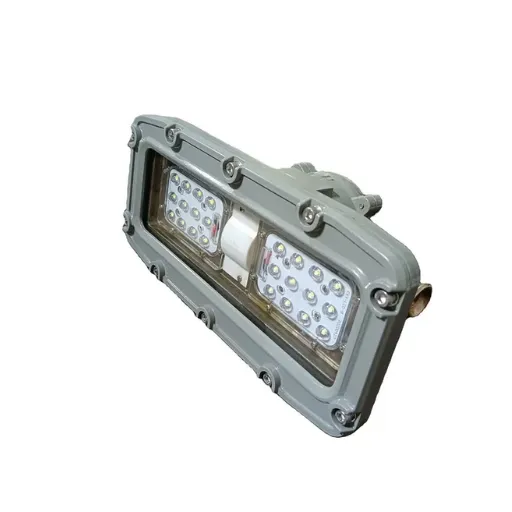
Choosing the right explosion proof LED laneway light means matching the fixture to the roadway. The five factors below decide real-world performance more than any marketing claim.
| Specification | Typical Requirement | Why It Matters |
|---|---|---|
| Protection concept | Ex d, Ex e, or combined | Must keep faults from igniting the atmosphere |
| Gas group | Group I for coal mines, Group II for other areas | A Group II fitting cannot be used in a gassy mine |
| Ingress protection | IP65 or higher | Resists dust and water spray underground |
| Voltage | Low voltage or mains per circuit | The driver must match the supply |
| Mounting | Roof, rib, or bracket | Controls glare, spacing, and glare-free sight lines |
1. Certification and Gas Group
Start with the certificate. Confirm the fixture carries the right mark for your jurisdiction and gas group. For European mines that means ATEX; for many export markets it means IECEx; for U. S. coal mines it means the relevant MSHA approval. A reputable supplier publishes certificates and keeps them current. Review the mining safety standards reference to confirm which scheme applies to your site. Buyers searching for hazardous area LED lighting ATEX-certified products are, in practice, looking for the Group I fixture described here.
2. Lumen Output and Beam Distribution
Roadway lighting is about usable light on the traveling surface, not raw lumen figures. A well-designed laneway light uses a wide, asymmetric beam that spreads light down the roadway rather than dumping it straight down. Look at the fixture's distribution and the resulting lux level on the roadway, not just the total lumen rating.
3. Ingress Protection (IP) Rating
Underground roadways are damp, dusty, and sometimes sprayed for dust suppression. An IP65 rating or better keeps water jets and fine dust out of the enclosure. The IP rating also protects the LED engine and driver from the corrosion that shortens fixture life.
4. Voltage and Driver Quality
Laneway circuits may run on low voltage or mains voltage depending on the mine. Confirm the fixture's input range matches your circuit. Driver quality determines flicker, surge tolerance, and lifespan, so a fixture is only as good as its driver.
5. Mounting and Glare Control
Fixtures mount to the roof, the rib, or a bracket. Mounting position and shielding control glare, which is critical where drivers and pedestrians share the route. A fixture that blinds an oncoming loader operator is a hazard even if it is fully certified.
Where to Install Laneway Lights Underground
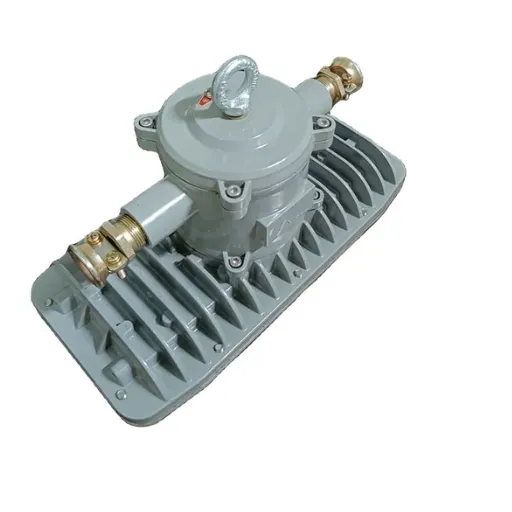
Placement follows the function of the roadway. Different zones call for different fixture density and mounting, and together they make up the underground mining lighting systems that keep the route lit. A mining tunnel light used in a bored tunnel follows the same placement logic.
Main haulage roads: Continuous, evenly spaced fixtures along the roof or rib so vehicles and pedestrians always have a lit path.
Development headings: Portable or quickly relocated fittings that move as the face advances.
Junctions and intersections: Higher light levels so traffic can read the route ahead.
Belt entries and transfer points: Dust-rated fittings positioned to avoid direct dust loading.
Shaft stations and loading areas: Brighter, more durable fixtures where work concentrates.
In a 2025 retrofit at a copper mine in Peru, the maintenance lead, Rosa, split the lighting into two circuits and doubled the fixture spacing on a straight 600-meter section by switching to a higher-output, wide-beam LED fitting. Lux readings at the roadway center stayed within the target band, and the total connected load dropped enough to remove one feeder. The lesson was that the right fixture can reduce both hardware count and energy draw at the same time.
Installation, Spacing, and Maintenance Best Practices
An explosion proof LED laneway light only protects workers if it is installed and maintained to the certificate. Good practice falls into three areas.
Spacing and Mounting Height
Spacing is set by the fixture's beam, the mounting height, and the target lux level. As a rule, start with the manufacturer's spacing guidance and verify with a lux survey after installation. Overly wide spacing creates dark gaps; overly tight spacing wastes fixtures and power.
Wiring and Gland Entries
The flameproof protection depends on correct cable glands, sealing, and joint gaps. Never open a flameproof enclosure in a live, gassy area, and never substitute a gland or fastener with a non-certified part. Any modification voids the certification.
Inspection and Cleaning Schedule
Dust and grime on the lens cut light output and can raise surface temperature. A simple schedule of cleaning, visual inspection, and joint checks keeps the fixture compliant and bright. Record each inspection so auditors can verify the lighting system is maintained.
For a broader treatment of standards, fixture types, and verification, see our guide to explosion-proof lighting standards.
Common Mistakes That Cause Failures
Even well-specified lighting systems underperform when these errors creep in.
Buying on lumen rating alone. Raw lumens say nothing about roadway lux or beam shape.
Ignoring the gas group. A Group II fitting does not belong in a Group I gassy mine.
Under-specifying the IP rating. Dust and water intrusion corrode the driver and dim the fixture.
Over-spacing fixtures. Wide gaps create dark zones that fail illumination audits.
Modifying the enclosure. A swapped gland or fastener voids certification.
Skipping cleaning. A dirty lens wastes the fixture's output and raises temperature.
Frequently Asked Questions
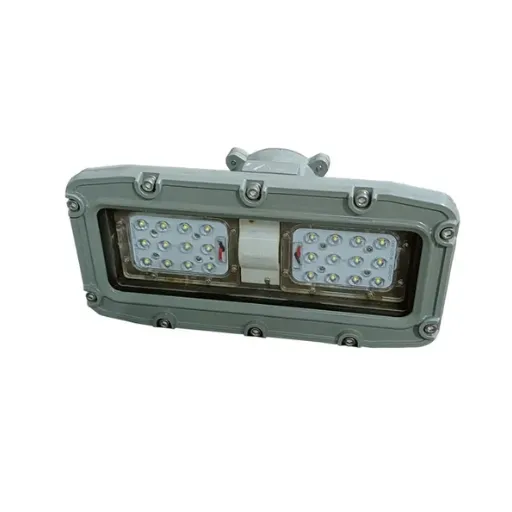
What is an explosion proof LED laneway light?
This is a certified LED fixture that illuminates mine roadways and tunnels without igniting methane or coal dust. It uses a flameproof or increased-safety enclosure to keep any internal fault from reaching the surrounding atmosphere.
What certification does a laneway light need for mining?
Underground mines typically require a Group I rating with ATEX, IECEx, or the local mining mark. The exact scheme depends on the jurisdiction, so always verify the certificate covers your gas group and temperature class.
How far apart should laneway lights be spaced?
Spacing depends on the fixture's beam, mounting height, and the target roadway lux level. Start from the manufacturer's guidance and confirm with a lux survey after installation.
Why choose LED over fluorescent for laneway lighting?
LEDs last far longer, run cooler, tolerate vibration, and use less power. That means fewer lamp changes, lower energy cost, and less downtime in damp, dusty roadways.
Can I use a standard industrial LED light underground?
No. A standard industrial light is not certified for explosive atmospheres. Using it in a gassy mine breaches regulations and creates an ignition risk.
How do I maintain a flameproof laneway fitting?
Keep the lens clean, inspect the joints and glands regularly, and never substitute non-certified parts. Record every inspection so the system stays compliant.
Conclusion
An explosion proof LED laneway light is more than a bright fixture. It is a certified safety device that keeps a mine roadway lit without becoming an ignition source. The right choice balances certification, beam distribution, ingress protection, voltage, and mounting against the conditions of the route.
Start every lighting project with the certificate and the gas group, then match lumen output and beam shape to the roadway geometry. Verify spacing with a lux survey, protect the fixture with the right IP rating, and maintain it on a simple inspection schedule. Done well, a modern explosion proof lighting system improves safety, cuts energy use, and reduces maintenance shutdowns at the same time.
ASTTAR supplies explosion-proof LED laneway lights, explosion-proof LED cap lamps, gas detectors, and a full range of certified mining safety equipment backed by decades of engineering experience. If you are planning a roadway lighting upgrade or a new development, contact our safety team to discuss your roadway conditions, certification requirements, and a fixture layout that meets your illumination targets. Reliable underground lighting is not decoration; it is a maintained system that keeps every worker safe on the way to and from the face.
Recently Posted
-
Explosion Proof Flood Light for Mining: A 2026 Selection Guide
July 29, 2026An explosion proof flood light for mining is a high-output, certified LED fixture designed to illuminate large work areas, stockpi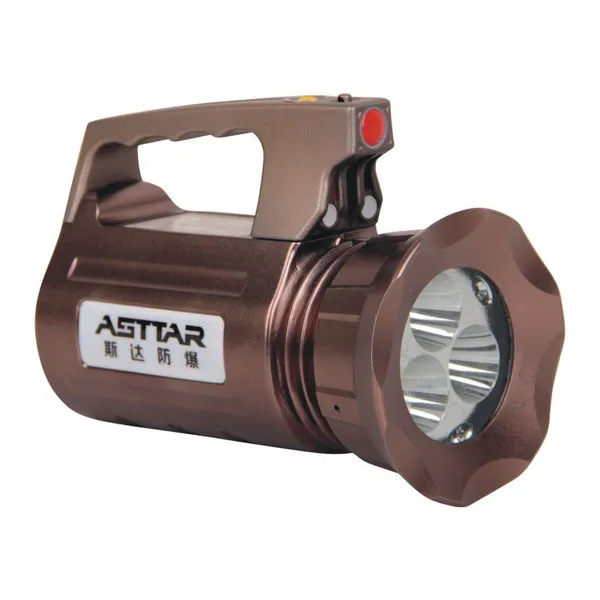 Read More
 -
Mechanical Anemometer for Mining: A 2026 Ventilation Survey Guide
July 29, 2026A mechanical anemometer for mining is a hand-held or bracket-mounted instrument that measures air velocity in underground roadways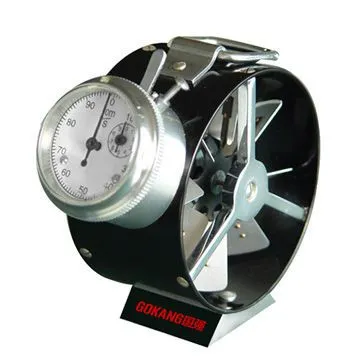 Read More
 -
LED Flameproof Tunnel Light for Mining: 2026 Selection Guide
July 29, 2026An LED flameproof tunnel light for mining is a fixed luminaire built inside a flameproof (Ex d) enclosure that contains any intern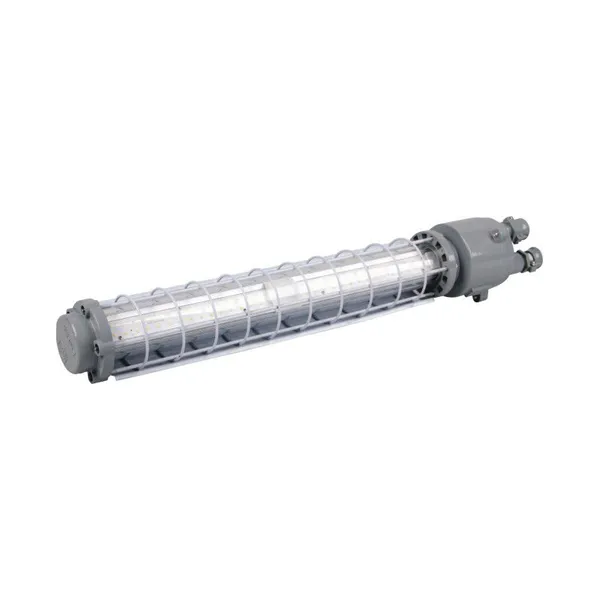 Read More
 -
Wholesale Mining Safety Equipment: A 2026 Procurement Guide
July 24, 2026Wholesale mining safety equipment is the bulk purchase of certified protective gear, escape devices, lighting, gas detection, and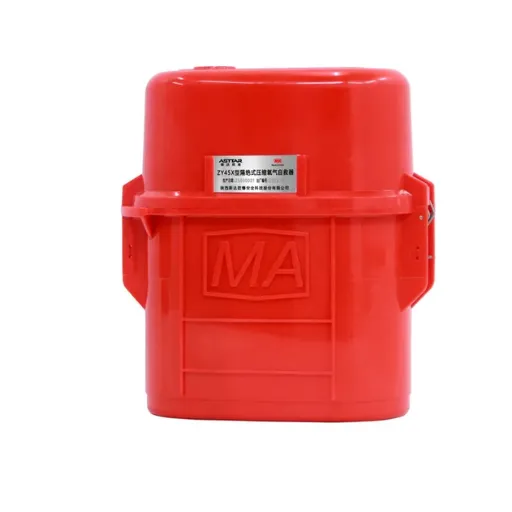 Read More

Contact Us

Recommended Products
-
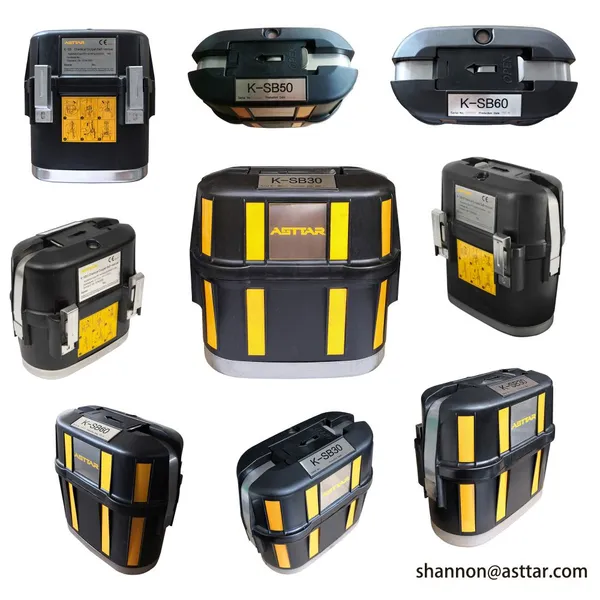
 CE Certified 30 Minutes Closed Circuit Mining Oxygen Self-rescuerNegotiableMOQ: 1 Piece
 -
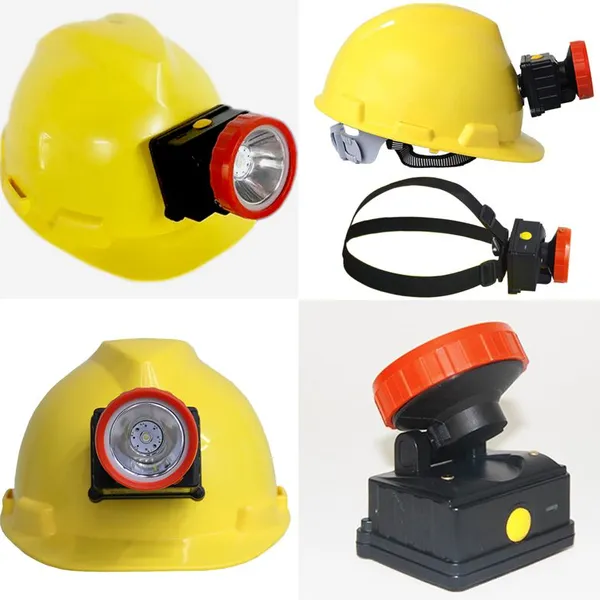
Kl3lm (A) Cordless Intrinsically Safe LED Headlamp for Mining, Camping, and Outdoor ActivitiesNegotiableMOQ: 1 Piece
-
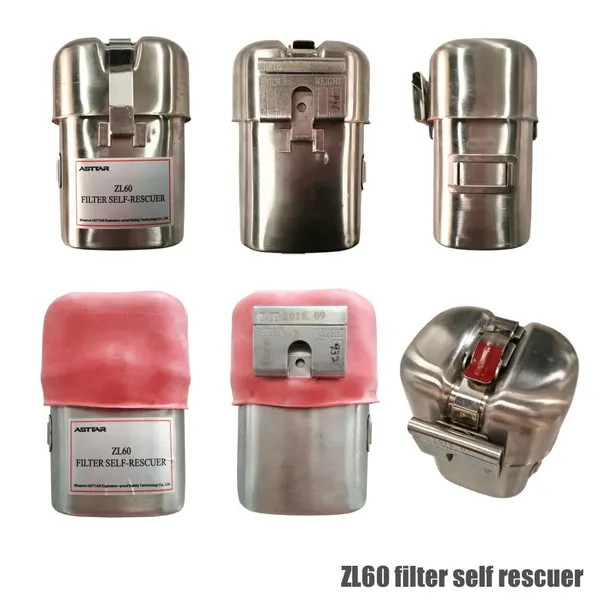
Portable ZL60 Filter Self Rescuer Lightweight Underground Personal Breathing DeviceNegotiableMOQ: 1 Piece
-
Explosion Proof Infrared Thermometer 700 Degree CNegotiableMOQ: 1 Piece
-
HYZ2 Isolated Positive Pressure Oxygen Breathing Apparatus PC Face Shield Aluminized FabricNegotiableMOQ: 1 Piece
-
KL1.2Ex LED Miner Cap Lamp ATEX Explosion Proof Mining HeadlampUS$ 75 - 85MOQ: 1 Piece
-
HYZ4 Isolated Positive Pressure Oxygen Breathing Apparatus 20MPa Carbon Fiber Cylinder 4-Hour DurationNegotiableMOQ: 1 Piece
-
KL6LM (A) Intrinsically Safe High Brightness Miner's Cap LampUS$ 120 - 150MOQ: 1 Piece
-
Mining Intrinsically Safe CJG10 Methane Detector Optical Interference Principle Gas Measuring InstrumentNegotiableMOQ: 1 Piece
-
Explosion Proof Underground Mine Electronic AnemometerUS$ 120 - 150MOQ: 1 Piece
-
CE Certified 30 Minutes Isolated Breathing Protection Chemical Oxygen Self RescuerNegotiableMOQ: 1 Piece
-
K-SB50 Self Contained Oxygen Escape Device Built-In Humidity Indicator For Mine Fire RescueNegotiableMOQ: 1 Piece
-
60 Minutes CE Approved Self-Contained Self-Rescuer K-Sb60 for Miner SafetyNegotiableMOQ: 1 Piece
-
Lightweight Portable K-SB60 KO2 Oxygen Generating Self Rescuer For Confined Space Industrial Emergency UseNegotiableMOQ: 1 Piece
-
ZL60 60 Minutes Carbon Monoxide Filter Self RescuerUS$ 120 - 150MOQ: 1 Piece
-
Fire Fighting Oxygen Rebreather Mine Chemical Self-Rescuer Portable Isolated Breathing EquipmentNegotiableMOQ: 1 Piece
-
ZY30X Isolated Compressed Oxygen Self Rescuer Self Contained Breathing Escape DeviceUS$ 120 - 150MOQ: 1 Piece
-
ZY45X Mining Self Rescuer Self Rescue Packs For Low Oxygen Toxic Gas EnvironmentNegotiableMOQ: 1 Piece
-
Portable ZY45X Self Rescue Breathing Apparatus Emergency Escape Breathing DevicesNegotiableMOQ: 1 Piece
-
0.6L Oxygen Cylinder ZY45X Self Rescue Respirator Underground Mining Self RescuerNegotiableMOQ: 1 Piece