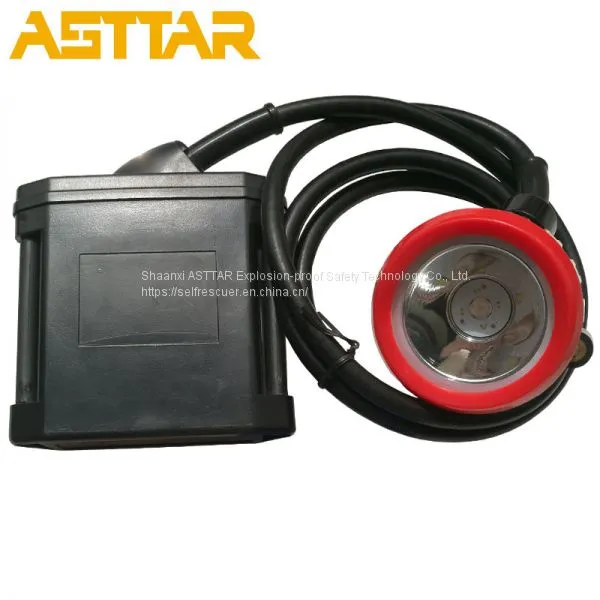

 Business License
Hazardous Area LED Lighting ATEX: A Complete Guide
Hazardous area LED lighting ATEX-certified fixtures are explosion-proof luminaires engineered so they cannot ignite a surrounding explosive atmosphere of gas, vapor, or dust. The ATEX mark confirms that an independent body has assessed the design against European explosion-protection requirements. In short, the label tells you the light is built to stay safe even when the air around it becomes flammable.
An ordinary LED fitting is not enough in these spaces. A cracked lens, a hot surface, or a single spark from a switch can ignite methane in a mine, solvent vapor in a paint plant, or coal dust in a processing line. Certified lighting removes that ignition source so illumination never becomes the cause of an incident.
In this guide, you will learn what hazardous area LED lighting ATEX means in practice, how zones and equipment categories work, which protection methods suit each hazard, and how to choose, install, and maintain fixtures for mines, tunnels, oil and gas sites, and chemical plants. You will also see how fixed lighting fits alongside explosion-proof cap lamps and gas detection in a complete safety system.
Key Takeaways
Hazardous area LED lighting ATEX-certified fixtures are tested so they cannot ignite an explosive atmosphere.
Match the fixture's equipment category to your zone: Category 2 for Zone 1/21, Category 3 for Zone 2/22.
Flameproof (Ex d), increased safety (Ex e), and intrinsically safe (Ex i) are the common protection methods for lighting.
The temperature class must sit below the ignition temperature of the gas or dust present.
LED fixtures cut energy use and maintenance, but the ATEX certificate and correct installation are what make them safe.
What Hazardous Area LED Lighting ATEX Actually Means
The phrase combines three ideas. "Hazardous area" is any location where an explosive atmosphere may form. "LED lighting" is the efficient, long-life light source. "ATEX" is the European certification framework that governs equipment placed in those areas.
ATEX comes from the French Atmosphères Explosibles. Two directives work together. The ATEX Equipment Directive 2014/34/EU covers the design and manufacture of equipment. The ATEX Workplace Directive 1999/92/EC covers how employers classify areas and protect workers.
A lighting fixture you buy falls under the first directive. How you zone your site falls under the second.
When a fixture carries the ATEX mark, the manufacturer has followed a conformity assessment and an independent notified body has reviewed the design for higher-risk categories. The certificate lists exactly which zones, gas groups, and temperature classes the fixture covers. That certificate is the document a safety manager or inspector will ask to see.
Stefan is the maintenance supervisor at a specialty chemical plant. His site stored flammable solvents, and an audit flagged several aging fluorescent fittings in a vapor-prone corridor. He considered swapping in standard LED tubes to save energy. His safety officer stopped him, because those plain fixtures had no explosion-protection certificate.
Stefan instead specified hazardous area LED lighting ATEX-rated fixtures for the corridor's zone classification. The new units drew less power and ran cooler, but the decisive factor was the certificate that matched the solvent vapor group and temperature class. When the regulator returned, the documentation closed the finding in one visit.
Understanding Zones, Groups, and Equipment Categories
Hazardous areas are divided into zones based on how often an explosive atmosphere is present. This classification drives every equipment decision that follows, and it is the starting point for selecting hazardous area LED lighting ATEX fixtures that match your site.
For gases and vapors, the zones are:
| Zone | Explosive Atmosphere Present | Typical Equipment Category |
|---|---|---|
| Zone 0 | Continuously or for long periods | Category 1 |
| Zone 1 | Likely in normal operation | Category 2 |
| Zone 2 | Unlikely, and only briefly | Category 3 |
For dusts, the parallel zones are 20, 21, and 22. Zone 20 means an explosive dust cloud is present continuously, Zone 21 is likely in normal operation, and Zone 22 is unlikely and short-lived. The higher the risk, the higher the equipment category required.
Equipment categories tell you where a fixture may be installed. A Category 2 fixture is suitable for Zone 1 and Zone 2. A Category 3 fixture is only suitable for Zone 2. Putting a Category 3 fitting in a Zone 1 area is a serious compliance breach, even if the light works fine electrically.
Equipment is also split into two groups. Group I covers equipment for mines susceptible to firedamp, which is methane mixed with air. Group II covers all other explosive atmospheres in surface industries such as oil, gas, chemical, and processing plants.
Underground mines use Group I; a refinery or paint shop uses Group II. For the mine-specific side, our coal mine safety solutions page shows how lighting fits a firedamp environment.
Gas Groups and Temperature Classes
Within Group II, gases are further divided into groups IIA, IIB, and IIC based on how easily they ignite. IIC gases such as hydrogen and acetylene need the most robust protection. A fixture certified for IIC also covers IIA and IIB, but not the reverse.
The temperature class limits the maximum surface temperature of the fixture. Classes run from T1 at 450 degrees Celsius down to T6 at 85 degrees Celsius. The fixture's surface temperature must stay below the ignition temperature of the surrounding gas or dust. In practice, many sites specify T4 or T6 to keep a safe margin.
Protection Methods: How the Fixture Stays Safe
ATEX-certified lighting uses recognized protection concepts to prevent ignition. The marking on the fixture, called the Ex marking, states which concept applies, and every hazardous area LED lighting ATEX fixture carries one or more of these concepts in its code.
| Protection Method | Ex Code | How It Works | Common Use in Lighting |
|---|---|---|---|
| Flameproof enclosure | Ex d | Contains any internal explosion | Fixed luminaires, floodlights |
| Increased safety | Ex e | Prevents sparks and hot spots | Terminal boxes, LED fittings |
| Intrinsic safety | Ex i | Limits energy below ignition level | Cap lamps, portable lights |
| Encapsulation | Ex m | Seals parts in resin | Drivers, small components |
| Dust protection | Ex t | Enclosure keeps dust out | Dust-rated fixtures |
Flameproof Enclosure (Ex d)
A flameproof enclosure is built so that if gas enters and ignites inside, the explosion is contained. Flame paths cool the escaping gases below ignition temperature before they reach the outside atmosphere. This is the classic approach for robust fixed luminaires and floodlights in Zone 1 areas.
Increased Safety (Ex e)
Increased safety design prevents sparks, arcs, and excessive temperatures from occurring in the first place. Terminals, connections, and lamp holders are made to a higher standard. Many LED fixtures combine Ex e for the housing with Ex d for internal components, which is why you often see a combined marking such as Ex db eb.
Intrinsic Safety (Ex i)
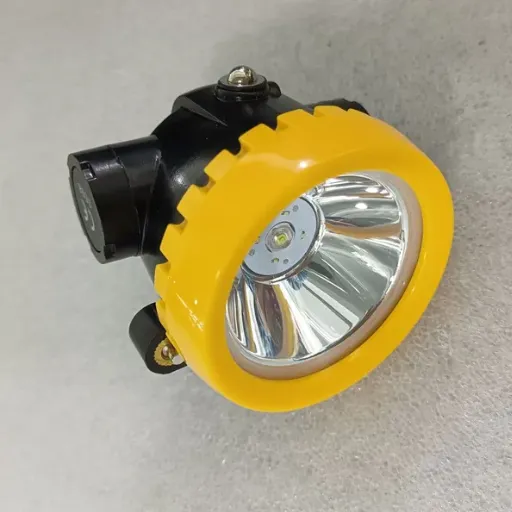
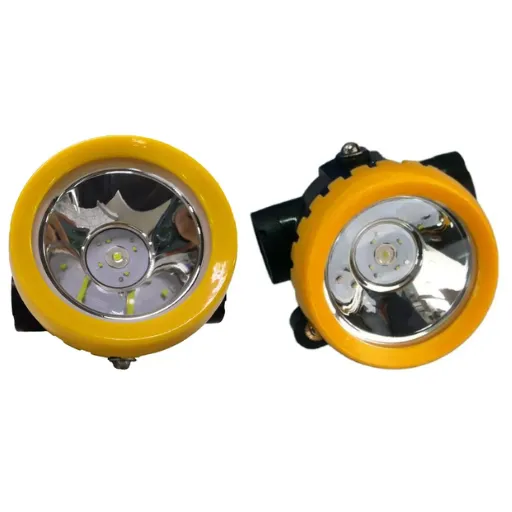
Intrinsic safety limits the electrical and thermal energy in a circuit to a level that cannot ignite the atmosphere, even during a fault. This method suits low-power devices. It is the reason explosion-proof cap lamps and portable inspection lights can run safely on a worker's helmet or in their hand.
Reading a Complete Ex Marking
A typical marking might read Ex II 2G Ex db eb IIC T6 Gb. Breaking it down: II is the equipment group for surface industries, 2G is Category 2 for gas, db eb are the protection concepts, IIC is the gas group, T6 is the temperature class, and Gb is the equipment protection level. Learning to read this string lets you verify at a glance whether a fixture matches your zone.
Key Features of Hazardous Area LED Lighting ATEX Fixtures
Beyond certification, the best hazardous area LED lighting ATEX fixtures share a set of practical features that determine how well they perform over years of service.
Energy Efficiency and Long Life
LED sources convert far more input power into light than fluorescent or high-pressure sodium lamps. A typical LED fixture uses 40-60% less energy for the same light output and lasts 50,000 hours or more. In a plant that runs lights around the clock, that longevity cuts both the power bill and the number of maintenance trips into a hazardous zone.
Thermal Management
The temperature class depends on how hot the fixture surface gets. Good thermal design pulls heat away from the LEDs and the enclosure. A well-designed heat sink keeps the surface temperature within its rated class and extends LED life. Poor thermal design causes early failure and can push a fixture outside its certified temperature class.
Robust Housing and Ingress Protection
Hazardous areas are harsh. Fixtures face dust, water, vibration, and impact. Look for a housing rated at least IP65, which resists dust and water jets.
In wet or wash-down areas, IP66 or IP67 adds protection. Impact resistance, measured as an IK rating, matters where fixtures can be struck by equipment or tools.
Corrosion Resistance
Coastal plants, offshore platforms, and chemical sites expose fixtures to salt and corrosive vapor. Marine-grade aluminum or stainless steel housings with a protective coating resist this attack. A corroded housing can compromise the flame paths and seals that make a fixture explosion-proof, so material choice directly affects ongoing safety.
Emergency and Battery-Backup Options
Escape routes and critical work areas need light even when the mains supply fails. Emergency versions of hazardous area LED lighting ATEX fixtures include a certified battery pack that keeps the light running for a set duration, typically one to three hours. The battery and its enclosure must also carry the appropriate certification.
How to Choose Hazardous Area LED Lighting ATEX for Your Site
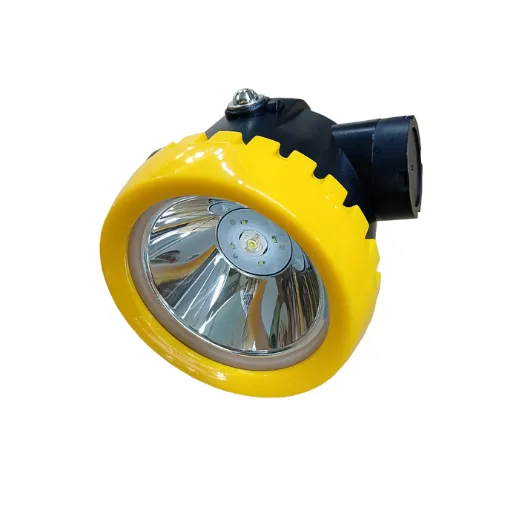
Selection starts with your area classification and ends with a fixture whose certificate matches every parameter. There is no single best product, only the right match for your hazard.
Start with the Zone and Group
Confirm the zone and equipment group for each location. A Zone 1 gas area needs a Category 2 fixture in the correct gas group. A Zone 22 dust area needs a Category 3 dust-rated fixture. Never assume a fixture rated for gas also covers dust; the markings are different.
Match the Gas Group and Temperature Class
Identify the gases or dusts present and their ignition temperatures. Choose a fixture with a gas group and temperature class that covers the worst case on site. When in doubt, move to a more protective class. A T6 fixture works anywhere a T4 is required, but the reverse is not true.
Check Lumen Output and Light Distribution
Certification is necessary but not sufficient. The fixture must also light the area to the level your task requires. Specify the lumen output, beam angle, and mounting height to reach the target illuminance.
For task lighting at a workbench you need more light than for a walkway. Request a lighting calculation for large or complex areas.
Verify the Certificate
Ask the manufacturer for the ATEX certificate and confirm it covers your zone, group, and temperature class. Check that the certificate is current and issued by a recognized notified body. For a deeper comparison of European and international schemes, our ATEX vs. IECEx certification guide explains how the marks relate. You can also review our own certifications to see the documentation standard we maintain.
Olena is the lighting engineer on a road tunnel project. Parts of the tunnel fell into a Zone 2 classification because of vehicle fuel vapor and limited ventilation. She specified hazardous area LED lighting ATEX Category 3 fixtures with a T4 rating along the affected section.
By choosing fixtures matched to the actual zone rather than over-specifying for Zone 1, she met the safety requirement and stayed within budget. The LED units also cut the tunnel's energy load, which reduced the size of the backup supply she had to design. Matching the fixture to the real hazard gave her both compliance and efficiency.
Installation, Inspection, and Maintenance
A certified fixture only stays safe if it is installed and maintained correctly. This is true for every hazardous area LED lighting ATEX fixture, no matter how strong its certificate. Most lighting failures in hazardous areas trace back to installation or upkeep, not the original design.
Installation by Competent Personnel
Installation must follow the manufacturer's instructions and the relevant standards. Cable glands, entries, and seals must match the protection concept and keep the enclosure's integrity. A single incorrect gland can void the flameproof protection. Use personnel trained in hazardous-area work, and record the installation for the site file.
Initial and Periodic Inspection
Standards such as IEC 60079-17 define inspection grades for equipment in explosive atmospheres. An initial detailed inspection confirms the installation matches the certificate. Periodic inspections then check for corrosion, damaged seals, loose entries, and overheating. The interval depends on the zone and the environment, but it should be written into the maintenance plan.
Cleaning and Seal Care
Dust buildup on a fixture raises its surface temperature and can push it outside its temperature class. Regular cleaning keeps the surface within rating. Seals and gaskets degrade with age and exposure. Replace them on schedule, because a worn seal is an open door for gas or dust to enter the enclosure.
Keeping Documentation Current
Maintain records of certificates, installation reports, inspection results, and any repairs. If a fixture is modified or repaired, the work must preserve the original certification. For a structured reference to the standards behind these duties, see our mining safety standards reference. Consistent records make regulatory audits straightforward.
Applications Across Industries
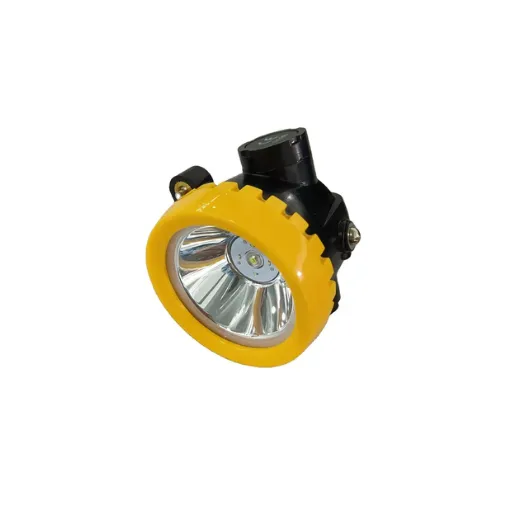
Hazardous area LED lighting ATEX-rated fixtures appear wherever flammable gas, vapor, or dust can collect. The same principles apply across very different sites.
Mining and Tunnelling
Underground mines use Group I equipment because of firedamp risk. Fixed lighting illuminates roadways, workshops, and refuge areas, while cap lamps provide personal light. In tunnelling, ventilation is limited and fuel vapor is common, so certified lighting protects the advancing face. Our tunnelling safety solutions page covers how lighting and detection combine underground.
Oil, Gas, and Petrochemical
Refineries, offshore platforms, and tank farms contain flammable vapor across large zones. Lighting must cover wide areas, resist corrosion, and meet the gas group and temperature class for hydrocarbons. Floodlights, high-bay fixtures, and emergency fittings all carry the appropriate Ex marking for their location.
Chemical and Pharmaceutical
Solvent handling, powder processing, and mixing areas combine vapor and dust hazards. Lighting selection must address both, which often means dual gas and dust certification. Cleanroom-compatible designs add smooth, sealed housings that support hygiene requirements.
Grain, Food, and Dust-Handling Plants
Combustible dust is an overlooked hazard. Grain silos, flour mills, and sugar plants can generate explosive dust clouds. Dust-rated fixtures marked Ex t keep dust out of the enclosure and limit surface temperature. Housekeeping to reduce dust layers works together with certified lighting.
Kwame is the electrical superintendent at a hard-rock mine. His team was upgrading a main haulage level and wanted better light for safety and productivity. He chose hazardous area LED lighting ATEX Group I fixtures for the roadway and paired them with intrinsically safe cap lamps for the crew.
The fixed LEDs raised the ambient light level, which reduced shadow and glare for equipment operators. The cap lamps gave each worker a personal, certified light source that stayed with them. Six months after the upgrade, his near-miss reports for vehicle and pedestrian interactions dropped, and the maintenance team spent fewer hours changing lamps in the zone.
Final Checklist: Selecting Hazardous Area LED Lighting ATEX
Confirm the zone and equipment group for each location
Match the fixture category to the zone: Category 2 for Zone 1/21, Category 3 for Zone 2/22
Select the correct gas group (IIA, IIB, IIC) or dust rating for the atmosphere
Choose a temperature class below the ignition temperature present
Verify the ATEX certificate is current and covers your exact parameters
Confirm ingress protection (IP) and impact (IK) ratings suit the environment
Specify lumen output, beam angle, and mounting height for the task
Plan installation by competent, trained personnel
Set inspection, cleaning, and seal-replacement schedules
Keep certificates, installation, and inspection records current
Frequently Asked Questions
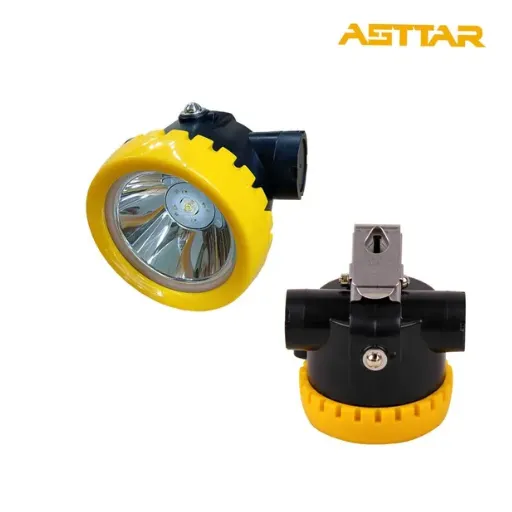
What is hazardous area LED lighting ATEX?
Hazardous area LED lighting ATEX-certified fixtures are LED luminaires tested and marked so they cannot ignite an explosive atmosphere of gas, vapor, or dust. The ATEX mark confirms conformity with European explosion-protection requirements.
What is the difference between ATEX and IECEx?
ATEX is the European certification framework and is a legal requirement for equipment sold in the EU. The IECEx scheme is an international certification recognized in many countries outside Europe. Both assess equipment for use in explosive atmospheres, but they are separate certifications. See our ATEX vs. IECEx guide for detail.
How do I know which zone my area is?
Area classification is the employer's responsibility under the ATEX Workplace Directive. Guidance from regulators such as the UK Health and Safety Executive explains how to identify and zone hazardous areas. A competent person assesses the substances present, their release, and the ventilation to assign zones 0, 1, 2 or 20, 21, 22. This classification is documented before equipment is selected.
Can I use a normal LED light in a hazardous area?
No. A standard LED fixture has no explosion-protection certification. Even if it works electrically, it can act as an ignition source through heat, spark, or a damaged enclosure. Only certified equipment matched to the zone is permitted.
What temperature class do I need?
The temperature class must keep the fixture surface below the ignition temperature of the gas or dust present. T4 allows up to 135 degrees Celsius and T6 up to 85 degrees Celsius. When the exact requirement is uncertain, choose a lower surface-temperature class for a wider safety margin.
How often should hazardous area lighting be inspected?
Inspection intervals depend on the zone, environment, and standards such as IEC 60079-17. An initial detailed inspection follows installation. Periodic inspections then check seals, entries, corrosion, and temperature. The interval should be defined in the site's maintenance plan and adjusted to conditions.
Conclusion
The right hazardous area LED lighting ATEX certification is the assurance that a fixture will not become an ignition source where gas, vapor, or dust may collect. The mark, the zone, the gas group, and the temperature class all have to line up with the real conditions on your site.
LED technology adds clear benefits: lower energy use, longer life, and fewer maintenance trips into a hazardous zone. Those gains only count when the fixture is correctly certified, correctly installed, and correctly maintained. The certificate is the starting point, and the maintenance plan keeps it valid over time.
If you are planning a lighting upgrade for a mine, tunnel, or processing plant, start with your area classification and the substances present, then select hazardous area LED lighting ATEX fixtures whose certificates match. For specification support, certification documentation, or a comparison of explosion-proof lighting options, contact ASTTAR's safety engineering team. You can also explore the explosion-proof lighting range and read our guide to explosion-proof lighting standards for more detail.
Recently Posted
-
Explosion Proof Flood Light for Mining: A 2026 Selection Guide
July 29, 2026An explosion proof flood light for mining is a high-output, certified LED fixture designed to illuminate large work areas, stockpi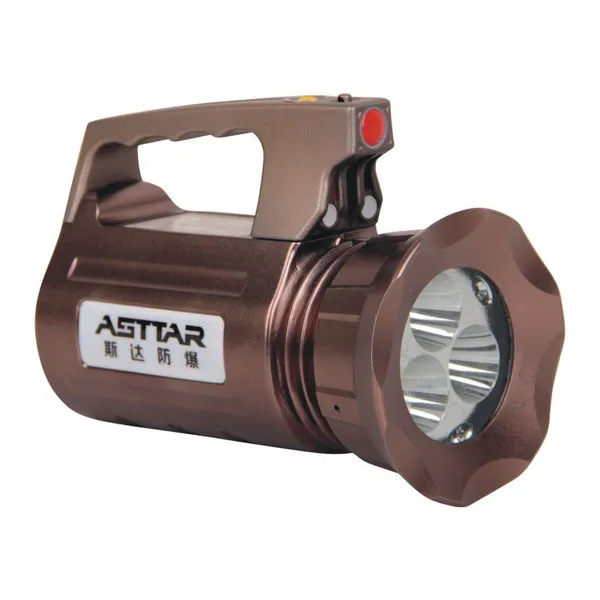 Read More
 -
Mechanical Anemometer for Mining: A 2026 Ventilation Survey Guide
July 29, 2026A mechanical anemometer for mining is a hand-held or bracket-mounted instrument that measures air velocity in underground roadways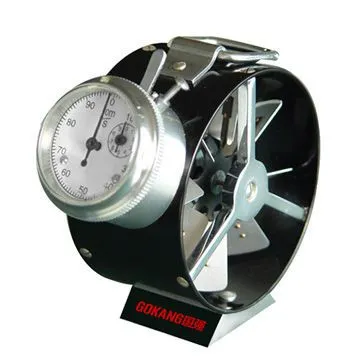 Read More
 -
LED Flameproof Tunnel Light for Mining: 2026 Selection Guide
July 29, 2026An LED flameproof tunnel light for mining is a fixed luminaire built inside a flameproof (Ex d) enclosure that contains any intern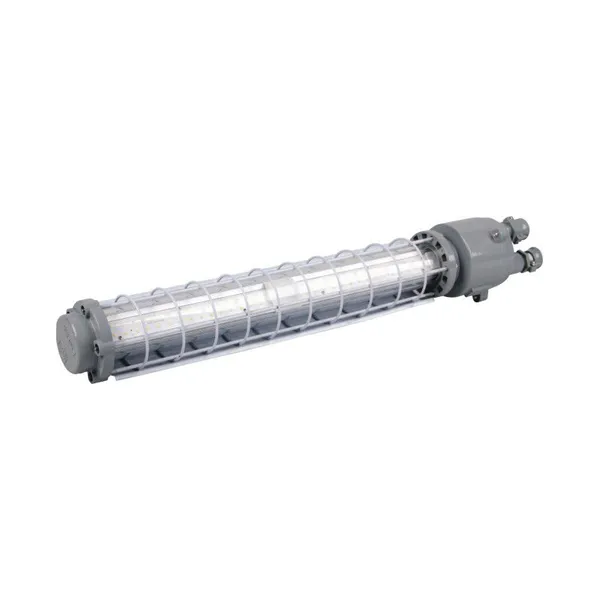 Read More
 -
Wholesale Mining Safety Equipment: A 2026 Procurement Guide
July 24, 2026Wholesale mining safety equipment is the bulk purchase of certified protective gear, escape devices, lighting, gas detection, and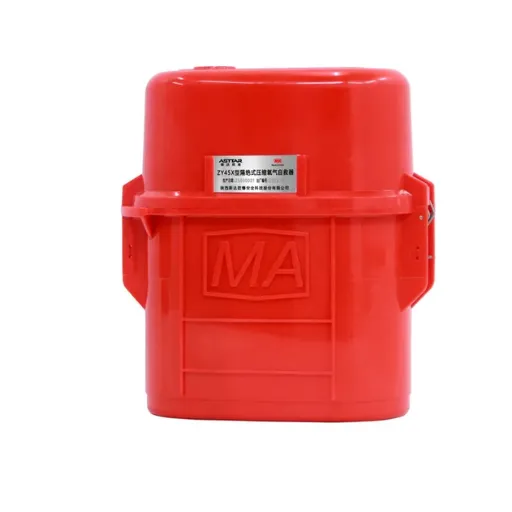 Read More

Contact Us
Recommended Products
-
 CE Certified 30 Minutes Closed Circuit Mining Oxygen Self-rescuerNegotiableMOQ: 1 Piece
 -
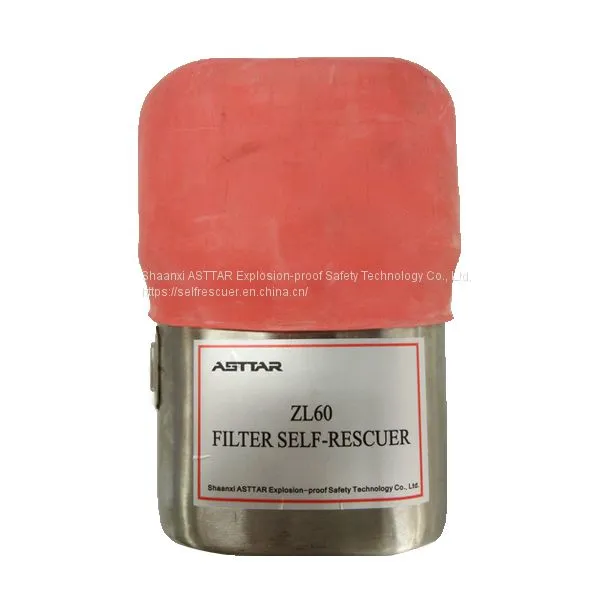
Portable ZL60 Filter Self Rescuer Lightweight Underground Personal Breathing DeviceNegotiableMOQ: 1 Piece
-
0.6L Oxygen Cylinder ZY45X Self Rescue Respirator Underground Mining Self RescuerNegotiableMOQ: 1 Piece
-
Atex 6ah 7000lux IP65 Mining Industrial Use Ex Proof LED Cap Lamp Safety HeadlampUS$ 98 - 110MOQ: 1 Piece
-
KL1.2Ex LED Miner Cap Lamp ATEX Explosion Proof Mining HeadlampUS$ 75 - 85MOQ: 1 Piece
-
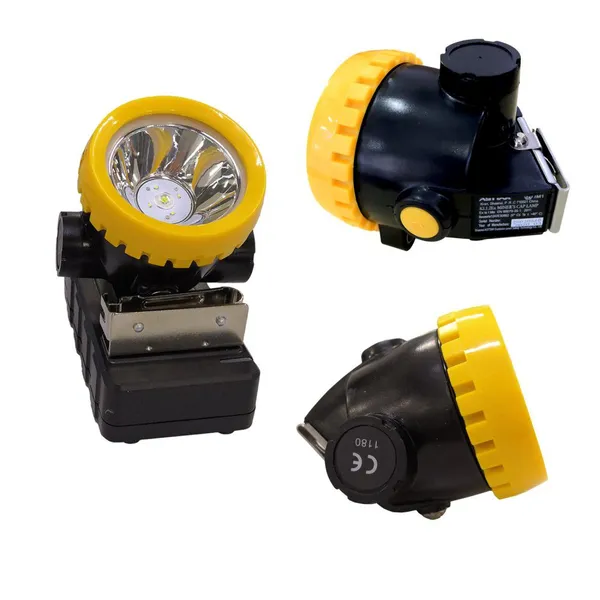
Kl3lm (A) Cordless Intrinsically Safe LED Headlamp for Mining, Camping, and Outdoor ActivitiesNegotiableMOQ: 1 Piece
-
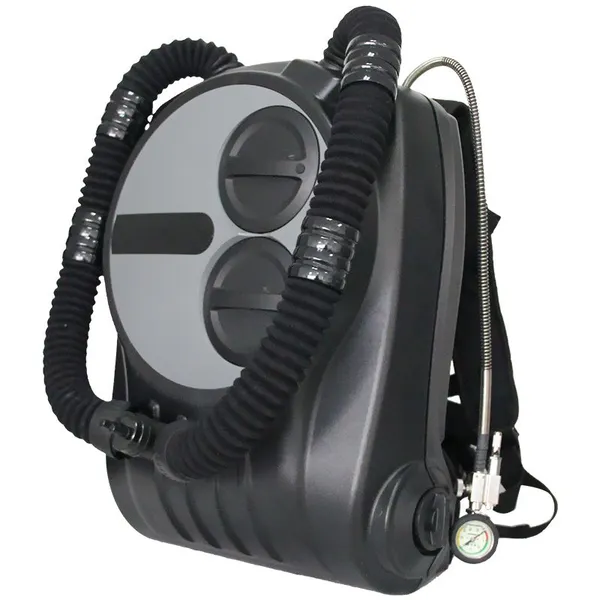
Heat Resistant PA Housing HYZ4(C) Positive Pressure Oxygen Apparatus Coal Mine Emergency RescueNegotiableMOQ: 1 Piece
-
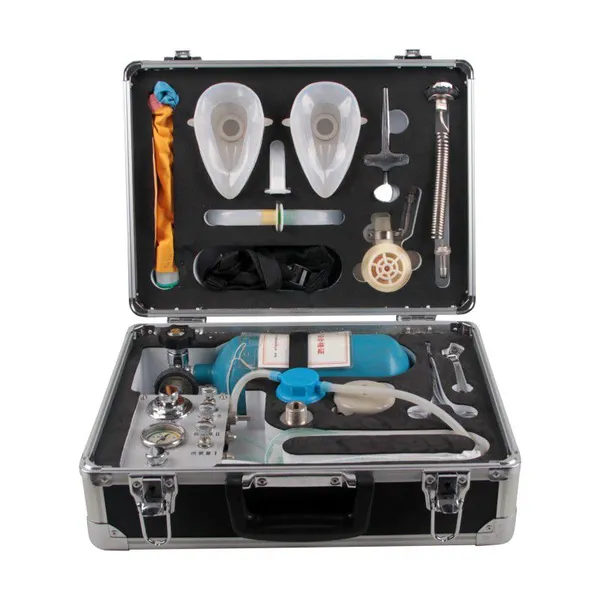
Independent Oxygen Supply Automatic Resuscitator MZS30 for Weak‑Breathing Casualty RescueNegotiableMOQ: 1 Piece
-
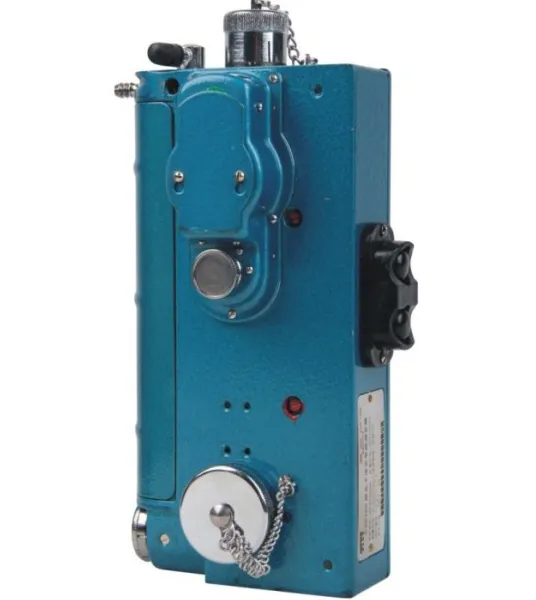
Mining Intrinsically Safe CJG10 Methane Detector Optical Interference Principle Gas Measuring InstrumentNegotiableMOQ: 1 Piece
-
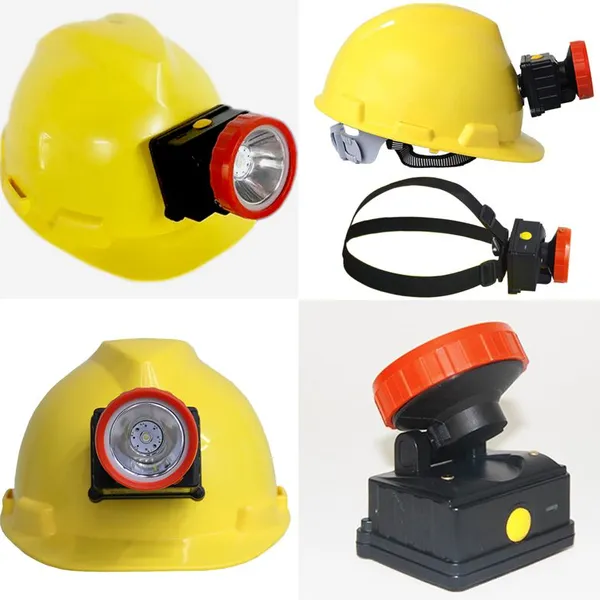
YHJ-100J(A) 100m Portable Explosion Proof Laser Distance MeterUS$ 250 - 350MOQ: 1 Piece
-
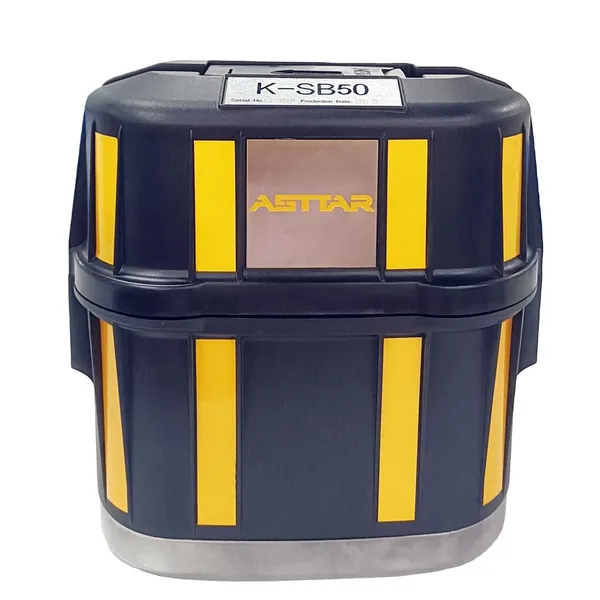
K-SB50 Self Contained Oxygen Escape Device Built-In Humidity Indicator For Mine Fire RescueNegotiableMOQ: 1 Piece
-
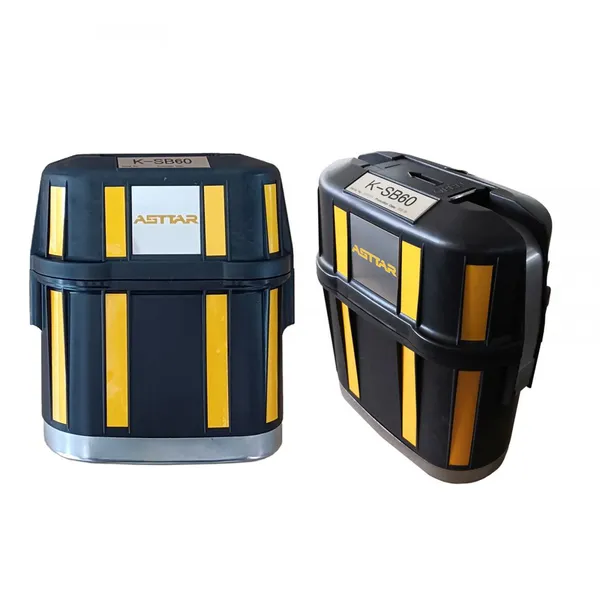
60 Minutes CE Approved Self-Contained Self-Rescuer K-Sb60 for Miner SafetyNegotiableMOQ: 1 Piece
-
ZL60 60 Minutes Carbon Monoxide Filter Self RescuerUS$ 120 - 150MOQ: 1 Piece
-
ZY30X Isolated Compressed Oxygen Self Rescuer Self Contained Breathing Escape DeviceUS$ 120 - 150MOQ: 1 Piece
-
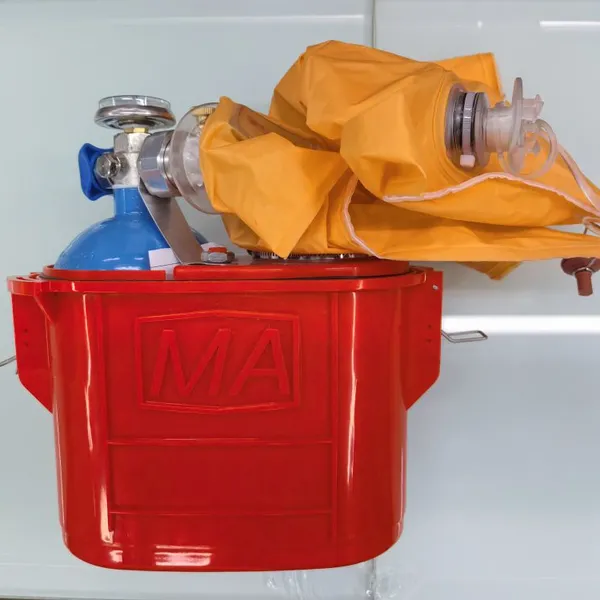
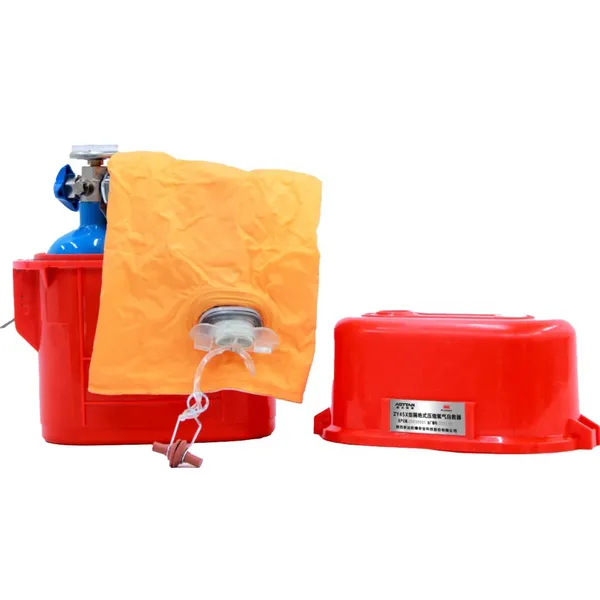
Portable ZY45X Self Rescue Breathing Apparatus Emergency Escape Breathing DevicesNegotiableMOQ: 1 Piece
-
HYZ2 Isolated Positive Pressure Oxygen Breathing Apparatus PC Face Shield Aluminized FabricNegotiableMOQ: 1 Piece
-
KL6Ex ATEX Rechargeable High Brightness Corded LED Headlamp Miner Cap LampUS$ 98 - 110MOQ: 1 Piece
-
ATEX Cordless LED Cap Lamp Underground Mining Safety HeadlampUS$ 75 - 85MOQ: 1 Piece
-
5Ah Rechargeable LED Cordless Miner\'s HeadlampUS$ 85 - 98MOQ: 1 Piece
-
5Ah Rechargeable LED Cordless Miner's Cap LampUS$ 85 - 98MOQ: 1 Piece