
 Business License
Personal Protective Equipment for Miners: A 2026 Selection Guide
Personal protective equipment for miners includes head, eye, hearing, hand, foot, respiratory, and fall protection designed for underground and surface hazards. The right mining PPE reduces injury when engineering and administrative controls cannot fully remove the risk from dust, noise, falling objects, confined spaces, and methane exposure. No single item protects a worker alone; the system works only when each piece is selected for the specific task, fitted to the individual, and maintained on a documented schedule.
When Petra became the safety officer at a small underground limestone mine in Poland in late 2024, she found the PPE room stocked with construction-grade hard hats, cotton work gloves, and respirators that no one knew how to fit. During her first incident investigation, a worker suffered a corneal abrasion because his safety glasses fogged in the humid drift and he had taken them off. Another crew member reported ringing ears after a shift near a poorly maintained loader. Petra replaced the generic kit with task-specific mining PPE, started fit-testing for respiratory protection, and posted a simple pre-shift inspection checklist. Within three months, recordable injuries dropped by 40% and the crews stopped complaining that the gear got in the way.
This guide explains what personal protective equipment for miners is required, how each category protects workers, and how to select, fit, and maintain a complete PPE system. You will learn the difference between general industrial PPE and mine-specific gear, the standards to verify, and the common mistakes that leave miners exposed despite a full equipment room.
Need help building a site-specific mining PPE list? Contact the ASTTAR safety team for a checklist that matches your hazards, climate, and local regulations.
Key Takeaways
Personal protective equipment for miners covers head, eye, hearing, hand, foot, respiratory, and fall protection.
Mining PPE must be selected for the specific hazard, fitted to the worker, and inspected before each shift.
Respiratory protection requires fit testing and regular cartridge or filter replacement.
Hearing protection and cap lamps are daily-use items that prevent gradual, long-term harm.
Fall protection, rescue gear, and high-visibility clothing complete the system for underground and surface work.
What Is Personal Protective Equipment for Miners?
Personal protective equipment for miners is any wearable or portable device that protects workers from injury or illness caused by the mining environment. It is the last line of defense after engineering controls such as ventilation, water suppression, and machine guarding, and after administrative controls such as training, permits, and work procedures.
Mining PPE differs from general industrial PPE in three ways:
Hazard severity: Underground hazards include methane, roof falls, flooding, and limited escape routes, so equipment must be certified for more extreme conditions.
Environmental stress: Heat, humidity, dust, and vibration accelerate wear on straps, seals, batteries, and filters.
Regulatory specificity: Mining regulators often require equipment that carries national mining approval or ATEX/IECEx certification for explosive atmospheres.
The CDC/NIOSH mining PPE overview groups miner protection into respiratory, hearing, eye, head, hand, foot, and fall protection. A complete program also includes high-visibility clothing and task-specific items such as cap lamps and gas detectors. For certification requirements, review the mining safety standards reference.
Head Protection: Hard Hats and Bump Caps
Head protection is mandatory in almost every mining jurisdiction. The risk comes from falling rock, tools, overhead equipment, and low clearance in drifts and shafts.
Hard Hats for Mining
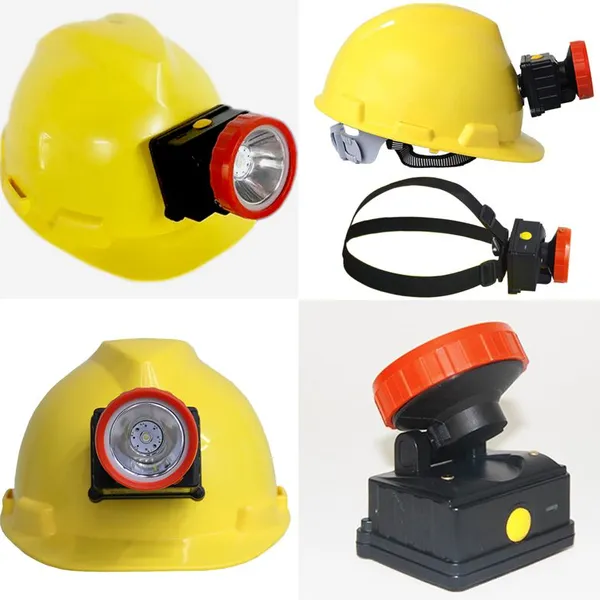
Mining hard hats must resist impact, penetration, and electrical hazards. Many models include slots for cap lamps and mounts for hearing protection. The shell should be inspected for cracks, heat damage, and UV degradation before each shift. A hard hat that has taken a significant impact should be retired immediately, even if it looks intact, because the suspension may be compromised.
Bump Caps vs. Hard Hats
Bump caps protect against minor scrapes and bumps in low-clearance areas but do not meet impact standards for active production zones. They should never replace hard hats where falling objects are possible. The choice depends on the area classification and the task hazard assessment.
Eye and Face Protection
Eye injuries in mining are often caused by flying particles, dust, chemical splashes, and welding arcs. Proper eye protection prevents most of these injuries.
Safety Glasses and Goggles
Safety glasses with side shields are suitable for general work where dust and flying debris are moderate. Goggles are better for dusty, wet, or chemical environments because they seal around the eyes. Anti-fog coatings are important in humid underground conditions; a worker who cannot see will remove the protection.
Face Shields and Welding Helmets
Face shields protect against larger particles, chemical splashes, and grinding sparks. Welding helmets with the correct shade protect against ultraviolet and infrared radiation during cutting and repair work. Face shields should always be worn over safety glasses, not instead of them.
At a copper mine in Zambia, a boilermaker named Chanda was grinding a conveyor bracket without a face shield. A fragment of metal struck his cheek and lodged near his eye. After the incident, the mine made face shields mandatory for grinding and issued anti-fog safety glasses for humid headings. There were no similar injuries in the following year.
Hearing Protection
Mining is one of the noisiest industries. Drills, loaders, crushers, and ventilation fans can exceed 85 decibels over an eight-hour shift. Hearing loss is gradual, permanent, and often noticed only after significant damage has occurred.
Earplugs and Earmuffs
Disposable foam earplugs are inexpensive and effective when inserted correctly. Reusable molded earplugs offer better fit for workers who use them daily. Earmuffs provide higher protection and are easier to supervise, but they can be uncomfortable with hard hats and cap lamps in hot conditions.
Noise-Reducing Communication
Some modern earmuffs and in-ear devices include two-way radio or Bluetooth communication. These help supervisors maintain contact without removing hearing protection. The protection rating must still match the exposure level; communication convenience should not reduce attenuation below what is required.
Hand and Arm Protection
Miners' hands are exposed to cuts, abrasions, crushing, vibration, chemicals, and extreme temperatures. The right glove balances protection with the dexterity needed to operate controls and handle tools.
Cut and Abrasion Resistance
Leather and synthetic gloves protect against cuts, scrapes, and punctures from wire rope, rebar, and sharp rock. Cut-resistant gloves rated to ANSI or EN standards should be used when handling cable, strapping, and sheet metal.
Anti-Vibration and Impact Gloves
Operators of jacklegs, drills, and percussive tools benefit from anti-vibration gloves that reduce hand-arm vibration syndrome. Impact gloves with reinforced knuckles protect workers in demolition, bolting, and heavy assembly tasks.
Chemical and Thermal Gloves
Nitrile or neoprene gloves protect against oils, greases, and hydraulic fluids. Heat-resistant gloves are needed near welding, hot parts, or in mines with geothermal heat. No single glove handles every hazard, so task-specific selection is essential.
Foot Protection: Mining Boots
Foot injuries in mining include crushing from heavy equipment, punctures from sharp objects, slips on wet or uneven ground, and electrical hazards. Mining boots must address all four.
Steel Toe and Metatarsal Guards
Steel or composite toe caps protect against falling objects and compression. Metatarsal guards extend protection over the top of the foot, which is important when handling pipes, rails, and heavy tools. Composite toe caps are lighter than steel and do not conduct cold or electricity, but they may not meet every regional standard.
Puncture-Resistant Soles and Slip Resistance
Puncture-resistant soles protect against nail, wire, and rebar hazards. Slip-resistant outsoles with deep treads reduce falls on wet or muddy surfaces. Some mines also require boots with electrical hazard ratings or conductive properties to prevent static buildup.
Respiratory Protection
Respiratory protection is one of the most technical categories of mining PPE. Dust, diesel exhaust, methane, and toxic gases can all threaten breathing underground.
Disposable and Reusable Respirators
Disposable filtering facepiece respirators are suitable for low-risk dust exposure. Half-mask and full-face reusable respirators with replaceable cartridges offer better protection and a tighter seal. The correct cartridge must match the contaminant: particulate filters for dust, chemical cartridges for organic vapors, and combination cartridges for mixed exposures.
Powered Air-Purifying Respirators
Powered air-purifying respirators, or PAPRs, use a battery-powered blower to pull air through a filter and into a helmet or hood. They reduce breathing resistance and provide eye and face protection. PAPRs are often used in dusty cutting, bolting, and maintenance tasks where disposable respirators would clog quickly.
Self-Rescuers and Escape Breathing Devices
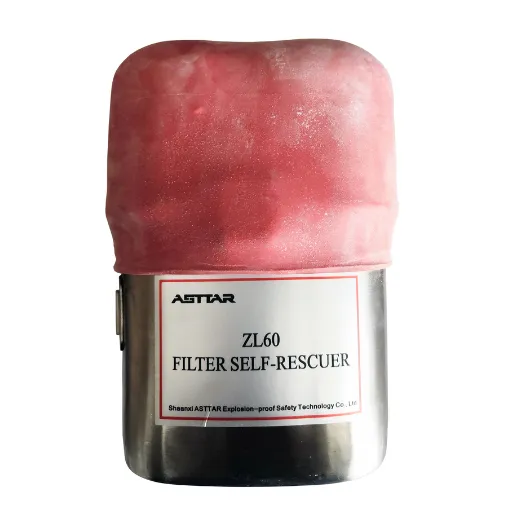
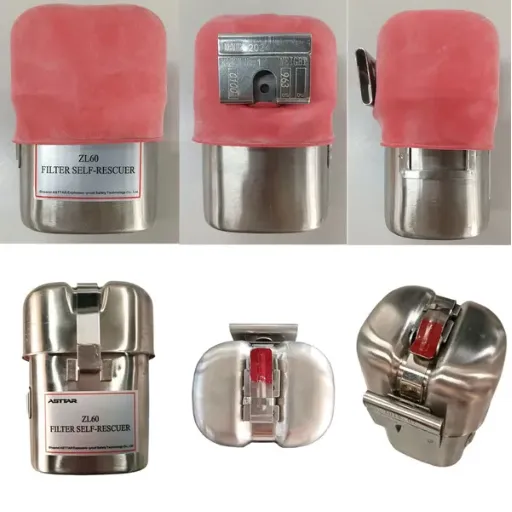
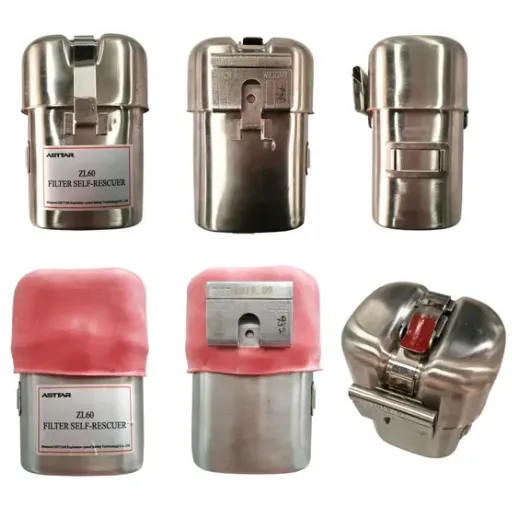
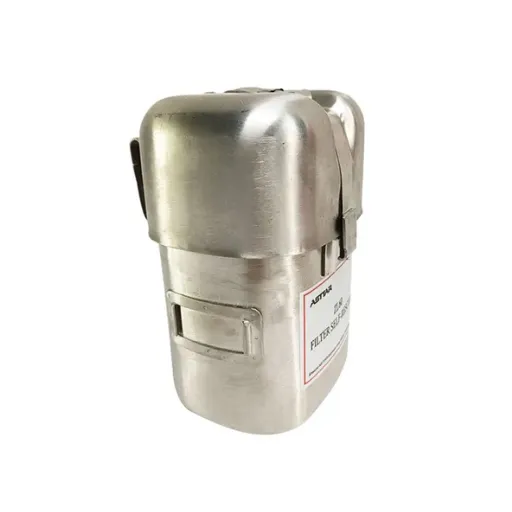
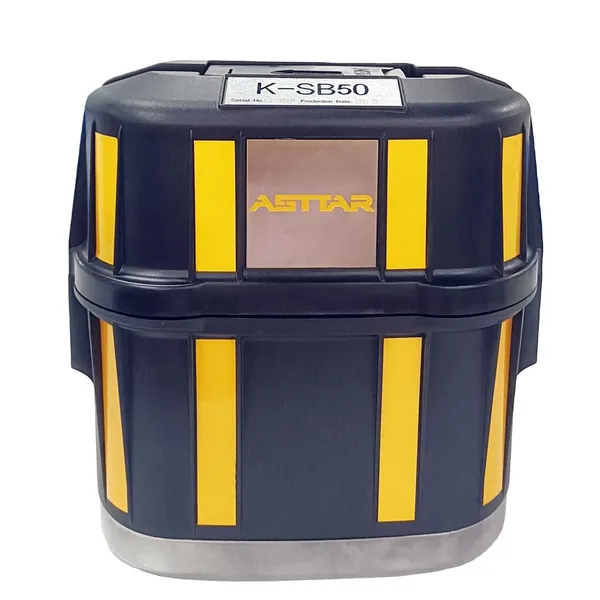
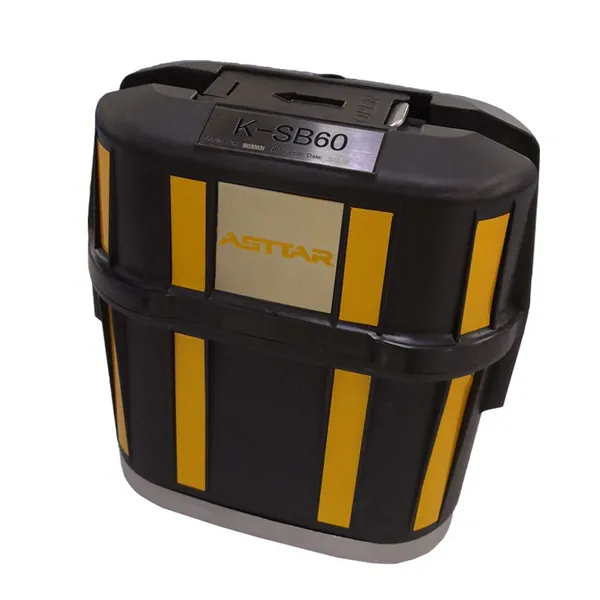
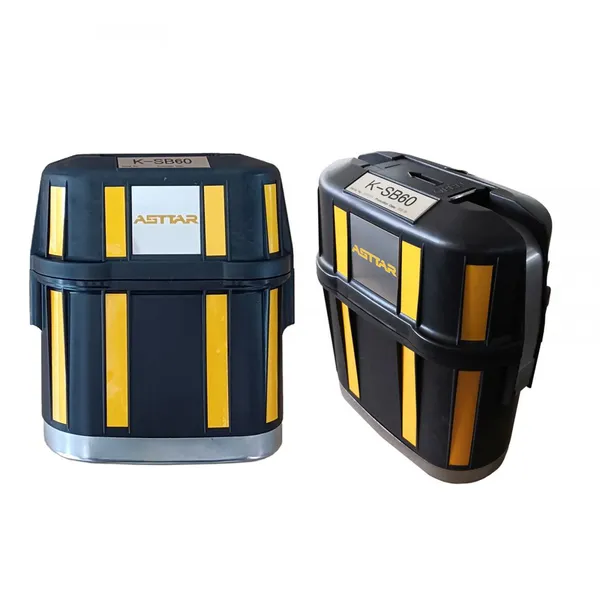
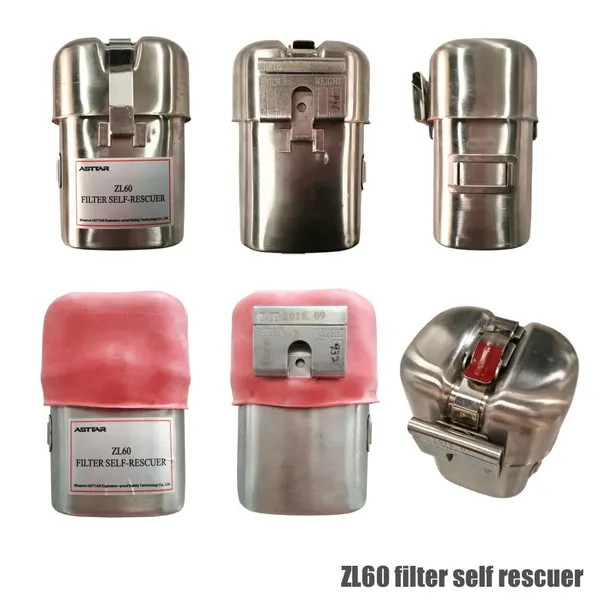
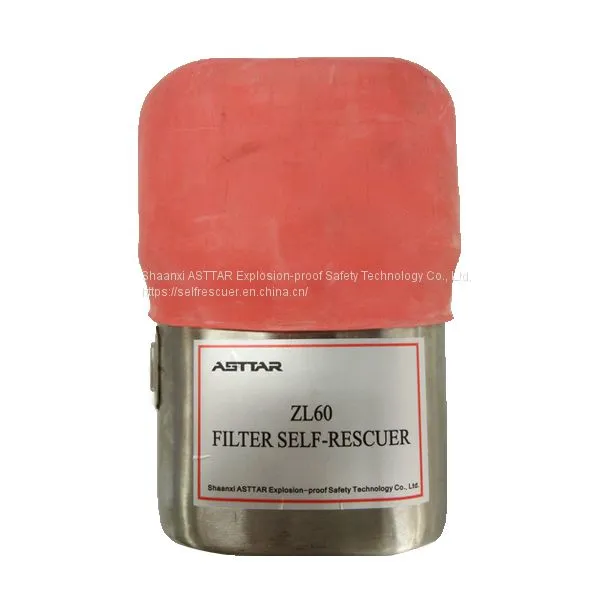
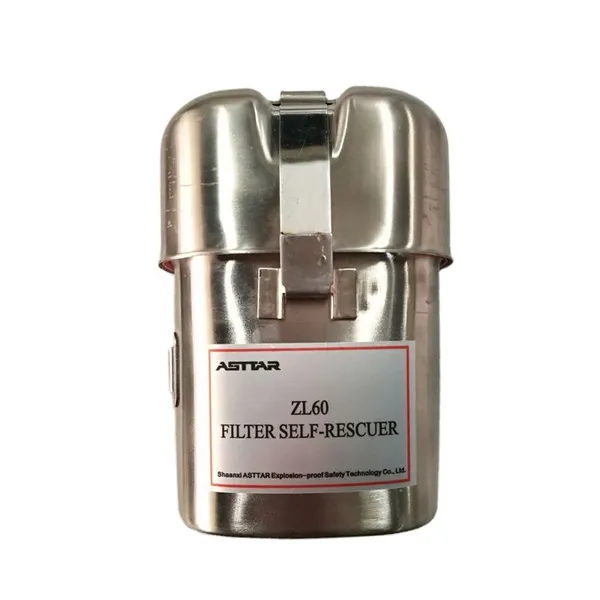
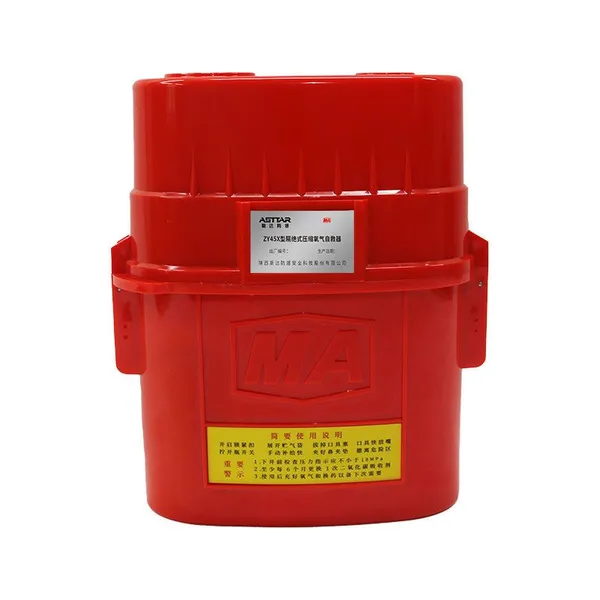
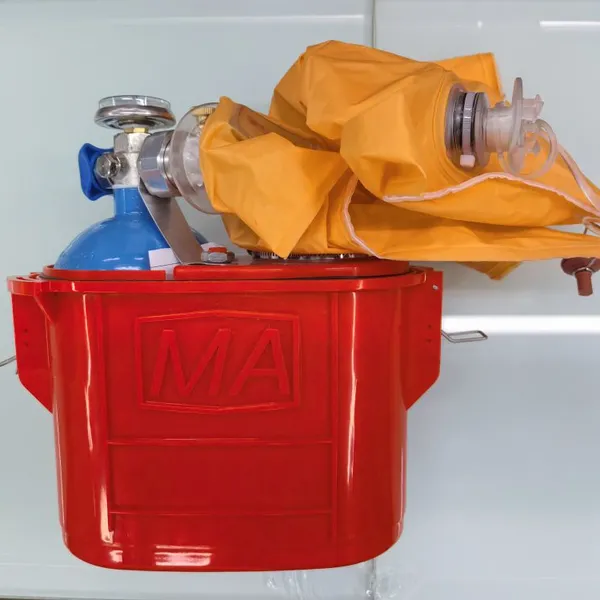
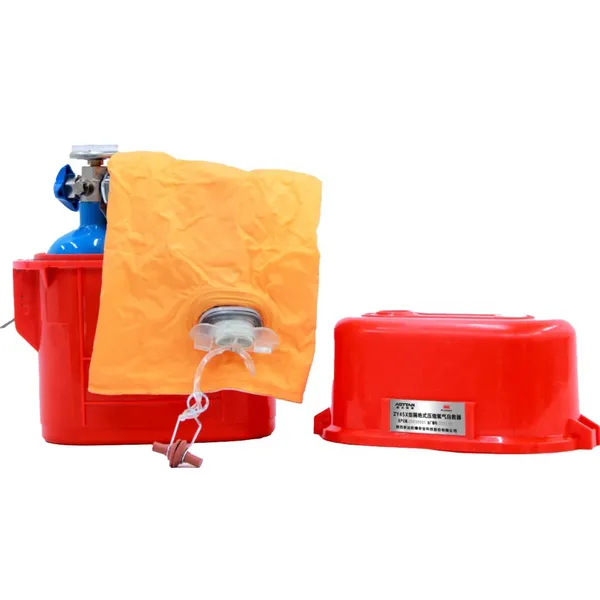
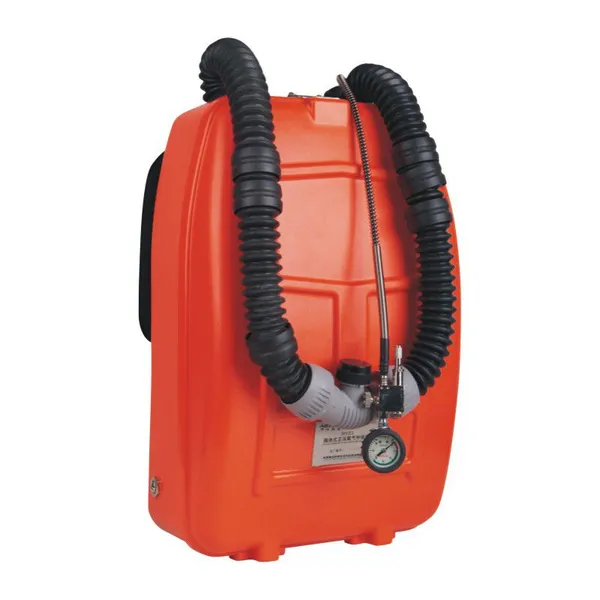
For emergency escape, miners need self-rescuers or escape breathing devices that provide independent breathable air. These are not daily PPE in the usual sense; they are life-support equipment carried on the belt or in a pouch. Chemical oxygen self-rescuers generate oxygen through a reaction, while compressed oxygen self-rescuers store gas in a small cylinder. Both require regular inspection and training.
For a detailed look at escape respiratory protection, see the ASTTAR self-rescuers range or read our self-rescuer selection guide. For daily respiratory PPE selection, contact our safety team to discuss your exposure assessment.
Protective Clothing and High-Visibility Gear
Clothing in mining must protect against abrasion, cuts, heat, cold, and visibility hazards. High-visibility gear reduces struck-by incidents, especially around vehicles and equipment.
High-Visibility Vests and Jackets
High-visibility clothing with reflective strips makes workers visible in low-light underground conditions and in surface traffic. Vests should fit over other PPE without restricting movement. In coal mines, flame-resistant clothing may be required to reduce burn injury risk.
Flame-Resistant and Arc-Rated Clothing
Flame-resistant clothing self-extinguishes when exposed to flame, reducing burn injuries from flash fires or electrical arcs. Arc-rated clothing is designed for electrical work where arc flash is a hazard. The level of protection must match the risk assessment for the task. Coal mining PPE often includes flame-resistant coveralls because coal dust and methane increase the risk of flash fires.
Fall Protection
Vertical work in shafts, ladderways, raises, and elevated platforms requires fall protection. Falls are a leading cause of serious injury in mining, and the right equipment must be combined with training and rescue planning.
Harnesses, Lanyards, and Anchor Points
Full-body harnesses distribute force across the torso and thighs during a fall. Lanyards with shock absorbers reduce peak forces. Anchor points must be rated for the expected load and positioned to prevent swing falls. Workers must be trained in donning, inspection, and rescue after a fall.
Retrieval and Rescue Systems
A fallen worker suspended in a harness can develop suspension trauma within minutes. Retrieval systems and rescue plans must be in place before any work at height begins. Rescue equipment must be compatible with the harness and lanyard system in use.
Cap Lamps and Task Lighting
Lighting is part of the PPE system because it directly affects hazard recognition. A miner who cannot see a loose rock, a wet floor, or a moving vehicle is more likely to be injured.
LED Cap Lamps
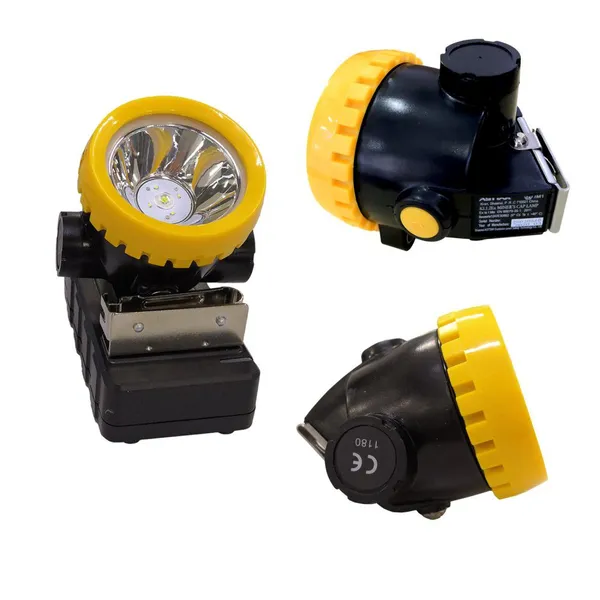
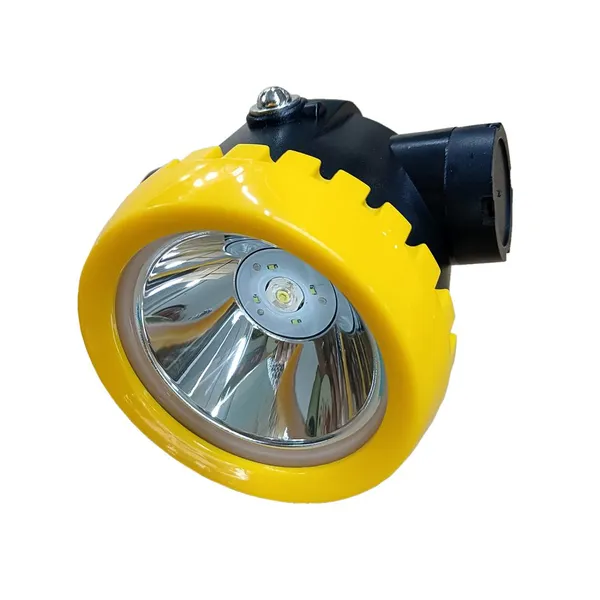
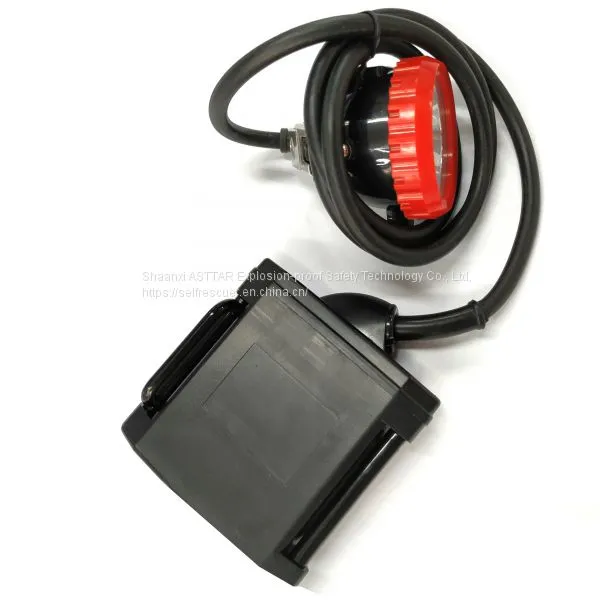
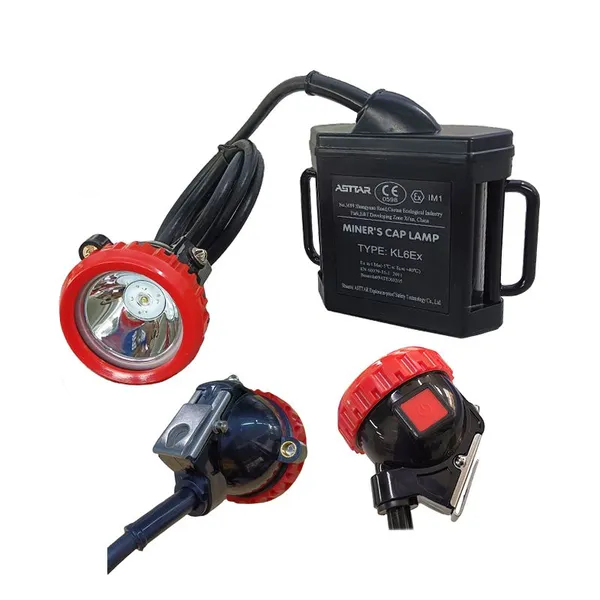
Every underground worker should carry a certified LED cap lamp. Modern lamps provide long runtimes, methane alarm functions, and intrinsically safe circuits. The lamp must be certified for the mine's gas group and rated for the full shift length. For certified options, see the ASTTAR LED cap lamps range and our complete guide to mining cap lamps.
Area Lighting
Fixed and portable area lights illuminate work zones, roadways, and muster points. Explosion-proof fixtures are required in gassy mines. For hazardous-area lighting systems, see the ASTTAR explosion-proof lighting range.
Gas Detection as Part of the PPE System
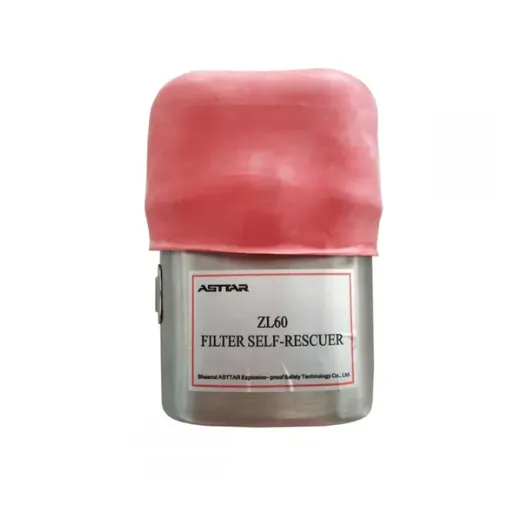
Gas detectors are often classified as instrumentation rather than PPE, but they serve the same protective function by warning workers before gas reaches dangerous levels.
Portable Multi-Gas Detectors
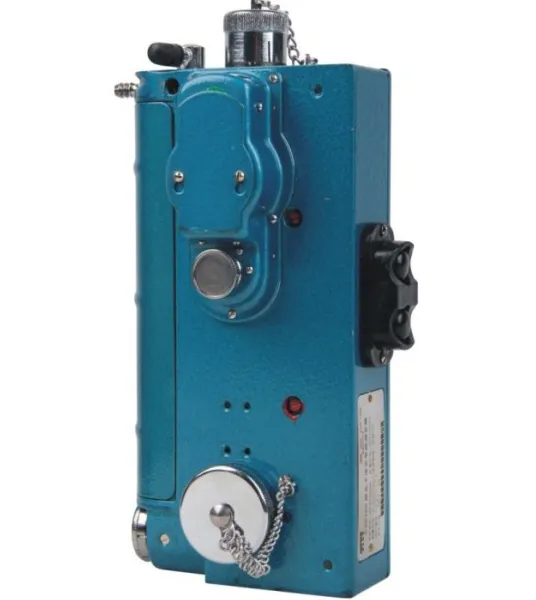
A portable multi-gas detector worn or carried by miners monitors methane, oxygen, carbon monoxide, and hydrogen sulfide in real time. It must be intrinsically safe, calibrated on schedule, and equipped with sensors matched to the mine's hazards. For detector options, see the ASTTAR gas detectors range and our methane detection best practices guide.
Selecting and Maintaining Personal Protective Equipment for Miners
Choosing the right PPE is a structured process, not a catalog order. The checklist below helps safety teams avoid common gaps.
| PPE Category | Selection Criteria | Maintenance Requirement |
|---|---|---|
| Hard hat | Impact class, electrical rating, lamp mounts, fit | Inspect before each shift; replace after impact or expiry |
| Eye/face protection | Hazard type, anti-fog coating, compatibility with other PPE | Clean daily; replace scratched or damaged lenses |
| Hearing protection | Noise level, comfort, communication needs | Replace foam plugs after use; inspect earmuff seals |
| Gloves | Cut, abrasion, chemical, thermal, and vibration hazards | Inspect for tears; replace when worn or contaminated |
| Boots | Toe protection, metatarsal guard, puncture resistance, slip rating | Inspect soles and toe caps; replace when damaged |
| Respirator | Contaminant type, fit factor, breathing resistance | Fit test annually; replace cartridges per schedule |
| Fall protection | Harness fit, lanyard length, anchor rating, rescue plan | Inspect before each use; retire after any fall event |
| High-visibility clothing | Reflectivity, flame resistance, fit over other PPE | Clean regularly; replace faded or torn garments |
Fit Testing and Training
PPE only works if it fits and if the worker knows how to use it. Respirators require fit testing at least annually and whenever facial changes occur. Fall protection training must include rescue procedures. All workers should know how to inspect their PPE before each shift and what defects require replacement.
Documentation and Compliance
Every mine should maintain records of PPE issue dates, inspection dates, training dates, and incidents where PPE prevented or failed to prevent injury. These records support regulatory compliance and help identify recurring problems that may require engineering or procedural changes. Strong documentation is what separates a compliant PPE mining industry program from one that looks complete but cannot prove its effectiveness.
Common Mistakes with Personal Protective Equipment for Miners
Even experienced mines make mistakes that reduce the effectiveness of their PPE programs.
Buying generic industrial PPE for mining hazards. Construction-grade gear may not meet mining impact, flame, or explosion requirements.
Skipping fit testing. A respirator or harness that does not fit will not protect the worker.
Ignoring comfort. Uncomfortable PPE is often removed or adjusted improperly, especially in heat and humidity.
Failing to inspect before each shift. Damaged straps, cracked lenses, and worn soles are easy to miss without a routine check.
Not matching PPE to the task. The gloves that protect against cuts may be wrong for chemical exposure.
Neglecting maintenance records. Without documentation, compliance gaps are hard to prove and hard to fix.
Forgetting about rescue. Fall protection without a rescue plan can turn a survivable fall into a fatal suspension.
Frequently Asked Questions
What is personal protective equipment for miners?
Personal protective equipment for miners includes hard hats, eye and face protection, hearing protection, gloves, safety boots, respiratory protection, high-visibility clothing, fall protection, and task-specific items such as cap lamps and gas detectors. Each item protects against a specific mining hazard.
What PPE is required in underground mining?
Underground mining typically requires a hard hat, cap lamp, safety glasses or goggles, hearing protection, gloves, safety boots, high-visibility clothing, and a self-rescuer. Task-specific PPE may include respiratory protection, fall-arrest gear, and multi-gas detectors.
What is the difference between surface and underground mining PPE?
Underground mining PPE must address hazards that are less common on the surface: methane and other gases, limited ventilation, confined escape routes, and the need for cap lamps and self-rescuers. Surface mining PPE still requires head, eye, hearing, and foot protection, but may not need flame-resistant clothing or independent breathing devices unless the site has specific gas or excavation risks.
What is the most important PPE in mining?
Respiratory protection is often considered the most important because breathing hazards such as dust, methane, and diesel exhaust can cause immediate or long-term harm. However, the most important PPE is always the item that protects against the specific hazard present at the time.
How often should mining PPE be replaced?
Replacement depends on the item and the conditions. Hard hats typically last two to five years, depending on manufacturer guidance. Respirator cartridges are replaced based on use and contaminant exposure. Gloves, boots, and eyewear are replaced when damaged or worn. Always follow the manufacturer's instructions and local regulations.
What certifications should mining PPE have?
Mining PPE should meet relevant national mining standards and, for explosive atmospheres, ATEX or IECEx certification. The IECEx system defines the international framework for explosion-protected equipment, and our ATEX vs. IECEx certification guide explains how to verify these marks. Always verify that the certificate matches the exact model and hazard class.
What coal mining PPE is required?
Coal mining PPE usually includes flame-resistant clothing, Group I certified cap lamps, self-rescuers, methane-rated multi-gas detectors, and respiratory protection for dusty tasks. Exact requirements vary by jurisdiction, but all equipment must be certified for gassy coal-mine conditions.
How do you choose gloves for mining?
Choose mining gloves based on the task hazards: cut and abrasion resistance for cable and metal handling, anti-vibration for tool operation, chemical resistance for oils and greases, and thermal protection for hot work. Dexterity and fit are also important; a glove that is too bulky reduces control and may be removed.
Conclusion
Personal protective equipment for miners is the final barrier between workers and the hazards that remain after engineering and administrative controls. Head, eye, hearing, hand, foot, respiratory, and fall protection each address a specific risk, and together they form a system that keeps miners safe across different tasks and conditions.
A strong PPE program starts with a hazard assessment, not a catalog. Select equipment that matches the mine's atmosphere, climate, and tasks. Fit each item to the worker, train on proper use, and inspect before every shift. Keep records of issue, inspection, and training, and replace equipment before it fails. Comfort and compatibility matter: PPE that workers remove is PPE that does not protect anyone.
Reliable miners safety equipment is the foundation of every shift. The best mining PPE programs combine quality products with consistent maintenance, training, and documentation.
ASTTAR supplies certified mining self-rescuers, LED cap lamps, explosion-proof lighting, gas detectors, and related safety equipment that form the core of a complete mining PPE system. View ASTTAR certifications to verify compliance documentation for your audit. If you are reviewing your PPE program or building a procurement list, contact our safety team for a site-specific checklist that matches your regulations, hazards, and workforce. The right personal protective equipment for miners, properly used, is one of the most reliable investments a mine can make in worker protection.
Recently Posted
-
Explosion Proof Flood Light for Mining: A 2026 Selection Guide
July 29, 2026An explosion proof flood light for mining is a high-output, certified LED fixture designed to illuminate large work areas, stockpi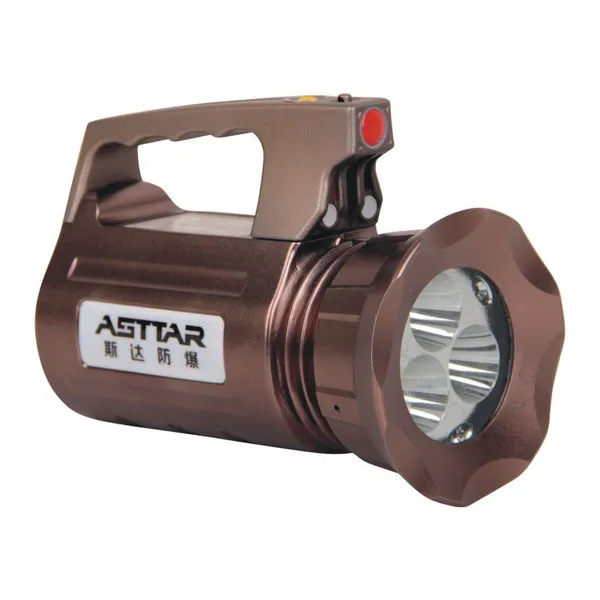 Read More
 -
Mechanical Anemometer for Mining: A 2026 Ventilation Survey Guide
July 29, 2026A mechanical anemometer for mining is a hand-held or bracket-mounted instrument that measures air velocity in underground roadways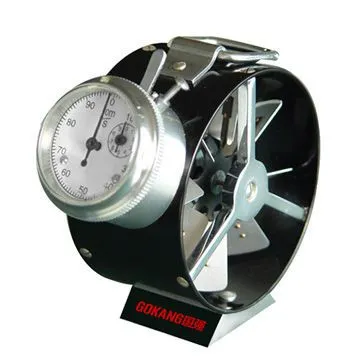 Read More
 -
LED Flameproof Tunnel Light for Mining: 2026 Selection Guide
July 29, 2026An LED flameproof tunnel light for mining is a fixed luminaire built inside a flameproof (Ex d) enclosure that contains any intern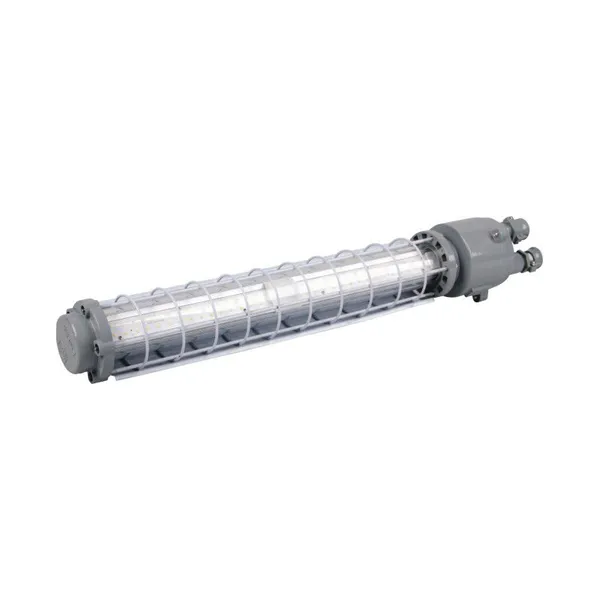 Read More
 -
Wholesale Mining Safety Equipment: A 2026 Procurement Guide
July 24, 2026Wholesale mining safety equipment is the bulk purchase of certified protective gear, escape devices, lighting, gas detection, and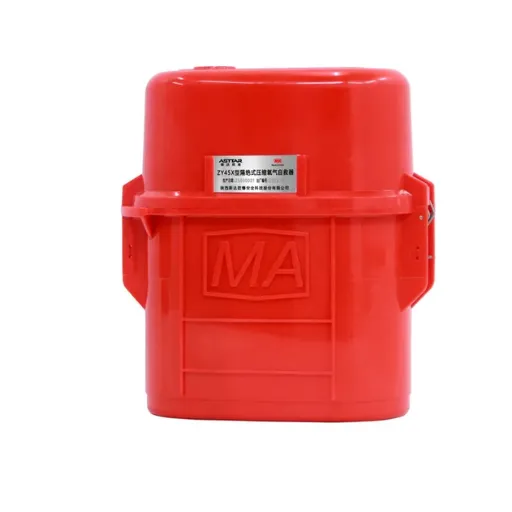 Read More

Contact Us

Recommended Products
-
 CE Certified 30 Minutes Closed Circuit Mining Oxygen Self-rescuerNegotiableMOQ: 1 Piece
 -
CE Certified 30 Minutes Isolated Breathing Protection Chemical Oxygen Self RescuerNegotiableMOQ: 1 Piece
-
K-SB50 Self Contained Oxygen Escape Device Built-In Humidity Indicator For Mine Fire RescueNegotiableMOQ: 1 Piece
-
Lightweight Portable K-SB60 KO2 Oxygen Generating Self Rescuer For Confined Space Industrial Emergency UseNegotiableMOQ: 1 Piece
-
60 Minutes CE Approved Self-Contained Self-Rescuer K-Sb60 for Miner SafetyNegotiableMOQ: 1 Piece
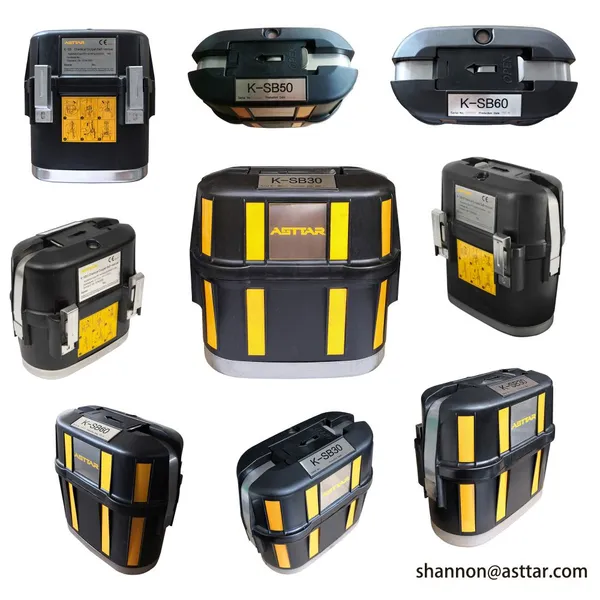
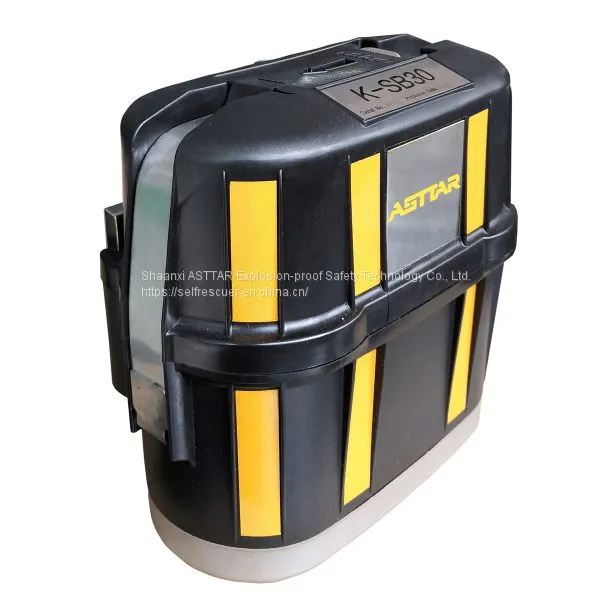
-
Portable ZL60 Filter Self Rescuer Lightweight Underground Personal Breathing DeviceNegotiableMOQ: 1 Piece
-
ZL60 60 Minutes Carbon Monoxide Filter Self RescuerUS$ 120 - 150MOQ: 1 Piece
-
Fire Fighting Oxygen Rebreather Mine Chemical Self-Rescuer Portable Isolated Breathing EquipmentNegotiableMOQ: 1 Piece
-
0.6L Oxygen Cylinder ZY45X Self Rescue Respirator Underground Mining Self RescuerNegotiableMOQ: 1 Piece
-
ZY30X Isolated Compressed Oxygen Self Rescuer Self Contained Breathing Escape DeviceUS$ 120 - 150MOQ: 1 Piece
-
Portable ZY45X Self Rescue Breathing Apparatus Emergency Escape Breathing DevicesNegotiableMOQ: 1 Piece
-
HYZ4 Isolated Positive Pressure Breathing Apparatus 2400L Oxygen Capacity 20MPa RatedNegotiableMOQ: 1 Piece
-
HYZ2 Isolated Positive Pressure Oxygen Breathing Apparatus PC Face Shield Aluminized FabricNegotiableMOQ: 1 Piece
-
Atex 6ah 7000lux IP65 Mining Industrial Use Ex Proof LED Cap Lamp Safety HeadlampUS$ 98 - 110MOQ: 1 Piece
-
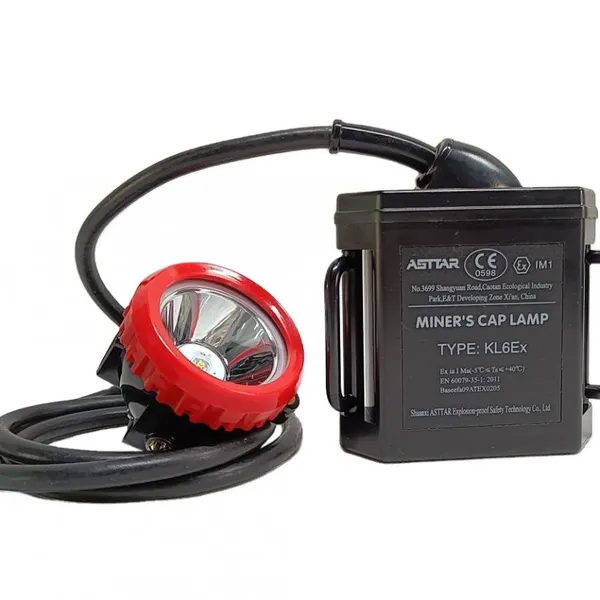
KL6Ex ATEX Rechargeable High Brightness Corded LED Headlamp Miner Cap LampUS$ 98 - 110MOQ: 1 Piece
-
Kl3lm (A) Cordless Intrinsically Safe LED Headlamp for Mining, Camping, and Outdoor ActivitiesNegotiableMOQ: 1 Piece
-
KL1.2Ex LED Miner Cap Lamp ATEX Explosion Proof Mining HeadlampUS$ 75 - 85MOQ: 1 Piece
-
Mining Intrinsically Safe CJG10 Methane Detector Optical Interference Principle Gas Measuring InstrumentNegotiableMOQ: 1 Piece
-
ATEX Cordless LED Cap Lamp Underground Mining Safety HeadlampUS$ 75 - 85MOQ: 1 Piece
-
5Ah Rechargeable LED Cordless Miner\'s HeadlampUS$ 85 - 98MOQ: 1 Piece