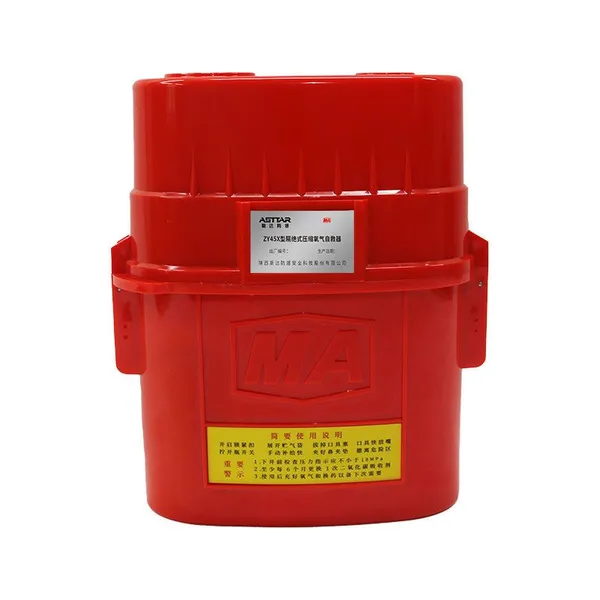

 Business License
Mine Rescue Team Equipment: Essential Gear Guide
Mine rescue team equipment is the specialized breathing, detection, communication, and protective gear that trained rescue teams use to respond to fires, explosions, flooding, or toxic gas releases underground. The right equipment gives rescue teams the time, awareness, and protection they need to locate missing workers, stabilize the situation, and bring everyone back to the surface alive.
What happens when a team reaches the scene of an incident and discovers that half its breathing apparatus has not been inspected in months? In one documented training exercise, a provincial coal mine rescue brigade found that three of its ten oxygen breathing sets failed pre-entry checks because of corroded seals and depleted cylinders.
The delay cost the team its planned 30-minute entry window and forced the exercise commander to abort the drill. The lesson was clear: rescue team equipment must be selected, maintained, and drilled with the same discipline as the rescue plan itself.
In this guide, you will learn what equipment belongs in a modern mine rescue cache, how to choose gear for coal and metal mines, which certifications to verify, and how training turns equipment into a reliable rescue capability. ASTTAR has supplied breathing apparatus, gas detectors, and explosion-proof lighting to mine rescue teams and underground operators for decades, and the recommendations below reflect the standards we see rescue professionals actually use in the field.
Key Takeaways
Mine rescue team equipment includes breathing apparatus, gas detectors, communication systems, protective clothing, and casualty-handling tools, each matched to the mine's hazards.
Rescue breathing apparatus must be positive-pressure, explosion-protected, and tested to ATEX, IECEx, or MSHA standards depending on the region.
Multi-parameter gas detectors are essential because teams cannot see methane, carbon monoxide, or oxygen deficiency without real-time instruments.
Certification, scheduled maintenance, and realistic drills are as important as the equipment itself; a failed seal is as dangerous as missing gear.
Integrated procurement from a single certified supplier simplifies documentation, spare parts, and compatibility across the rescue cache.
What Is Mine Rescue Team Equipment?
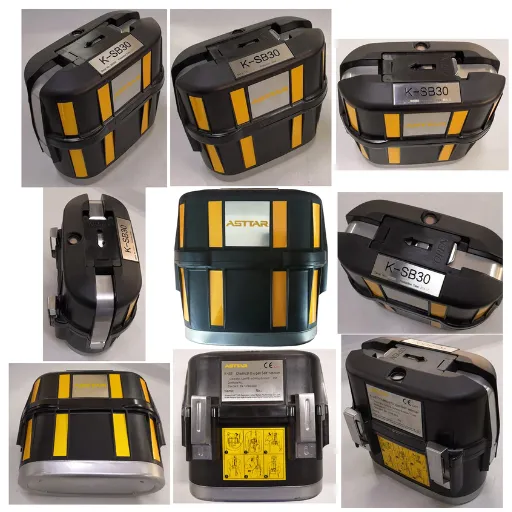
Mine rescue team equipment refers to the complete set of tools, devices, and protective systems that an organized mine rescue team carries underground during an emergency. Unlike everyday mining PPE, this equipment is designed for entry into dangerous atmospheres where normal ventilation has failed, gases are present, or structural conditions are uncertain.
The exact inventory depends on the mine type, depth, geology, and local regulations. Coal mine safety equipment for rescue teams emphasizes methane and carbon monoxide protection, while a deep metal mine may focus more on heat stress, rockfall, and vertical rescue. However, every professional mine rescue team relies on the same fundamental categories: independent breathing protection, atmospheric monitoring, team communications, protective clothing, and casualty evacuation aids.
Modern underground mining safety equipment also includes backup systems. A rescue team may carry spare breathing apparatus cylinders, redundant gas detectors, and self-rescuers for found personnel who are not wearing escape devices. The goal is not simply to equip the rescuers but to create a self-sufficient unit that can operate for the full duration of a search and recovery mission.
| Equipment Category | Primary Purpose | Key Items |
|---|---|---|
| Breathing apparatus | Independent breathable air in toxic or oxygen-deficient atmospheres | Positive-pressure sets, spare cylinders, CO2 absorbents |
| Gas detection | Real-time monitoring of methane, CO, O2, H2S | Multi-parameter detectors, area monitors, calibration gas |
| Communications | Team coordination and location tracking | Leaky feeder radios, tracking tags, wired systems |
| Protective clothing | Heat, flame, and abrasion protection | Rescue suits, helmets, gloves, boots, cooling vests |
| Casualty handling | Stabilization and evacuation of survivors | Stretchers, immobilization devices, first-aid kits, self-rescuers |
Core Categories of Mine Rescue Team Equipment
Breathing Apparatus
Breathing apparatus is the single most critical item in any mine rescue cache. Rescue teams enter atmospheres that may be oxygen-deficient, toxic, or filled with smoke and combustible gases. The apparatus must provide a sealed supply of breathable air independent of the surrounding atmosphere.
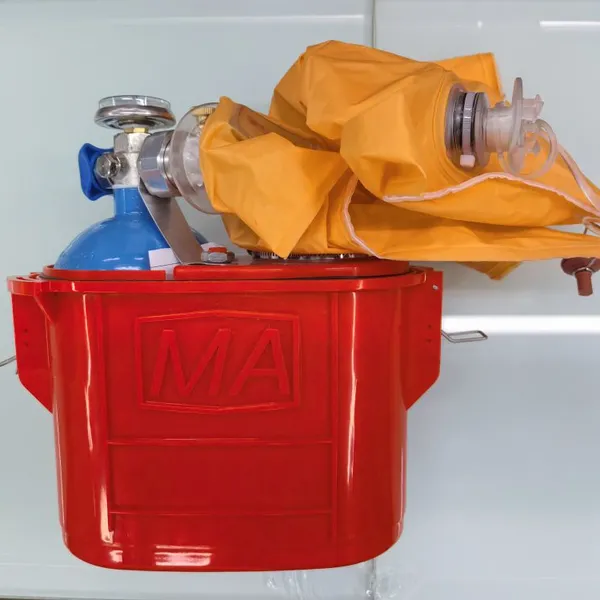
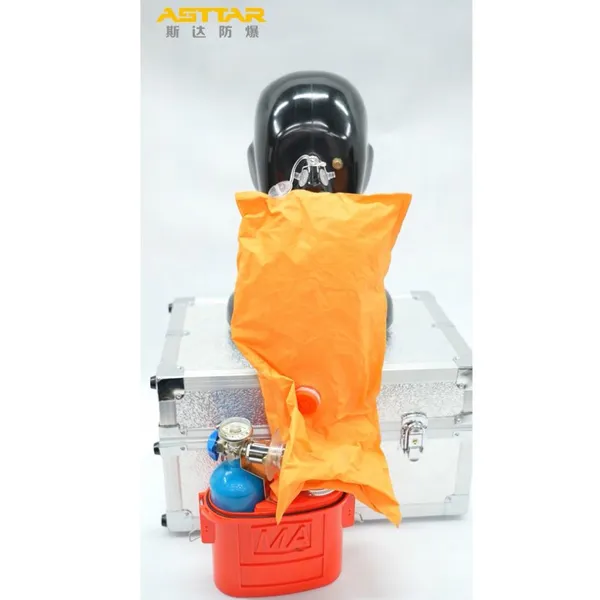
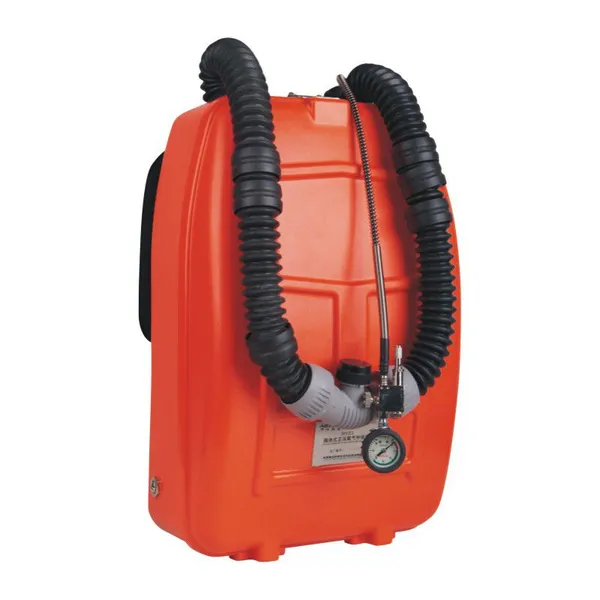
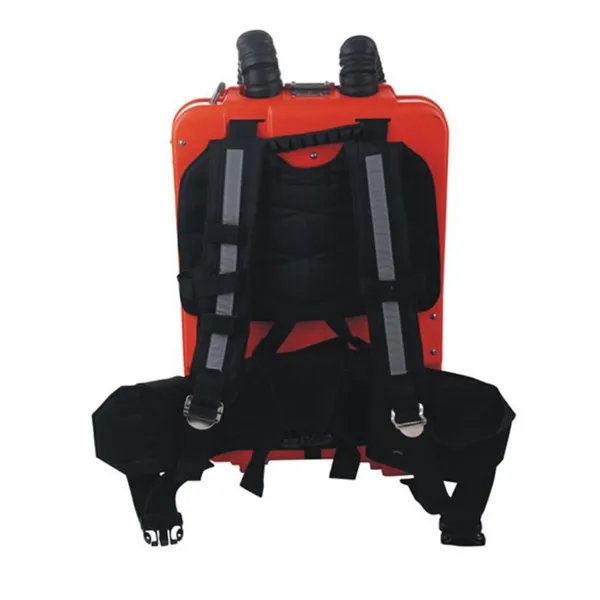
Positive-pressure breathing apparatus is the professional standard for mine rescue. It maintains a slight overpressure inside the facepiece, preventing contaminated air from entering through small leaks. These systems typically use compressed oxygen cylinders and closed-circuit or semi-closed-circuit designs that recycle exhaled breath while removing carbon dioxide. Depending on the model and workload, a cylinder may provide 2 to 4 hours of breathing time.
When teams evaluate mine rescue equipment, they should check cylinder capacity, breathing resistance at high work rates, visibility of the pressure gauge, and ease of donning in low-light conditions. Spare cylinders, charging stations, and CO2 absorbent cartridges must be kept in stock because a rescue cannot pause while waiting for consumables.
For extended operations, some teams also carry long-duration self-rescuers for distribution to survivors. These devices bridge the gap until the team can escort personnel to fresh air. Explore ASTTAR's breathing apparatus and rescue equipment range to compare positive-pressure systems designed for underground rescue.
Gas Detection Instruments
Rescue teams cannot rely on smell or sight to identify atmospheric hazards. Multi-parameter gas detectors measure methane, oxygen, carbon monoxide, hydrogen sulfide, and other gases simultaneously. Continuous monitoring is required from the moment the team enters the mine until the last member returns to the surface.
Detector selection for mine rescue equipment should prioritize fast response time, audible and visual alarms, rugged construction, and calibration stability. Many teams carry at least one detector per team member, plus a backup unit in case of sensor drift or physical damage. Bump testing and calibration before every deployment are non-negotiable; a detector that reads low because it was not calibrated can give a team a fatal sense of security.
Beyond handheld units, some operations use area monitors that can be placed at staging points or along travelways. These instruments give incident commanders a broader picture of gas conditions and help decide when it is safe to advance or withdraw. ASTTAR multi-parameter gas detectors provide real-time monitoring of the gases most commonly encountered in coal and metal mine emergencies.
Communication and Location Systems
Underground communication is one of the most difficult parts of mine rescue. Normal radio signals do not travel well through rock, so teams use leaky feeder systems, through-the-earth radios, tracking tags, or wired communication systems. Every team member should be accounted for at all times, and incident command must know the team's location, air status, and progress.
Tracking systems use tags or identifiers carried by each rescuer and report position to a surface station. Some systems integrate with gas detectors or breathing apparatus to send status alarms automatically. Rescue plans should define how the team will communicate if the primary system fails, including hand signals, lifelines, or predetermined rendezvous points.
Protective Clothing and PPE
Mine rescue team equipment includes specialized clothing that protects against heat, abrasion, chemicals, and flame. Rescue suits are typically made from flame-resistant materials with reflective strips for visibility in smoke. Boots, gloves, and helmets must meet the same standards, and helmets should accommodate the breathing apparatus facepiece without compromising the seal.
Heat stress is a serious concern during rescue operations. Heavy suits, high exertion, and warm mine air can push core body temperature to dangerous levels quickly. Some teams carry cooling vests or schedule work-rest cycles based on temperature and humidity readings. Personal protective equipment mining standards, such as those referenced by MSHA and NIOSH, provide guidance on minimum clothing performance for rescue teams.
Refuge and Casualty Handling Equipment
When survivors are located, the team must be able to stabilize them and move them out safely. Stretchers, immobilization devices, and first-aid kits are part of the standard cache. Some mines also equip rescue teams with portable refuge chambers or emergency shelters where personnel can wait for further assistance if evacuation is delayed.
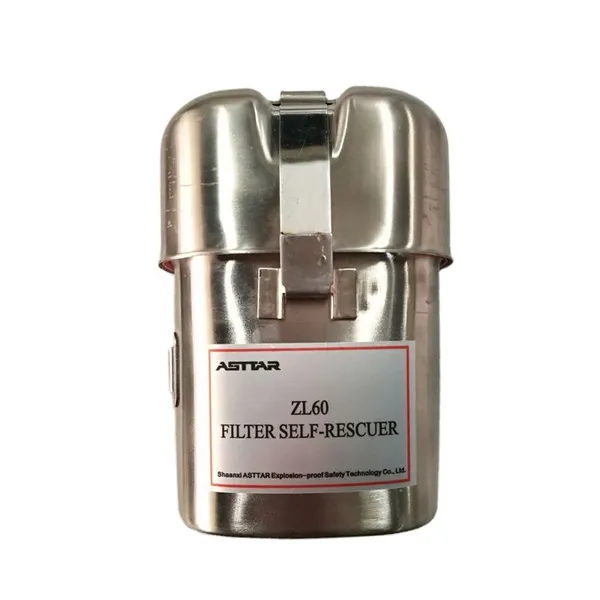
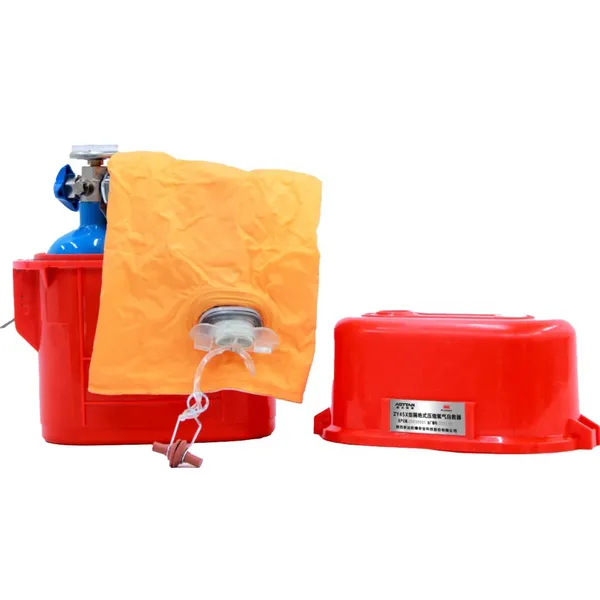
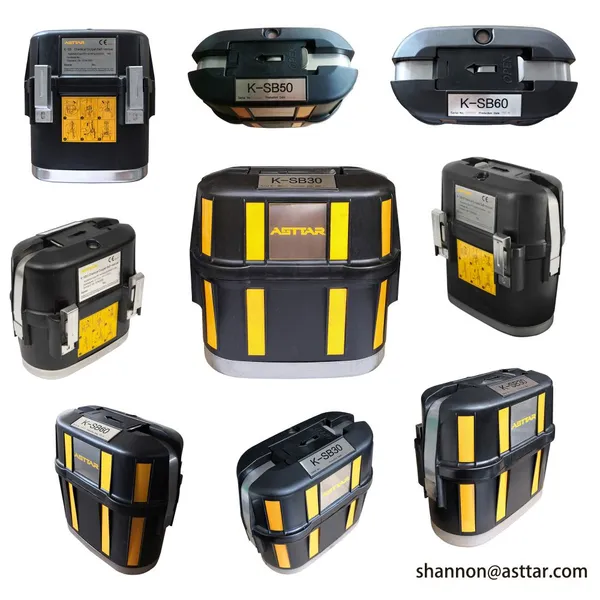
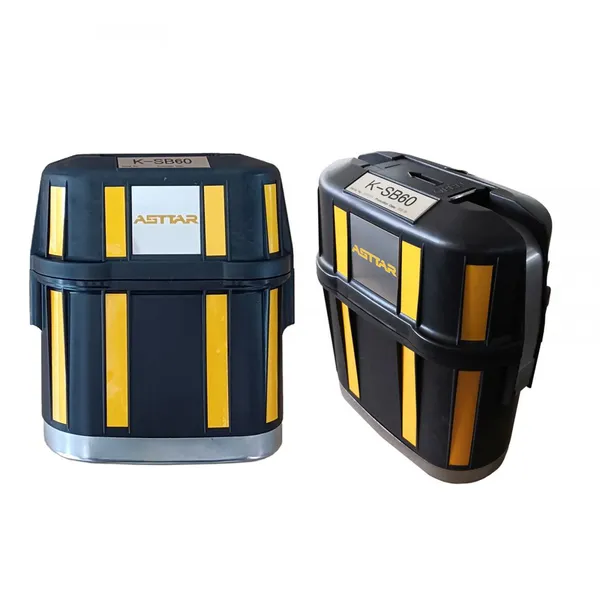
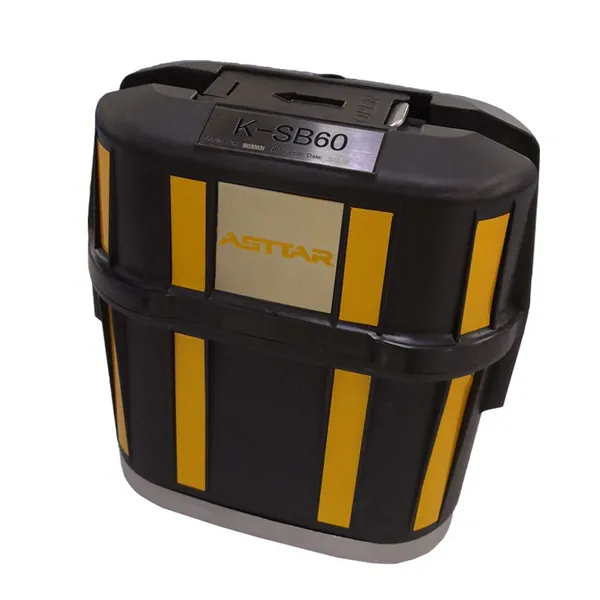
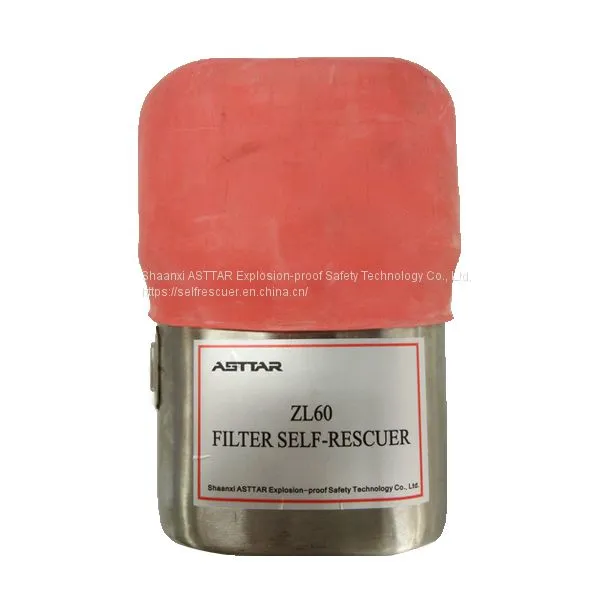
Self-rescuers carried for distribution to survivors are another key item. A worker who has lost or exhausted their personal escape device can be given a chemical oxygen self-rescuer or compressed oxygen unit to use during the evacuation. ASTTAR self-rescuers are designed for rapid deployment in exactly these conditions.
Mine Rescue Team Equipment Standards and Certifications
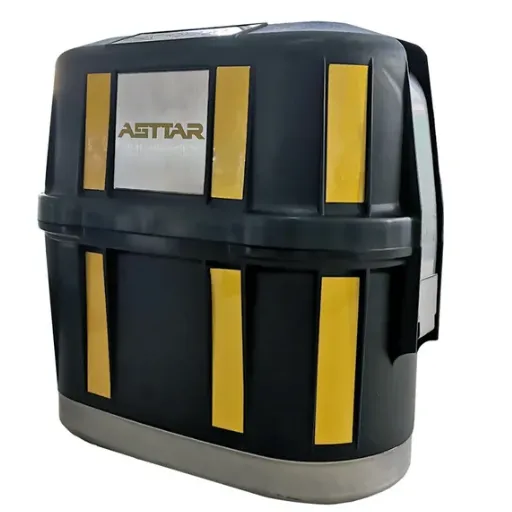
Mine rescue equipment must meet certification and quality standards that match both the hazard and the region. The table below shows the most common frameworks and the equipment they apply to.
| Standard or Regulator | Scope | Relevant Equipment |
|---|---|---|
| ATEX (EU Directive 2014/34/EU) | Equipment for explosive atmospheres in Europe | Breathing apparatus, detectors, lighting, radios |
| IECEx | International certification for explosive atmospheres | All electrical and mechanical rescue devices |
| MSHA (USA) | Mine-specific approvals in the United States | Breathing apparatus and gas detectors |
| GB standards (China) | National mining safety requirements | Full rescue cache in Chinese operations |
| ISO 9001 / 14000 / OHSAS 18001 | Manufacturer quality, environmental, and safety management | Supplier certification |
ATEX and IECEx Certification
Equipment used in explosive atmospheres must be certified to prevent ignition. ATEX is the European framework for equipment intended for use in potentially explosive atmospheres, while IECEx is an international certification system that many countries recognize or accept as equivalent. Underground mines with methane or coal dust fall into these categories, so breathing apparatus, detectors, lighting, and communication devices should carry appropriate protection levels.
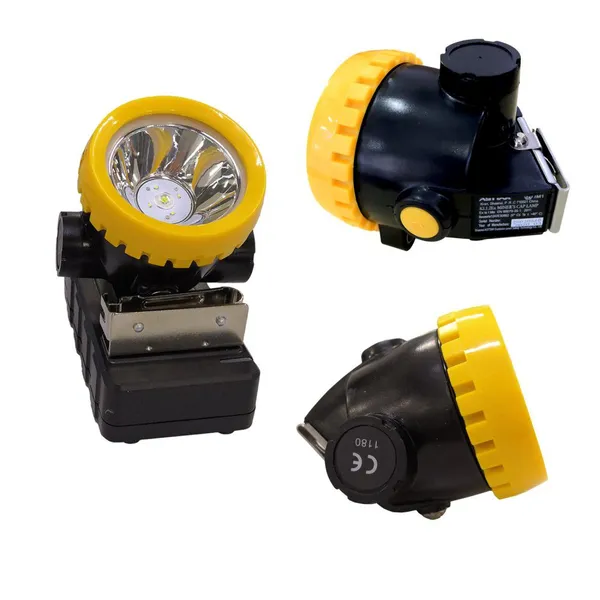
Certification labels should be checked before any equipment is placed in the rescue cache. Teams should also verify that the certificate scope matches the actual mine conditions, including gas group, temperature class, and equipment protection level. A certificate valid for surface industry may not cover underground methane atmospheres. ASTTAR certifications include CE and ATEX approvals where applicable, with documentation available for compliance review.
MSHA and Regional Mining Regulators
In the United States, the Mine Safety and Health Administration (MSHA) sets approval requirements for mine rescue team equipment, including breathing apparatus and gas detectors. MSHA-approved apparatus must meet specific performance criteria for duration, breathing resistance, and temperature exposure. Other countries have their own national approvals, such as GB standards in China or the Mining Certificate in South Africa.
Procurement teams should list required approvals in the technical specification before buying. Accepting non-approved equipment, even temporarily, can create liability and regulatory violations. It can also introduce incompatibility with training programs and spare parts supply chains.
ISO Quality Management Systems
The manufacturer behind the equipment matters as much as the certificate on the label. ISO 9001 quality management systems, ISO 14000 environmental management, and OHSAS 18001 occupational health and safety management provide assurance that the equipment is produced under controlled, documented conditions. For mine rescue equipment, where a single defect can cost lives, supplier quality systems deserve close scrutiny.
Shaanxi ASTTAR Explosion-proof Safety Technology Co., Ltd. operates under ISO 9001, ISO 14000, and OHSAS 18001 management systems. Our production processes are governed by safety production management at the core, with testing and inspection integrated from component sourcing to final shipment. This discipline is why rescue teams and mining operators in dozens of countries rely on ASTTAR mine rescue equipment.
How to Select Mine Rescue Team Equipment
Selecting the right mine rescue equipment starts with a hazard assessment. The procurement team should identify the gases present, the likely emergency scenarios, the distance and depth of workings, and the number of personnel who might need rescue. These factors determine the required breathing duration, detector sensor configuration, communication range, and stretcher capacity.
Next, compare equipment against a standardized specification. Require test reports, certification documents, and maintenance manuals before purchase. Ask the supplier for reference installations in similar mines. A manufacturer that cannot explain how its apparatus performs at high temperatures or how often sensors need calibration is a risk, not a partner.
Compatibility is often overlooked. A rescue cache built from multiple suppliers may have different charging fittings, calibration gases, and spare parts. Standardizing on a single supplier or a tightly integrated product family reduces training burden and ensures that spare parts are available when needed. Contact ASTTAR's safety engineering team for a specification review of your mine rescue team equipment plan.
Finally, plan for lifecycle costs. The purchase price is only the beginning. Maintenance, calibration gas, absorbent cartridges, spare cylinders, and training consumables add up over time. A lower unit price can become more expensive if consumables are hard to source or if the device requires frequent factory service.
Training and Readiness: Equipment Is Only Part of the Solution
Even the best mine rescue equipment is useless if the team cannot deploy it under stress. Rescue teams should train in realistic conditions at least quarterly, including smoke-filled galleries, simulated gas alarms, and casualty extraction drills. Training should cover not only the operation of each device but also team procedures, communication protocols, and decision-making under pressure.
Maintenance must follow a written schedule. Breathing apparatus should be inspected before and after every use, with cylinders checked for pressure and seals checked for damage.
Gas detectors need bump tests before deployment and full calibration at intervals defined by the manufacturer and local regulation. Protective clothing should be inspected for tears, melted areas, or worn reflective strips.
Documentation supports readiness. Every piece of rescue team equipment should have a log showing purchase date, inspection dates, maintenance actions, and expiration of consumables. Digital systems make this easier, but paper logs remain acceptable if they are current and accessible.
Common Questions About Mine Rescue Team Equipment
What equipment does a mine rescue team carry?
A typical mine rescue team carries positive-pressure breathing apparatus, multi-parameter gas detectors, communication and tracking systems, flame-resistant protective clothing, helmets, boots, gloves, first-aid supplies, stretchers, and spare self-rescuers for survivors. The exact inventory is tailored to the mine's hazards and local regulations.
How often should mine rescue team equipment be inspected?
Breathing apparatus and gas detectors should be inspected before and after every use, with detailed maintenance at intervals defined by the manufacturer. Most teams perform full equipment readiness checks at least monthly, plus quarterly drills that test every major system under realistic conditions.
What certifications should mine rescue equipment have?
Equipment used in explosive atmospheres should carry ATEX or IECEx certification. Regionally, MSHA approval is required in the United States, while other countries recognize GB, CE, or national mining approvals. The supplier should also operate under ISO 9001 quality management.
How long does rescue breathing apparatus last?
Professional positive-pressure breathing apparatus for mine rescue typically provides 2 to 4 hours of breathing time, depending on cylinder size and work rate. Teams also carry spare cylinders and may use self-rescuers to extend protection for survivors during evacuation.
Can one supplier provide a complete mine rescue cache?
Yes. An integrated supplier can provide breathing apparatus, gas detectors, lighting, self-rescuers, and instrumentation from a single certified platform. This simplifies documentation, training, spare parts, and compatibility across the rescue cache.
Conclusion
Mine rescue team equipment is the last line of defense when an underground emergency threatens worker safety. Breathing apparatus, gas detectors, communication systems, protective clothing, and casualty-handling tools must work together as an integrated system. Certification, maintenance, and training are what transform that system from a collection of devices into a reliable rescue capability.
If you are building or refreshing a mine rescue cache, start with a hazard assessment and a written equipment specification. Verify certifications against the actual mine atmosphere, standardize where possible, and schedule the maintenance and drills that keep the team ready. Contact ASTTAR's safety engineering team for a specification review, or explore our breathing apparatus and rescue equipment designed for underground rescue operations.
Recently Posted
-
Explosion Proof Flood Light for Mining: A 2026 Selection Guide
July 29, 2026An explosion proof flood light for mining is a high-output, certified LED fixture designed to illuminate large work areas, stockpi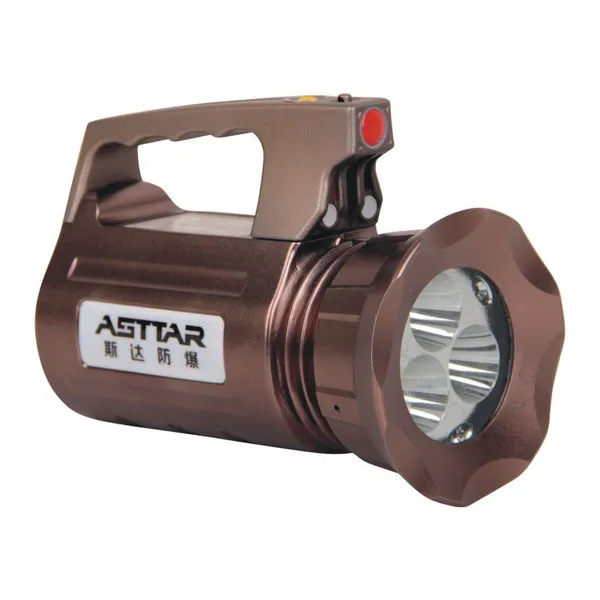 Read More
 -
Mechanical Anemometer for Mining: A 2026 Ventilation Survey Guide
July 29, 2026A mechanical anemometer for mining is a hand-held or bracket-mounted instrument that measures air velocity in underground roadways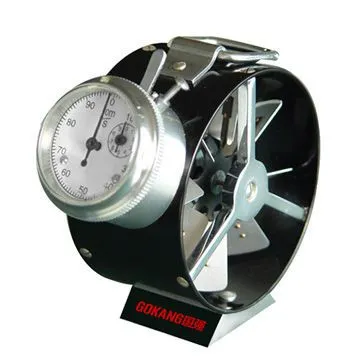 Read More
 -
LED Flameproof Tunnel Light for Mining: 2026 Selection Guide
July 29, 2026An LED flameproof tunnel light for mining is a fixed luminaire built inside a flameproof (Ex d) enclosure that contains any intern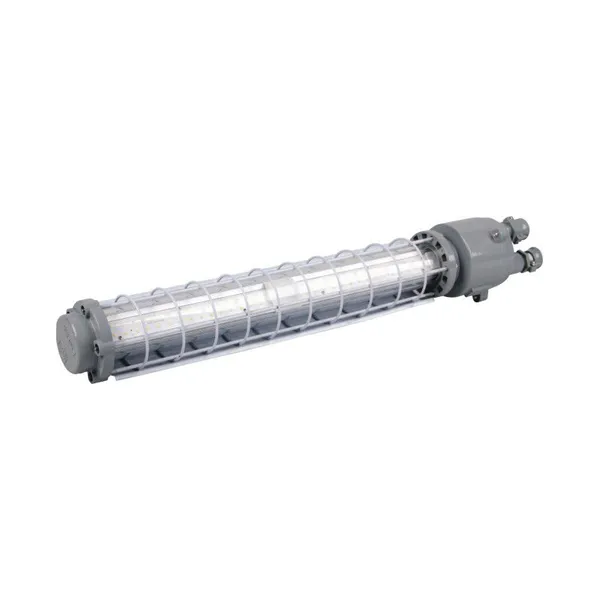 Read More
 -
Wholesale Mining Safety Equipment: A 2026 Procurement Guide
July 24, 2026Wholesale mining safety equipment is the bulk purchase of certified protective gear, escape devices, lighting, gas detection, and Read More

Contact Us

Recommended Products
-
 CE Certified 30 Minutes Closed Circuit Mining Oxygen Self-rescuerNegotiableMOQ: 1 Piece
 -
Kl3lm (A) Cordless Intrinsically Safe LED Headlamp for Mining, Camping, and Outdoor ActivitiesNegotiableMOQ: 1 Piece
-
Portable ZL60 Filter Self Rescuer Lightweight Underground Personal Breathing DeviceNegotiableMOQ: 1 Piece
-
Explosion Proof Infrared Thermometer 700 Degree CNegotiableMOQ: 1 Piece
-
HYZ2 Isolated Positive Pressure Oxygen Breathing Apparatus PC Face Shield Aluminized FabricNegotiableMOQ: 1 Piece
-
KL1.2Ex LED Miner Cap Lamp ATEX Explosion Proof Mining HeadlampUS$ 75 - 85MOQ: 1 Piece
-
HYZ4 Isolated Positive Pressure Oxygen Breathing Apparatus 20MPa Carbon Fiber Cylinder 4-Hour DurationNegotiableMOQ: 1 Piece
-
KL6LM (A) Intrinsically Safe High Brightness Miner's Cap LampUS$ 120 - 150MOQ: 1 Piece
-
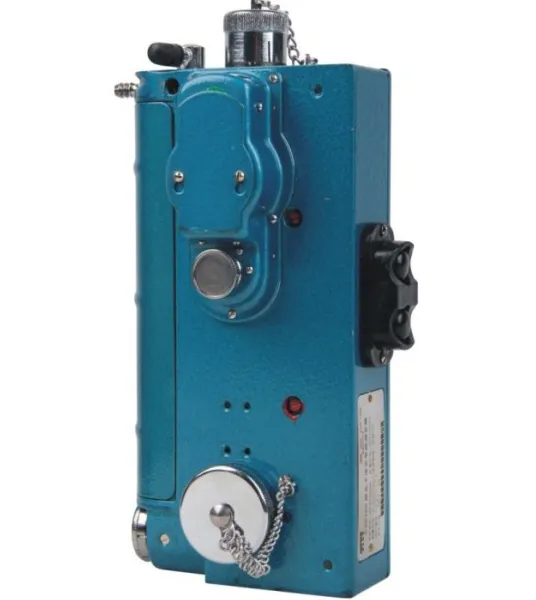
Mining Intrinsically Safe CJG10 Methane Detector Optical Interference Principle Gas Measuring InstrumentNegotiableMOQ: 1 Piece
-
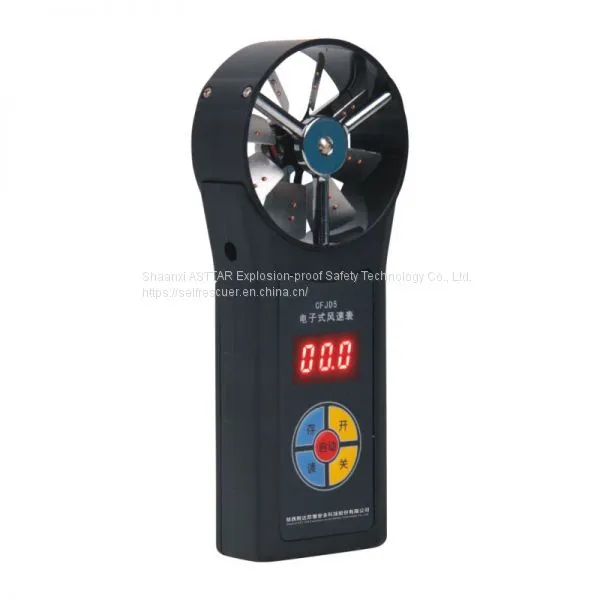
Explosion Proof Underground Mine Electronic AnemometerUS$ 120 - 150MOQ: 1 Piece
-
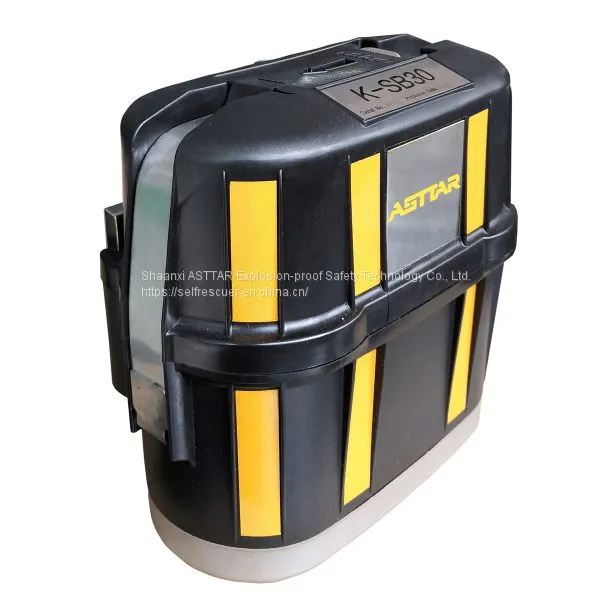
CE Certified 30 Minutes Isolated Breathing Protection Chemical Oxygen Self RescuerNegotiableMOQ: 1 Piece
-
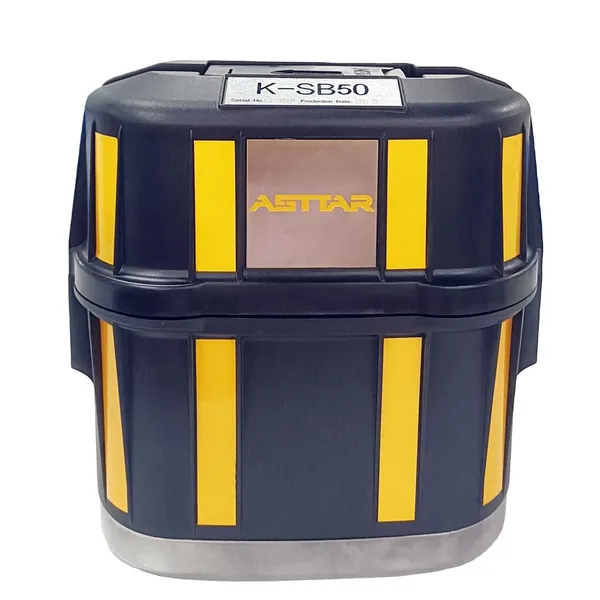
K-SB50 Self Contained Oxygen Escape Device Built-In Humidity Indicator For Mine Fire RescueNegotiableMOQ: 1 Piece
-
60 Minutes CE Approved Self-Contained Self-Rescuer K-Sb60 for Miner SafetyNegotiableMOQ: 1 Piece
-
Lightweight Portable K-SB60 KO2 Oxygen Generating Self Rescuer For Confined Space Industrial Emergency UseNegotiableMOQ: 1 Piece
-
ZL60 60 Minutes Carbon Monoxide Filter Self RescuerUS$ 120 - 150MOQ: 1 Piece
-
Fire Fighting Oxygen Rebreather Mine Chemical Self-Rescuer Portable Isolated Breathing EquipmentNegotiableMOQ: 1 Piece
-
ZY30X Isolated Compressed Oxygen Self Rescuer Self Contained Breathing Escape DeviceUS$ 120 - 150MOQ: 1 Piece
-
ZY45X Mining Self Rescuer Self Rescue Packs For Low Oxygen Toxic Gas EnvironmentNegotiableMOQ: 1 Piece
-
Portable ZY45X Self Rescue Breathing Apparatus Emergency Escape Breathing DevicesNegotiableMOQ: 1 Piece
-
0.6L Oxygen Cylinder ZY45X Self Rescue Respirator Underground Mining Self RescuerNegotiableMOQ: 1 Piece