
 Business License
Refuge Chamber Equipment Mining Operations Need in 2026
Refuge chamber equipment for mining includes breathable air, water, food, communication systems, sanitation, first-aid supplies, and gas monitoring devices that keep trapped workers alive until rescue arrives. A mine refuge chamber is not a storage room or a break area; it is a life-support system that must function independently of mine power, ventilation, and communication networks during an emergency. The equipment inside must match the number of occupants, the expected rescue time, and the specific hazards of the mine.
When Yuki reviewed the refuge chambers at an underground nickel mine in Western Australia in early 2025, she found water bottles past their use-by date, air cylinders last inspected two years earlier, and a carbon dioxide scrubber with no spare chemicals. The chamber looked compliant on the surface inspection checklist, but it could not have sustained a crew for the 36-hour rescue timeline the mine's emergency plan assumed. Yuki replaced the consumables, added redundant communication paths, and tied every item to a monthly inspection record. Six months later, an unplanned power outage trapped a crew for four hours. The emergency shelter mining crew relied on worked as designed, and the miners later told investigators that the stocked water and working intercom kept them calm.
This guide explains what refuge chamber equipment mining operations need, how each item supports survival, and how to select, stock, and maintain a chamber to regulatory standards. You will learn the difference between static and portable refuge chambers, the calculation behind air and water quantities, and the common mistakes that leave emergency shelters under-equipped.
Need help auditing your refuge chamber inventory? Contact the ASTTAR safety team for a site-specific checklist that matches your mine's rescue timeline and regulations.
Key Takeaways
Refuge chamber equipment for mining must provide independent breathable air, water, food, communication, sanitation, first aid, and gas monitoring.
Air supply and CO2 scrubbing are the most critical systems; both must be sized for the maximum number of occupants and the planned rescue duration.
Every item needs an inspection schedule, expiry tracking, and replacement before it fails.
Communication and lighting must work without mine power and should have redundant backups.
A chamber that is not maintained is a liability, not a refuge.
What Is a Mine Refuge Chamber?
A mine refuge chamber is a sealed or pressurized shelter designed to protect workers from fire, explosion, inundation, or toxic gas release when evacuation is not immediately possible. It provides a breathable atmosphere, physical protection, and survival supplies until a rescue can be organized or the mine can be made safe again.
Refuge chambers fall into two main categories:
Static refuge chambers: Permanently installed shelters located at strategic points underground, such as near working faces, along main haulage roads, or close to shafts.
Portable or mobile refuge chambers: Movable units that can be relocated as mining fronts advance. They are common in development headings and remote operations.
Both types must meet national mining regulations and industry standards for structural integrity, atmosphere control, and survival duration. The CDC/NIOSH refuge chamber overview provides guidance on chamber design, location, and survivability research based on U. S. mining experience. A properly equipped underground refuge chamber is the last line of defense when an escape route is blocked.
Essential Refuge Chamber Equipment for Mining
The exact equipment list varies by jurisdiction, but the core categories are consistent. A chamber must keep people alive, healthy, and in contact with rescuers for the full expected rescue duration.
Breathable Air Supply
Breathable air is the most critical refuge chamber equipment. Mining operations typically rely on one or more of the following systems:
Compressed oxygen cylinders: Store breathable oxygen that can be released to maintain oxygen levels.
Chemical oxygen generators: Produce oxygen through a chemical reaction, often used as a backup.
Air tanks or mine air buffering: Some chambers store compressed air from the mine's breathable supply.
The air supply must be sized for the number of occupants and the duration. A typical rule of thumb is 0.5 to 1.0 liter of oxygen per person per minute, but the exact calculation must follow manufacturer specifications and local regulations.
Carbon Dioxide Scrubbing
Humans exhale carbon dioxide. Without removal, CO2 concentrations in a sealed chamber can reach dangerous levels within hours. Scrubbing systems use chemical absorbents, typically soda lime, to capture CO2. Spare scrubber material and redundant scrubber units must be kept on hand because the chemical capacity is finite and must match the occupant load and time.
Water and Food
Water is more important than food in the short term. Most standards require at least 4 liters of drinking water per person per day. High-heat mines may need more. Food should be high-calorie, non-perishable, and suitable for people who may be under stress. Both water and food must be replaced before expiry dates.
Communication Systems
A trapped crew must be able to communicate with surface control and rescue teams. Refuge chamber communication should include:
A hardwired mine phone or intercom.
A backup radio or leaky feeder connection.
A redundant method such as a seismic signaling device or compressed-air horn.
The system must work without relying on the mine's main power. Battery-powered devices need regular testing and replacement.
Lighting and Power
Lighting inside the chamber must be independent of mine power. LED fixtures powered by internal batteries are common because they are efficient and long-lasting. The chamber should also have backup batteries for communication devices and gas monitors.
Gas Monitoring
Gas monitors inside the chamber track oxygen, carbon dioxide, carbon monoxide, and methane levels. These instruments warn occupants if the internal atmosphere deteriorates or if external gas is entering the shelter. Monitors must be calibrated and tested on the same schedule as other mine gas detection equipment.
For portable gas monitoring options, see the ASTTAR gas detectors range and our methane detection best practices guide.
Sanitation and Waste Management
A chamber may need to support occupants for a day or longer. Portable toilets, waste bags, hygiene wipes, and disinfectant reduce health risks and maintain morale. These refuge chamber supplies are often overlooked but are required by many regulations.
First-Aid and Medical Supplies
First-aid kits should include trauma supplies, burn dressings, personal medications if known, and basic resuscitation equipment. Some mines also stock automated external defibrillators and thermal blankets depending on crew health assessments.
Tools and Entry Sealing Materials
Chambers may need materials to seal gaps, repair damage, or control smoke ingress. Fire-resistant sealant, wedges, tarps, and basic hand tools can be essential if the chamber is damaged during an incident.
Sizing Refuge Chamber Equipment Mining Operations Need
Sizing is not guesswork. It depends on four factors:
Maximum number of occupants: The chamber must be sized for the largest crew that could reasonably reach it.
Expected rescue duration: This is usually based on the mine's emergency response plan and historical rescue timelines.
Heat load: Occupants and equipment generate heat. Without cooling, chamber temperature can rise to dangerous levels, especially in deep or hot mines.
Atmospheric conditions: Methane, CO, and other gases may affect the chamber's sealing and air management requirements.
At a platinum mine in South Africa, the emergency planning team, led by Thabo, discovered that their mine refuge chambers were sized for 12 people but the development crews working nearby had grown to 18. The air supply and CO2 scrubbers were undersized for the actual occupancy. After a formal review, the mine added a second chamber, upgraded the scrubber capacity, and restricted crew sizes in that area until the new shelter was operational.
Maintenance and Inspection Requirements
A chamber is only as reliable as its maintenance program. Every item inside has a finite life or inspection interval.
| Equipment | Inspection Frequency | Common Failure Points |
|---|---|---|
| Oxygen cylinders | Monthly pressure check, annual hydrostatic test | Leaks, valve damage, pressure loss |
| CO2 scrubber chemicals | Monthly condition check, replace per expiry | Caking, moisture absorption, exhausted capacity |
| Water and food | Monthly expiry and quantity check | Contamination, leakage, spoilage |
| Communication devices | Weekly functional test | Dead batteries, cable damage, failed connections |
| Lighting | Weekly functional test | Battery degradation, fixture damage |
| Gas monitors | Monthly calibration check | Sensor drift, battery failure, blocked inlets |
| Sanitation supplies | Monthly inventory check | Depletion, drying out, package damage |
| First-aid kit | Monthly expiry and inventory check | Expired medications, missing items |
| Seals and doors | Monthly visual and pressure test | Gasket deterioration, corrosion, physical damage |
Records should be kept at the chamber and at surface control. A missing or incomplete log is often the first sign of a chamber that will fail when it is needed.
Training and Drills
Workers must know where chambers are, how to enter them, and how to operate the equipment. Training should cover:
Location and routes to the nearest refuge chamber.
How to seal the chamber and start the air and scrubbing systems.
How to use communication devices and gas monitors.
What to do if a system fails.
Basic hygiene and waste management during occupancy.
Drills should simulate realistic conditions, including loss of mine power and communication. A crew that has never opened a scrubber canister in the dark will struggle during a real emergency.
At a coal mine in Appalachia, a drill revealed that the emergency communication panel inside a chamber had been updated, but the training slides still showed the old model. Several workers could not locate the new power switch. The safety department retrained the crews using the actual chamber panel and posted a simple diagram inside the shelter. The next drill showed a 90% reduction in setup time.
Common Mistakes with Refuge Chamber Equipment Mining
Even well-run mines make errors that compromise refuge chamber readiness.
Stocking for the minimum duration. Rescue can take longer than planned; chambers should be sized with a safety margin.
Ignoring expiry dates. Water, food, batteries, and scrubber chemicals all expire.
Failing to account for heat. An unventilated chamber in a hot mine can exceed safe temperatures in hours.
Single points of failure. One communication device, one air source, or one scrubber is not enough.
Poor documentation. Without records, problems are not caught until an audit or an emergency.
Inadequate training. Workers who cannot operate the equipment will not survive as long as the chamber could support them.
Forgetting sanitation. Extended occupancy without waste management creates health and morale problems.
Selecting Refuge Chamber Equipment Mining Suppliers
When choosing equipment suppliers, safety managers should verify more than price and delivery time.
Certification alignment: Equipment used in explosive atmospheres should carry ATEX, IECEx, or the relevant national mining certification. The IECEx system provides an international framework for verifying explosion-protected equipment.
Technical support: Suppliers should provide manuals, training materials, and spare parts.
Integration with mine systems: Communication and gas monitoring should interface with existing mine infrastructure where possible.
Documentation package: Good suppliers provide inspection templates, expiry tracking sheets, and compliance certificates.
For breathing apparatus and rescue equipment that complements refuge chambers, see the ASTTAR breathing apparatus range. For escape devices that workers carry to reach a chamber, see the ASTTAR self-rescuers range or read our self-rescuer selection guide.
Frequently Asked Questions
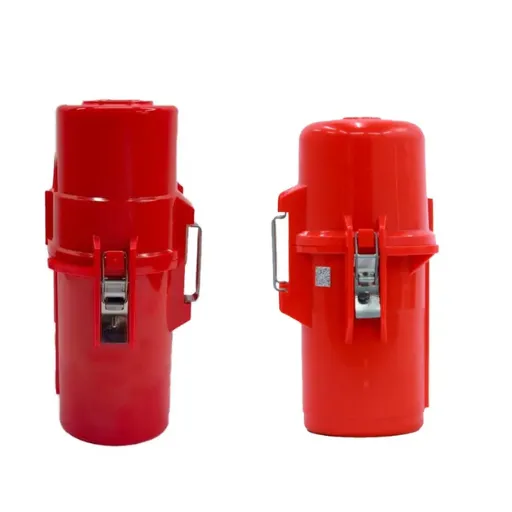
What is refuge chamber equipment for mining?
Refuge chamber equipment for mining includes breathable air, CO2 scrubbing, water, food, communication devices, lighting, gas monitors, sanitation, first-aid supplies, and sealing materials. These items keep workers alive in a sealed shelter until rescue arrives.
How long should a mine refuge chamber supply last?
A mine refuge chamber should supply occupants for at least the planned rescue duration in the mine's emergency response plan, plus a safety margin. Many regulations require a minimum of 24 to 96 hours depending on mine depth, access, and response capabilities.
What is the most critical equipment in a refuge chamber?
Breathable air and carbon dioxide scrubbing are the most critical systems. Without them, occupants will suffocate or be poisoned by CO2 before rescue can arrive. Communication, water, and lighting are also essential for survival and coordination.
How often should refuge chamber equipment be inspected?
Most refuge chamber equipment should be inspected monthly, with weekly checks for communication devices and lighting. Oxygen cylinders, scrubber chemicals, water, food, and first-aid supplies all have expiry dates that must be tracked and replaced on schedule.
What is the difference between a static and a portable refuge chamber?
A static refuge chamber is permanently installed at a fixed underground location. A portable refuge chamber can be moved as mining fronts advance. Both must meet the same survival and equipment standards for their expected occupancy and duration.
What certifications should refuge chamber equipment have?
Refuge chamber equipment used in explosive atmospheres should carry ATEX, IECEx, or national mining approvals. The chamber itself and its electrical, communication, and gas monitoring devices must all be certified for the mine's hazard classification.
Conclusion
Refuge chamber equipment for mining is a specialized survival system, not a checklist of supplies to be filled once and forgotten. Breathable air, CO2 scrubbing, water, food, communication, lighting, gas monitoring, sanitation, first aid, and sealing materials each play a role in keeping trapped workers alive until rescue. Every item must be sized for the actual number of occupants and the realistic rescue duration, then maintained and replaced on a disciplined schedule.
A complete underground safety strategy connects refuge chambers to the mine's broader emergency plan. For a full overview of essential gear, see our guide to essential safety equipment for underground mining.
The most common failures are not design flaws; they are maintenance, training, and documentation gaps. An expired water supply, a dead backup battery, or a crew that cannot operate the scrubber turns a survivable event into a tragedy. Mines that treat refuge chambers as active safety systems rather than passive compliance items give their workers a real chance in an emergency.
ASTTAR supplies certified self-rescuers, breathing apparatus, gas detectors, explosion-proof lighting, and related safety equipment that support both escape and refuge strategies. View ASTTAR certifications to verify compliance documentation for your audit. If you are reviewing your refuge chamber inventory or building an emergency shelter plan, contact our safety team for a site-specific checklist that matches your mine's regulations, hazards, and rescue timeline. The right refuge chamber equipment, properly maintained and trained on, is one of the most important investments a mine can make in worker survival.
Recently Posted
-
Mechanical Anemometer for Mining: A 2026 Ventilation Survey Guide
July 24, 2026A mechanical anemometer for mining is a hand-held or bracket-mounted instrument that measures air velocity in underground roadways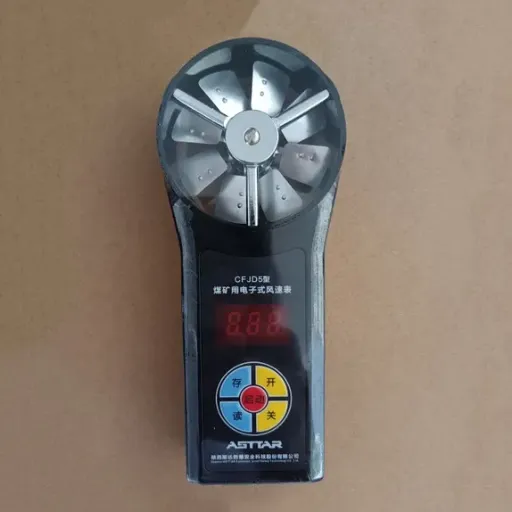 Read More
 -
Wholesale Mining Safety Equipment: A 2026 Procurement Guide
July 24, 2026Wholesale mining safety equipment is the bulk purchase of certified protective gear, escape devices, lighting, gas detection, and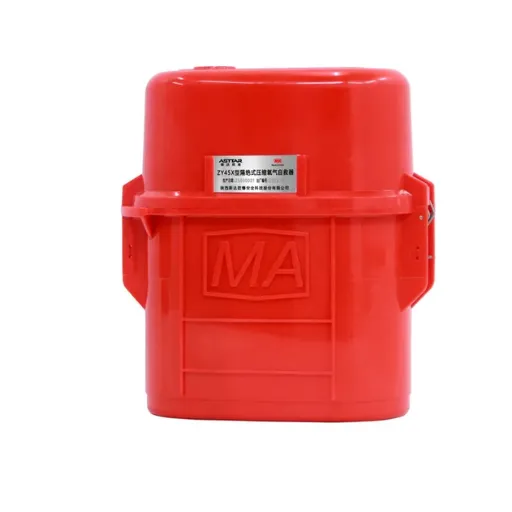 Read More
 -
Mining Safety Equipment Checklist for 2026
July 24, 2026A complete mining safety equipment checklist covers respiratory protection, gas detection, lighting, personal protective equipment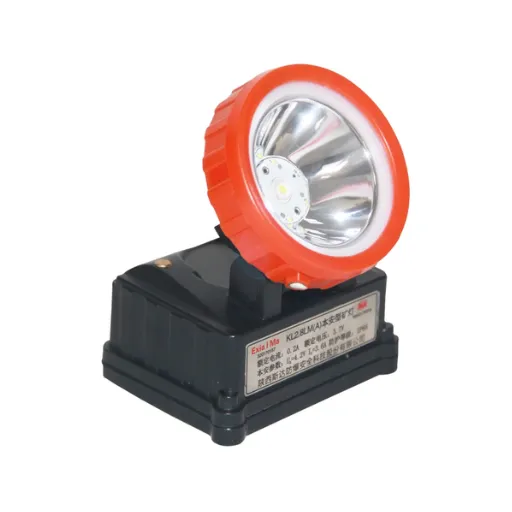 Read More
 -
Breathing Apparatus for Mine Rescue: A 2026 Selection and Deployment Guide
July 24, 2026Breathing apparatus for mine rescue is specialized respiratory protection that supplies independent breathable air to rescue teams Read More

Contact Us

Recommended Products
-
 CE Certified 30 Minutes Closed Circuit Mining Oxygen Self-rescuerNegotiableMOQ: 1 Piece
 -
CE Certified 30 Minutes Isolated Breathing Protection Chemical Oxygen Self RescuerNegotiableMOQ: 1 Piece
-
K-SB50 Self Contained Oxygen Escape Device Built-In Humidity Indicator For Mine Fire RescueNegotiableMOQ: 1 Piece
-
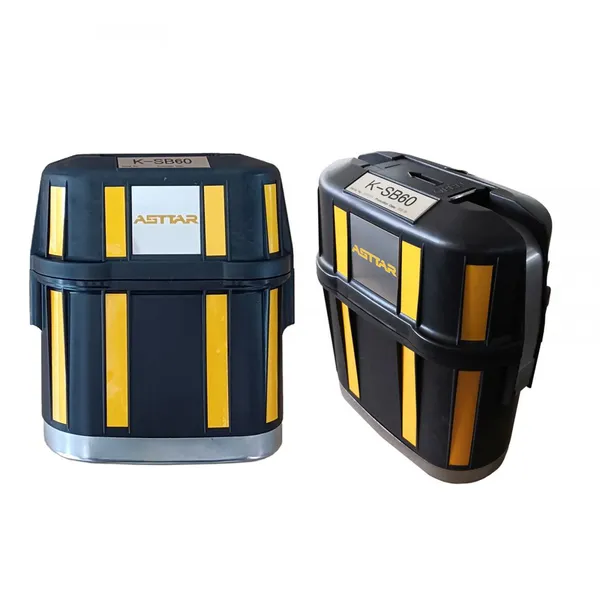
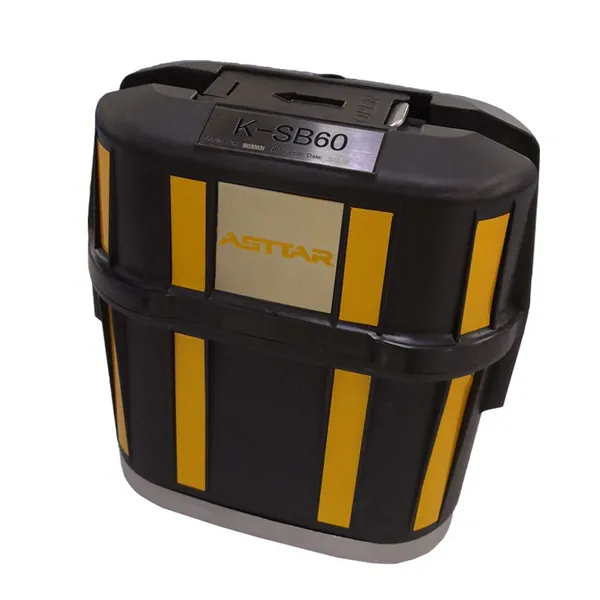
60 Minutes CE Approved Self-Contained Self-Rescuer K-Sb60 for Miner SafetyNegotiableMOQ: 1 Piece
-
Lightweight Portable K-SB60 KO2 Oxygen Generating Self Rescuer For Confined Space Industrial Emergency UseNegotiableMOQ: 1 Piece
-
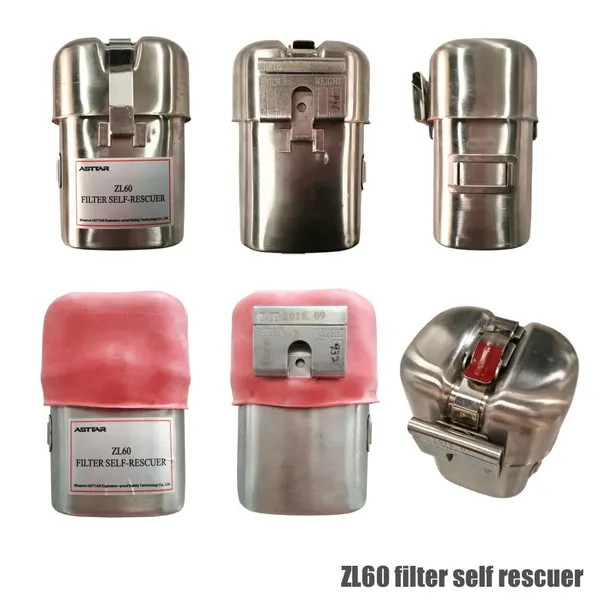
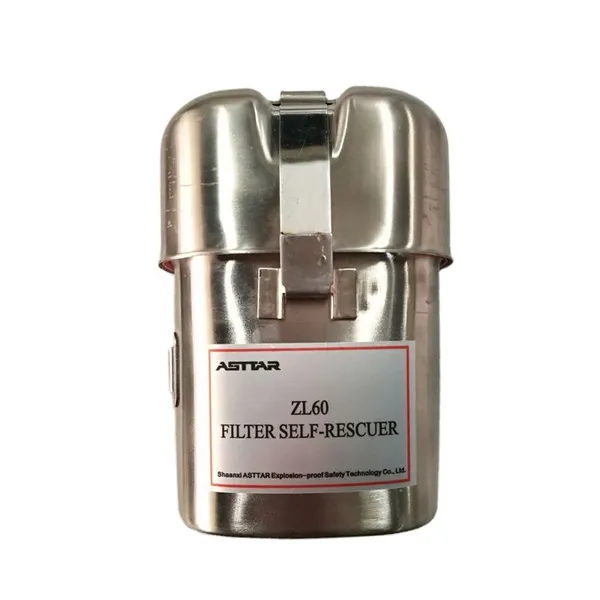
Portable ZL60 Filter Self Rescuer Lightweight Underground Personal Breathing DeviceNegotiableMOQ: 1 Piece
-
Fire Fighting Oxygen Rebreather Mine Chemical Self-Rescuer Portable Isolated Breathing EquipmentNegotiableMOQ: 1 Piece
-
ZL60 60 Minutes Carbon Monoxide Filter Self RescuerUS$ 120 - 150MOQ: 1 Piece
-
ZY30X Isolated Compressed Oxygen Self Rescuer Self Contained Breathing Escape DeviceUS$ 120 - 150MOQ: 1 Piece
-
ZY45X Mining Self Rescuer Self Rescue Packs For Low Oxygen Toxic Gas EnvironmentNegotiableMOQ: 1 Piece
-
Portable ZY45X Self Rescue Breathing Apparatus Emergency Escape Breathing DevicesNegotiableMOQ: 1 Piece
-
0.6L Oxygen Cylinder ZY45X Self Rescue Respirator Underground Mining Self RescuerNegotiableMOQ: 1 Piece
-
Atex 6ah 7000lux IP65 Mining Industrial Use Ex Proof LED Cap Lamp Safety HeadlampUS$ 98 - 110MOQ: 1 Piece
-
KL6Ex ATEX Rechargeable High Brightness Corded LED Headlamp Miner Cap LampUS$ 98 - 110MOQ: 1 Piece
-
ATEX-Certified KL6Ex Mining Lamp: Essential Safety for Underground OperationsUS$ 98 - 110MOQ: 1 Piece
-
KL1.2Ex LED Miner Cap Lamp ATEX Explosion Proof Mining HeadlampUS$ 75 - 85MOQ: 1 Piece
-
ATEX Cordless LED Cap Lamp Underground Mining Safety HeadlampUS$ 75 - 85MOQ: 1 Piece
-
Rechargeable Wireless LED Mining Headlamp for Potentially Explosive EnvironmentsUS$ 75 - 85MOQ: 1 Piece
-
KL6LM (A) Intrinsically Safe High Brightness Miner's Cap LampUS$ 120 - 150MOQ: 1 Piece
-
5Ah Rechargeable LED Cordless Miner\'s HeadlampUS$ 85 - 98MOQ: 1 Piece