
 Business License
Breathing Apparatus for Mine Rescue: A 2026 Selection and Deployment Guide
Breathing apparatus for mine rescue is specialized respiratory protection that supplies independent breathable air to rescue teams during search, recovery, and casualty evacuation underground. Unlike escape-only devices, rescue breathing apparatus must support strenuous work, communication, and extended exposure in toxic or oxygen-deficient atmospheres.
When a mine emergency occurs, the equipment a rescue team carries is not a marginal detail. It determines how far they can go, how long they can stay, and whether they can bring a casualty back. Selecting the right mine rescue breathing apparatus means balancing duration, mobility, certification, and training against the specific hazards of the operation. This guide explains how safety managers and procurement teams should evaluate, deploy, and maintain self-rescuers and mine rescue breathing apparatus in 2026.
Key Takeaways
Breathing apparatus for mine rescue must support extended work rates, not just escape. Duration, breathing resistance, and communications integration matter as much as filtration.
Positive pressure breathing apparatus is the standard for team rescue because it prevents inward leakage of contaminated atmosphere.
Mine rescue team equipment should be interoperable across masks, cylinders, regulators, and communications systems to avoid delays during deployment.
Regular inspection, hydrostatic cylinder testing, and recertification are mandatory. A breathing apparatus stored without maintenance is a liability.
Procurement decisions should combine product certification, supplier support, and realistic drill evidence rather than price alone.
What Is Breathing Apparatus for Mine Rescue?
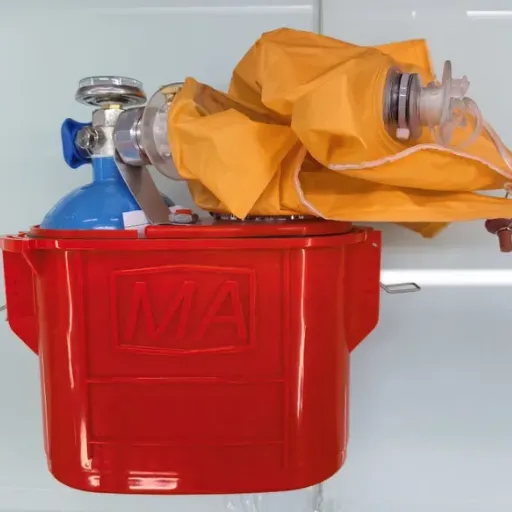
Mine rescue breathing apparatus refers to self-contained or supplied-air respiratory systems used by trained rescue teams to enter atmospheres that are immediately dangerous to life or health (IDLH). These devices isolate the wearer from ambient air and provide a regulated supply of breathable gas, typically compressed oxygen or compressed air.
The fundamental requirement is independence from the surrounding atmosphere. In a fire, explosion, or inundation event, oxygen levels may drop, toxic gases may accumulate, and smoke may reduce visibility to near zero. Rescue teams cannot rely on filters or ambient air. They need positive pressure systems that maintain a slight outward flow of breathable gas, preventing contaminants from entering the mask even if the face seal is imperfect.
Self-Rescuer vs. Breathing Apparatus for Mine Rescue
It is useful to distinguish between escape breathing devices and full rescue systems. Escape devices such as self-rescuers are compact, short-duration units carried by miners for personal evacuation. They are designed for one person to move toward the surface or a refuge chamber along a known route.
Rescue breathing apparatus, by contrast, is built for team entry into unknown or hazardous conditions. It supports search patterns, casualty handling, and physical exertion over longer periods. ASTTAR's self-rescuer range covers escape devices, while a chemical oxygen self-rescuer provides individual oxygen generation for personal evacuation. Breathing apparatus and rescue systems address the heavier demands of organized rescue.
Types of Mine Rescue Equipment and Breathing Apparatus
Mine rescue teams use several categories of respiratory protection. Each has a specific role, duration profile, and place within a broader mining emergency equipment strategy.
| Type | Typical Duration | Best For | Key Maintenance |
|---|---|---|---|
| Positive pressure breathing apparatus | 30–120 minutes | Team entry into IDLH atmospheres | Cylinder test, mask seal, regulator check |
| Long-duration rescue breathing apparatus | 60 minutes and above | Deep mines or extended search operations | Absorbent change, cylinder rotation |
| Automatic resuscitator | Variable casualty support | Evacuation of non-breathing casualties | Valve calibration, oxygen supply check |
Positive Pressure Breathing Apparatus
Positive pressure breathing apparatus is the most common configuration for mine rescue team equipment. In these systems, the pressure inside the face mask remains slightly higher than the surrounding atmosphere at all times during inhalation and exhalation. This overpressure creates a barrier that keeps contaminated air from entering if the mask seal is disturbed.
Most modern units use compressed oxygen or compressed air cylinders mounted on a backplate. Closed-circuit oxygen systems recycle exhaled breath through a carbon dioxide absorbent and add supplemental oxygen. They are efficient and can provide longer duration for a given cylinder size. Open-circuit compressed-air systems exhaust exhaled gas to the atmosphere and are simpler to maintain but require larger cylinders for the same operating time.
Long-Duration Rescue Breathing Apparatus
Long-duration units extend operational time beyond the 30 to 60 minutes typical of standard sets. They may use larger cylinders, dual-cylinder configurations, or closed-circuit oxygen regeneration. Some teams also use breathing apparatus with quick-connect airline trolleys for extended operations in fixed areas.
Duration requirements depend on the mine layout. A deep coal mine with long travelways and vertical shafts needs longer duration than a shallow operation with short adits. Teams should calculate worst-case travel time, search time, and reserve based on the mine's emergency response plan.
Automatic Resuscitators
Automatic resuscitators are not worn by rescuers. They provide ventilatory support to casualties who are not breathing adequately on their own. These devices deliver oxygen-enriched breaths at a controlled rate and volume during evacuation.
A resuscitator is part of a complete mine rescue equipment set, not a substitute for breathing apparatus. Teams should train on both the rescue set and the resuscitator so they can transition smoothly from casualty location to evacuation.
How to Choose Breathing Apparatus for Mine Rescue Teams

Selection should start with the mine's emergency response plan, not with a product catalog. A self-rescuer supports individual escape, while breathing apparatus supports team rescue. The following criteria help procurement teams and safety managers narrow the field.
Match Duration to the Mine Environment
The first question is how long a team may need to operate independently. Calculate the maximum time from deployment to return, including travel to the incident site, search and rescue, casualty handling, and return to fresh air. Then add a safety reserve, typically 25%.
In 2024, a zinc mine in Peru reviewed its rescue plan after a ventilation interruption. The existing breathing apparatus provided 45 minutes, but the longest return route took 38 minutes under normal conditions. After adding search time and reserve, the safety team upgraded to 60-minute closed-circuit units. The change cost more per set but eliminated a single-point-of-failure in their emergency response.
Verify Certification and Hazard-Area Suitability
Mine rescue breathing apparatus must carry certifications appropriate to the region and application. In Europe, ATEX certification may apply to electrical or electronic components used in explosive atmospheres. IECEx provides international recognition. MSHA approval may be required for certain underground applications in the United States.
Certification should cover the complete assembly, not just the cylinder or mask. Check whether the regulator, communications unit, and any integrated lighting are included in the approval. Partial certification can create compliance gaps during an audit or incident investigation.
Prioritize Interoperability Across Mine Rescue Team Equipment
Mine rescue team equipment works best when every team member uses compatible components. Mixed brands and cylinder connection types can cause delays during cylinder changes or parts replacement. Standardizing on one platform simplifies training, spare parts management, and incident logistics.
Interoperability also extends to communications. Rescue teams often work in pairs or larger groups linked by hardline or through-the-earth systems. Breathing apparatus masks should accommodate the chosen communications headset without compromising the face seal.
Evaluate Breathing Resistance and Work of Breathing
Breathing resistance affects how long a rescuer can work effectively. High resistance increases fatigue and reduces the margin available for strenuous tasks such as casualty carrying or debris removal. Look for apparatus with low breathing resistance over the rated duration and work rate.
Manufacturers typically publish breathing work data based on standardized testing. Ask for these values and compare them against the expected workload during rescue drills, not just laboratory conditions.
Deployment and Operational Readiness
Even the best mine rescue breathing apparatus is only as useful as the team that deploys it. Readiness depends on training, inspection routines, and realistic drills.
Donning Procedures and Team Drills
Rescue teams must be able to don breathing apparatus quickly and correctly under stress. Standard procedures include checking cylinder pressure, testing the low-pressure alarm, inspecting the face seal, and confirming communications. Drills should replicate low-visibility conditions, confined spaces, and elevated temperatures when possible.
When a South African gold mine updated its rescue protocols in 2025, the safety team introduced quarterly donning drills timed against a stopwatch. Average deployment time dropped from four minutes to under 90 seconds within two cycles. More importantly, team members reported greater confidence when entering simulated smoke-filled galleries.
Maintenance, Inspection, and Recertification
Breathing apparatus is life-safety equipment. It requires scheduled inspection before and after each use, plus periodic overhaul by qualified technicians. Key maintenance items include:
Cylinder hydrostatic testing according to national pressure-vessel regulations
Face mask seal inspection and replacement of degraded elastomers
CO2 absorbent cartridge replacement on closed-circuit units
Regulator and demand-valve function testing
Harness and cylinder-band integrity checks
Battery replacement for integrated alarms, lighting, or telemetry
Keep maintenance records for each set. Regulatory bodies such as MSHA in the United States and HSE in the United Kingdom expect documented evidence that rescue equipment is maintained in serviceable condition.
Storage Conditions
Store breathing apparatus in a clean, dry, temperature-controlled environment away from direct sunlight and chemical vapors. Cylinders should remain charged and pressure-checked regularly. Face masks should hang in a way that preserves their shape rather than being crushed against other equipment.
A dedicated rescue equipment room with individual racks, inspection tags, and a logbook helps teams maintain accountability. Storage conditions for mining emergency equipment such as resuscitators, gas detectors, and communication devices should follow manufacturer guidance. The room should be accessible only to authorized personnel to prevent tampering or accidental damage.
Integrating Mine Rescue Equipment Into Emergency Plans
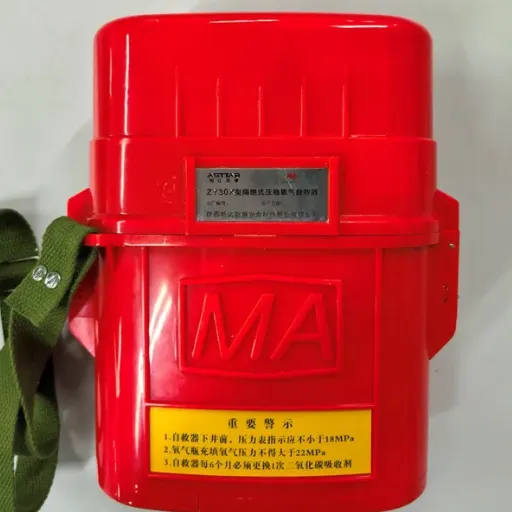
Mine rescue breathing apparatus does not operate in isolation. It connects to gas detection, refuge chambers, escape routes, and command structures.
Coordinate With Gas Detection and Atmospheric Monitoring
Rescue teams should carry multi-parameter gas detectors to monitor oxygen, methane, carbon monoxide, and hydrogen sulfide as they advance. Portable gas detectors provide early warning and help commanders decide whether conditions remain within the capability of the breathing apparatus.
Breathing apparatus protects the respiratory system. It does not protect against skin absorption of certain gases, explosive atmospheres, or physical hazards. Atmospheric monitoring remains essential throughout the rescue operation.
Link to Refuge and Escape Infrastructure
Refuge chambers, escape routes, and backup breathing apparatus should be positioned so that rescue teams can replenish air supplies or replace equipment without returning to the surface. Some mines install cached rescue sets at strategic points underground, especially where long travel distances are unavoidable.
Mining emergency equipment planning should treat breathing apparatus as one layer of a larger system. If the only rescue sets are on the surface, response time may exceed the window for effective intervention.
Mining Emergency Equipment Planning
A complete mining emergency equipment inventory goes beyond breathing apparatus. It includes refuge chambers, escape route signage, communication systems, first aid stations, gas detectors, and backup lighting. Each item should be specified, located, and inspected as part of a single emergency plan.
Procurement teams can use a structured checklist to align purchases with the mine emergency plan. Our coal mine safety equipment list provides a starting point for operations that need to coordinate daily PPE with rescue-level equipment.
Define Command and Communication Protocols
A clear chain of command prevents confusion during rescue operations. The team leader, backup team, surface coordinator, and medical support should all understand their roles. Communication protocols should specify how often teams check in, what information they report, and under what conditions they withdraw.
Common Mistakes When Procuring Mine Rescue Equipment
Procurement teams sometimes optimize for the wrong factors. Avoid these common errors.
Buying on Price Alone
Low-cost breathing apparatus may use thinner materials, less reliable regulators, or cylinders with shorter service life. The total cost of ownership includes maintenance, spare parts, training support, and recertification. A slightly higher purchase price is often offset by lower lifecycle cost and better reliability.
Ignoring Local Certification Requirements
A unit certified for one country may not satisfy regulators in another. Verify that the chosen model has the approvals required for the mine's jurisdiction. ASTTAR certifications include ISO management systems and CE/ATEX product approvals where applicable.
Neglecting Spare Parts and Technical Support
Rescue sets wear out. Masks degrade, seals harden, and regulators need overhaul. Before committing to a supplier, confirm the availability of spare parts and the supplier's ability to provide technical documentation and training. A supplier with no local support can leave a team unable to recertify equipment on schedule.
Selecting Equipment Without Drill Validation
Laboratory specifications do not always match underground reality. Validate breathing apparatus through realistic rescue drills that include the actual travel routes, heat, humidity, and physical tasks the team will face. Drill results often reveal issues that catalog data cannot predict.
Mine Rescue Equipment Standards and Certifications
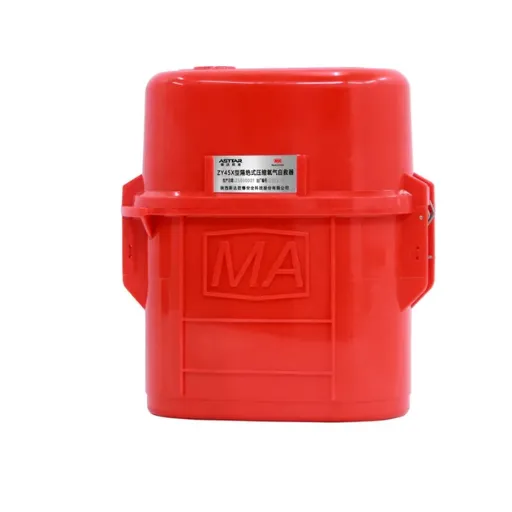
Understanding the standards behind breathing apparatus helps buyers verify claims and compare products fairly.
ISO and EN Standards
ISO 23269 and related standards cover breathing apparatus for use in mines and confined spaces. European standards such as EN 137 address self-contained open-circuit compressed-air breathing apparatus, while EN 145 covers self-rescuers. The self-rescuer and the rescue breathing apparatus may follow different standards because they serve different operational roles.
ASTTAR's ATEX vs IECEx certification guide explains how explosion-protection standards apply to mine rescue equipment in European and international markets. Always ask suppliers to identify the exact standard and edition to which a product is certified.
Regional Mining Regulations
National mining regulators often impose additional requirements beyond product standards. In the United States, MSHA approval may be required for certain types of respiratory equipment used underground. In Australia, state mining regulators may require equipment to meet AS/NZS standards. Buyers should cross-reference product certification with local mining law.
Material Traceability and Testing
Reputable manufacturers maintain material traceability for pressure vessels, harnesses, and critical elastomers. They also conduct production testing such as leak checks, regulator flow tests, and mask seal verification. Ask for a copy of the factory quality plan and typical test reports.
ASTTAR Support for Mine Rescue Breathing Apparatus
ASTTAR has supplied certified safety emergency technology since 1995. Our breathing apparatus and rescue equipment portfolio supports mine rescue teams, tunnelling contractors, and industrial emergency response units across domestic and international markets.
Our range includes isolated positive pressure oxygen breathing apparatus for rescue operations, automatic resuscitators for casualty support, and related spare parts and training resources. We operate under ISO 9001, ISO 14000, and OHSAS 18001 management systems, with CE and ATEX product certifications where applicable.
For mines building or refreshing their mine rescue team equipment inventory, ASTTAR can provide specification sheets, certification documents, and technical consultation. Contact our safety team to discuss duration requirements, cylinder configurations, and regional approval needs.
Frequently Asked Questions
What is the difference between a self-rescuer and breathing apparatus for mine rescue?
A self-rescuer is a compact, short-duration device carried by individual miners for emergency escape. Breathing apparatus for mine rescue is a larger, higher-capacity system used by trained rescue teams to enter hazardous areas, conduct searches, and evacuate casualties.
Why is positive pressure important in mine rescue breathing apparatus?
Positive pressure keeps the pressure inside the face mask slightly higher than the surrounding atmosphere. If the seal is momentarily broken, breathable gas flows outward instead of contaminated air flowing inward. This reduces the risk of exposure to toxic gases.
How long should mine rescue breathing apparatus last?
Duration depends on cylinder size, breathing rate, work intensity, and whether the system is open- or closed-circuit. Common rescue sets provide 30 to 120 minutes. Mines should select duration based on the longest anticipated return route plus search time and a safety reserve.
How often should breathing apparatus for mine rescue be inspected?
Visual and functional checks should occur before and after each use. Formal inspections follow manufacturer and regulatory schedules, typically monthly or quarterly. Cylinders require hydrostatic testing at intervals set by national pressure-vessel regulations.
What certifications should mine rescue breathing apparatus have?
Required certifications vary by region. Common approvals include ISO standards, EN standards, ATEX for explosive atmospheres, IECEx for international markets, and MSHA approval for certain U. S. underground applications. Always verify certification against the specific model number.
Can breathing apparatus be used in explosive atmospheres?
Breathing apparatus itself does not eliminate the explosive atmosphere hazard. However, certified units are designed to avoid ignition sources. Teams must still monitor gas concentrations and follow mine protocols for explosive atmospheres.
What training do mine rescue teams need for breathing apparatus?
Teams need training on donning and doffing, seal checks, cylinder changes, communications, emergency procedures, and maintenance basics. Regular drills in realistic conditions are essential to maintain proficiency.
How does breathing apparatus fit into overall mine rescue equipment planning?
Mine rescue breathing apparatus is one component of a complete mine rescue equipment plan. It should be coordinated with gas detectors, refuge chambers, escape signage, first aid, resuscitators, and communication systems. Our guide to mining safety equipment suppliers explains how to choose partners who can support the full rescue ecosystem.
What mine rescue team equipment should be standardized across the team?
Standardized mine rescue team equipment should include compatible breathing apparatus, cylinder connections, face masks, communications headsets, and gas detectors. Standardization reduces delays during cylinder changes, simplifies spare parts inventory, and makes training more consistent across shifts.
What mining emergency equipment should be staged alongside breathing apparatus?
Mining emergency equipment should include refuge chambers, escape route signage, communication systems, first aid stations, gas detectors, and backup lighting. These items should be inspected on the same schedule as breathing apparatus so that every part of the emergency response system is ready at the same time.
When should a mine rescue team choose positive pressure breathing apparatus?
Positive pressure breathing apparatus is the right choice whenever rescue teams must enter an atmosphere that is immediately dangerous to life or health. The positive pressure design prevents contaminated air from entering the mask if the seal is disturbed, which is critical in smoke, methane, or chemically toxic environments.
Conclusion
Breathing apparatus for mine rescue is not a generic PPE purchase. It is a critical control that determines whether a rescue team can operate effectively in an atmosphere that is otherwise unsurvivable. The right choice depends on the mine environment, the rescue plan, certification requirements, and the supplier's ability to support long-term maintenance. Mining emergency equipment such as refuge chambers, communication systems, and gas detectors must be planned as part of the same system.
Safety managers should select positive pressure breathing apparatus with adequate duration for the longest credible rescue scenario. They should standardize mine rescue team equipment to simplify training and logistics. They should also validate equipment through realistic drills and maintain strict inspection and recertification schedules. A self-rescuer gives an individual miner an escape route, but a full rescue breathing apparatus gives the team the capacity to save lives.
ASTTAR supplies certified breathing apparatus, self-rescuers, and gas detection equipment for mines and emergency response teams worldwide. If you are reviewing mine rescue equipment for your operation, contact our safety team to request documentation, compare specifications, or arrange a technical consultation.
The International Labour Organization emphasizes that safe mining requires both reliable equipment and competent people. With the right mine rescue breathing apparatus, trained teams, and disciplined maintenance, mines can be prepared for emergencies rather than merely hopeful that they will not occur.
Recently Posted
-
Mechanical Anemometer for Mining: A 2026 Ventilation Survey Guide
July 24, 2026A mechanical anemometer for mining is a hand-held or bracket-mounted instrument that measures air velocity in underground roadways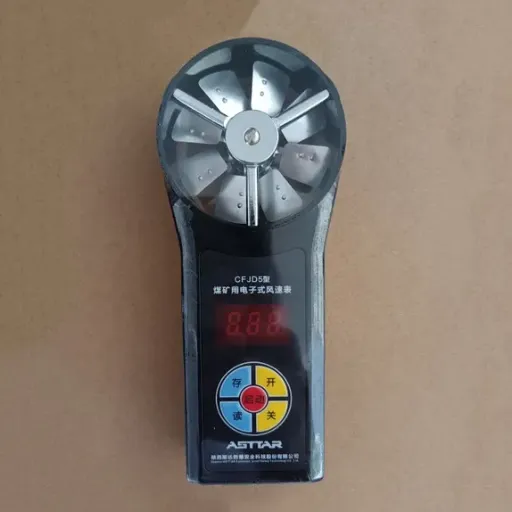 Read More
 -
Wholesale Mining Safety Equipment: A 2026 Procurement Guide
July 24, 2026Wholesale mining safety equipment is the bulk purchase of certified protective gear, escape devices, lighting, gas detection, and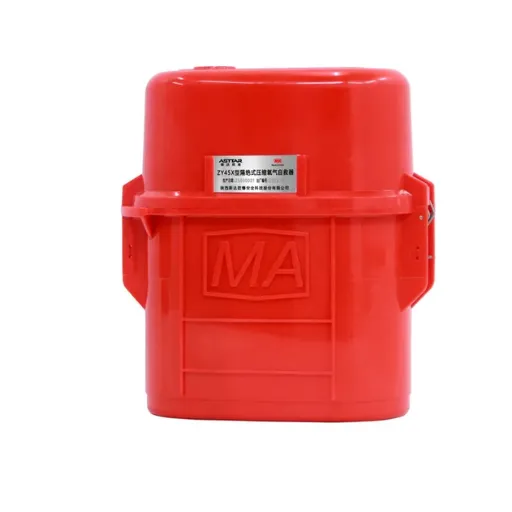 Read More
 -
Mining Safety Equipment Checklist for 2026
July 24, 2026A complete mining safety equipment checklist covers respiratory protection, gas detection, lighting, personal protective equipment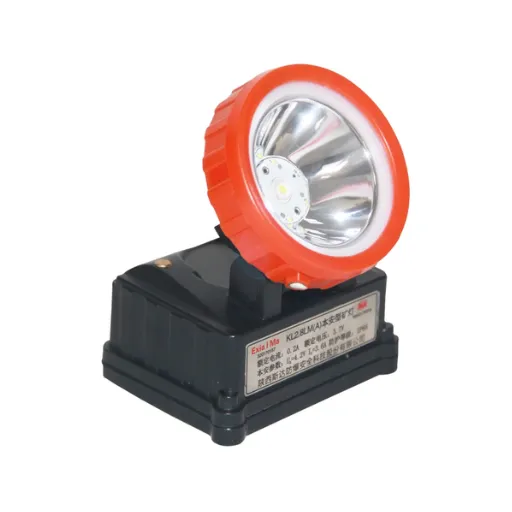 Read More
 -
Refuge Chamber Equipment Mining Operations Need in 2026
July 24, 2026Refuge chamber equipment for mining includes breathable air, water, food, communication systems, sanitation, first-aid supplies, a Read More

Contact Us

Recommended Products
-
 CE Certified 30 Minutes Closed Circuit Mining Oxygen Self-rescuerNegotiableMOQ: 1 Piece
 -
CE Certified 30 Minutes Isolated Breathing Protection Chemical Oxygen Self RescuerNegotiableMOQ: 1 Piece
-
K-SB50 Self Contained Oxygen Escape Device Built-In Humidity Indicator For Mine Fire RescueNegotiableMOQ: 1 Piece
-
60 Minutes CE Approved Self-Contained Self-Rescuer K-Sb60 for Miner SafetyNegotiableMOQ: 1 Piece
-
Lightweight Portable K-SB60 KO2 Oxygen Generating Self Rescuer For Confined Space Industrial Emergency UseNegotiableMOQ: 1 Piece
-
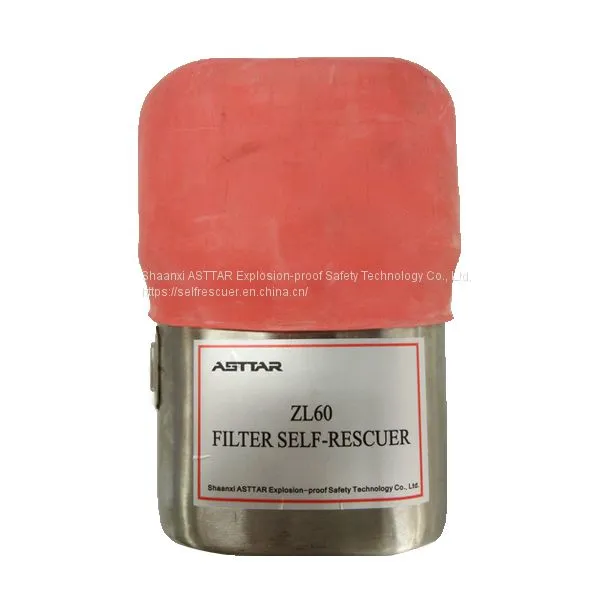
Portable ZL60 Filter Self Rescuer Lightweight Underground Personal Breathing DeviceNegotiableMOQ: 1 Piece
-
Fire Fighting Oxygen Rebreather Mine Chemical Self-Rescuer Portable Isolated Breathing EquipmentNegotiableMOQ: 1 Piece
-
ZL60 60 Minutes Carbon Monoxide Filter Self RescuerUS$ 120 - 150MOQ: 1 Piece
-
ZY30X Isolated Compressed Oxygen Self Rescuer Self Contained Breathing Escape DeviceUS$ 120 - 150MOQ: 1 Piece
-
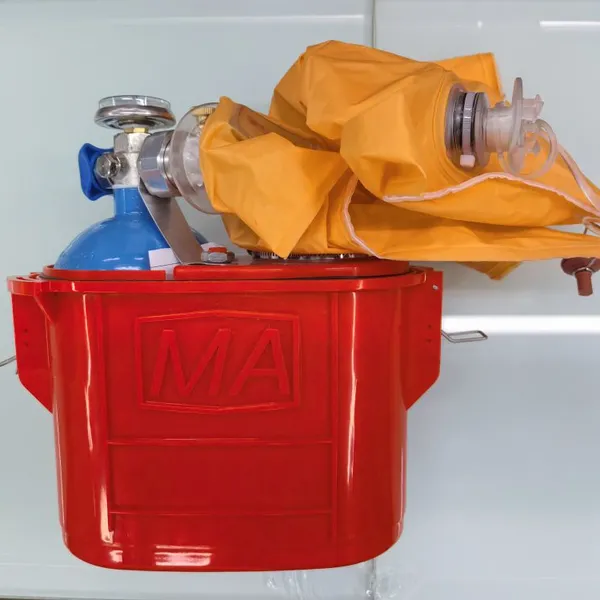
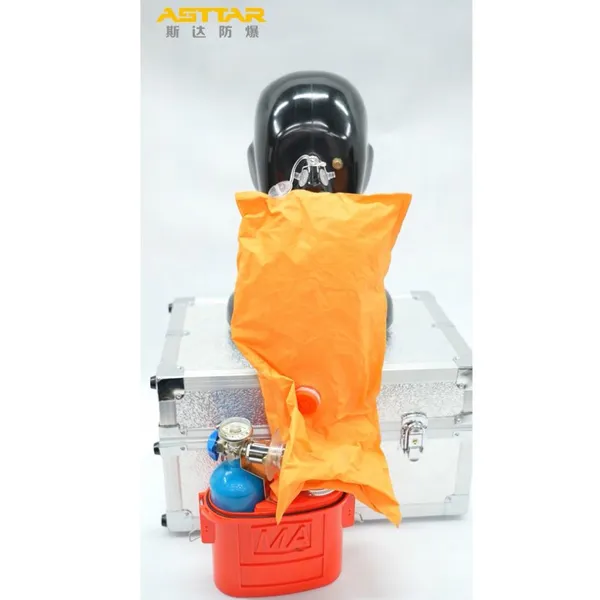
ZY45X Mining Self Rescuer Self Rescue Packs For Low Oxygen Toxic Gas EnvironmentNegotiableMOQ: 1 Piece
-
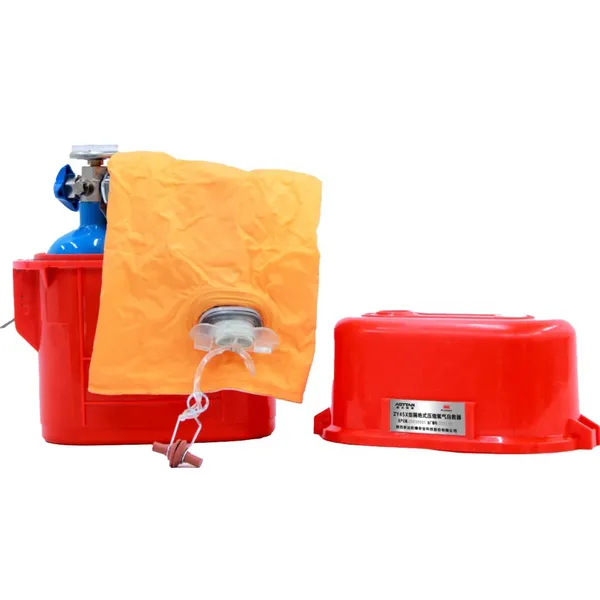
Portable ZY45X Self Rescue Breathing Apparatus Emergency Escape Breathing DevicesNegotiableMOQ: 1 Piece
-
0.6L Oxygen Cylinder ZY45X Self Rescue Respirator Underground Mining Self RescuerNegotiableMOQ: 1 Piece
-
Atex 6ah 7000lux IP65 Mining Industrial Use Ex Proof LED Cap Lamp Safety HeadlampUS$ 98 - 110MOQ: 1 Piece
-
KL6Ex ATEX Rechargeable High Brightness Corded LED Headlamp Miner Cap LampUS$ 98 - 110MOQ: 1 Piece
-
ATEX-Certified KL6Ex Mining Lamp: Essential Safety for Underground OperationsUS$ 98 - 110MOQ: 1 Piece
-
KL1.2Ex LED Miner Cap Lamp ATEX Explosion Proof Mining HeadlampUS$ 75 - 85MOQ: 1 Piece
-
ATEX Cordless LED Cap Lamp Underground Mining Safety HeadlampUS$ 75 - 85MOQ: 1 Piece
-
Rechargeable Wireless LED Mining Headlamp for Potentially Explosive EnvironmentsUS$ 75 - 85MOQ: 1 Piece
-
KL6LM (A) Intrinsically Safe High Brightness Miner's Cap LampUS$ 120 - 150MOQ: 1 Piece
-
5Ah Rechargeable LED Cordless Miner\'s HeadlampUS$ 85 - 98MOQ: 1 Piece