
 Business License
Best Self Rescuer for Coal Mining: 2026 Safety Guide
The best self rescuer for coal mining is typically a self-contained self-rescuer (SCSR) that matches your mine's gas profile, escape-route length, and maintenance capability. Most coal operations choose between chemical oxygen self-rescuers for low-maintenance emergency protection and compressed oxygen self-rescuers for longer duration and reusability.
What happens when the ventilation fails and the atmosphere turns toxic? In a coal mine, that question is not theoretical. Every shift, workers depend on equipment they hope never to use. The self-rescuer is the last line of defense when methane, carbon monoxide, or oxygen deficiency makes the air unbreathable.
If you are responsible for specifying emergency escape devices, you already know that price and shelf life matter. But the real decision is whether the unit will perform when a worker is stressed, visibility is poor, and every second counts. This guide walks you through how to choose the best self rescuer for coal mining, what certifications to verify, and how to avoid common procurement mistakes.
Key Takeaways
Chemical oxygen self-rescuers suit coal mines that need compact, low-maintenance units with 30-45 minute durations.
Compressed oxygen self-rescuers offer reusable designs and longer breathing time, but require inspection and cylinder management.
CE, ATEX, and ISO 9001 certifications are minimum credibility signals for any coal mine self rescuer supplier.
Match device duration to your longest single escape route, not to average travel time.
The best self rescuer is the one workers can don correctly in under 60 seconds without assistance.
What Makes the Best Self Rescuer for Coal Mining?
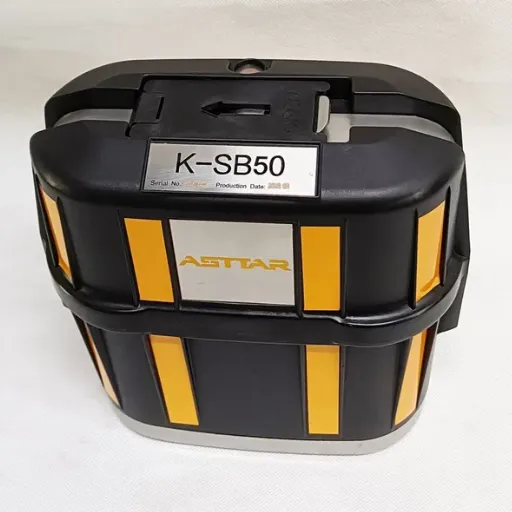
A coal mine self rescuer must perform in a narrow, dust-laden, potentially explosive atmosphere where ambient air cannot be trusted. Unlike general industrial escape devices, a mining self rescuer must resist shock, moisture, and temperature swings while remaining small enough to carry on a belt or in a cache.
Coal mines present three specific hazards that shape self-rescuer selection:
Oxygen deficiency: Fires, explosions, or inrush events can displace oxygen faster than workers can evacuate.
Carbon monoxide (CO): Incomplete combustion produces CO in concentrations that filter self-rescuers cannot handle for extended escape.
Methane and coal dust: Any spark from a device could ignite a surrounding explosive atmosphere, so intrinsically safe or explosion-proof construction is essential.
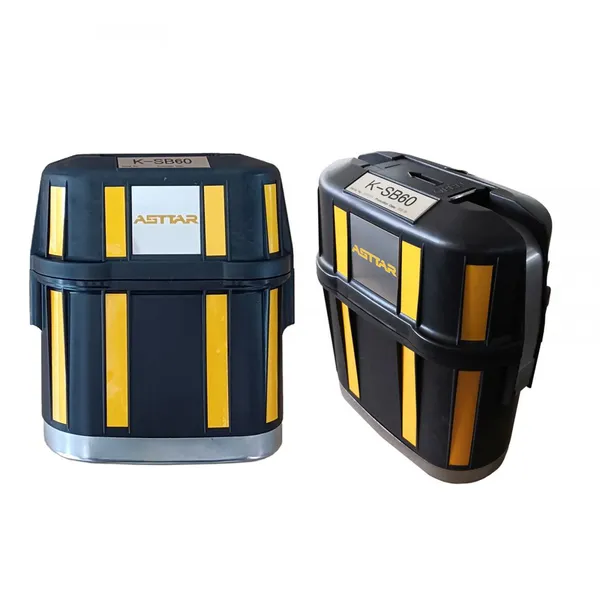
For these reasons, the best self rescuer for coal mining is almost always a self-contained self-rescuer (SCSR) rather than a filter-type escape device. An SCSR carries its own oxygen source or generates oxygen chemically, so it does not depend on the surrounding atmosphere. This independence is why regulators in most coal-producing countries require SCSRs at key underground locations.
When Li Wei, a procurement officer at a Shanxi coal mine, reviewed his site's emergency cache, he discovered that several units were filter self-rescuers rated only for carbon monoxide removal. His longest escape route exceeded the device service life by 12 minutes. Switching to SCSRs eliminated the gap and aligned his site with current standards.
Want to compare device types side by side? See our self-rescuer selection guide for a structured decision framework.
Chemical Oxygen vs. Compressed Oxygen Self-Rescuers
The two dominant SCSR technologies for coal mining are chemical oxygen and compressed oxygen designs. Each has distinct advantages, and the "best" choice depends on operational context.
Chemical Oxygen Self-Rescuers
Chemical oxygen self-rescuers generate oxygen through the reaction of potassium superoxide with moisture in the user's exhaled breath. The same chemical bed absorbs carbon dioxide, creating a closed breathing loop.
Advantages:
Compact and lightweight
No high-pressure cylinder to inspect or refill
Long shelf life with minimal maintenance
Fast activation
Limitations:
Typically single-use
Fixed duration (commonly 30 or 45 minutes)
Heat generated during chemical reaction can surprise untrained users
Chemical units are often the best self rescuer for coal mining when the priority is widespread distribution, minimal servicing, and reliable storage in cache locations.
Compressed Oxygen Self-Rescuers
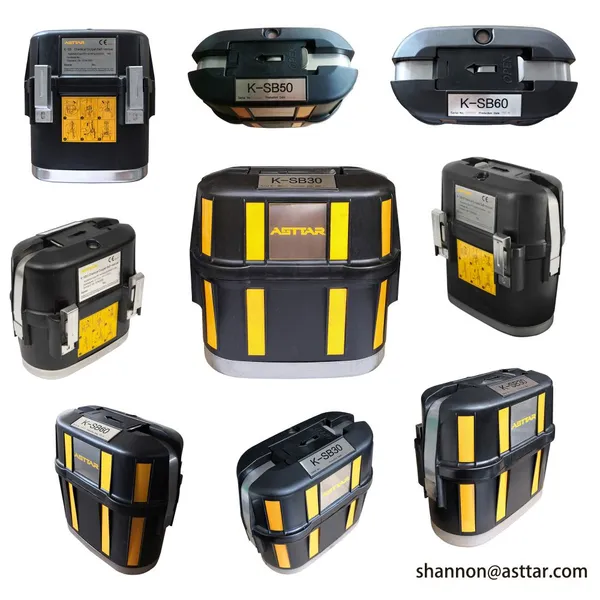
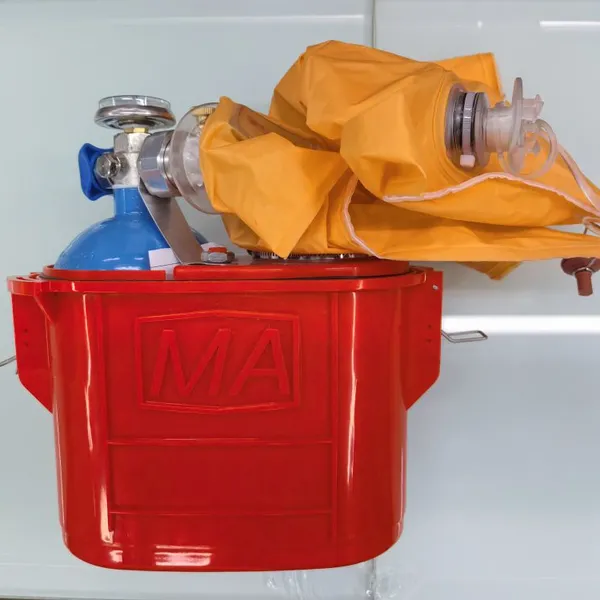
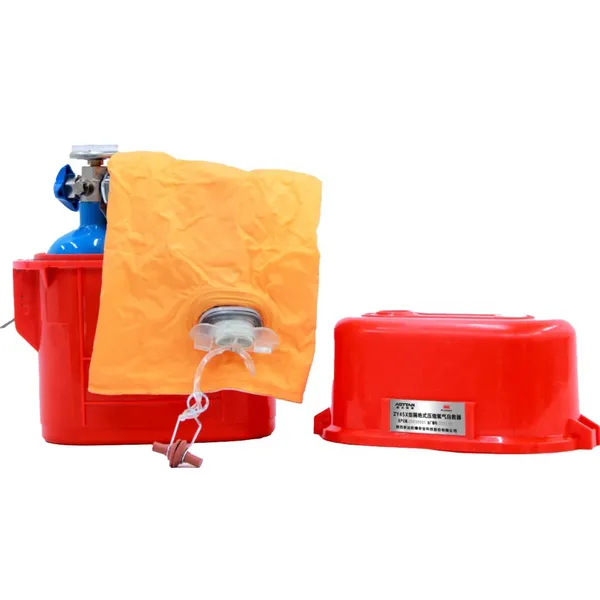
Compressed oxygen self-rescuers store breathable oxygen in a small cylinder. Exhaled air passes through a CO2 scrubber and is replenished with oxygen from the cylinder in a closed circuit.
Advantages:
Reusable after inspection and refill
Longer duration options (45 minutes and above)
Lower breathing resistance over the full escape
Preferred for trained rescue teams and long escape routes
Limitations:
Require periodic pressure checks and cylinder maintenance
Heavier than chemical equivalents
Higher total cost of ownership if maintenance is neglected
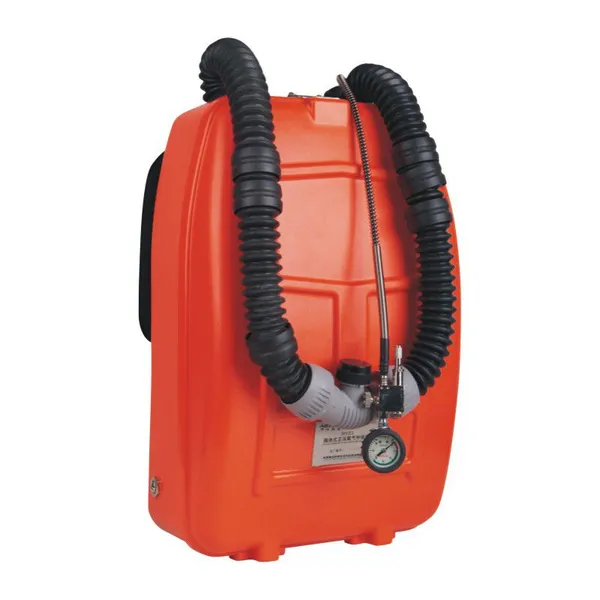
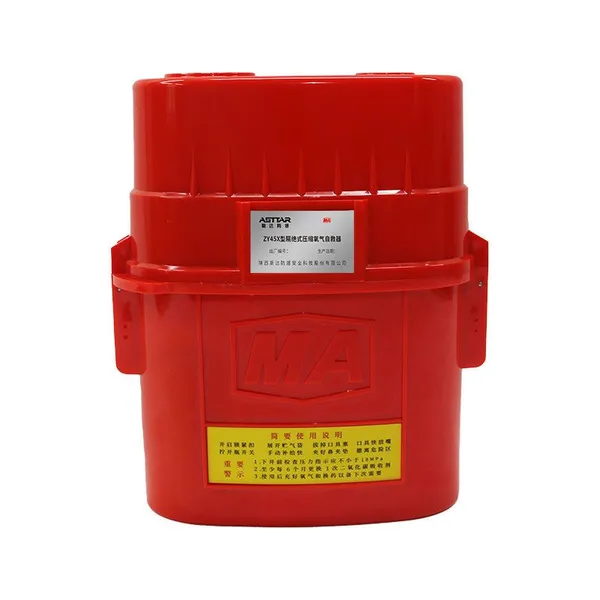
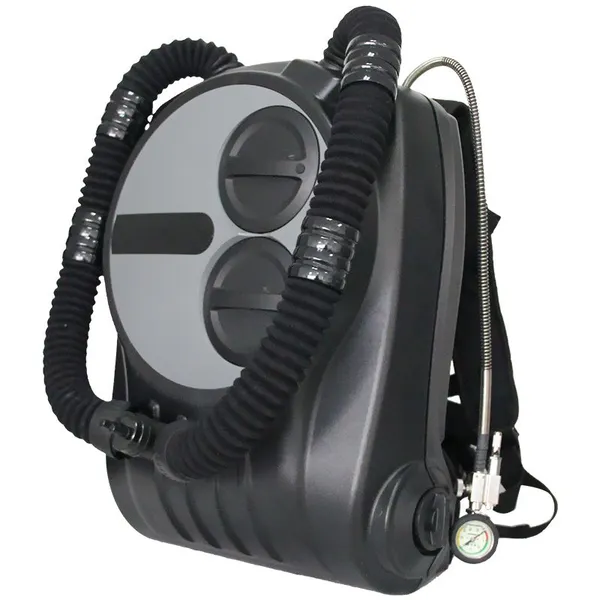
For mines with complex layouts or extended escapeways, a compressed oxygen self-rescuer such as the ZYX45 isolated compressed oxygen self-rescuer provides up to 45 minutes of independent breathing time.
Choosing Between the Two
Use this decision matrix when evaluating the best self rescuer for coal mining at your site. For a deeper side-by-side review, see our chemical vs compressed oxygen self-rescuer comparison.
| Factor | Chemical Oxygen | Compressed Oxygen |
|---|---|---|
| Maintenance | Minimal | Periodic inspection and refill |
| Weight | Lighter | Heavier |
| Reusability | Single-use | Reusable after service |
| Duration | 30-45 minutes | 45+ minutes |
| Best for | General workforce caches | Long routes and rescue teams |
If your mine has both short and long escape routes, a mixed inventory may be appropriate. The key is documenting which locations receive which type.
Key Certifications for Coal Mine Self-Rescuers
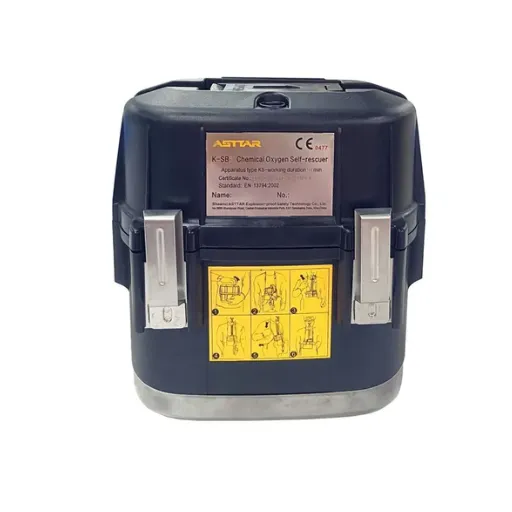
Certifications are not paperwork. They are evidence that a device has been tested against defined failure modes. When you evaluate the best self rescuer for coal mining, verify these credentials before any procurement decision.
CE and ATEX for European Markets
ATEX (Atmosphères Explosibles) certification confirms that equipment is safe for use in explosive atmospheres containing methane or coal dust. The EU ATEX Directive 2014/34/EU sets the legal framework for placing such equipment on the European market. A CE mark alone is not enough; look for the specific ATEX classification that matches your mine's hazardous zones.
ISO Management Systems
A supplier's manufacturing quality matters as much as the product itself. ISO 9001 quality management, ISO 14000 environmental management, and OHSAS 18001 occupational health and safety management systems show that production is controlled and repeatable. These systems reduce the risk of batch defects that could compromise an entire cache of devices.
Regional Mining Approvals
Depending on your country, you may also need approval from agencies such as MSHA in the United States, HSE in the United Kingdom, or your national mining safety authority. These approvals often include additional testing for shock, heat, and dust exposure. For technical background, see NIOSH mining safety research and the IECEx international certification system.
ASTTAR maintains certifications covering ISO 9001, ISO 14000, OHSAS 18001, and CE/ATEX product approvals where applicable. Request the specific certificates for the model you are evaluating, and confirm they are current.
How to Evaluate Runtime and Deployment Needs
Duration is the most misunderstood specification in self-rescuer selection. A 30-minute unit does not give a worker 30 minutes of comfortable walking time. It gives 30 minutes of rated breathing support under stress, heat, and exertion.
Calculate from the Worst Case
Map your longest single escape segment, not the average distance. Add time for congestion, low visibility, and assisting injured colleagues. A common rule is to select a device with at least 50% more rated duration than the measured worst-case escape time.
For example, if the longest single route segment takes 18 minutes under normal conditions, specify a 30-minute unit as a minimum. Routes over 25 minutes should move to 45-minute units or provide intermediate refuge chambers.
Consider Donning Time and Training
A self-rescuer is useless if the worker cannot put it on correctly. The best self rescuer for coal mining is one that your workforce can don in under 60 seconds, every time. Include regular training drills in your specification process. Devices with clear tactile indicators and simple mouthpiece/nose-clip designs reduce failure rates under stress.
At a Heilongjiang coal mine, safety manager Zhang Min noticed that workers were fumbling with a new self-rescuer model during quarterly drills. The device performed well in the lab, but the nose clip was hard to locate in the dark. She switched to a model with a larger, textured nose clip and saw donning errors drop by 70%.
Cache Location and Quantity
Self-rescuers should be located at regular intervals along escape routes, at fixed work areas, and in refuge alternatives. Count heads per shift, not total employment. Maintain a buffer for visitors, contractors, and maintenance crews.
Common Mistakes When Choosing the Best Self Rescuer for Coal Mining
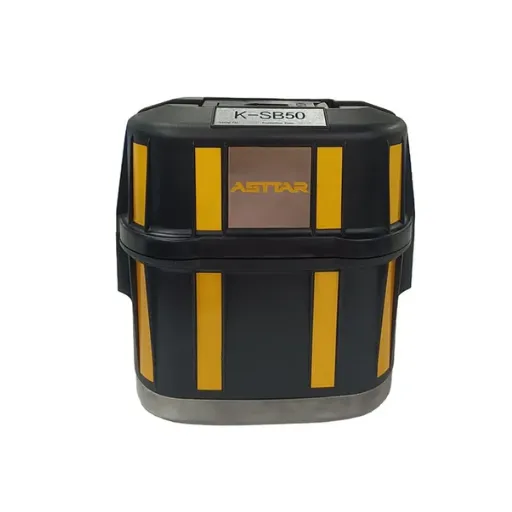
Even experienced procurement teams make predictable errors. Avoid these five mistakes when selecting the best self rescuer for coal mining.
Buying on unit price alone: The cheapest unit may carry higher training, maintenance, or replacement costs. Calculate total cost of ownership over the service life.
Ignoring shelf life and inspection cycles: Chemical units expire. Compressed units need pressure checks. Build these cycles into your maintenance plan before purchase.
Mismatching duration to escape routes: A 30-minute unit is not appropriate for a 28-minute route under stress. Measure actual escape times during drills.
Neglecting worker ergonomics: Weight, belt attachment, and donning complexity affect real-world performance. Include end-user feedback in trials.
Failing to verify certification scope: A CE certificate for a similar-looking model does not cover the unit in your hand. Request certificates by model number and check expiration dates.
One distributor in Inner Mongolia learned this lesson when a customs inspection revealed that a batch of "CE-certified" self-rescuers lacked valid ATEX documentation for explosive atmospheres. The shipment was held, the project delayed, and the mine operator switched to a supplier with transparent certification files.
Ready to compare certified options? Browse the ASTTAR self-rescuer range and request model-specific certification packs for your compliance review.
Self-Rescuer Maintenance and Training Best Practices
Even the best self rescuer for coal mining degrades without proper care. Maintenance and training are part of the same safety system. Every mining self rescuer in service should have a clear inspection and replacement schedule.
Storage Conditions
Store units in dry, temperature-stable locations away from direct sunlight and corrosive chemicals. Avoid locations where vibration from haulage equipment could damage internal components. Inspect caches monthly for physical damage, expired units, or missing seals.
Training Drills
Conduct hands-on donning drills at least quarterly. New hires should practice before their first underground shift. Use training units that simulate the weight and feel of live devices without consuming product inventory.
Record Keeping
Maintain a log for every unit showing serial number, manufacture date, installation location, inspection dates, and replacement date. Digital logs reduce the risk of expired devices remaining in service.
Frequently Asked Questions
What is the best self rescuer for coal mining?
The best self rescuer for coal mining is a self-contained self-rescuer (SCSR) matched to your mine's escape routes and maintenance capacity. Chemical oxygen models work well for general workforce deployment, while compressed oxygen models suit longer routes and trained users.
How long does a coal mine self rescuer last?
Chemical oxygen self-rescuers typically provide 30 or 45 minutes of rated breathing time. Compressed oxygen self-rescuers can offer 45 minutes or more, depending on cylinder size and breathing rate. Always select duration based on your longest single escape segment plus a safety margin.
What certifications should a coal mine self rescuer have?
Look for ATEX certification for explosive atmospheres, CE marking for European markets, and ISO 9001 certification for the supplier's quality management system. Regional mining safety approvals may also be required depending on your jurisdiction.
How often should self-rescuers be inspected?
Inspect caches monthly for physical damage and expiration dates. Compressed oxygen units require periodic pressure checks according to manufacturer guidance. Replace chemical units before their stated expiry date.
Can self-rescuers be reused?
Compressed oxygen self-rescuers can be reused after inspection, refilling, and service by qualified personnel. Chemical oxygen self-rescuers are generally single-use devices and must be discarded after activation or expiration.
What is the difference between a filter self-rescuer and an SCSR?
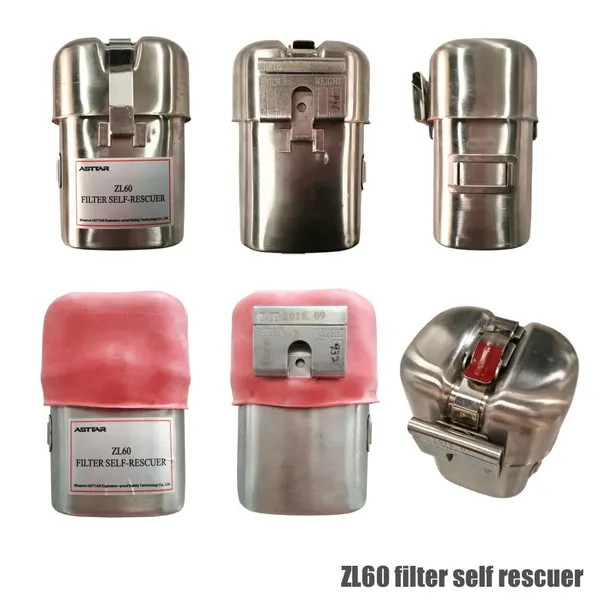
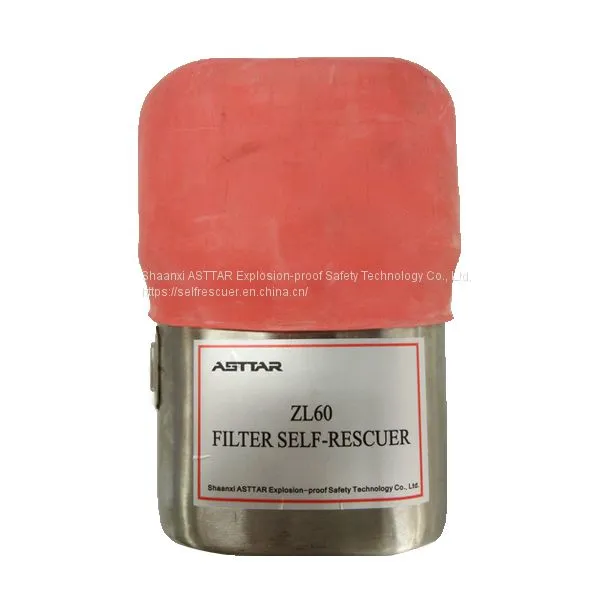
A filter self-rescuer removes specific contaminants from ambient air, such as carbon monoxide. It does not supply oxygen and fails in oxygen-deficient atmospheres. An SCSR provides independent breathable air, making it suitable for coal mine emergencies where oxygen levels may be unknown.
Conclusion
Choosing the best self rescuer for coal mining is not a one-size-fits-all decision. It requires matching device technology to your mine's escape routes, training program, and maintenance capability. Chemical oxygen self-rescuers offer simplicity and broad deployment, while compressed oxygen models deliver longer duration and reuse potential.
Certifications matter. Verify ATEX, CE, and ISO credentials by model number. Calculate duration from your worst-case escape scenario, not average conditions. And never treat the device as separate from training. Workers must be able to don the unit correctly when stress is high and visibility is low.
ASTTAR has supplied certified respiratory protection to coal mines and underground operations for decades. If you are evaluating emergency escape devices, contact our safety team to request specifications, certification packs, or a technical consultation tailored to your mine.
Every worker underground deserves a clear path to breathable air. The right mining self rescuer is the one that makes that path possible.
Recently Posted
-
Explosion Proof Flood Light for Mining: A 2026 Selection Guide
July 29, 2026An explosion proof flood light for mining is a high-output, certified LED fixture designed to illuminate large work areas, stockpi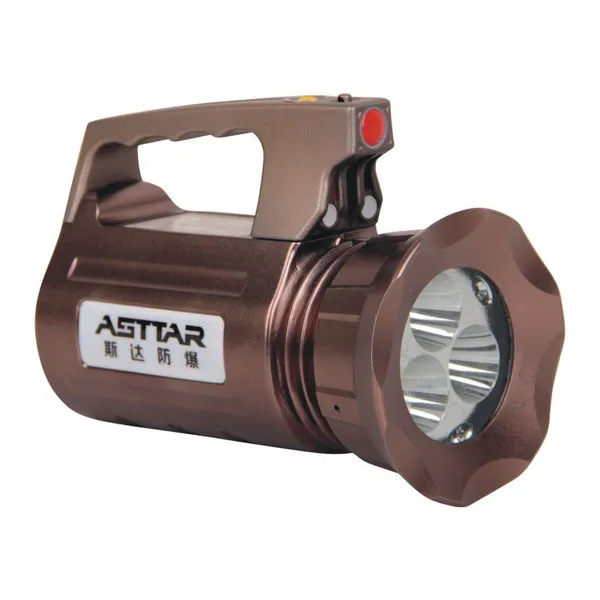 Read More
 -
Mechanical Anemometer for Mining: A 2026 Ventilation Survey Guide
July 29, 2026A mechanical anemometer for mining is a hand-held or bracket-mounted instrument that measures air velocity in underground roadways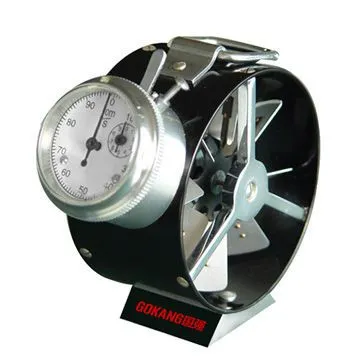 Read More
 -
LED Flameproof Tunnel Light for Mining: 2026 Selection Guide
July 29, 2026An LED flameproof tunnel light for mining is a fixed luminaire built inside a flameproof (Ex d) enclosure that contains any intern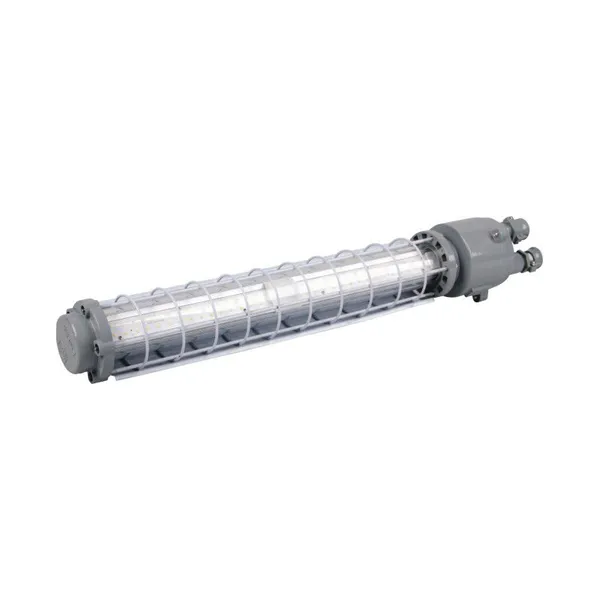 Read More
 -
Wholesale Mining Safety Equipment: A 2026 Procurement Guide
July 24, 2026Wholesale mining safety equipment is the bulk purchase of certified protective gear, escape devices, lighting, gas detection, and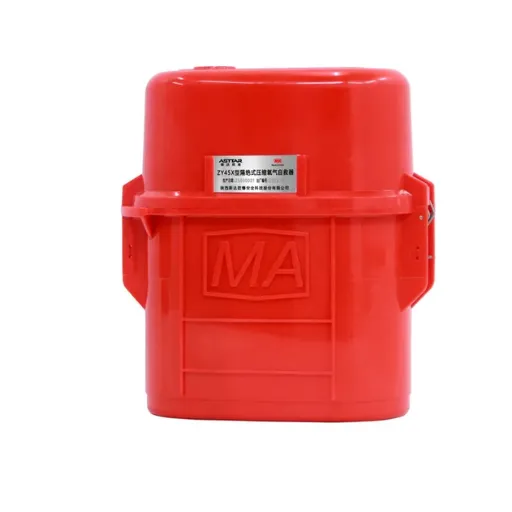 Read More

Contact Us

Recommended Products
-
 CE Certified 30 Minutes Closed Circuit Mining Oxygen Self-rescuerNegotiableMOQ: 1 Piece
 -
Portable ZL60 Filter Self Rescuer Lightweight Underground Personal Breathing DeviceNegotiableMOQ: 1 Piece
-
0.6L Oxygen Cylinder ZY45X Self Rescue Respirator Underground Mining Self RescuerNegotiableMOQ: 1 Piece
-
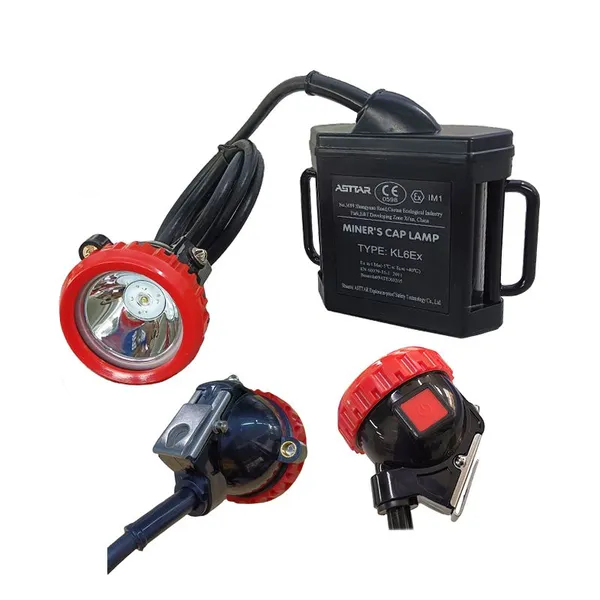
Atex 6ah 7000lux IP65 Mining Industrial Use Ex Proof LED Cap Lamp Safety HeadlampUS$ 98 - 110MOQ: 1 Piece
-
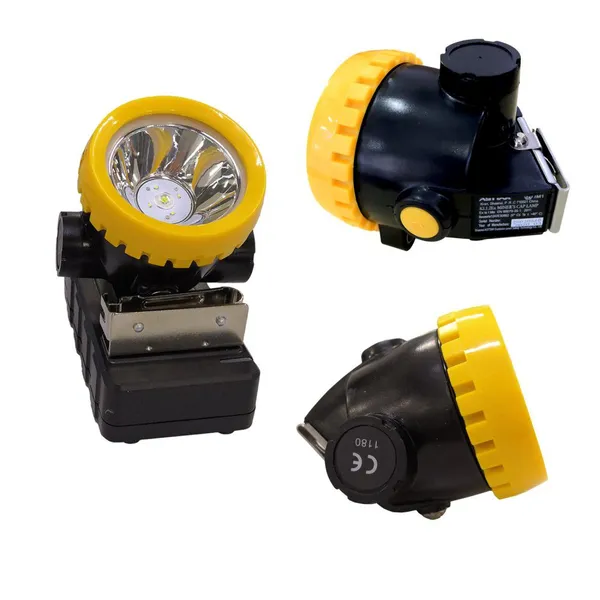
KL1.2Ex LED Miner Cap Lamp ATEX Explosion Proof Mining HeadlampUS$ 75 - 85MOQ: 1 Piece
-
Kl3lm (A) Cordless Intrinsically Safe LED Headlamp for Mining, Camping, and Outdoor ActivitiesNegotiableMOQ: 1 Piece
-
Heat Resistant PA Housing HYZ4(C) Positive Pressure Oxygen Apparatus Coal Mine Emergency RescueNegotiableMOQ: 1 Piece
-
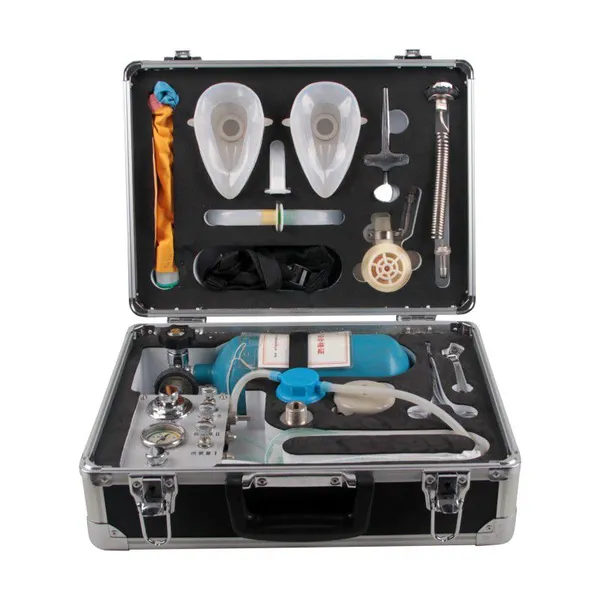
Independent Oxygen Supply Automatic Resuscitator MZS30 for Weak‑Breathing Casualty RescueNegotiableMOQ: 1 Piece
-
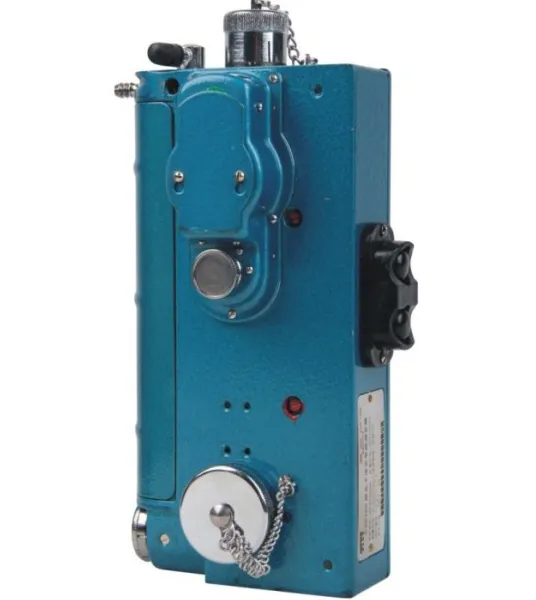
Mining Intrinsically Safe CJG10 Methane Detector Optical Interference Principle Gas Measuring InstrumentNegotiableMOQ: 1 Piece
-
YHJ-100J(A) 100m Portable Explosion Proof Laser Distance MeterUS$ 250 - 350MOQ: 1 Piece
-
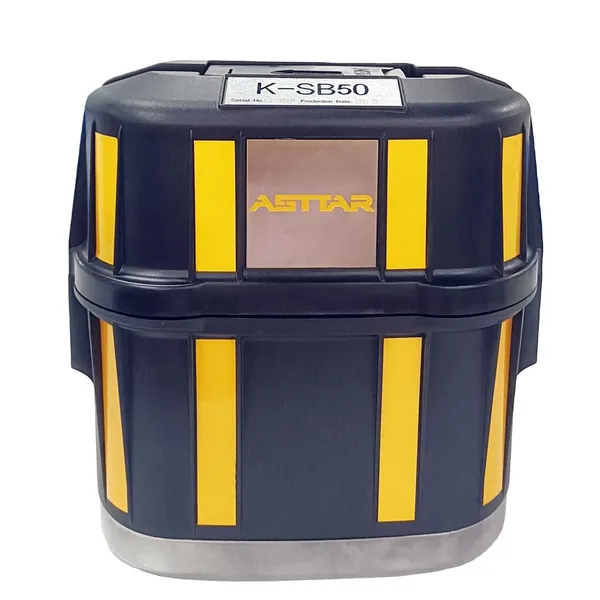
K-SB50 Self Contained Oxygen Escape Device Built-In Humidity Indicator For Mine Fire RescueNegotiableMOQ: 1 Piece
-
60 Minutes CE Approved Self-Contained Self-Rescuer K-Sb60 for Miner SafetyNegotiableMOQ: 1 Piece
-
ZL60 60 Minutes Carbon Monoxide Filter Self RescuerUS$ 120 - 150MOQ: 1 Piece
-
ZY30X Isolated Compressed Oxygen Self Rescuer Self Contained Breathing Escape DeviceUS$ 120 - 150MOQ: 1 Piece
-
Portable ZY45X Self Rescue Breathing Apparatus Emergency Escape Breathing DevicesNegotiableMOQ: 1 Piece
-
HYZ2 Isolated Positive Pressure Oxygen Breathing Apparatus PC Face Shield Aluminized FabricNegotiableMOQ: 1 Piece
-
KL6Ex ATEX Rechargeable High Brightness Corded LED Headlamp Miner Cap LampUS$ 98 - 110MOQ: 1 Piece
-
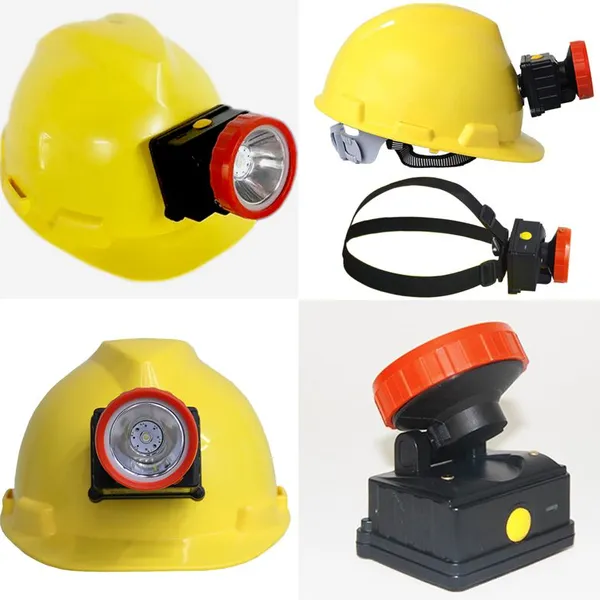
ATEX Cordless LED Cap Lamp Underground Mining Safety HeadlampUS$ 75 - 85MOQ: 1 Piece
-
5Ah Rechargeable LED Cordless Miner\'s HeadlampUS$ 85 - 98MOQ: 1 Piece
-
5Ah Rechargeable LED Cordless Miner's Cap LampUS$ 85 - 98MOQ: 1 Piece