
 Business License
30 Minute Self-Contained Self-Rescuer: What Mine Safety Teams Need to Know
A 30 minute self-contained self-rescuer supplies independent breathable air for roughly 30 minutes during an emergency escape. It does not rely on ambient oxygen. This makes it effective in toxic or oxygen-deficient atmospheres where filter devices would fail.
Thirty minutes is the most common SCSR rating because it matches many short-distance evacuation plans. The real question isn't whether the device exists. It's whether 30 minutes is enough for your escape routes, workers, and mine layout.
In this guide, we will explain how a 30 minute self-contained self-rescuer works. We will cover when it is the right choice, how it compares to longer-duration models, and what safety managers must do to keep it ready.
Key Takeaways
A 30 minute self-contained self-rescuer provides roughly 30 minutes of independent breathable air for emergency escape
Chemical oxygen 30-minute models generate oxygen from a chemical reaction; compressed oxygen models release stored oxygen from a cylinder
Thirty minutes suits short escape routes, coal mines, and operations where workers remain near shafts or refuge chambers
Real-world duration depends on breathing rate, exertion, and fitness, not just the rated number on the case
Regular inspection, seal checks, and hands-on training are required for any SCSR to perform under stress
What Is a 30 Minute Self-Contained Self-Rescuer?
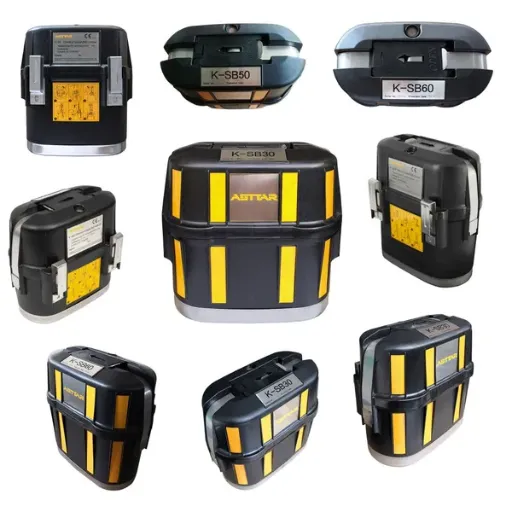
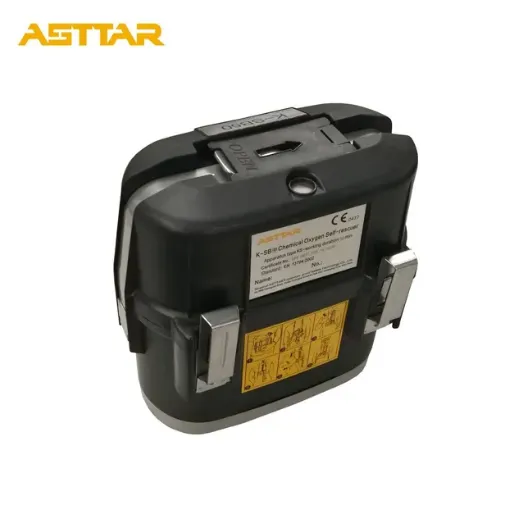
A 30 minute self-contained self-rescuer is a respiratory escape device worn on the belt or stored within immediate reach. It supplies the wearer with enough breathable air to leave a hazardous area and reach fresh air, a shaft, or a refuge chamber. The "30 minute" rating means the device is designed to provide approximately 30 minutes of independent breathing time under standardized conditions.
The term "self-contained" matters. The unit carries its own oxygen source. It doesn't filter ambient air.
This independence matters in real emergencies. An SCSR functions even when the surrounding atmosphere contains carbon monoxide, methane, smoke, or no oxygen at all. A filter-type escape device can't make the same claim.
Thirty minutes is a standard rated duration for both chemical oxygen and compressed oxygen SCSRs. The rating comes from controlled laboratory testing under specified breathing patterns. In practice, a worker breathing heavily while climbing an escapeway may consume the oxygen reserve faster than a worker walking calmly on level ground.
ASTTAR manufactures 30-minute self-rescuers for coal mines, metal mines, and tunnelling operations. Models such as the ZYX30 provide a half-hour escape window in a compact, certified package suitable for any mining self rescuer program.
How a 30 Minute Self-Contained Self-Rescuer Works
All SCSRs operate on a closed-circuit principle. The wearer exhales into the device. Carbon dioxide is removed, oxygen is added, and the cleaned gas returns to the wearer. The cycle repeats with each breath until the oxygen source is depleted.
Chemical Oxygen 30-Minute Models
A chemical oxygen 30 minute self-contained self-rescuer uses a canister filled with potassium superoxide granules. When the wearer exhales, moisture and carbon dioxide from the breath react with the granules. The reaction produces fresh oxygen and absorbs carbon dioxide at the same time.
The device is sealed until activation. Once opened, the chemical bed begins working as soon as the wearer breathes through it. The heat produced by the reaction is normal and is insulated to protect the user. Because there is no cylinder to check, these units are often chosen for low-maintenance applications.
Compressed Oxygen 30-Minute Models
A compressed oxygen 30-minute SCSR stores oxygen in a small high-pressure cylinder. The wearer opens a valve to start the flow. A regulator reduces the pressure to a breathable level. Exhaled gas passes through a scrubber that removes carbon dioxide, then mixes with fresh oxygen from the cylinder before returning to the wearer.
These models can be refilled and serviced after use. They also tend to provide cooler breathing air than chemical oxygen units. The trade-off is the need for regular pressure checks and periodic maintenance.
The Breathing Loop
Whether the design is chemical or compressed, the breathing loop follows the same sequence:
The wearer inhales clean, oxygenated air from the device
The wearer exhales into the closed circuit
Carbon dioxide is removed by a chemical bed or scrubber
Fresh oxygen is generated or released into the circuit
The cleaned gas returns to the wearer
This closed loop is what makes an SCSR independent of the surrounding atmosphere.
Video: Embed a relevant SCSR training or operation video here to support AI cross-validation and improve time on page.
When to Choose a 30 Minute Self-Contained Self-Rescuer
The right SCSR duration depends on how long a worker needs to reach safety. A 30 minute self-contained self-rescuer is a good fit when escape routes are short, workers remain close to main shafts, and the mine layout allows quick evacuation. Our self-rescuer selection guide explains how to match duration, design, and certification to your operation.
Speed matters. In an emergency, every minute of unnecessary weight or complexity slows the wearer down.
Short Escape Routes
If the mapped escape route from any working face to fresh air can be covered in 15 to 20 minutes under normal conditions, a 30-minute unit provides a reasonable safety margin. The margin is important because emergencies slow people down. Smoke, low visibility, and stress all extend evacuation time.
Coal Mining Operations
Coal mines often choose 30-minute chemical oxygen SCSRs because they are compact, lightweight, and require no cylinder maintenance. Workers can carry them on the belt throughout the shift. The simplicity of the design is an advantage in high-stress escape situations. See how our coal mine safety solutions integrate self-rescuers, cap lamps, and gas detection.
Tunnelling and Confined Space Work
Tunnelling crews working near portals or ventilation shafts may also use 30-minute models. The devices provide enough time to exit the heading and reach fresh air without adding excessive weight to the worker's gear. Explore our tunnelling safety equipment range for confined-space and underground construction projects.
Carlos, a safety officer at a tunnel project in South America, mapped every worker position against the nearest exit. He found that 80 percent of the crew could reach fresh air within 12 minutes. For those workers, he specified 30-minute SCSRs.
For the remaining 20 percent working deep in the heading, he chose 45-minute models. Matching duration to distance prevented over-specification and kept equipment lightweight where possible.
30 Minute SCSR vs. 45 and 60 Minute Models
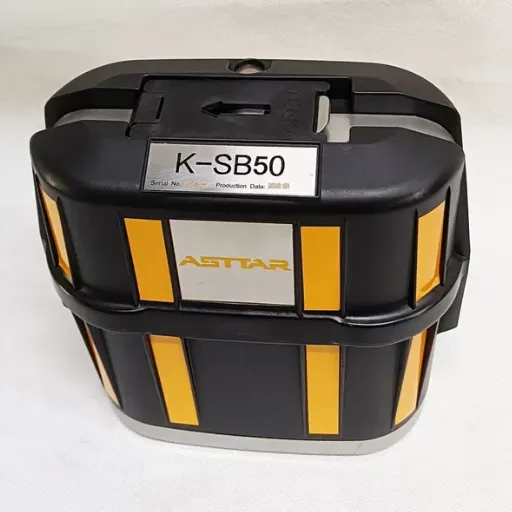
Duration isn't a preference. It's a calculation based on escape distance, breathing demand, and safety margin.
| Feature | 30-Minute SCSR | 45-Minute SCSR | 60-Minute SCSR |
|---|---|---|---|
| Best for | Short escape routes, portal work, near-shaft operations | Medium-distance escape, development headings | Long escape routes, rescue teams, remote workings |
| Typical weight | Lightest | Moderate | Heaviest |
| Carrying comfort | High | Moderate | Lower over long shifts |
| Oxygen source | Chemical or compressed | Usually compressed | Compressed |
| Maintenance level | Low for chemical, moderate for compressed | Moderate | Higher |
| Cost per unit | Lower | Moderate | Higher |
| Safety margin | Tight on long routes | Comfortable for most layouts | Maximum reserve |
A 30-minute unit is not automatically worse than a longer model. It is simply designed for a different evacuation profile. The mistake is choosing duration based on price rather than on timed escape-route analysis. Read our guide on how to choose a mining self rescuer for a step-by-step selection process.
Real-World Duration: Why the Rating Is Only Part of the Story
The 30-minute rating is measured under standardized conditions. Actual performance of a 30 minute self-contained self-rescuer varies with the wearer and the situation.
Breathing Rate
A person at rest breathes roughly 10 to 12 times per minute. Under stress, that rate can double. A worker running uphill through smoke may consume oxygen two to three times faster than the test dummy used for certification. Training should teach workers to stay calm and pace themselves.
Physical Exertion
Climbing escape ladders, crawling under obstructions, and carrying tools all increase oxygen demand. The rated duration assumes a moderate walking pace. Heavier exertion shortens the effective window.
Fitness and Body Size
Larger individuals and those with lower aerobic fitness tend to consume more oxygen. While safety managers cannot select devices per worker, they can account for these differences by adding margin to escape-route timing.
Mei, an EHS manager at an underground coal mine, learned this during a quarterly drill. Workers wearing 30-minute units walked a route that took 18 minutes in normal conditions. During the simulated emergency, with smoke goggles and time pressure, the same route took 27 minutes.
Several workers were close to exhausting their units. She added a five-minute buffer to her route calculations and switched two remote stations to 45-minute models.
Chemical Oxygen vs. Compressed Oxygen 30-Minute SCSRs
Both designs are available in 30-minute durations. The choice depends on maintenance capacity, worker training, and how the device will be used.
Chemical Oxygen 30-Minute SCSRs
A chemical oxygen self rescuer generates oxygen through a reaction between potassium superoxide and exhaled breath. These 30-minute units are sealed, disposable devices with no moving parts.
Advantages
Lightweight and compact
No cylinder pressure checks required
Simple activation under stress
Low maintenance
Limitations
Single-use only
Produce heat during operation
Cannot be refilled after a false alarm
Chemical bed has a fixed shelf life
Compressed Oxygen 30-Minute SCSRs
A compressed oxygen self rescuer stores oxygen in a cylinder and recirculates exhaled air through a scrubber. These 30-minute models can be refilled after use.
Advantages
Can be refilled and serviced
Cooler breathing air
Reusable after inspection
Consistent oxygen flow
Limitations
Heavier than chemical units
Requires pressure checks
Needs periodic servicing
More complex to activate
For a deeper comparison, see our chemical vs compressed oxygen self-rescuer guide.
Inspection and Maintenance of 30-Minute SCSRs
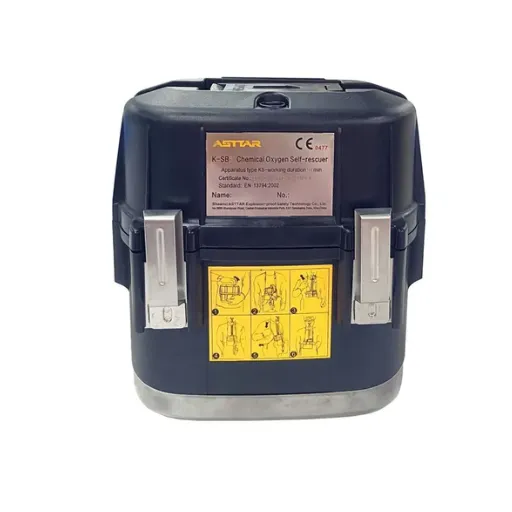
An expired or damaged SCSR can fail when it is needed most. Regular inspection is mandatory.
Daily Checks
Before each shift, verify the following:
The sealed case is intact with no cracks or damage
The carrying harness is in good condition
The unit is in its designated storage location
For compressed oxygen models, the pressure gauge reads full
The unit has not been dropped, submerged, or exposed to extreme heat
Weekly Checks
Confirm the expiration date on chemical oxygen units
Inspect compressed oxygen units for corrosion or seal damage
Review training records to ensure workers are current
Check storage conditions for heat, humidity, and mechanical damage
Periodic Servicing
Compressed oxygen 30-minute SCSRs require manufacturer-scheduled service. This typically includes hydrostatic testing of the cylinder, replacement of scrubber material, inspection of hoses and seals, and functional testing of the regulator.
Chemical oxygen units are replaced when they reach their expiration date. The chemical bed degrades over time, even if the unit has never been opened.
Training Workers to Use a 30-Minute SCSR Under Stress
A 30-minute window can disappear quickly if the worker panics or fumbles with the device. Training for a 30 minute self-contained self-rescuer must be practical. It must also be repeated.
Donning Drills
Workers should practice opening the sealed case, starting the breathing circuit, and moving while wearing the device. Drills should be timed and conducted in low-light conditions. The goal is to make the sequence automatic.
Route Familiarity
Every worker should know the shortest escape route from their normal workstation. Routes should be walked during normal conditions and re-timed during drills. Workers should also know the location of backup SCSR caches.
Stress Management
Emergency situations trigger rapid breathing and poor decision-making. Training programs that simulate time pressure help workers learn to control their breathing and conserve the device. The objective is not to eliminate fear but to build a conditioned response.
Standards and Certifications for 30-Minute SCSRs
Mining SCSRs must meet strict standards. Buyers should verify certifications before purchasing.
In Europe, ATEX certification indicates suitability for explosive atmospheres. The CE mark confirms conformity with EU directives. IECEx is accepted in many international markets. You can learn more about these requirements in our mining safety standards reference.
In the United States, NIOSH or MSHA approval may be required depending on the jurisdiction and application. The CDC/NIOSH mining self-rescuer guidance and the MSHA self-rescuer regulations are useful references for compliance teams.
Management system certifications also matter. A manufacturer with ISO 9001 certification has documented quality processes. ISO 14001 and ISO 45001 certifications show attention to environmental and occupational health practices.
ASTTAR's quality-management system is certified to ISO 9001. Our ATEX and CE certifications are available for compliance review.
Common Mistakes When Specifying 30-Minute SCSRs
Safety managers sometimes make predictable errors when selecting 30-minute units.
Assuming the Rating Matches Real Escape Time
The 30-minute label is a laboratory rating, not a guarantee under field conditions. Always add a safety margin based on your worst-case route and highest expected exertion.
Choosing Based on Price Alone
The lowest-cost unit may lack the certification, support, or durability your operation needs. Total cost of ownership includes maintenance, training, shelf life, and after-sales support.
Neglecting Storage Conditions
A chemical oxygen unit stored in a hot, damp cache may degrade before its printed expiration date. Storage areas should be cool, dry, and protected from physical damage.
Skipping Refresher Training
Annual training is the minimum. Quarterly drills produce better retention. Workers who have not handled an SCSR in months may forget critical steps during an emergency.
Frequently Asked Questions
How long does a 30 minute self-contained self-rescuer actually last?
A 30-minute SCSR is rated for approximately 30 minutes under standardized breathing conditions. Real-world duration depends on breathing rate, exertion, and fitness. Heavy exertion can shorten the effective window significantly.
Can a 30-minute SCSR be reused?
Compressed oxygen 30-minute SCSRs can be refilled and serviced after use. Chemical oxygen 30-minute SCSRs are single-use devices. Once activated, the chemical reaction continues until the bed is spent.
Is a 30-minute duration enough for underground mining?
Thirty minutes is enough if the timed escape route from any working position to fresh air or a refuge chamber can be covered well within that window, with a safety margin. For longer routes, 45-minute or 60-minute models are more appropriate.
What is the difference between a 30-minute chemical oxygen and a 30-minute compressed oxygen SCSR?
A chemical oxygen 30-minute SCSR generates oxygen from a reaction between potassium superoxide and exhaled breath. A compressed oxygen 30-minute SCSR stores oxygen in a cylinder and delivers it through a regulator and scrubber.
What certifications should a 30 minute self-contained self-rescuer have?
Look for ATEX and CE certification for European and international markets, or NIOSH/MSHA approval for the United States. The manufacturer should also hold ISO 9001 certification for quality management.
30 Minute Self-Contained Self-Rescuer: Final Takeaways
A 30 minute self-contained self-rescuer is a practical choice for mines and tunnelling projects where escape routes are short and workers need a lightweight, reliable escape device. It provides roughly 30 minutes of independent breathable air, enough time to reach fresh air or a refuge chamber when the atmosphere becomes hazardous.
The key to getting value from a 30-minute SCSR is matching the device to your escape plan. Time your routes under normal and stressed conditions. Choose chemical oxygen for low-maintenance simplicity or compressed oxygen for reusability and cooler breathing air. Inspect units regularly and train workers until deployment becomes automatic.
Ready to select the right SCSR duration for your operation? Request a 30-minute self-rescuer specification sheet from ASTTAR and compare CE/ATEX-certified models designed for coal mines, metal mines, and tunnelling projects. Our safety engineering team can help you match the right duration and design to your escape plan.
Recently Posted
-
Explosion Proof Flood Light for Mining: A 2026 Selection Guide
July 29, 2026An explosion proof flood light for mining is a high-output, certified LED fixture designed to illuminate large work areas, stockpi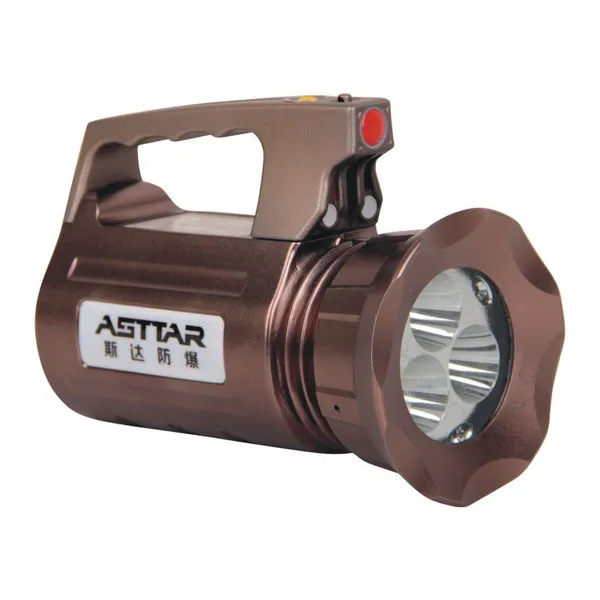 Read More
 -
Mechanical Anemometer for Mining: A 2026 Ventilation Survey Guide
July 29, 2026A mechanical anemometer for mining is a hand-held or bracket-mounted instrument that measures air velocity in underground roadways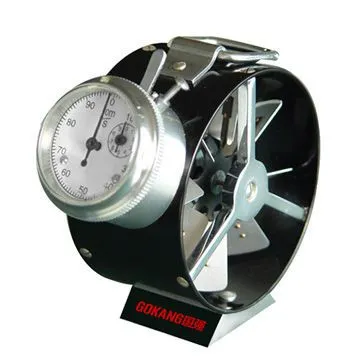 Read More
 -
LED Flameproof Tunnel Light for Mining: 2026 Selection Guide
July 29, 2026An LED flameproof tunnel light for mining is a fixed luminaire built inside a flameproof (Ex d) enclosure that contains any intern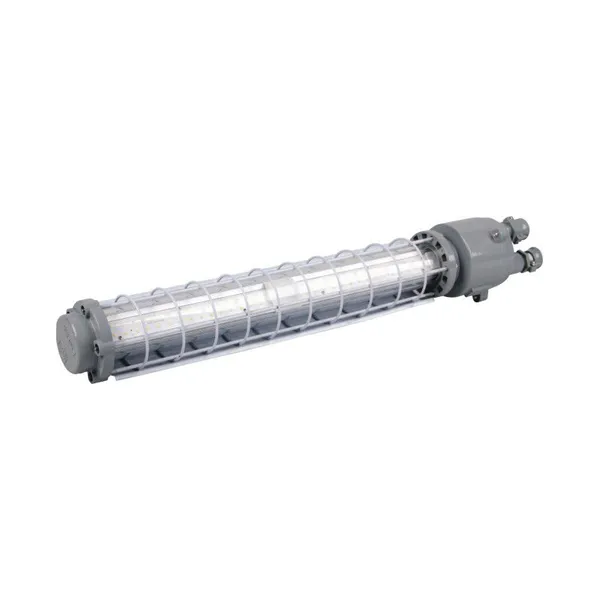 Read More
 -
Wholesale Mining Safety Equipment: A 2026 Procurement Guide
July 24, 2026Wholesale mining safety equipment is the bulk purchase of certified protective gear, escape devices, lighting, gas detection, and Read More

Contact Us

Recommended Products
-
 CE Certified 30 Minutes Closed Circuit Mining Oxygen Self-rescuerNegotiableMOQ: 1 Piece
 -
K-SB50 Self Contained Oxygen Escape Device Built-In Humidity Indicator For Mine Fire RescueNegotiableMOQ: 1 Piece
-
60 Minutes CE Approved Self-Contained Self-Rescuer K-Sb60 for Miner SafetyNegotiableMOQ: 1 Piece
-
Portable ZL60 Filter Self Rescuer Lightweight Underground Personal Breathing DeviceNegotiableMOQ: 1 Piece
-
ZL60 60 Minutes Carbon Monoxide Filter Self RescuerUS$ 120 - 150MOQ: 1 Piece
-
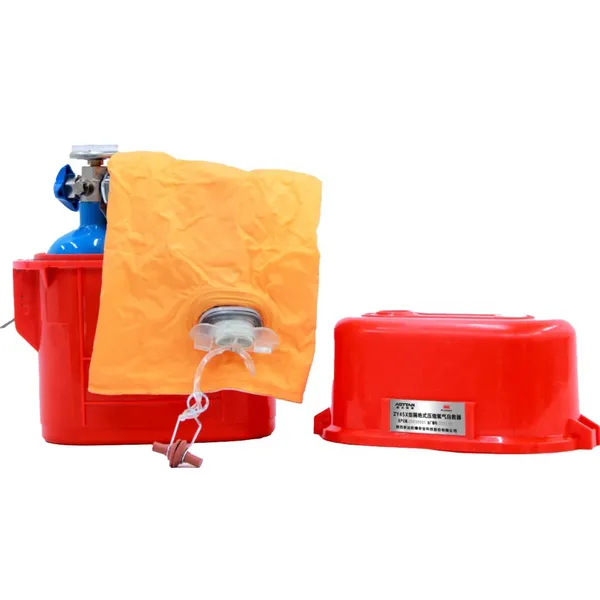
0.6L Oxygen Cylinder ZY45X Self Rescue Respirator Underground Mining Self RescuerNegotiableMOQ: 1 Piece
-
ZY30X Isolated Compressed Oxygen Self Rescuer Self Contained Breathing Escape DeviceUS$ 120 - 150MOQ: 1 Piece
-
Portable ZY45X Self Rescue Breathing Apparatus Emergency Escape Breathing DevicesNegotiableMOQ: 1 Piece
-
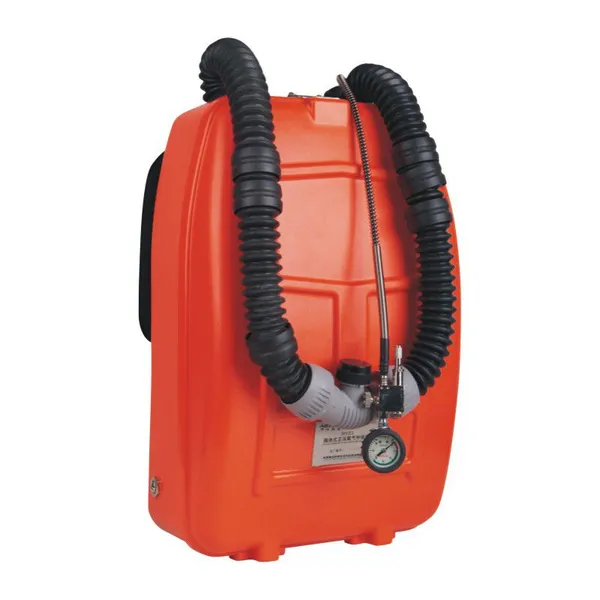
Heat Resistant PA Housing HYZ4(C) Positive Pressure Oxygen Apparatus Coal Mine Emergency RescueNegotiableMOQ: 1 Piece
-
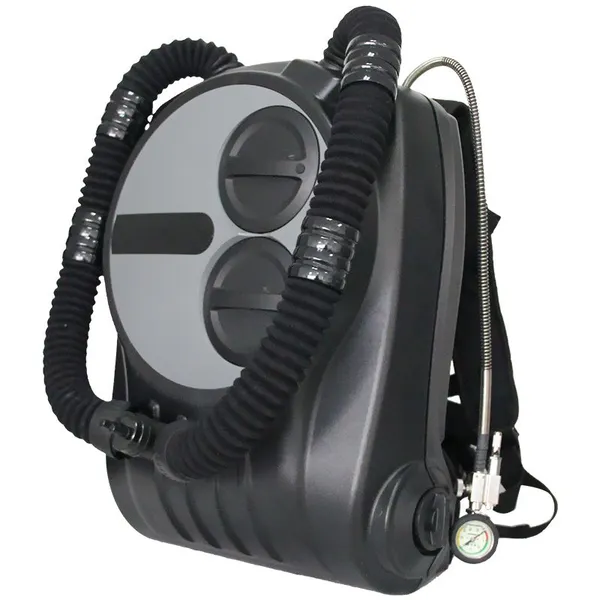
HYZ2 Isolated Positive Pressure Oxygen Breathing Apparatus PC Face Shield Aluminized FabricNegotiableMOQ: 1 Piece
-
Atex 6ah 7000lux IP65 Mining Industrial Use Ex Proof LED Cap Lamp Safety HeadlampUS$ 98 - 110MOQ: 1 Piece
-
KL6Ex ATEX Rechargeable High Brightness Corded LED Headlamp Miner Cap LampUS$ 98 - 110MOQ: 1 Piece
-
KL1.2Ex LED Miner Cap Lamp ATEX Explosion Proof Mining HeadlampUS$ 75 - 85MOQ: 1 Piece
-
ATEX Cordless LED Cap Lamp Underground Mining Safety HeadlampUS$ 75 - 85MOQ: 1 Piece
-
5Ah Rechargeable LED Cordless Miner\'s HeadlampUS$ 85 - 98MOQ: 1 Piece
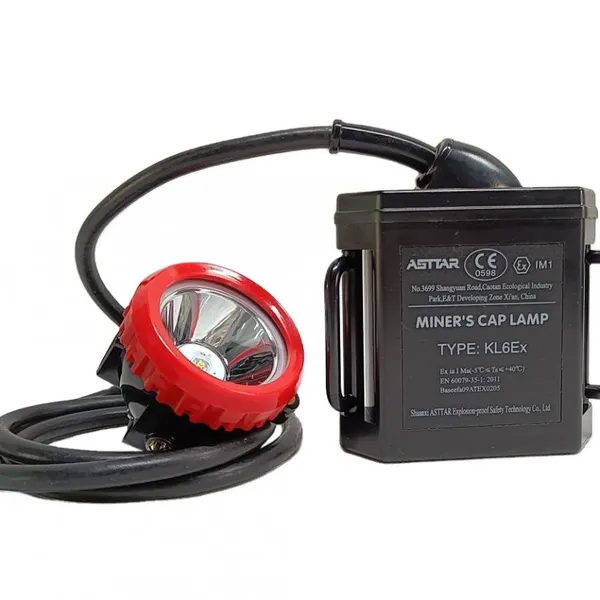
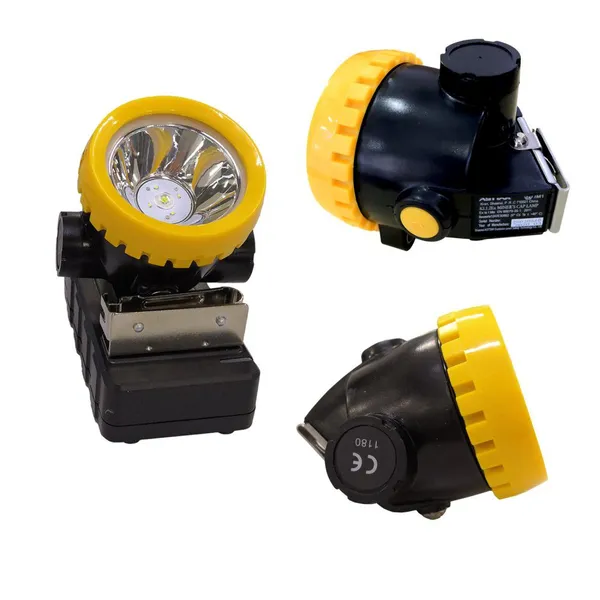
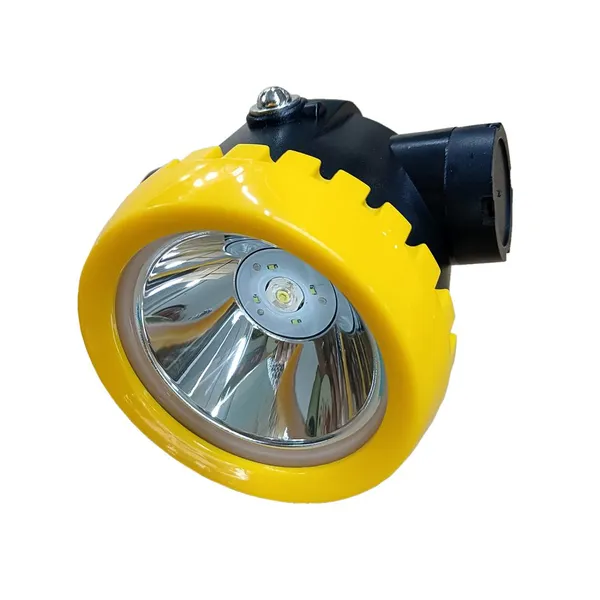
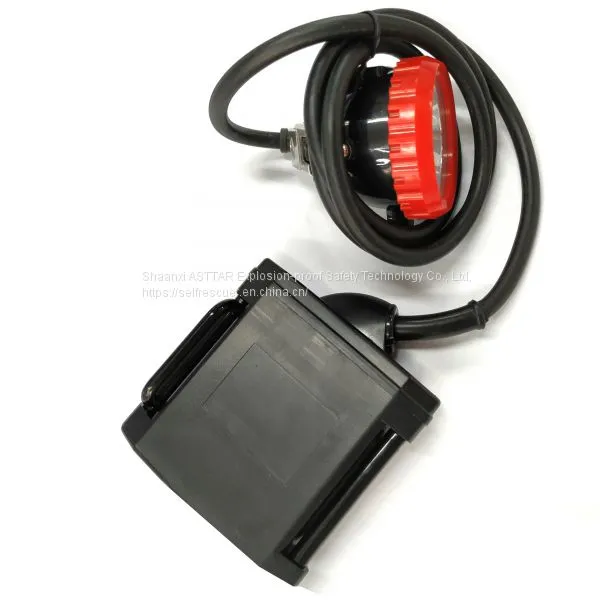
-
5Ah Rechargeable LED Cordless Miner's Cap LampUS$ 85 - 98MOQ: 1 Piece
-
Kl3lm (A) Cordless Intrinsically Safe Headlamp With Strobe Mode for EmergencyNegotiableMOQ: 1 Piece
-
Kl3lm (A) Cordless Intrinsically Safe LED Headlamp for Mining, Camping, and Outdoor ActivitiesNegotiableMOQ: 1 Piece
-
Industrial Underground KL3LM(A) 5 Modes LED Miner Headlamp IP65 Dustproof Waterproof For Gas Mine OperationNegotiableMOQ: 1 Piece
-
Long Lasting KL2LM(A) Cordless Miner Helmet Light With Complete Discharge ProtectionNegotiableMOQ: 1 Piece