
 Business License
45 Minute Compressed Oxygen Self-Rescuer: A Complete Buyer's Guide
A 45 minute compressed oxygen self-rescuer gives underground workers 45 minutes of independent breathable air through a closed-circuit design that recycles exhaled air and adds fresh oxygen from a high-pressure cylinder. These units are commonly used in coal mines, metal mines, and tunnelling projects where escape routes, refuge chambers, or rescue operations require more time than shorter-duration devices can provide.
At 2:30 a.m. during a night shift in an underground coal mine, a roof fall ruptured a ventilation duct. The air near the working face turned thick with dust and carbon monoxide. The section foreman, Li Wei, grabbed the unit on his belt. It was a 45 minute compressed oxygen self-rescuer. He had trained with it monthly. He opened the valve, sealed the mouthpiece, and led his crew along the mapped escape route to the intake airway. They reached fresh air with time to spare.
That extra quarter-hour matters. A 30-minute unit might have forced the crew to move faster in low visibility, increasing the risk of injury or separation. This guide explains how a 45 minute compressed oxygen self-rescuer works, when to choose it over other options, and what to verify before procurement.
Key Takeaways
A 45 minute compressed oxygen self-rescuer provides 45 minutes of independent breathing time through a closed-circuit oxygen cylinder and CO2 scrubber.
These units suit longer escape routes, refuge chamber travel, and mine rescue training where reusable devices reduce cost.
The ZYX45 is a common model delivering up to 45 minutes of duration with CE and ATEX certification options.
Daily pre-shift checks include cylinder pressure, seal integrity, and visible damage inspection.
Always verify CE, ATEX, ISO 9001, and local mining safety approvals before purchase.
What Is a 45 Minute Compressed Oxygen Self-Rescuer?
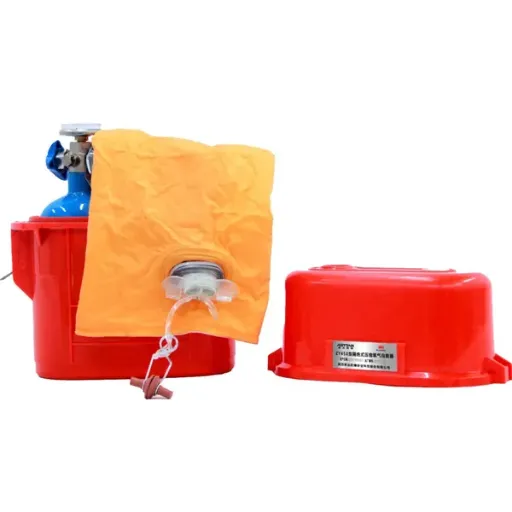
A 45 minute compressed oxygen self-rescuer is a portable, closed-circuit breathing device that stores breathable oxygen in a small cylinder and delivers it to the wearer through a regulator. The wearer exhales into a chemical scrubber that removes carbon dioxide. The cleaned air is then supplemented with oxygen from the cylinder and returned to the wearer. This cycle repeats, making the unit independent of the surrounding atmosphere.
The "45 minute" rating refers to the rated breathing duration under standard test conditions. Actual duration depends on breathing rate, exertion, cylinder capacity, and regulator settings. A person moving quickly uphill will consume oxygen faster than someone walking at a controlled pace. For this reason, mines often calculate escape route times with a safety margin rather than relying on the rated number alone.
ASTTAR offers isolated compressed oxygen self-rescuers such as the ZYX45. These units are designed for underground emergency escape and are built to meet CE and ATEX requirements where applicable. The closed-circuit design means they work even when ambient oxygen is depleted or toxic gases are present.
Safety Note: A 45-minute rating is not a guarantee. Train workers to move calmly, avoid running, and follow the shortest verified escape route.
How a Compressed Oxygen Self-Rescuer Works
The core principle is simple: recycle the air you exhale, remove the carbon dioxide, and add fresh oxygen. The execution requires precision engineering.
Components of the Breathing Circuit
A compressed oxygen self-rescuer contains several key parts:
Oxygen cylinder: A small high-pressure cylinder, typically steel or composite, rated for the unit's service life.
Pressure reducer and regulator: Controls oxygen flow to maintain a breathable mixture.
CO2 scrubber: A canister filled with chemical absorbent, usually soda lime, that removes carbon dioxide from exhaled air.
Breathing bag or chamber: Stores the cleaned air-oxygen mixture before inhalation.
Mouthpiece or full-face mask: Seals the breathing circuit to the wearer.
Carrying case or harness: Holds the unit securely on the worker's belt or shoulder.
Closed-Circuit Operation
When the wearer opens the oxygen valve, oxygen flows into the breathing bag. The wearer inhales from the bag, exhales through the scrubber, and the cleaned air returns to the bag. A regulator adds more oxygen as needed to maintain the correct concentration. Because no ambient air enters the circuit, the unit protects against oxygen deficiency, methane, carbon monoxide, and other toxic gases.
This is different from a filter self-rescuer, which only removes carbon monoxide from ambient air. A filter unit cannot protect the wearer if the surrounding atmosphere has too little oxygen. A compressed oxygen self-rescuer removes that dependency entirely.
Want to compare self-rescuer types? Read our guide on chemical oxygen vs compressed oxygen self-rescuers.
When to Choose a 45 Minute Duration
Longer Escape Routes
Some mines and tunnels have working faces more than 20 minutes from the nearest fresh-air base. A 30-minute unit leaves little margin for wrong turns, congestion, or assisting an injured colleague. A 45 minute compressed oxygen self-rescuer adds a buffer that safety managers value when mapping escape routes.
Refuge Chamber Travel
Many modern mines place refuge chambers or rescue bays at intervals along the haulage system. Workers may need to travel from their workplace to the nearest chamber before sealing themselves inside. If that travel time is 15-25 minutes, a 45-minute unit provides the necessary margin.
Mine Rescue Training
Compressed oxygen self-rescuers can often be refilled and refurbished after use. This makes them cost-effective for repeated training. Rescue teams practice donning, movement, and communication in smoke-filled simulators. Training builds the muscle memory that matters during real emergencies.
At a copper mine in Inner Mongolia, the rescue team switched from single-use chemical oxygen units to refillable 45 minute compressed oxygen models for training. The team conducted 12 drills per year instead of four. Three months later, average donning time dropped from 38 seconds to 21 seconds. The investment in reusable training units paid back through faster, more confident deployment.
Mixed Atmosphere Hazards
Mines that face both oxygen deficiency and toxic gas benefit from compressed oxygen units because the closed circuit does not rely on filtering ambient air. This applies to coal mines with methane and CO, metal mines with nitrogen dioxide or sulfur dioxide, and tunnels with diesel exhaust or confined-space buildup.
Explore the full ASTTAR self-rescuer range for certified chemical and compressed oxygen options.
Key Specifications to Compare
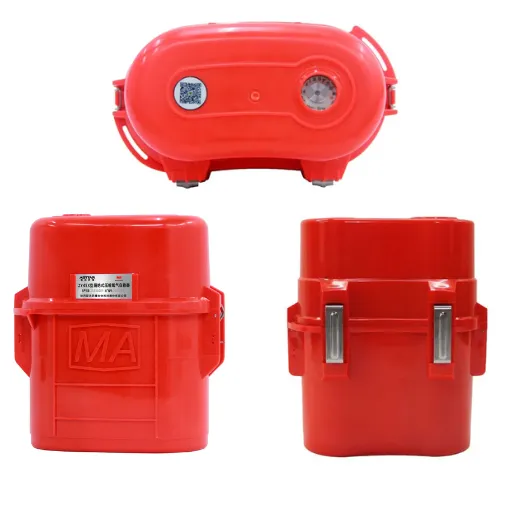
When evaluating a 45 minute compressed oxygen self-rescuer, focus on these specifications:
| Specification | What It Tells You |
|---|---|
| Rated duration | Breathing time under standard test conditions |
| Cylinder capacity | Volume of stored oxygen at rated pressure |
| Weight | Portability for belt or shoulder carry |
| Breathing resistance | How hard the wearer must work to inhale and exhale |
| Temperature range | Operating limits in hot or cold mines |
| Storage life | Maximum shelf life before refurbishment |
| Certification | CE, ATEX, ISO, and local mining approvals |
Lower breathing resistance reduces fatigue during escape. Lighter weight improves comfort over a full shift. A wider temperature range ensures reliability in cold intake airways or hot development headings.
The ZYX45 isolated compressed oxygen self-rescuer, for example, is built to deliver up to 45 minutes of duration with a design that balances weight, breathing comfort, and certification compliance. Always request the manufacturer's test report for the exact model you plan to deploy.
Need specification details? Contact the ASTTAR safety team for datasheets and certification documents.
Inspection and Maintenance Requirements
Compressed oxygen self-rescuers require more care than chemical oxygen units because they have pressure-bound components. A sound maintenance program protects both the investment and the workers who depend on the device.
Daily or Pre-Shift Checks
Before each shift, workers or safety officers should verify:
Cylinder pressure is within the manufacturer's specified range.
The carrying case is intact and seals are unbroken.
There is no visible damage to hoses, mouthpiece, or case.
The unit is within its service or inspection date.
Periodic Maintenance
Depending on the model and local regulations, compressed oxygen self-rescuers require:
Hydrostatic testing of the oxygen cylinder.
Replacement of the CO2 scrubber after activation or expiry.
Inspection of seals, regulators, and pressure reducers.
Functional testing under controlled conditions.
Keep records of every inspection. Regulators and auditors expect documented proof that emergency equipment is maintained on schedule.
Storage Conditions
Store units in a cool, dry place away from direct sunlight, corrosive chemicals, and mechanical damage. High temperatures can increase cylinder pressure. Moisture can degrade scrubber material and seals before the unit is ever used.
For a broader maintenance overview, see our self-rescuer selection and maintenance guide.
Training Workers to Use a 45 Minute Compressed Oxygen Self-Rescuer
Even the best self-rescuer fails if the wearer cannot deploy it under stress. Training should be realistic, repeated, and measured.
Core Skills to Practice
Workers should be able to:
Locate the unit quickly in low visibility.
Open the case and activate the oxygen supply.
Insert the mouthpiece or don the mask with a proper seal.
Adjust the harness or belt pouch for movement.
Move along the escape route without panic.
Communicate with nearby crew members using agreed signals.
Training Frequency
Quarterly hands-on training is a common minimum. Monthly training is better for high-risk operations. Use refillable training units when possible so workers experience actual breathing resistance and flow without consuming stock.
Scenario-Based Drills
Drills should simulate real conditions: darkness, noise, smoke or obscured vision, and physical obstacles. Add decision points where workers must choose between escape routes. The goal is not just speed but correct action under pressure.
At an iron ore operation in Western Australia, trainers introduced a monthly drill in which workers had to don their 45 minute compressed oxygen self-rescuer while crawling under a low obstacle. After six sessions, donning errors fell by 60%. Workers reported that the familiar routine reduced anxiety during a later real alarm.
Certification and Standards to Verify
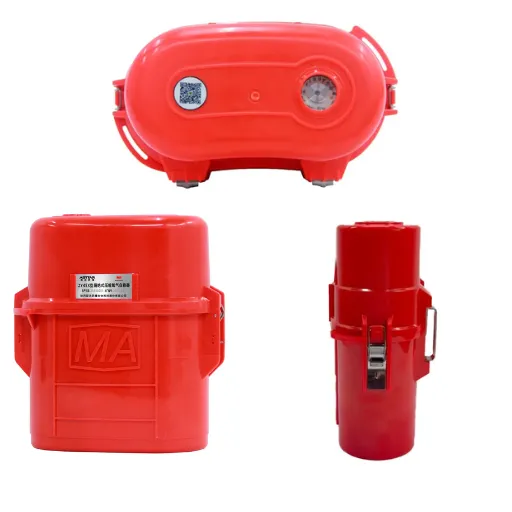
Certification is the foundation of trust for emergency breathing equipment. Before procurement, request documentation for the exact model and batch.
CE marking: Required for products placed on the European market.
ATEX certification: Confirms suitability for explosive atmospheres under EU directives.
ISO 9001: Quality management system covering design, production, and inspection.
ISO 14000 and OHSAS 18001: Environmental and occupational health management systems.
Local mining approvals: Country-specific requirements from mining or occupational safety authorities.
Test reports: Independent or manufacturer test data for the specific model.
ASTTAR maintains ISO 9001, ISO 14000, and OHSAS 18001 management systems and offers CE/ATEX certified self-rescuers where applicable. You can review the scope of approvals on our certifications page.
For authoritative technical background, the U. S. CDC/NIOSH provides resources on mining respiratory protection, the UK Health and Safety Executive covers mining health and safety topics, and ISO publishes quality management standards that underpin certified manufacturing.
Common Mistakes When Buying 45 Minute Compressed Oxygen Self-Rescuers
Buying on Unit Price Alone
The cheapest unit may cost more over its lifecycle if cylinders are hard to refill or spare parts are unavailable. Calculate total cost including refurbishment, hydrostatic testing, scrubber replacement, and training consumption.
Mismatching Duration to Escape Routes
A 45-minute unit is only useful if your longest escape route fits inside the rated duration with a safety margin. Map every route under realistic conditions before choosing a duration class.
Skipping the Training Budget
Refillable training units reduce ongoing cost, but the initial training set and drill time still require budget. Plan for both equipment and labor time.
Ignoring Local Approval Requirements
CE and ATEX matter for European markets, but many countries have their own mining safety approvals. Verify what your regulator requires before placing an order.
Mixing Models Without Clear Labeling
If some areas use 30-minute units and others use 45-minute units, workers must know which they carry and why. Color coding, signage, and consistent training reduce confusion.
FAQ
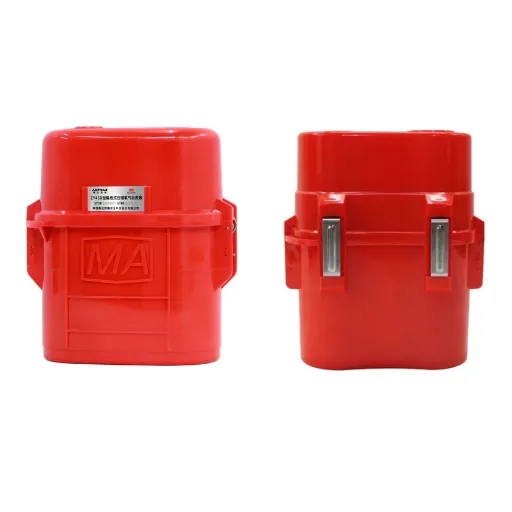
What is a 45 minute compressed oxygen self-rescuer?
A 45 minute compressed oxygen self-rescuer is a closed-circuit breathing device that stores oxygen in a cylinder and delivers 45 minutes of rated breathing time. It removes carbon dioxide from exhaled air and adds fresh oxygen, so it works independently of ambient atmosphere.
How does a compressed oxygen self-rescuer differ from a chemical oxygen self-rescuer?
A compressed oxygen self-rescuer uses a stored oxygen cylinder and a CO2 scrubber. A chemical oxygen self-rescuer generates oxygen through a chemical reaction when activated. Compressed oxygen units are typically refillable and reusable; chemical oxygen units are single-use.
What is the ZYX45 self-rescuer?
The ZYX45 is an isolated compressed oxygen self-rescuer rated for up to 45 minutes of breathing time. It is designed for underground emergency escape and is available with CE and ATEX certification options from ASTTAR.
How often should compressed oxygen self-rescuers be inspected?
Perform visual and pressure checks before each shift. Follow the manufacturer's schedule for hydrostatic testing, scrubber replacement, and full refurbishment. Local regulations may require additional intervals.
Can compressed oxygen self-rescuers be used for training?
Yes. Many models can be refilled and refurbished after controlled use, making them cost-effective for repeated training drills. Always use training units under supervision and according to manufacturer guidance.
What certifications should a 45 minute compressed oxygen self-rescuer have?
Look for CE marking, ATEX certification for explosive atmospheres, ISO 9001 quality management, and any local mining safety approvals required in your country. Request test reports for the specific model.
Conclusion
A 45 minute compressed oxygen self-rescuer is a practical choice when escape routes are long, training is frequent, or the atmosphere underground can become both toxic and oxygen-deficient. The closed-circuit design removes dependence on ambient air. The 45-minute duration adds a safety margin that shorter units cannot match. Reusable, refillable construction makes these devices suitable for realistic, repeated training.
Choosing the right model means matching duration, weight, breathing resistance, and certification to your operation. It also means committing to inspection, maintenance, and training programs that keep the equipment ready.
ASTTAR's isolated compressed oxygen self-rescuers, including the ZYX45, are built to CE and ATEX standards where applicable and supported by ISO 9001, ISO 14000, and OHSAS 18001 management systems. Our safety engineering team can help you select the right duration class, plan your maintenance schedule, and verify the certifications your regulators require.
Ready to spec a 45 minute compressed oxygen self-rescuer for your mine? Contact ASTTAR for datasheets, certification documents, or a procurement quote.
Recently Posted
-
Explosion Proof Flood Light for Mining: A 2026 Selection Guide
July 29, 2026An explosion proof flood light for mining is a high-output, certified LED fixture designed to illuminate large work areas, stockpi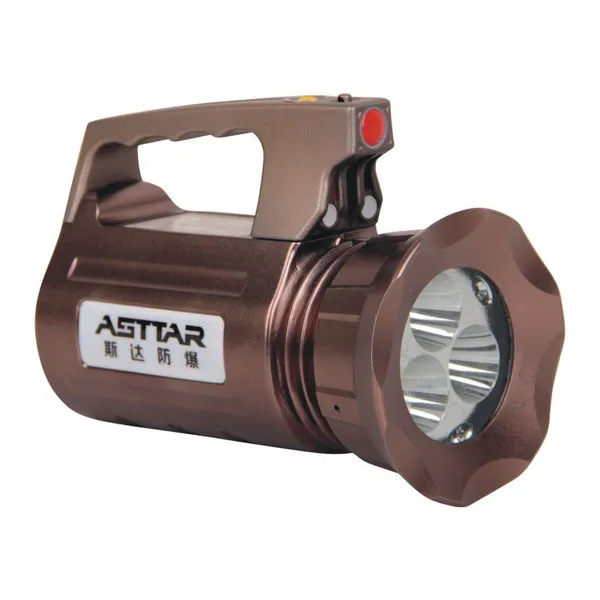 Read More
 -
Mechanical Anemometer for Mining: A 2026 Ventilation Survey Guide
July 29, 2026A mechanical anemometer for mining is a hand-held or bracket-mounted instrument that measures air velocity in underground roadways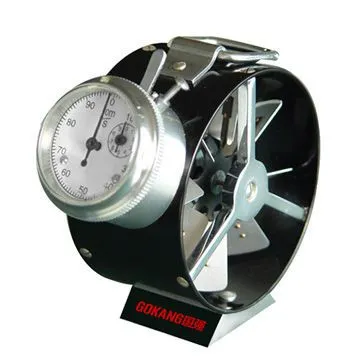 Read More
 -
LED Flameproof Tunnel Light for Mining: 2026 Selection Guide
July 29, 2026An LED flameproof tunnel light for mining is a fixed luminaire built inside a flameproof (Ex d) enclosure that contains any intern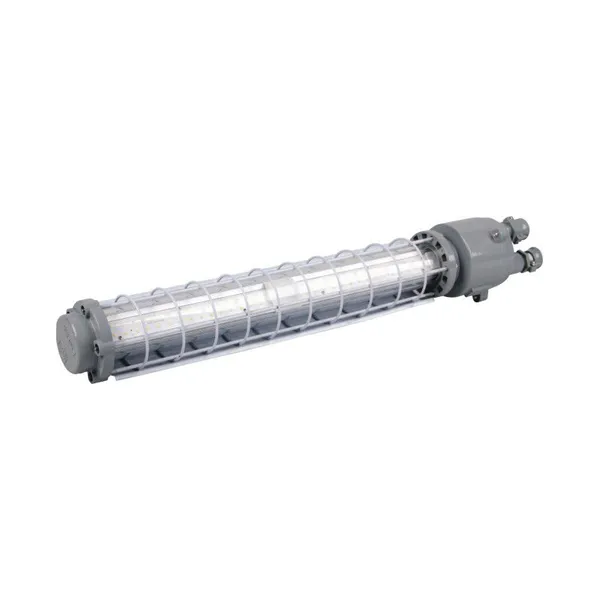 Read More
 -
Wholesale Mining Safety Equipment: A 2026 Procurement Guide
July 24, 2026Wholesale mining safety equipment is the bulk purchase of certified protective gear, escape devices, lighting, gas detection, and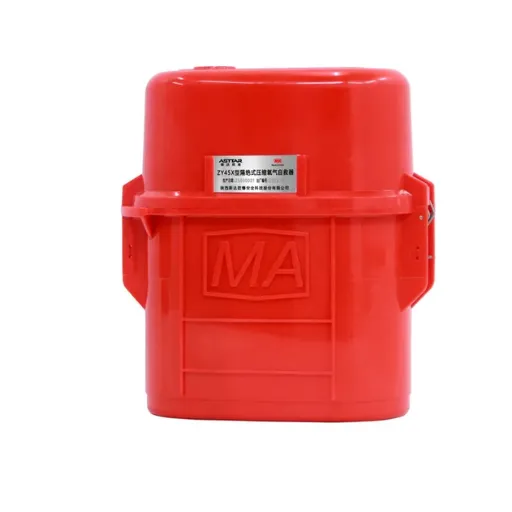 Read More

Contact Us

Recommended Products
-
 CE Certified 30 Minutes Closed Circuit Mining Oxygen Self-rescuerNegotiableMOQ: 1 Piece
 -
K-SB50 Self Contained Oxygen Escape Device Built-In Humidity Indicator For Mine Fire RescueNegotiableMOQ: 1 Piece
-
60 Minutes CE Approved Self-Contained Self-Rescuer K-Sb60 for Miner SafetyNegotiableMOQ: 1 Piece
-
Portable ZL60 Filter Self Rescuer Lightweight Underground Personal Breathing DeviceNegotiableMOQ: 1 Piece
-
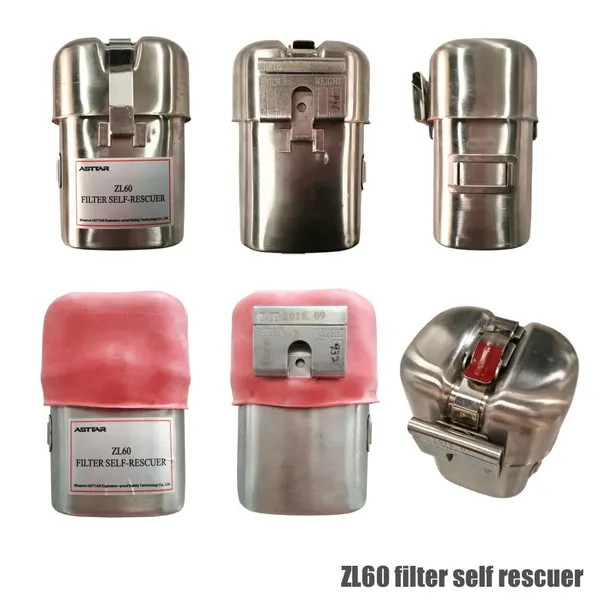
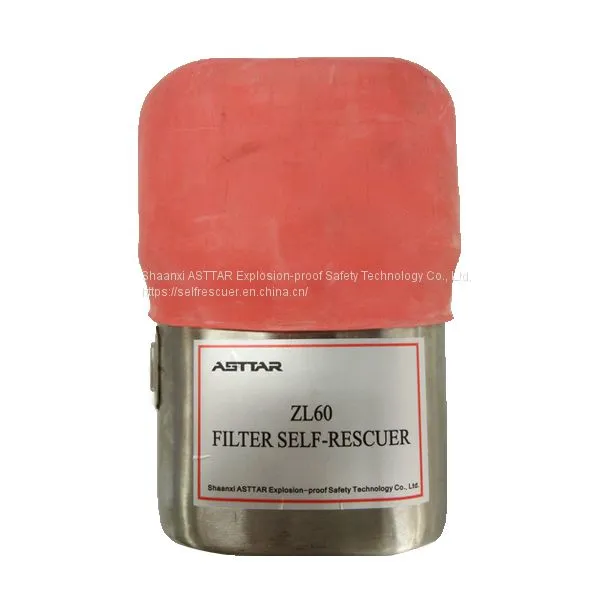
ZL60 60 Minutes Carbon Monoxide Filter Self RescuerUS$ 120 - 150MOQ: 1 Piece
-
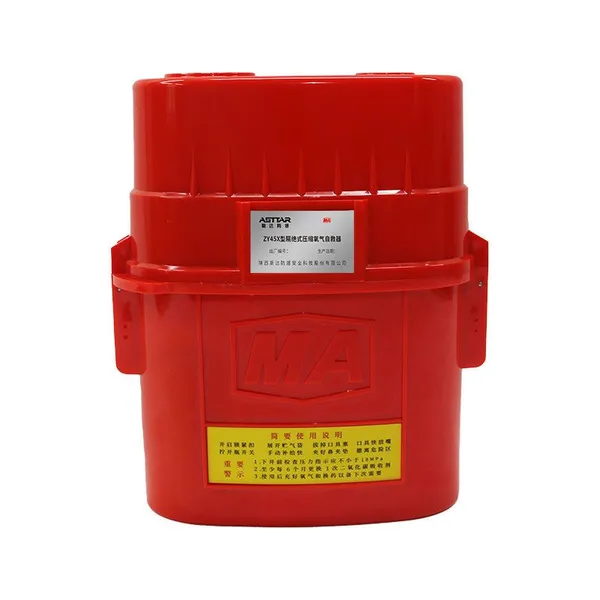
0.6L Oxygen Cylinder ZY45X Self Rescue Respirator Underground Mining Self RescuerNegotiableMOQ: 1 Piece
-
ZY30X Isolated Compressed Oxygen Self Rescuer Self Contained Breathing Escape DeviceUS$ 120 - 150MOQ: 1 Piece
-
Portable ZY45X Self Rescue Breathing Apparatus Emergency Escape Breathing DevicesNegotiableMOQ: 1 Piece
-
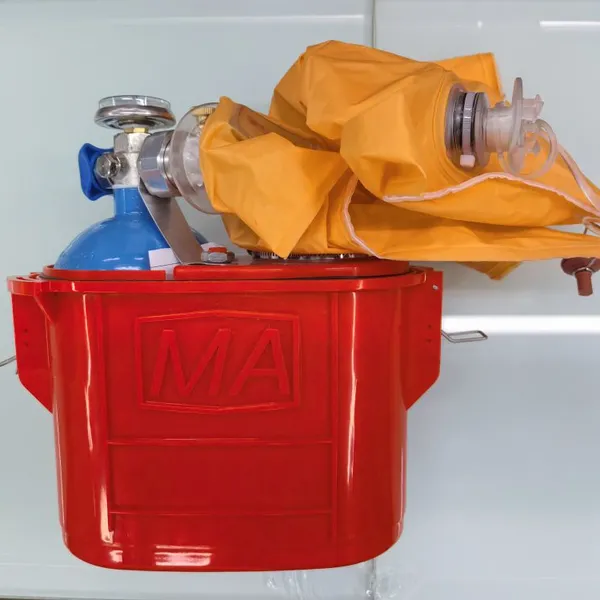
Heat Resistant PA Housing HYZ4(C) Positive Pressure Oxygen Apparatus Coal Mine Emergency RescueNegotiableMOQ: 1 Piece
-
HYZ2 Isolated Positive Pressure Oxygen Breathing Apparatus PC Face Shield Aluminized FabricNegotiableMOQ: 1 Piece
-
Atex 6ah 7000lux IP65 Mining Industrial Use Ex Proof LED Cap Lamp Safety HeadlampUS$ 98 - 110MOQ: 1 Piece
-
KL6Ex ATEX Rechargeable High Brightness Corded LED Headlamp Miner Cap LampUS$ 98 - 110MOQ: 1 Piece
-
KL1.2Ex LED Miner Cap Lamp ATEX Explosion Proof Mining HeadlampUS$ 75 - 85MOQ: 1 Piece
-
ATEX Cordless LED Cap Lamp Underground Mining Safety HeadlampUS$ 75 - 85MOQ: 1 Piece
-
5Ah Rechargeable LED Cordless Miner\'s HeadlampUS$ 85 - 98MOQ: 1 Piece
-
5Ah Rechargeable LED Cordless Miner's Cap LampUS$ 85 - 98MOQ: 1 Piece
-
Kl3lm (A) Cordless Intrinsically Safe Headlamp With Strobe Mode for EmergencyNegotiableMOQ: 1 Piece
-
Kl3lm (A) Cordless Intrinsically Safe LED Headlamp for Mining, Camping, and Outdoor ActivitiesNegotiableMOQ: 1 Piece
-
Industrial Underground KL3LM(A) 5 Modes LED Miner Headlamp IP65 Dustproof Waterproof For Gas Mine OperationNegotiableMOQ: 1 Piece
-
Long Lasting KL2LM(A) Cordless Miner Helmet Light With Complete Discharge ProtectionNegotiableMOQ: 1 Piece