
 Business License
Underground Mining Lighting Systems: A Complete Guide
Underground mining lighting systems combine personal cap lamps, fixed roadway and tunnel luminaires, and emergency backup units to keep workers, vehicles, and equipment visible in the dark. A well-designed system does more than brighten a heading. It reduces collisions, improves inspection accuracy, and supports safe evacuation when the main power fails.
Lighting underground is different from surface lighting. Rock walls absorb light, dust scatters it, and moisture corrodes fittings. Methane and coal dust add an explosion risk that ordinary industrial lighting cannot handle. Every fixture must therefore be matched to the zone, the task, and the harsh conditions of a mine.
In this guide, you will learn what makes an underground mining lighting system effective, how cap lamps, fixed luminaires, and emergency lighting work together, which standards and certifications apply, and how to design, install, and maintain lighting for haul roads, tunnels, and working faces. You will also see how lighting connects to gas detection, explosion-proof standards, and the broader hazardous-area lighting strategy.
Key Takeaways
Underground mining lighting systems blend cap lamps, fixed luminaires, and emergency lighting.
Fixtures in gassy mines must be explosion-proof or intrinsically safe, with ATEX, IECEx, or national mining approvals.
Key design factors include illuminance level, beam spread, glare control, ingress protection, and emergency backup.
LED technology now dominates because of long life, low heat, and reduced maintenance.
Regular inspection, cleaning, and battery testing keep the system reliable over time.
Why Underground Mining Lighting Systems Matter
Visibility is a safety control. Poor lighting hides hazards, slows reaction time, and increases the chance of vehicle-pedestrian incidents. In a mine where workers share roadways with trucks, loaders, and conveyors, a dim corner can turn a routine crossing into a serious accident.
Lighting also affects productivity. Workers inspect roof conditions, read gauges, and perform maintenance tasks in places where daylight never reaches. The right light level lets them do their jobs accurately and with less fatigue. A lighting system is therefore both a safety investment and an operational one.
Regulators treat mine lighting as a requirement, not a preference. Many mining codes set minimum illuminance levels for travel ways, working places, and escape routes. Emergency lighting must continue during a power outage so workers can find their way to refuge or the surface. A lighting system that fails compliance can shut down a section until it is fixed.
James is the electrical engineer at an underground gold mine. During a routine audit, the safety team found several headings where the measured light level was below the minimum for vehicle traffic. The existing fluorescent batten fittings were old, and dust had dulled the reflectors.
James redesigned the underground mining lighting system for those levels. He replaced the old fittings with sealed LED luminaires, added a few extra units at intersections, and installed battery-backed emergency lights at the escape routes. Light levels improved, maintenance calls dropped, and the regulator closed the finding. The project paid for itself in fewer lamp changes and less downtime.
Components of Underground Mining Lighting Systems
A complete system has three layers: personal lighting, fixed area lighting, and emergency lighting. Each layer solves a different visibility problem.
Cap Lamps and Personal Lighting
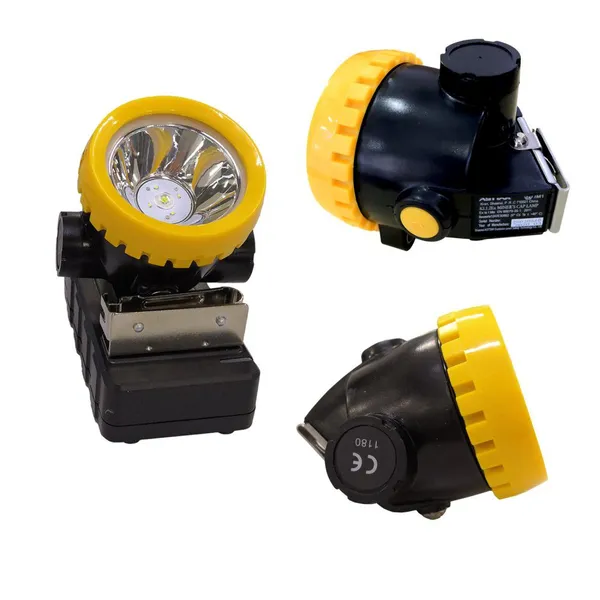
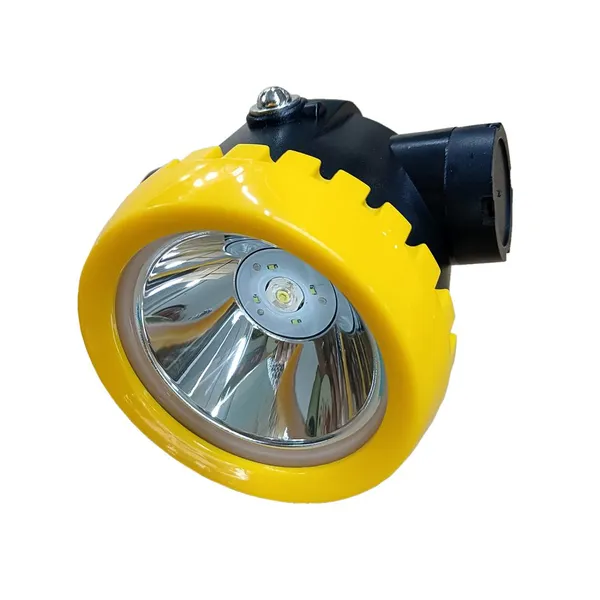
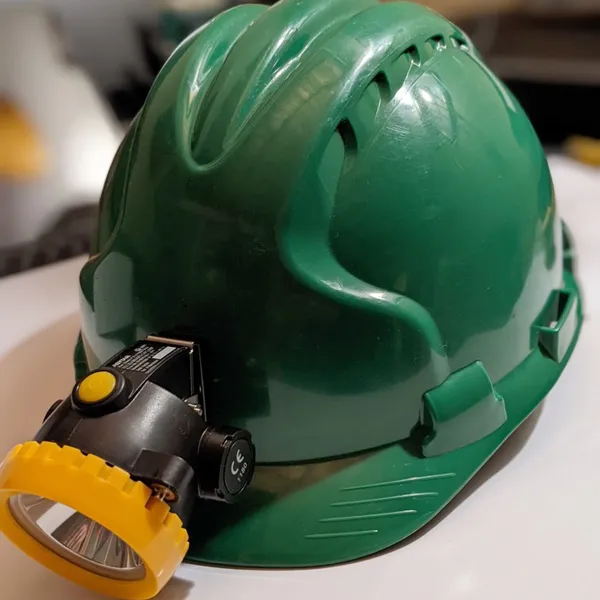
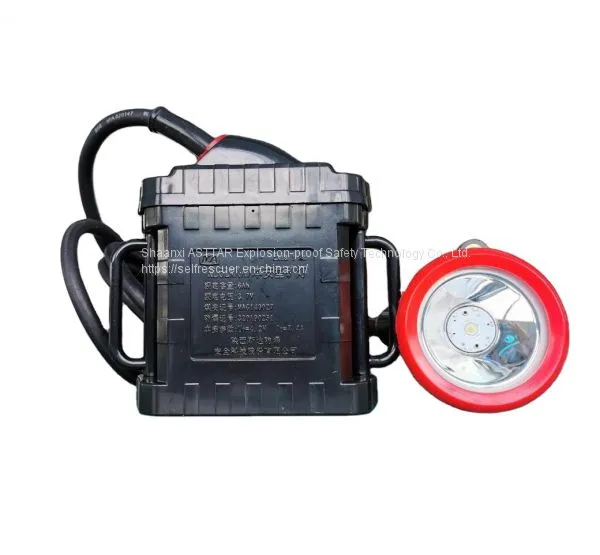
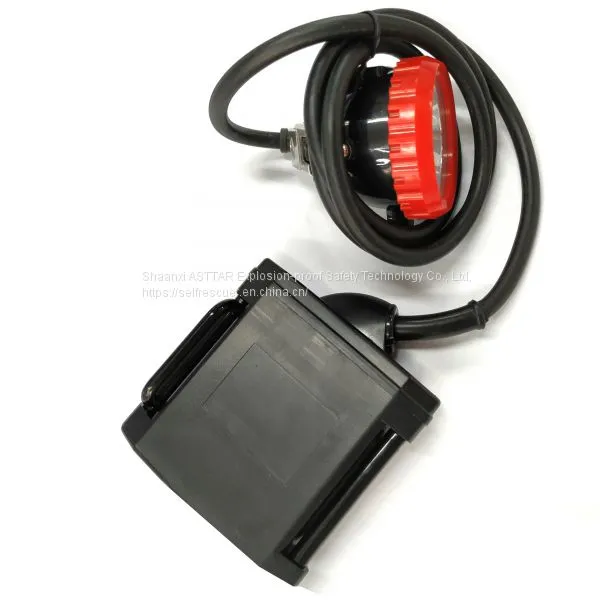
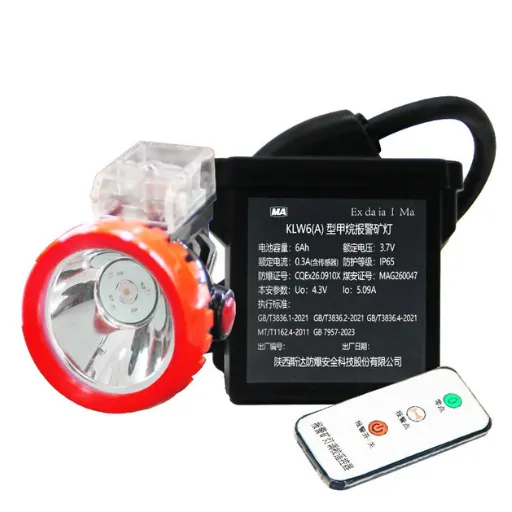
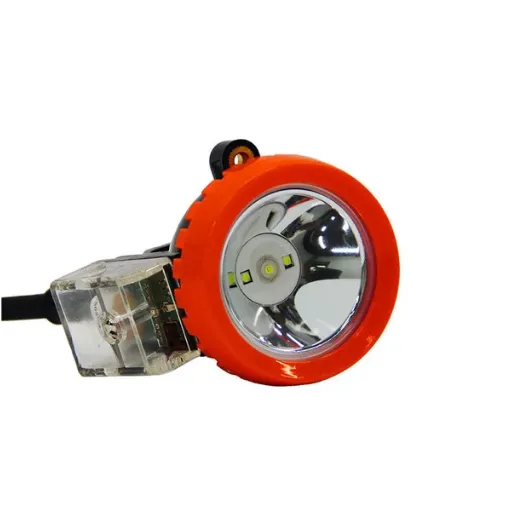
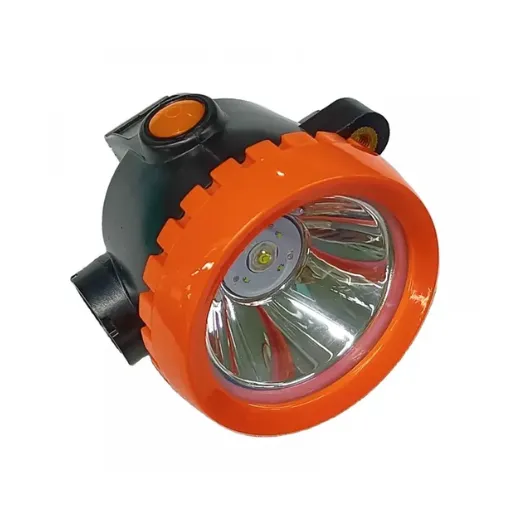
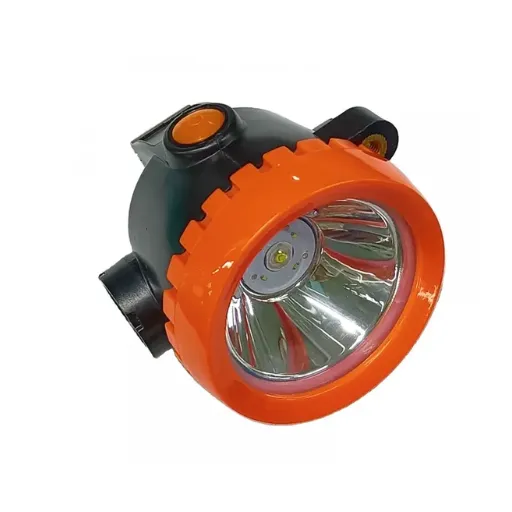
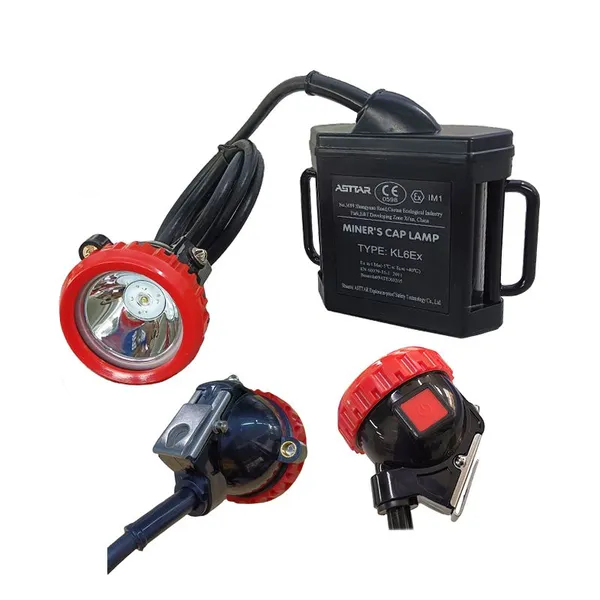
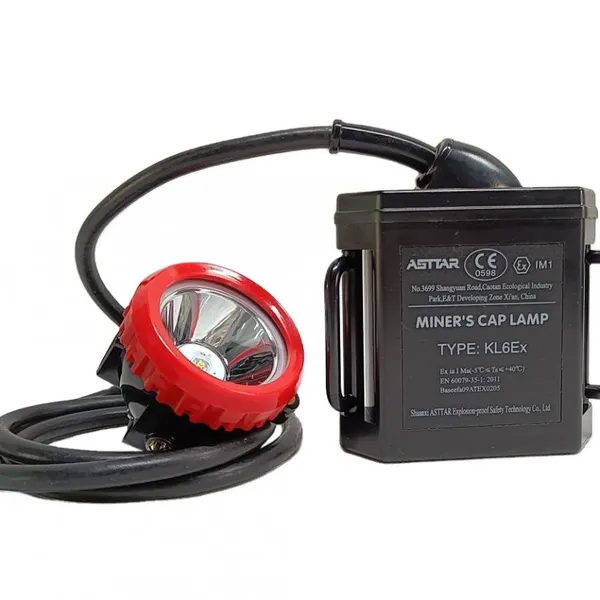
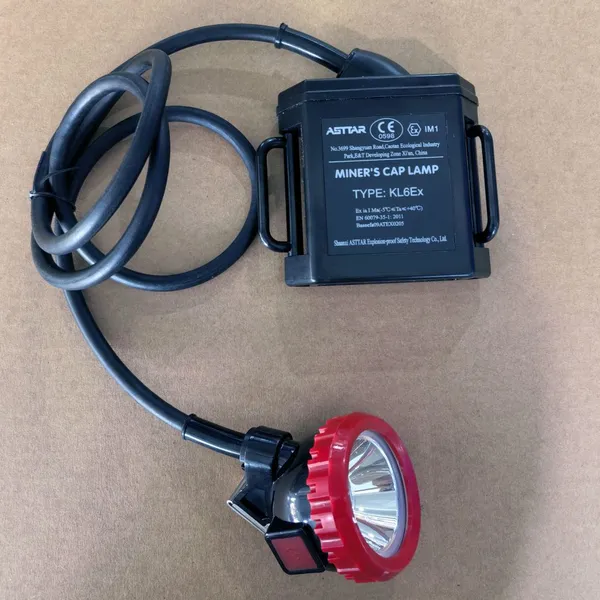
Every underground worker carries a personal light. Cap lamps mount on the helmet and move with the wearer, providing hands-free illumination wherever they look. Modern LED cap lamps offer runtimes of 16 hours or more, bright beams, and low weight.
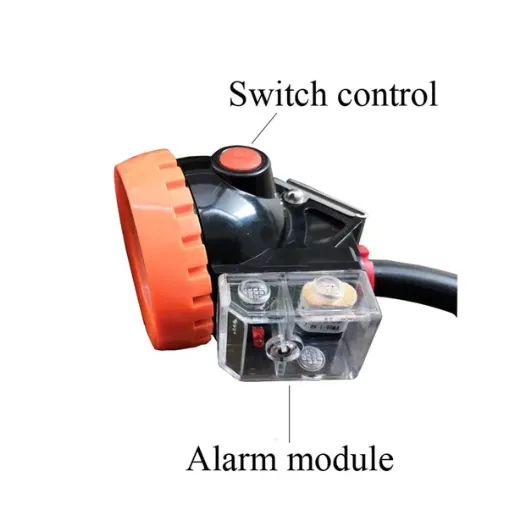
Some models integrate gas detection or methane alarms, adding a second layer of safety. For hazardous atmospheres, cap lamps must be intrinsically safe or flameproof.
Fixed Roadway and Tunnel Luminaires
Fixed lighting illuminates haul roads, travel ways, workshops, and tunnels. These luminaires are mounted overhead or on walls and are powered by the mine's electrical distribution. LED technology is now the standard because it delivers more light per watt and lasts far longer than fluorescent or sodium lamps.
In gassy mines, fixed luminaires must be explosion-proof or certified for the zone. Housings need high ingress protection to resist dust and water, and robust mounts to survive vibration from passing equipment.
Work Face and Task Lighting
Working faces, loading points, and maintenance bays need high-intensity task lighting. These fixtures are often portable or temporarily mounted so crews can position light where the work happens. Task lighting must be bright enough for the job without creating glare that blinds operators of nearby equipment.
Emergency and Escape Lighting
When the main power fails, emergency lighting must stay on. Battery-backed units mark escape routes, refuge chambers, and critical controls. Escape lighting is not optional; it is part of the mine's emergency preparedness plan. Systems should be tested regularly to confirm that batteries hold their charge.
Lighting Types Compared
| Lighting Type | Best For | Power Source | Key Requirement |
|---|---|---|---|
| LED cap lamp | Personal mobility | Helmet-mounted battery | Intrinsically safe, long runtime |
| Fixed LED luminaire | Haul roads, tunnels | Mine distribution | Explosion-proof, high IP rating |
| Portable task light | Work face, maintenance | Battery or cable | Bright, glare-free, easy to move |
| Emergency light | Escape routes | Battery backup | Automatic switchover, tested monthly |
Standards and Certifications for Mine Lighting
Underground mining lighting systems must meet standards for electrical safety, explosion protection, and performance. The exact requirements depend on the country and the mine type.
Explosion Protection
In coal mines and other gassy operations, lighting must not ignite methane or coal dust. Common protection concepts include flameproof enclosures (Ex d), increased safety (Ex e), and intrinsic safety (Ex i). Cap lamps are usually intrinsically safe, while fixed luminaires often use flameproof housings. For a full breakdown of ATEX and IECEx marking, see our guide to hazardous area LED lighting ATEX.
Ingress and Impact Protection
Dust and water are constant problems underground. A minimum of IP65 is typical for fixed mine luminaires, with IP66 or IP67 preferred in wet areas. Impact resistance, measured as an IK rating, helps fixtures survive bumps from equipment and rockfall.
Regional Mining Approvals
Different regions have their own approvals. In the United States, MSHA regulates mine lighting. China uses the MA mark for mining equipment.
Australia and South Africa have their own schemes. Always confirm which approval applies to your site before selecting fixtures.
The IECEx scheme provides international certification for explosive atmospheres, which many mines accept alongside or instead of national marks. For general mining safety research and incident data, the U. S. NIOSH mining program is a useful authority.
Designing an Underground Mining Lighting System
Design starts with the spaces to be lit and the tasks performed in each. A roadway used by large haul trucks needs different lighting from a narrow service drift or a workshop bench.
Set Illuminance Targets
Illuminance is the amount of light falling on a surface, measured in lux. Typical mine targets include:
| Area | Typical Illuminance Target |
|---|---|
| Main haul road | 20-50 lux |
| Travel way / walkway | 10-20 lux |
| Workshop / bench | 200-500 lux |
| Work face / loading point | 50-100 lux |
| Escape route (emergency) | Minimum code requirement |
These values are guidelines; local mining regulations and company standards may differ. A lighting calculation using the fixture's lumen output, beam angle, spacing, and mounting height predicts actual performance before installation.
Control Glare and Shadows
Glare reduces visibility and causes eye fatigue. Fixtures should be positioned and shielded so workers and vehicle operators are not looking directly into the light source. Uniform light with soft shadows is better than a few very bright spots surrounded by darkness.
At intersections and corners, extra care is needed. A truck turning into a crosscut can blind an oncoming pedestrian if the headlights or fixed lighting create direct glare. Bollard or low-mounted lights can mark pedestrian areas without shining into drivers' eyes.
Plan for Power Distribution
Fixed lighting loads must be balanced across the mine's electrical network. Voltage drop over long cables can reduce light output at the far end of a level. Cable sizing, transformer placement, and circuit protection all affect performance.
Emergency circuits should be separate from general lighting where possible, so a fault in one does not disable the other.
Choose the Right Color Temperature
Color temperature affects how well workers see details and colors. Cool white light, around 5000-6000K, is common in mines because it appears bright and improves contrast. However, very cool light can increase glare and fatigue over long shifts. Some sites prefer neutral white, around 4000K, for a balance of visibility and comfort.
Lena is the project engineer for a tunnel construction contractor. Her crews worked two 10-hour shifts in a long drainage tunnel with limited natural ventilation. The original lighting was a mix of temporary halogen floodlights and aging fluorescent tubes.
She specified an underground mining lighting system with fixed LED tunnel luminaires at 20-meter intervals and a fleet of intrinsically safe LED cap lamps for every worker. The tunnel was classified as potentially gassy, so every fixture carried the required certification.
Light levels stabilized across the tunnel, halogen heat loads disappeared, and the number of lamps that failed from vibration dropped sharply. Her crews also reported less eye strain during the second half of their shifts.
Installation Best Practices
A good design can fail if installation is rushed. Underground conditions demand careful mounting, sealing, and commissioning.
Mount Securely
Vibration from traffic and blasting can loosen brackets. Use robust mounts rated for the environment, and check torque settings after the first few weeks of operation. Fixtures above haul roads need extra protection from rockfall and swinging loads.
Seal Cable Entries
Dust and moisture enter through cable glands and joints. Use the correct gland type for the cable and the enclosure rating. A single failed seal can destroy an LED driver or create an ignition path in a gassy mine.
Commission with Measurements
After installation, measure illuminance at representative points. Compare the results to the design targets and to regulatory minimums. Document the readings so future inspections can spot degradation.
Mark and Protect Emergency Circuits
Emergency lighting circuits should be clearly marked and tested separately. If emergency units share circuits with general lighting, a fault can disable both. Battery-backed units need a regular test schedule to confirm automatic switchover.
Maintenance and Troubleshooting
Underground mining lighting systems work in dust, water, and vibration. Without maintenance, output drifts and failures accumulate.
Cleaning
Dust on lenses and reflectors reduces effective light output. Clean fixtures on a schedule that matches the dust level in the area. In some mines, monthly cleaning is necessary; in cleaner areas, quarterly may be enough. Always follow lockout procedures before cleaning.
Inspection
Inspect mounts, seals, lenses, and cabling during routine patrols. Look for corrosion, cracks, loose glands, and damaged guards. A small crack in a flameproof enclosure can compromise its certification.
Battery Management
Cap lamps and emergency lights depend on batteries. Track charge cycles, runtime, and replacement dates. Lithium-ion batteries offer long life and consistent output, but they still degrade over time. Replace batteries before they fail underground.
Lamp Replacement and Spares
One advantage of LED lighting is long life, but drivers, seals, and batteries can still fail. Keep a stock of common spares and train maintenance staff on safe replacement procedures in hazardous areas. For broader safety system checks, see our mining safety standards reference.
Integration with Other Safety Systems
Lighting does not work alone. It is part of a broader safety environment that includes gas detection, ventilation, communication, and escape equipment.
Gas Detection and Lighting
In gassy mines, lighting must be compatible with the area classification. Gas detectors and alarms alert workers when methane or other gases rise. Cap lamps with integrated methane alarms add a personal warning close to the worker. Our guide to methane detection best practices explains how detection layers work underground.
Ventilation
Good ventilation reduces dust and dilutes gas, which indirectly protects lighting fixtures and improves visibility. Some lighting circuits can be tied to ventilation status so critical escape lighting remains on even if production power is isolated.
Communication
Workers need to report lighting faults and hazards quickly. A reliable communication system ensures that a failed luminaire or a dark corner is fixed before it causes an incident.
Escape Equipment
If lighting fails during an emergency, workers still need to find their way out. Self-rescuers, refuge chambers, and cap lamps become even more important. Lighting supports evacuation, but it is one layer among several.
Ahmed is the safety manager at a coal mine. After a localized power outage left a section of travel way dark for several minutes, he reviewed the underground mining lighting system. He found that the emergency lights in that area had failed because their batteries had not been tested for over a year.
Ahmed implemented a monthly test routine for all emergency units and replaced the batteries on a scheduled cycle. He also added photoluminescent route markers at key intersections as a backup.
Six months later, a similar outage occurred. This time the emergency lights functioned, and workers reached the surface without confusion. The incident showed that even a small maintenance gap can undermine the whole system.
Common Mistakes to Avoid
Using Surface-Grade Fixtures Underground
An IP20 industrial light may survive in a warehouse but will fail quickly in a mine. Dust, water, and impact destroy ordinary fittings. Always specify fixtures rated for underground conditions.
Ignoring Color Rendering
Some LED lights are bright but have poor color rendering, which makes it hard to identify cable colors, rock conditions, or warning signs. Choose LEDs with a reasonable color rendering index for the task.
Overlooking Emergency Coverage
Emergency lighting is often installed at main exits but missed in secondary travel ways. Every route that workers might use during an evacuation needs coverage.
Skipping Commissioning Measurements
Installing fixtures is not enough. Measure the actual light levels and compare them to the design. Without commissioning data, you cannot prove compliance or identify degradation.
Frequently Asked Questions
What is an underground mining lighting system?
An underground mining lighting system is the combination of cap lamps, fixed luminaires, task lights, and emergency lighting used to illuminate mines, tunnels, and underground work areas safely.
What types of lights are used in underground mining?
The main types are LED cap lamps for personal lighting, fixed LED luminaires for roads and tunnels, portable task lights for work faces, and battery-backed emergency lights for escape routes.
Why must mine lighting be explosion-proof?
In gassy mines, methane can accumulate and ignite from a hot surface or spark. Explosion-proof or intrinsically safe lighting is designed so it cannot ignite the surrounding atmosphere.
How often should emergency lighting be tested?
Emergency lighting should be tested at least monthly with a brief functional test, and annually with a full duration test. Battery replacement should follow the manufacturer's schedule or sooner if tests show reduced runtime.
What is the difference between cap lamps and fixed mine lights?
Cap lamps are personal lights worn by each worker. Fixed mine lights are mounted on roadways, tunnels, or walls to illuminate general areas. Both are needed for a complete system.
How do I choose the right LED mine light?
Match the fixture to the zone, the task, and the environment. Check certification, ingress protection, impact resistance, lumen output, beam angle, color temperature, and runtime or battery backup.
Final Checklist: Designing Underground Mining Lighting Systems
Define the area classification and required certification for each zone
Set illuminance targets based on task and local regulations
Select LED fixtures with appropriate IP and IK ratings
Plan mounting heights, spacing, and beam angles
Control glare and shadows at intersections and work areas
Size cables and distribution to avoid excessive voltage drop
Install battery-backed emergency lighting on all escape routes
Commission with light-level measurements and document results
Set cleaning, inspection, and battery-replacement schedules
Integrate lighting with gas detection, ventilation, and communication systems
Conclusion
Underground mining lighting systems are essential for safety and productivity. A complete system combines personal cap lamps, fixed roadway and tunnel luminaires, task lighting, and emergency backup. Each layer must be matched to the mine's hazards, tasks, and environmental conditions.
LED technology has made modern systems more efficient and reliable, but certification and maintenance remain the deciding factors. A fixture with the wrong explosion-protection rating or a dead emergency battery can create the very risk the lighting system is meant to reduce.
If you are designing or upgrading underground mining lighting systems for a mine or tunnel, start with the area classification and the tasks your workers perform. Then select fixtures that deliver the right light levels, certification, and durability for each location. For specification support, certification guidance, or a product comparison, contact ASTTAR's safety engineering team. You can also explore our explosion-proof lighting range for certified underground lighting options.
Recently Posted
-
Mechanical Anemometer for Mining: A 2026 Ventilation Survey Guide
July 24, 2026A mechanical anemometer for mining is a hand-held or bracket-mounted instrument that measures air velocity in underground roadways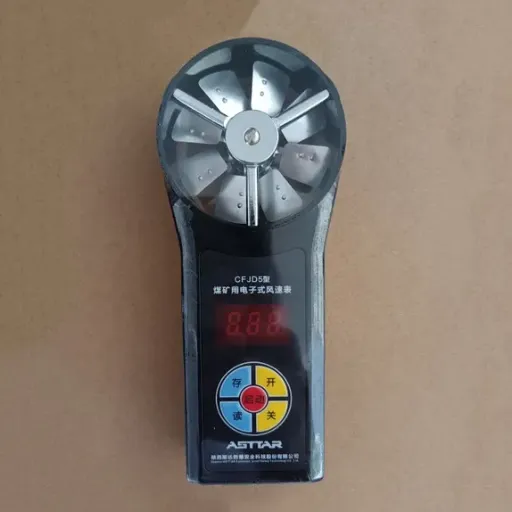 Read More
 -
Wholesale Mining Safety Equipment: A 2026 Procurement Guide
July 24, 2026Wholesale mining safety equipment is the bulk purchase of certified protective gear, escape devices, lighting, gas detection, and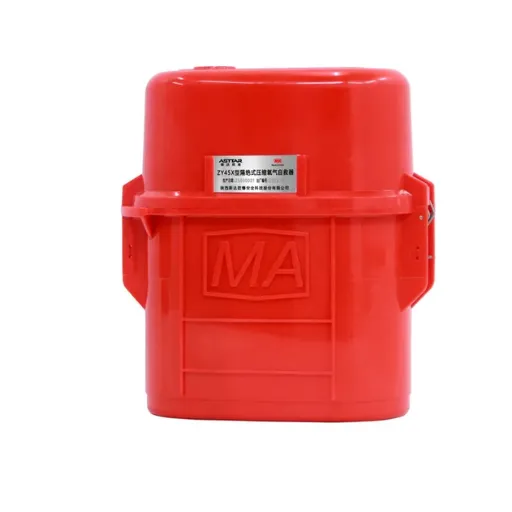 Read More
 -
Mining Safety Equipment Checklist for 2026
July 24, 2026A complete mining safety equipment checklist covers respiratory protection, gas detection, lighting, personal protective equipment Read More
 -
Breathing Apparatus for Mine Rescue: A 2026 Selection and Deployment Guide
July 24, 2026Breathing apparatus for mine rescue is specialized respiratory protection that supplies independent breathable air to rescue teams Read More

Contact Us

Recommended Products
-
 CE Certified 30 Minutes Closed Circuit Mining Oxygen Self-rescuerNegotiableMOQ: 1 Piece
 -
CE Certified 30 Minutes Isolated Breathing Protection Chemical Oxygen Self RescuerNegotiableMOQ: 1 Piece
-
K-SB50 Self Contained Oxygen Escape Device Built-In Humidity Indicator For Mine Fire RescueNegotiableMOQ: 1 Piece
-
60 Minutes CE Approved Self-Contained Self-Rescuer K-Sb60 for Miner SafetyNegotiableMOQ: 1 Piece
-
Lightweight Portable K-SB60 KO2 Oxygen Generating Self Rescuer For Confined Space Industrial Emergency UseNegotiableMOQ: 1 Piece
-
Portable ZL60 Filter Self Rescuer Lightweight Underground Personal Breathing DeviceNegotiableMOQ: 1 Piece
-
Fire Fighting Oxygen Rebreather Mine Chemical Self-Rescuer Portable Isolated Breathing EquipmentNegotiableMOQ: 1 Piece
-
ZL60 60 Minutes Carbon Monoxide Filter Self RescuerUS$ 120 - 150MOQ: 1 Piece
-
ZY30X Isolated Compressed Oxygen Self Rescuer Self Contained Breathing Escape DeviceUS$ 120 - 150MOQ: 1 Piece
-
ZY45X Mining Self Rescuer Self Rescue Packs For Low Oxygen Toxic Gas EnvironmentNegotiableMOQ: 1 Piece
-
Portable ZY45X Self Rescue Breathing Apparatus Emergency Escape Breathing DevicesNegotiableMOQ: 1 Piece
-
0.6L Oxygen Cylinder ZY45X Self Rescue Respirator Underground Mining Self RescuerNegotiableMOQ: 1 Piece
-
Atex 6ah 7000lux IP65 Mining Industrial Use Ex Proof LED Cap Lamp Safety HeadlampUS$ 98 - 110MOQ: 1 Piece
-
KL6Ex ATEX Rechargeable High Brightness Corded LED Headlamp Miner Cap LampUS$ 98 - 110MOQ: 1 Piece
-
ATEX-Certified KL6Ex Mining Lamp: Essential Safety for Underground OperationsUS$ 98 - 110MOQ: 1 Piece
-
KL1.2Ex LED Miner Cap Lamp ATEX Explosion Proof Mining HeadlampUS$ 75 - 85MOQ: 1 Piece
-
ATEX Cordless LED Cap Lamp Underground Mining Safety HeadlampUS$ 75 - 85MOQ: 1 Piece
-
Rechargeable Wireless LED Mining Headlamp for Potentially Explosive EnvironmentsUS$ 75 - 85MOQ: 1 Piece
-
KL6LM (A) Intrinsically Safe High Brightness Miner's Cap LampUS$ 120 - 150MOQ: 1 Piece
-
5Ah Rechargeable LED Cordless Miner\'s HeadlampUS$ 85 - 98MOQ: 1 Piece