
 Business License
Certified Explosion Proof Light Fixture: 2026 Buying Guide
A certified explosion proof light fixture is a luminaire that has been tested by an accredited body and marked for safe use in explosive atmospheres. The certification mark, not the words "explosion proof" printed on a sales sheet, is what tells you the fixture can contain an internal ignition and protect workers in gassy mines, chemical plants, or dust-laden mills. In other words, it is the foundation of reliable hazardous area lighting. A modern LED flameproof light delivers the same protection with lower heat and energy use.
What happens when a buyer trusts the label alone? A fixture that looks identical to a certified model arrives at the site. It has the right housing shape, the right LED board, and a tempting price.
But the flame path has never been verified, the temperature class was never confirmed, and the certificate number does not exist in any official database. In a hazardous area, that fixture is not a bargain. It is an ignition source waiting for the right mixture of gas and oxygen.
This guide shows you how to choose a certified explosion proof light fixture with confidence and explains the principles behind explosion proof lighting in general. You will learn what the protection concepts mean, how to read certification marks, which specifications matter for your environment, and how to verify that an ATEX explosion proof light is covered by a valid certificate.
Key Takeaways
A certified explosion proof light fixture carries a mark from an accredited body such as ATEX, IECEx, or MSHA, not just a supplier claim.
Match the fixture's protection concept, gas group, and temperature class to the actual hazardous atmosphere.
Certified mining tunnel light options must also withstand blast vibration, dust, and moisture in underground passageways.
LED flameproof light fixtures reduce heat and energy use while maintaining Ex d or Ex e protection for continuous operation.
Verify certificate numbers through official databases before installation.
Plan mounting, spacing, and maintenance so the enclosure stays sound for the full service life.
What Makes a Light Fixture "Explosion Proof"?
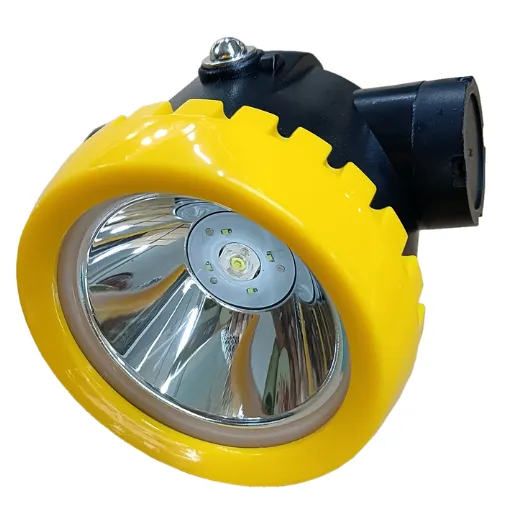
Explosion proof does not mean the fixture prevents an explosion. It means the enclosure is engineered so that if flammable gas or dust enters and ignites inside, the flame and hot gases are cooled before they reach the surrounding atmosphere. The protection relies on precise flame paths, joint gaps, and material strength rather than on keeping every molecule of gas out.
The most common protection concept for fixed lighting is flameproof, designated Ex d. A flameproof enclosure contains an internal explosion and channels it through machined joints that absorb heat. By the time any flame reaches the outside, it is below the ignition temperature of the surrounding atmosphere. Other concepts used in explosion proof lighting include increased safety (Ex e), where additional measures prevent arcs or sparks in normal operation, and encapsulation (Ex m), where circuits are sealed in compound.
For a deeper explanation of how these protection concepts are tested and marked, see our guide to explosion-proof lighting standards.
Why Certification Matters More Than the Label
The word "explosion proof" is not a global standard on its own. In one country it may refer to a specific test protocol; in another it may be used loosely by marketers. A certified explosion-proof luminaire carries a mark issued by a notified or accredited body after testing to a recognized standard. That mark ties the product to a test report, a certificate number, and a scope of approval.
This distinction matters because hazardous-area equipment is only as good as its traceability. When an inspector audits your site, they will not accept a datasheet. They want the certificate, the certificate number, and confirmation that the exact model installed is covered by that certificate. If the certificate is missing, expired, or applies to a different product variant, the installation fails compliance regardless of how robust the housing looks.
The certified fixture is the core component of any responsible hazardous area lighting strategy.
A procurement manager at a grain processing facility in Jiangsu Province learned this lesson when a batch of overseas fixtures arrived with certificates that looked correct but were issued for a different voltage variant. Because the facility checked the certificate number against the model number before installation, they caught the mismatch and returned the shipment. The delay was inconvenient, but it avoided a much costlier shutdown after the safety audit.
ATEX, IECEx, MSHA: Decoding the Marks
Certification marks tell you where the fixture was approved and under which technical framework. Understanding the difference helps you match the fixture to your jurisdiction and your hazardous-area classification.
| Mark | Region | What it covers |
|---|---|---|
| ATEX | European Union | Equipment and protective systems for explosive atmospheres under Directive 2014/34/EU |
| IECEx | International | Certification scheme based on IEC standards, recognized in many countries outside the EU |
| MSHA | United States | Approval for permissible equipment in coal mines and some metal/non-metal operations |
| NEC/CEC | North America | National Electrical Code and Canadian Electrical Code area classification and installation rules |
An ATEX explosion proof light, for example, carries the Ex mark with a protection concept, gas group, and temperature class. A typical marking might read Ex d IIC T6, meaning flameproof enclosure, suitable for hydrogen-rich gas groups, with a maximum surface temperature of 85°C. Whether you are sourcing an IECEx, MSHA, or ATEX explosion proof light, the mark must match the jurisdiction and the exact product model installed. For details on how ATEX and IECEx markings compare, read our ATEX vs IECEx certification guide.
The gas group tells you which flammable substances the fixture can safely withstand. Group I covers mines, Group IIA covers propane atmospheres, Group IIB covers ethylene, and Group IIC covers hydrogen and acetylene. The temperature class tells you the maximum surface temperature the fixture reaches under fault conditions. Choose a temperature class lower than the ignition temperature of the gases present.
For official background on ATEX, the UK HSE publishes a useful overview. United States mine operators can find MSHA approval requirements on the MSHA website. The IECEx site lists certified equipment in its international database. For a summary of ASTTAR's quality and product certifications, see our certifications page.
How to Choose the Right Certified Fixture for Hazardous Areas
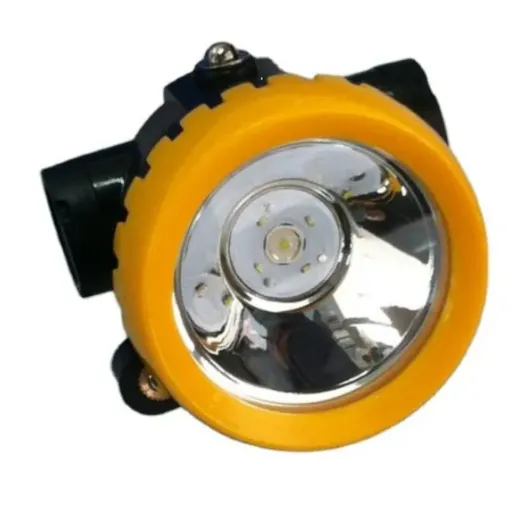
Selecting a certified explosion proof light fixture is easier when you treat it as a compliance decision first and a lighting decision second. Follow this order:
Define the hazardous area. Identify the zone classification, the gas or dust group, and the ignition temperature of the substances present.
Choose the protection concept. Fixed high-output lighting usually uses Ex d flameproof. Low-power or portable lighting may use Ex i intrinsically safe designs.
Match the certification to your jurisdiction. ATEX for the EU, IECEx for international projects, MSHA for US coal mines.
Set the lighting requirements. Luminous flux, beam angle, color temperature, and mounting height should match the task and traffic.
Verify the certificate. Check the certificate number, the model number, and the scope of approval against the official database.
Plan for service life. Confirm spare parts, warranty terms, and technical support before committing to a large order.
This sequence protects you from the common trap of falling in love with a lumen figure or a price before confirming that the fixture is legally allowed in your atmosphere. A beautifully bright fitting that fails the certification check is not a candidate; it is a rejected shipment.
For projects that need underground tunnel illumination, our guide to the LED flameproof tunnel light for mining walks through the same certification logic applied specifically to tunnel environments. A certified mining tunnel light must meet the same gas-group and temperature-class requirements as any surface-mounted hazardous area fitting.
Specifications That Affect Real-World Performance
Once certification is confirmed, the specifications below separate a reliable LED flameproof light or certified explosion proof light fixture from one that will disappoint in the field.
Luminous Flux and Efficacy
Luminous flux, measured in lumens, is the total light output. Efficacy, in lumens per watt, tells you how efficiently the fixture converts electricity into light. Higher efficacy means less heat at the LED junction and lower energy consumption, which is important for fixtures that run continuously in enclosed spaces.
Beam Angle and Distribution
A fixture with high lumen output but a narrow beam leaves dark gaps. Look at the photometric distribution, not just the headline lumen number. A certified explosion proof light fixture for a roadway or tunnel needs wide, even distribution along the travel path.
Ingress Protection Rating
The IP rating describes protection against dust and water. An IP66 rating, for example, blocks dust and withstands powerful water jets. In wet, dusty environments such as mines or chemical plants, a low IP rating is a common cause of premature failure.
Color Temperature and Rendering
A neutral to cool white, roughly 5000K to 6500K, improves contrast and helps workers identify hazards, cable colors, and warning signs. Good color rendering also helps maintenance crews spot oil leaks, corrosion, or discolored materials early.
Rated Lifespan and Thermal Management
LED lifespan depends heavily on heat. A well-designed LED flameproof light uses the heavy metal enclosure as a heat sink and keeps the LED junction temperature within specification. Compare the L70 rating, the hours until output drops to 70%, rather than an optimistic headline number.
Supply Voltage and Power Quality
Confirm the fixture matches your site's nominal voltage and tolerates the voltage swings common on long cable runs. Wide-input drivers and surge protection reduce nuisance failures in remote locations.
Installation, Inspection, and Maintenance
A certified explosion proof light fixture protects workers only while the enclosure remains sound, so installation, inspection, and maintenance are essential phases of any explosion proof lighting project.
Mounting and Spacing
Mount fixtures securely enough to resist vibration from vehicles, machinery, or blasting. Plan spacing from the photometric data so the minimum illuminance is met along the full work area, not just directly beneath each fitting. Use the correct cable glands and entries, because the cable entry is part of the flameproof boundary.
Electrical Connection
Use the supply voltage and protection specified by the manufacturer. Poor terminations create heat and arcing inside the enclosure, which defeats the purpose of a certified design. Treat the electrical installation with the same care you would give to a gas detector or a self-rescuer station.
Routine Inspection
Inspect flameproof joints, gaskets, fasteners, and lenses on a schedule. Look for corrosion, paint in the joint faces, damaged threads, or missing hardware. Never reassemble a flameproof enclosure with substitute bolts or widened gaps. Record every inspection so you have documentation for audits.
At a copper mine in Zambia, the maintenance team noticed a pattern of early driver failures in a string of explosion proof lighting units. The root cause was not the LEDs but dust infiltration through incorrectly fitted cable glands. After retraining the crew on gland installation and adding a quarterly inspection cycle, the failure rate dropped by more than half over the next year.
Common Mistakes When Buying Hazardous Area Lighting
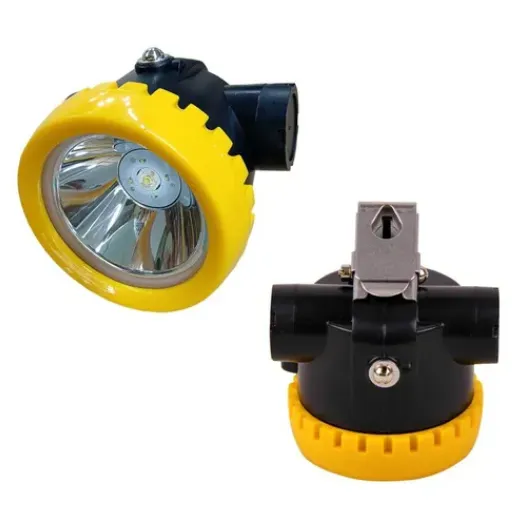
Even experienced buyers make predictable errors when sourcing hazardous area lighting. Avoiding these mistakes saves time, money, and compliance risk.
Trusting the Word "Explosion Proof" Without a Mark
A housing that looks rugged is not the same as a tested and certified enclosure. Always ask for the certificate and verify it.
Matching the Wrong Certification to the Region
An ATEX mark does not automatically satisfy US mine requirements, and an MSHA approval does not cover EU installations. Match the mark to the jurisdiction.
Ignoring the Temperature Class
A fixture approved for a higher ignition-temperature gas may be unsafe in an atmosphere with a lower ignition temperature. Check the T-class against the actual hazard.
Choosing Lumens Over Distribution
A high lumen figure with poor beam distribution creates dark zones. Evaluate photometric data and plan spacing before ordering.
Skipping Spare Parts Planning
A fixed luminaire is a multi-year asset. Confirm that drivers, lenses, gaskets, and seals are available so a minor failure does not force a complete replacement.
Need certified fixtures rather than a lighting gamble? Explore ASTTAR's explosion-proof lighting range built for hazardous underground and industrial environments.
Where Certified Lighting Fits in a Wider Safety System
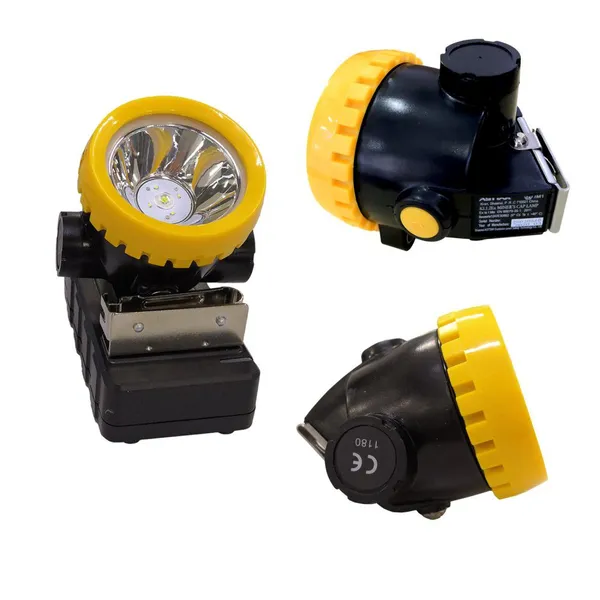
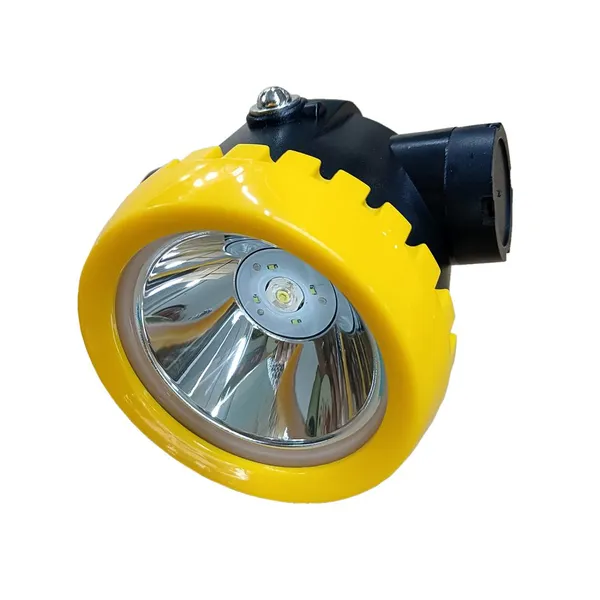
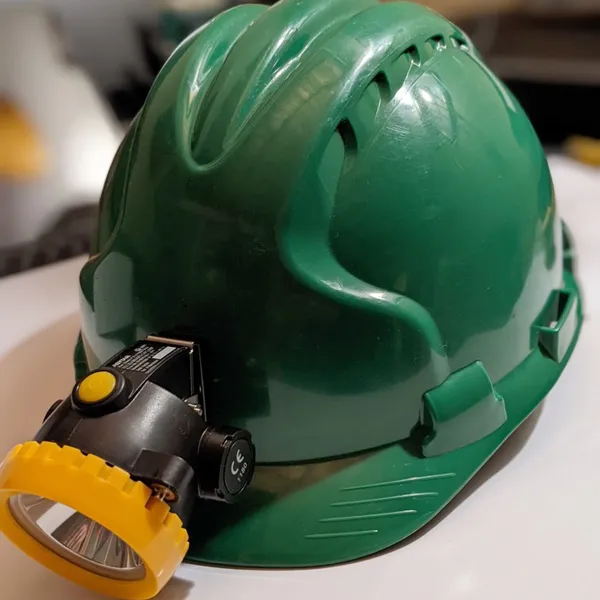
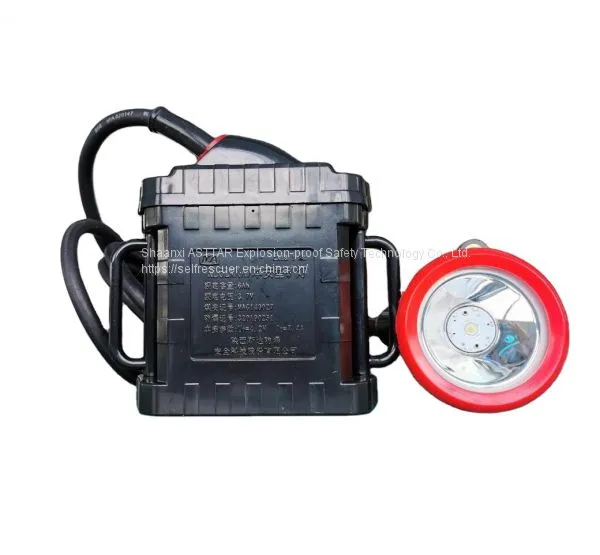
A certified explosion proof light fixture is one layer of a larger safety strategy. It works alongside ATEX LED cap lamps for personal task lighting, gas detection systems that warn when the atmosphere becomes hazardous, and respiratory protection for emergency escape. Reliable hazardous area lighting ties these layers together by keeping escape routes and work areas visible. For gassy coal operations, our coal mine safety solutions explain how these layers fit together.
Lighting also supports compliance culture. When workers can see clearly and trust that the fixtures are certified for the environment, they are more likely to spot hazards and follow procedures. The fixture on the ceiling is part of the same safety system as the self-rescuer on the belt and the gas monitor in the hand.
Frequently Asked Questions
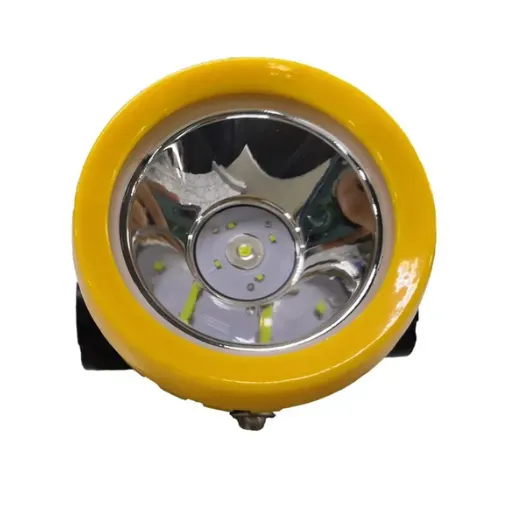
What is a certified explosion proof light fixture?
A certified fixture is a luminaire that has been tested and marked by an accredited body for use in explosive atmospheres. The certification confirms that the enclosure can contain an internal ignition and that the surface temperature and gas group are suitable for the intended hazardous area.
What is the difference between explosion proof and flameproof?
Explosion proof is a general North American term for equipment designed for hazardous locations. Flameproof, or Ex d, is a specific protection concept used internationally in which the enclosure contains an internal explosion and cools escaping gases. Such a fixture may use flameproof construction or another approved concept such as increased safety (Ex e).
What certifications should a hazardous area light fixture have?
The right certification depends on the region. ATEX applies in the European Union, IECEx is recognized internationally, and MSHA approval applies to United States coal mines. Always verify the certificate number and scope against the official database.
How do I verify an ATEX explosion proof light certificate?
Ask the supplier for the EU-type examination certificate number and the notified body that issued it. Check the certificate against the notified body's records or the NANDO database to confirm it covers the exact model and version you are buying.
Can I use an LED flameproof light in a hazardous area?
Yes, provided the LED flameproof light carries the correct certification mark, gas group, and temperature class for the specific hazardous area. LED technology reduces heat and energy use, but the fixture must still meet the same enclosure and testing requirements as any other certified unit.
What is a mining tunnel light?
A mining tunnel light is a certified explosion proof light fixture installed to illuminate underground tunnels, haul roads, and production areas in gassy or dusty mines. It is typically an LED flameproof light or Ex d flameproof fitting rated for the gas group and temperature class of the mine atmosphere.
How often should explosion proof lighting be inspected?
Inspect fixtures on a schedule set by the manufacturer and your site risk assessment, typically at least quarterly in harsh environments. Pay special attention to flameproof joints, gaskets, fasteners, cable glands, and lens seals after any impact or maintenance.
Conclusion
Choosing a certified explosion proof light fixture is a compliance decision before it is a lighting decision. Start with the hazardous-area classification, match the protection concept and certification to the jurisdiction, and verify the certificate before any LED flameproof light or fixture reaches the site. Then select luminous flux, beam distribution, IP rating, color temperature, and thermal design to match the real working conditions.
The best fixture is not the cheapest or the brightest. It is the one whose certification you can trace, whose enclosure you can maintain, and whose light stays reliable for years in an atmosphere where failure is not an option. If you need an ATEX explosion proof light, a mining tunnel light, or a complete hazardous area lighting layout, contact ASTTAR's safety engineering team today. The right explosion proof lighting does more than illuminate the workspace; it removes one more ignition source from the path between your crew and a safe shift.
Recently Posted
-
Mechanical Anemometer for Mining: A 2026 Ventilation Survey Guide
July 24, 2026A mechanical anemometer for mining is a hand-held or bracket-mounted instrument that measures air velocity in underground roadways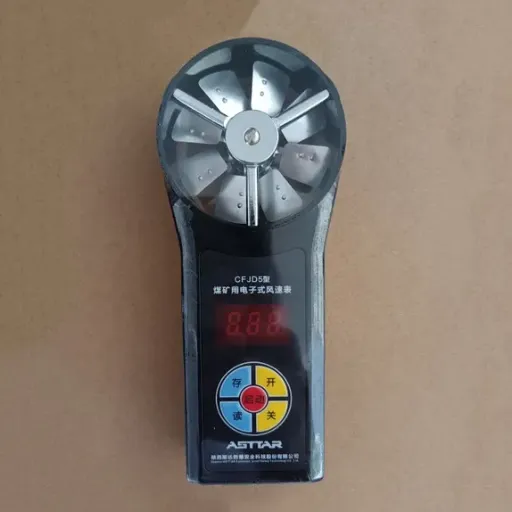 Read More
 -
Wholesale Mining Safety Equipment: A 2026 Procurement Guide
July 24, 2026Wholesale mining safety equipment is the bulk purchase of certified protective gear, escape devices, lighting, gas detection, and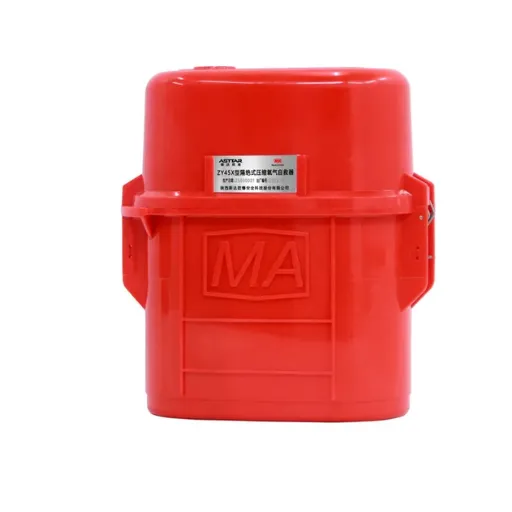 Read More
 -
Mining Safety Equipment Checklist for 2026
July 24, 2026A complete mining safety equipment checklist covers respiratory protection, gas detection, lighting, personal protective equipment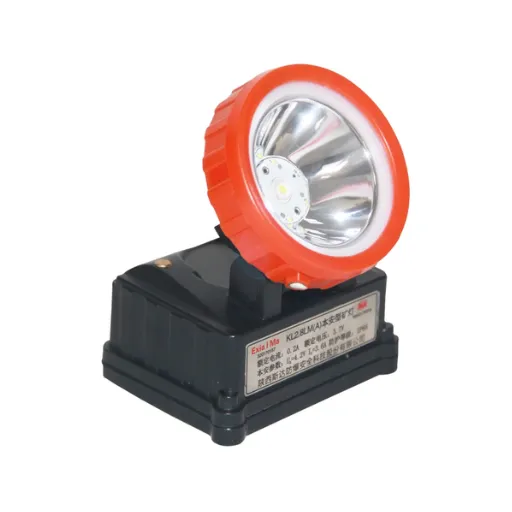 Read More
 -
Breathing Apparatus for Mine Rescue: A 2026 Selection and Deployment Guide
July 24, 2026Breathing apparatus for mine rescue is specialized respiratory protection that supplies independent breathable air to rescue teams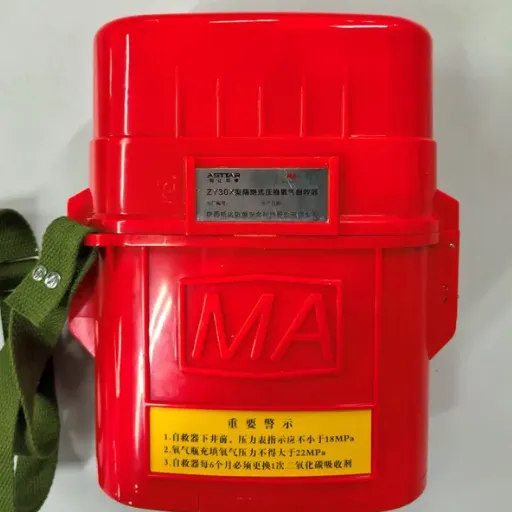 Read More

Contact Us

Recommended Products
-
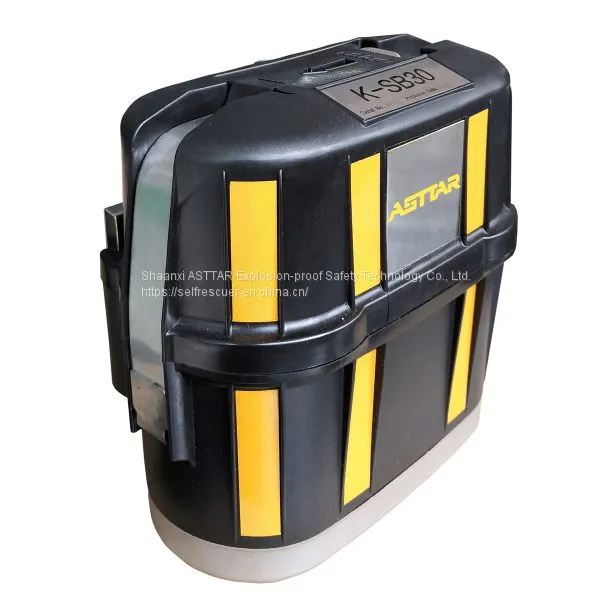
 CE Certified 30 Minutes Closed Circuit Mining Oxygen Self-rescuerNegotiableMOQ: 1 Piece
 -
CE Certified 30 Minutes Isolated Breathing Protection Chemical Oxygen Self RescuerNegotiableMOQ: 1 Piece
-
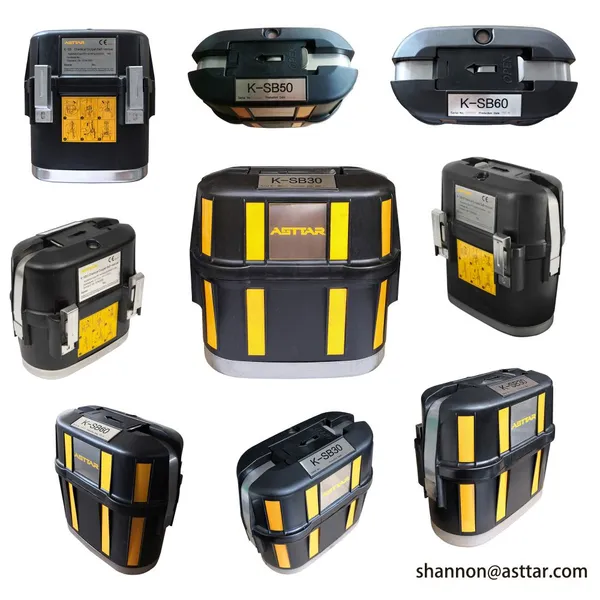
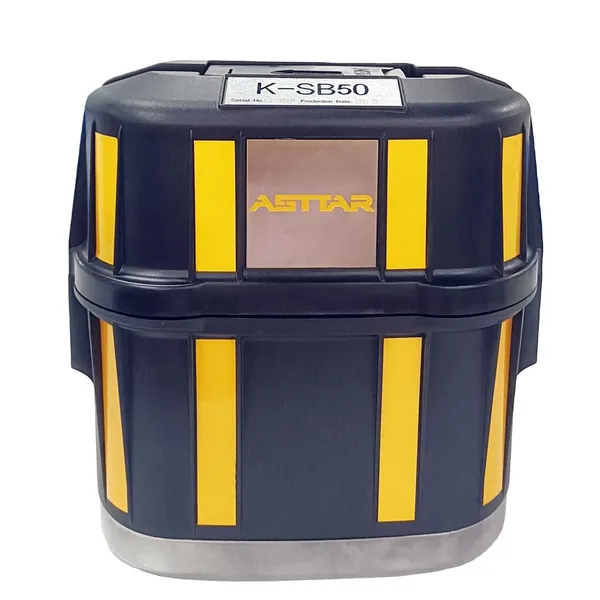
K-SB50 Self Contained Oxygen Escape Device Built-In Humidity Indicator For Mine Fire RescueNegotiableMOQ: 1 Piece
-
60 Minutes CE Approved Self-Contained Self-Rescuer K-Sb60 for Miner SafetyNegotiableMOQ: 1 Piece
-
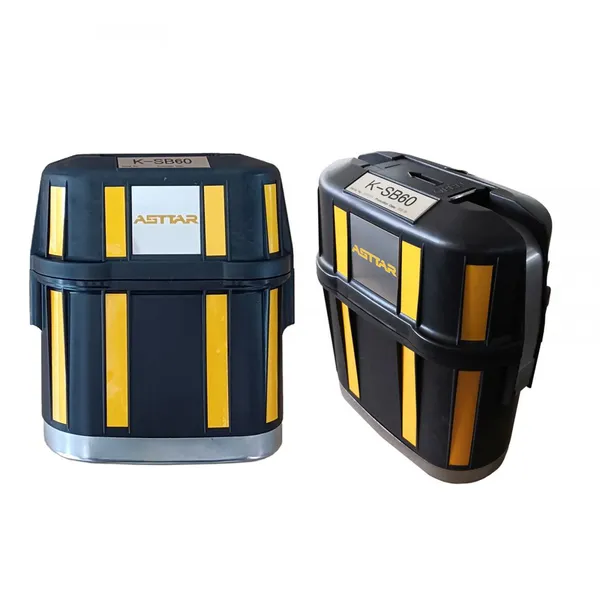
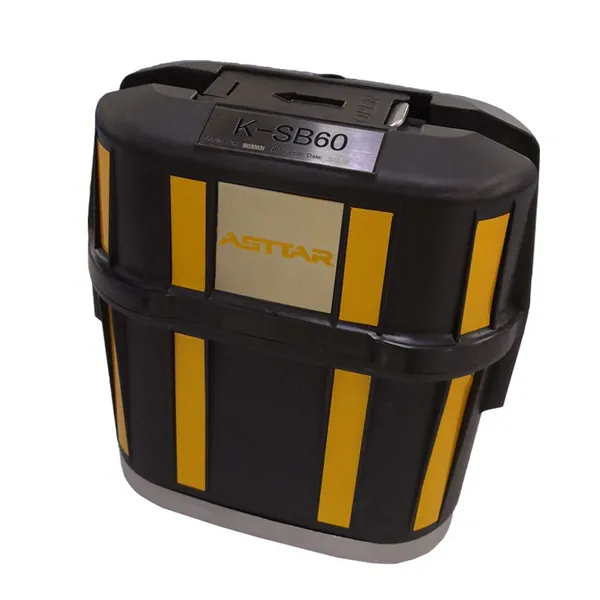
Lightweight Portable K-SB60 KO2 Oxygen Generating Self Rescuer For Confined Space Industrial Emergency UseNegotiableMOQ: 1 Piece
-
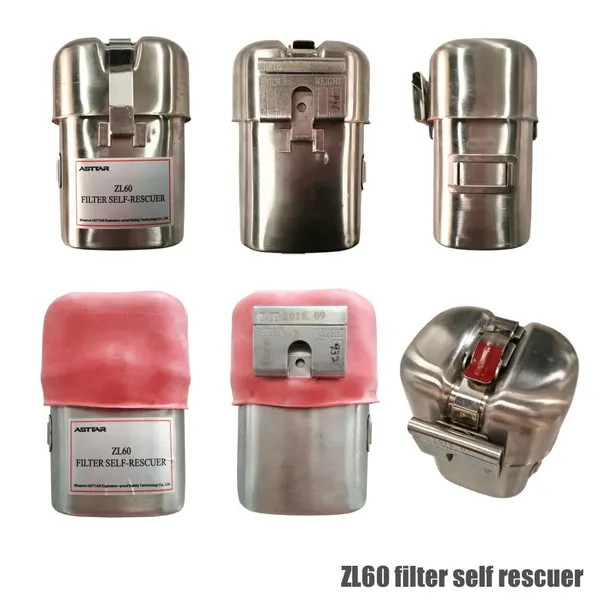
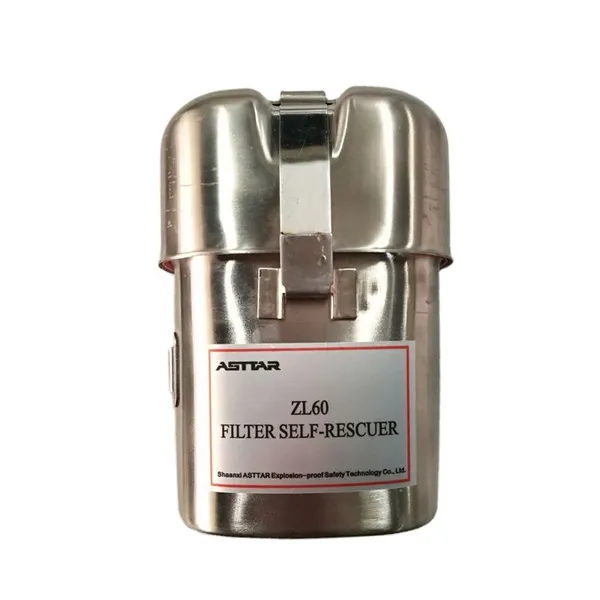
Portable ZL60 Filter Self Rescuer Lightweight Underground Personal Breathing DeviceNegotiableMOQ: 1 Piece
-
Fire Fighting Oxygen Rebreather Mine Chemical Self-Rescuer Portable Isolated Breathing EquipmentNegotiableMOQ: 1 Piece
-
ZL60 60 Minutes Carbon Monoxide Filter Self RescuerUS$ 120 - 150MOQ: 1 Piece
-
ZY30X Isolated Compressed Oxygen Self Rescuer Self Contained Breathing Escape DeviceUS$ 120 - 150MOQ: 1 Piece
-
ZY45X Mining Self Rescuer Self Rescue Packs For Low Oxygen Toxic Gas EnvironmentNegotiableMOQ: 1 Piece
-
Portable ZY45X Self Rescue Breathing Apparatus Emergency Escape Breathing DevicesNegotiableMOQ: 1 Piece
-
0.6L Oxygen Cylinder ZY45X Self Rescue Respirator Underground Mining Self RescuerNegotiableMOQ: 1 Piece
-
Atex 6ah 7000lux IP65 Mining Industrial Use Ex Proof LED Cap Lamp Safety HeadlampUS$ 98 - 110MOQ: 1 Piece
-
KL6Ex ATEX Rechargeable High Brightness Corded LED Headlamp Miner Cap LampUS$ 98 - 110MOQ: 1 Piece
-
ATEX-Certified KL6Ex Mining Lamp: Essential Safety for Underground OperationsUS$ 98 - 110MOQ: 1 Piece
-
KL1.2Ex LED Miner Cap Lamp ATEX Explosion Proof Mining HeadlampUS$ 75 - 85MOQ: 1 Piece
-
ATEX Cordless LED Cap Lamp Underground Mining Safety HeadlampUS$ 75 - 85MOQ: 1 Piece
-
Rechargeable Wireless LED Mining Headlamp for Potentially Explosive EnvironmentsUS$ 75 - 85MOQ: 1 Piece
-
KL6LM (A) Intrinsically Safe High Brightness Miner's Cap LampUS$ 120 - 150MOQ: 1 Piece
-
5Ah Rechargeable LED Cordless Miner\'s HeadlampUS$ 85 - 98MOQ: 1 Piece