
 Business License
Low Voltage Explosion Proof Lighting: A 2026 Mining Guide
Low voltage explosion proof lighting is lighting equipment that combines a reduced operating voltage with an explosion-protected enclosure or circuit, so it can be used safely in hazardous areas such as gassy mines, tunnels, and process plants. The lower voltage limits both electric-shock hazard to workers and the energy available to ignite methane or combustible dust, while the explosion-proof design contains or prevents any internal fault. For underground coal and metal mines, this combination is often the only legally acceptable way to illuminate confined headings, mobile equipment, and temporary workings.
When Tom, the electrical engineer at an underground coal mine in Indonesia, was asked to light a new 1,200-volt longwall development in 2024, he chose 24-volt and 36-volt LED cap lamps and corded hand lamps rather than running 230-volt circuits into the face. The lower voltage removed the need for elaborate earth-leakage protection on every portable lead, simplified inspection routines, and kept the crew working within the mine's intrinsically safe policy. The change also cut nuisance tripping during shift changes.
This guide explains what low voltage explosion proof lighting is, why voltage matters, and how to select and install it in mining environments. You will learn the relationship between voltage and ignition energy, the protection concepts that make low-voltage lighting safe, and the common mistakes that turn a compliant installation into a hazard.
Need help matching voltage and protection concept to your headings? Request a low voltage explosion proof lighting layout and our safety team will recommend the right voltage, certification, and fittings for each zone.
Key Takeaways
Low voltage explosion proof lighting reduces both shock risk and ignition energy in gassy or dusty mines.
Common mining voltages are 12 V, 24 V, 36 V, and 42 V; selection depends on the protection concept and cable run length.
Protection methods include flameproof enclosures (Ex d), increased-safety designs (Ex e), and intrinsically safe circuits (Ex ia/ib).
Cable routing, earthing, and plug-and-socket integrity are as important as the luminaire itself.
Always match the fitting's voltage rating, gas group, and temperature class to the site certificate.
Why Voltage Matters in Hazardous-Area Lighting
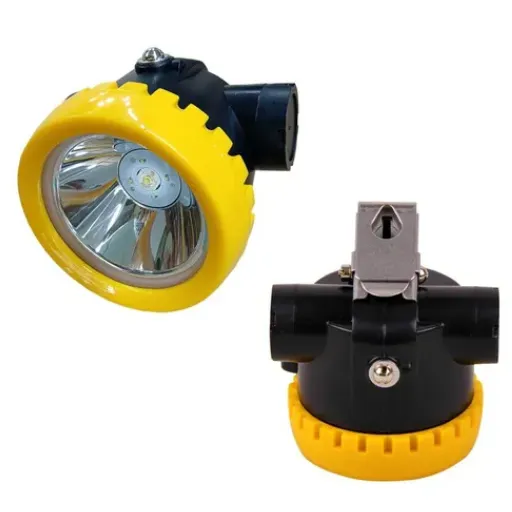
Voltage is not just a power-system detail. In a hazardous area, it determines how much energy a fault can release. A short circuit in a 230-volt cable can generate a much larger arc than the same fault at 24 volts. Higher voltage also drives higher touch potential, which increases the risk of electric shock through wet rock, steel supports, and standing water.
For this reason, many mine regulations limit the voltage that may be used near the face or inside headings. Low voltage explosion proof lighting is designed to operate within those limits while still producing enough light for safe work. LEDs make this practical. A modern LED engine can deliver high luminous efficacy at low voltage, so a 24-volt fitting is no longer dim or limited to small indicator lamps.
The relationship between voltage and ignition risk is why the same protection concept may be acceptable at one voltage but not at another. An increased-safety (Ex e) fitting that is fine at 24 volts may not qualify at 400 volts without a different construction. Always check the certificate for the rated voltage, not just the protection concept.
Protection Concepts for Low Voltage Lighting
Low voltage alone does not make a luminaire safe. The fixture must still be certified for the atmosphere in which it is used. The three main protection concepts used in mining are flameproof, increased safety, and intrinsic safety.
Flameproof Enclosures (Ex d)
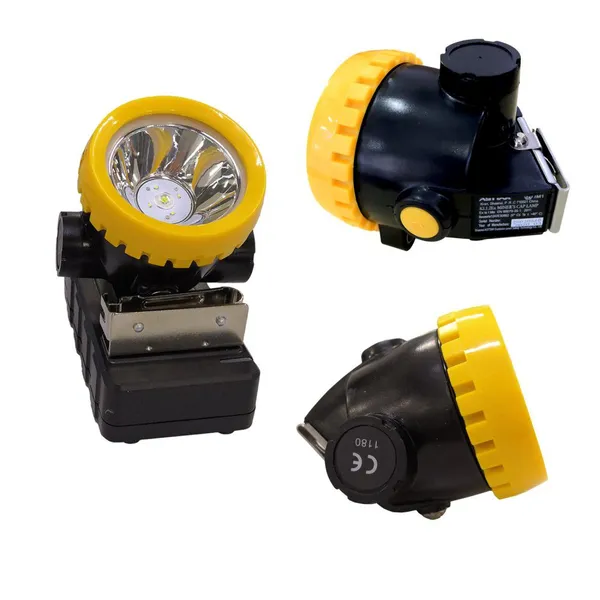
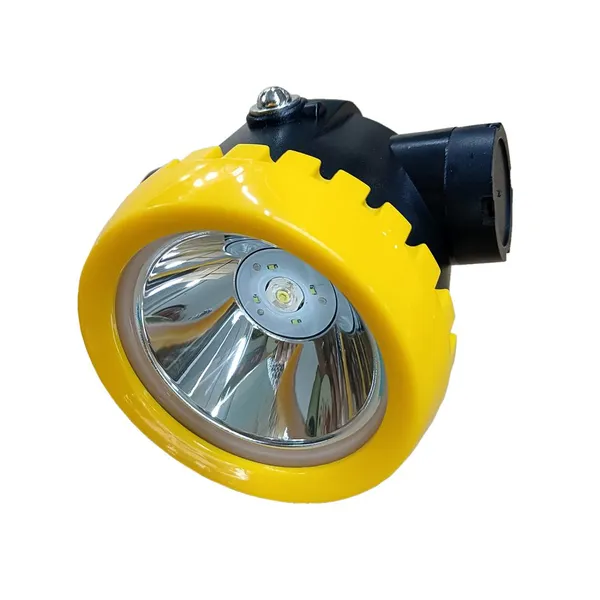
A flameproof fitting contains any internal explosion and cools the gases that escape through closely controlled joints. This method works at almost any voltage, provided the enclosure is strong enough and the joints are maintained. Heavy LED cap lamps and large tunnel lights often use Ex d construction.
Increased Safety (Ex e)
An increased-safety design prevents sparks, arcs, and excessive temperatures through careful construction rather than containing an explosion. It is commonly used for terminal boxes, cable entries, and low-voltage LED drivers. Ex e alone is usually limited to lower-power circuits.
Intrinsically Safe Circuits (Ex ia/ib)
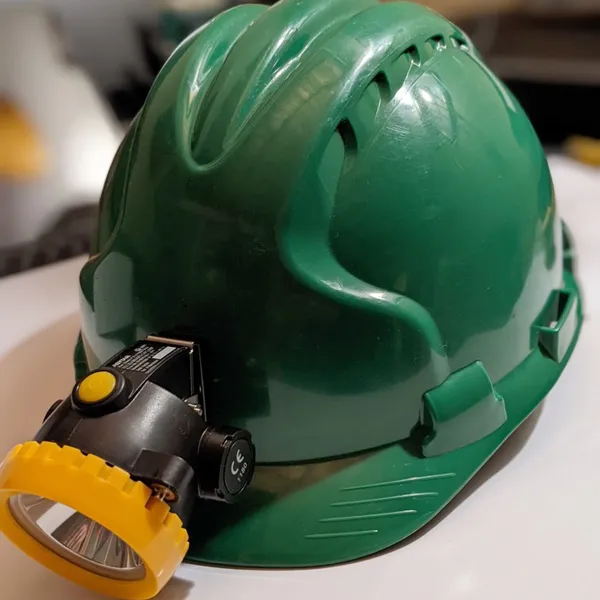
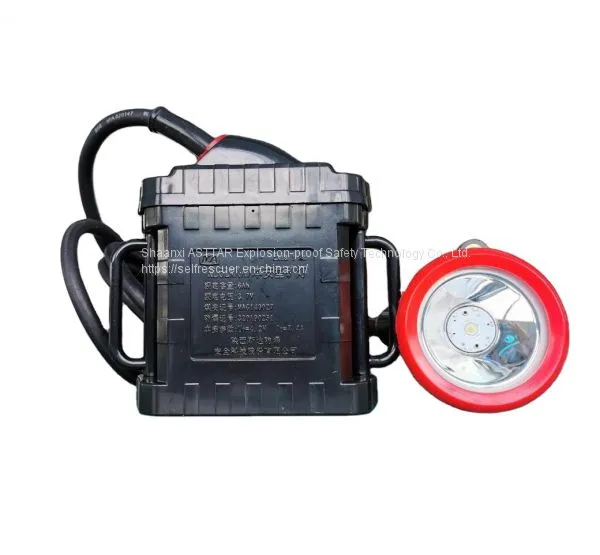
Intrinsic safety limits the energy in the circuit to a level that cannot ignite the specified gas or dust mixture, even under fault conditions. This is the safest protection concept and is preferred for portable hand lamps, cap lamps, and measurement instruments. Ex ia offers a higher safety factor than Ex ib and is used in zones where the explosive atmosphere is more likely.
The IECEx system defines these protection concepts and the testing required to prove them. When selecting low voltage explosion proof lighting, the certificate must list the protection concept, the rated voltage, the gas group, and the temperature class together. The CDC/NIOSH mine illumination research program also links better lighting quality to fewer vehicle and slip incidents underground, so the choice of explosion proof lighting affects both ignition safety and operational safety.
Common Voltage Levels in Mining Lighting
Mining low-voltage systems typically use one of four levels. Each has advantages and limits.
| Voltage | Typical Use | Protection Concept | Best For |
|---|---|---|---|
| 12 V | Portable hand lamps, inspection lights | Ex ia | Confined spaces, personal inspection |
| 24 V | LED cap lamps, hand lamps, short corded runs | Ex ia / Ex e | Face work, cap lamps, temporary strings |
| 36 V | Tunnel and mining tunnel light fixtures | Ex d / Ex e | Development headings, laneways |
| 42 V | Mobile plant lighting, longer runs | Ex d | Shuttle cars, loaders, bolters |
Voltage drop is the practical limit. A 24-volt LED fitting at the end of a long, thin cable may receive only 20 volts and dim noticeably. Designers either use shorter runs, heavier cable, or a higher voltage at the source with local conversion. For long fixed installations such as main haulage roads, higher-voltage LED flameproof light fittings with local transformers are often more efficient than running low voltage the entire distance.
The ILO mining sector overview shows how national regulations differ, so a voltage class that is accepted in one country may need additional certification in another.
Where Low Voltage Lighting Is Used Underground
Low voltage explosion proof lighting is used wherever the combination of confined space, dampness, and explosive atmosphere makes standard mains voltage unacceptable.
Working faces and development headings: Portable hand lamps and short corded LED strings illuminate the immediate work area.
Longwall installations: 24-volt or 36-volt cap lamps and machine-mounted lights keep voltage low near the face.
Mobile equipment: Lamps on shuttle cars, loaders, and bolters run on the vehicle's low-voltage battery system.
Inspection and maintenance: Hand-held lamps for confined-space inspection where a cable fault could be lethal.
Temporary work areas: Quick-to-deploy lighting that does not require a permanent high-voltage circuit.
At a potash mine in Saskatchewan, the maintenance team, led by supervisor Aisha, replaced the 120-volt temporary lighting in a repair bay with 24-volt intrinsically safe LED strings. The bay was damp and dust-laden, and the old system had suffered two cable faults in six months. After the switch, the bay operated for a year without a lighting-related incident, and workers stopped taping over damaged lamp holders.
Selecting Low Voltage Explosion Proof Lighting for Mining
Selection starts with the site classification and ends with the cable. The luminaire is only one part of the system.
1. Match the Certificate to the Zone
Confirm the fitting is certified for the gas group and temperature class of the area. A Group I certificate is required for underground coal mines. A Group II certificate may be acceptable for surface hazardous areas or certain industrial zones, but not for gassy mine workings.
2. Choose the Right Voltage
The voltage must match the available supply and the cable run length. If the supply is 24 volts and the run is long, check voltage drop before selecting the fitting. If the output is insufficient, either use a higher supply voltage with local protection or increase the cable size.
3. Select the Protection Concept
Portable personal lights should be intrinsically safe (Ex ia where possible). Fixed laneway lights may be flameproof (Ex d) or increased safety (Ex e). Mobile plant lights are often flameproof to survive vibration and impact. Intrinsically safe lighting is the preferred choice wherever workers carry the fitting or work in a Zone 0/1 atmosphere.
4. Check Ingress Protection
Underground lighting is exposed to water, dust, and washdown. IP65 is a minimum for most areas; IP66 or IP67 is better for washdown bays and wet headings.
5. Verify Cable and Connector Compatibility
Low-voltage systems live or die by their connectors. Use only certified plugs, sockets, and glands matched to the protection concept. A damaged plug can create a fault that no enclosure can contain.
For a broader look at fixed roadway lighting, see our guide to the explosion proof LED laneway light. For large-area hazardous area lighting low voltage layouts, the explosion proof flood light for mining guide covers beam selection and mounting.
Installation and Maintenance Rules
A certified fitting can become non-compliant through poor installation. The rules below keep the system safe over its life.
Cable Routing and Protection
Route cables away from moving equipment, sharp edges, and hot surfaces. Use cable trays, drag chains, or armored cable where mechanical damage is likely. Protect flexible cords at entry points with strain relief.
Earthing and Bonding
Even at low voltage, exposed conductive parts must be earthed properly. A fault to earth can still cause heating or shock. In coal mines, stray currents can also create ignition risks, so bonding must be maintained across the system.
Plug and Socket Inspection
Inspect plugs and sockets before each shift. Cracked insulation, burned contacts, or loose clamps are early signs of failure. Replace damaged units immediately; never wrap them in tape and continue.
Record Keeping
Keep records of installation, inspection, and repair. Regulators and insurers will ask for evidence that the lighting system is maintained. A simple log with date, location, and action is usually enough.
Common Mistakes with Low Voltage Lighting
Assuming low voltage means intrinsically safe. A 24-volt fitting can still store enough energy in capacitors or inductors to ignite gas if it is not certified Ex ia/ib.
Using the wrong gas group. Group II fittings do not belong in Group I gassy coal mines.
Ignoring voltage drop. Undervoltage causes dim light and can damage drivers.
Mixing protection concepts on one circuit. Ex ia and Ex d equipment may require different cable and protection arrangements.
Neglecting connectors. A cheap plug can be the weakest link in the safest fitting.
Skipping the certificate check. Always verify the certificate covers voltage, gas group, temperature class, and protection concept.
Frequently Asked Questions
What is low voltage explosion proof lighting?
Low voltage explosion proof lighting is hazardous-area lighting that operates at reduced voltage and is certified to prevent ignition of explosive atmospheres. It combines lower shock and ignition energy with flameproof, increased-safety, or intrinsically safe construction.
Why is low voltage used in mines?
Lower voltage reduces the risk of electric shock and limits the energy available to ignite methane or coal dust. Mine regulations often require low-voltage equipment near working faces and in confined headings.
Is low voltage lighting automatically safe in a gassy mine?
No. Low voltage reduces risk but does not eliminate it. The luminaire and its circuit must still be certified for the gas group and protection concept required by the area classification.
What voltage is considered low voltage in mining?
Common mining low-voltage levels are 12 V, 24 V, 36 V, and 42 V. Many standards treat up to 50 V AC or 120 V DC ripple-free as extra-low voltage, but mine-specific rules may be stricter.
Where is intrinsically safe lighting required?
Intrinsically safe lighting is required where the explosive atmosphere is most likely or where portable equipment is carried by workers. Examples include cap lamps, hand lamps, and instruments used near the face.
Can low voltage lighting replace mains-voltage lighting underground?
It can replace mains-voltage lighting in many applications, especially near the face and in confined spaces. For long runs and large area lighting, higher-voltage flameproof systems with local conversion may be more efficient.
Conclusion
Low voltage explosion proof lighting is a practical response to two underground risks at once: electric shock and ignition of explosive atmospheres. The right installation matches the voltage level, protection concept, gas group, and temperature class to the conditions of each working area. LEDs have made low-voltage lighting bright enough for production work, so the trade-off between safety and visibility is no longer what it once was.
Start every lighting decision with the area classification and the mine's voltage policy. Choose intrinsically safe equipment for portable and face work, flameproof fittings for fixed and mobile plant lighting, and increased-safety designs where appropriate. Protect cables and connectors as carefully as the luminaire itself, and keep inspection records up to date.
ASTTAR supplies explosion-proof LED cap lamps, laneway lights, flood lights, and low-voltage lighting systems for mining and hazardous industries. If you are specifying low voltage explosion proof lighting for a new mine, a retrofit, or a temporary working area, contact our safety team to discuss voltage options, protection concepts, and a layout that keeps your workers safe and compliant. Reliable mine lighting is not about brightness alone; it is about controlling energy so that every circuit supports the safety system.
Recently Posted
-
Wholesale Mining Safety Equipment: A 2026 Procurement Guide
July 24, 2026Wholesale mining safety equipment is the bulk purchase of certified protective gear, escape devices, lighting, gas detection, and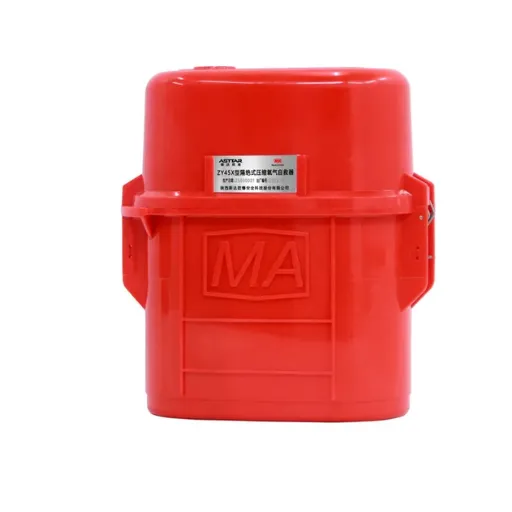 Read More
 -
Mining Safety Equipment Checklist for 2026
July 24, 2026A complete mining safety equipment checklist covers respiratory protection, gas detection, lighting, personal protective equipment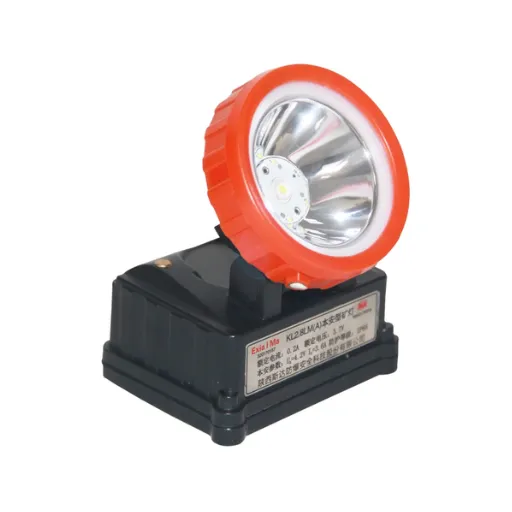 Read More
 -
Refuge Chamber Equipment Mining Operations Need in 2026
July 24, 2026Refuge chamber equipment for mining includes breathable air, water, food, communication systems, sanitation, first-aid supplies, a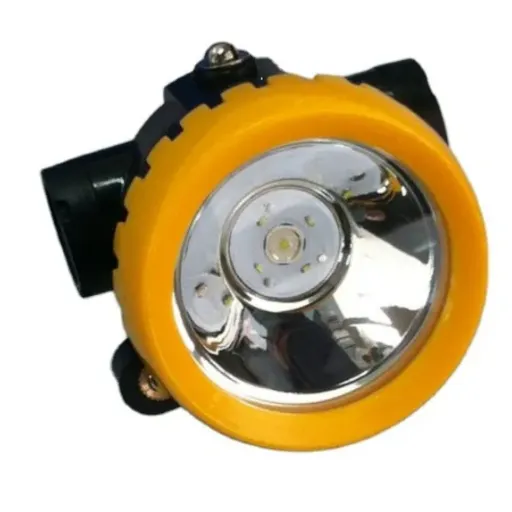 Read More
 -
Mining Safety Equipment Suppliers: How to Choose a Reliable Partner in 2026
July 24, 2026The most reliable mining safety equipment suppliers combine certified product quality, broad category coverage, and responsive tec Read More

Contact Us

Recommended Products
-
 CE Certified 30 Minutes Closed Circuit Mining Oxygen Self-rescuerNegotiableMOQ: 1 Piece
 -
CE Certified 30 Minutes Isolated Breathing Protection Chemical Oxygen Self RescuerNegotiableMOQ: 1 Piece
-
K-SB50 Self Contained Oxygen Escape Device Built-In Humidity Indicator For Mine Fire RescueNegotiableMOQ: 1 Piece
-
60 Minutes CE Approved Self-Contained Self-Rescuer K-Sb60 for Miner SafetyNegotiableMOQ: 1 Piece
-
Lightweight Portable K-SB60 KO2 Oxygen Generating Self Rescuer For Confined Space Industrial Emergency UseNegotiableMOQ: 1 Piece
-
Portable ZL60 Filter Self Rescuer Lightweight Underground Personal Breathing DeviceNegotiableMOQ: 1 Piece
-
Fire Fighting Oxygen Rebreather Mine Chemical Self-Rescuer Portable Isolated Breathing EquipmentNegotiableMOQ: 1 Piece
-
ZL60 60 Minutes Carbon Monoxide Filter Self RescuerUS$ 120 - 150MOQ: 1 Piece
-
ZY30X Isolated Compressed Oxygen Self Rescuer Self Contained Breathing Escape DeviceUS$ 120 - 150MOQ: 1 Piece
-
ZY45X Mining Self Rescuer Self Rescue Packs For Low Oxygen Toxic Gas EnvironmentNegotiableMOQ: 1 Piece
-
Portable ZY45X Self Rescue Breathing Apparatus Emergency Escape Breathing DevicesNegotiableMOQ: 1 Piece
-
0.6L Oxygen Cylinder ZY45X Self Rescue Respirator Underground Mining Self RescuerNegotiableMOQ: 1 Piece
-
Atex 6ah 7000lux IP65 Mining Industrial Use Ex Proof LED Cap Lamp Safety HeadlampUS$ 98 - 110MOQ: 1 Piece
-
KL6Ex ATEX Rechargeable High Brightness Corded LED Headlamp Miner Cap LampUS$ 98 - 110MOQ: 1 Piece
-
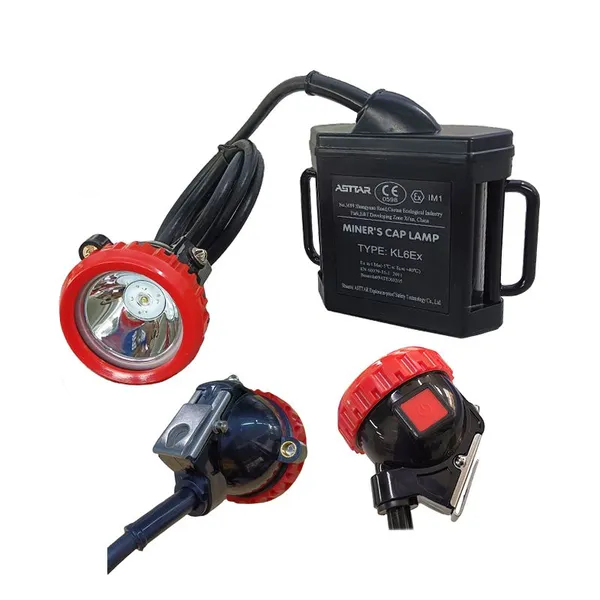
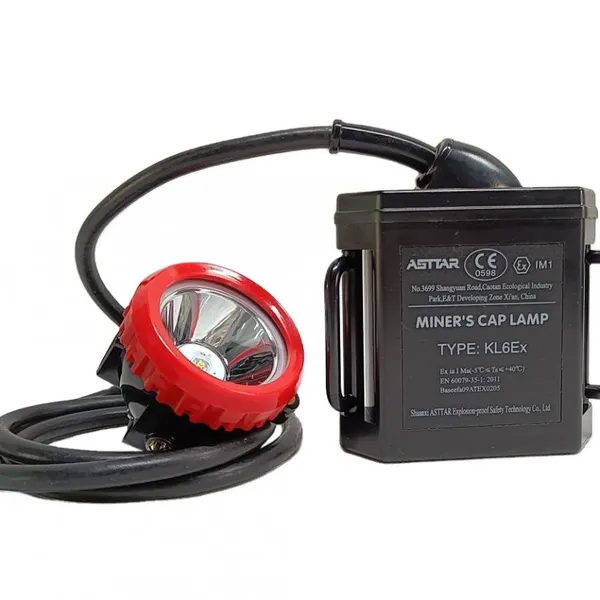
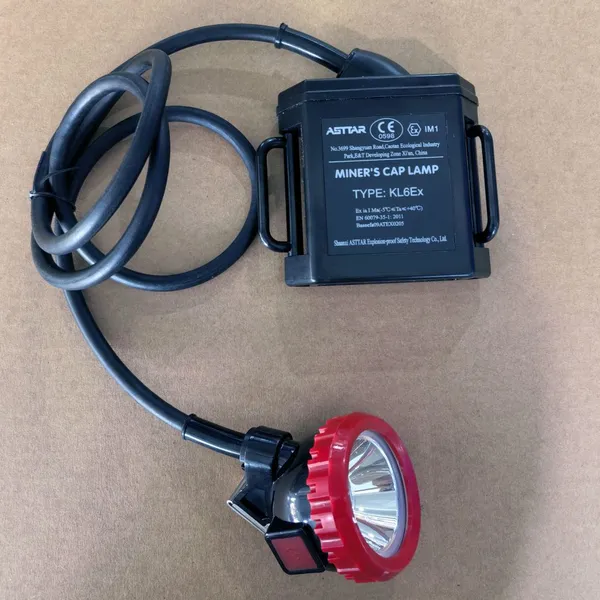
ATEX-Certified KL6Ex Mining Lamp: Essential Safety for Underground OperationsUS$ 98 - 110MOQ: 1 Piece
-
KL1.2Ex LED Miner Cap Lamp ATEX Explosion Proof Mining HeadlampUS$ 75 - 85MOQ: 1 Piece
-
ATEX Cordless LED Cap Lamp Underground Mining Safety HeadlampUS$ 75 - 85MOQ: 1 Piece
-
Rechargeable Wireless LED Mining Headlamp for Potentially Explosive EnvironmentsUS$ 75 - 85MOQ: 1 Piece
-
KL6LM (A) Intrinsically Safe High Brightness Miner's Cap LampUS$ 120 - 150MOQ: 1 Piece
-
5Ah Rechargeable LED Cordless Miner\'s HeadlampUS$ 85 - 98MOQ: 1 Piece