
 Business License
Maintenance Free LED Mine Light: What Buyers Should Know in 2026
A maintenance free LED mine light is a sealed, solid-state luminaire designed to operate for years underground without routine lamp replacement, ballast servicing, or re-lamping. Because it has no filaments, no fragile glass bulbs, and no consumable gas-discharge components, it reduces both the labor cost and the safety risk of sending crews into hazardous areas just to change a light. This guide explains what "maintenance free" actually means, which certifications and construction details matter, and how to choose a fixture that fits your mine.
What happens when a mine depends on older fluorescent or high-pressure sodium fixtures? A maintenance team plans a re-lamping schedule. Every few months, someone climbs a ladder in a dusty haulage road, handles a hot glass bulb, and carries spent lamps back to the surface. Each trip is a small exposure to dust, noise, and possibly a gassy atmosphere. Multiply that by hundreds of fittings across a longwall, a shaft, and a processing plant, and the hidden cost of lighting maintenance becomes significant.
In this article, you will learn the difference between marketing claims and true maintenance-free design, how to match a fixture to your hazardous area classification, and how to verify that the fixture is certified rather than simply labeled. You will also see how LED flameproof light technology and explosion proof lighting standards work together to keep tunnels and working faces illuminated for years.
Key Takeaways
A maintenance free LED mine light uses sealed LEDs, solid-state drivers, and protective enclosures to eliminate routine lamp replacement.
True maintenance-free design depends on IP rating, thermal management, surge protection, and certified explosion-proof construction.
Match the fixture to ATEX, IECEx, or MSHA requirements for your specific mine atmosphere and jurisdiction.
Mining tunnel light installations still need correct mounting, spacing, and cable glands to avoid failures that force unplanned maintenance.
Verify the certificate number, model scope, and warranty terms before committing to a large order.
LED flameproof light options combine long LED life with Ex d or Ex e protection for gassy or dusty areas.
What "Maintenance Free" Really Means in a Mine Light
Maintenance free is not a magic phrase. It means the luminaire is designed so that its light source and driver do not require periodic replacement under normal operating conditions. The LED module and power supply are rated for the full design life of the fixture, and the enclosure is sealed to prevent dust, moisture, and corrosive gases from reaching the electronics.
A conventional mine lamp might use a high-pressure sodium bulb rated for 12,000 hours. After that point, lumen output drops, color shifts, and the lamp is replaced. An LED module rated for 50,000 to 100,000 hours, with an L70 rating that measures output decline to 70 percent, can outlast several generations of older lamps. In a 24-hour operation, 50,000 hours is more than five years of continuous use. For a working shift operation, the calendar life can stretch well beyond a decade.
The driver is just as important. A sealed, potted driver withstands vibration, humidity, and voltage transients better than an open-frame ballast. If the driver is accessible to dust or moisture, it will fail long before the LED chips. That failure turns a "maintenance free" fixture into an emergency repair job.
Why LED Technology Enables Maintenance-Free Operation
LEDs reach full brightness instantly, tolerate vibration, and do not rely on a fragile filament or arc tube. These qualities are ideal for underground mining, where rock falls, blasting vibration, and equipment movement are daily realities.
Heat is the main enemy of LED longevity. A well-designed LED mine light uses a metal housing or dedicated heat sink to move heat away from the LED junction. The cooler the junction, the slower the lumen depreciation. Thermal management is what separates a 50,000-hour fixture from a 20,000-hour fixture that starts dimming after two years.
Color stability also matters. Old sodium lamps shift toward yellow over time, making it harder for workers to distinguish cable colors, warning signs, and fluid leaks. A quality LED flameproof light maintains a consistent color temperature and rendering index, which improves visual safety in addition to reducing maintenance.
How Hazardous Area Certification Applies
A mine light is not maintenance free if it is unsafe. Underground coal and metal mines can contain methane, hydrogen sulfide, coal dust, or other combustible particles. Any luminaire in these areas must be certified as explosion-proof or flameproof rather than treated as ordinary industrial lighting.
In international markets, Ex d flameproof enclosures contain an internal ignition and cool the escaping gases before they reach the surrounding atmosphere. Ex e increased safety designs use additional measures to prevent sparks and hot surfaces in normal operation. Intrinsically safe Ex i designs limit the energy available to the circuit so it cannot ignite the surrounding gas. These protection concepts are the foundation of certified explosion proof lighting for mines.
For a maintenance free LED mine light used in a gassy coal mine, the most common choice is an Ex d flameproof LED fixture. The heavy metal enclosure protects the LED module and driver from both physical damage and explosive atmospheres. Because the enclosure is sealed and gasketed, it also blocks the dust and moisture that cause ordinary LED fixtures to fail prematurely.
ATEX, IECEx, and MSHA Marks for Mining Lights
Certification marks tell you which standards a fixture meets and where it is legally accepted. Choosing the wrong mark for your region can create compliance failures even if the light looks identical to a certified model.
| Mark | Region | What it covers |
|---|---|---|
| ATEX | European Union | Equipment for explosive atmospheres under Directive 2014/34/EU |
| IECEx | International | Certification scheme based on IEC standards, accepted in many countries |
| MSHA | United States | Approval for permissible equipment in US coal mines and some other operations |
| NEC/CEC | North America | Installation and area classification rules for hazardous locations |
An ATEX explosion proof light, for example, carries the Ex mark with protection concept, gas group, and temperature class. A typical marking such as Ex d IIC T6 means flameproof enclosure, suitable for hydrogen-rich gas groups, with a maximum surface temperature of 85°C. Whether you choose ATEX, IECEx, or MSHA certification, the mark must match the jurisdiction and the exact model installed.
For official guidance on ATEX, the UK HSE publishes a useful overview. US mine operators can find MSHA approval requirements on the MSHA website. The IECEx database lists internationally certified equipment.
Key Specifications for a Maintenance Free LED Mine Light
Once certification is confirmed, the practical specifications determine whether the fixture will actually deliver maintenance-free performance in your hazardous area lighting environment.
Ingress Protection Rating
The IP rating describes how well the enclosure blocks dust and water. An IP66 rating blocks dust entirely and withstands powerful water jets. An IP67 rating adds temporary immersion protection. In a wet, dusty mine, a lower IP rating is a common cause of early driver failure.
L70 Lifespan and Thermal Design
L70 is the number of hours until the LED output falls to 70 percent of its initial value. Look for this number at the actual operating temperature inside the enclosure, not at a cool laboratory condition. A robust thermal design with a metal housing or heat sink keeps the LED junction temperature low and preserves both output and lifespan.
Surge and Voltage Protection
Mine electrical networks experience voltage swings, switching surges, and occasional earth faults. A maintenance-free fixture should include surge protection and a wide-input voltage driver. For an ATEX explosion proof light, surge protection is especially important because a driver failure in a sealed Ex d enclosure can require full fixture removal. Otherwise, the driver becomes the weak point that fails first.
Impact and Vibration Resistance
Underground blasting, vehicle traffic, and crusher vibration stress every fitting. An LED flameproof light must also survive impact and vibration without compromising the flameproof joints or seals. Look for impact resistance ratings such as IK08 or IK10 and mounting designs that absorb vibration rather than transferring it to the LED board and driver.
Beam Angle and Distribution
A maintenance-free fixture is not helpful if it leaves dark zones or creates glare. Wide, even distribution reduces the number of fittings needed and keeps illuminance consistent across haul roads, tunnels, and work areas. A mining tunnel light, for example, needs wide distribution along the travel path rather than a narrow spot beneath each fitting. A narrow beam in the wrong place can force additional installation work later.
Choosing the Right Fixture for Your Mine Area
Selecting the right fixture is a compliance decision first and a lighting decision second. Follow this sequence:
Define the hazardous area. Identify the zone classification, gas or dust group, and ignition temperature of the substances present.
Choose the protection concept. Ex d flameproof is common for fixed lighting in gassy areas. Ex e or Ex i may suit specific applications.
Match the certification to your jurisdiction. ATEX for the EU, IECEx for international projects, MSHA for US coal mines. If the project requires an ATEX explosion proof light, confirm that the certificate scope matches the exact model and gas group.
Set the lighting requirements. Luminous flux, beam angle, color temperature, and mounting height should match the task and traffic.
Verify the certificate. Check the certificate number, model number, and scope of approval against the official database.
Plan for service life. Confirm warranty, spare driver availability, and technical support before placing a large order.
This sequence protects you from the common trap of choosing a bright, cheap fixture that lacks the right certification for your atmosphere. A beautifully bright fitting that fails the certification check is not a candidate; it is a rejected shipment.
For tunnel applications, our guide to the LED flameproof tunnel light for mining applies the same certification logic to underground passageways. A mining tunnel light is essentially a maintenance free LED mine light installed to illuminate roads, shafts, and production faces.
Installation Tips That Protect Maintenance-Free Claims
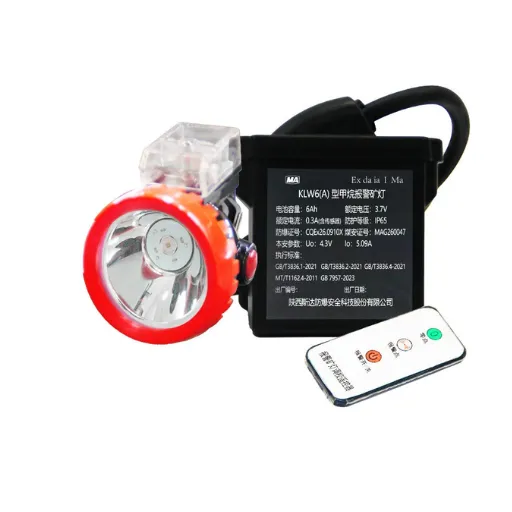
Even the best fixture can fail early if it is installed incorrectly. The enclosure, cable glands, and mounting details are part of the certified system. Changing any of them can void the certification and create a maintenance problem.
Mounting and Spacing
Mount fixtures securely enough to resist vibration from vehicles, machinery, or blasting. Plan spacing from the photometric data so the minimum illuminance is met along the full work area, not just directly beneath each fitting. The correct mounting height and spacing reduce the number of fittings and the number of future access events. Correct spacing also prevents glare and dark spots in hazardous area lighting layouts.
Cable Glands and Entries
Use the correct cable glands and entries specified by the manufacturer. The cable entry is part of the flameproof boundary. A poorly fitted gland lets dust and moisture reach the driver, which turns a maintenance-free design into a repair schedule.
Electrical Connection
Use the supply voltage and protection specified by the manufacturer. Poor terminations create heat and arcing inside the enclosure, which defeats the purpose of a certified design. Treat the electrical installation with the same care you would give to a gas detector or a self-rescuer station.
Routine Inspection
Maintenance free does not mean inspection free. Inspect flameproof joints, gaskets, fasteners, and lenses on a schedule. Look for corrosion, paint in the joint faces, damaged threads, or missing hardware. Record every inspection so you have documentation for audits.
At a copper mine in Zambia, the maintenance team noticed a pattern of early driver failures in a string of explosion proof lighting units. The root cause was not the LEDs but dust infiltration through incorrectly fitted cable glands. After retraining the crew on gland installation and adding a quarterly inspection cycle, the failure rate dropped by more than half over the next year. The fixtures were designed to be maintenance free, but the installation had to be right for the design to deliver.
Common Mistakes When Buying Maintenance-Free Mine Lights
Buyers often make predictable errors when sourcing LED mine lights. Avoiding these mistakes saves time, money, and compliance risk.
Trusting the Word "Maintenance Free" Without a Mark
A housing that looks rugged is not the same as a tested and certified enclosure. Always ask for the certificate and verify it against the official database.
Confusing Long Lamp Life with Long Fixture Life
A 100,000-hour LED chip is meaningless if the driver, gasket, or lens fails after two years. Evaluate the entire system, not just the LED rating.
Ignoring the Temperature Class
A fixture approved for a higher ignition-temperature gas may be unsafe in an atmosphere with a lower ignition temperature. Check the T-class against the actual hazard.
Choosing Lumens Over Distribution
A high lumen figure with poor beam distribution creates dark zones. Evaluate photometric data and plan spacing before ordering.
Skipping Spare Parts Planning
A fixed luminaire is a multi-year asset. Confirm that drivers, lenses, gaskets, and seals are available so a minor failure does not force a complete replacement.
Need certified fixtures rather than a lighting gamble? Explore ASTTAR's explosion-proof lighting range built for hazardous underground and industrial environments.
Where Maintenance-Free Lighting Fits in Mine Safety
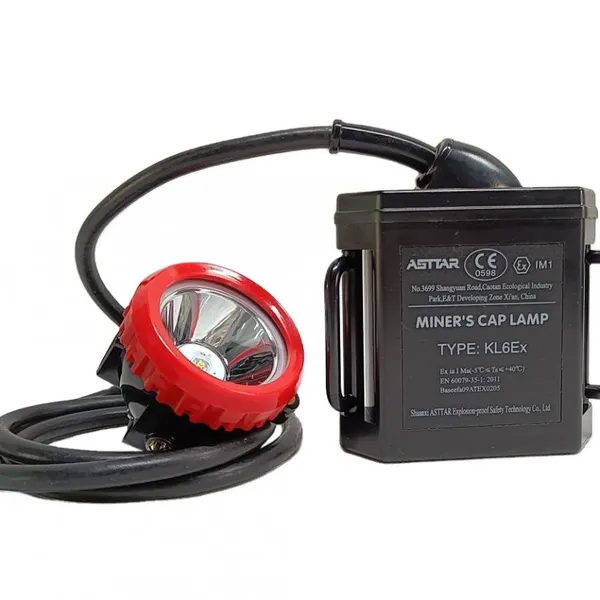
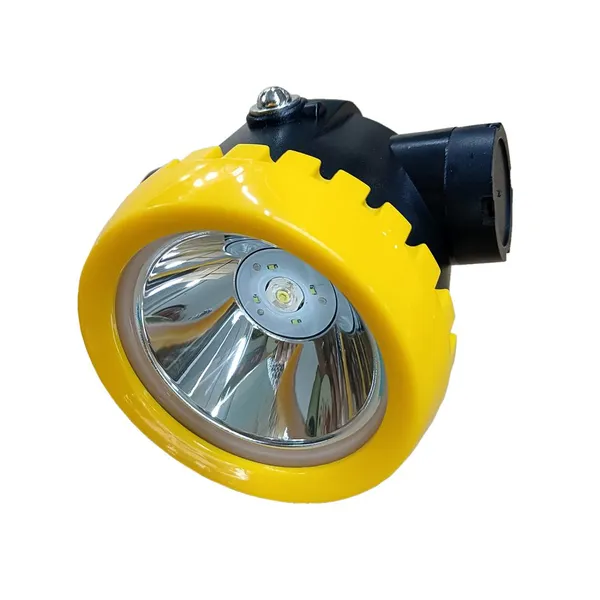
A maintenance free LED mine light is one layer of a larger safety strategy. It works alongside ATEX LED cap lamps for personal task lighting, gas detection systems that warn when the atmosphere becomes hazardous, and respiratory protection for emergency escape. Reliable hazardous area lighting ties these layers together by keeping escape routes and work areas visible.
Lighting also supports compliance culture. When workers can see clearly and trust that the fixtures are certified for the environment, they are more likely to spot hazards and follow procedures. The fixture on the ceiling is part of the same safety system as the self-rescuer on the belt and the gas monitor in the hand.
For a deeper explanation of how protection concepts are tested and marked, see our guide to explosion-proof lighting standards. For a comparison of ATEX and IECEx markings, read our ATEX vs IECEx certification guide.
Frequently Asked Questions
What is a maintenance free LED mine light?
These fixtures are sealed, solid-state luminaires designed to operate for years without routine lamp replacement or re-lamping. They combine long-life LEDs, a protected driver, and an enclosure rated for the mine atmosphere to reduce both labor and safety exposure from maintenance access.
Can an LED mine light truly be maintenance free?
No luminaire is completely free from inspection, but a well-designed LED mine light eliminates routine re-lamping for the rated design life. Periodic inspection of seals, glands, and fasteners is still required to keep the certification valid and the enclosure sound.
What certifications should a maintenance free LED mine light have?
The right certification depends on the region. ATEX applies in the European Union, IECEx is recognized internationally, and MSHA approval applies to United States coal mines. Always verify the certificate number and scope against the official database.
How long do LED mine lights last?
Quality LED mine lights are typically rated for 50,000 to 100,000 hours of operation before reaching the L70 threshold, where output falls to 70 percent of the initial value. Actual life depends on thermal design, operating conditions, and driver quality.
What is the difference between flameproof and maintenance free?
Flameproof, or Ex d, is a protection concept that contains an internal explosion. Maintenance free is a design goal that minimizes routine replacement. A LED flameproof light can be maintenance free if it uses long-life LEDs and a sealed, durable driver in a flameproof enclosure.
How do I choose a mining tunnel light?
Choose a mining tunnel light by matching the hazardous area classification, certification mark, protection concept, gas group, temperature class, and lighting requirements to the specific tunnel environment. Then verify the certificate and plan mounting and spacing before installation.
Do maintenance-free LED mine lights need surge protection?
Yes. Mine electrical networks experience voltage swings and transients that can damage LED drivers. A maintenance-free design should include surge protection and a wide-input voltage driver to avoid early driver failure.
What is an ATEX explosion proof light?
An ATEX explosion proof light is a luminaire certified under the EU ATEX Directive for use in explosive atmospheres. It carries an Ex mark with a protection concept, gas group, and temperature class that show where and how it can be installed safely.
Where is hazardous area lighting required in mining?
Hazardous area lighting is required in zones where explosive gas or dust may be present, such as coal mine roadways, tunnel headings, processing plants, and transfer points. The fixtures must match the zone classification, gas group, and temperature class of each area.
How does an LED flameproof light work?
An LED flameproof light uses a heavy metal Ex d enclosure to contain any internal ignition and cool escaping gases before they reach the surrounding atmosphere. The LED module and driver are sealed inside, giving long life while meeting the same protection standards as older lamp technologies.
Conclusion
A maintenance free LED mine light is more than a convenient upgrade. It reduces the labor, downtime, and safety exposure associated with re-lamping in hazardous areas. Start with the hazardous-area classification, match the certification and protection concept to your jurisdiction, and verify the certificate before any fixture reaches the site. Then look at luminous flux, beam distribution, IP rating, thermal design, and surge protection to match the real working conditions.
The best fixture is not the cheapest or the brightest. It is the one whose certification you can trace, whose enclosure you can maintain, and whose light stays reliable for years in an atmosphere where failure is not an option. If you need an ATEX explosion proof light, a mining tunnel light, or a complete hazardous area lighting layout, contact ASTTAR's safety engineering team today. The right explosion proof lighting does more than illuminate the workspace; it removes one more ignition source from the path between your crew and a safe shift.
Recently Posted
-
Explosion Proof Flood Light for Mining: A 2026 Selection Guide
July 29, 2026An explosion proof flood light for mining is a high-output, certified LED fixture designed to illuminate large work areas, stockpi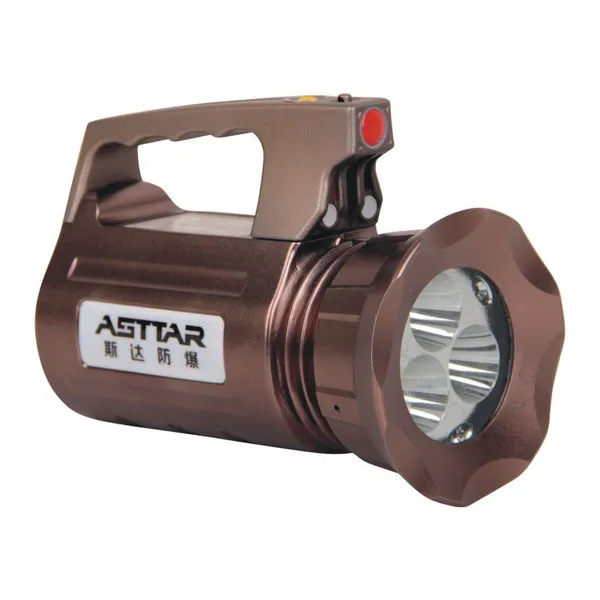 Read More
 -
Mechanical Anemometer for Mining: A 2026 Ventilation Survey Guide
July 29, 2026A mechanical anemometer for mining is a hand-held or bracket-mounted instrument that measures air velocity in underground roadways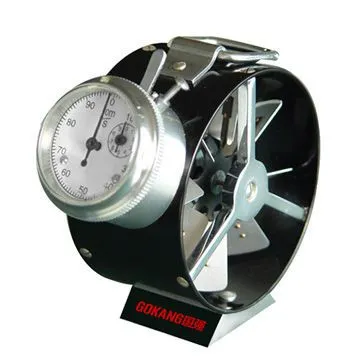 Read More
 -
LED Flameproof Tunnel Light for Mining: 2026 Selection Guide
July 29, 2026An LED flameproof tunnel light for mining is a fixed luminaire built inside a flameproof (Ex d) enclosure that contains any intern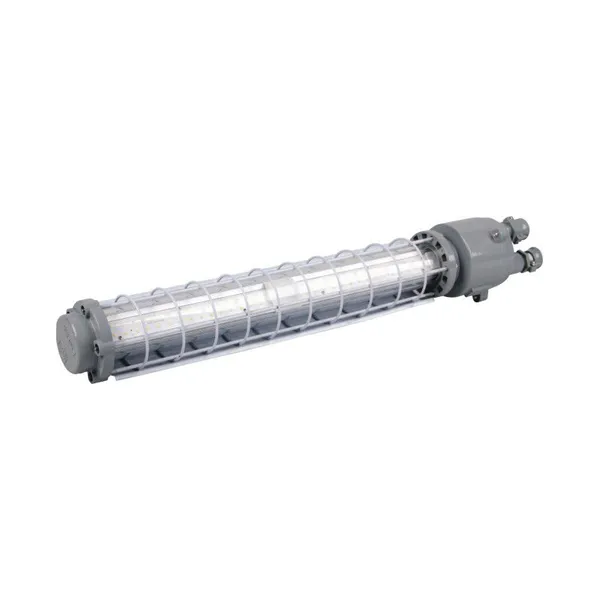 Read More
 -
Wholesale Mining Safety Equipment: A 2026 Procurement Guide
July 24, 2026Wholesale mining safety equipment is the bulk purchase of certified protective gear, escape devices, lighting, gas detection, and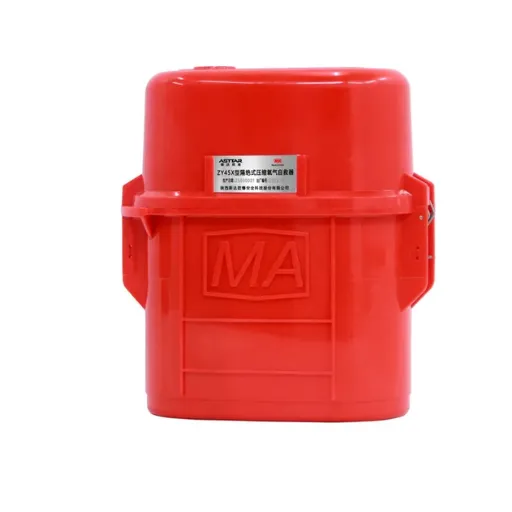 Read More

Contact Us
Recommended Products
-
 CE Certified 30 Minutes Closed Circuit Mining Oxygen Self-rescuerNegotiableMOQ: 1 Piece
 -
Portable ZL60 Filter Self Rescuer Lightweight Underground Personal Breathing DeviceNegotiableMOQ: 1 Piece
-
0.6L Oxygen Cylinder ZY45X Self Rescue Respirator Underground Mining Self RescuerNegotiableMOQ: 1 Piece
-
Atex 6ah 7000lux IP65 Mining Industrial Use Ex Proof LED Cap Lamp Safety HeadlampUS$ 98 - 110MOQ: 1 Piece
-
KL1.2Ex LED Miner Cap Lamp ATEX Explosion Proof Mining HeadlampUS$ 75 - 85MOQ: 1 Piece
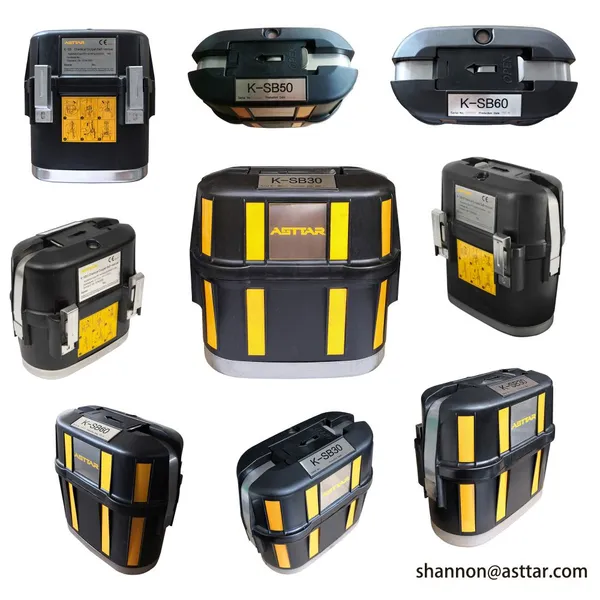
-
Kl3lm (A) Cordless Intrinsically Safe LED Headlamp for Mining, Camping, and Outdoor ActivitiesNegotiableMOQ: 1 Piece
-
Heat Resistant PA Housing HYZ4(C) Positive Pressure Oxygen Apparatus Coal Mine Emergency RescueNegotiableMOQ: 1 Piece
-
Independent Oxygen Supply Automatic Resuscitator MZS30 for Weak‑Breathing Casualty RescueNegotiableMOQ: 1 Piece
-
Mining Intrinsically Safe CJG10 Methane Detector Optical Interference Principle Gas Measuring InstrumentNegotiableMOQ: 1 Piece
-
YHJ-100J(A) 100m Portable Explosion Proof Laser Distance MeterUS$ 250 - 350MOQ: 1 Piece
-
K-SB50 Self Contained Oxygen Escape Device Built-In Humidity Indicator For Mine Fire RescueNegotiableMOQ: 1 Piece
-
60 Minutes CE Approved Self-Contained Self-Rescuer K-Sb60 for Miner SafetyNegotiableMOQ: 1 Piece
-
ZL60 60 Minutes Carbon Monoxide Filter Self RescuerUS$ 120 - 150MOQ: 1 Piece
-
ZY30X Isolated Compressed Oxygen Self Rescuer Self Contained Breathing Escape DeviceUS$ 120 - 150MOQ: 1 Piece
-
Portable ZY45X Self Rescue Breathing Apparatus Emergency Escape Breathing DevicesNegotiableMOQ: 1 Piece
-
HYZ2 Isolated Positive Pressure Oxygen Breathing Apparatus PC Face Shield Aluminized FabricNegotiableMOQ: 1 Piece
-
KL6Ex ATEX Rechargeable High Brightness Corded LED Headlamp Miner Cap LampUS$ 98 - 110MOQ: 1 Piece
-
ATEX Cordless LED Cap Lamp Underground Mining Safety HeadlampUS$ 75 - 85MOQ: 1 Piece
-
5Ah Rechargeable LED Cordless Miner\'s HeadlampUS$ 85 - 98MOQ: 1 Piece
-
5Ah Rechargeable LED Cordless Miner's Cap LampUS$ 85 - 98MOQ: 1 Piece