
 Business License
Mining Tunnel Lighting Standards: What Safety Teams Need to Know
Mining tunnel lighting standards are the technical rules that keep haul roads, development headings, and underground tunnels bright enough, safe enough, and explosion-protected enough for workers to do their jobs. These standards specify minimum illuminance levels, fixture spacing, color rendering, ingress protection, and hazardous-area certification for every luminaire installed underground.
What most procurement teams discover too late is that meeting a standard on paper does not always mean a fixture will survive the mine. A luminaire can carry the right ATEX code and still fail when vibration, dust, and voltage fluctuation combine on a production shift. This article explains which standards apply, what the numbers mean, and how to select tunnel lighting that passes both the certification test and the daily abuse of a working mine.
You will learn how global standards compare, how lux levels map to tunnel tasks, why explosion protection matters even in non-gassy tunnels, and what maintenance routines keep lighting reliable. By the end, you will have a practical checklist you can use when reviewing a lighting submittal or planning a new installation.
Key Takeaways
Mining tunnel lighting standards set minimum lux, uniformity, color temperature, IP/IK ratings, and explosion-protection requirements for underground luminaires.
IEC 60079 / ATEX, EN 12464-2, MSHA, and Chinese GB standards are the most cited frameworks; local mining law usually picks one and adds regional rules.
LED flameproof and intrinsically safe fixtures now dominate because they reduce energy, heat, and maintenance while meeting certification requirements.
Fixture spacing depends on ceiling height, beam angle, and required lux; most tunnels need 20-50 lux on roadways and 50-200 lux at work faces.
Emergency lighting must stay on during power failure and mark escape routes; battery backup is typically required for at least 90 minutes.
Certifications, test reports, spare parts availability, and post-installation support matter as much as the purchase price.
Why Mining Tunnel Lighting Standards Matter
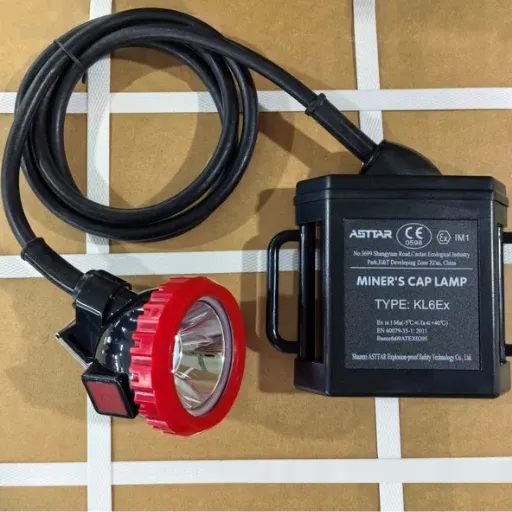
Underground lighting is not only about visibility. It is about spatial awareness, hazard recognition, and emergency escape. A poorly lit tunnel increases trip-and-fall incidents, makes methane or water accumulation harder to spot, and slows evacuation when power is lost.
Standards exist because ad-hoc lighting decisions fail. A mine manager might install a bright floodlight and assume the tunnel is safe, only to find that glare blinds operators, shadows hide ruts in the roadway, and the fixture housing corrodes within months. Mining tunnel lighting standards force a disciplined approach that accounts for optics, ingress protection, mechanical impact, and hazardous-area classification.
The business case is also strong. Consistent lighting reduces downtime from fixture replacement, lowers electrical load, and helps mines demonstrate regulatory compliance during inspections. For safety managers, documented lighting design is evidence of due diligence if an incident occurs.
Key Global Standards for Tunnel Lighting
No single global standard covers every mine. Most jurisdictions adopt IEC, ISO, EN, or national mining codes and add local requirements. The following frameworks are the ones you will encounter most often when specifying explosion-proof lighting for tunnels.
IEC 60079 and ATEX for Hazardous Areas
IEC 60079 is the international standard family for explosive-atmosphere electrical equipment. It defines protection concepts such as flameproof enclosures (Ex d), increased safety (Ex e), and intrinsic safety (Ex i). In Europe, these requirements are enforced through the ATEX directives: 2014/34/EU for equipment and 1999/92/EC for workplace zones.
An ATEX explosion proof light must be certified by a notified body for a specific gas group, temperature class, and equipment protection level. A fixture rated II 2G Ex db IIC T6 Gb, for example, is suitable for Zone 1 gas hazardous areas with hydrogen-class gases and a maximum surface temperature of 85C.
EN 12464-2 for Underground Workplaces
EN 12464-2 sets lighting requirements for underground workplaces, including mines and tunnels. It recommends maintained illuminance, glare limits, and color rendering for different tasks. While it does not replace national mining law, it is widely referenced by European designers and safety auditors.
MSHA Regulations in the United States
The U. S. Mine Safety and Health Administration sets approval requirements for electric mine lamps and lighting systems. MSHA-approved fixtures must meet flame-test, impact, and dust-ignition criteria. MSHA approval is specific to the U. S. market but is respected globally as evidence of rugged design.
Chinese GB and MA Standards
In China, mining products require the MA mark issued by the National Mine Safety Administration. GB standards such as GB 3836 mirror IEC 60079 protection concepts but add Chinese testing and documentation requirements. For mines operating in China or sourcing equipment from Chinese manufacturers, MA certification is mandatory.
Local Mining Codes
Most producing countries have their own mining regulations that reference one or more of the above standards. Australia uses AS/NZS standards, South Africa uses SANS, and Canada uses CSA. When planning a project, confirm which standard is legally binding and which is simply good practice.
Technical Requirements Explained
Mining tunnel lighting standards translate into measurable numbers. These numbers apply to tunnel lighting for mining, tunnelling, and underground civil works. Understanding them prevents over-specification on one hand and unsafe under-lighting on the other.
Illuminance Levels
Illuminance is measured in lux, which is lumens per square meter. Recommended lux levels vary by task:
| Tunnel Area | Recommended Maintained Lux | Notes |
|---|---|---|
| Main haulage roadways | 20-30 lux | Uniform lighting for vehicle traffic |
| Pedestrian walkways | 20-50 lux | Higher where foot traffic is mixed with vehicles |
| Development headings | 50-100 lux | Drilling, bolting, and scaling tasks |
| Work faces and loading points | 100-200 lux | High-contrast work, inspection, and maintenance |
| Shaft stations and workshops | 150-300 lux | Detailed mechanical work |
| Escape routes | At least 5-10 lux minimum | Must remain lit during power failure |
Maintained lux is the value expected after lamp lumen depreciation and fixture dirt accumulation. Designers should start with a higher initial value so the tunnel still meets the standard at the end of the maintenance cycle.
Uniformity and Glare
Uniformity is the ratio of minimum to average illuminance. A uniformity ratio of 0.4 or better is common for roadways, meaning the darkest spot is at least 40 percent of the average. Poor uniformity creates bright patches and dark zones where hazards hide.
Glare is controlled by choosing luminaires with appropriate beam angles and shielding. High glare can disable workers' dark adaptation and reduce the visibility of obstacles. Standards often specify a Unified Glare Rating below 28 for underground work areas.
Color Temperature and Color Rendering
LED tunnel lights typically use neutral white light around 4000K to 5000K. This range balances brightness with visual comfort. Color Rendering Index should be 70 or higher so workers can distinguish cable colors, warning signs, and gas detector displays accurately.
Ingress and Impact Protection
Mines are dusty, wet, and physically abusive. IP ratings define protection against solids and liquids; IP65 or IP66 is typical for tunnel luminaires. IK ratings define impact resistance; IK08 or IK09 is recommended for areas with flying debris or accidental contact from equipment.
Explosion Protection and Hazardous Area Classification
Explosion protection is the difference between a standard industrial light and a mining fixture. Even tunnels classified as non-gassy can encounter methane pockets, fuel vapors, or combustible dust. Mining tunnel lighting standards therefore require hazardous-area design for most underground locations.
These concepts apply to all hazardous area lighting, including LED, fluorescent, and HID sources. The protection concept must match the gas group, dust group, and zone classification of the installation.
Flameproof vs. Intrinsically Safe
Flameproof, or Ex d, fixtures contain an explosion inside a robust enclosure without igniting the surrounding atmosphere. These are common for fixed LED flameproof light installations along main roadways.
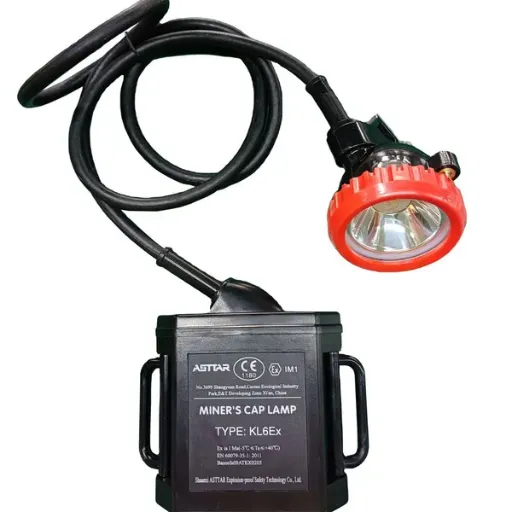
Intrinsically safe, or Ex i, circuits limit energy to a level below ignition. This approach is used for portable lights, cap lamps, and control signals where cables may be damaged. Hazardous area LED lighting ATEX products combine both philosophies depending on application.
Zone Classification
Hazardous areas are divided into zones based on how often an explosive atmosphere is present:
| Zone | Definition | Typical Underground Location |
|---|---|---|
| Zone 0 | Explosive atmosphere present continuously or for long periods | Inside sealed goaf or rarely ventilated cavities |
| Zone 1 | Explosive atmosphere likely during normal operation | Coal faces, return roadways, methane-prone headings |
| Zone 2 | Explosive atmosphere not likely during normal operation | Fresh air intakes, well-ventilated travelways |
Fixture selection must match the zone. A Zone 1 fixture can often be used in Zone 2, but the reverse is not permitted.
Fixture Types for Mining Tunnels
Different tunnel areas need different lighting forms. A complete underground mining lighting system usually combines fixed luminaires, portable lamps, and emergency units.
LED Tunnel and Laneway Lights
LED flameproof tunnel lights are now the default for main roadways and development drives. Fixed LED units remain the backbone of underground mine lighting for these areas. They offer high efficacy, long life, and low heat output. Compared with legacy fluorescent or HID fixtures, LED units reduce cable sizing and transformer load.
Cap Lamps and Personal Lighting
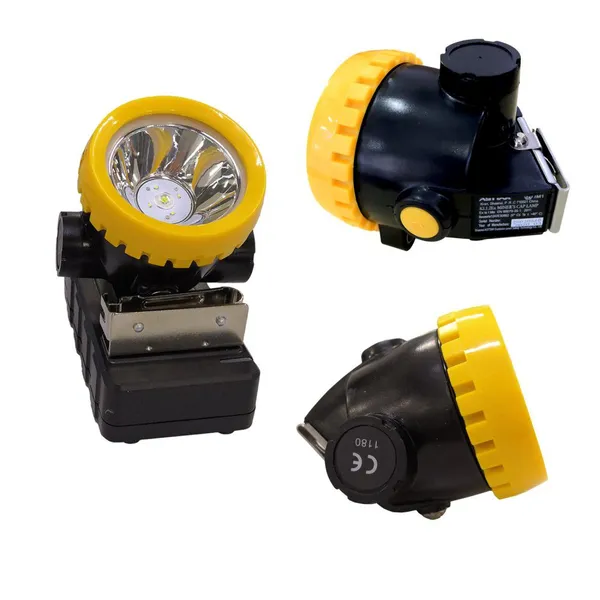
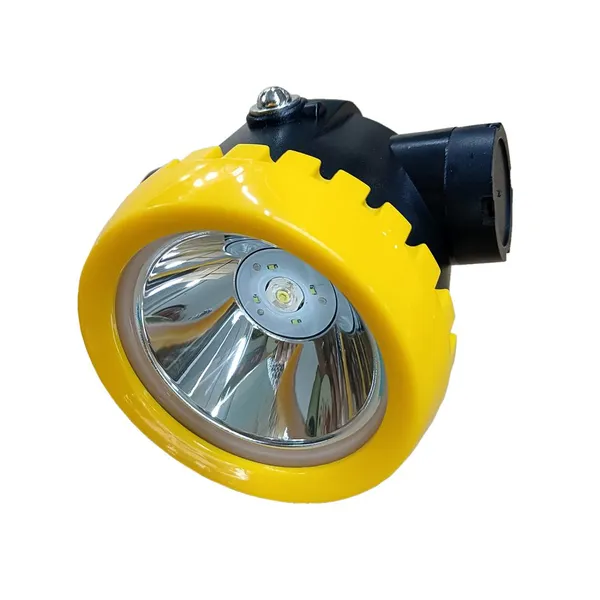
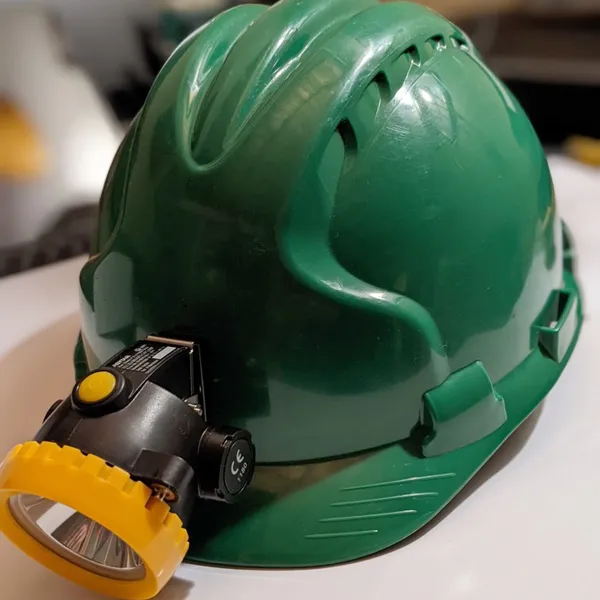
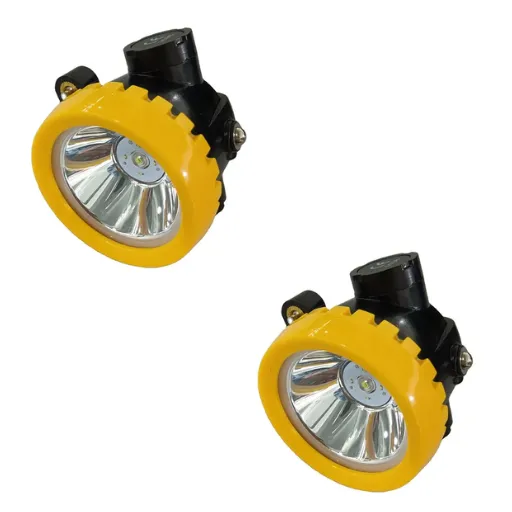
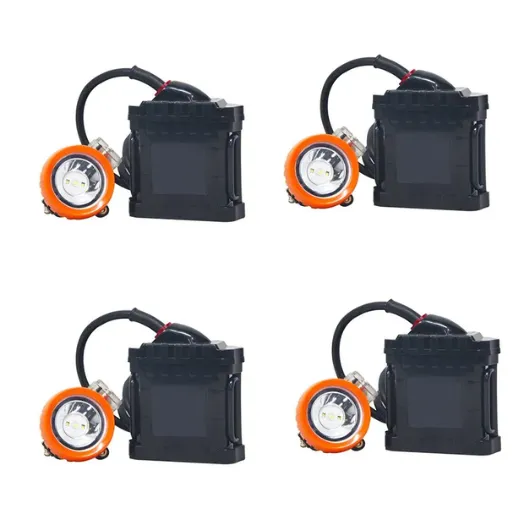
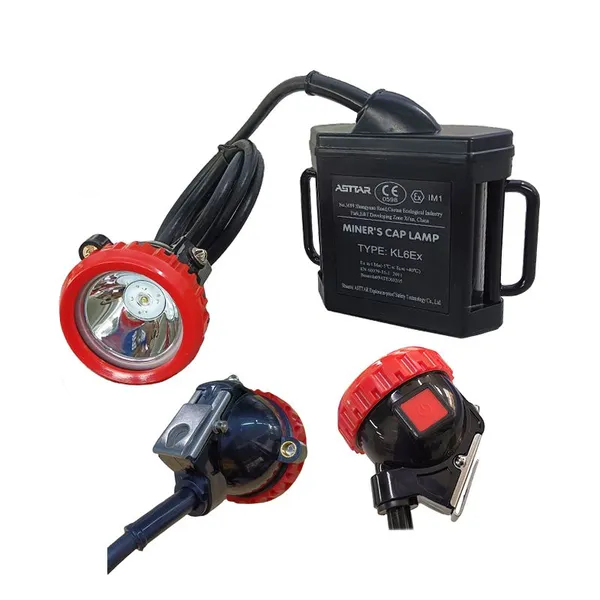
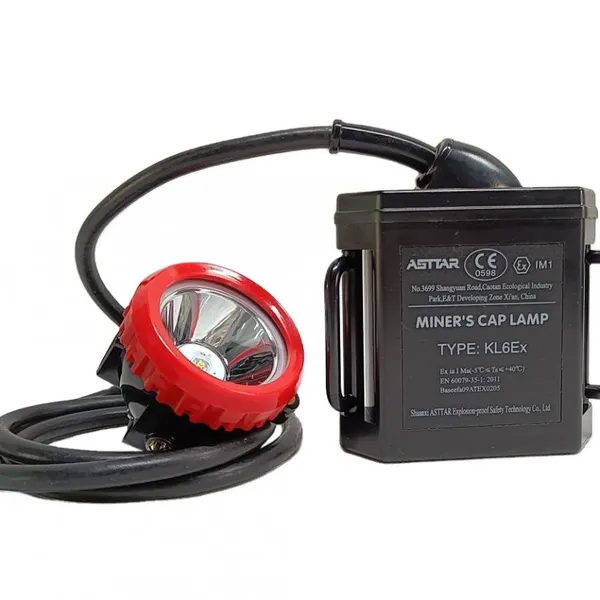
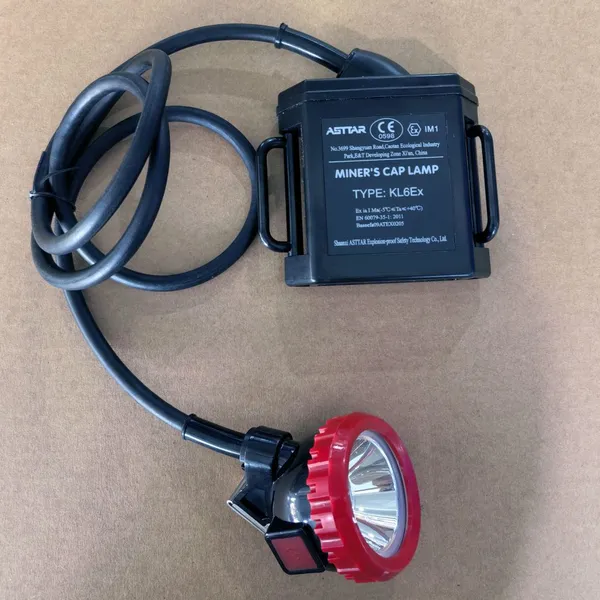
Personal lighting is part of the tunnel lighting ecosystem. Every worker needs a reliable LED cap lamp that provides task illumination and signals location. Modern cap lamps may also include methane alarms and proximity warning features.
Emergency and Escape Lighting
Emergency lighting must activate automatically when normal power fails. It can be built into standard luminaires with battery backup, or it can be a separate low-voltage system. Mining tunnel lighting standards typically require escape-route lighting to remain operational for 90 minutes or more.
Corded and Temporary Lighting
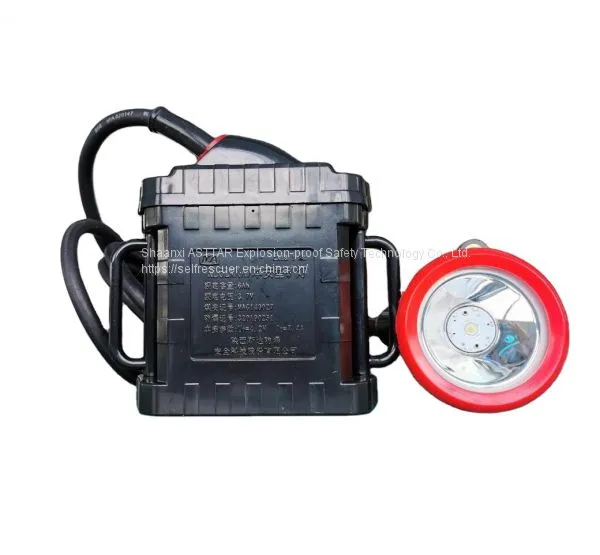
Development faces and repair areas often use corded lighting systems that move with the work. These must be rated for the local hazardous area and protected against mechanical damage. Low-voltage systems reduce shock and ignition risk in wet conditions.
Design and Spacing Guidelines
Good tunnel lighting is designed, not guessed. The spacing between fixtures depends on mounting height, beam angle, required lux, and wall reflectance.
Mounting Height
Higher mounting reduces glare and improves uniformity but lowers the illuminance on the floor. Most tunnel lights are mounted between 3 and 6 meters. Designers use lighting calculation software to model lux levels before installation.
Spacing and Overlap
A common rule of thumb is to space fixtures at no more than 1.5 to 2 times the mounting height. Narrow beam lights need closer spacing; wide beam lights can be farther apart. The goal is overlapping beams that eliminate dark spots.
Wiring Zones
Cable routes should be separated from traffic and blasting areas where possible. Armored cable, conduit, and cable hooks protect wiring from mechanical damage. All junction boxes and switches must carry the same hazardous-area rating as the luminaires.
Example Scenario
When Elena took over as electrical engineer at a limestone mine in 2024, the main haul road relied on aging metal-halide lamps spaced every 12 meters. Drivers complained about flicker and shadows near the loading bay.
Elena modeled the roadway in a lighting design program. She switched to LED flameproof units spaced every 8 meters at 4.5-meter height. Maintained lux rose from 18 to 28, uniformity improved, and lamp replacement intervals tripled. The project paid for itself in 14 months through energy and maintenance savings.
Emergency and Escape Route Lighting
Power failure underground is a high-consequence event. Mining tunnel lighting standards therefore require independent emergency lighting along escape routes, at intersections, near refuge chambers, and at shaft stations.
Battery Backup Requirements
Self-contained emergency luminaires use internal batteries that charge during normal operation. Standards typically require 90 minutes of emergency operation at a minimum of 5-10 lux along escape routes. Central battery systems can also be used but require protected distribution cabling.
Signage and Wayfinding
Lighting must work with reflective signage, floor markings, and audible alarms. Escape-route lights should be visible through smoke and dust. Photoluminescent markers provide a passive backup but are not a substitute for powered emergency lighting.
Testing Protocols
Emergency lights should be function-tested monthly and duration-tested annually. Records of these tests are part of the mine's safety documentation and are often reviewed by inspectors.
Installation and Maintenance Best Practices
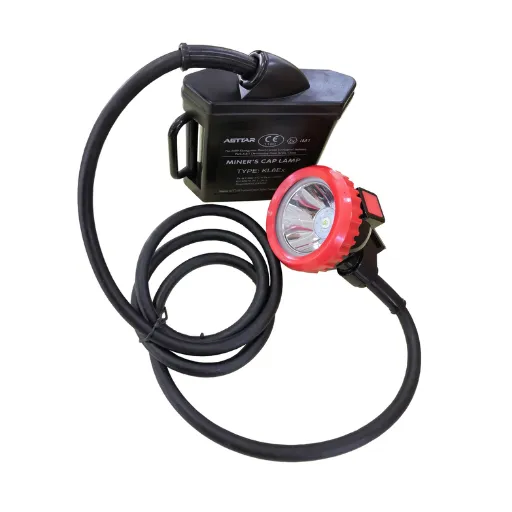
Certified fixtures can still fail if installed or maintained incorrectly. Mining tunnel lighting standards assume a disciplined lifecycle approach.
Installation Checks
Before energizing a new installation, verify that every fixture matches the hazardous-area classification on the certificate. Check nameplates, cable glands, and earthing connections. Confirm that the supply voltage and frequency match the luminaire rating. A single wrong cable gland can void an entire Ex installation.
Routine Maintenance
Dust accumulation reduces light output significantly. Cleaning schedules should match the dust level in the tunnel. In coal mines, monthly cleaning is common; in cleaner hard-rock mines, quarterly may suffice.
Lamp Replacement
LED modules last much longer than legacy lamps, but drivers and batteries do not. Track the age of each component and replace drivers before failure. Keep spare drivers and gaskets on site to avoid extended outages.
Inspection Records
Maintain a register of every luminaire with model, serial number, installation date, and certification. Update it after any modification, repair, or relocation. Inspectors will ask for this documentation, and it protects the mine if questions arise after an incident.
Choosing a Certified Supplier
The supplier behind the fixture matters as much as the fixture itself. A low-cost light with unverifiable certification can become an expensive problem.
Verify Certifications
Ask for test reports, certificates, and declarations of conformity. Check that the certificate covers the exact model and protection concept you need. ATEX and IECEx certificates are public in many cases; you can cross-check the certificate number on the issuing body's website.
Evaluate Manufacturing Quality
ASTTAR operates under ISO 9001, ISO 14000, and OHSAS 18001 management systems, with CE and ATEX product certifications where applicable. For buyers sourcing mining safety equipment, management-system certification is a strong indicator that product quality is controlled from design through after-sales service.
Consider Total Cost of Ownership
Purchase price is only one component of cost. Factor in energy consumption, lamp life, spare parts, and labor for maintenance. A more expensive LED flameproof light can cost less over five years than a cheaper fixture that needs frequent replacement.
Support and Spare Parts
Mines are often in remote locations. Confirm that the supplier can deliver spare drivers, lenses, and gaskets within your required timeframe. Ask about technical documentation, training, and warranty terms before placing a large order.
Common Questions About Mining Tunnel Lighting Standards
What is the minimum lux required in a mining tunnel?
There is no single universal minimum. Roadways typically need 20-30 lux maintained, work faces 100-200 lux, and escape routes at least 5-10 lux. Always follow the standard adopted by your local mining authority.
Are LED lights suitable for explosive mine atmospheres?
Yes, when they are certified for the applicable hazardous area. Explosion proof lighting products use flameproof enclosures, intrinsically safe circuits, or other protection concepts to prevent ignition.
What is the difference between flameproof and intrinsically safe lighting?
Flameproof lighting contains an internal explosion without igniting the surrounding atmosphere. Intrinsically safe lighting limits electrical energy to a level that cannot ignite the gas or dust. Flameproof is common for fixed tunnel lights; intrinsic safety is common for cap lamps and portable devices.
How often should tunnel lighting be inspected?
Visual inspections should occur weekly, cleaning on a monthly or quarterly schedule depending on dust, and emergency-light duration tests at least annually. Follow the manufacturer's recommendations and local mining regulations.
Which certification is best for international projects?
IECEx is widely accepted outside Europe. ATEX is required for the European Economic Area. MSHA approval is needed for U. S. coal mines. For projects in China, the MA mark is mandatory. Many buyers prefer suppliers with multiple certifications to simplify procurement.
Conclusion
Mining tunnel lighting standards turn a subjective requirement, "make it bright enough," into a verifiable safety system. By specifying the right lux levels, uniformity, explosion protection, and emergency coverage, safety teams reduce risk while controlling long-term cost.
The best results come from treating lighting as part of the mine safety ecosystem rather than an afterthought. Match the fixture to the hazardous-area zone, verify certifications against the actual model, design spacing with software rather than rules of thumb, and keep maintenance records that inspectors can follow.
If you are planning a tunnel lighting upgrade or specifying equipment for a new mine, contact ASTTAR's safety engineering team for a technical consultation. We can review your layout, recommend certified fixtures, and provide the documentation you need to satisfy mining tunnel lighting standards and your local inspector.
Recently Posted
-
Mechanical Anemometer for Mining: A 2026 Ventilation Survey Guide
July 24, 2026A mechanical anemometer for mining is a hand-held or bracket-mounted instrument that measures air velocity in underground roadways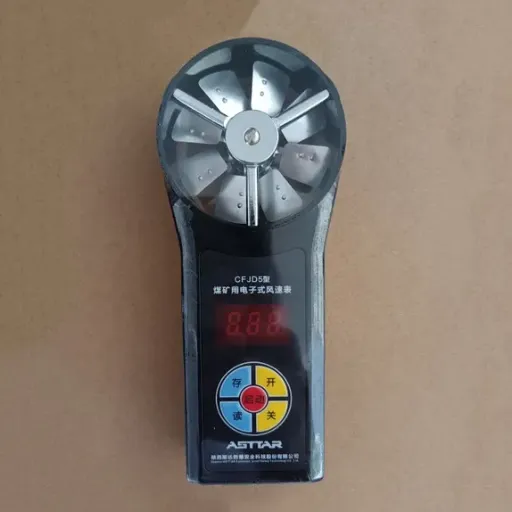 Read More
 -
Wholesale Mining Safety Equipment: A 2026 Procurement Guide
July 24, 2026Wholesale mining safety equipment is the bulk purchase of certified protective gear, escape devices, lighting, gas detection, and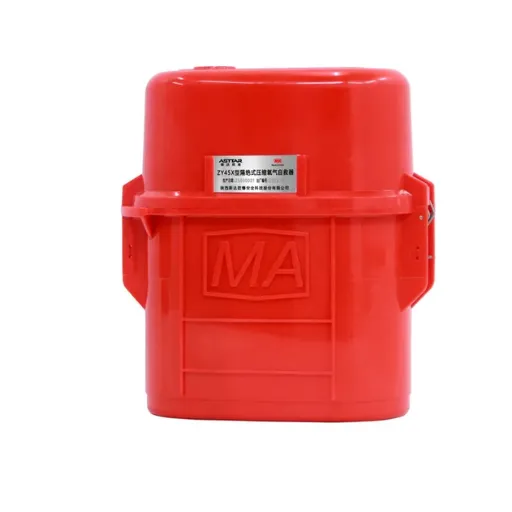 Read More
 -
Mining Safety Equipment Checklist for 2026
July 24, 2026A complete mining safety equipment checklist covers respiratory protection, gas detection, lighting, personal protective equipment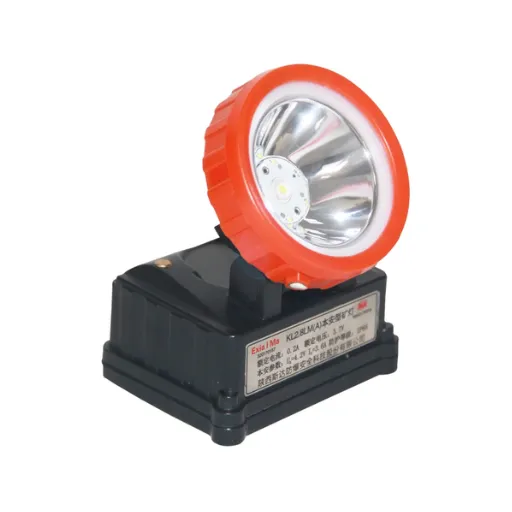 Read More
 -
Breathing Apparatus for Mine Rescue: A 2026 Selection and Deployment Guide
July 24, 2026Breathing apparatus for mine rescue is specialized respiratory protection that supplies independent breathable air to rescue teams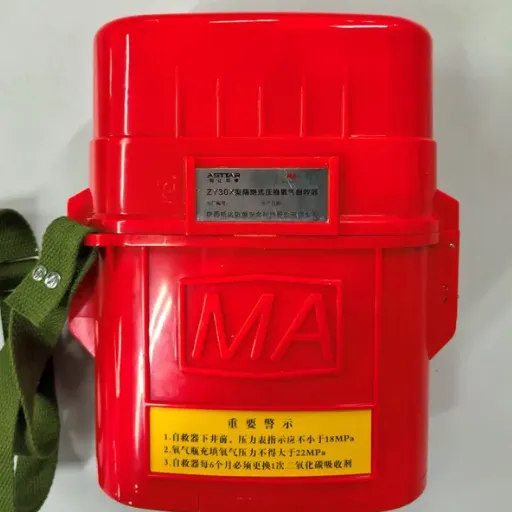 Read More

Contact Us
Recommended Products
-
 CE Certified 30 Minutes Closed Circuit Mining Oxygen Self-rescuerNegotiableMOQ: 1 Piece
 -
CE Certified 30 Minutes Isolated Breathing Protection Chemical Oxygen Self RescuerNegotiableMOQ: 1 Piece
-
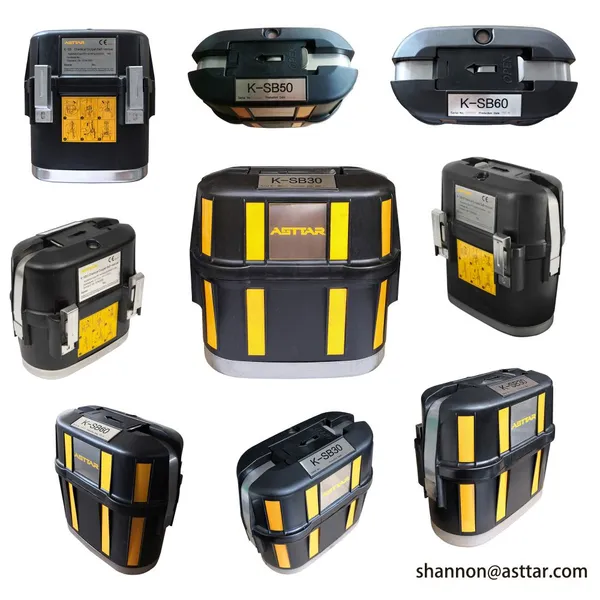
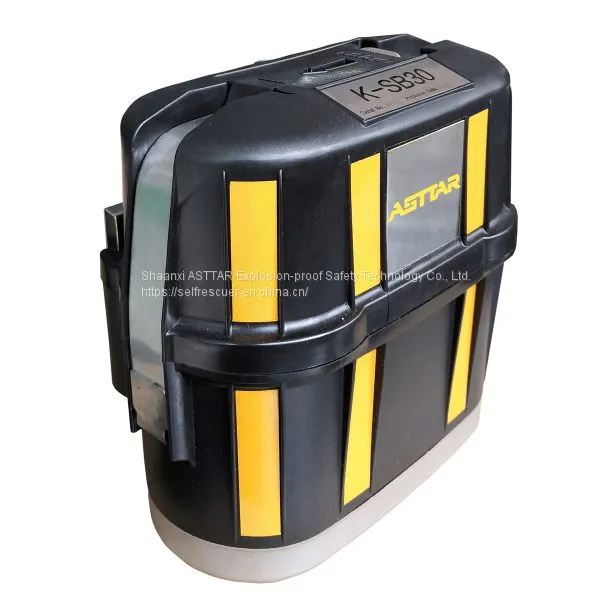
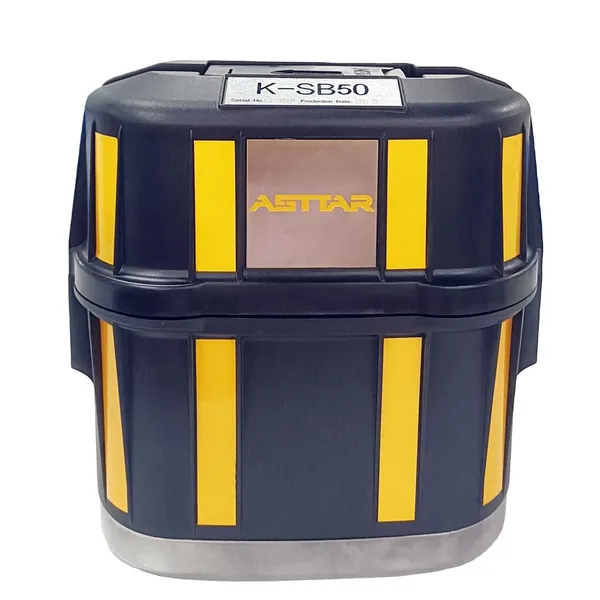
K-SB50 Self Contained Oxygen Escape Device Built-In Humidity Indicator For Mine Fire RescueNegotiableMOQ: 1 Piece
-
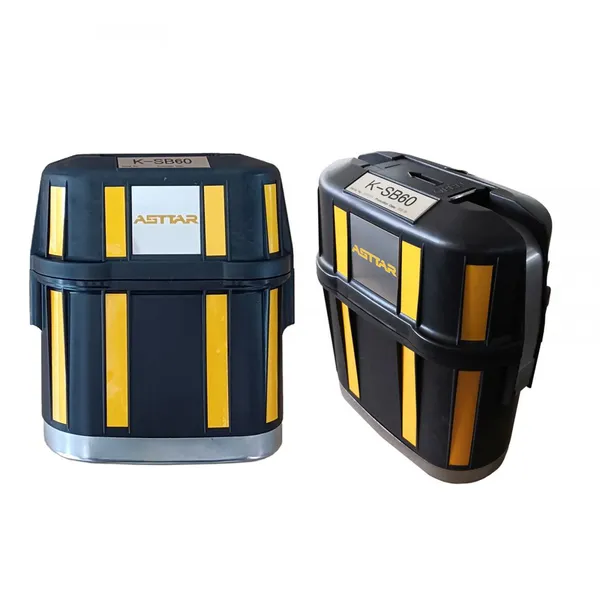
60 Minutes CE Approved Self-Contained Self-Rescuer K-Sb60 for Miner SafetyNegotiableMOQ: 1 Piece
-
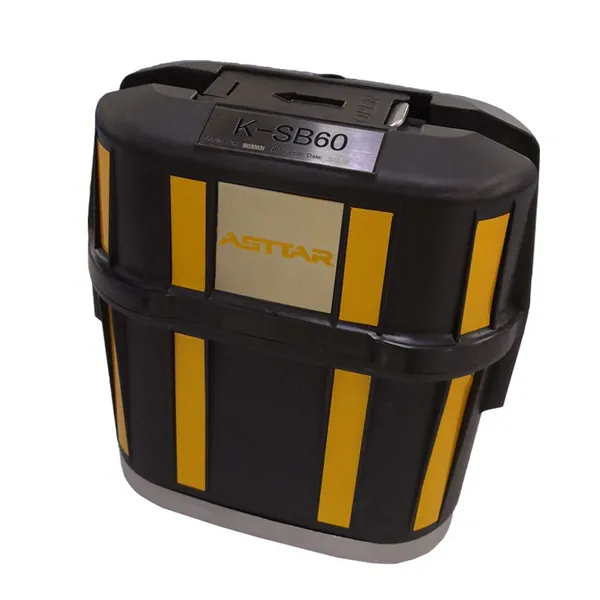
Lightweight Portable K-SB60 KO2 Oxygen Generating Self Rescuer For Confined Space Industrial Emergency UseNegotiableMOQ: 1 Piece
-
Portable ZL60 Filter Self Rescuer Lightweight Underground Personal Breathing DeviceNegotiableMOQ: 1 Piece
-
Fire Fighting Oxygen Rebreather Mine Chemical Self-Rescuer Portable Isolated Breathing EquipmentNegotiableMOQ: 1 Piece
-
ZL60 60 Minutes Carbon Monoxide Filter Self RescuerUS$ 120 - 150MOQ: 1 Piece
-
ZY30X Isolated Compressed Oxygen Self Rescuer Self Contained Breathing Escape DeviceUS$ 120 - 150MOQ: 1 Piece
-
ZY45X Mining Self Rescuer Self Rescue Packs For Low Oxygen Toxic Gas EnvironmentNegotiableMOQ: 1 Piece
-
Portable ZY45X Self Rescue Breathing Apparatus Emergency Escape Breathing DevicesNegotiableMOQ: 1 Piece
-
0.6L Oxygen Cylinder ZY45X Self Rescue Respirator Underground Mining Self RescuerNegotiableMOQ: 1 Piece
-
Atex 6ah 7000lux IP65 Mining Industrial Use Ex Proof LED Cap Lamp Safety HeadlampUS$ 98 - 110MOQ: 1 Piece
-
KL6Ex ATEX Rechargeable High Brightness Corded LED Headlamp Miner Cap LampUS$ 98 - 110MOQ: 1 Piece
-
ATEX-Certified KL6Ex Mining Lamp: Essential Safety for Underground OperationsUS$ 98 - 110MOQ: 1 Piece
-
KL1.2Ex LED Miner Cap Lamp ATEX Explosion Proof Mining HeadlampUS$ 75 - 85MOQ: 1 Piece
-
ATEX Cordless LED Cap Lamp Underground Mining Safety HeadlampUS$ 75 - 85MOQ: 1 Piece
-
Rechargeable Wireless LED Mining Headlamp for Potentially Explosive EnvironmentsUS$ 75 - 85MOQ: 1 Piece
-
KL6LM (A) Intrinsically Safe High Brightness Miner's Cap LampUS$ 120 - 150MOQ: 1 Piece
-
5Ah Rechargeable LED Cordless Miner\'s HeadlampUS$ 85 - 98MOQ: 1 Piece