
 Business License
Explosion Proof Emergency Lighting: Standards & Selection
Explosion proof emergency lighting is emergency egress illumination built for hazardous areas where flammable gases, vapors, mists, or dusts may be present. It combines battery-backed escape lighting with flameproof or intrinsically safe enclosures so the luminaire itself cannot ignite the surrounding atmosphere during normal operation or failure conditions.
Power loss in a mine, chemical plant, or oil and gas facility is exactly when workers need light most. Standard emergency luminaires are not designed for explosive atmospheres, so installing them in a Zone 1 or Zone 2 area creates both a compliance violation and an ignition risk. This article explains which standards govern explosion proof emergency lighting, how to select the right fixture, and how to install and maintain it so it works when it matters.
You will learn the difference between maintained and non-maintained emergency modes, how hazardous area classification drives fixture selection, why LED dominates this category, and what battery runtime and testing protocols are expected. By the end, you will have a specification checklist you can use for procurement or inspection.
Key Takeaways
Explosion proof emergency lighting is required wherever normal emergency luminaires could ignite flammable gases or dusts, including mines, refineries, chemical plants, and paint shops.
IEC 60079, ATEX, and national mining codes define the protection concepts, zone ratings, and minimum runtime requirements for these fixtures.
LED flameproof emergency lights offer longer battery life, lower heat, and lower maintenance than legacy fluorescent or incandescent units.
Most standards require at least 90 minutes of emergency operation at specified lux levels along escape routes.
Monthly function tests and annual duration tests are standard; records are part of the facility's safety documentation.
Certifications, battery replaceability, and spare-parts availability matter as much as initial purchase price.
Why Explosion Proof Emergency Lighting Matters
Hazardous area emergency lighting is not a convenience; it is a life-safety system. In a power failure, workers must be able to see exit routes, locate fire extinguishers, and avoid trip hazards. In an explosive atmosphere, the wrong emergency luminaire can become the ignition source that turns a minor incident into a major event.
The challenge is that normal emergency lights are designed for safe commercial or industrial environments. Their switches, drivers, batteries, and lamps can produce arcs, sparks, or surface temperatures high enough to ignite methane, hydrogen, or combustible dust. Explosion proof emergency lighting solves this by containing or limiting ignition energy.
For safety managers, specifying the right system also reduces liability. Regulators and insurers increasingly ask for documented evidence that emergency lighting matches the hazardous-area classification of the zone where it is installed. A certified, well-maintained system demonstrates due diligence.
Where Explosion Proof Emergency Lighting Is Required
Any facility that handles flammable materials should evaluate whether its escape routes pass through hazardous areas. Common locations include:
| Industry | Typical Hazardous Areas |
|---|---|
| Underground coal and metal mines | Haulage roadways, shaft stations, return airways, workshops |
| Oil and gas refineries | Pump houses, loading racks, process modules, compressor stations |
| Chemical plants | Reactor buildings, storage areas, drum filling stations |
| Paint and coating facilities | Spray booths, mixing rooms, storage warehouses |
| Pharmaceutical manufacturing | Solvent handling areas, cleanrooms with flammable agents |
| Wastewater treatment plants | Digester buildings, gas-handling areas |
The key question is not whether the area is "dangerous" in a general sense, but whether it has been classified as Zone 0, Zone 1, Zone 2 for gases, or Zone 20, Zone 21, Zone 22 for dusts. That classification determines the protection level required of the emergency luminaire. Mining emergency lighting is one of the most demanding applications because roadways and shaft stations must stay lit during power failures in potentially gassy atmospheres.
Mini-Story: The Compressor Station Audit
When Luis joined a Gulf Coast midstream operator as EHS manager in 2024, he inherited a compressor station where the emergency lighting over the escape route was standard commercial grade. The station handled natural gas condensate, and the area was classified Zone 2. During a third-party audit, the inspector flagged every emergency fixture as non-compliant. Luis replaced 32 units with ATEX emergency lighting rated for the correct gas group and temperature class. The project cost was offset by avoiding a shutdown order, and the station passed its next audit with no lighting findings.
Key Standards and Certification Frameworks
Explosion proof emergency lighting must satisfy both emergency-lighting standards and hazardous-area equipment standards. Our mining safety standards reference provides a broader overview of the frameworks mentioned below.
IEC 60079 and ATEX
IEC 60079 is the international family of standards for electrical equipment in explosive atmospheres. It defines protection concepts such as:
Ex d, flameproof enclosures that contain an internal explosion
Ex e, increased safety designs that prevent arcs and sparks
Ex i, intrinsically safe circuits that limit energy below ignition levels
Ex n, protection for Zone 2 where ignition risk is lower
Ex t, dust protection for combustible dust atmospheres
In Europe, ATEX Directive 2014/34/EU requires explosion proof emergency light products to be certified by a notified body and marked with the applicable equipment group, category, and protection level.
EN 1838 and Local Emergency Lighting Standards
EN 1838 specifies the performance requirements for emergency lighting in Europe. It covers minimum illuminance on escape routes, uniformity, glare control, and duration of operation. A fixture can be ATEX certified for a hazardous area but still fail to meet EN 1838 if its battery runtime or beam distribution is inadequate.
MSHA and Mining Codes
In U. S. mining, MSHA approval is required for certain electric mine lamps and lighting systems. International mining projects often reference IEC 60079 or IECEx, but local mining law may add requirements for battery runtime, testing, and documentation.
Chinese GB and MA Standards
For projects in China, explosion proof emergency lighting used in mines must carry the MA mark and comply with GB 3836 standards. These mirror IEC protection concepts but require Chinese testing and documentation.
Maintained vs. Non-Maintained Emergency Lighting
Emergency luminaires operate in two main modes. Choosing the right mode affects both cost and day-to-day lighting design.
Maintained Emergency Lighting
A maintained explosion proof emergency light operates as normal lighting during everyday use and switches to battery power if the mains fail. This approach is common in continuously occupied areas such as control rooms, workshops, and main roadways. Workers benefit from consistent light levels, and the fixture is already energized so battery transfer is immediate.
Non-Maintained Emergency Lighting
A non-maintained unit remains off during normal power and only illuminates when power is lost. These units are often used along dedicated escape routes or in storage areas where normal lighting is provided by separate fixtures. They use less energy over time but require periodic testing to confirm they will activate.
Combined or Slave Systems
Some facilities use a central battery system that feeds multiple slave luminaires. The central battery must also be rated for the hazardous area or located in a safe area with protected cabling. This approach can simplify maintenance but creates a single point of failure if not designed with redundancy.
Hazardous Area Classification for Emergency Lighting
Correct zone classification is the foundation of safe fixture selection. The frequency and duration of an explosive atmosphere's presence determine which equipment protection level is required.
| Zone | Gas/Dust | Definition | Typical Fixture Protection |
|---|---|---|---|
| Zone 0 / Zone 20 | Gas / Dust | Explosive atmosphere present continuously or for long periods | Ex ia / Ex ta, very limited luminaire options |
| Zone 1 / Zone 21 | Gas / Dust | Explosive atmosphere likely during normal operation | Ex d, Ex e, Ex ib / Ex tb |
| Zone 2 / Zone 22 | Gas / Dust | Explosive atmosphere not likely during normal operation, and if it does occur, only for a short time | Ex n / Ex tc, suitable certified equipment |
A common mistake is to install a Zone 2 fixture in a Zone 1 area to save money. This violates the standard and can void insurance coverage. Always match the equipment protection level to the zone.
LED Technology in Explosion Proof Emergency Lighting
LED has become the dominant light source for hazardous area LED lighting ATEX applications, including emergency egress. The reasons are practical and safety-related.
Lower Heat Output
LED modules produce less waste heat than incandescent or halogen lamps. Lower surface temperatures reduce ignition risk and allow more compact flameproof enclosures.
Longer Life and Lower Maintenance
LED emergency luminaires often last 50,000 hours or more. Fewer lamp replacements mean fewer maintenance entries into hazardous areas, which reduces exposure risk and permits workload.
Better Battery Efficiency
LED efficacy is typically 100-150 lumens per watt or higher. Lower power draw extends battery runtime and reduces the size and weight of the battery pack.
Instant Strike and No Restrike Delay
Unlike some high-intensity discharge lamps, LEDs reach full output immediately. This is critical in an emergency where every second of visibility matters.
Mini-Story: The Coal Mine Upgrade
At a coal mine in Shanxi Province, the maintenance team spent two days each month replacing failed fluorescent emergency lanterns along a main return airway. The fixtures were not only unreliable but difficult to reseal after maintenance, raising concerns about Ex integrity. The mine switched to LED flameproof emergency lights with sealed lithium-ion battery packs as part of a broader underground mining lighting system upgrade. Lamp replacements dropped to quarterly, and the sealed design preserved the flameproof rating. The electrical supervisor noted that the reduced maintenance traffic in the return airway was itself a safety gain.
Battery Runtime and Performance Requirements
The battery is the heart of any explosion proof emergency lighting system. Standards and good practice set clear expectations.
Minimum Runtime
Most mining and industrial standards require a minimum of 90 minutes of emergency operation. Some jurisdictions or critical facilities require 120 minutes or more. The runtime must be achieved after the battery has been fully charged and under the stated temperature conditions.
Battery Types
| Battery Type | Advantages | Considerations |
|---|---|---|
| Nickel-cadmium (NiCd) | Wide temperature range, long cycle life | Environmental disposal concerns, memory effect |
| Nickel-metal hydride (NiMH) | Higher capacity than NiCd, less toxic | Temperature sensitivity |
| Lithium-ion / LiFePO4 | High energy density, long life, low self-discharge | Requires battery management system, thermal protection |
| Sealed lead-acid | Low cost, simple | Heavy, shorter cycle life, lower temperature performance |
In hazardous areas, the battery itself must be protected or located outside the hazardous zone. Some flameproof emergency luminaires contain the battery inside the Ex enclosure; others use a remote battery pack in a safe area.
Self-Test and Monitoring
Modern LED emergency lighting can include automatic self-test functions that report battery health, lamp status, and charge cycles. These systems reduce manual testing burden and create digital records for compliance audits.
Illuminance and Escape Route Design
Emergency lighting is not useful if it is too dim or uneven. Standards specify minimum illuminance values and uniformity ratios.
Minimum Lux Levels
Common requirements include:
Escape route centerline: at least 1 lux
Open areas (anti-panic lighting): at least 0.5 lux
High-risk task areas: at least 15 lux
Mines and tunnels: often 5-10 lux minimum along escape routes
These are maintained minimums, meaning the values must still be achievable at the end of the rated battery life and after accounting for dirt depreciation.
Uniformity
Uniformity is the ratio of minimum to maximum illuminance along the route. A ratio of 1:40 or better is common. Poor uniformity creates bright patches and dark zones that disorient evacuees.
Signage Integration
Emergency luminaires should work with exit signs, photoluminescent markers, and wayfinding arrows. The combination of powered light and reflective signage provides redundancy if smoke or dust reduces visibility.
Installation Best Practices
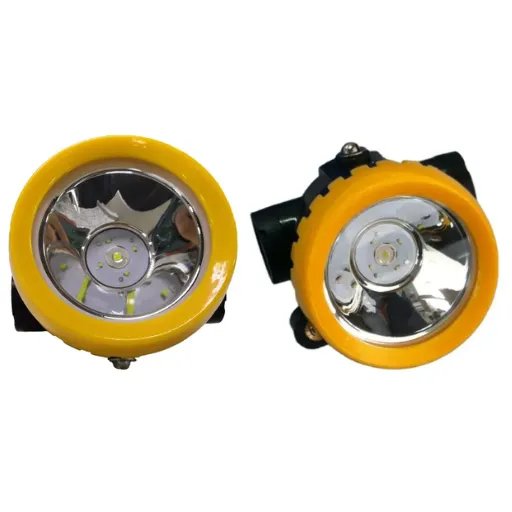
Certified fixtures can fail if installed incorrectly. The installation must preserve the integrity of the explosion protection concept.
Cable Entry and Glands
Every cable entry must use the correct Ex-certified cable gland. A standard gland can compromise a flameproof enclosure by allowing flame propagation or by failing mechanically. Verify thread type, sealing ring material, and armour compatibility.
Mounting Locations
Emergency luminaires should be positioned so they illuminate:
Every exit door
Changes of direction and intersections
Stairways and ramps
Fire alarm points and fire-fighting equipment
Refuge chambers and muster points
In hazardous areas, also consider whether the mounting location exposes the fixture to mechanical damage, corrosion, or extreme temperatures.
Earthing and Bonding
Exposed conductive parts of explosion proof emergency lighting must be earthed in accordance with the local electrical code. Flameproof enclosures rely on precise metal-to-metal joints; poor bonding can compromise both safety and electromagnetic compatibility.
Marking and Labeling
Each fixture must carry a legible nameplate showing the protection concept, gas group, temperature class, voltage, and certificate number. Inspectors will check this information during audits.
Maintenance and Testing Protocols
An emergency light that fails during a power outage is worse than no light at all, because workers may assume it is working. Regular testing is essential.
Monthly Function Test
Press the test button or simulate a mains failure. Confirm that the lamp illuminates and that there are no obvious defects in the enclosure, lens, or mounting.
Annual Duration Test
Discharge the battery for the full rated duration, typically 90 minutes. Verify that the lamp remains lit and that the minimum required illuminance is maintained. Replace batteries that fail to meet runtime requirements.
Cleaning and Inspection
Dust, grease, and chemical residues reduce light output and can corrode enclosures. Clean fixtures according to the manufacturer's instructions using compatible solvents. Inspect seals and gaskets during each maintenance cycle.
Record Keeping
Maintain a log of every test, replacement, and repair. Include the fixture location, model, serial number, date, result, and technician name. These records demonstrate compliance and help identify recurring failures.
Selecting a Supplier for Explosion Proof Emergency Lighting
The supplier's competence matters as much as the product's specifications. A low-cost fixture with questionable certification can create long-term liability.
Verify Certification Scope
Ask for the certificate of conformity and check that it covers the exact model, protection concept, gas group, and temperature class you need. Cross-check the certificate number with the issuing body when possible.
Check Battery Replaceability
Batteries will need replacement before the LED module fails. Confirm that replacement batteries are available and that the replacement procedure does not compromise the Ex rating.
Assess Technical Support
Mines and process plants are often remote. Confirm that the supplier can provide spare parts, technical documentation, and guidance on installation and testing. ASTTAR supports customers with certified explosion-proof lighting, technical datasheets, and application guidance for mining and industrial hazardous areas.
Evaluate Total Cost of Ownership
Purchase price is only part of the cost. Factor in energy use, battery replacement cycles, maintenance labor, and the cost of unplanned failures. A more expensive LED unit often costs less over five years than a cheaper fixture with shorter battery life.
Common Questions About Explosion Proof Emergency Lighting
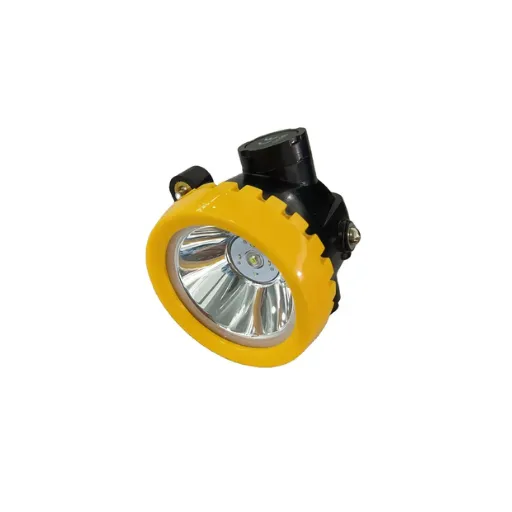
What makes emergency lighting "explosion proof"?
Explosion proof emergency lighting is constructed so that any arcs, sparks, or hot surfaces cannot ignite the surrounding flammable atmosphere. This is achieved through flameproof enclosures, intrinsically safe circuits, increased safety designs, or dust-tight construction, depending on the hazardous zone.
How long should explosion proof emergency lighting run on battery?
Most standards require at least 90 minutes of operation. Critical facilities and some mining codes may require 120 minutes or more. Always follow the standard adopted by your local authority.
Can LED emergency lights be used in explosive atmospheres?
Yes, when they are certified for the applicable hazardous area. LED explosion proof emergency lighting is widely used because it runs cooler, lasts longer, and draws less battery current than older technologies.
What is the difference between flameproof and intrinsically safe emergency lighting?
Flameproof lighting contains an internal explosion within a robust enclosure. Intrinsically safe lighting limits electrical energy to a level that cannot ignite the surrounding gas or dust. Flameproof is common for fixed emergency luminaires; intrinsic safety is often used for portable or low-power units.
How often should emergency lighting in hazardous areas be tested?
Monthly function tests and annual duration tests are standard. High-risk facilities may test more frequently. Records of all tests should be kept for regulatory review.
Conclusion
Explosion proof emergency lighting is the intersection of two non-negotiable requirements: safe egress and hazardous-area protection. Specifying the right system means understanding the zone classification, selecting the correct protection concept, ensuring adequate battery runtime, and committing to ongoing testing and maintenance.
The best installations treat emergency lighting as part of a broader safety system. It works with exit signage, fire alarms, gas detection, and refuge planning to give workers a clear path to safety when power is lost. Cutting corners on certification or maintenance is not a cost saving; it is a compounding risk.
If you are specifying emergency lighting for a mine, refinery, chemical plant, or other hazardous facility, contact ASTTAR's safety engineering team for technical support. We can help you select certified explosion proof emergency lighting, review your escape route layout, and provide documentation for your compliance review.
Recently Posted
-
Explosion Proof Flood Light for Mining: A 2026 Selection Guide
July 29, 2026An explosion proof flood light for mining is a high-output, certified LED fixture designed to illuminate large work areas, stockpi Read More
 -
Mechanical Anemometer for Mining: A 2026 Ventilation Survey Guide
July 29, 2026A mechanical anemometer for mining is a hand-held or bracket-mounted instrument that measures air velocity in underground roadways Read More
 -
LED Flameproof Tunnel Light for Mining: 2026 Selection Guide
July 29, 2026An LED flameproof tunnel light for mining is a fixed luminaire built inside a flameproof (Ex d) enclosure that contains any intern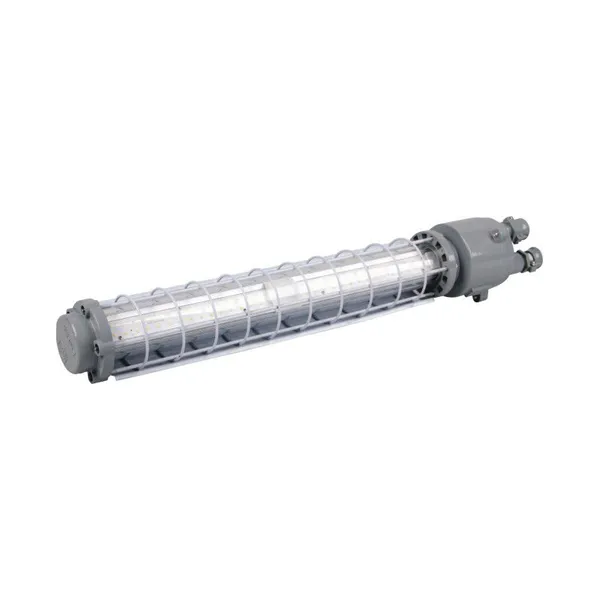 Read More
 -
Wholesale Mining Safety Equipment: A 2026 Procurement Guide
July 24, 2026Wholesale mining safety equipment is the bulk purchase of certified protective gear, escape devices, lighting, gas detection, and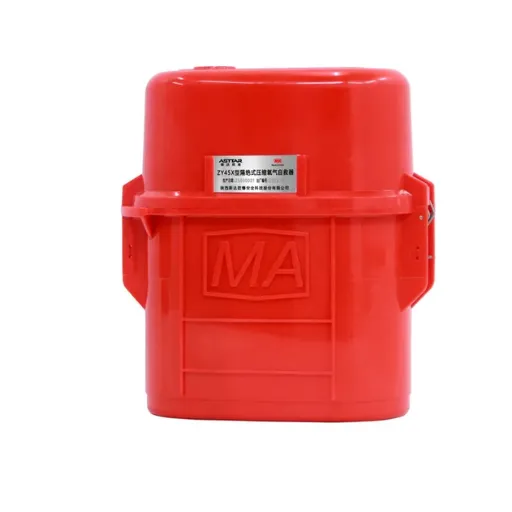 Read More

Contact Us

Recommended Products
-
 CE Certified 30 Minutes Closed Circuit Mining Oxygen Self-rescuerNegotiableMOQ: 1 Piece
 -
Portable ZL60 Filter Self Rescuer Lightweight Underground Personal Breathing DeviceNegotiableMOQ: 1 Piece
-
0.6L Oxygen Cylinder ZY45X Self Rescue Respirator Underground Mining Self RescuerNegotiableMOQ: 1 Piece
-
Atex 6ah 7000lux IP65 Mining Industrial Use Ex Proof LED Cap Lamp Safety HeadlampUS$ 98 - 110MOQ: 1 Piece
-
KL1.2Ex LED Miner Cap Lamp ATEX Explosion Proof Mining HeadlampUS$ 75 - 85MOQ: 1 Piece
-
Kl3lm (A) Cordless Intrinsically Safe LED Headlamp for Mining, Camping, and Outdoor ActivitiesNegotiableMOQ: 1 Piece
-
Heat Resistant PA Housing HYZ4(C) Positive Pressure Oxygen Apparatus Coal Mine Emergency RescueNegotiableMOQ: 1 Piece
-
Independent Oxygen Supply Automatic Resuscitator MZS30 for Weak‑Breathing Casualty RescueNegotiableMOQ: 1 Piece
-
Mining Intrinsically Safe CJG10 Methane Detector Optical Interference Principle Gas Measuring InstrumentNegotiableMOQ: 1 Piece
-
YHJ-100J(A) 100m Portable Explosion Proof Laser Distance MeterUS$ 250 - 350MOQ: 1 Piece
-
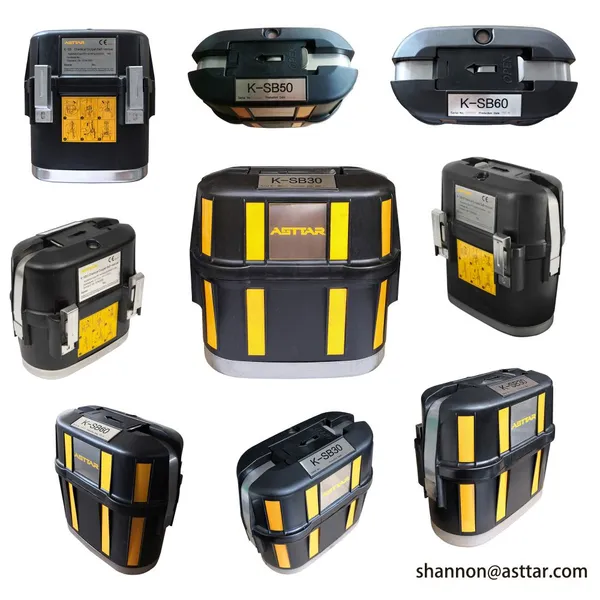
K-SB50 Self Contained Oxygen Escape Device Built-In Humidity Indicator For Mine Fire RescueNegotiableMOQ: 1 Piece
-
60 Minutes CE Approved Self-Contained Self-Rescuer K-Sb60 for Miner SafetyNegotiableMOQ: 1 Piece
-
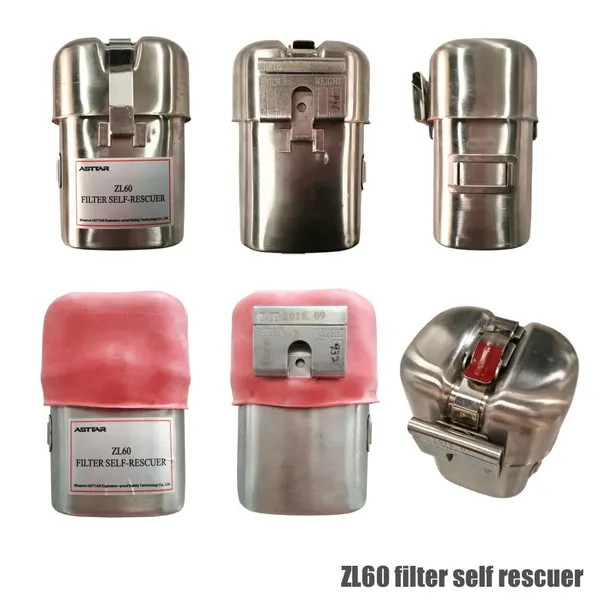
ZL60 60 Minutes Carbon Monoxide Filter Self RescuerUS$ 120 - 150MOQ: 1 Piece
-
ZY30X Isolated Compressed Oxygen Self Rescuer Self Contained Breathing Escape DeviceUS$ 120 - 150MOQ: 1 Piece
-
Portable ZY45X Self Rescue Breathing Apparatus Emergency Escape Breathing DevicesNegotiableMOQ: 1 Piece
-
HYZ2 Isolated Positive Pressure Oxygen Breathing Apparatus PC Face Shield Aluminized FabricNegotiableMOQ: 1 Piece
-
KL6Ex ATEX Rechargeable High Brightness Corded LED Headlamp Miner Cap LampUS$ 98 - 110MOQ: 1 Piece
-
ATEX Cordless LED Cap Lamp Underground Mining Safety HeadlampUS$ 75 - 85MOQ: 1 Piece
-
5Ah Rechargeable LED Cordless Miner\'s HeadlampUS$ 85 - 98MOQ: 1 Piece
-
5Ah Rechargeable LED Cordless Miner's Cap LampUS$ 85 - 98MOQ: 1 Piece