
 Business License
Essential Safety Equipment for Underground Mining: A 2026 Checklist
Essential safety equipment for underground mining includes respiratory protection, gas detection, explosion-proof lighting, personal protective equipment, and emergency communication systems. These items form the layered defense that keeps workers alive when methane, dust, heat, or confined-space hazards exceed normal controls. No single device can protect a crew; the system works only when each layer is chosen for the specific mine and maintained to its certification.
When Ivan took over as safety manager at a mid-sized coal mine in Kazakhstan in early 2025, he found the warehouse stocked with generic hard hats, outdated cap lamps, and self-rescuers that had passed their service dates. During his first quarterly inspection, a handheld methane detector failed calibration and a backup breathing apparatus had a cracked face seal. The equipment looked complete on paper, but it was not reliable in an emergency. Ivan rebuilt the procurement list around certified, mine-specific gear and tied every item to a maintenance schedule. Six months later, the mine passed a regulator audit with no major findings and the crews reported that the new kit actually fit the work.
This guide explains what counts as essential underground mining safety equipment, how each category protects workers, and how to select and maintain a complete system. You will learn the difference between mandatory and situational gear, the certification marks to check, and the common mistakes that leave mines under-protected despite a full warehouse.
Planning a procurement review or a new-mine equipment list? Contact the ASTTAR safety team for a site-specific checklist that matches your regulations, hazards, and budget.
Key Takeaways
Essential safety equipment for underground mining covers respiratory protection, gas detection, lighting, PPE, and emergency communication.
Every item must be certified for the mine's atmosphere and maintained on a documented schedule.
Self-rescuers and breathing apparatus are the last line of defense; they must be inspected, trained on, and replaced before expiry.
Gas detectors, cap lamps, and explosion-proof lighting are active controls that prevent incidents before they escalate.
Mine rescue equipment and reliable communication turn an isolated incident into a manageable emergency response.
What Counts as Essential Safety Equipment for Underground Mining?
Essential equipment is anything a worker needs to survive a foreseeable emergency or to perform daily work without injury. The exact list depends on the mine type, depth, ventilation, and local law, but the categories are consistent across coal, metal, and tunnel operations.
The hierarchy of controls still applies underground. Engineering controls such as ventilation and methane drainage come first. Administrative controls such as permits and gas checks come second. Personal protective equipment and emergency gear are the final layer. Mining emergency equipment only works when the first layers have failed or when a worker is outside their reach, which is why quality and readiness matter so much.
A complete procurement plan splits the list into three groups. Review the mining safety standards reference to confirm which certification scheme applies to your site.
Personal issue: Items assigned to each worker, such as a cap lamp, self-rescuer, hard hat, and safety boots.
Shared station equipment: Items located at strategic points, such as refuge chambers, rescue breathing apparatus, fire extinguishers, and first-aid kits.
Mobile and task-specific: Equipment carried by crews or teams, such as multi-gas detectors, anemometers, and fall-arrest gear.
The ILO mining sector overview shows how national laws vary, but the underlying hazard set is the same: flammable gas, airborne dust, limited escape routes, and difficult access for rescue. A well-stocked mine addresses all four.
Respiratory Protection and Self-Rescuers
Respiratory protection tops the list of personal protective equipment mining workers need in an emergency. The mine atmosphere can turn from breathable to toxic or oxygen-deficient in minutes.
Self-Contained Self-Rescuers
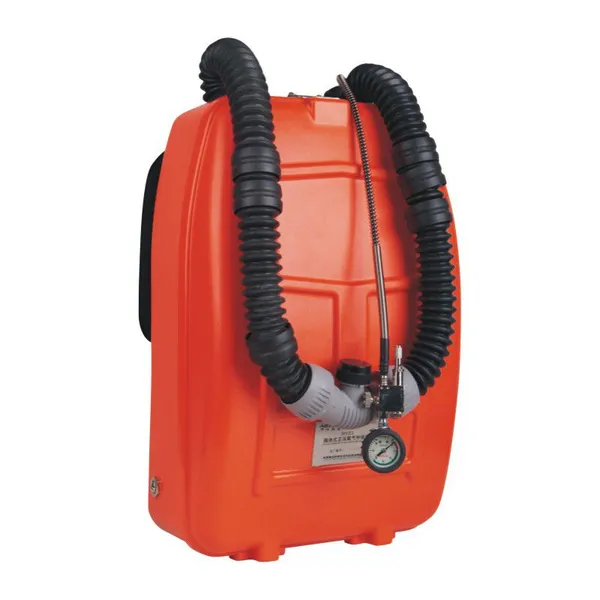
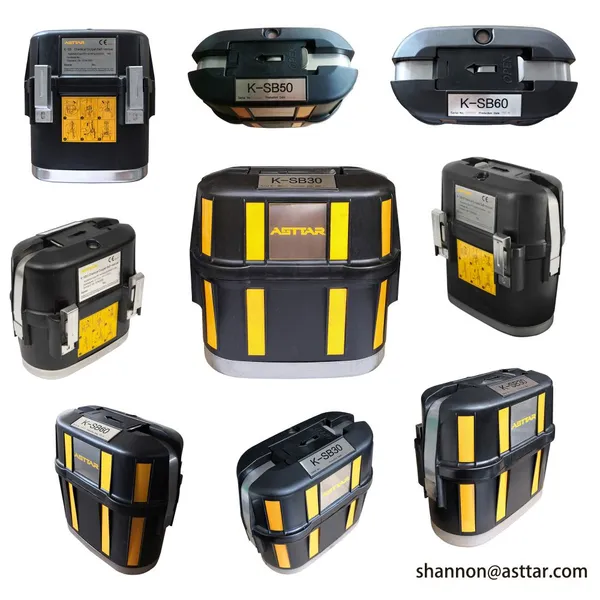
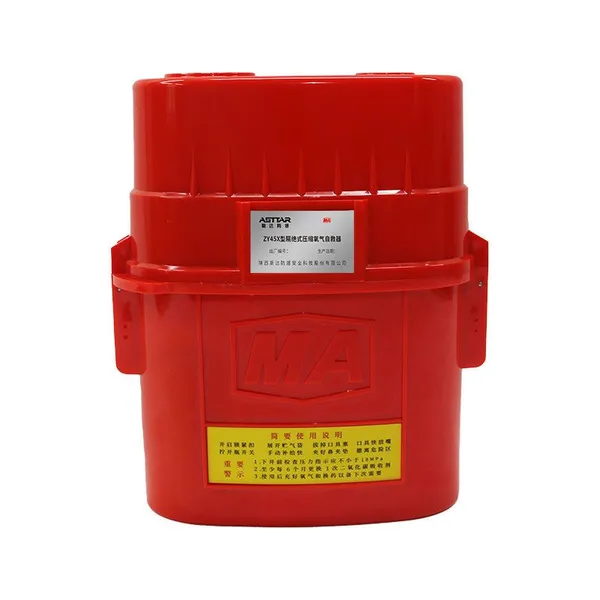
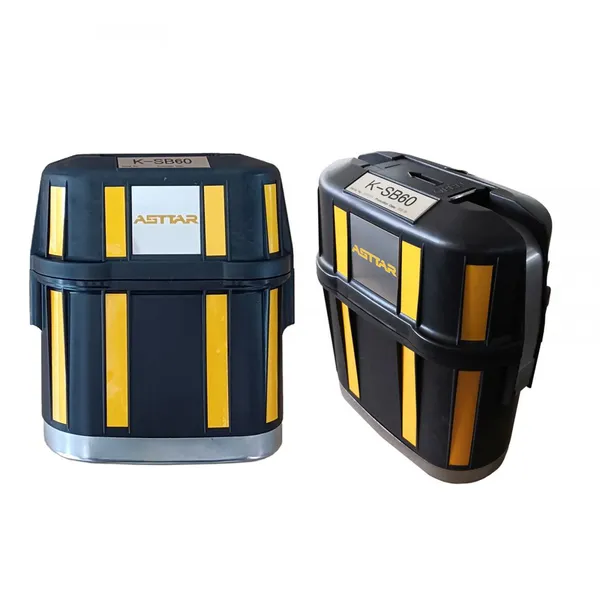
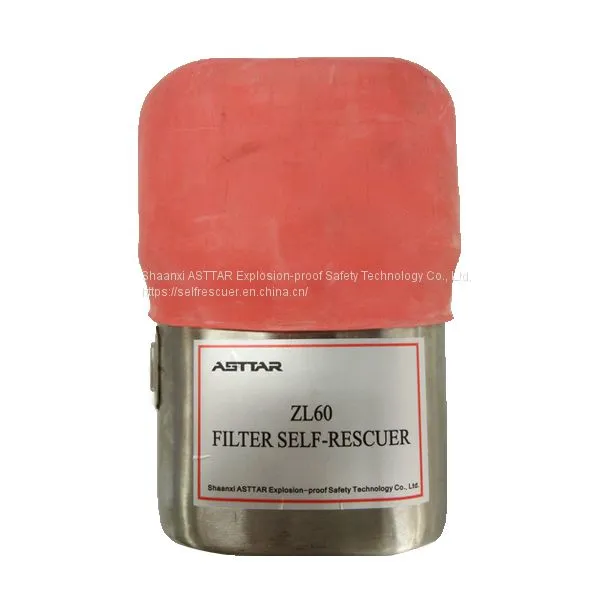
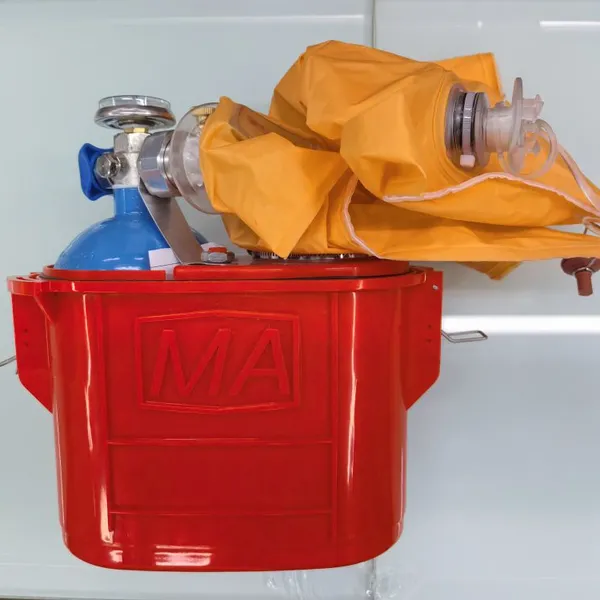
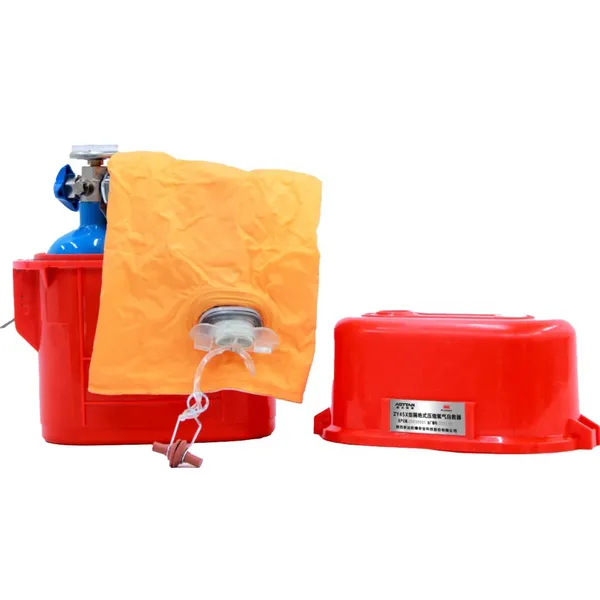
A self-contained self-rescuer, or SCSR, provides a short-term supply of breathable air so a worker can escape a contaminated area. Chemical oxygen self-rescuers generate oxygen through a chemical reaction, while compressed oxygen models store gas in a small cylinder. The choice depends on duration needs, weight, training level, and maintenance capacity.
These devices are not PPE in the casual sense. They are life-support equipment. Every worker must know how to don one under stress, and every unit must be inspected on a schedule set by the manufacturer and the regulator. An expired or untested SCSR is worse than none at all because it gives a false sense of security.
Breathing Apparatus for Mine Rescue
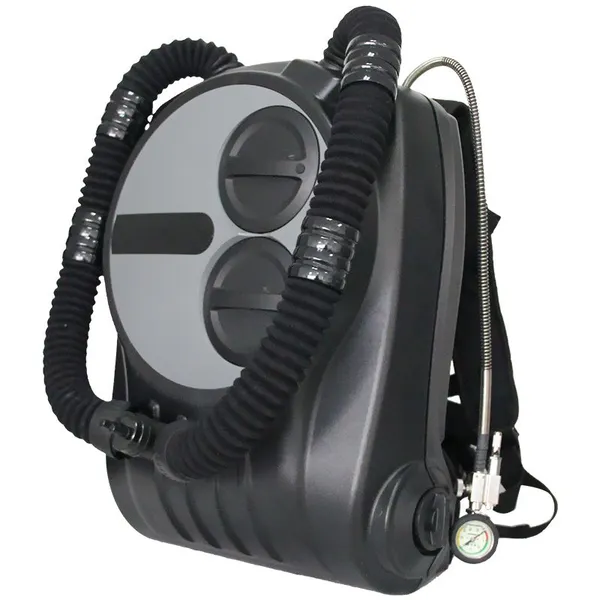
Mine rescue teams need longer-duration breathing apparatus with positive pressure, communication ports, and compatibility with team equipment. These units are heavier and more complex than personal escape units. They require regular fit testing, cylinder inspection, and realistic training in confined conditions.
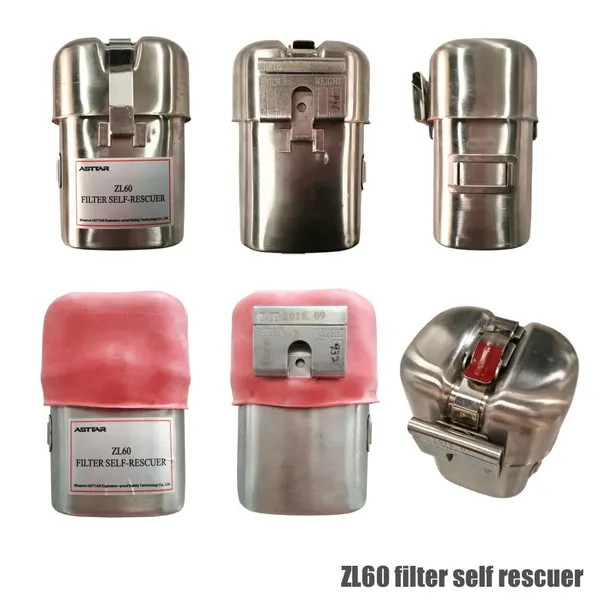
For a detailed look at escape and rescue breathing options, see the ASTTAR mining self-rescuers range. For a broader site-specific list, request an underground mining safety equipment checklist from our team.
Gas Detection and Atmospheric Monitoring
Gas detection is the early warning system. Methane, carbon monoxide, hydrogen sulfide, and oxygen deficiency can all build up without visible signs. A multi-gas detector is the standard tool for continuous or spot-check monitoring. For a closer look at cost and specifications, see our guide to multi-gas detector price ranges and features.
Portable Multi-Gas Detectors
A portable multi-gas detector worn by a worker or carried by a crew gives real-time readings at the face, in return airways, and near seals. The best units are intrinsically safe, alarm audibly and visibly, and log data for later review. Sensors have finite lives; catalytic bead sensors for methane typically need replacement every two to four years, while electrochemical sensors for CO and H2S last one to three years.
Fixed Atmospheric Monitoring
Fixed sensors placed along haulage roads, near belt transfers, and at return-air locations provide continuous coverage. They feed a central control room and trigger ventilation or power isolation when readings pass alarm thresholds. Fixed systems do not replace personal monitors; they complement them.
At a gold mine in Ghana, the shift supervisor, Kwame, noticed that personal CO alarms kept sounding near a development heading while the fixed sensor showed normal readings. The fixed sensor was mounted too far from the face to catch localized exhaust from a diesel loader. Adding portable detectors to the crew solved the problem and prevented a possible chronic exposure case.
Explosion-Proof Lighting and Cap Lamps
Underground lighting is a safety control, not a convenience. Poor lighting increases vehicle accidents, slips and falls, and errors in machinery operation. In gassy mines, lighting must also be explosion-proof so that a fault cannot ignite methane or coal dust.
LED Cap Lamps
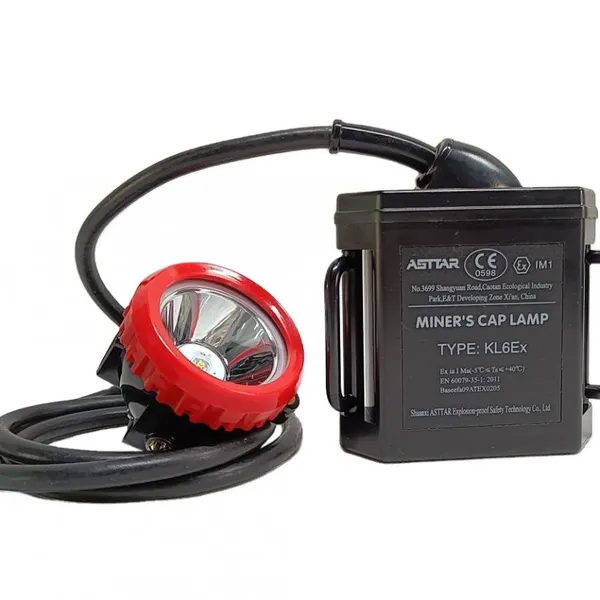
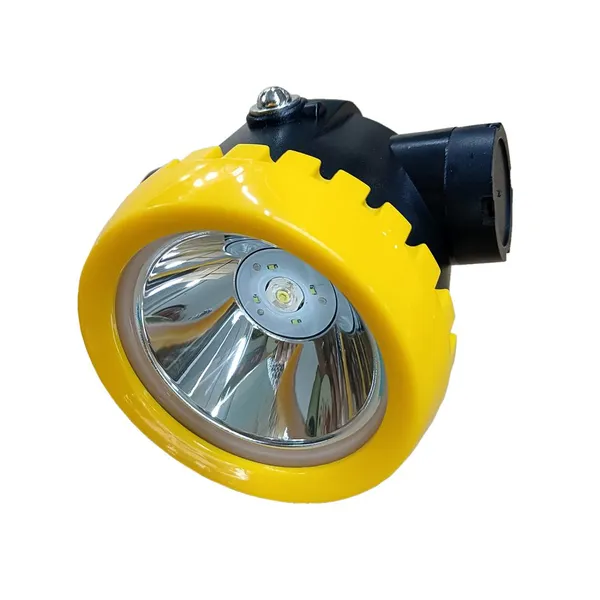
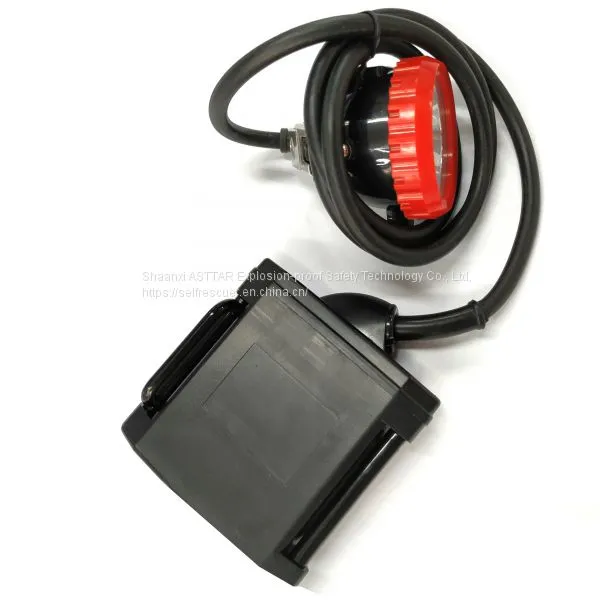
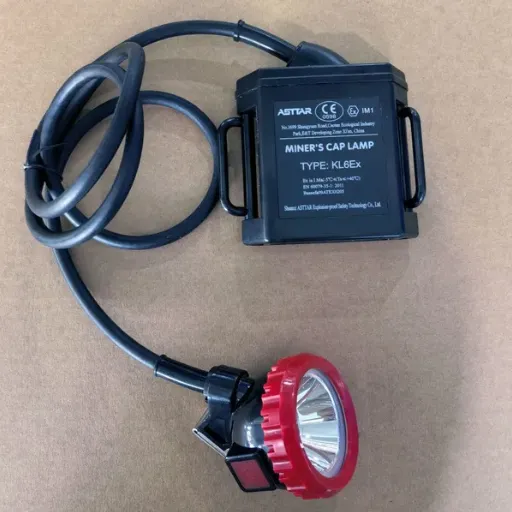
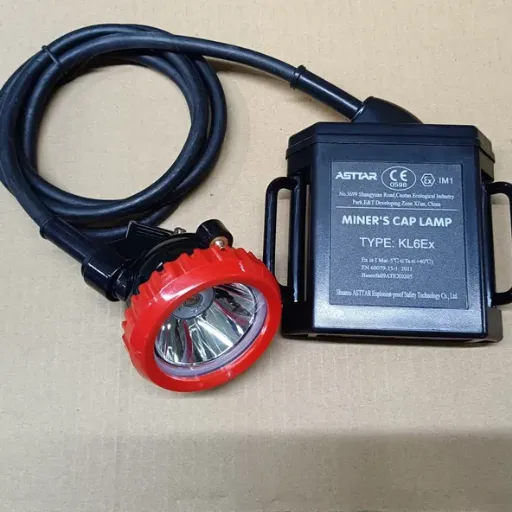
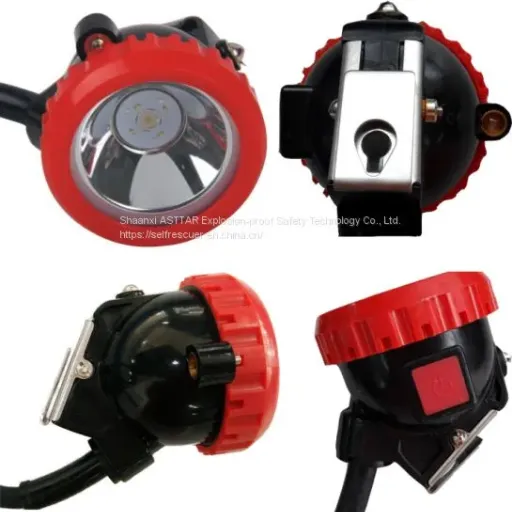
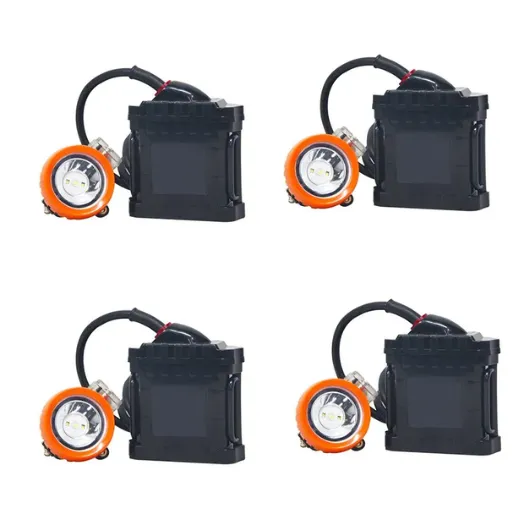
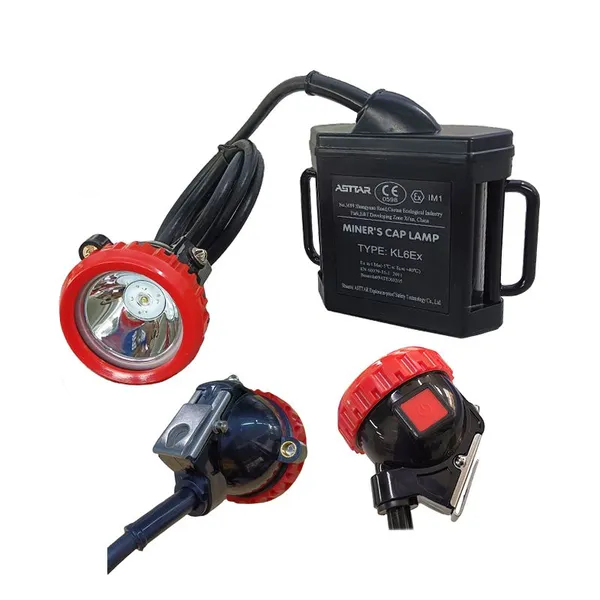
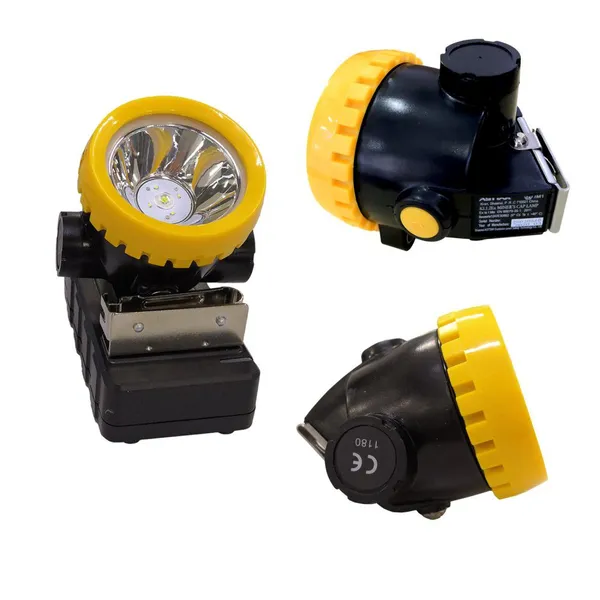
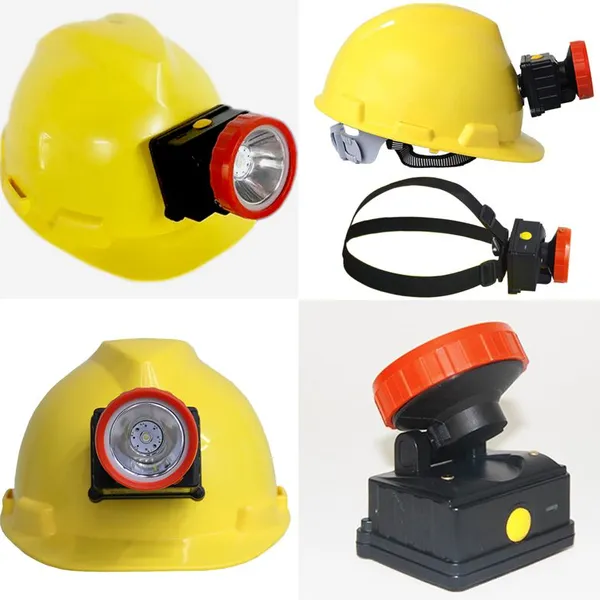
Every underground worker should carry a certified LED cap lamp. Modern cap lamps are lightweight, long-running, and often include methane alarm functions. They must be certified for the mine's gas group and rated for the expected runtime. A lamp that fails halfway through a shift turns a simple walkout into a hazard.
Area and Task Lighting
Fixed laneway lights, flood lights, and portable hand lamps illuminate work areas, roadways, and emergency muster points. Low-voltage and intrinsically safe options are preferred near the face. The ASTTAR explosion-proof lighting range includes explosion-proof LED laneway lights, explosion-proof flood lights for mining, and cap lamps built for hazardous-area use. For face and portable lighting, see our guide to low-voltage explosion-proof lighting.
The CDC/NIOSH mine illumination research program has linked improved lighting to fewer vehicle and slip incidents, so the right lighting investment pays back in both safety and productivity. For personal lighting, the ASTTAR LED cap lamps offer certified runtime and gas-group compliance for daily issue.
Personal Protective Equipment and Fall Protection
PPE is the layer workers wear every shift. It does not prevent incidents by itself, but it reduces injury when other controls fail.
Basic Mining PPE
The standard underground PPE set includes a hard hat, safety glasses, hearing protection, high-visibility clothing, cut-resistant gloves, and steel-toe or metatarsal-guard boots. In coal mines, dust masks or powered air-purifying respirators may be needed for certain tasks. In hot mines, cooling vests and hydration systems become essential.
Fall Protection
Vertical shafts, ladderways, and raised platforms require fall-arrest harnesses, lanyards, and anchor points. Fall protection equipment must be inspected before each use and retired after a significant load event, even if it looks intact. Workers must be trained in proper donning, rescue after a fall, and equipment limitations.
Hand and Arm Protection
Mining hands and arms are exposed to abrasion, cuts, crushing, and vibration. The right gloves balance dexterity with protection. Anti-vibration gloves help operators of drills and jacklegs, while cut-resistant gloves protect during wire rope and sharp-edge work.
Mine Rescue Equipment and Emergency Communication
When an incident traps or injures workers, mine rescue equipment and communication systems determine whether the response is fast and coordinated or slow and confused.
Mine Rescue Kits
A rescue team needs breathing apparatus, gas detectors, communication devices, stretchers, first-aid kits, rope and rigging gear, and lighting. Some mines also maintain rescue chambers or refuge chambers stocked with breathable air, water, and communication links. These chambers are not escape routes; they are survival spaces until rescue arrives.
Mining Emergency Equipment Readiness Checks
Mining emergency equipment must be accessible within minutes of an alarm. Every refuge chamber, rescue kit, and backup communication device needs a weekly visual check and a monthly functional test. Accessibility matters as much as condition: equipment locked in a distant storeroom cannot help a crew at the face.
Emergency Communication
Hardwired phones, leaky feeder radios, and wireless mesh systems keep surface control in contact with crews. In an emergency, communication must survive power loss, roof falls, and flooding. Redundant paths and regular drills are essential. A system that works in normal operations may fail when the roof falls, so mines test backup communication during simulated emergencies.
At a potash mine in Saskatchewan, the emergency response coordinator, Mei, ran a quarterly drill in which the main leaky feeder cable was simulated as damaged. The backup wireless mesh took longer to activate than expected, and two muster points were unreachable. The drill exposed a single point of failure. After the exercise, the mine installed a secondary battery-powered repeater and updated its muster procedures. The next drill showed full communication within two minutes.
Selection and Maintenance Checklist
Choosing the right coal mine safety equipment or metal-mine safety gear is a technical procurement task. The checklist below helps avoid the most common gaps. Coal mine safety equipment typically adds Group I explosion protection, methane-rated cap lamps, and flameproof enclosures to the standard underground set.
| Item | What to Verify | Why It Matters |
|---|---|---|
| Self-rescuer | Certification, duration, inspection date, training records | Must work in the actual atmosphere and fit the worker |
| Gas detector | Gas groups covered, sensor expiry, calibration status, intrinsic safety | Wrong sensor set or expired calibration creates false confidence |
| Cap lamp | Gas group, runtime, IP rating, charger compatibility | A failing lamp turns evacuation into a hazard |
| Breathing apparatus | Pressure test, face seal, cylinder hydro date, team interoperability | Rescue teams cannot share incompatible equipment |
| PPE | Fit, condition, standard compliance, task suitability | Ill-fitting PPE is often left unused |
| Communication | Battery life, redundancy, coverage map, drill results | Normal coverage may not survive an incident |
| Rescue equipment | Inventory, expiry dates, accessibility, training rotation | Missing or expired equipment fails when needed |
Certifications to Check
Equipment used in explosive atmospheres should carry ATEX, IECEx, or the relevant national mining mark. The IECEx system defines the international framework for explosion-protected equipment. Always verify that the certificate matches the exact model, gas group, and temperature class of the mine. A Group II certificate is not valid in a Group I gassy underground coal mine.
Maintenance Records
Every item needs a documented history. Records should cover purchase date, inspection dates, repairs, calibration, and disposal. Digital asset management systems make this easier, but a well-maintained paper log is better than a neglected database. Regulators and insurers will ask for this evidence after any incident.
Common Mistakes with Underground Safety Equipment
Even well-meaning mines make errors that leave workers exposed.
Buying on price, not certification. A cheap uncertified cap lamp is not a bargain if it fails in a methane zone.
Skipping fit testing. Respirators and self-rescuers that do not fit will not protect the worker.
Ignoring sensor expiry dates. Gas detectors with expired sensors are decorative.
Failing to train realistically. Workers who only read the manual will not remember the steps in smoke or darkness.
Storing equipment poorly. Damp, dusty, or sun-exposed storage degrades seals, batteries, and straps.
Not linking equipment to the emergency plan. Even the best rescue apparatus is useless if no one knows the muster point or the communication protocol.
Forgetting compatibility. Different brands of breathing apparatus may use incompatible cylinders, masks, or communication plugs.
Frequently Asked Questions
What is essential safety equipment for underground mining?
Essential safety equipment for underground mining includes respiratory protection such as self-rescuers and breathing apparatus, gas detection devices, explosion-proof lighting and cap lamps, personal protective equipment, and emergency communication and rescue equipment. These items protect workers from the main underground hazards: methane, dust, lack of oxygen, falls, and limited escape routes.
What is the most important safety equipment in a mine?
Respiratory protection is often considered the most important because it is the last line of defense when the atmosphere becomes toxic or oxygen-deficient. Self-rescuers and breathing apparatus keep workers alive during fires, explosions, or inundations.
What PPE is required for underground mining?
Standard underground mining PPE includes a hard hat, safety glasses, hearing protection, high-visibility clothing, gloves, and safety footwear. Task-specific PPE may include respiratory protection, fall-arrest gear, cooling vests, and cut-resistant or anti-vibration gloves.
How often should self-rescuers be inspected?
Inspection frequency follows manufacturer guidance and local regulations. Visual checks may be done before each shift, while detailed service inspections are typically scheduled monthly, quarterly, or annually depending on the model and jurisdiction.
What coal mine safety equipment is required by law?
Coal mine safety equipment usually includes Group I certified self-rescuers, methane-rated cap lamps, flameproof lighting, multi-gas detectors, and rescue breathing apparatus. Exact requirements vary by jurisdiction, but all equipment must be certified for the gassy coal-mine atmosphere.
What mining emergency equipment should every underground operation stock?
Every underground operation should stock self-rescuers, first-aid kits, fire extinguishers, rescue breathing apparatus, stretchers, rope and rigging gear, portable lighting, and redundant communication devices. Refuge chambers or emergency fresh-air bases should also be equipped and maintained.
What certifications should mining safety equipment have?
Equipment used in explosive atmospheres should be certified under ATEX, IECEx, or the relevant national mining approval scheme. The certificate must list the correct model, protection concept, gas group, and temperature class for the mine.
What is the difference between an SCSR and a breathing apparatus?
A self-contained self-rescuer is a short-duration escape device carried by each worker. A breathing apparatus is a longer-duration rescue unit used by trained mine rescue teams and may include positive pressure, communication, and team compatibility features.
Conclusion
Essential safety equipment for underground mining is not a shopping list to complete once and forget. It is a living system that must match the mine's hazards, fit the workers who use it, and stay ready through inspection, training, and realistic drills. The categories are clear: respiratory protection, gas detection, lighting, PPE, communication, and rescue gear. Each one addresses a specific failure mode, and together they create the layered defense that keeps crews safe.
Start every procurement review with the area classification and the likely emergency scenarios. Choose certified equipment for the gas group and temperature class. Train workers on the gear they carry, and test the equipment under conditions that resemble a real emergency. Keep maintenance records current, and replace items before they expire. A mine that treats safety equipment as a core operating system rather than a compliance cost is a mine that can respond when it matters.
ASTTAR supplies certified mining self-rescuers, LED cap lamps, explosion-proof lighting, gas detectors, and a full range of underground mining safety equipment. If you are building a new-mine equipment list or auditing an existing one, contact our safety team to discuss a site-specific checklist that matches your regulations, hazards, and workforce. Reliable safety is not about having more equipment; it is about having the right equipment, ready when it is needed.
Recently Posted
-
Explosion Proof Flood Light for Mining: A 2026 Selection Guide
July 29, 2026An explosion proof flood light for mining is a high-output, certified LED fixture designed to illuminate large work areas, stockpi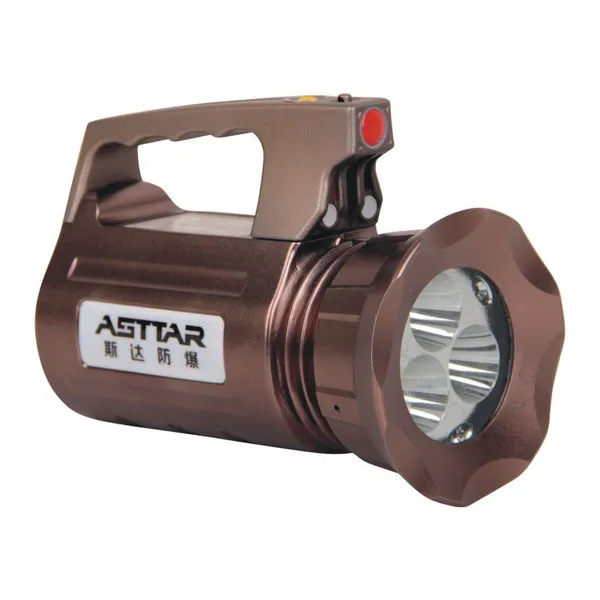 Read More
 -
Mechanical Anemometer for Mining: A 2026 Ventilation Survey Guide
July 29, 2026A mechanical anemometer for mining is a hand-held or bracket-mounted instrument that measures air velocity in underground roadways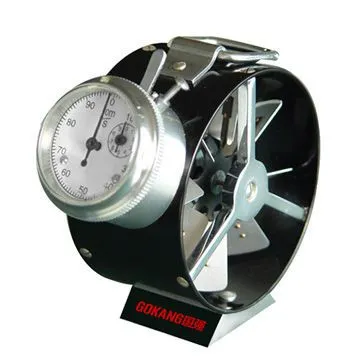 Read More
 -
LED Flameproof Tunnel Light for Mining: 2026 Selection Guide
July 29, 2026An LED flameproof tunnel light for mining is a fixed luminaire built inside a flameproof (Ex d) enclosure that contains any intern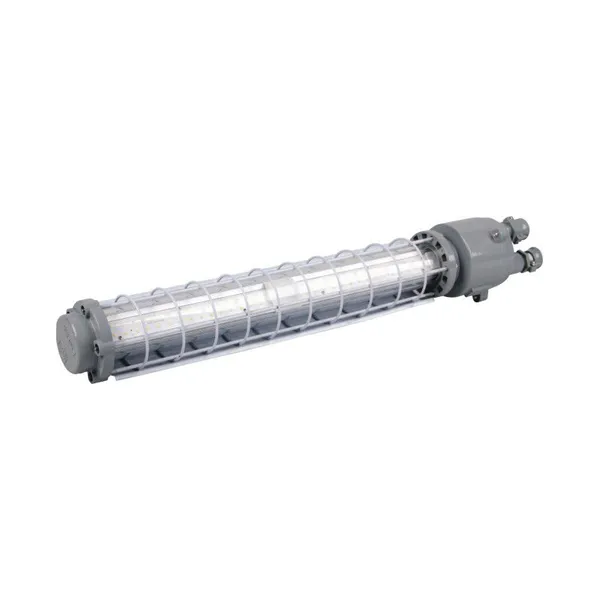 Read More
 -
Wholesale Mining Safety Equipment: A 2026 Procurement Guide
July 24, 2026Wholesale mining safety equipment is the bulk purchase of certified protective gear, escape devices, lighting, gas detection, and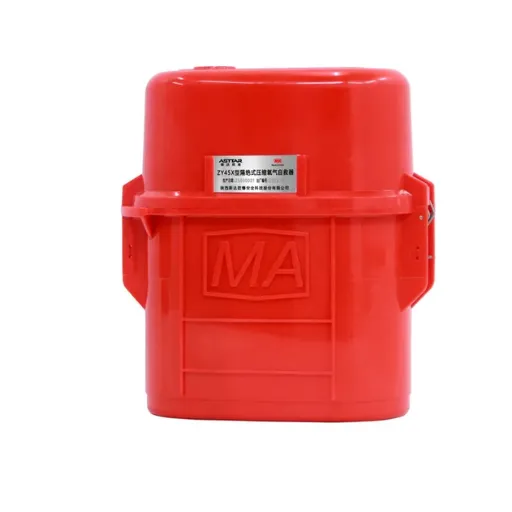 Read More

Contact Us

Recommended Products
-
 CE Certified 30 Minutes Closed Circuit Mining Oxygen Self-rescuerNegotiableMOQ: 1 Piece
 -
Portable ZL60 Filter Self Rescuer Lightweight Underground Personal Breathing DeviceNegotiableMOQ: 1 Piece
-
0.6L Oxygen Cylinder ZY45X Self Rescue Respirator Underground Mining Self RescuerNegotiableMOQ: 1 Piece
-
Atex 6ah 7000lux IP65 Mining Industrial Use Ex Proof LED Cap Lamp Safety HeadlampUS$ 98 - 110MOQ: 1 Piece
-
KL1.2Ex LED Miner Cap Lamp ATEX Explosion Proof Mining HeadlampUS$ 75 - 85MOQ: 1 Piece
-
Kl3lm (A) Cordless Intrinsically Safe LED Headlamp for Mining, Camping, and Outdoor ActivitiesNegotiableMOQ: 1 Piece
-
Heat Resistant PA Housing HYZ4(C) Positive Pressure Oxygen Apparatus Coal Mine Emergency RescueNegotiableMOQ: 1 Piece
-
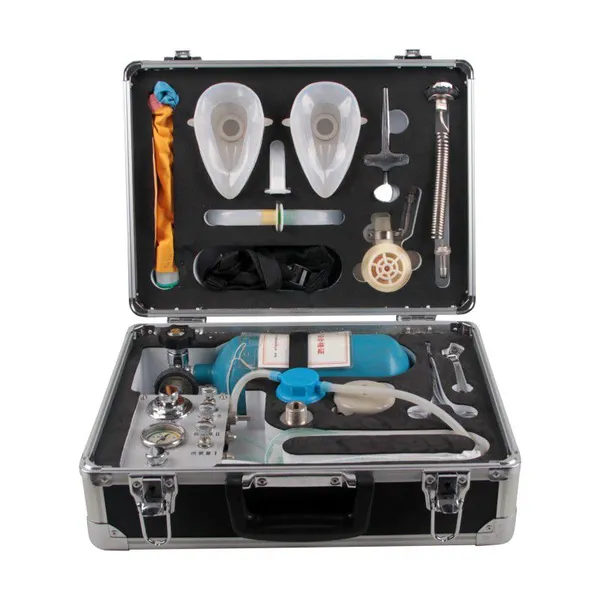
Independent Oxygen Supply Automatic Resuscitator MZS30 for Weak‑Breathing Casualty RescueNegotiableMOQ: 1 Piece
-
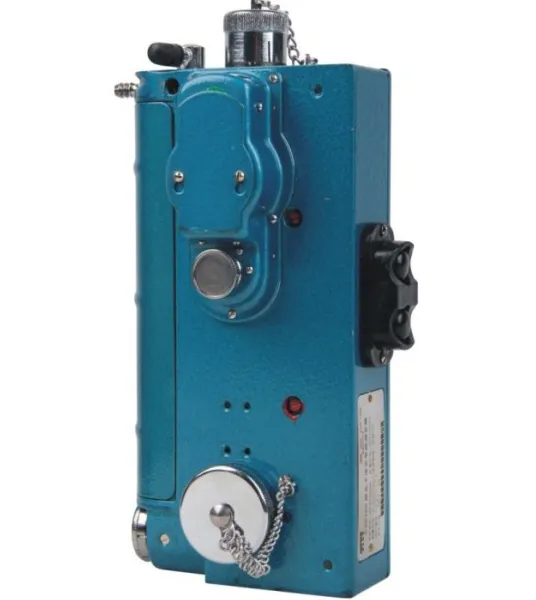
Mining Intrinsically Safe CJG10 Methane Detector Optical Interference Principle Gas Measuring InstrumentNegotiableMOQ: 1 Piece
-
YHJ-100J(A) 100m Portable Explosion Proof Laser Distance MeterUS$ 250 - 350MOQ: 1 Piece
-
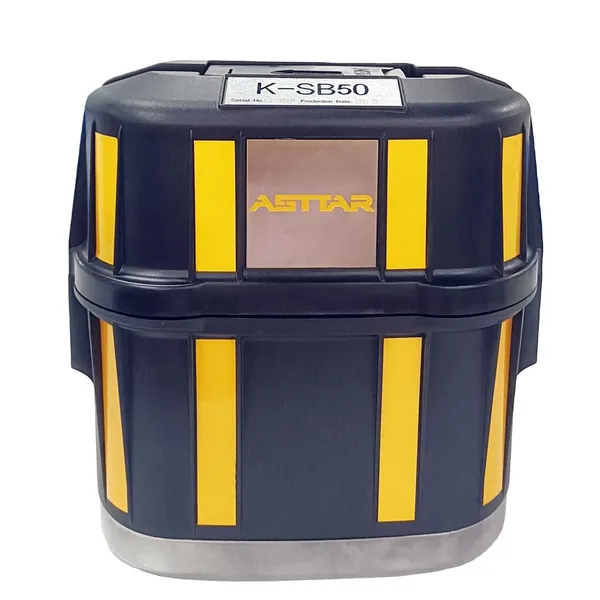
K-SB50 Self Contained Oxygen Escape Device Built-In Humidity Indicator For Mine Fire RescueNegotiableMOQ: 1 Piece
-
60 Minutes CE Approved Self-Contained Self-Rescuer K-Sb60 for Miner SafetyNegotiableMOQ: 1 Piece
-
ZL60 60 Minutes Carbon Monoxide Filter Self RescuerUS$ 120 - 150MOQ: 1 Piece
-
ZY30X Isolated Compressed Oxygen Self Rescuer Self Contained Breathing Escape DeviceUS$ 120 - 150MOQ: 1 Piece
-
Portable ZY45X Self Rescue Breathing Apparatus Emergency Escape Breathing DevicesNegotiableMOQ: 1 Piece
-
HYZ2 Isolated Positive Pressure Oxygen Breathing Apparatus PC Face Shield Aluminized FabricNegotiableMOQ: 1 Piece
-
KL6Ex ATEX Rechargeable High Brightness Corded LED Headlamp Miner Cap LampUS$ 98 - 110MOQ: 1 Piece
-
ATEX Cordless LED Cap Lamp Underground Mining Safety HeadlampUS$ 75 - 85MOQ: 1 Piece
-
5Ah Rechargeable LED Cordless Miner\'s HeadlampUS$ 85 - 98MOQ: 1 Piece
-
5Ah Rechargeable LED Cordless Miner's Cap LampUS$ 85 - 98MOQ: 1 Piece