
 Business License
Coal Mine Safety Equipment List: A Practical Guide for 2026
A coal mine safety equipment list should cover respiratory escape devices, personal lighting, gas detection, communication, fire suppression, first-aid supplies, and rescue gear. Underground coal mining faces methane, coal dust, flooding, roof fall, and fire risks. No single device prevents every incident. A layered inventory of certified safety equipment gives workers more options and gives managers a stronger compliance record.
Most coal mine fatalities are not caused by a lack of equipment. They are caused by missing, damaged, or untrained use of the right equipment at the right moment. A written list, kept current and tied to inspection schedules, turns a scattered inventory into a managed safety system. This guide walks through the essential categories and shows how to prioritize purchases when budget and regulatory pressure compete.
You will learn how to build a coal mine safety equipment list around real hazards. You will also learn how to choose between chemical and compressed oxygen self-rescuers, how to match gas detectors to coal mine gases, and how to integrate lighting, communications, and rescue gear into one coherent plan.
Key Takeaways
A coal mine safety equipment list must address methane, coal dust, oxygen deficiency, fire, flooding, and roof fall hazards.
Self-rescuers, cap lamps, gas detectors, and explosion-proof lighting form the core personal and area protection layer.
Rescue teams need positive-pressure breathing apparatus, portable gas monitoring, and dedicated communication systems.
Every item on the coal mine safety equipment list should be certified for the intended duty and checked against the official certificate database.
Inspection, training, and replacement schedules matter as much as the equipment itself.
Buying the cheapest unit can cost more than a mid-range certified alternative when downtime and replacement are counted.
Why a Written Coal Mine Safety Equipment List Matters
Coal mines operate in atmospheres that can turn dangerous quickly. Methane can accumulate behind seals. Coal dust can ignite. A sudden inrush of water or a roof fall can cut off escape routes.
Safety managers cannot rely on memory or tradition. They need a current list that shows what equipment is available and where it is stored.
A written list provides several practical benefits. It makes procurement decisions defensible during budget reviews. It creates a baseline for routine inspections and audits. It identifies single points of failure before an incident.
It also shows inspectors that the mine has planned for foreseeable hazards. New supervisors can understand the full safety inventory quickly.
Without a list, equipment is often replaced only after a failure. A failed device discovered during an emergency is too late to reorder. The list should include more than the device name. Add the quantity, location, inspection frequency, replacement date, and training requirements.
Respiratory Escape Devices
Respiratory protection is the most critical category on any coal mine safety equipment list. When methane displaces oxygen or carbon monoxide fills a roadway, workers need an independent air source. That air source helps them reach fresh air or a refuge chamber.
Mining Self Rescuer Selection
A self-contained self-rescuer (SCSR) is a portable breathing device that provides independent breathable air during emergency escape. It does not rely on ambient air. This makes it essential for coal mines where oxygen deficiency or toxic gas can develop without warning. Choosing the right mining self rescuer is one of the most important decisions on a coal mine safety equipment list.
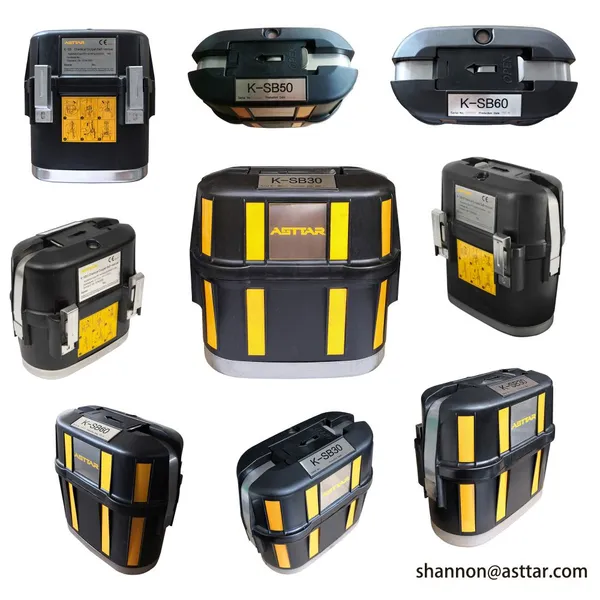
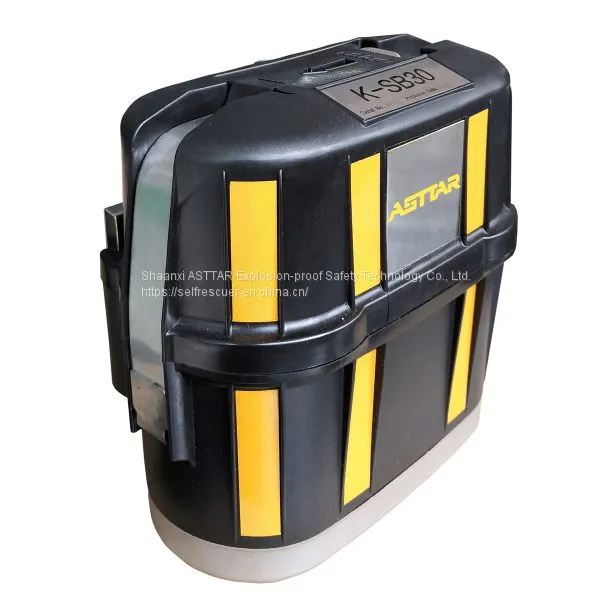
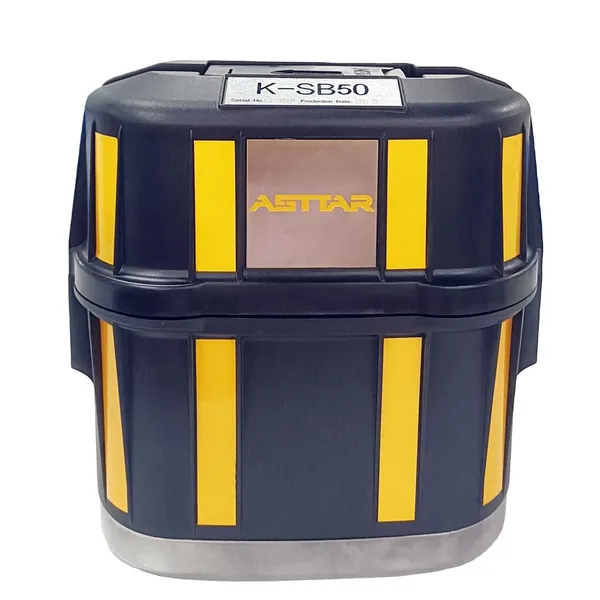
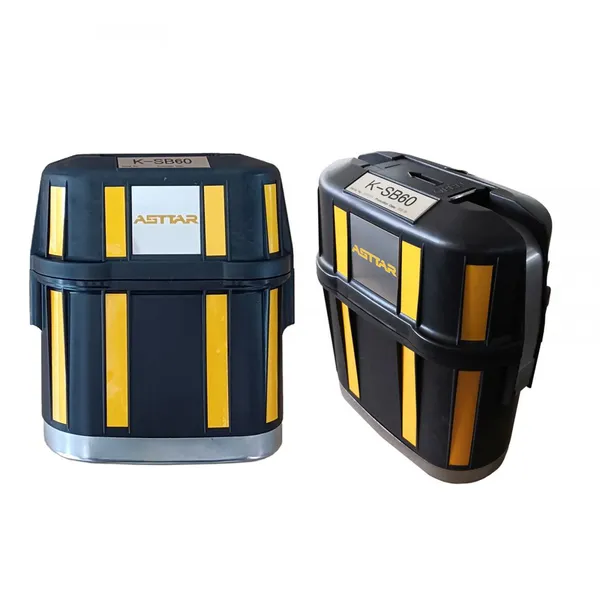
Chemical oxygen self-rescuers generate oxygen through a chemical reaction when activated. They are compact and need no cylinder refills in the field. They suit belt pack or pocket carry well.
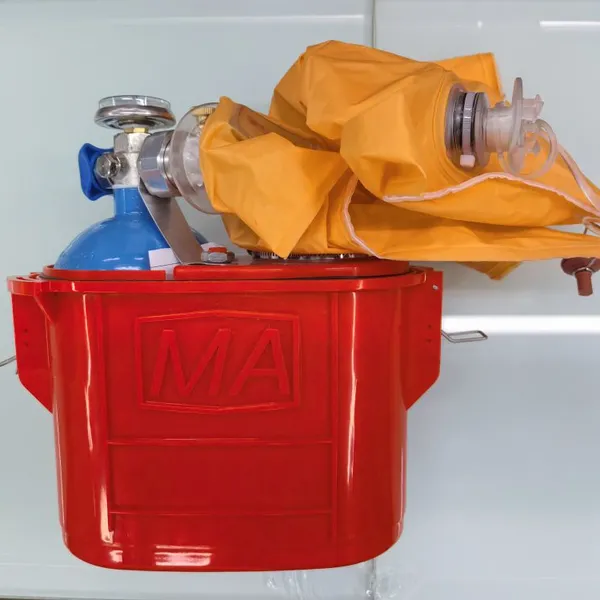
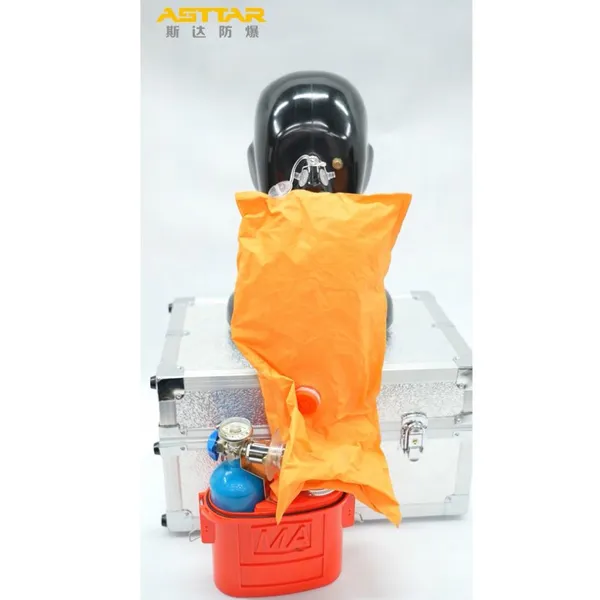
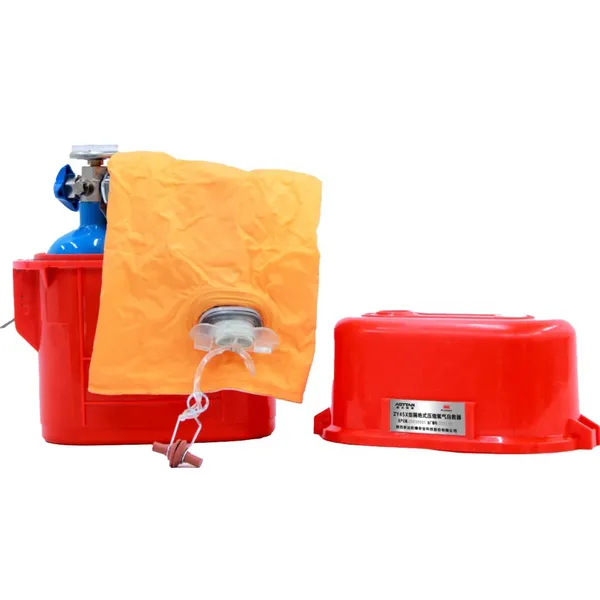
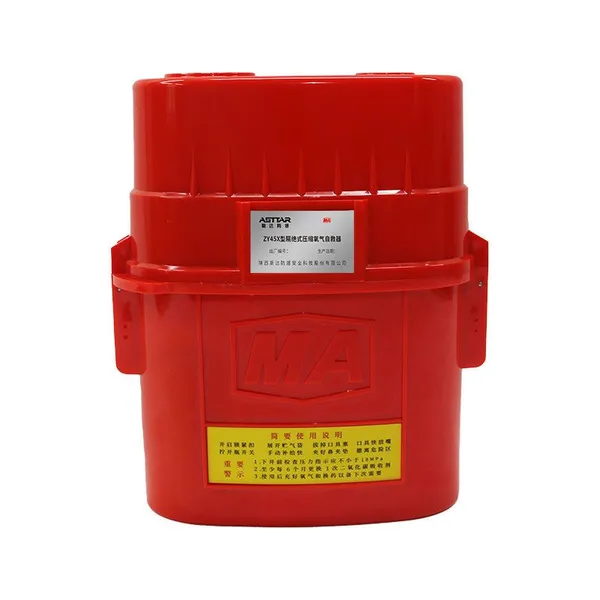
Compressed oxygen self-rescuers recycle exhaled air through a chemical scrubber and a supplemental oxygen cylinder. They typically offer 30 to 45 minutes of breathing time. They are often reusable after refurbishment, which can lower long-term cost in fixed installations.
The right choice depends on duration, carry method, refurbishment capability, and regulatory preference. Our guide on how to choose a mining self-rescuer compares the two types in detail. Selecting the correct mining self rescuer is a central step in building a reliable coal mine safety equipment list.
For a deeper understanding of certifications that apply to these devices, see our ATEX vs IECEx certification guide.
Equipment list entry example:
Chemical oxygen self-rescuers for all underground personnel, belt-worn, 30-minute duration.
Compressed oxygen self-rescuers at fixed rescue stations, 45-minute duration, refurbished annually.
At a mine in Shanxi, supervisors found that some workers were leaving belt-worn self-rescuers in their lockers. The older units were heavy and awkward. After switching to a lighter chemical oxygen model and holding donning drills during shift change, compliance improved from 73% to 96% within three months.
The equipment was already on the list. The change was in selection and training.
Positive-Pressure Breathing Apparatus
Rescue teams and maintenance crews who enter potentially irrespirable atmospheres need more than an escape device. A positive-pressure breathing apparatus provides extended respiratory protection with a full-face mask and a cylinder or airline supply. These systems support organized rescue, seal inspection, and repair work in contaminated areas.
When adding breathing apparatus to a coal mine safety equipment list, include spare cylinders. Add pressure testing schedules, mask fit-test records, and a qualified maintenance technician.
Personal Lighting
A coal mine without reliable lighting is a mine where hazards hide in plain sight. Workers need personal cap lamps. Roadways need fixed area lighting. Both must be certified for explosive atmospheres because methane can be present.
Mining Cap Lamp: LED Options for Coal Mines
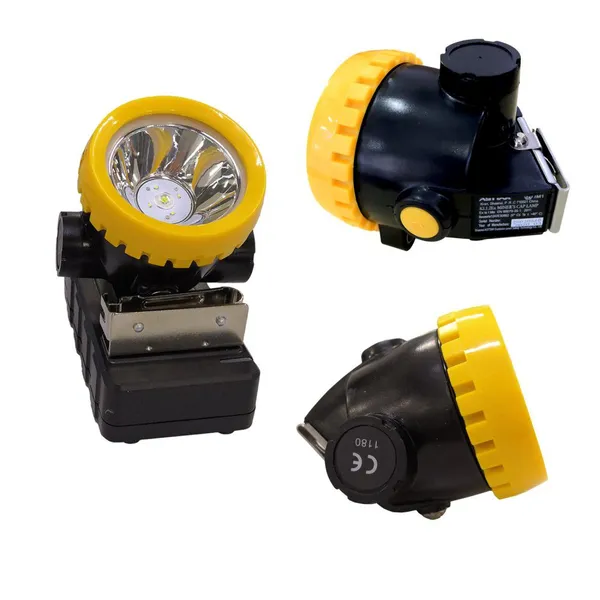
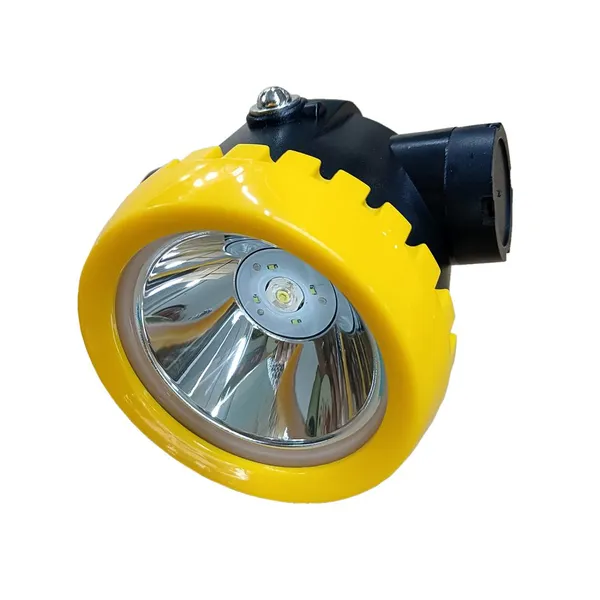
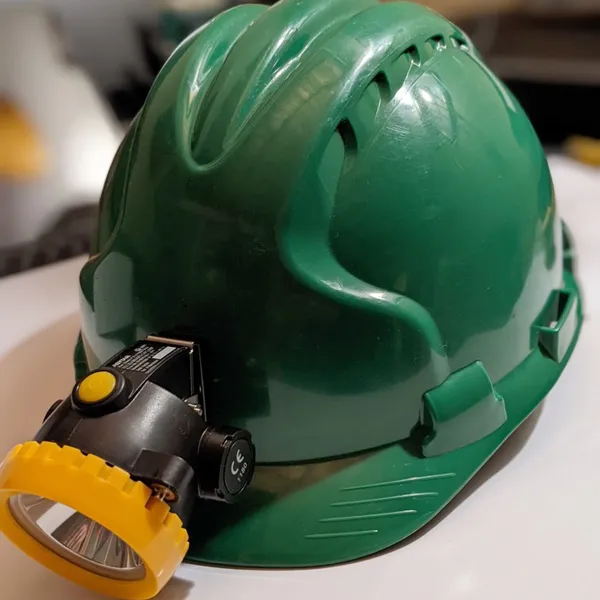
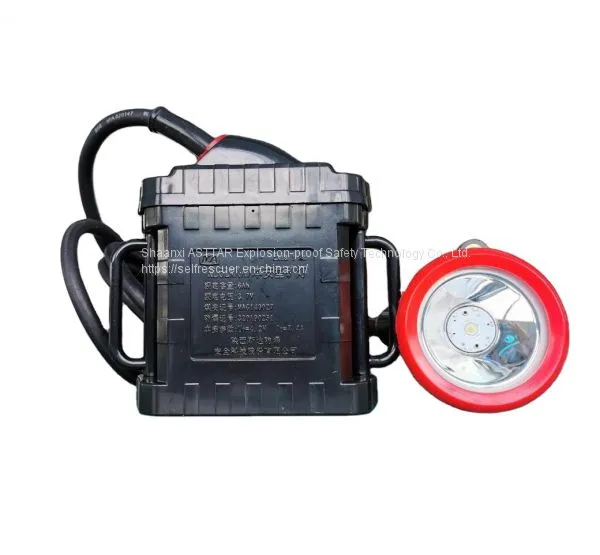
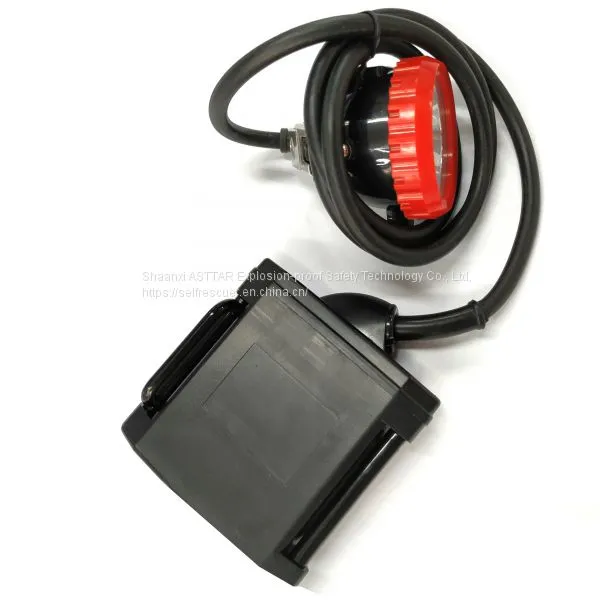
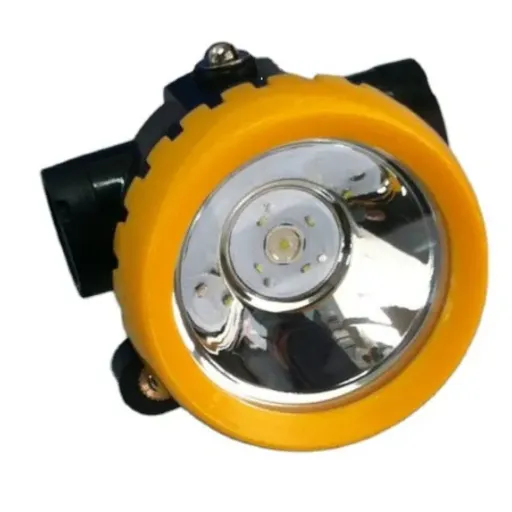
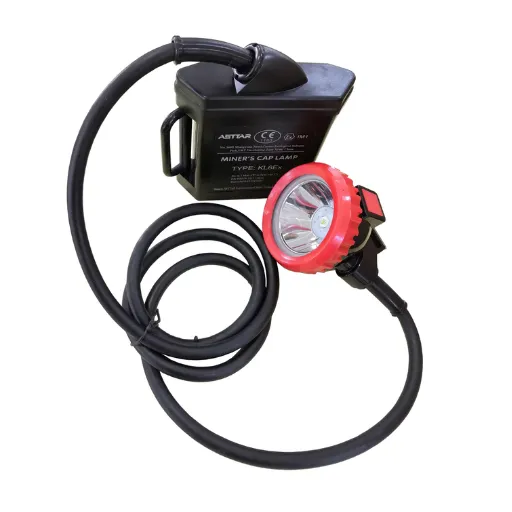
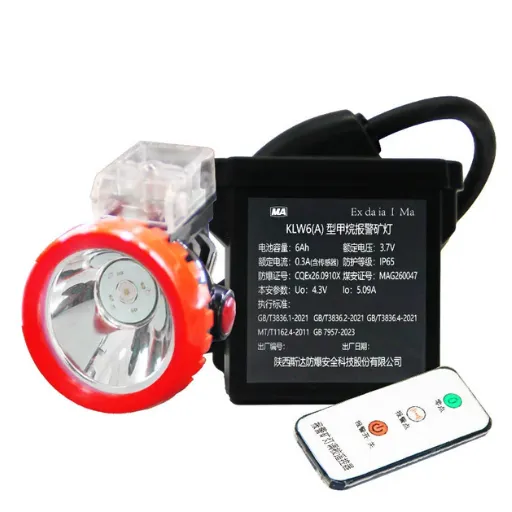
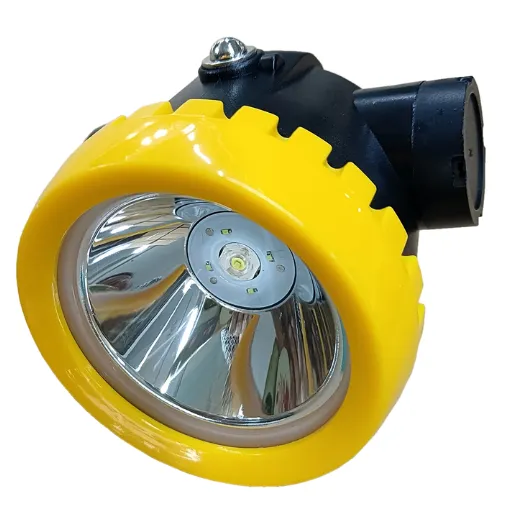
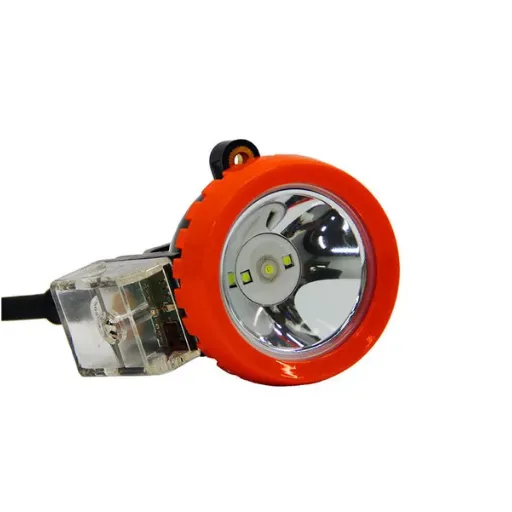
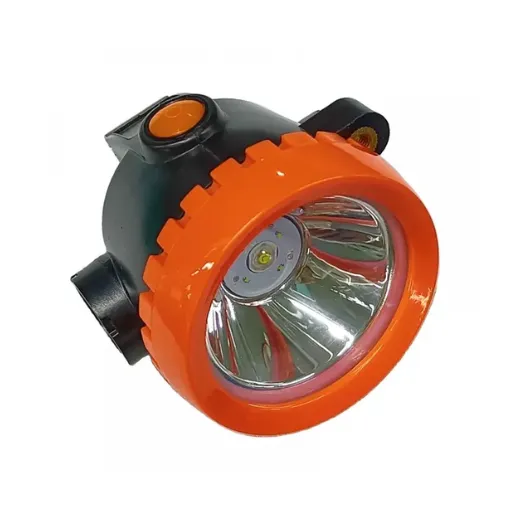
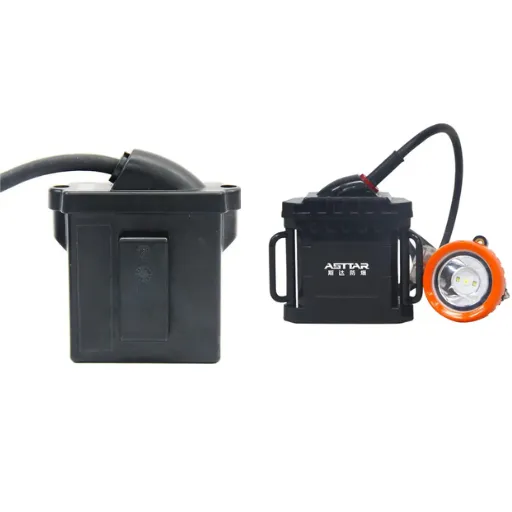
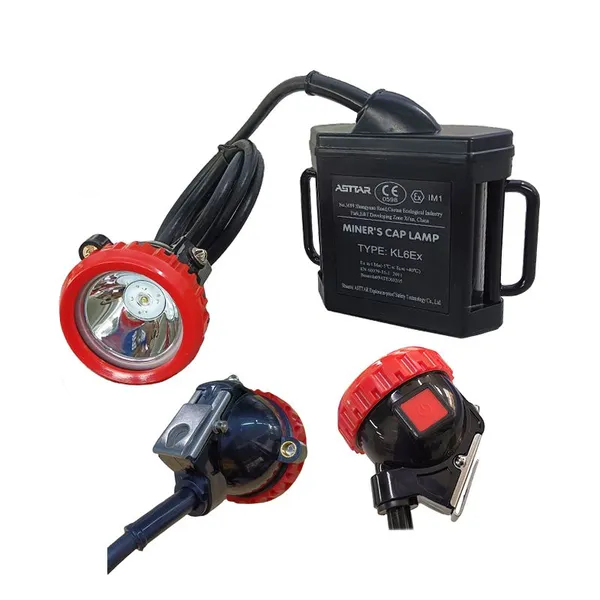
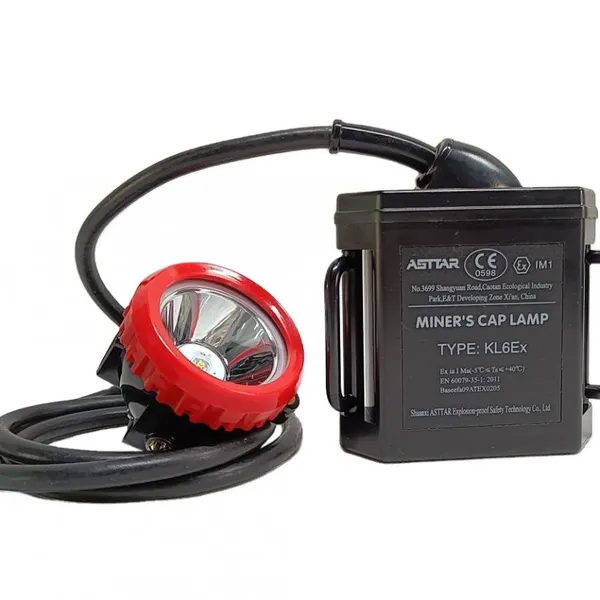
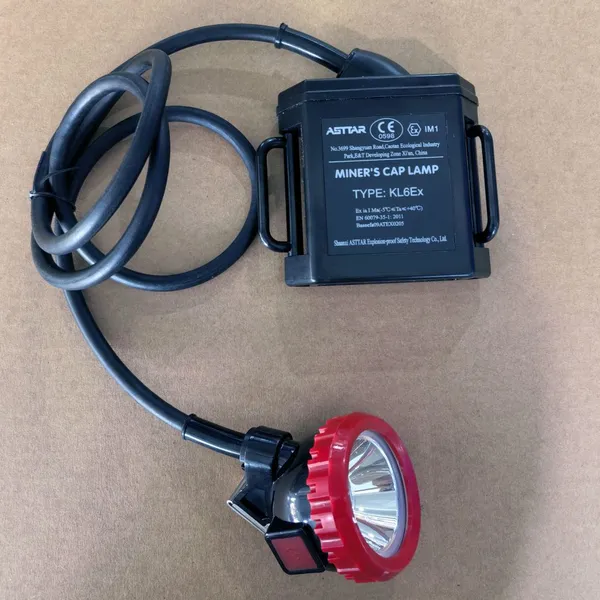
An LED mining cap lamp attaches to the miner's helmet and provides hands-free illumination for the full shift. Modern designs use long-life LEDs, rechargeable lithium batteries, and intrinsically safe or flameproof construction. Some models include a methane alarm that warns the wearer when gas concentration rises. A reliable mining cap lamp is essential personal lighting on any coal mine safety equipment list.
When selecting cap lamps, consider runtime, beam angle, weight, charging infrastructure, and certification. A 16-hour runtime covers most longwall and development shifts with margin for overtime. The lamp should be light enough that workers do not remove it between tasks.
For hazardous coal mines, explosion-proof LED cap lamps are the standard choice. They combine long LED life with certified enclosures that prevent ignition in methane-rich atmospheres. This explosion proof lighting category protects individual workers as they move through the mine.
Explosion-Proof Area Lighting
Haulage roads, belt entries, and preparation plants need fixed lighting. That lighting must be sealed against dust and moisture and certified for explosive atmospheres. LED flameproof fixtures are common because they last a long time and reduce the maintenance access that older sodium or fluorescent fittings require. This explosion proof lighting protects both the roadway and the workers who travel through it.
When planning area lighting, evaluate the hazardous zone classification, mounting height, beam distribution, and ingress protection rating. A lighting layout that leaves dark spots forces workers to use portable lamps in ways that may not be certified for the area.
Gas Detection Instruments
Gas detection is the early warning system of a coal mine. Without it, methane and carbon monoxide can reach dangerous concentrations before workers notice any physical symptom.
Multi Gas Detector Placement and Calibration
A multi gas detector monitors several gases at once. It typically measures methane, oxygen, carbon monoxide, and hydrogen sulfide. Portable units are carried by supervisors, deputies, and shotfirers. Fixed systems monitor return airways, goaf edges, and sealed areas.
Calibration is essential. A detector that reads low because of sensor drift gives false confidence. The coal mine safety equipment list should include calibration gas, bump-test stations, replacement sensors, and a schedule based on manufacturer guidance and regulatory requirements.
For coal mine applications, multi-parameter gas detectors should carry the right certification for the intended zone and gas group. A portable multi gas detector is a core item on any modern coal mine safety equipment list.
Optical Interference Methane Detectectors
Optical interference methane detectors are a proven technology for measuring methane concentration in underground environments. They are often used alongside electronic detectors as a verification tool. While they require trained operation, they do not depend on batteries and can serve as a backup when electronic units fail.
Ventilation Measurement Instruments
Airflow measurement supports both gas control and dust control. Mechanical and electronic anemometers measure air velocity in roadways, while smoke tubes or tracer methods help visualize airflow patterns. Ventilation survey data should be recorded and compared against the mine's ventilation plan.
Communications and Tracking
In an emergency, being able to communicate and locate personnel is as important as the personal protective equipment they wear.
Mine-Wide Communications
Underground communication systems include leaky feeder radio, node-based Wi-Fi, and through-the-earth systems. The right choice depends on seam depth, geology, and the mine's existing infrastructure. A communications system should reach working faces, travel roads, refuge chambers, and the surface control room.
Personnel and Vehicle Tracking
Tracking systems record the location of workers and vehicles underground. In a fire, explosion, or inrush, this information speeds rescue and accountability. Tracking tags are typically built into cap lamps or carried as separate devices.
The system should store the last known position. It should update frequently enough to support emergency response.
When adding communications and tracking to a coal mine safety equipment list, include backup power. Add surface display equipment and training for control room operators.
Fire Detection and Suppression
Coal mine fires can start from electrical faults, friction, spontaneous combustion, or cutting and welding work. Detection and suppression systems limit both the fire and the smoke that often causes the most harm.
Fire Detection
Smoke, heat, and carbon monoxide detectors provide early warning. In coal mines, detectors must be chosen for dusty and potentially explosive atmospheres. Beam smoke detectors can cover large openings. Point detectors suit equipment rooms and conveyor transfer points.
Fire Suppression
Conveyor belt fire suppression systems are common in coal mines. Belt fires can spread quickly along a roadway. Water spray, foam, or gas suppression systems may be used depending on the protected area. Shuttle car and continuous miner fire suppression systems protect high-risk mobile equipment.
The equipment list should note the suppression agent, coverage zones, activation method, inspection interval, and refill source.
First Aid and Medical Equipment
Every coal mine needs first-aid supplies sized for the workforce and the hazards. Burns, cuts, crush injuries, and respiratory distress are the most likely medical events underground.
First-Aid Kits
Underground first-aid kits should include bandages, burn dressings, airway adjuncts, splints, and resuscitation masks. Kits should be stored at strategic points and checked regularly for expired items. Larger operations may also maintain a dedicated underground medical room.
Stretchers and Rescue Boards
A stretcher or rescue board is needed to move an injured worker along a roadway with limited headroom and uneven ground. Designs with handles, straps, and skid plates work better in confined mine conditions than standard ambulance stretchers.
Automatic Resuscitators
An automatic resuscitator provides manual ventilation support for a casualty who is not breathing. Rescue teams should train with the specific model kept underground and ensure that masks fit a range of face sizes.
Rescue Equipment
Mine rescue teams need dedicated equipment that goes beyond what individual workers carry. This category is typically smaller in quantity but higher in specialization.
Mine Rescue Breathing Apparatus
Rescue breathing apparatus uses higher-capacity cylinders. It often includes team communication equipment. Because rescue teams enter unknown atmospheres, their breathing sets must be reliable and compatible with the mine's gas hazards.
Gas Monitoring for Rescue Teams
Rescue teams carry portable gas analyzers to measure methane, oxygen, carbon monoxide, carbon dioxide, and hydrogen sulfide ahead of the team. These readings determine whether an area is safe to enter. They also determine what respiratory protection is required.
Search and Recovery Tools
Ropes, shoring equipment, hydraulic spreaders, cutting tools, and thermal imaging cameras help rescue teams reach and stabilize casualties. Tools should be stored in a rescue station, maintained by trained personnel, and exercised during routine drills.
Refuge and Escape Infrastructure
Safety equipment is not only portable. Fixed infrastructure such as refuge chambers, self-rescuer caches, and escape signage is a permanent part of the safety system.
Refuge Chambers
A refuge chamber provides a sealed environment where workers can shelter if escape is blocked. Chambers include breathable air supply, CO2 scrubbing, cooling, communication, and first-aid supplies. Capacity should match the maximum number of workers who could reach the chamber from the deepest working area.
Self-Rescuer Caches
Strategic caches of self-rescuers along escape routes extend the distance workers can travel to safety. Caches should be marked, inspected, and protected from moisture and physical damage.
Escape Signage and Directional Markers
Clear signage helps workers find the nearest escapeway in low-visibility conditions. Reflective markers, flashing beacons, and painted arrows should be maintained so they remain visible when covered with dust or water spray.
Personal Protective Equipment
Beyond respiratory and lighting equipment, coal miners need additional PPE suited to the physical hazards of the job.
Head, Hand, Foot, and Eye Protection
Helmets protect against roof fall and bump hazards. Gloves resist cuts, abrasion, and heat. Safety boots with toe protection and puncture-resistant soles reduce foot injuries. Safety glasses or face shields protect against flying particles during cutting, drilling, and maintenance.
Hearing Protection
Continuous noise from machinery can cause permanent hearing loss. Earplugs or earmuffs should be rated for the noise levels in each work area and integrated with cap lamp headbands where possible.
Flame-Resistant Clothing
Coal miners should wear flame-resistant clothing to reduce burn injuries from flash fires. Clothing should also be high-visibility so workers are seen by vehicle operators in dim roadways.
How to Prioritize Purchases on Your Coal Mine Safety Equipment List
Budgets are rarely unlimited. Prioritization should be driven by hazard frequency, regulatory requirement, and the consequence of failure. A well-planned coal mine safety equipment list starts with legal requirements and then addresses the highest-risk activities.
Start with Legal Requirements
Items required by national mining law or by the mine inspectorate come first. These usually include self-rescuers, gas detectors, cap lamps, ventilation equipment, and certain rescue apparatus. Failing to provide these can stop production and lead to enforcement action.
Cover the Highest-Risk Activities
Next, address the activities with the greatest potential consequence. Longwall cutting, development drilling, seal construction, and welding operations typically produce the most gas, dust, and ignition risk. Concentrate detection, suppression, and respiratory protection in these areas.
Build Redundancy Gradually
A single point of failure is dangerous in mining safety. After baseline requirements are met, add backup units, spare sensors, and additional caches. Redundancy does not mean duplication of every item; it means having an alternative way to achieve the same safety outcome.
Consider Total Lifecycle Cost
The cheapest purchase price is not always the lowest cost over the equipment life. Consider calibration gas, replacement sensors, battery replacement, refurbishment, training, and downtime. A more expensive detector with a longer sensor life and better support can cost less over five years.
At an underground coal operation in Queensland, the procurement team switched from the lowest-price gas detectors to a mid-range model. The new model had longer sensor life and local calibration support. The upfront cost was 18% higher, but the five-year cost of ownership fell by 31%. Fewer sensor replacements and reduced calibration downtime produced the savings.
Want to align your list with certified options? Explore ASTTAR's self-rescuer range to compare chemical oxygen and compressed oxygen models for coal mine escape.
Certification and Documentation
Every item on a coal mine safety equipment list should have a certification that matches the intended use. For coal mines, this usually means explosion protection certification for electrical equipment. It also means type approval for self-rescuers and breathing apparatus.
What to Verify
Certificate number and issuing body
Model number covered by the certificate
Gas group and temperature class for explosion-proof equipment
Protection concept, such as Ex d, Ex e, or Ex i
Date of issue and expiry, if applicable
Any restrictions on use or ambient conditions
Where to Check
Official databases help verify claims. Use the MSHA approvals database. Also check the IECEx certificate database. The UK HSE guidance pages are another useful source.
Do not rely on a supplier's marketing brochure alone.
ASTTAR maintains certifications for its management systems and product approvals. Buyers can request certificates for specific models to support their compliance documentation.
Inspection, Training, and Replacement Schedules
Equipment on a list is only useful if it works when needed. Inspection schedules should be written, assigned, and audited.
Daily and Shift Checks
Miners should inspect their cap lamps, self-rescuers, and gas detectors at the start of each shift. Supervisors should confirm that refuge chambers, communication systems, and fire suppression systems are operational before sending crews to the face.
Periodic Inspections
Breathing apparatus, rescue tools, and fixed gas monitoring systems need more detailed inspection on a weekly, monthly, or quarterly basis. These inspections should follow manufacturer guidance and be recorded.
Training Records
Every worker who carries a self-rescuer or gas detector should be trained on how to use it under stress. Training records should include the date, trainer, content, and competency assessment. Refresher training is needed at least annually. It is also needed after any incident or near miss.
Replacement and Shelf Life
Chemical oxygen self-rescuers, calibration gas cylinders, and first-aid supplies have shelf lives. Track expiry dates and replace items before they expire. Do not wait for an inspection to discover that half the cache is out of date.
Underground Mining Safety Equipment Checklist
The table below shows how a practical underground mining safety equipment checklist can be organized. Adjust quantities and models to the mine size, layout, and local regulations. This coal mine safety equipment list template is a starting point, not a substitute for a site-specific risk assessment.
| Category | Item | Quantity | Location | Inspection Frequency | Notes |
|---|---|---|---|---|---|
| Respiratory | Chemical oxygen self-rescuer | 1 per worker | Belt-worn | Daily | Replace at expiry |
| Respiratory | Compressed oxygen self-rescuer | 20 | Rescue stations | Weekly | Annual refurbishment |
| Respiratory | Positive-pressure breathing apparatus | 6 sets | Rescue station | Monthly | Fit test records |
| Lighting | LED mining cap lamp | 1 per worker plus 20% spares | Lamp room | Daily | 16+ hour runtime |
| Lighting | LED flameproof area light | As per lighting design | Roadways, plant | Monthly | IP66 minimum |
| Gas detection | Multi-parameter gas detector | 15 handheld | Distribution | Daily bump test | Calibrate monthly |
| Gas detection | Fixed methane monitor | As per ventilation plan | Return airways | Weekly | Replace sensors per life |
| Communications | Leaky feeder radio system | 1 system | Mine-wide | Daily | Backup power tested |
| Tracking | Personnel tags | 1 per worker | Lamp room | Daily | Integrated with cap lamp |
| Fire | Belt fire suppression system | As per belt length | Conveyor belts | Monthly | Refill after activation |
| Medical | First-aid kit | 10 | Strategic points | Weekly | Check expiry |
| Rescue | Rescue breathing apparatus | 4 sets | Rescue station | Monthly | Pressure test records |
| Rescue | Gas analyzer for rescue | 2 | Rescue station | Monthly | Calibrated quarterly |
| Infrastructure | Refuge chamber | 2 | Remote workings | Weekly | Air supply check |
| Infrastructure | Escape signage | Throughout | Escape routes | Monthly | Clean dust, check lights |
| PPE | Flame-resistant clothing | Per worker | Issue room | Quarterly | Replace when damaged |
This template is a starting point, not a substitute for a site-specific risk assessment.
Common Mistakes When Building the List
Mines often make the same errors when compiling or updating a safety equipment list. Avoiding these mistakes saves money and reduces risk.
Copying Another Mine's List Without Review
Every mine has different geology, ventilation, seam gassiness, and equipment. A list that works for a low-gassiness mine may be inadequate for a high-gassiness operation.
Ignoring Spare Parts and Consumables
A gas detector without calibration gas is unreliable. A cap lamp without charging cradles is dead weight. Include batteries, sensors, gas cylinders, filters, masks, and straps in the list.
Buying Without Checking Certification Scope
A certificate for one model does not cover a similar-looking model from the same supplier. Verify the exact model number against the certificate before purchase.
Treating Training as Optional
The best self-rescuer is useless if a worker cannot don it in smoke and darkness. Training should be treated as part of the equipment cost.
Forgetting Surface Support Equipment
Surface workshops, lamp rooms, and first-aid stations need equipment too. A complete list includes surface-based support for underground operations.
Frequently Asked Questions
What should be on a coal mine safety equipment list?
A coal mine safety equipment list should include respiratory escape devices, personal cap lamps, gas detection instruments, communications and tracking systems, fire detection and suppression, first-aid supplies, rescue equipment, refuge chambers, escape signage, and personal protective equipment. This comprehensive coal mine safety equipment list covers the core underground mining safety equipment every gassy coal operation needs.
How often should self-rescuers be inspected?
Self-rescuers should be visually inspected by the wearer at the start of each shift. Chemical oxygen units should be replaced at the end of their rated service life or after any damage. Compressed oxygen units should be refurbished according to the manufacturer's schedule and local regulations.
What gases does a coal mine gas detector need to measure?
A coal mine gas detector should measure methane, oxygen, carbon monoxide, and hydrogen sulfide as a minimum. Some operations also monitor carbon dioxide and nitrogen dioxide depending on the mining method and geology. A portable multi gas detector is the most common way to carry these sensors underground.
Why do coal mines use explosion-proof lighting?
Coal mines use explosion-proof lighting because methane can accumulate in explosive concentrations. Explosion-proof fixtures contain any internal ignition and prevent it from igniting the surrounding atmosphere. This explosion proof lighting must cover roadways, work areas, and travel routes.
What is the difference between a self-rescuer and breathing apparatus?
A self-rescuer is a short-duration escape device carried by individual workers. Breathing apparatus is a higher-capacity system used by rescue teams or trained workers for entry into hazardous atmospheres.
How do you verify that mining safety equipment is certified?
Verify certification by checking the certificate number, model number, gas group, temperature class, and issuing body against the official database. For US mines, use the MSHA approvals database. For international markets, use IECEx or the relevant national authority.
Where should refuge chambers be located in a coal mine?
Refuge chambers should be located where workers can reach them within the travel time allowed by the mine's emergency plan, typically near remote working areas, longwall faces, and along main escape routes.
Conclusion
A coal mine safety equipment list is more than an inventory. It is a statement of the hazards the mine recognizes. It is also a statement of the protections the mine has chosen to put between those hazards and the workforce.
The list should start with respiratory escape, lighting, gas detection, and communications. Then it should extend to fire suppression, rescue gear, refuge infrastructure, and PPE. Each item should be certified for its duty, inspected on schedule, and supported by training.
The goal is not to buy every device on the market. The goal is to match the right certified equipment to the mine's specific hazards. Then maintain it reliably. Then train workers to use it under pressure.
If you are building or updating a coal mine safety equipment list, contact ASTTAR's safety engineering team for specification support, certification documents, and product selection guidance.
The right equipment, chosen carefully and maintained faithfully, is one of the foundations that lets every worker complete the shift and return home safely.
Recently Posted
-
Mechanical Anemometer for Mining: A 2026 Ventilation Survey Guide
July 24, 2026A mechanical anemometer for mining is a hand-held or bracket-mounted instrument that measures air velocity in underground roadways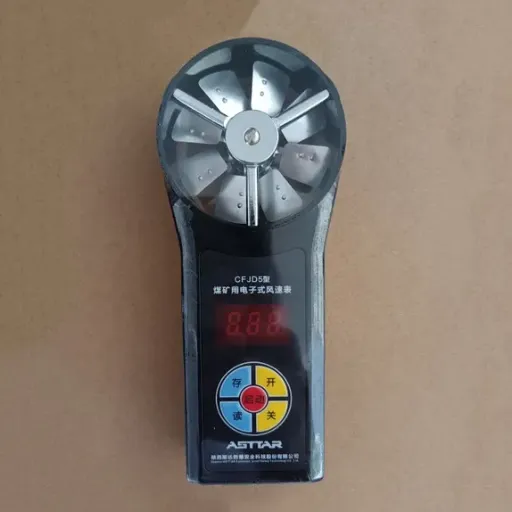 Read More
 -
Wholesale Mining Safety Equipment: A 2026 Procurement Guide
July 24, 2026Wholesale mining safety equipment is the bulk purchase of certified protective gear, escape devices, lighting, gas detection, and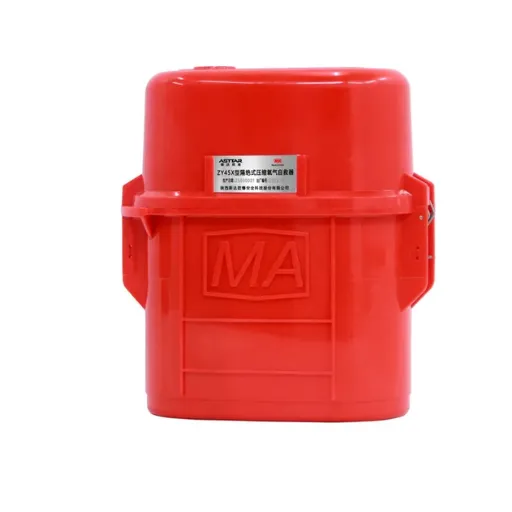 Read More
 -
Mining Safety Equipment Checklist for 2026
July 24, 2026A complete mining safety equipment checklist covers respiratory protection, gas detection, lighting, personal protective equipment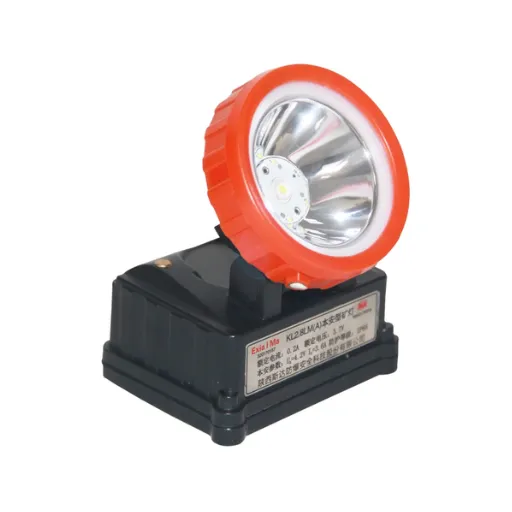 Read More
 -
Breathing Apparatus for Mine Rescue: A 2026 Selection and Deployment Guide
July 24, 2026Breathing apparatus for mine rescue is specialized respiratory protection that supplies independent breathable air to rescue teams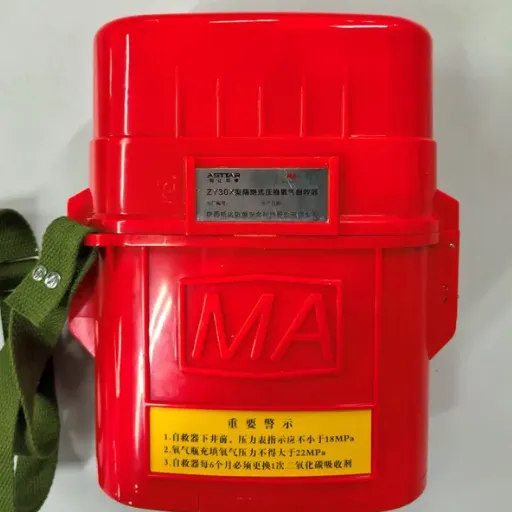 Read More

Contact Us

Recommended Products
-
 CE Certified 30 Minutes Closed Circuit Mining Oxygen Self-rescuerNegotiableMOQ: 1 Piece
 -
CE Certified 30 Minutes Isolated Breathing Protection Chemical Oxygen Self RescuerNegotiableMOQ: 1 Piece
-
K-SB50 Self Contained Oxygen Escape Device Built-In Humidity Indicator For Mine Fire RescueNegotiableMOQ: 1 Piece
-
60 Minutes CE Approved Self-Contained Self-Rescuer K-Sb60 for Miner SafetyNegotiableMOQ: 1 Piece
-
Lightweight Portable K-SB60 KO2 Oxygen Generating Self Rescuer For Confined Space Industrial Emergency UseNegotiableMOQ: 1 Piece
-
Portable ZL60 Filter Self Rescuer Lightweight Underground Personal Breathing DeviceNegotiableMOQ: 1 Piece
-
Fire Fighting Oxygen Rebreather Mine Chemical Self-Rescuer Portable Isolated Breathing EquipmentNegotiableMOQ: 1 Piece
-
ZL60 60 Minutes Carbon Monoxide Filter Self RescuerUS$ 120 - 150MOQ: 1 Piece
-
ZY30X Isolated Compressed Oxygen Self Rescuer Self Contained Breathing Escape DeviceUS$ 120 - 150MOQ: 1 Piece
-
ZY45X Mining Self Rescuer Self Rescue Packs For Low Oxygen Toxic Gas EnvironmentNegotiableMOQ: 1 Piece
-
Portable ZY45X Self Rescue Breathing Apparatus Emergency Escape Breathing DevicesNegotiableMOQ: 1 Piece
-
0.6L Oxygen Cylinder ZY45X Self Rescue Respirator Underground Mining Self RescuerNegotiableMOQ: 1 Piece
-
Atex 6ah 7000lux IP65 Mining Industrial Use Ex Proof LED Cap Lamp Safety HeadlampUS$ 98 - 110MOQ: 1 Piece
-
KL6Ex ATEX Rechargeable High Brightness Corded LED Headlamp Miner Cap LampUS$ 98 - 110MOQ: 1 Piece
-
ATEX-Certified KL6Ex Mining Lamp: Essential Safety for Underground OperationsUS$ 98 - 110MOQ: 1 Piece
-
KL1.2Ex LED Miner Cap Lamp ATEX Explosion Proof Mining HeadlampUS$ 75 - 85MOQ: 1 Piece
-
ATEX Cordless LED Cap Lamp Underground Mining Safety HeadlampUS$ 75 - 85MOQ: 1 Piece
-
Rechargeable Wireless LED Mining Headlamp for Potentially Explosive EnvironmentsUS$ 75 - 85MOQ: 1 Piece
-
KL6LM (A) Intrinsically Safe High Brightness Miner's Cap LampUS$ 120 - 150MOQ: 1 Piece
-
5Ah Rechargeable LED Cordless Miner\'s HeadlampUS$ 85 - 98MOQ: 1 Piece